Bureaucratic burdens in Germany’s corporate sector: causes and effects Monthly Report – July 2026
Published on
Bureaucratic burdens in Germany’s corporate sector: causes and effects Monthly Report – July 2026
Monthly Report Published on
Numerous surveys show that bureaucracy at firms in Germany has become more and more of a burden over the past few years. Less well known, however, is why this is happening, how significant this burden is and how it is affecting firms. A Bundesbank Online Panel – Firms (BOP‑F) survey provides new insights into this.
The survey quantifies the rising costs of regulatory requirements (bureaucracy costs) for German firms in recent years.On average, bureaucracy costs increased between 2022 and 2024 from around 5 % to around 7 % of annual turnover. According to econometric estimates, the increased regulatory burden markedly slowed productivity developments in the corporate sector. The results suggest that, particularly in the case of smaller firms, bureaucracy diverts some workforce resources away from revenue-generating activities.
In addition to quantifiable bureaucracy costs, the survey also qualitatively calculates the bureaucratic burdens in individual areas. Firms reported the largest and fastest growing amount of red tape in (i) tax and financial reporting, (ii) data protection and privacy regulations, (iii) employment and labour law regulations and (iv) environmental regulations. Bureaucracy costs rose significantly in all sectors. In the financial industry, bureaucracy costs as a share of turnover continued to rise sharply from a high level. They also grew strongly in the manufacturing sector.
This broad-based increase could be related to the fact that some new regulations are interfering quite significantly with fundamental business processes. Although some of these requirements may mainly result in temporary transition costs, international surveys show that bureaucratic regulations in Germany place a particularly heavy burden on firms, by European standards. One possible contributor to this is the fact that companies and public administrations in Germany are lagging behind their international peers in terms of digitalisation, making it more difficult to implement new regulatory requirements. Furthermore, the analysis suggests that the structural challenges that are particularly pronounced in Germany, such as the skills shortage and increased competitive pressure, have further exacerbated the burdening impact of regulatory requirements. In view of the Federal Government’s ongoing reform efforts, synergies could therefore arise from the fact that, alongside the reduction in bureaucracy, progress is being made in digitalisation and structural reforms are underway. These synergies might not only directly strengthen economic growth, but also reduce the burdening effect of existing regulation.
The survey does not allow any conclusions to be drawn about whether the regulations behind the reported bureaucratic burdens are appropriate. Overall, however, it does show that reducing bureaucracy could significantly ease the burden on firms. Politicians have recognised this need for action and are on the right track with the modernisation projects that they have launched. Now it is a matter of implementing these measures swiftly and comprehensively.
1 Regulation has important functions, but also entails a bureaucratic burden
Regulatory requirements fulfil important societal functions. They limit market failures and protect, for example, the environment, health and consumer interests. In addition, they support key transformation processes, such as the transition to a climate-neutral economy. Experience from the financial crisis also shows that inadequate regulation can entail considerable risks. At the same time, however, regulations can unduly hamper economic activity – for instance, if regulatory density is very high, compliance is unnecessarily difficult or regulations are poorly aligned. It is impossible to determine exactly when regulation devolves into an undue burden. It is crucial to strike a balance between reaping societal benefits and putting the lowest possible burden on firms, households and public administration.
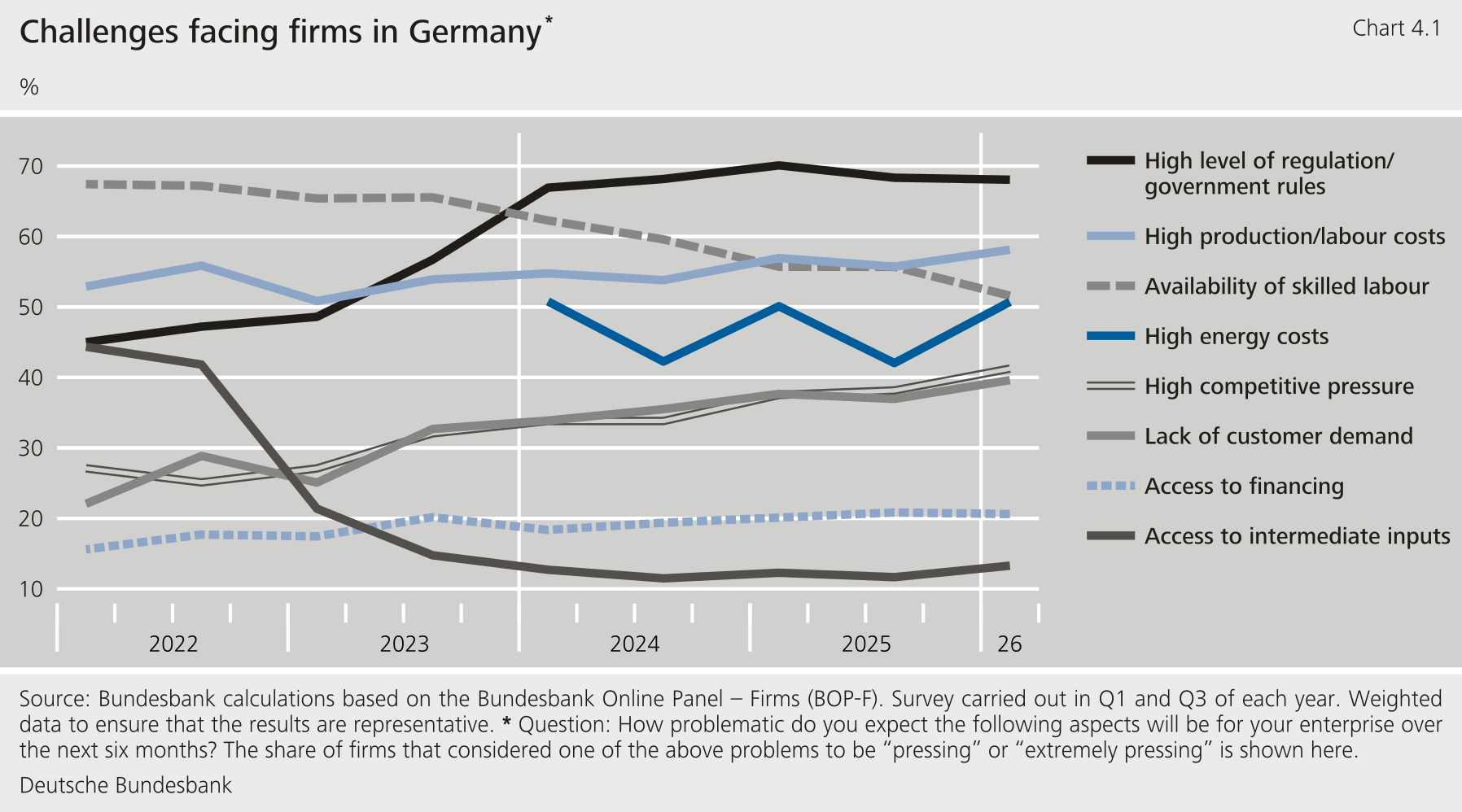
The bureaucratic burdens on firms in Germany have risen significantly in recent years. This is demonstrated by surveys conducted by various institutions. Representative Bundesbank surveys show that, since 2022, more and more firms have cited bureaucracy as a pressing problem. This figure was just under 70 % at last report, compared with 45 % in 2022. Government requirements are thus now posing problems for more firms than the skills shortage or high production and labour costs. The European Investment Bank regularly surveys firms about barriers to investment. Since 2022, the results of these surveys have shown that regulatory requirements are increasingly stalling investment in Germany. Data from the National Regulatory Control Council support this finding: they show that the burden of meeting these requirements has risen significantly since 2022, especially for businesses. 1
Studies suggest that government regulations in Germany result in considerable macroeconomic costs. 2 According to the German Council of Economic Experts (2025), the costs generated by information obligations in Germany amounted to €193 billion in 2024. An IAB study reports that, between 2022 and 2025, one in every ten enterprises hired additional staff to comply with legal and documentation requirements. 3 Firms in the KfWSME Panel also report that the SME workforce spend on average 7 % of their working hours on administrative processes in order to fulfil government requirements. 4
The present analysis examines the extent and causes of growing regulatory burdens as well as their impact on firms. To this end, around 7,000 firms were surveyed in the third quarter of 2025 as part of the Bundesbank Online Panel – Firms (BOP‑F). 5 The responses give an indication of the areas in which bureaucratic burdens have increased especially strongly, and which firms are particularly affected. This allows for more detailed insights into the origins and distribution of bureaucratic burdens. The survey responses also provide information on the cost increases associated with the additional burdens. This information can be used to draw conclusions about the causes and extent of increased bureaucracy costs.
The survey used here captures the compliance costs that arise for firms as a result of complying with government regulations. 6 This comprises documentation, retention and information obligations as well as reporting and evidence requirements. The interpretation and application of laws as well as application, planning and approval procedures are also included here. Direct costs arising from government regulations, such as minimum wage policies or carbon pricing, are not taken into account, however. Compliance costs include the necessary spending on staffing, material and services. Investments that firms have to make as a result of new requirements are also considered. In the following, the terms “compliance costs” and “bureaucracy costs” are used largely interchangeably.
The survey results do not allow any conclusions to be drawn as to whether the recorded bureaucratic burdens are due to excessive regulation. The survey itself captures the expenditure associated with government requirements. It is not possible to derive any statements about their societal benefits or about whether or not they are necessary.
2 Bureaucracy is a significant cost factor for enterprises
As bureaucracy costs are difficult to measure, surveys of firms can offer valuable information. They provide a direct insight into the costs borne by firms. In the BOP‑F survey, firms were asked to report the costs they incurred due to government requirements for 2022 and 2024 as a share of their respective annual turnover. However, the quantitative data are subject to a number of uncertainties. For example, they may be skewed by simplified estimates, different interpretations of terms or subjective assessments. Current events or heightened public attention may also influence respondents’ perceptions of individual burdens.
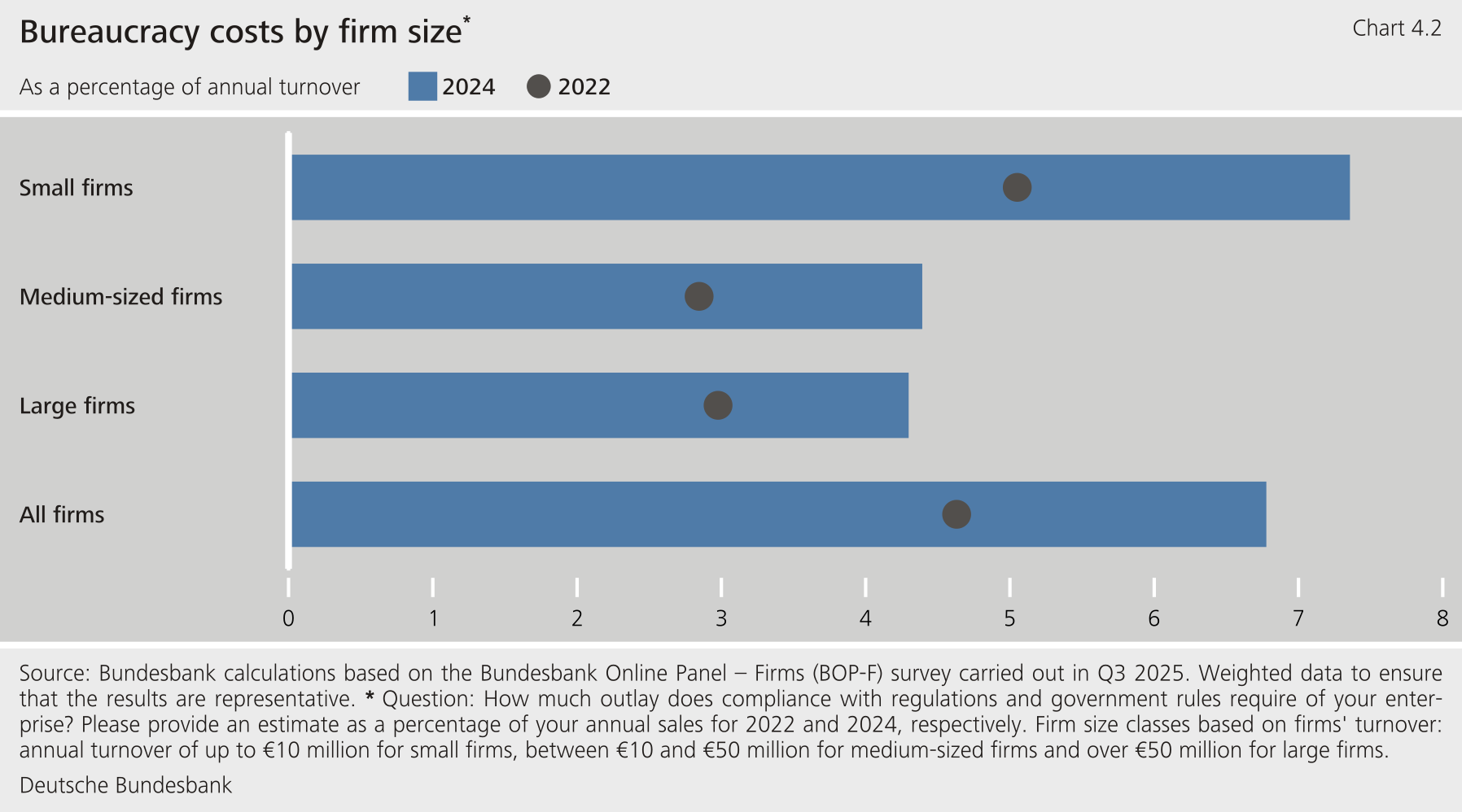
Since 2022, bureaucracy costs in relation to firms’ annual turnover have risen considerably on average. While bureaucracy costs accounted for around 5 % of turnover on average in 2022, this figure rose to approximately 7 % in 2024. This represents an increase of almost 50 %.
For small enterprises, bureaucracy costs relative to turnover are particularly high. 7 Although smaller firms are exempt from some regulations or are subject to simplified rules, 8 the government regulations that do apply to them often entail comparatively high costs. One likely reason for this is that the effort involved in fulfilling requirements and documenting obligations is often independent of firm size. Smaller firms are thus disproportionately hard-hit by such fixed costs. 9 In the lower turnover size classes, therefore, the ratio of even moderate fixed compliance costs to turnover is fairly unfavourable.
Bureaucracy costs have risen in relation to turnover across all firm size categories in recent years. For small enterprises, the ratio rose by slightly less than one-half on average, comparable to the average across all firms. The increase was above average for medium-sized enterprises and smaller for large enterprises.
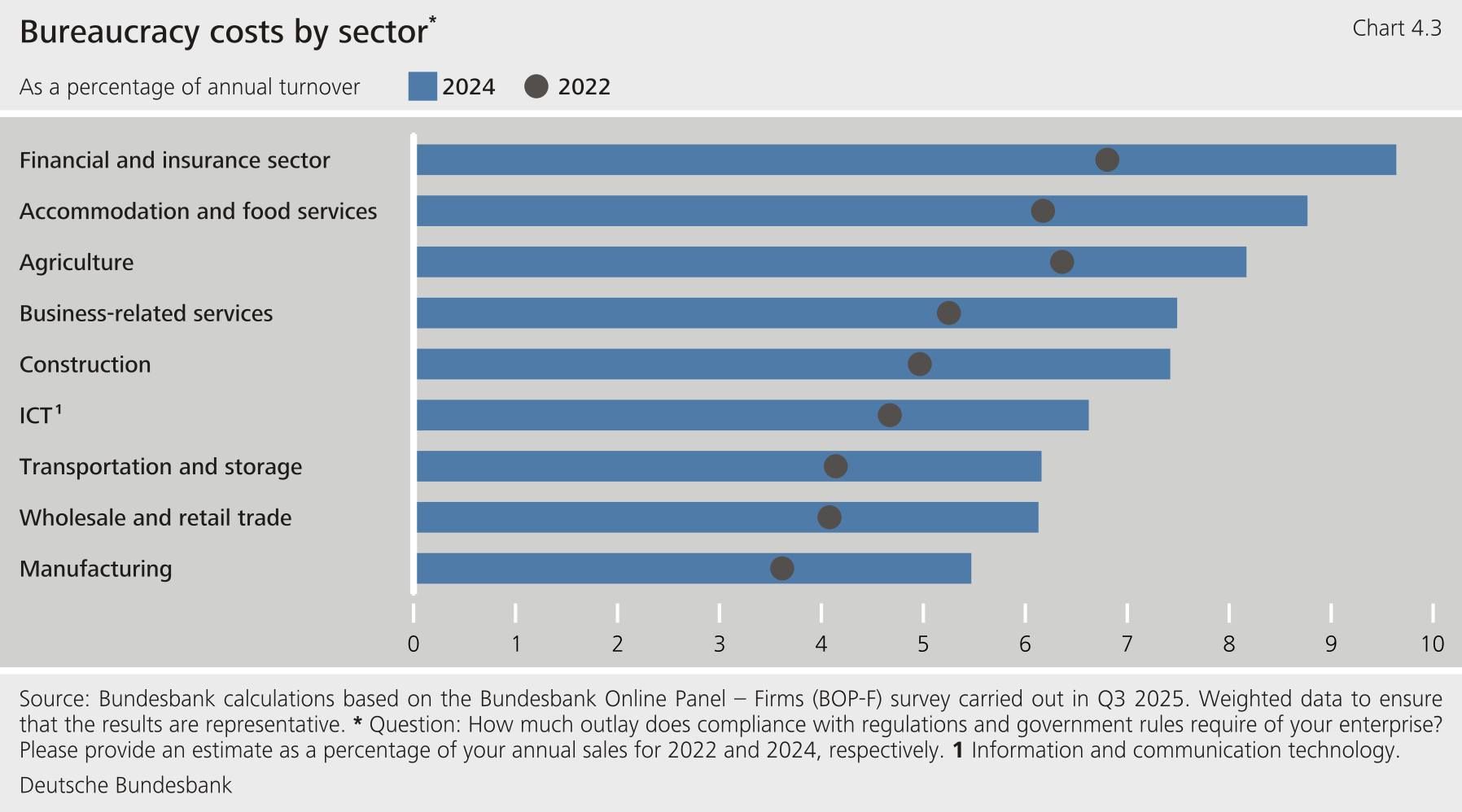
Bureaucracy costs have risen significantly in all sectors. 10 The financial sector recorded particularly significant increases. It thus remains the sector with the highest bureaucracy costs in relation to turnover. This is likely to be related, amongst other things, to the extensive reporting requirements of financial corporations, which have been amended again in recent years. Although, in the manufacturing sector, the level of bureaucracy costs in relation to turnover has remained comparatively low, this level has risen by more than one-half over the past few years. Growth was thus stronger here than in the other sectors. As manufacturing firms are particularly competitive internationally, this could have weighed on the competitiveness of the German export industry. 11
The considerable and broad-based increase in bureaucracy costs across economic sectors and size categories could be related to the fact that some new regulations are interfering quite significantly with fundamental business processes. As a result, even a few additional regulations could lead to high implementation costs. These may include requirements for digital processes (such as outlay for the implementation of electronic invoicing for VAT), for IT security (such as the Network and Information Security Directive (NIS2) 12 or the Digital Operational Resilience Act (DORA) 13 ) and for sustainability reporting (such as the Corporate Sustainability Reporting Directive (CSRD) 14 or the Supply Chain Act (Lieferkettensorgfaltspflichtengesetz) 15 ). These requirements often make adjustments to IT systems, internal control processes and firm-wide documentation and reporting obligations necessary. 16
Taken in isolation, the requirements pursue understandable objectives. To some extent, they address firms’ existing catch-up needs or changed economic and technological conditions, such as the digitalisation of processes or IT security. 17 Some of the associated costs are likely to be temporary. 18 In addition, digital procedures will probably simplify processes after the changeover and ease the burden on firms in the long term. Overall, however, there may be considerable, in some cases temporary, additional burdens for firms.
3 Areas with increased compliance costs
Surveys of firms can give indications as to which regulatory fields are particularly bureaucracy-heavy and where associated costs have increased the most. Respondents were asked how the outlay necessary to comply with various government requirements had changed for their enterprise since the beginning of 2022 and which areas of regulation currently demand the most resources. However, figures on bureaucracy costs relative to turnover cannot be easily broken down by individual regulatory area. In this case, only figures on the scale of expenditure are available.
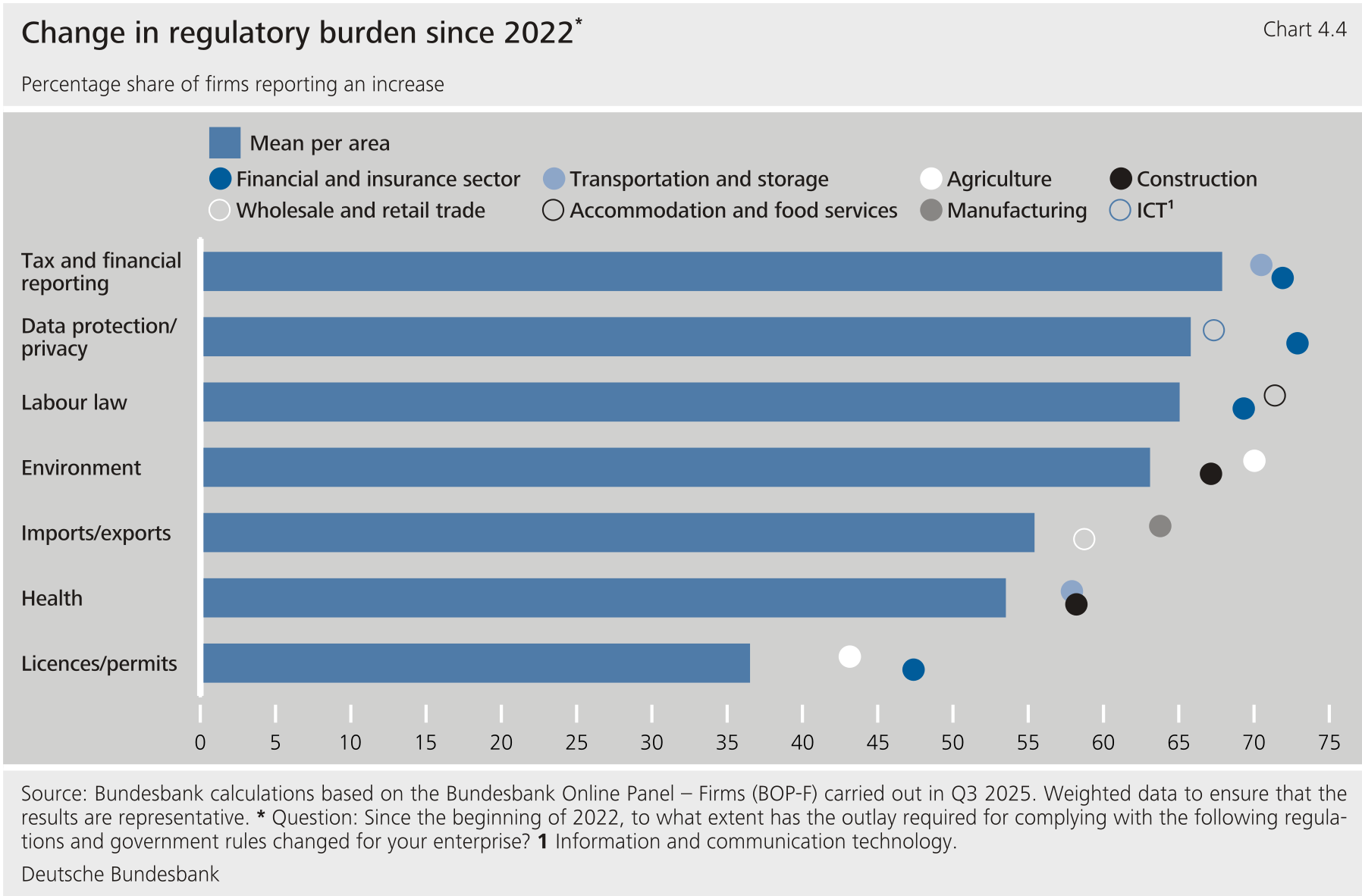
Bureaucracy costs rose most sharply in the areas of tax and financial reporting, labour law and employment regulation, environmental protection and data protection and privacy regulations. Firms frequently count these three areas among the most resource-intensive regulatory fields.
In the financial sector, regulatory burdens grew particularly sharply across these fields. This is especially true for tax and financial reporting and data protection regulations. Contributing factors probably included expanded environmental, social and governance (ESG) requirements, tighter requirements for digital and operational resilience and additional reporting, disclosure and compliance requirements. 19 Digital resilience requirements are also likely to have an above average impact on firms in the ICT sector.
As expected, firms in the manufacturing sector in particular are seeing increased regulatory burdens in the area of export and import regulations. 20 The Supply Chain Act is likely to have contributed to this. 21 Furthermore, it is striking that firms in the manufacturing sector often report an above average increase in compliance costs in almost all areas. 22 Additional environmental regulations are weighing particularly hard on agriculture and construction.
Econometric estimates can be used to link the overall rise in bureaucracy costs to the increases in expenditure in the individual areas. According to the estimates, higher bureaucracy costs (relative to turnover) tended to be associated with tighter regulation in the areas of tax and financial reporting as well as import and export reporting. 23 This suggests that these areas played a particularly important role in the rise in bureaucracy costs.
4 Regulatory burden by international standards
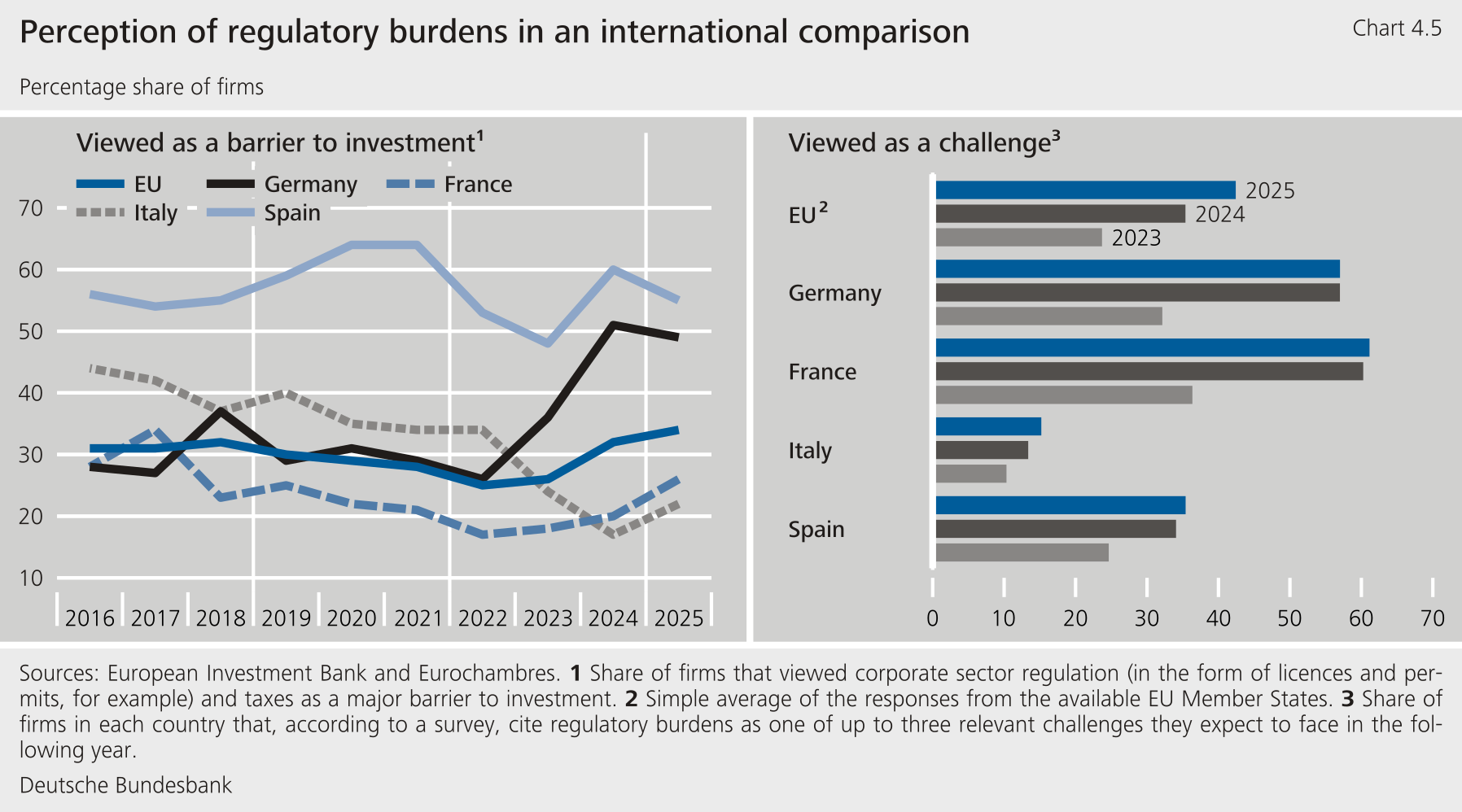
By international standards, firms in Germany report red tape especially often. This is shown by surveys conducted by the European Investment Bank (EIB) and the Association of European Chambers of Commerce and Industry (Eurochambres). 24 Despite some differences in methodology and definitions, they consistently show that regulatory burdens in Germany have increased in recent years and are sizeable by European standards.
Compliance costs in Germany can be exacerbated by gold-plating. In this context, gold-plating refers to the process in which EU directives are transposed more strictly, earlier or in a more complex manner than stipulated by the directive. One example is the NIS2 Implementation and Cybersecurity Strengthening Act (NIS‑2-Umsetzungs- und Cybersicherheitsstärkungsgesetz – NIS2UmsuCG). Implementation in Germany includes stricter requirements, such as a more broadly defined set of enterprises. 25 The National Regulatory Control Council also consistently stresses the importance of refraining from gold-plating when transposing EU directives into national law. 26 Eurochambres’ surveys indicate that EU standards are another factor contributing to the rising bureaucratic burden. According to these surveys, bureaucratic burdens have become more challenging for a growing number of businesses in many EU countries in recent years. 27
5 Potential synergies with other areas for reform
Digitalisation can help reduce bureaucracy costs. Regulation often pursues objectives, such as environmental or social standards, that cannot be fully captured by a strictly economic cost-benefit analysis. Any reduction in regulation, and the resulting decrease in economic costs, must therefore be weighed against the potential impact on these objectives. Moreover, at any given level of regulation, bureaucracy costs can be reduced by taking action such as adjusting processes to reduce compliance costs. 28 Digitalisation in public administration and in firms often offers promising opportunities, such as through automated digital processes and forms.
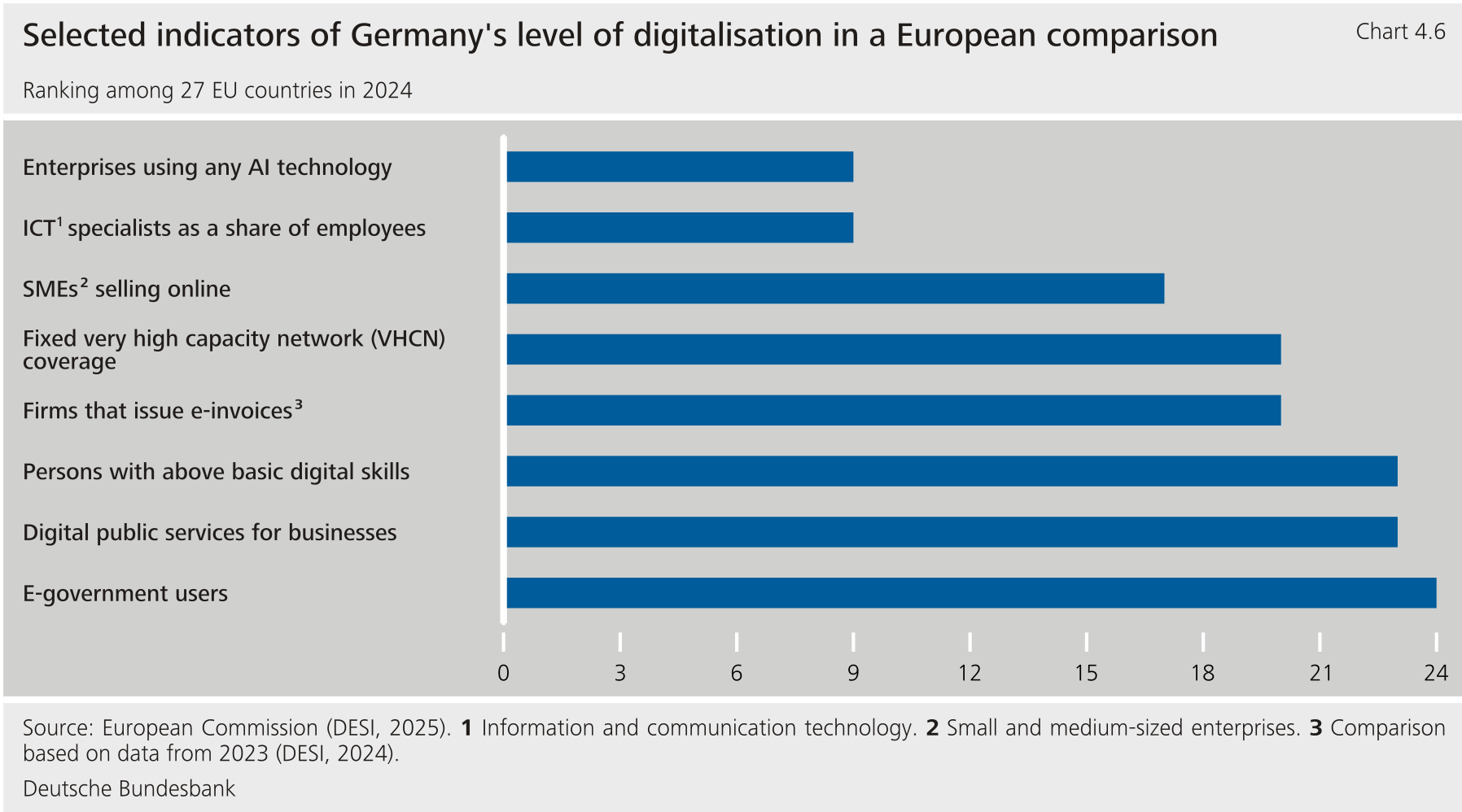
Germany is lagging behind other EU countries when it comes to digitalisation in businesses and public administration, which may be increasing compliance costs compared with other countries. According to the European Commission’s Digital Economy and Society Index (DESI), Germany ranks near the bottom amongst European countries on many indicators of digitalisation. This is especially true when it comes to the digitalisation of public administration. However, Germany also performs poorly in certain areas regarding digital infrastructure and the use of digital applications by businesses. Yet digital processes can significantly reduce red tape, for example through automated data entry. At the same time, lagging behind can itself make additional adjustments necessary. One example of a temporary additional burden incurred in exchange for medium-term gain is the phased introduction of e-invoicing from 2025 onwards. According to the DESI, German businesses were among the EU’s slowest adopters of e-invoices in 2023. 29 To make the switch, companies will in some cases need to adapt their IT systems and processes, which may initially result in transition costs and organisational effort. However, most of this burden is likely to be a one-off. In the medium term, the introduction of digital processes should help ease the burden.
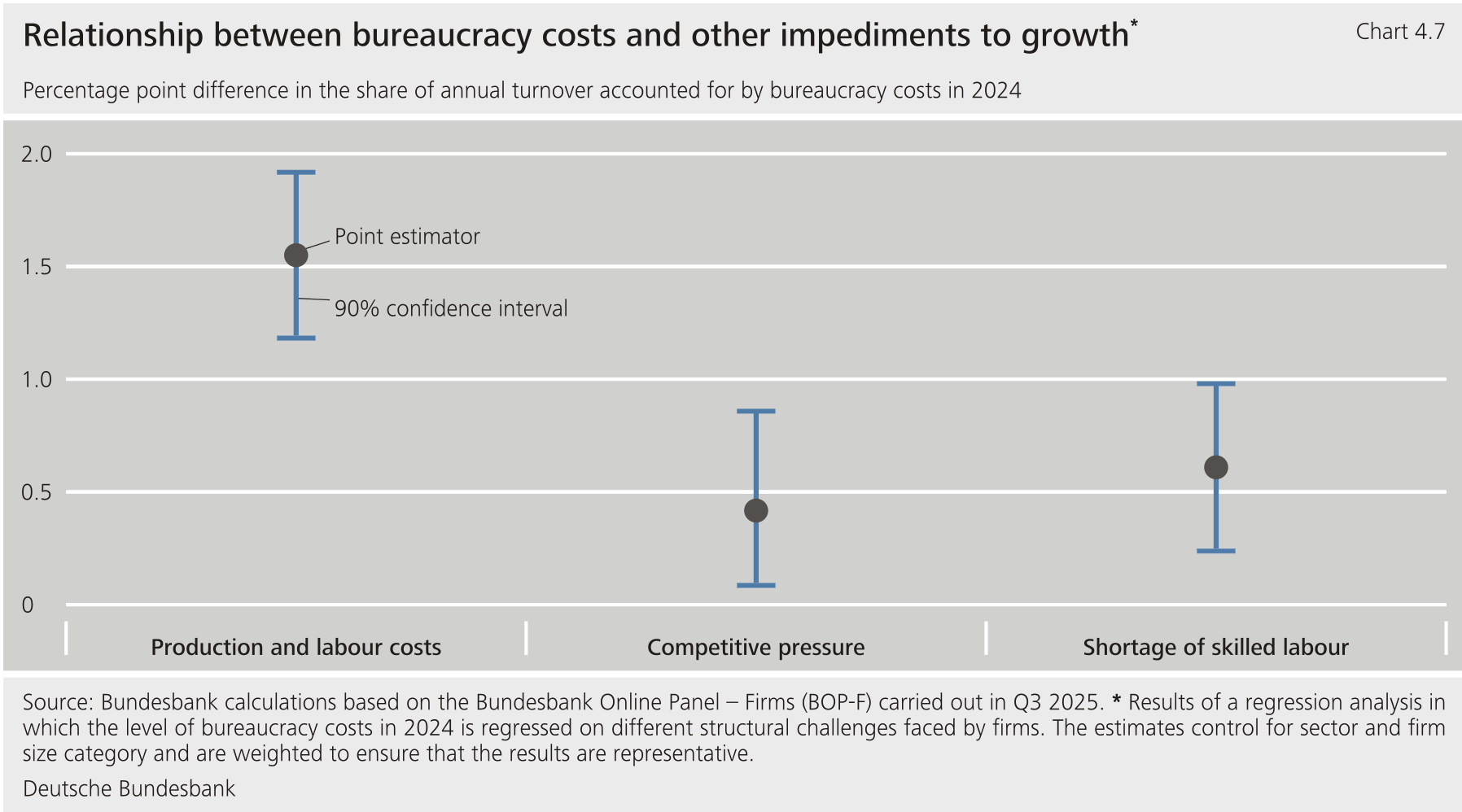
Econometric estimates also suggest that bureaucracy is an especially heavy burden in the face of major structural challenges such as the skills shortage and rising pressure to compete internationally. These estimates show how closely bureaucracy costs are related to pressures from production and labour costs, competition and the skills shortage (see the supplementary information entitled “The empirical relationship between bureaucracy costs and other location factors”). According to the estimates, in 2024, the costs of meeting bureaucratic requirements were higher among those businesses that reported experiencing greater pressure from production and labour costs. Intense pressure from competition or the severe skills shortage may also have been a contributing factor. These findings indicate that rising bureaucracy costs are not necessarily due to new regulatory requirements alone. Even unchanged regulations can lead to higher costs if economic conditions deteriorate. For example, higher wage cost pressures may mean that the same documentation, reporting or verification requirements result in higher personnel costs. At the same time, comparable bureaucracy costs can weigh more heavily on firms in a difficult economic environment, as their ability to pass on these costs diminishes.
The findings suggest that the interplay between bureaucracy and other location factors should be given greater consideration when assessing the benefits of reforms. Advances in digitalisation or a reduction in structural problems could not only directly increase economic growth but also ease the burdens of existing regulation. As a result, the overall economic impact of such reforms is likely to be greater than if considered in isolation.
Supplementary information
The empirical relationship between bureaucracy costs and other location factors
The relationship between bureaucracy costs and other location factors can be analysed using information provided by enterprises as part of the Bundesbank Online Panel – Firms (BOP‑F) survey. Data from the round of the survey conducted in the third quarter of 2025 are used as the basis. In the survey, enterprises reported the costs incurred for compliance with bureaucratic regulations in 2024 as a percentage of their annual sales. In addition, they gave their assessments of various economic challenges with a view to the next six months. The present analysis focuses on three structural challenges: high production and labour costs, high competitive pressure, and the shortage of skilled workers. The analysis looks at whether enterprises perceive each of these factors as a pressing or extremely pressing problem or only a minor problem or no problem at all.
The empirical approach compares the bureaucracy costs of enterprises that perceive a particular challenge as at least pressing with the bureaucracy costs of other enterprises. The estimation is carried out at the enterprise level, taking account of differences between economic sectors and enterprise size classes. In this way, the comparison looks at enterprises within the same sectors and size classes. 1
Here, \( Bureaucracy\ costs_{i2024} \)denotes the bureaucracy costs of enterprise \( i \)as a percentage share of its annual sales in 2024. \( Challenges_i \)is a dummy variable that takes a value of one if the enterprise perceives the relevant further structural barrier to growth as a pressing problem over the next six months and a value of zero otherwise. \( \lambda_s \)and \( \delta_g \)(fixed sector and size class effects) take account of other systemic – i.e. non-enterprise-specific – differences between economic sectors and enterprise size classes, respectively. \( \varepsilon_{it} \)is the error term. The coefficient \( \beta \)indicates the number of percentage points by which the average bureaucracy costs as a percentage share of annual sales differs between two enterprises, where one enterprise perceives the challenge in question as a particularly pressing problem and the other does not. A positive coefficient means, for example, that enterprises that perceive the shortage of skilled workers as a pressing problem spend, on average, more on compliance with bureaucratic regulations as a percentage of their annual sales than enterprises that do not perceive the shortage of skilled workers as a particularly pressing problem. 2
According to the results, higher bureaucracy costs are associated with more significant problems relating to the three other location factors. Enterprises that perceive high production and labour costs as a pressing problem report that the percentage shares of their annual sales spent on bureaucracy costs in 2024 were, on average, 1.6 percentage point higher than those of enterprises that do not perceive these as a particularly pressing problem. This applies similarly to enterprises that face high competitive pressure or that perceive the shortage of skilled workers as a particularly pressing problem. 3 Nevertheless, these results should not be interpreted causally. For example, a generally tense economic situation could lead enterprises to have both higher bureaucracy costs as well as more critical assessments of the prevailing local conditions. The observed relationship therefore does not necessarily mean that the respective structural challenges themselves are the cause of the higher bureaucracy costs.
Bureaucracy costs should therefore not be viewed in isolation from the other structural barriers to growth. If the general economic climate deteriorates, existing bureaucratic regulations could become more costly and more detrimental for enterprises, even in the absence of new regulations. Conversely, reforms that improve the level of digitalisation or general local conditions, for example, could not only strengthen economic performance directly, but could also reduce bureaucracy costs.
6 The impact of increased bureaucracy on firms’ investment, competitiveness and productivity
Conceptually speaking, the impact of regulation on economic growth is not clear-cut. Although regulation often serves non-economic purposes, it is also an essential part of a market economy. For instance, regulation helps organise markets efficiently, ensures sufficient and fair competition and takes externalities of economic activity into account. In doing so, it promotes sustainable growth.
At the same time, excessive bureaucracy hampers aggregate investment, competitiveness and GDP growth. An ifo business survey conducted in 2023 found that, in Germany, the density of regulation slowed business investment much more than the skills shortage or higher energy prices. 30 In recent years, bureaucracy has also become a major obstacle to starting new businesses, thereby undermining innovation. 31 According to the KfWSME Panel, firms identified bureaucracy as by far the greatest risk to competitiveness in both 2023 and 2024. 32 Taking these indirect effects into account, the ifo Institute estimates that Germany’s comparatively high level of bureaucracy results in an annual loss of economic output of €146 billion. 33 This corresponds to more than 3 % of Germany’s GDP.
The empirical literature suggests that rising bureaucracy costs lower firms’ productivity under certain conditions. 34 This is mainly due to the resources that businesses need to devote to complying with regulatory requirements. 35 Compliance ties up working hours, management capacity and skilled staff – resources that are then less readily available for production, sales, innovation and market development. 36 Many regulations also entail costs that are initially largely independent of firm size, such as those for adapting processes and IT systems or for legal and consulting services. 37 Furthermore, complex or unclear rules can delay investment and make operational adjustments more difficult. When this hinders new firms from entering the market or prevents smaller firms from expanding, it can weaken competition within a market segment. As a result, the reallocation of resources to more innovative or productive firms will be weaker. This can further dampen productivity and economic growth. 38
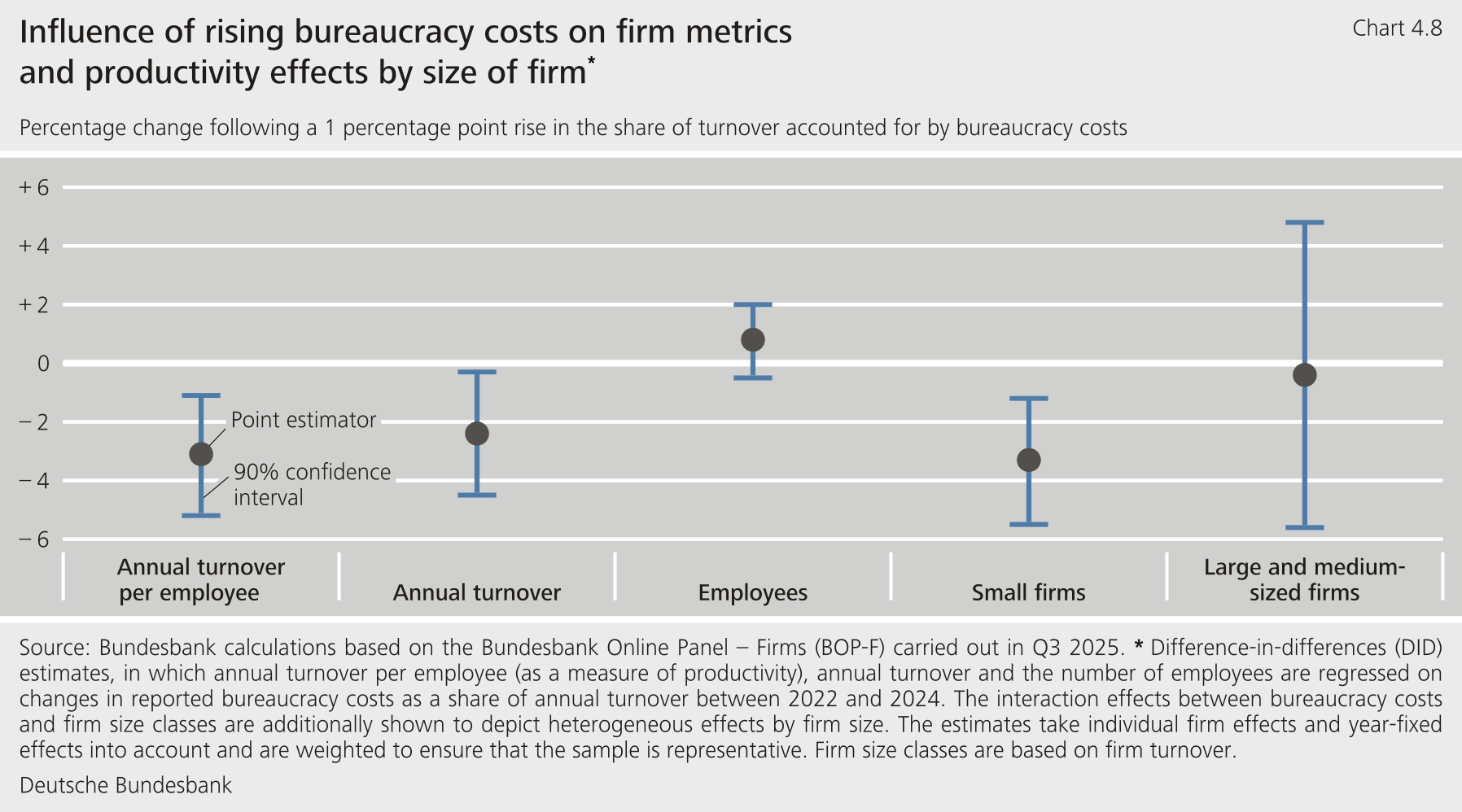
Econometric estimates based on BOP‑F firm-level information show that rising bureaucracy costs between 2022 and 2024 were associated with lower productivity growth among German firms. Based on the data analysed, it is possible to examine the impact of rising bureaucratic burdens on the productivity of businesses in Germany. 39 A difference-in-differences approach reveals that companies experiencing a greater increase in bureaucracy costs saw weaker growth in turnover per employee (used as a measure of productivity) than other firms (see the supplementary information entitled “The empirical relationship between bureaucracy costs and the productivity of German enterprises”). If bureaucracy costs rose by 1 percentage point relative to turnover, turnover per employee fell by an average of around 3 %. However, this relationship is only statistically significant for small businesses. As these account for only a limited share of total employment, the macroeconomic contribution is smaller than the estimated firm effect might suggest.
A rough estimate shows that the increased bureaucracy costs reduced overall economic productivity growth by about ½ percentage point between 2022 and 2024. This is based on weighting the estimated effect for small enterprises by their share of employment. Given the already weak productivity developments of recent years, this contribution is notable. The estimated effect is mainly attributable to lower turnover, while the effect on employment is statistically insignificant. This suggests that bureaucracy diverts some workforce resources away from revenue-generating activities.
Supplementary information
The empirical relationship between bureaucracy costs and the productivity of German enterprises
The impact of higher bureaucracy costs on productivity can be estimated using data reported by enterprises as part of the Bundesbank Online Panel – Firms (BOP‑F) survey. The data on bureaucracy costs are taken from the round of the survey conducted in the third quarter of 2025. These data refer to the years 2022 and 2024 and are measured as a percentage of annual sales. First, the extent to which the reported bureaucracy costs changed between these two years is calculated for each enterprise. Then, this change is examined in relation to developments in labour productivity. Due to a lack of information on value added and production, sales per employee serve as a measure of labour productivity. For 2022, the figures on sales and number of employees needed for this calculation are taken from the rounds of the survey conducted in 2023 and, for 2024, from the round of the survey conducted in the third quarter of 2025. As a result, only enterprises that participated in the survey in both 2023 and the third quarter of 2025 are included in the analysis. 1
The empirical approach compares developments in enterprises’ productivity based on the extent to which their bureaucracy costs increased between 2022 and 2024. 2 The estimation is carried out at the enterprise level using observations for 2022 and 2024. This means that two observations per enterprise are factored into the analysis. Fixed enterprise effects take account of time-invariant differences between enterprises. These include, for example, differences in business models, capitalisation, or quality of management. Fixed annual effects capture macroeconomic developments that affect all enterprises. The estimation equation is as follows:
$$ ln(P_{it})=α_i+λ_t+βB_{it}+ε_{it} $$
Here, \( P_{it} \) denotes sales per employee at enterprise \( i \) in year \( t \). \( B_{it} \) measures bureaucracy costs as a percentage of annual sales. \( \alpha_i \) represents fixed enterprise effects. \( \lambda_t \) denotes fixed annual effects. \( \varepsilon_{it} \) is the error term. The coefficient \( \beta \) indicates the change in sales per employee if bureaucracy costs rise by 1 percentage point of sales. As the dependent variable is logarithmic, \( \beta \) can be interpreted as an approximation for the percentage change in sales per employee. In extended specifications, the equation is supplemented by sector-year effects and federal state-year effects. This allows for account to be taken of differing developments between economic sectors and regions, such as those resulting from variations in prices or demand.
The estimation is based on the assumption that enterprises with differing increases in bureaucracy costs would have had similar developments in productivity if their bureaucracy costs had not risen. Enterprises that report larger rises in bureaucracy costs therefore should not have been on a different trend path for productivity beforehand. Likewise, the subsequent rise in bureaucracy costs should not have had an impact on productivity before the period under review. These assumptions cannot be verified directly. A common plausibility test for this approach is a placebo test for an earlier period of time. This estimates whether the subsequent rise in bureaucracy costs was already related to developments in productivity between 2021 and 2022. There is no statistically significant correlation for this period. This suggests that prior existing differences in productivity trends did not have any significant impact on the results.
The estimate shows that sales per employee fell by around 3 % on average if bureaucracy costs rose by 1 percentage point (in relation to sales). The main finding also holds for specifications with additional fixed effects at sector and year levels as well as at federal state and year levels. An additional analysis examines whether the relationship differs depending on enterprise characteristics. To this end, the variable for bureaucracy costs \( B_{it} \) is interacted with the respective time-invariant enterprise characteristic \( K_i \) (such as enterprise size). The coefficient of the interaction term indicates whether the relationship is stronger or weaker for this group of enterprises. For small enterprises – i.e. enterprises with sales of less than €10 million – the estimated relationship is especially clear. A separate analysis of sales and number of employees also shows that the decline in labour productivity is attributable primarily to lower sales. The number of employees, by contrast, remains broadly unchanged.
Table 4.1: Impact of rising bureaucracy costs between 2022 and 2024 on productivity growth among German enterprises
Variable
(1) Main specification
(2) Placebo
(3) Heterogeneity (enterprise size)
Bureaucracy costs
– 0.031** (0.013)
0.015 (0.013)
–
Large_Medium × Bureaucracy costs
–
–
– 0.004 (0.032)
Small × Bureaucracy costs
–
–
– 0.033*** (0.013)
Observations
2,434
2,434
2,434
Control variables
Fixed enterprise and annual effects
Fixed enterprise and annual effects
Fixed enterprise and annual effects
Source: Bundesbank calculations based on the Bundesbank Online Panel – Firms (BOP‑F) survey conducted in Q3 2025. Standard errors are in brackets. * p < 0.10, ** p < 0.05, *** p < 0.01.
7 Economic policy conclusions
Bureaucracy costs for businesses are high and have risen sharply over the past few years. On average, they rose relative to firms’ annual turnover in Germany from around 5 % in 2022 to approximately 7 % in 2024. Moreover, the analysis shows that bureaucratic burdens negatively affect firms’ productivity.
The considerable and broad-based increase in costs across economic sectors and size categories could be related to the fact that some new regulations are significantly affecting core business processes. The largest and fastest growing amount of red tape can be found in the areas of tax and financial reporting, labour law and employment regulation, environmental protection, data protection and privacy.
International surveys also indicate that firms in Germany have reported regulatory burdens particularly frequently in recent years. Contributing factors may include the need to catch up on digitalisation and, to some extent, gold-plating in the transposition of EU directives into national law.
In addition, the analysis suggests that other pressing structural challenges in Germany have further amplified the burdening impact of regulatory requirements. This means that reforms that improve the level of digitalisation or the general conditions for doing business in Germany, for example, could not only strengthen economic performance directly but also reduce bureaucracy costs.
New regulatory requirements do not necessarily increase bureaucracy costs. They often respond to changing requirements in, for example, digitalisation, IT security or sustainability. Initial transition costs may also fall over time as companies adapt their processes. Digital solutions can even simplify processes after their introduction and lead to long-term efficiency gains. All in all, however, many requirements that are reasonable in themselves can nevertheless impair economic activity. It is therefore crucial to strike a balance between the objectives pursued by regulation and the burdens it imposes on businesses.
The federal, state and local governments have recognised this need for action and aim to reduce bureaucracy costs. 40 To this end, they have launched modernisation projects, amongst other things. 41 These include a multitude of ambitious measures aimed at reducing bureaucracy and digitalising public administration. According to what was agreed by the Coalition Committee in early July 2026, reporting obligations are to be abolished unless new grounds for retaining them are provided. Overall, the measures could simplify procedures and reduce administrative costs. The key will be to implement these measures swiftly and effectively. Further steps would also be advisable. For example, continued expansion of digitalisation in business, public administration, infrastructure and education could help make bureaucratic processes more efficient. Fewer subsidies and special tax rules would also reduce bureaucracy.
Boddin, D., M. Köhler and P. Smietanka (2023), Bundesbank Online Panel – Firms (BOP‑F), Deutsche Bundesbank, Research Data and Service Centre, Data Report 2023‑07.
European Commission (2026), A Simpler, Clearer and Better Enforced EU Rulebook, Communication from the Commission to the European Parliament, the European Council, the Council, the European Economic and Social Committee and the Committee of the Regions, COM (2026) 380 final.