Key results of the 2024/2025 monetary policy strategy review Monthly Report – July 2025
Published on
Key results of the 2024/2025 monetary policy strategy review Monthly Report – July 2025
Between July 2024 and June 2025, the Eurosystem reviewed selected elements of its monetary policy strategy. The decision to conduct the 2024/2025 strategy review was already taken during the 2020/2021 review, with the idea of incorporating experience gained in the interim. The 2024/2025 strategy review was shaped primarily by the sudden and strong surge in inflation rates in 2021/2022 and an environment of high uncertainty and volatility. These experiences have been taken into account in the revised strategy.
The Governing Council of the ECB reaffirms the medium-term horizon of its inflation target. The medium-term orientation allows for a flexible monetary policy response that is appropriate to the circumstances. The anchoring of inflation expectations remains a key aspect in operationalising the medium-term orientation. The symmetric inflation target of 2 % and the Harmonised Index of Consumer Prices (HICP) as an indicator with which to quantify price stability were assessed by the ECB Governing Council as having served well and were thus omitted from the review.
In order to ensure price stability, the revised strategy emphasises the importance of forceful or persistent monetary policy measures in response to large, sustained deviations of inflation from the target in either direction. Given the high level of uncertainty, the monetary policy measures to be taken have to be flexible in order to enable a timely and appropriate response to changes in the inflation environment. The Bundesbank believes that the Eurosystem should, going forward, assess large-scale asset purchases at the lower bound from the perspective of potential associated balance sheet risks, too.
Lastly, the revised strategy stresses that risks and uncertainty should be taken into account in monetary policy decisions in a systematic and context-specific manner. The Eurosystem underlines, amongst other things, the importance of scenario and sensitivity analyses to this end.
1 Introduction
A stability-oriented monetary policy requires a monetary policy strategy. A monetary policy strategy gives internal guidance, i.e. within the Eurosystem, on how monetary policy assessments are formed and decisions derived. It makes monetary policy understandable externally, i.e. to market participants and the general public. It serves as an anchor of inflation expectations and enhances trust in the Eurosystem’s central banks and monetary policy as a whole. Specifically, the monetary policy strategy describes the economic variables and relationships on which the ECB Governing Council bases its decisions, how it puts the objective of price stability into practice and which instruments it uses to achieve its inflation target.
Monetary policy strategies need to be reviewed regularly and adapted to new findings in an environment of changing macroeconomic conditions. Whereas interest rates were still low and effective expansionary stimulus at the effective lower bound was still necessary during the Eurosystem’s 2020/2021 strategy review, 1 euro area monetary policy was subsequently confronted with a sudden and strong surge in the inflation rate and an environment of high uncertainty and volatility. The just-completed 2024/2025 strategy review takes these experiences into account.
Under the revised strategy, 2 the ECB Governing Council seeks to avoid both sustained negative and positive deviations of inflation from the target. The 2020/2021 strategy review stressed the importance of forceful or persistent measures, particularly in the event of negative deviations of inflation from the target, in order to take account of the restrictions imposed by the effective lower bound. Based on the experience of surging and, at times, very high inflation rates since the end of 2021, the revised strategy emphasises that the Governing Council will also take forceful or persistent monetary policy measures in the future in response to large, sustained positive deviations of inflation from the target. According to the analyses contained in the 2024/2025 strategy review, the effective lower bound and the associated risk of a downside de-anchoring of inflation expectations remain relevant. 3 But also in an environment of major inflationary shocks such as those that have occurred in the recent past, there is a risk of a de-anchoring of inflation expectations – specifically, to the upside. The revised strategy therefore stresses the need to also take forceful or persistent measures in the event of large, sustained positive deviations from the inflation target, thereby complementing the previous strategy.
Moreover, given the rise in inflation in 2021 and 2022, the revised strategy emphasises the importance of monetary policy flexibility against the backdrop of the high uncertainty. Ongoing structural changes, shaped by geopolitical fragmentation, digitalisation and artificial intelligence, demographics, climate change and changes in the international financial system suggest that the future inflation environment will be more uncertain and volatile than in the past. This will require monetary policy instruments to be designed and implemented with enough flexibility to enable a timely and appropriate response to changes in the inflation environment.
The revised strategy also highlights the need to take into account risks and uncertainties in monetary policy decisions and underlines, in this context, the importance of scenario and sensitivity analyses. Given a more uncertain and more volatile inflation environment, it is desirable for monetary policy to not only consider the most likely path of inflation and the real economy, but also to systematically take into account risk and uncertainty.
2 Reference: Key findings of the 2020/2021 strategy review
The Eurosystem’s last strategy review in 2020/2021 was conducted against the backdrop of the low-inflation and low-interest rate environment at that time. One key outcome was the switch to a symmetric inflation target of 2 % over the medium term. The focus of the 2020/2021 strategy review was on the formulation of the policy objective, as there was some reason to assume that it had helped contribute to the persistently negative deviation of inflation expectations from the inflation target. 4 As a result, the Eurosystem decided in July 2021 to move to a symmetric inflation target of 2 % in order to strengthen the anchoring of inflation expectations. Symmetry in this context means negative and positive deviations of inflation from the target are considered to be equally undesirable. The symmetric inflation target has proved its worth in the years since that strategy review 5 and was therefore not the subject of the 2024/2025 review.
The 2020/2021 strategy review confirmed the HICP as the indicator for quantifying the price stability target and proposed a roadmap for the integration of owner-occupied housing. One gap in the representativeness of the HICP was to be eliminated by integrating owner occupied housing (OOH) into the HICP in the future. 6 The Eurosystem published a roadmap for this purpose. 7 However, this has so far only been partially adhered to, as the European Statistical System (ESS) has not yet reached a consensus on the appropriate method for integrating OOH into the HICP and the ESS has therefore set up an initial research programme on this issue. Nevertheless, the Eurosystem’s desire to integrate the cost of owner-occupied housing using the net acquisition approach as the preferred method has not lost any of its validity. In particular, it was reiterated that the publication of official weights for OOH and experimental HICPs including OOH by Eurostat would be very welcome. 8
The lower bound on interest rates poses a particular challenge in a low-inflation environment and was therefore given special consideration in the 2020/2021 strategy review. The lower bound limits monetary policy’s ability to provide expansionary stimulus by lowering monetary policy interest rates in the event of highly disinflationary or deflationary shocks. At the time, it was thus agreed that forceful or persistent measures would be taken in the event of negative deviations from the inflation target in a low interest rate environment to prevent the risk of a downside de-anchoring of inflation expectations. In addition, the ECB’s nominal policy rates were confirmed as a primary instrument. At the same time, monetary policy measures such as asset purchase programmes, targeted longer-term refinancing operations and forward guidance, 9 which can be used forcefully or persistently at the lower bound, were explicitly added to the Eurosystem’s toolbox.
3 Changes in the economic environment since the 2020/2021 strategy review
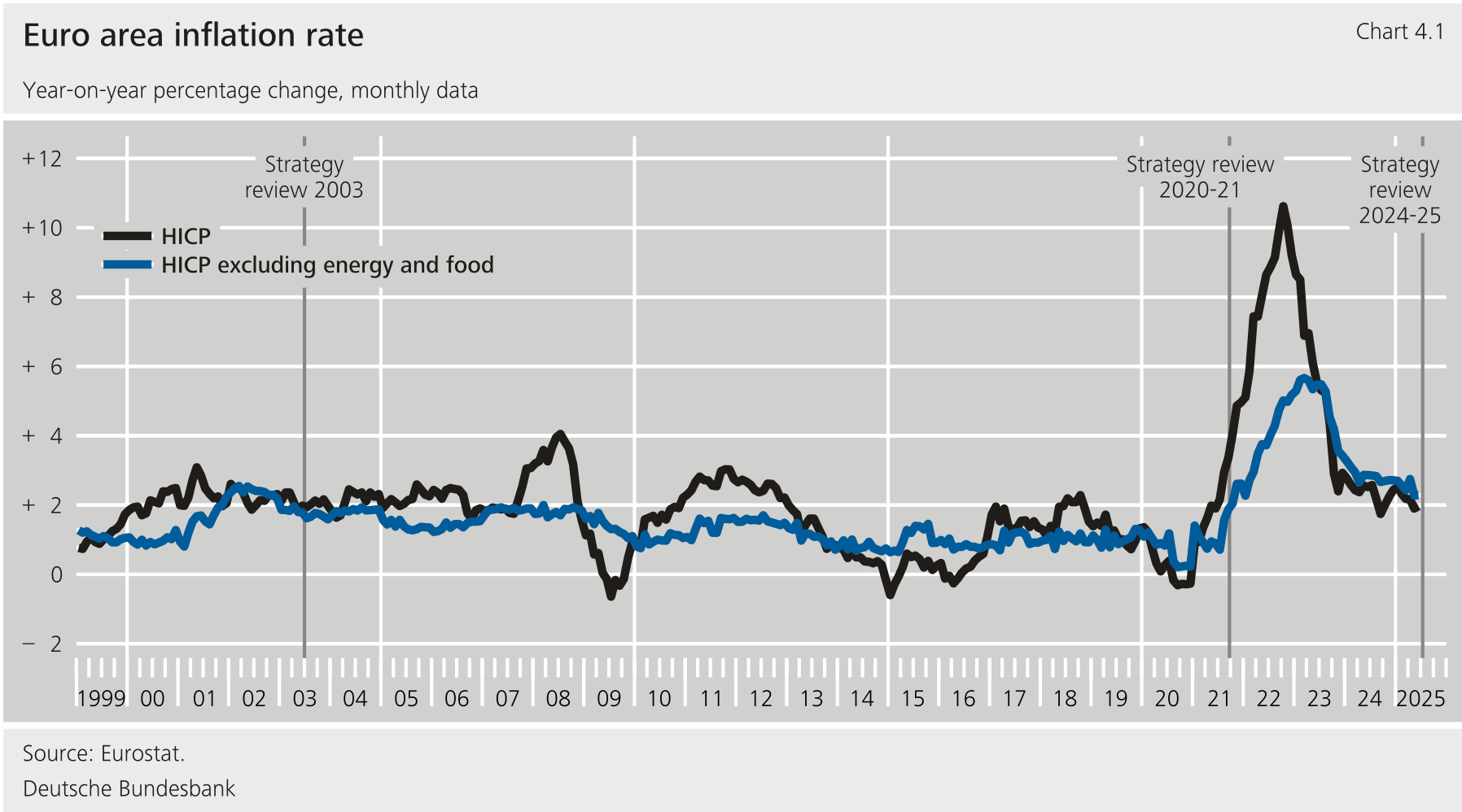
From mid-2021 to the end of 2022 – and thus after the 2020/2021 strategy review – the inflation rate in the euro area surged. From mid-2021, euro area inflation rose rapidly from rates of 2 % to double-digit levels, peaking at 10.6 % in October 2022. This acceleration of the inflation rate in the euro area was embedded in a period of global high inflation 10 and affected all euro area countries. The euro area had not had such high inflation rates since the start of monetary union. 11
The acceleration of the inflation rate was caused not only by a variety of supply shocks, some of which were novel, but also by pent-up demand during the coronavirus pandemic. 12 Due to the coronavirus pandemic and the associated lockdowns, many sectors experienced temporary production losses and a slump in commodity prices. Demand for certain goods and services (restaurants, travel) also declined strongly. With the expiry of measures to contain the coronavirus pandemic, pent-up demand, reinforced by extensive monetary and fiscal policy support measures, picked back up substantially and caused a sharp rise in commodity prices. As production was unable to keep pace with rapidly rising demand, supply bottlenecks were experienced worldwide, further fuelling inflation.
In connection with Russia’s war of aggression against Ukraine, commodity prices rose sharply, especially for energy, but also for food. Starting in April 2021, natural gas prices began to rise sharply – primarily due to the significant reduction in Russian gas supplies to the EU. Following the start of Russia’s war of aggression against Ukraine, further cuts in Russian gas supplies and concerns about a complete halt to supply caused natural gas prices and wholesale electricity prices to continue to rise sharply. 13 In addition, inflation in the prices of many foods increased markedly, not least because of the key role played by Russia and Ukraine as exporters of agricultural commodities. 14
The many and varied shocks had growing impact on the prices of many consumer goods and services, partly because margins and wages also picked up. Higher commodity prices gradually then increased the cost of goods production in many sectors, and consumer prices in the services sector, too, increasingly reflected higher costs. Overall, there were strong sectoral price shifts depending on the respective price-setting behaviour of the various providers. At the same time, in a robust labour market environment, workers were able to demand compensation for the real wage losses. As a result, wage growth increased.
After reaching its peak at the end of 2022, euro area inflation gradually fell again, mainly due to the weakening of commodity price dynamics, the return to lower unit labour cost growth and more restrictive monetary policy. Recently, euro area inflation has hovered around 2 %, and the medium-term outlook is also in line with price stability.
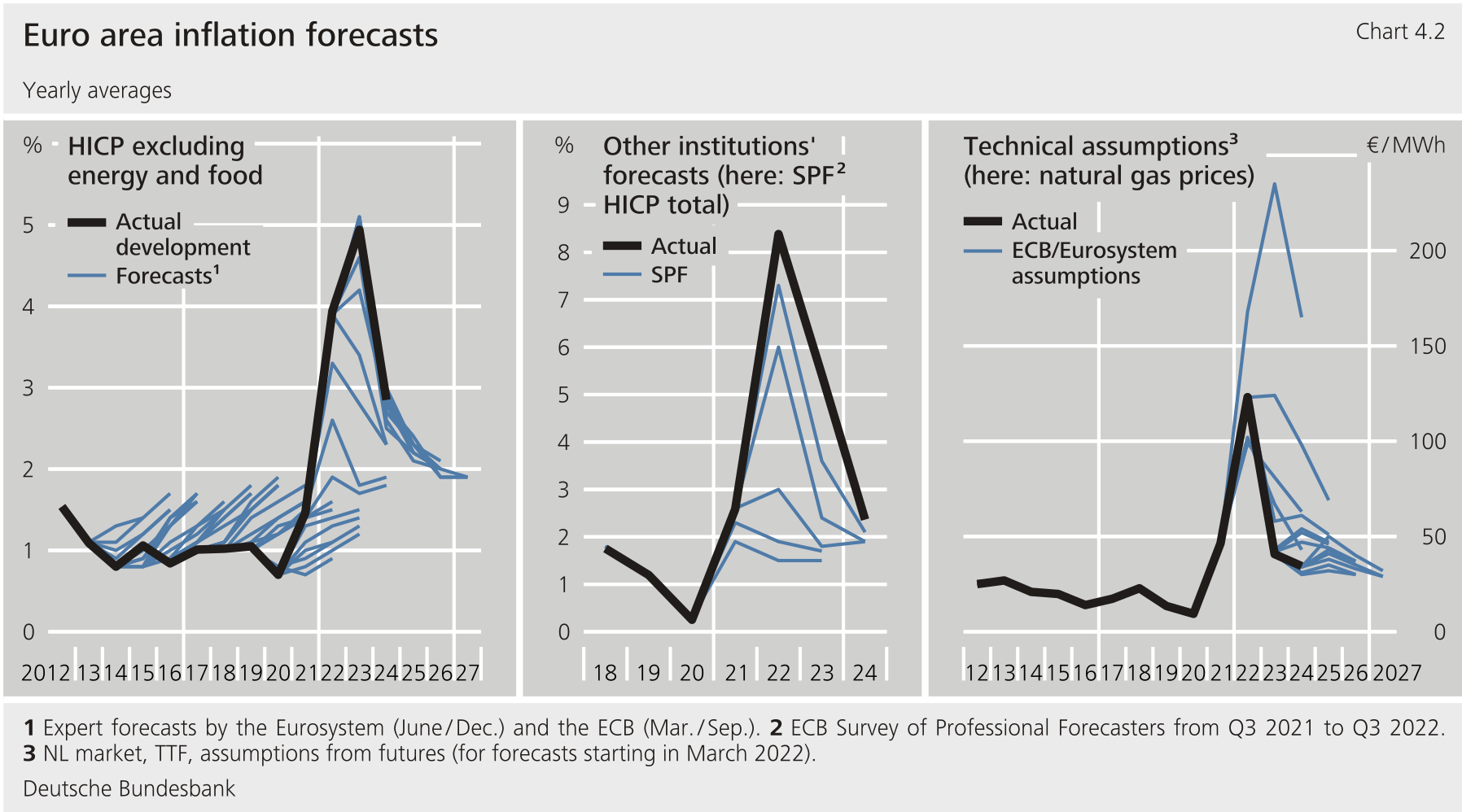
The magnitude of the rise in inflation surprised forecasters – also those at central banks – resulting in large forecast errors. In the summer of 2021, the inflation forecast for 2022 stood at 1.5 %. The annual average inflation rate actually turned out to be 8.4 %. From the end of 2021 at the latest, forecasts had to be revised upwards again and again by ever-increasing amounts. This was true not only for the ECB’s projection, but also for those published by other institutions, as well as for surveys such as the Survey of Professional Forecasters (SPF) (see Chart 4.2). 15 Other countries’ inflation forecasts saw the same developments. 16
One important reason for the forecast errors was the failure to consider natural gas prices in many forecast models. 17 The Eurosystem’s forecast infrastructure thus lacked technical assumptions for natural gas prices and wholesale electricity prices up to the end of 2021. In view of the considerable rise in natural gas prices and its role in determining wholesale electricity prices, the “set” of assumptions was finally expanded in 2022 to include natural gas and electricity prices. In addition, there was increasing use of forecasting models that explicitly took natural gas prices into account.
Other new factors were the temporary disruption of entire supply chains and the temporary forced shortfall of demand, both resulting from the lockdowns to contain the coronavirus pandemic. Forecasting tools using historical patterns could barely account for these factors. They therefore initially underestimated the inflationary impact of the simultaneous occurrence of global supply chain disruptions and surplus demand for certain goods. The same was true of the inflationary consequences of the reduction in pent-up demand for high-contact services as pandemic containment measures loosened.
Finally, at the beginning of the period of high inflation, the forecasts were likely shaped by the experiences of the period of low inflation. Over the period from 2012 to 2020, the increase in the core rate (excluding energy and food) was almost always overestimated. This turned into a permanent underestimation during the period of high inflation and only gave way to a comparatively accurate forecast after some time had passed.
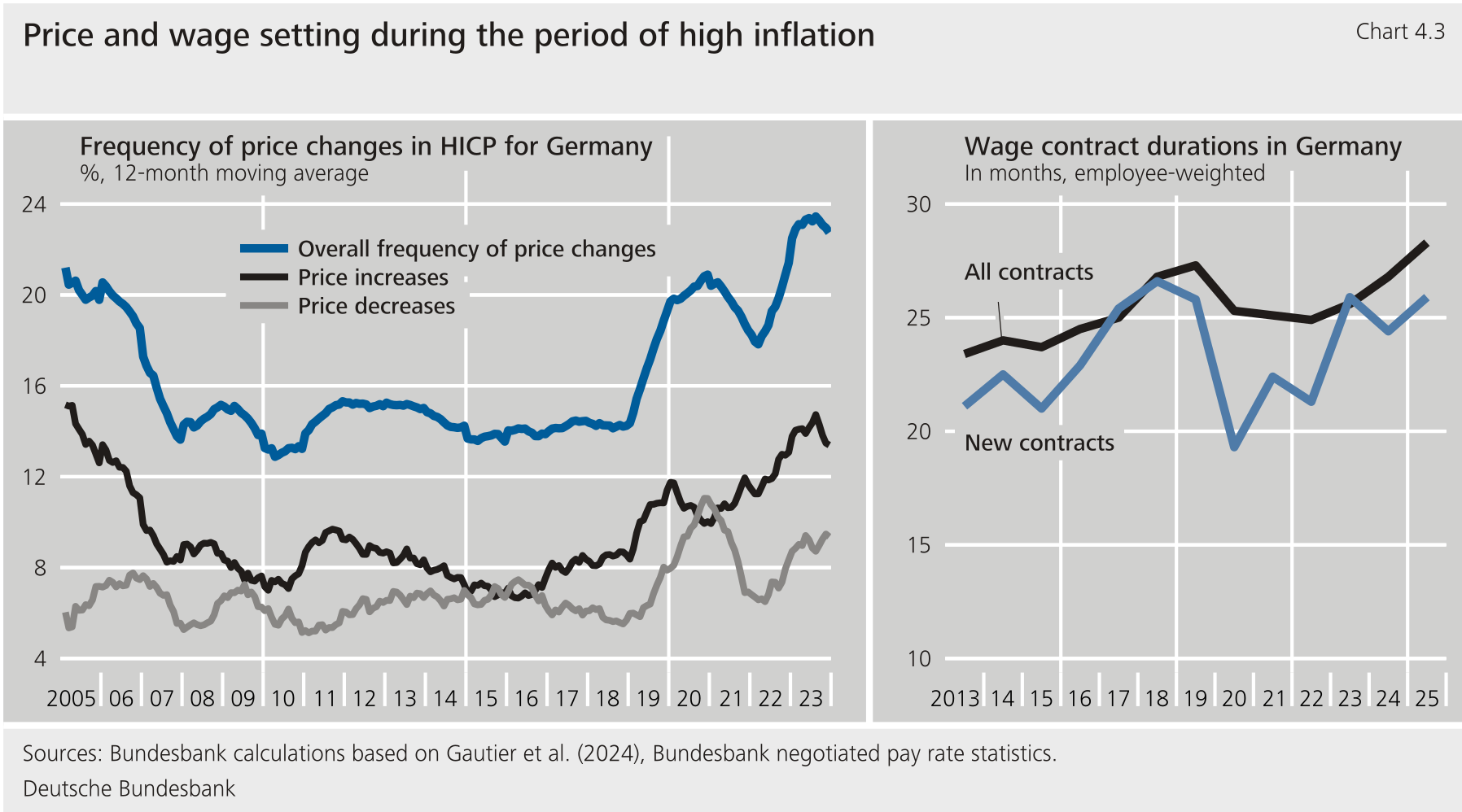
During the period of high inflation, shocks also had a stronger and faster impact on the annual HICP rate because providers adjusted their prices more frequently. Not only were the shocks unusually strong and diverse in the recent period of high inflation, but their pass-through was also significantly stronger than in an environment with lower inflation rates. This was also due to changes in firms’ price-setting behaviour. Up until the start of the coronavirus crisis, consumer prices in the euro area were adjusted on average roughly every eight months. 18 This frequency increased markedly during the period of high inflation, reaching just under six months by the end of 2023. 19 A similar development was also observed in Germany (see Chart 4.3). 20 This meant that price-driving factors, such as higher input costs or increased scope for pricing – e.g. due to pent-up and thus higher demand in certain services sectors – had a much faster impact on consumer prices than in an environment with low inflation rates. Accordingly, there are indications that the Phillips curve, i.e. the positive relationship between inflation and real economic utilisation, became steeper during the period of high inflation. 21
While firms adjusted their prices more quickly, wage-setting behaviour among social partners changed only marginally during the period of high inflation. In Germany, for example, the average period of validity of negotiated wage agreements remained broadly unchanged even during the period of high inflation. This was a key reason why (partial) compensation for the real wage losses suffered during the period of high inflation took place only with a certain delay. 22 Accordingly, the combination of more responsive prices with persistently sluggish wage adjustments contributed to the inflation rate remaining relatively persistent at a high level for some time, even after sectoral shocks faded and price-setting behaviour normalised. Normalising the previously increased margins helped mitigate the lagged rise in wage costs somewhat.
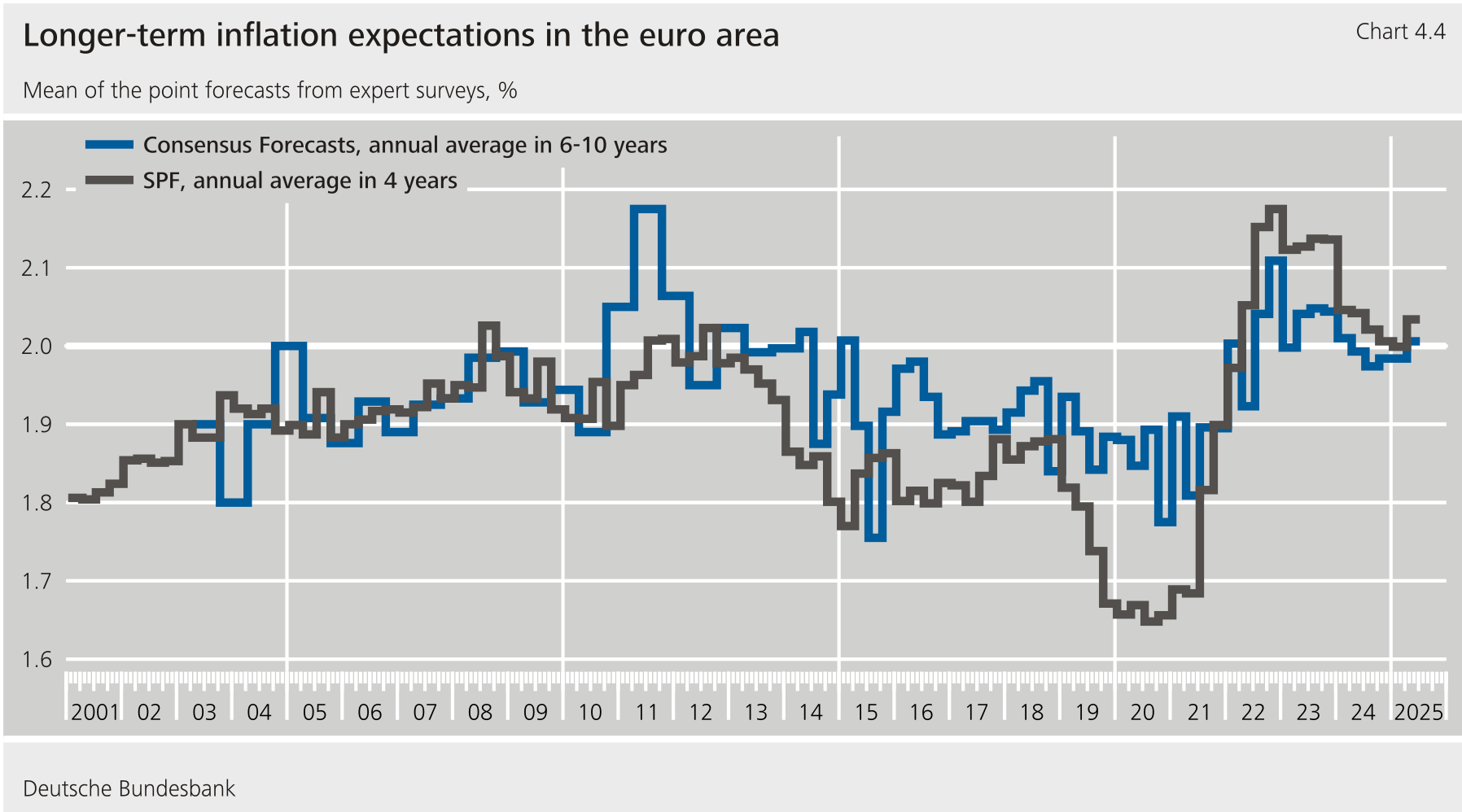
Longer-term inflation expectations remained close to 2 % during the period of high inflation, but the risk of inflation expectations becoming de-anchored upwards increased significantly for a time. Short-term inflation expectations saw a temporary marked rise during the period of high inflation. Still, longer-term inflation expectations remained anchored in terms of their level. However, the risk of de-anchoring rose significantly from mid-2022 (see the supplementary information Indicators of the de-anchoring risk of long-term, expert survey-based inflation expectations). 23 The strong monetary policy response that began in the course of 2022 is likely to have helped to contain the risk of de-anchoring. In doing so, it also strengthened the credibility of the inflation target, which helped to prevent any wage-price spirals.
Supplementary information
Indicators of the de-anchoring risk of long-term, expert survey-based inflation expectations
The anchoring of long-term inflation expectations is an important gauge of the credibility of the inflation target. The inflation rate expected by the private sector has an effect on investments by enterprises and households as well as on price and wage formation. It thus follows that inflation expectations are of great significance for monetary policy. Long-term inflation expectations in particular are a key indicator of the general public’s confidence in a central bank’s ability to meet its inflation target. The degree to which inflation expectations are anchored is usually measured using a range of criteria. 1 Consequently, firmly anchored long-term expectations should not only be close to the inflation target, but should also reflect the fact that individuals perceive the risk of inflation deviating from the target as negligible. An additional key criterion from the Eurosystem’s perspective is that longer-term inflation expectations should have the most balanced risk profile possible.
The ECB’s SPF is a major source of private-sector inflation expectations. The SPF is a survey of professional forecasters conducted on a quarterly basis. Respondents are asked about their expected rates of inflation, real GDP growth and unemployment in the euro area at several horizons, ranging from the current year to the longer term, 2 i.e. in four to five years. A distinguishing feature of the SPF is that respondents not only submit expectations in the form of point forecasts, but also indicate how high they estimate the probability that the future inflation rate or GDP growth will reach specific pre-defined ranges of values. This information can then be aggregated to create a probability distribution, from which the uncertainty of the respondents and a range of measures for their risk assessment can be derived.
Whilst experts’ longer-term and long-term inflation expectations rose slightly during the period of high inflation in 2022 and 2023, they remained close to the inflation target. The chart below shows the development of the point forecasts for longer-term inflation expectations based on the SPF (expectations in four and five years), averaged across the individual survey respondents. For comparison purposes, long-term expectations (in six to ten years) based on another expert survey conducted by Consensus Economics are also presented. The expectations of SPF respondents were closer to 2.2 % than to 2.1 %, which could no longer be viewed as being in line with the target, 3 in only two survey rounds in 2022. In this regard, the expectations based on the Consensus Economics survey were consistently in line with the target in 2022. Accordingly, measured in terms of their level, inflation expectations remained anchored. Nevertheless, though, the experts’ risk assessment, which plays an equally important role in anchoring, may have changed.
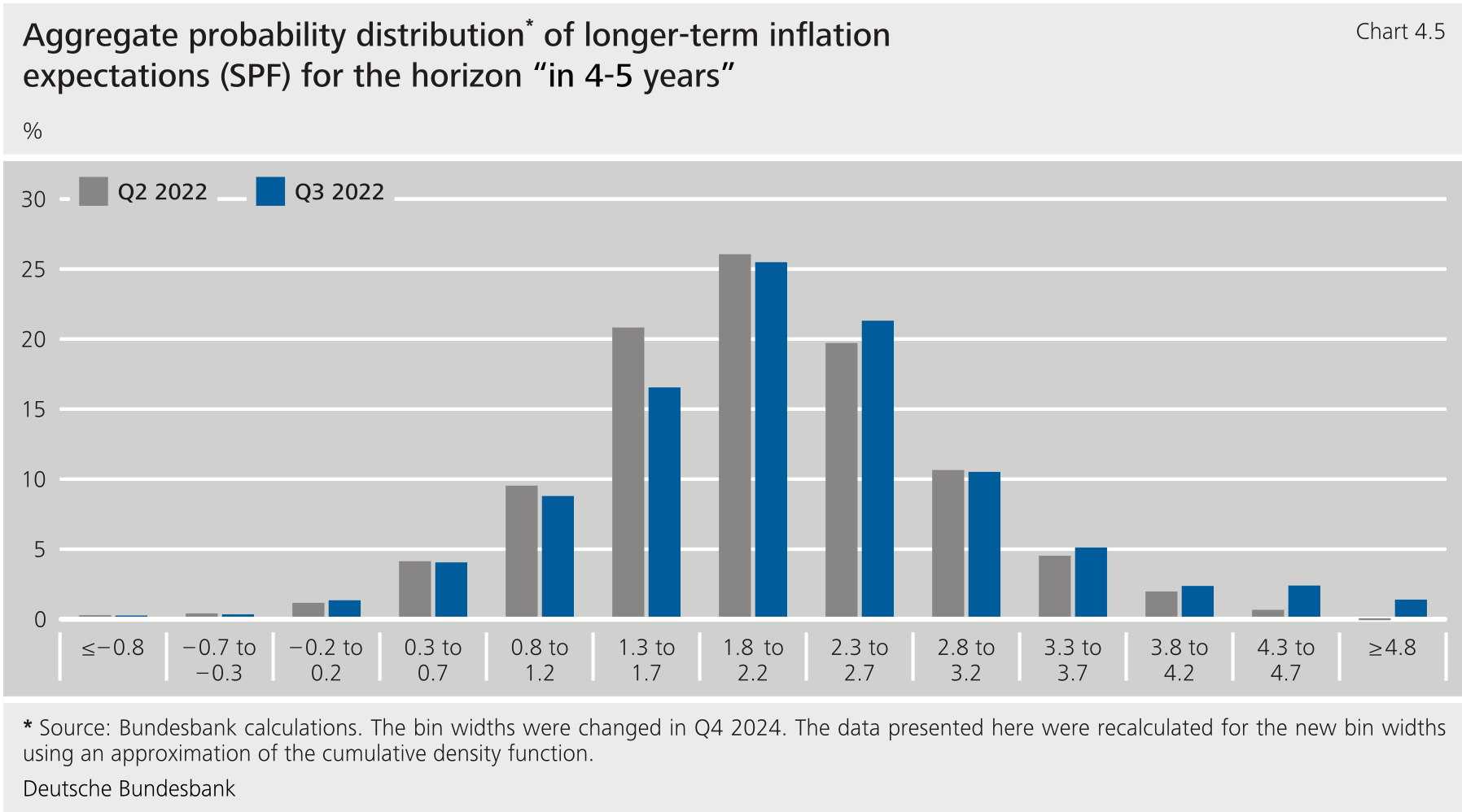
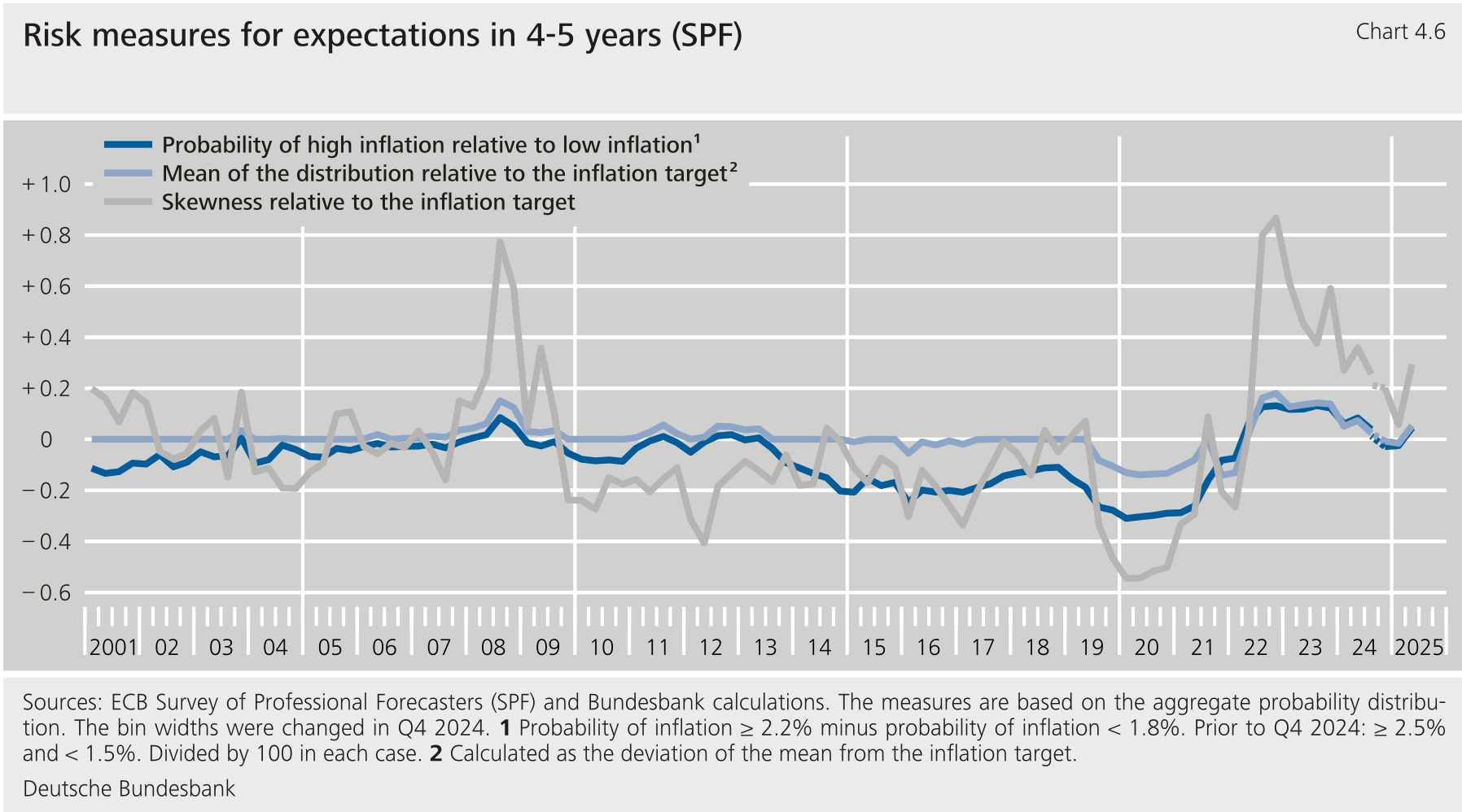
The SPF probability distributions make it possible to calculate the risk profile of the aggregated inflation expectations. Three risk indicators that refer explicitly to the inflation target are used for this purpose: 4 the difference in the distribution’s tails, 5 the comparison of the position of the probability distribution in relation to the inflation target, 6 and the skewness of the distribution around the inflation target. 7 Positive values for these risk indicators show that survey respondents are more likely to perceive the risk of the inflation target being overshot in the longer term. Negative values indicate the risk of the inflation target being undershot. The following chart shows the aggregated probability distributions from the second and third quarters of 2022, when the inflation rate had reached its peak. In the survey round for the second quarter of 2022, the data provided by respondents on probabilities were still distributed more or less symmetrically around the inflation target; accordingly, all three risk indicators were close to zero during that quarter. By contrast, the distribution shifted noticeably to the right in the third quarter of the year, which led to the risk indicators for the third quarter displaying positive values.
During the period of high inflation, the experts surveyed saw marked upside risks to inflation in the longer term, although inflation expectations remained well anchored in terms of level. In the second half of 2022, the three risk indicators consistently and, in a historical comparison, clearly pointed towards a predominance of upside risks (see Chart 4.6). However, whilst it is true that expectations remained anchored in line with their level, the risk of upside de-anchoring increased significantly, according to the experts’ assessment. This was due not only to the probability distribution drifting to the right (as indicated by the positive value for the mean of the distribution relative to the inflation target), but also to an increase in the probability of high levels of expected inflation (as indicated by the degree of skewness to the inflation target). The situation eased somewhat in 2023, but progress towards a balanced risk assessment did not begin until 2024. Since then, the assessment has reverted to normal across all indicators, currently displaying only minor upside risks. This is also likely to have been due to uncertainty surrounding the macroeconomic environment at the time of the most recent survey, which was conducted at the beginning of April 2025.
Demographic change, decarbonisation, geo-economic fragmentation and digitalisation are likely to (continue to) indelibly change the inflation process. The structural framework for the Eurosystem’s monetary policy has changed markedly since the strategy review was finalised in 2021. Geopolitical tensions have increased and there is a tendency toward stronger fragmentation of global value chains. Climate change is progressing and the transformation towards a more climate-neutral economy has gained considerable momentum. Generative artificial intelligence has heralded a new stage of digitalisation, even if the extent of its penetration of economic processes and its macroeconomic impact are not yet foreseeable. Only demographic change has remained virtually the same since the conclusion of the last strategy review: we continue to live in an ageing society; uncertainty still remains with regard to the importance of migration.
Structural change is likely to make the inflation process more volatile and more difficult to predict in any case. Climate change is likely to lead to more extreme weather events, while a reorganisation of value chains is likely to lead to more disruptions in supply and demand. Climate policy aimed at increasing the cost of carbon emissions could, on the one hand, raise the inflation rate. On the other hand, increased use of cheaper renewable energy sources is likely to have a dampening effect on inflation in the long term. Growing use of artificial intelligence could increase productivity and thus have a dampening effect on the inflation rate. However, it could be accompanied by increased energy consumption and thus – taken in isolation – raise energy prices. All in all, there are generally very large uncertainties about the impact of changing structural conditions on supply and demand channels, partly because developments can be both highly interdependent and heavily dependent on policy measures. 24
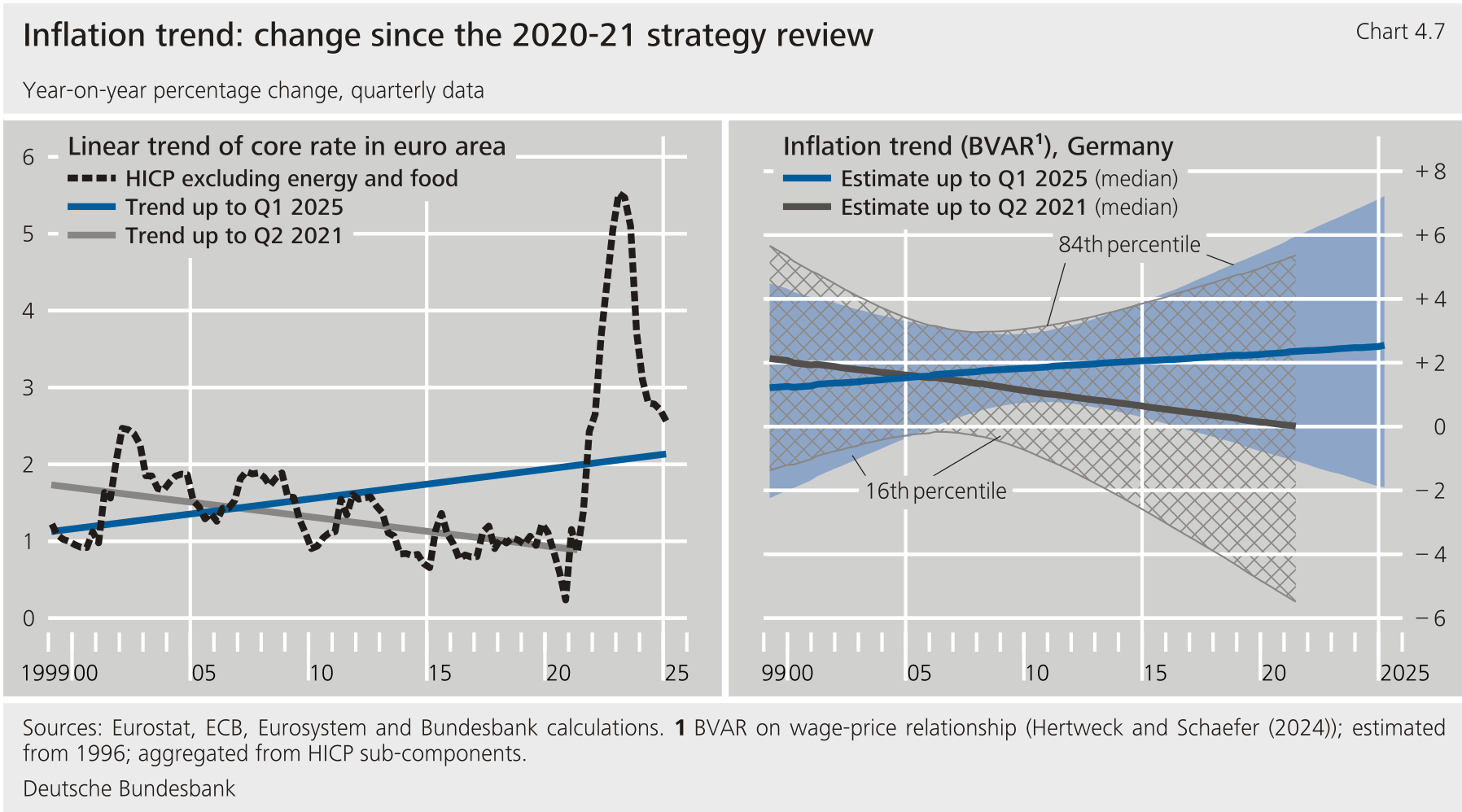
The impact of these developments on the inflation trend as a whole is hard to determine; however, despite statements to the contrary in the 2020/2021 strategy review, the impact is unlikely to be solely disinflationary. The 2020/2021 strategy review concluded that structural factors had a predominantly dampening effect on inflation and that the inflation trend could therefore have declined. However, recent empirical estimates for the euro area suggest that the inflation trend may not have been as low in mid-2021 as estimated at the time and may have increased recently. 25 This is similarly true of Germany (see Chart 4.7). 26 The uncertainty surrounding such estimates is very high and empirical estimates of the unobservable trend are subject to revision. Nevertheless, the results of the estimates suggest that the impact of structural factors is not clearly dampening prices (any more).
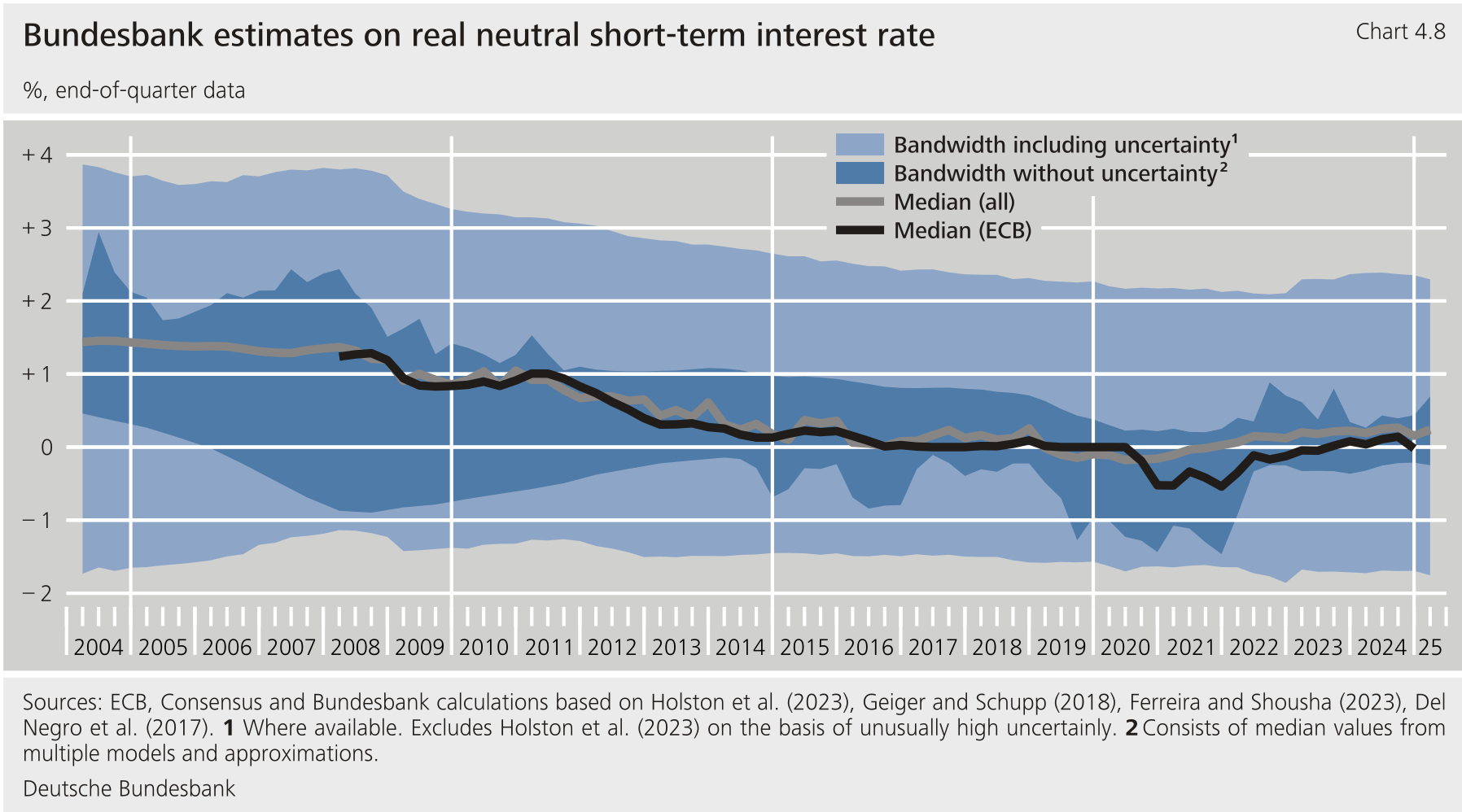
The impact of structural factors on the natural interest rate is also unclear; the natural interest rate may have risen again since the end of the period of low inflation, but is probably still lower than at the beginning of the 2000s. The natural interest rate (also: neutral interest rate, equilibrium interest rate, r*) is consistent with a stable inflation rate and an output gap of zero. It can help determine the shape of the monetary policy stance.As shown in Chart 4.8, itinitially saw a consistent decline following the global financial crisis in the euro area. The main causes of this can be broadly divided into two groups: the decline in long-term economic growth (due to an increase in savings and lower productivity), and the increase in demand for safe assets. According to many empirical estimates, 27 the decline in the natural interest rate accelerated at the start of the coronavirus pandemic (see Chart 4.8). Since its end, the natural interest rate has risen back to its pre-pandemic level, but is still well below the level seen at the beginning of the 2000s. The model estimates and approximate indicators used by the Bundesbank 28 currently result in a natural real interest rate of between − 0.25 % and 0.7 % (or in nominal values of between 1.7 % and 2.6 %). These estimates are consistent with the ECB’s results. 29
However, natural interest rate estimates are subject to considerable uncertainty.First, like any unobserved variable, the natural interest rate can only be estimated with great statistical uncertainty (see Chart 4.8). Second, there is no agreement amongst economists on how the natural interest rate should be measured. Finally, the impact of the aforementioned structural changes on the natural interest rate is difficult to predict and quantify, as is their impact on future inflation. An ageing society and weaker population growth are likely to lower the natural interest rate, but the effects of the remaining three drivers are less clear.
Overall, the upside risks to the natural interest rate are likely to be higher today than during the strategy review in 2020‑2021. New macro trends such as artificial intelligence and geopolitical tensions are exerting upward pressure on the natural interest rate for the first time since the effective lower bound was reached.
4 Supply shocks, medium-term orientation and anchoring of inflation expectations
The Eurosystem’s strategy review confirms the medium-term orientation of the inflation target. The ECB Governing Council still considers that the aim of price stability is best pursued over a medium-term horizon. A flexible horizon for aligning consumer price developments with the inflation target enables monetary policymakers to best respond to macroeconomic shocks on the basis of their nature, strength and persistence. 30 Monetary policy thus takes account of the fact that temporary deviations from the inflation target are inevitable. As monetary policy measures only affect prices with a lag and their impact is also subject to uncertainty, it is unrealistic to try and eliminate short-term inflation fluctuations.
Under certain conditions, the medium-term orientation provides the flexibility to “look through” the effect of temporary supply shocks on inflation. 31 The advantage of the medium-term orientation is particularly clear when it comes to supply shocks that steer inflation and macroeconomic developments in opposite directions, as is the case following an energy price shock, for instance. In contrast to demand shocks, whose impacts on inflation and macroeconomic developments tend to move in the same direction, supply shocks present a trade-off for monetary policy. If, for example, the inflation rate is to be lowered in the event of a negative supply shock that weakens the economy and at the same time has an inflationary effect, interest rates will need to be raised. However, this will curb the already subdued macroeconomic growth further. If the supply shocks are temporary, the medium-term orientation of the monetary policy target makes it possible to avoid taking strong countermeasures, under certain conditions.
Critical factors in whether or not such a “looking-through” approach is appropriate are the strength and persistence of the shock in question. This approach is only appropriate if the shock has a merely temporary effect and its effects are neither “too large” nor “too persistent” (or permanent). By contrast, if the shock and its impact on inflation prove to be particularly “large” or “persistent”, the monetary policy response must ensure that elevated inflation does not remain permanently above the policy target (for example, via the wage-price relationship).
Firmly anchored long-term inflation expectations are a key prerequisite for a ”looking-through” policy. If inflation deviates from the target particularly strongly or for a longer period of time, there is a risk of inflation expectations becoming de-anchored. Such de-anchoring reflects doubts about the ability of monetary policy to achieve its objective. This risk limits the ability to “look through” supply shocks: it requires a sufficiently strong monetary policy intervention to ensure a timely return of inflation to the target (see the supplementary information Optimal monetary policy in the context of a potential de-anchoring of inflation expectations). 32 This constraint on medium-term operationalisation has always been an important element of monetary policy in the Eurosystem, and was already highlighted in the previous strategy review. 33
Supplementary information
Optimal monetary policy in the context of a potential de-anchoring of inflation expectations
In the wake of the exceptionally sharp rise in inflation in the euro area, concerns about a potential de-anchoring of long-term inflation expectations grew. As established in the supplementary information Indicators of the de-anchoring risk of long-term, expert survey-based inflation expectations, long-term inflation expectations during the period of high inflation were only slightly higher than the inflation target of 2 %. Although inflation expectations therefore remained anchored, it was possible to observe an increase in the risk of de-anchoring since Russia’s attack on Ukraine in February 2022, if not before. 1
The deviation of long-term inflation expectations from the target is problematic from a monetary policy perspective. Inflation expectations influence actual inflation dynamics through various channels. First, households expecting higher inflation could front-load planned future spending, thus stimulating aggregate consumer demand and increasing price pressures. Second, trade unions and other economic agents could demand higher wages to compensate for the expected loss in purchasing power. Taken in isolation, this would increase costs for firms. Firms could also directly have an incentive to increase their prices, as nominal rigidities mean that they are set in a forward-looking manner – in other words, depending on expected price developments. 2 All of these channels can therefore directly or indirectly induce firms to raise their prices owing to higher inflation expectations, thus fuelling inflationary pressures. If households and firms expect not just temporary but long-term higher inflation, the impact of the individual channels can be amplified. This, in turn, increases the risk of an upward spiral between actual and expected inflation.
Macroeconomic models used for monetary policy analysis do not generally take into account the possibility of de-anchored long-term inflation expectations. One of the key assumptions most macroeconomic models make is that long-term inflation expectations are firmly anchored to the central bank’s target. This is a plausible assumption for periods in which the inflation rate is low and stable and confidence in monetary policy is high. However, the experience of exceptionally high and persistent inflation over the past few years has, in some instances, led even experts to question whether monetary policy will bring inflation to the central bank’s target (see the supplementary information Indicators of the de-anchoring risk of long-term, expert survey-based inflation expectations). In such an environment, the assumption that inflation expectations are firmly anchored appears less suitable and could distort model-based monetary policy recommendations.
The possibility of long-term inflation expectations becoming de-anchored can be captured in these models via the assumption that some households and firms do not always expect the central bank to achieve its target in the long run. In this case, some economic agents adjust their long-term inflation expectations if observed inflation deviates from forecasted inflation. The higher the forecast error, the greater the impact on long-term inflation expectations. Forecast errors thus induce a learning process with regard to the long-term inflation rate and capture the interplay between higher realised inflation and long-term expected inflation in the model. This needs to be taken into consideration when deriving monetary policy recommendations.
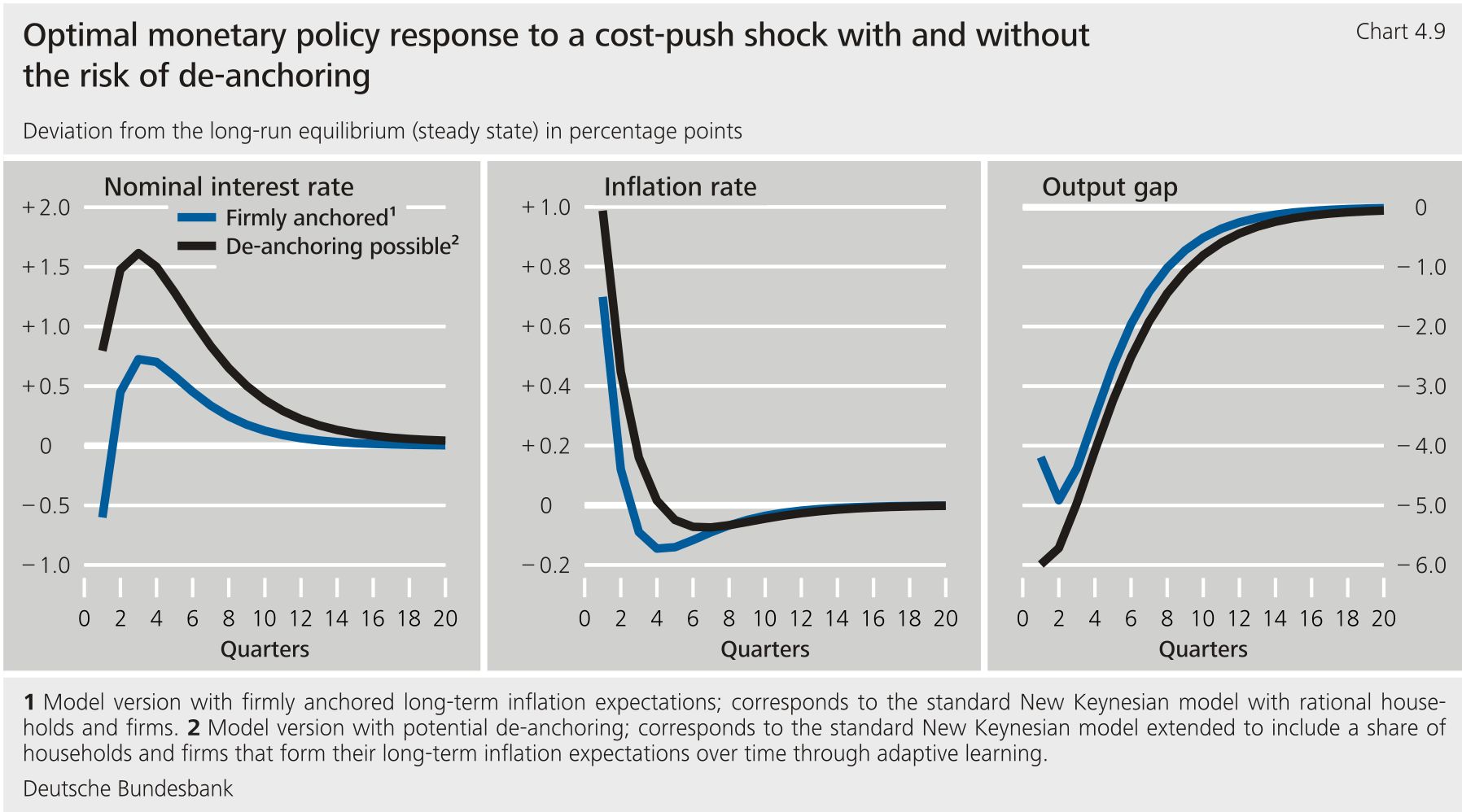
If long-term inflation expectations can move away from the inflation target, the optimal interest rate response is stronger than when inflation expectations are firmly anchored. Chart 4.9 shows the optimal monetary policy response to a persistent cost-push shock, based on a stylised model. 3 A supply-side shock such as this increases inflation and lowers economic activity. It thus reflects the experiences of the past few years in a stylised manner. The shock therefore implies that there is a trade-off between stabilising inflation and stabilising real activity. In order to lower inflation, it is necessary to further curb real economic activity, which has already been dampened, via higher interest rates. The optimal increase in the policy rate is smaller in the case of firmly anchored inflation expectations (blue lines) than in the case of a possible de-anchoring of long-term inflation expectations (black lines). There are two reasons for this difference. First, the central bank must dampen inflation more strongly if long-term inflation expectations depend on the observed inflation rate. Otherwise, long-term inflation expectations would rise more sharply as a result of the shock, thus lowering the expected long-term real interest rate. Taken in isolation, this would even have an additional expansionary effect on the economy, making it more difficult to stabilise the inflation rate. Second, those firms that only reduce their long-term inflation expectations over time as inflation rates actually fall reinforce the persistence of inflation dynamics. In this context, monetary policy can only adequately counteract the inflationary impact of higher inflation expectations by lowering actual observed inflation through sufficiently strong interest rate hikes. 4 Communicating about future restrictive monetary policy – or even just a policy of “looking through” on the part of the central bank – is not enough on its own to dispel the doubts of some households and firms.
The anchoring of inflation expectations has played a key role in euro area monetary policy in recent years. During the period of high inflation, there were increasing concerns about a potential de-anchoring of inflation expectations. See the supplementary information Indicators of the de-anchoring risk of long-term, expert survey-based inflation expectations. In light of these concerns, the Eurosystem tightened its monetary policy stance substantially. The subsequent decline in inflation and inflation expectations shows that the principles set out in the Eurosystem strategy have held true with regard to the limits of “looking through”.
Non-linearities in inflation dynamics also restrict the possibility of “looking through”. As mentioned above, there were indications of non-linear dynamics in the inflation rate during the past period of high inflation: in an environment of elevated inflation, firms adjusted their prices more strongly and faster than before. This empirical observation suggests that the Phillips curve has become steeper and is therefore generally non-linear (see Section 3). 34 Supply shocks therefore have a stronger impact on aggregate inflation if it is already at an elevated level. Similar to the risk of de-anchoring, this kind of non-linear Phillips curve limits the possibility of “looking through” and justifies early and forceful intervention in the event of supply shocks. Monetary policy thus pre-empts a stabilisation of the inflation rate above target. 35 , 36
5 Forceful or persistent monetary policy measures
In light of the low inflation environment, the ECB Governing Council decided in its strategy review of 2020/2021 to take especially forceful or persistent monetary policy measures when close to the effective lower bound. This implies an asymmetric reaction function, 37 according to which monetary policy responds more strongly to negative deviations from the inflation target than to positive deviations when close to the lower bound. 38 The formulation “forceful or persistent” chosen by the ECB Governing Council suggests a chronological sequence: an initially particularly forceful response – including the lowering of monetary policy interest rates into negative territory – is intended to support a rapid revival of economic activity and to help prevent low inflation rates from becoming entrenched following disinflationary shocks. 39 A subsequent persistent response, accompanied by, for instance, appropriate forward guidance, becomes necessary when further interest rate cuts are no longer possible due to the binding lower bound.
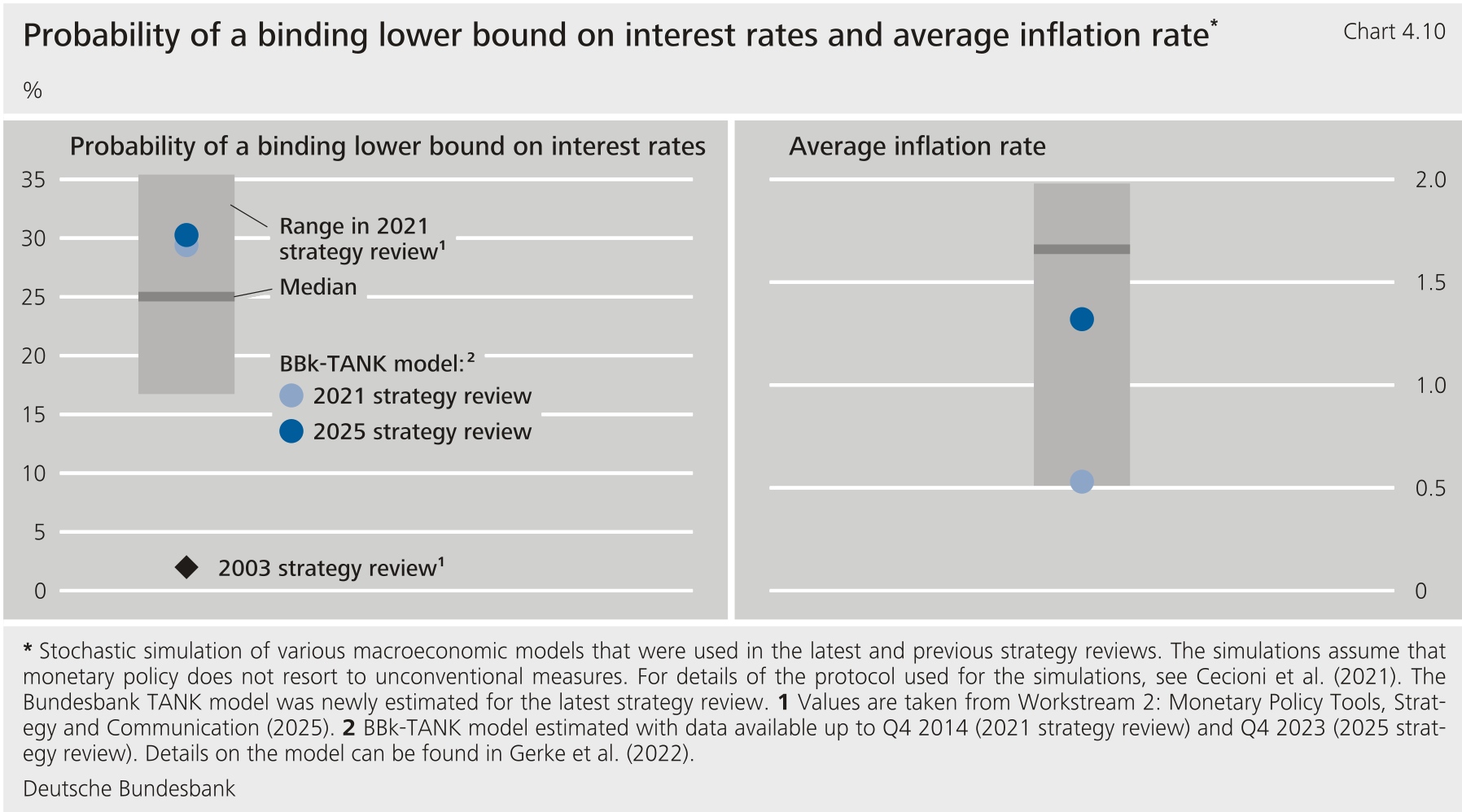
The lower bound remains a key monetary policy constraint. According to the Eurosystem experts, the probability of reaching the effective lower bound has remained virtually unchanged compared to the estimates from the strategy review of 2020/2021 (see Chart 4.10, left-hand side). This is chiefly due to the persistently low estimates for the natural or equilibrium interest rate (see Section 3). 40
Against this backdrop, a forceful or persistent monetary policy response close to the lower bound remains a generally prudent approach. Given the persistently low equilibrium interest rate and the associated challenges posed by the effective lower bound, the risk of a negative deviation of the average inflation rate from the inflation target would prevail (see Chart 4.10, right-hand side). Accordingly, monetary policy would have to respond to disinflationary shocks close to the effective lower bound in an especially forceful or persistent manner in order to reach the inflation target of 2 %.
However, the implementation of “forceful or persistent” measures needs to be made more resilient to abrupt changes in the inflation environment in future. 41 On 22 July 2021, the ECB Governing Council operationalised “forceful or persistent” policy measures via state-dependent rate forward guidance. This forward guidance contained three key conditions; two based on the outlook and one based on the outcome. 42 In retrospect, the outlook-based criteria in particular were insufficiently robust against rapidly changing macroeconomic conditions – the projections exhibited significant forecast errors at times (see Section 3). Taken in isolation, the outcome condition would have recommended an earlier exit. However, since all three criteria were linked by an “and” clause, they had to be fulfilled together. This was intended to ensure robustness against a premature rise in interest rates amidst only temporarily higher inflation rates. The criteria were not all met at the same time until June 2022 – although the actual rate of inflation in the euro area was already around 9 % at that point in time. 43 Looking back, and based on analyses in the context of the latest strategy review, an earlier start of the tightening cycle would have been appropriate. 44 With these experiences in mind, future measures that operationalise “forceful or persistent” must be designed to be both flexible in the face of rapidly changing conditions and robust to forecast errors.
In light of the experience gained during the high-inflation period, it is also appropriate to respond forcefully or persistently when inflation significantly overshoots its target. The ECB Governing Council counteracted the sharp overshooting of the inflation target from mid-2022 onwards with a series of, at times, very strong interest rate hikes in quick succession, followed by a prolonged tightening of monetary policy. This was crucial for containing the risk of inflation expectations becoming de-anchored (see Section 3). The experience gained in recent years has shown that a both forceful and persistent restrictive monetary policy response were necessary to achieve the inflation target. 45 The choice between the two approaches depends on the stage of the tightening cycle and the risks to the anchoring of inflation expectations. At the onset of the inflation surge, a rapid and forceful increase in key interest rates was required. Later, the focus shifted to how long restrictive monetary policy should be maintained in order to limit undesirable side effects such as growth and employment losses or risks to financial stability.
In summary, appropriately forceful or persistent monetary policy measures should be deployed in both directions in future whenever the anchoring of the inflation target is under threat. When it comes to shaping the monetary policy response to significant deviations from the inflation target, the ECB has drawn the following lessons from the experiences of recent years: forceful or persistent monetary policy measures should be maintained close to the effective lower bound in order to prevent inflation expectations from becoming de-anchored to the downside. However, their implementation should allow greater flexibility to enable a swift response to changed underlying conditions. Finally, forceful or persistent monetary policy measures are also appropriate in periods of high inflation in order to contain the risk of an upside de-anchoring of inflation expectations.
6 How does the Eurosystem take risks and uncertainty into account?
The macroeconomic outlook to which the Eurosystem aligns its monetary policy is fundamentally plagued by uncertainty. Recent events such as the coronavirus pandemic, Russia’s war of aggression on Ukraine and an increasingly erratic US trade policy show that the macroeconomic environment is currently characterised by heightened volatility. In order to best assess the likely path of euro area inflation in this environment, the Eurosystem has had to continuously develop its analytical toolkit (see the supplementary information Eurosystem analysis and forecasting tools). Against this volatile backdrop, the assumptions underlying the forecasts (or more precisely, projections) are already subject to considerable uncertainty. Furthermore, the transfer of these assumptions to the forecasting models is subject to additional uncertainties. This is especially the case if novel developments occur, which forecast models based on historical macroeconomic relationships can, at best, only approximate. Forecasts are therefore subject to considerable and perhaps even increasing uncertainty.
Supplementary information
Eurosystem analysis and forecasting tools
The changed inflation environment requires more flexible analysis and forecasting tools. The recent period of high inflation posed a major challenge to the Eurosystem’s existing analysis and forecasting toolkit. First, the pandemic and Russia’s war of aggression against Ukraine triggered completely new economic phenomena such as lockdowns, huge supply chain disruptions or the exorbitant rise in natural gas prices. This required the development and analysis of new indicators – for mobility behaviour, supply bottlenecks or the drivers of gas prices, for example. Second, during the period of high inflation, non-linearities played a significant role in the transmission of shocks, one example being the unusually strong pass-through of higher costs to consumer prices. Ultimately, the disruptions were passed through by the individual sectors of the economy at different speeds, which resulted in strong shifts in relative prices in the meantime.
The Eurosystem’s modelling toolkit was enhanced to better capture non-linearities and sectoral heterogeneities as well as international linkages. Increasing use was made of granular data and non-linear modelling approaches supported by artificial intelligence. 1 Integrating sectoral information into structural models was also a major step forward. As well as expanding empirical models to include sectoral aspects, the ECB and several national central banks, including the Bundesbank, 2 have developed dynamic stochastic general equilibrium (DSGE) models with input-output linkages 3 and strong sectoral and regional heterogeneity. Although these models have not yet been used when producing the regular forecasts, they are employed for analytical purposes, such as to better understand the transmission of energy price shocks to inflation. For example, an analysis by the Banco de España shows that excluding production networks leads to a significant underestimation of the inflation impact of an imported energy price shock. 4 Furthermore, the heterogeneous structure of production networks helps to understand country-specific differences in inflation dynamics.dynamics. 5
Despite the progress made in enhancing the Eurosystem’s analytical toolkit, adjustments are still needed. For example, the infrastructure for preparing macroeconomic forecasts in the Eurosystem could be made even more flexible in order to respond more quickly to shocks. The modelling of structural trends affecting both the euro area and the global economy has also become more important. Given the rapidly changing geoeconomic environment, the interactions between structural drivers and cyclical fluctuations are likely to require closer analysis in the future.
The impact of monetary policy on inflation and economic output is also uncertain. The Eurosystem uses the latest academic findings to assess the impact of its monetary policy instruments, such as the policy rate or asset purchases, on macroeconomic variables such as the inflation rate and economic output. However, these interrelationships are not necessarily constant over time. For example, empirical evidence shows that the recent years of high euro area inflation rates have seen policy rate increases impact more strongly on inflation rates than historical relationships would suggest. 47
A systematic analysis of uncertainty is hampered by the fact that there are no uniform recommendations from academia for monetary policy actions under uncertainty. In a classic reference, Brainard (1967) concludes that monetary policymakers should use their instruments with greater caution if there is uncertainty about their impact. While this “principle of conservatism” continues to shape the debate on monetary policy under uncertainty, it has been disputed in the academic discourse. More recent studies indicate that monetary policy should react more aggressively when there is uncertainty about the duration of a prevailing inflation increase, when the frequency of price adjustments by firms is uncertain, and/or when economic agents call into question the credibility of the inflation target. 48
The optimal monetary policy response to uncertainty is context-dependent, meaning that the ECB Governing Council has to determine the appropriate response on a case-by-case basis. There are by now a multitude of studies covering a large number of different ways in which uncertainty can influence monetary policy. They indicate that the optimal response of monetary policy to uncertainty depends on the specific context, and that it is impossible to set out uniform recommendations for action. It therefore makes little sense to “mechanically” adjust the Eurosystem’s monetary policy reaction function – for example, by taking countermeasures that are alwaysmore aggressive or alwaysless aggressive when the inflation rate deviates from target. Instead, the ECB Governing Council needs to analyse on a case-by-case basis which factors contribute to heightened uncertainty, in order to determine how to proceed in monetary policy terms.
The Eurosystem has responded to the high uncertainty of recent years by continuously expanding its risk analyses to serve as input for the monetary policy decision-making process. This is reflected in the explicit mention of scenario and sensitivity analyses in the 2025 strategy statement. In view of a future macroeconomic environment characterised by heightened volatility and uncertainty, Eurosystem experts are increasingly creating alternative scenarios alongside the forecast baseline, which is considered to be the most likely scenario to materialise. 49 Scenario analyses examine the macroeconomic effects of hypothetical narratives that deviate from the assumptions of the projection baseline. The alternative narratives developed reflect the relevant sources of uncertainty, such as alternative policy decisions, the materialisation of specific hypothetical risks and/or deviating assumptions regarding the nature and intensity of the macroeconomic transmission of shocks. In the recent past, for instance, alternative scenarios for the course of the coronavirus pandemic, the impact of the war in Ukraine and the potential escalation of the trade dispute between the United States and the EU have proved particularly useful in illustrating the limited informative value and thus the uncertainty of the forecast baseline. Sensitivity analyses, in turn, examine the macroeconomic impact of individual alternative pathways for technical assumptions, such as oil price developments or exchange rates. They thus complement the creation and evaluation of alternative scenarios.
Given the multitude of potential alternative scenarios, a structured approach to scenario selection is essential. In this vein, it is sensible to focus on a small number of “central” scenarios. This simplifies the subsequent decision-making process and ensures that the key risks and associated narratives of individual scenarios remain separable. Scenarios are selected on the basis of their relevance for monetary policy decision-making. On the one hand, there should be reasonable grounds to suspect that the target variables relevant to monetary policy, such as the expected inflation rate and economic developments, differ markedly in an alternative scenario from their path in the forecast baseline. On the other hand, the scenarios under consideration should be sufficiently plausible, i.e. their materialisation should be deemed likely and relevant enough for the ECB Governing Council to take them into account in its monetary policy considerations and decision. However, it is not necessarily essential or even possible to precisely quantify the probability of such scenarios occurring. This is because evaluating the probability of scenarios occurring inevitably involves subjective assessments. To accompany the selection of relevant scenarios and to achieve a consensus within the Eurosystem, the Eurosystem’s Monetary Policy Committee and the ECB’s Forecast Steering Committee shall, in future, be involved in this process from an early stage (in the Eurosystem projection rounds and the ECB projection rounds, respectively). A cooperative approach that incorporates the technical expertise of the entire Eurosystem into the scenario analysis is recommended, especially in the case of novel or particularly serious risks.
The scenarios and sensitivity analyses, in turn, feed into the determination of optimal monetary policy decisions. Eurosystem experts have consistently expanded their risk analyses over the past few years. For instance, model-based analyses on the likely effects of various monetary policy options are conducted regularly. In addition to the policy options 50 selected as examples, some of which are illustrative, optimal policy paths are also calculated for the forecast baseline and for the risk scenarios. All of the monetary policy options are then evaluated as part of quantitative risk management.
In addition to these analytical advances, the Eurosystem has also adapted its external communication to the volatile, uncertain environment. First, in June 2022, the ECB Governing Council stated that it was following a data-dependent and meeting-by-meeting approach. 51 By emphasising the data-driven approach, the ECB Governing Council made it clear that, in times of high uncertainty, it makes sense to respond to changes in the environment in a state-dependent way. Second, the ECB Governing Council made it clear (for the first time in March 2023) that its monetary policy options are based in particular on the following three criteria:
the outlook for consumer price inflation (assuming both the baseline forecast and risk scenarios);
the underlying inflation (for example, core inflation, which is adjusted for very volatile components); and
the effectiveness of monetary policy (possibly varying over time).
With this form of communication, the ECB Governing Council aims to make its complex decision-making transparent in times of high uncertainty using simple criteria. At the same time, it can also make sense from a normative perspective to take underlying inflation into account, particularly in times of high uncertainty. This is because the usual monitoring of the forecast of consumer price inflation in such times may give a distorted picture due to potentially large forecast errors and lead to sub-optimal monetary policy decisions.
7 Monetary policy instruments
The ECB Governing Council’s strategy review affirms key interest rates as the most important monetary policy instrument for ensuring that the inflation rate stabilises at its 2 % target over the medium term. Where appropriate, additional instruments can be used to influence the monetary policy stance close to the lower bound. These include longer-term refinancing operations, 52 asset purchases to reduce term premia, 53 negative policy rates and forward guidance. 54 According to the analyses underlying the strategy review, the aforementioned monetary policy instruments have proven effective in addressing disinflationary risks. However, as individual instruments are used more intensively, undesirable side effects increase, while their effectiveness may decrease. The combined use of various instruments is therefore considered beneficial.
The ECB Governing Council retains the option to use longer-term refinancing operations and asset purchases even when key interest rates are positive in order to preserve the smooth functioning of monetary policy transmission. This use of instruments is not restricted to situations close to the lower bound. The ECB Governing Council therefore reserves the right to use instruments other than the policy rate in the event of impairments to monetary policy transmission, even when key interest rates are positive. In this context, it is necessary to ensure that the measures are compatible with the monetary policy stance. In the past, measures related to impairments to the transmission mechanism were often adopted during periods of monetary policy easing, thus not contradicting the monetary policy stance. 55
In future, monetary policy instruments will be designed and used in such a way that they enable an agile and flexible response to a changing environment. As explained in Section 5, the operationalisation of “forceful or persistent” forward guidance on interest rates was not sufficiently robust to respond to unexpected changes in the inflation environment in a timely manner. Other instruments could also benefit from an agile design. In December 2021, calendar-based forward guidance was formulated regarding the end of asset purchases under the asset purchase programme (APP). This envisaged net purchases until at least October 2022 and for as long as necessary thereafter. At the same time, since the announcement that key interest rates would not be raised until after the end of the net asset purchases was upheld, an initial interest rate hike would not have been expected until after October 2022. On balance, it became apparent that binding and long-term announcements about the duration of future asset purchases combined with state-based rate forward guidance may hamper monetary policy’s ability to respond in a changing inflation environment.
In future, it should be possible to end asset purchases at the lower bound in a timely manner if the macroeconomic environment requires this. Looking ahead, the goal should be an agile design that enables asset purchases at the lower bound to be ended in a timely manner if the need for monetary policy tightening arises in the face of changing macroeconomic conditions. 56
Going forward, the design of the instruments should adequately reflect the objectives pursued – be it steering the monetary policy stance or rectifying impairments in transmission. In this context, decision-making regarding the instruments is subject to a comprehensive proportionality assessment. 57 This highlights the fact that the monetary policy rationale behind the use of instruments within the meaning of the mandate to safeguard price stability continues to play a prominent role. It is therefore advantageous if a single clear monetary policy objective is pursued when using a monetary policy instrument and if, moreover, the design of the instrument is suitable for achieving that specific objective with as few unintended side effects as possible. 58
In addition to agility and appropriate representation of the intended objectives, the design of the instruments will be based on other guiding principles. The requirement under the mandate 59 for the Eurosystem to act in accordance with the principle of a free market economy with open competition sets basic conditions for the design of monetary policy instruments. In addition, the ECB Governing Council formulated an interpretation of the secondary objective back in 2021. According to this, when adjusting its monetary policy instruments, it will choose the configuration that best supports the general economic policies of the EU 60 – provided that two configurations of the set of instruments are equally conducive and do not adversely affect price stability. 61 At the same time, in view of the losses being incurred at present when two alternative forms of instruments are assessed as equally effective in terms of price stability, preference should be given to the more efficient design, including in terms of (projected) central bank revenue. 62
As part of the 2024/2025 strategy review, the ECB Governing Council considers undesirable side effects of individual instruments to be limited, but stresses the need to monitor them on an ongoing basis. The ECB Governing Council systematically assesses the proportionality of its monetary policy measures. In this context, the potential undesirable side effects of the measures and the positive effects that can be achieved are analysed. As part of the strategy review, the ECB Governing Council concludes that the side effects have remained largely limited, but points to structural vulnerabilities in the non-bank financial intermediary sector. These vulnerabilities may also have been amplified by expansionary monetary policy, which had created incentives to make riskier investments. From the ECB Governing Council’s perspective, this underlines the importance of increasing the resilience of the non-bank financial intermediary sector from a macroprudential perspective.
The reciprocal effects arising from the interaction of monetary and fiscal policy were discussed in detail in the 2021 strategy review and played a role again during the period of monetary policy tightening. A prolonged highly expansionary monetary policy stance can provide incentives for higher government debt. This, in turn, encourages the risk of adverse developments in the government bond market, especially in the case of a rise in interest rates if the costs of servicing debt increases. 63 In fact, ahead of the first key interest rate hike in 2022, risk premia in the government bond markets of some Member States with tight fiscal positions rose owing to concerns about the impact of monetary policy tightening on their fiscal situation. Ultimately, selective government bond purchases under the PEPP were resumed and the TPI was announced in order to preserve the functioning of the monetary policy transmission mechanism. 64 This highlights the importance of sound public finances for monetary policy.
The Bundesbank believes that the Eurosystem should, going forward, assess large-scale asset purchases at the lower bound from the perspective of potential associated balance sheet risks, too.Since interest rate risk has materialised in monetary policy securities holdings, the Eurosystem has suffered financial losses that are more severe than was expected in the last strategy review. 65 The necessary rapid increase in key interest rates means that interest expenditure on excess liquidity, which is still abundant, significantly exceeds interest income from monetary policy securities holdings. This leads to large cumulative losses for the Eurosystem as a whole (including the Bundesbank). However, the present and currently foreseeable losses do not jeopardise the Eurosystem’s ability to maintain price stability. 66
List of references
Abadi, J., M. Brunnermeier, and Y. Koby (2023), The Reversal Interest Rate, American Economic Review, Vol. 113, No 8, pp. 2084‑2120.
Dengler, T., R. Gerke, S. Giesen, D. Kienzler, J. Röttger, A. Scheer and J. Wacks (2024), A primer on optimal policy projections, Bundesbank Technical Paper No 01/2024.
Dupraz, S., S. Guilloux-Nefussi and A. Penalver (2023), A Pitfall of Cautiousness in Monetary Policy, International Journal of Central Banking, International Journal of Central Banking, Vol. 19, No 3, pp. 269‑323.
Gautier, E., C. Conflitti, D. Enderle, L. Fajedeva, A. Grimaud, E. Gutiérrez, V. Jouvanceau, J.-O. Menz, A. Paulus, P. Petroulas, P. Roldan-Blanco and E. Wieland (2025), Consumer Price Stickiness in the Euro Area During an Inflation Surge, unpublished manuscript.
Gautier, E., C. Conflitti, R. P. Faber, B. Fabo, L. Fadejeva, V. Jouvanceau, J.-O. Menz, T. Messner, P. Petroulas, P. Roldan-Blanco, F. Rumler, S. Santoro, E. Wieland and H. Zimmer (2024), New Facts on Consumer Price Rigidity in the Euro Area, Vol. 16, No 4, pp. 386‑431.
Knetsch, T. A., D. Popova and P. Schwind (2025), HICP and national CPI in Germany: as similar as possible, as different as needed, Jahrbücher für Nationalökonomie und Statistik, forthcoming.
Lagarde, C. (2023), Breaking the persistence of inflation, Speech at the ECB Forum on Central Banking 2023 on “Macroeconomic stabilisation in a volatile inflation environment” in Sintra, Portugal.
Volz, U. and F. Wicknig (2025), Anchoring of Survey-Based Inflation Expectations: Risk Assessment Relative to the Inflation Target, Bundesbank Technical Paper, forthcoming.
Waller, C. J. (2023), The unstable Phillips Curve, Remarks at Macroeconomics and Monetary Policy, a conference sponsored by the Federal Reserve Bank of San Francisco, 31 March 2023.