Sustainability risks in banking supervision Monthly Report – April 2026
Published on
Sustainability risks in banking supervision Monthly Report – April 2026
Monthly Report Published on
Climate change and the transition to a sustainable, climate-neutral economy present new challenges for the financial sector. Banks should pay more attention to the physical impact of environmental risks on their portfolios, as these risks will increase in the future. For their part, banking supervisors look at sustainability risks within their mandate. The Bundesbank is committed to ensuring that sustainability risks are appropriately integrated into the supervisory framework and that banks take a risk-based approach to managing the sustainability risks they face. Environmental, social and governance (ESG) risks are not regarded as an additional, standalone risk category, but as drivers of traditional types of risk, such as credit risk.
In the context of regulation, all three pillars of the prudential framework have been reviewed for possible adjustments. The focus of the work done to date has been on the qualitative provisions of Pillar 2, where comprehensive requirements for banks’ risk management are already in place. In addition, appropriate disclosures (Pillar 3) are important for market transparency, and corresponding standards have been developed in this regard. By contrast, ESG-specific capital requirements (Pillar 1) have so far been applied only very selectively, such as in the valuation of collateral. All of these requirements are proportionate to the size of the institution as well as the nature, complexity, scope and risk profile of its activities. The principles-based approach in off-site supervision ensures that banks do not have to comply with rigid requirements, but can focus on the ESG risks that are relevant to them.
Banks have made significant progress in addressing ESG risks in recent years. All banks surveyed take into account the impact of ESG factors on their risks; the methods used are becoming increasingly sophisticated. However, gaps remain in banks’ data collection.
The Bundesbank continues to place strong emphasis on sustainability and to further refine its approach in this area. At present, the focus of its analysis and research is on the relevance of nature-related risks for the financial sector. Research on financing needs for the transition to a climate-neutral economy shows that banks will play an important role in financing the additional investment needed. In addition, a strategic foresight project shows how biodiversity loss can affect the banking sector under different scenarios. This work provides a sound analytical basis for the further development of regulatory and supervisory approaches.
1 Introduction
Climate change and the transformation towards a sustainable and climate-neutral economy pose new challenges for the real economy and, consequently, for the financial sector as well. Since the transition to a sustainable economy was set out in the Paris Agreement in 2015, banking supervisors have increasingly focused on this issue. While the initial focus was on developing an understanding of the relevant risks among institutions and banking supervisors and raising awareness of their significance, the emphasis has now shifted to partnering with banks to manage those risks.
International and European regulation establishes a framework for managing sustainability risks. After the Bank for International Settlements (BIS) 1 placed the issue on the banking supervision agenda in 2020 with a landmark report on climate-related risks, it became clear that only a small number of banks were systematically taking climate-related risks into account in their risk management. 2 In order to ensure that the banking sector as a whole is resilient to climate-related risks, the Basel Committee on Banking Supervision has developed standards and the European Union has adopted regulatory measures. This established a framework within which banks are required to take appropriate account of sustainability risks. In this context, European regulation places greater emphasis than the Basel Committee on the principle of proportionality, as the European supervisory standards apply to a broader range of institutions than just large, internationally active banks.
Regulatory measures in Europe are framed in the context of the United Nations Sustainable Development Goals. The term ESG is commonly used with regard to sustainability risks: environmental, social and governance risks. To date, both the knowledge of the transmission channels and the level of detail in supervisory work have focused on environmental risks, particularly climate-related risks. 3 More recently, there has also been a growing appreciation of the risks arising from nature and biodiversity loss, as well as their interactions with climate-related risks. Given their urgency and materiality, climate and environmental risks currently take precedence over social and governance aspects in regulatory and supervisory work.
Within its mandate, the Bundesbank attaches great importance to the topic of “sustainability” and is continuously working to further shape the debate on the appropriate management of sustainability risks and to consider these risks holistically. With regard to data and statistics, the Bundesbank, through a variety of initiatives, is seeking to remedy data gaps in the area of sustainable finance. For example, the Bundesbank uses innovative technologies to access new data sources and advocates the development of standards for recording direct and indirect greenhouse gas emissions at both enterprise and product level. As part of these efforts, it examines access to and use of data points from enterprises’ mandatory or voluntary sustainability reports under the EU Corporate Sustainability Reporting Directive (CSRD). The Bundesbank provides sustainability information to the public on its website, including the Green Finance Dashboard. 4
For the Eurosystem’s collateral framework, in July 2025 the Governing Council also adopted a specific measure, the “climate factor”, to protect against potential collateral losses in the event of adverse climate-related transition shocks. This forward-looking measure, which will be introduced initially for corporate bonds in the second half of 2026, takes into account, among other things, enterprise-specific greenhouse gas intensities and emission reduction targets as well as sector-level stress test scenarios. In addition, climate-related risks and sustainability aspects are taken into account in the Bundesbank’s risk management framework.
From a supervisory perspective, and more broadly with a view to safeguarding financial stability, within its statutory mandates the Bundesbank looks at sustainability risks from a risk assessment perspective. 5 Supervisors do not assess whether business models in the economy and the banking sector are compatible with a transition to climate neutrality; rather, they monitor the risks that climate change or the economy’s transition to climate neutrality may pose to individual banks or the financial sector. They expect banks to adequately manage the risks they face.
Despite this risk-based approach, supervisors operate within the context of political developments. The European Green Deal (2019) 6 and the Clean Industrial Deal (2023) 7 set out the framework for decarbonising the economy. However, there is increasing resistance to climate policy and regulatory measures, whether for political or ideological reasons or because other issues are perceived as more important. This resistance has led to the discontinuation of the Basel Committee on Banking Supervision’s Task Force on Climate-related Financial Risks and of the Financial Stability Board’s work on climate change. However, the Basel Committee will continue to examine the financial impact of extreme weather events on banks.
The understandable efforts to simplify regulation must not lead to banks no longer being able to adequately manage risks. The EU’s Omnibus I reform 8 is an example of simplifying regulatory requirements. Generally speaking, it makes sense to harmonise the rules on sustainability, some of which were developed in parallel. However, this should not go so far as to undermine the adequacy of the requirements needed to ensure a stable financial system. This could be the case if banks are no longer able to manage ESG risks adequately, for example because they do not receive the necessary information from their borrowers.
Regardless of the policy environment, banks should engage more closely with the physical impact of environmental risks in their portfolios. There is a scientific consensus that extreme weather events will increase in the future, especially if the global economy continues to make insufficient progress in the transformation to climate neutrality. This makes it essential for banks to take these factors into account in their risk management. In line with risk-oriented and proportionate supervision, risks must be managed in accordance with the nature, scope and complexity of each business model.
Across the three pillars of banking supervision, this article outlines the current state of regulatory developments in this area and complements this with the results of its own studies. 9 Other topics include the state of implementation of risk management practices at less significant institutions (LSIs) and the discussion surrounding disclosure requirements in the real economy and their impact on the banking sector. With regard to nature-related risks, which are becoming increasingly important alongside climate-related risks, the article examines how a loss of biodiversity could affect the banking sector 10 and how banks’ lending 11 depends on ecosystem services. In addition, the article examines the financing needs for the transition to a climate-neutral economy. 12 These findings will help supervisors to better prepare for future developments.
Supplementary information
The Bundesbank’s foresight project “Biodiversity risks 2040 – the future of biodiversity and implications for society and the economy”
In addition to climate change, the loss of biodiversity also poses a significant environmental risk to the economy and the banking sector. 1 However, this risk is difficult to quantify, as traditional forecasting approaches are constrained by the strong interactions between ecosystems, climate, society and the economy, potential tipping points and the lack of historical data. The challenge is therefore to adequately assess nature-related risks and their impact on the banking sector.
Foresight provides a means of addressing this forecasting gap. It aims to develop future scenarios beyond the reliably predictable horizon and, above all, to describe them qualitatively. 2 The alternative scenarios do not constitute fixed predictions; instead, they outline possible developments that enable thinking beyond established limits and an exploration of alternative future paths. Using this approach, the Bundesbank conducted a foresight project with an interdisciplinary team to examine the impact of changes in biodiversity in Germany up to 2040.
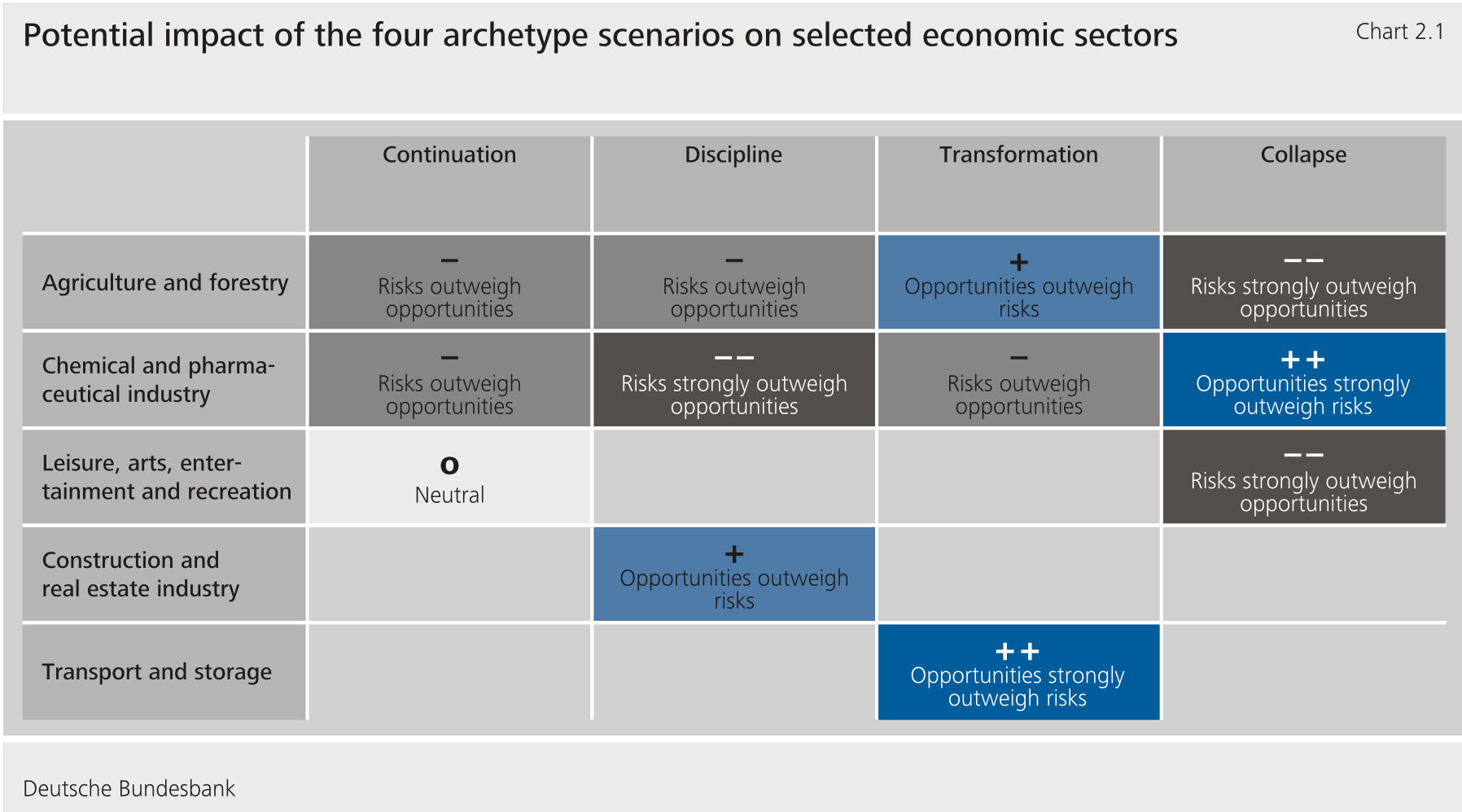
To assess the future development of biodiversity in Germany up to 2040, four baseline scenarios were developed, illustrating different possible future paths. These scenarios – referred to as "continuation", "discipline", "transformation" and "collapse" – are based on the concept of the “four archetypes of the future” 3 and on existing climate-related risk scenarios developed by the NGFS. 4 The four baseline scenarios were used to analyse potential impacts on different economic sectors. Two sectors – agriculture and the chemical and pharmaceutical industry – were identified as relevant across all scenarios, while four sectors – construction, mechanical engineering, transport and leisure/recreation – were examined only in selected scenarios. This sectoral risk assessment enables a more nuanced analysis and a better understanding of the interactions between developments in biodiversity and economic activities.
In the “continuation” scenario, Germany makes moderate progress in climate protection up to 2040, but biodiversity protection remains secondary, resulting in a continued loss of species and natural habitats. Agriculture and forestry face rising production costs and declining yields, as intensive land use and the decline in pollinators adversely affect soil fertility. The chemical and pharmaceutical industry is also exposed to sales risks, as the excessive use of chemicals has a detrimental impact on biodiversity. This applies both to the use of chemical products in agriculture and to other substances such as microplastics or PFAS, which can accumulate in soil or groundwater. Growing environmental scandals receive greater attention, public awareness rises, increasing reputational risks. In the leisure and tourism sector, opportunities and risks are balanced: while forest loss causes tourism to decline in some regions, other areas, such as coastal regions or health tourism, could benefit.
The “discipline” scenario describes a society that, following repeated natural disasters, undergoes a shift in thinking towards biodiversity conservation and sustainability. Mandatory sustainability certifications and changing consumer preferences lead to high short-term transition costs for agriculture and forestry, but in the longer term create opportunities through new growth markets such as organic farming. By contrast, the chemical and pharmaceutical industry faces significant sales and reputational risks, as stricter regulations and more sustainable consumption patterns reduce the use of chemicals. The construction and real estate industry, on the other hand, benefits from new standards such as green roofs and the circular economy, which lead in the long term to higher property values and greater regional value added.
In the “transformation” scenario, an early societal shift leads to impressive progress in climate and biodiversity protection. Agriculture and forestry benefit from growing demand for sustainable products and innovative cultivation methods that stabilise ecosystem services. For the chemical industry, risks predominate as energy-intensive production is relocated abroad, while the pharmaceutical industry benefits from innovation and rising demand, for example in the field of biopharmaceuticals. The pharmaceutical industry’s innovative capacity is highest here of all the scenarios, driven by advances in AI, the highest levels of biodiversity and the greatest availability of natural products. The transport sector experiences significant growth due to technological progress and stronger trade, with enterprises that invest in sustainable solutions early on gaining a competitive advantage.
The “collapse” scenario describes a future in which Germany is confronted with severe ecological damage and inhospitable environmental conditions. Agriculture and forestry suffer from declining yields due to soil degradation and extreme weather events, while industrial forms of farming become more widespread. The chemical and pharmaceutical industry, by contrast, sees opportunities arising from strong demand for chemicals and medicines derived from fossil fuels – particularly as a result of new diseases. In the leisure and tourism sector, however, risks predominate, as economic crises and damaged ecosystems significantly restrict demand for travel and recreational activities, with opportunities limited to niches such as health tourism in climatically favourable regions or digital entertainment formats.
The findings of the project also serve directly as a basis for analysing the vulnerability of the banking sector to biodiversity risks. 5 At the same time, they can help ongoing supervision to identify which banks may face additional risks due to their lending to the affected sectors. In the medium to long term, the findings can also inform discussions on the further development of regulation relating to nature-related financial risks.
Supplementary information
Banks and nature: How strongly does the banking sector in Germany depend on ecosystem services?
Biodiversity and natural intactness are essential prerequisites for sustainable, long-term economic activity. Biodiversity encompasses the diversity of species, genetic variation and ecosystems.The loss of biodiversity 1 and environmental degradation more broadly – both due, amongst other things, to climate change – also entail economic costs, as they impair nature’s capacity to provide inputs for economic activity (ecosystem services). If, in future, certain ecosystem services are no longer available or their availability is restricted, this can give rise to economic and financial risks, 2 which may be reflected in banks’ loan portfolios and thus have an impact on the stability of the banking sector. Accordingly, it may make sense for banks to take the role of ecosystem services into account in their risk assessment and strategic planning. An analysis at the level of individual institutions is particularly relevant for Germany, given its large number of regionally focused banks. This is because the decline in ecosystem services – and the associated risks – varies significantly at the local level, meaning that banks may be affected to different degrees.
This study analyses how banks in Germany depend on ecosystem services through their lending to non-financial firms. It thereby contributes to a deeper understanding of the financial risks arising from the degradation of natural resources and also explores whether different categories of banks 3 exhibit varying degrees of dependence on ecosystem services. In the analysis, data on bank lending are combined with information on nature-related dependencies to assess the strength of the relationship between corporate lending and ecosystem services. In total, the analysis covers nearly 1,200 banks in Germany and an aggregated lending volume to non-financial firms of around €1.7 trillion as of December 2025. The analysis adopts the methodological approach set out in Boldrini et al. (2023) and is based on the 25 ecosystem services according to ENCORE (2024a). 4
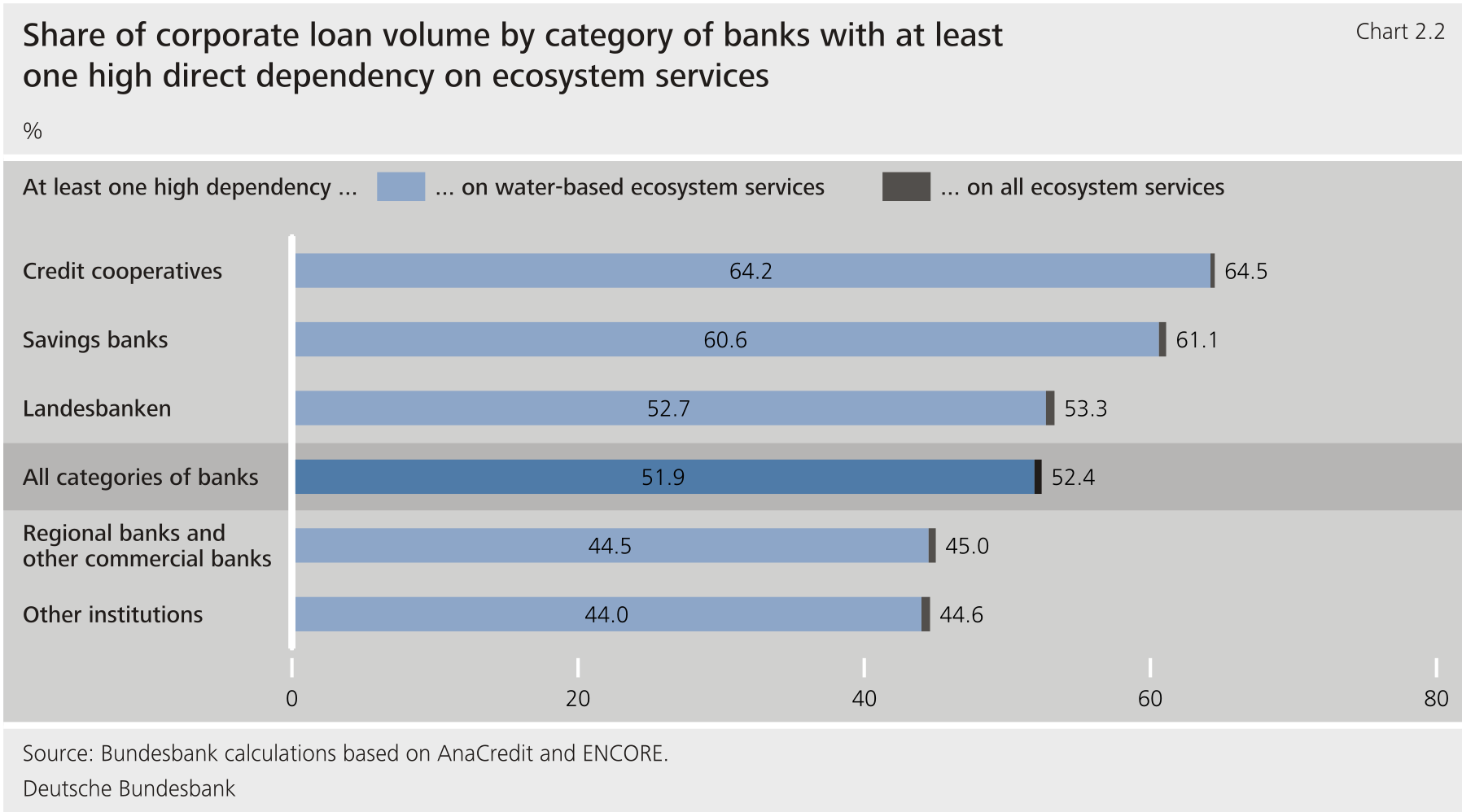
More than half of banks’ corporate lending volume in Germany is highly dependent on at least one ecosystem service (see Chart 2.2). Among the categories of banks, credit cooperatives and savings banks have the largest shares with at least one high dependency. One reason for this is that they have allocated a larger proportion of their lending to economic sectors with at least one high dependency, particularly in the real estate sector. The findings also highlight the central importance of water-based ecosystem services 5 as a prerequisite for economic activity. It should be noted that, according to the Federal Environment Agency, Germany is among the regions with the highest levels of water loss 6 worldwide, even though it is not considered to be under water stress 7 by European standards.
In principle, the extent of nature-related risks is determined by which functions of ecosystem services are impeded or cease to function altogether. To quantify potential economic and financial damage, it is therefore necessary, as a first step, to analyse more precisely the likelihood that such risks will materialise as a result of the reduction or loss of ecosystem services, and the scale at which this may occur. A second step is to examine the extent to which firms are able to adapt, for example by substituting input factors. These insights can provide the basis for banks to incorporate nature-related risks into their own risk assessment and strategic planning, thereby improving the management of their lending activities and strengthening the long-term resilience of their loan portfolios.
Supplementary information
Financing the transition to greenhouse gas neutrality in Germany: Is the German banking system prepared?
The transformation towards a net zero economy in Germany represents a major challenge and requires substantial investment. Transitioning to a net zero economy is one of the greatest economic and societal challenges of the coming decades. The 2021 amendment to the Federal Climate Action Act (Bundes-Klimaschutzgesetz) set a target of reducing greenhouse gas emissions by 65 % by 2030 compared with 1990 levels and reaching net zero by 2045. To achieve this, it will be necessary, above all, to fundamentally transform energy systems, the transport sector and industry, as well as significantly adjust the building stock. This will require considerable investment. The war in Iran and the associated sharp rise in oil and gas prices underscore that transforming energy systems could enhance the resilience of the German economy to price fluctuations.
The success of this green transition will largely depend on the scale of the necessary transformation, the availability of financing, and the willingness of enterprises, the public sector and households to invest. Accordingly, three key questions come into focus: (1) how much investment is required for the green transition in Germany; (2) would the German banking system be able to finance this; and (3) what level of investment in decarbonisation measures are enterprises and households actually planning for. To address these questions, the following analysis draws on recent studies, Bundesbank simulations and surveys of enterprises and households.
The transition to net zero requires annual investment in the hundreds of billions of euros. A significant share of this investment relates to planned replacement investment, where funds used to renew the existing capital stock are allocated in a greener way – that is, they are not additional investment. However, additional investment is still required, which is referred to here as climate protection investment. This includes, for example, greater investment associated with switching to renewable energy, producing green hydrogen or purchasing more expensive electric vehicles. 1 According to estimates by Prognos (2024), the total requirement for such climate protection investment over the period from 2021 to 2030 amounts to approximately €1,460 billion (expressed in 2023 prices), corresponding to an average additional annual requirement of €146 billion. Including the climate-friendly allocation of replacement investment amounting to €295 billion, this implies that enterprises, households and the public sector need to invest €441 billion per year in green measures – again expressed in 2023 prices.
The German banking system could meet the additional financing needs arising from the transition, as it has sufficient excess capital. Banks are likely to play a key role in financing the green transformation. Simulations conducted by the Bundesbank indicate that the banking sector should be able to cover the additional transition-related financing needs, even under conservative assumptions. The simulations estimate the average annual allocations to banks’ common equity tier 1 (CET1) capital required to support climate protection investment up to 2045, while ensuring compliance with regulatory capital requirements. 2 The results show that the German banking sector has sufficient excess capital buffers to expand lending without jeopardising the stability of the financial system.
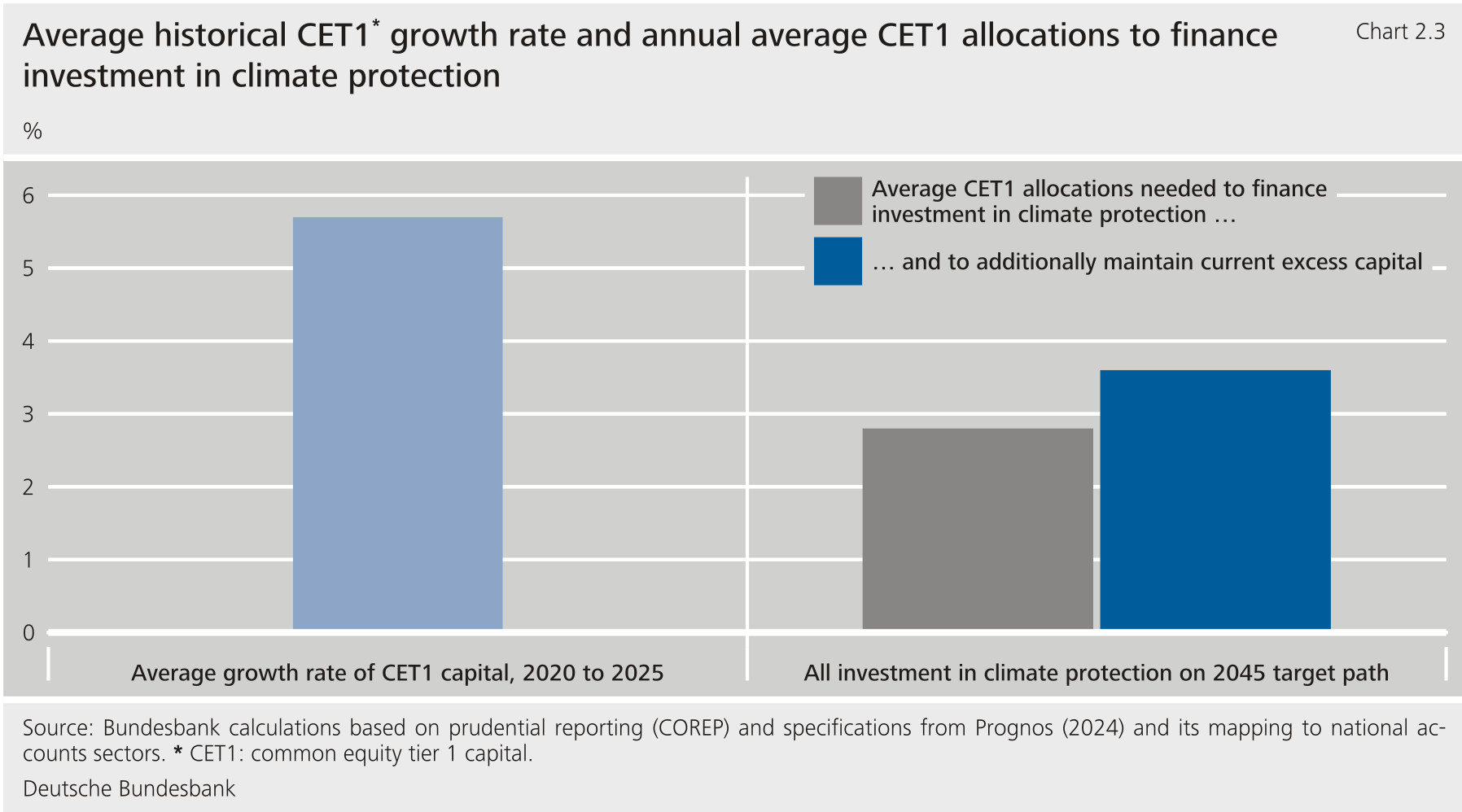
Even in a particularly conservative scenario in which the banking sector alone would have to finance all required climate protection investment, its functionality would be preserved. In this scenario, the annual increase in CET1 capital required to finance climate protection investment amounts to an average of 2.8 %. However, excess capital would decline under these conditions. Maintaining the current relative level of excess capital would require average annual CET1 growth of 3.6 %. These figures are below the historical growth rates of CET1 capital, which has increased by more than 5 % per year on average over the past five years (see Chart 2.3). The assumption that all climate protection investment would be financed exclusively through the banking sector is conservative, as bank lending has so far accounted for only 27 % of the total financing needs of enterprises, households and the public sector, according to internal estimates.
Despite the positive assessment of the banking system’s financing capacity, surveys point to a marked reluctance to invest in decarbonisation. Bundesbank surveys 3 of enterprises and households show that their investment plans are not aligned with the transition pathway modelled previously. For example, only one-quarter of the enterprises surveyed expect their carbon emissions to be reduced by more than 10 % by 2028. Just 6 % of the enterprises surveyed are targeting reductions of more than 25 %. Households are also planning only moderate investment, especially in buildings. Survey-based estimates by the Bundesbank show that households are only planning an annual increase in total climate protection-related investment of around 3 %, although these would have to be around 25 % in order to remain on the original transition path.
Insufficient incentives are holding back investment. The reluctance to invest is likely due, at least in part, to inadequate or unclear incentives, as enterprises and households base their decisions on cost-effectiveness considerations, the competitive environment and the policy framework. In particular, uncertainty about future carbon prices, subsidies and regulatory requirements is acting as a drag on investment.
A successful transformation requires a concerted effort on the part of all stakeholders. The German banking system is, in principle, capable of meeting the additional financing needs for the green transition, with simulations indicating that banks have sufficient excess capital to provide the necessary lending. However, even though the banking system is well positioned, credit availability alone is not sufficient to drive the transition to net zero in Germany. This is highlighted by the reluctance of enterprises and households to invest. Achieving climate targets will likely depend in particular on planning certainty and the viability of climate-friendly business models. A combination of appropriate financial incentives, clear climate policy direction and a greater willingness to invest among enterprises and households will be key.
2 ESG in banking regulation – current developments
2.1 Regulatory framework – the banking package
The EU has fundamentally revised banking regulation since the financial crisis of 2008 in order to make European banks even more resilient. In October 2021, the European Commission presented its proposal to amend the Capital Requirements Directive (CRD) and the Capital Requirements Regulation (CRR). This “banking package” represents the final implementation of the Basel III requirements, and the final version was published in May 2024. 13 The new rules under CRR III have, for the most part, been in force since 1 January 2025, while the provisions of CRD VI had to be transposed into national law by the Member States by 11 January 2026; in Germany, this was implemented through amendments to the Banking Act (Kreditwesengesetz – KWG). This implementing act was published in the Federal Law Gazette on 30 March 2026. 14 (For details, see the article entitled “The Banking Directive Implementation and Bureaucracy Relief Act”, also published in this Monthly Report).
The banking package also focuses on the transition to a sustainable, climate-neutral economy and the resulting risks for banks. Both climate change and the transition to a sustainable and, in particular, climate-neutral economy – underpinned by the EU climate targets – present the European banking system with major challenges. The business models of the economy as a whole, including those of banks, will be affected by these changes. The associated risks will increase and will materialise over unusually long time horizons, distinguishing them from many traditional risk drivers and types of risk. Supervisory requirements for ESG risks are codified in CRD VI and CRR III.
The banking package therefore introduces new requirements for institutions as well as new supervisory powers in relation to ESG risks. The focus of the changes is on qualitative requirements (Pillar 2). For example, banks are now required to explicitly take ESG risks into account as drivers of traditional risk categories, such as credit and market price risk, across their entire risk management framework. Supervisory authorities must now explicitly consider how banks manage sustainability risks as part of the supervisory review and evaluation process. They are also empowered to intervene if institutions’ methodologies are deemed inadequate with regard to ESG risks. By contrast, the quantitative requirements (Pillar 1) have only been adjusted to a limited extent, as the expected risks are not yet reflected in the available data that form the basis for calculating capital requirements. With respect to disclosure requirements (Pillar 3), the obligation to provide transparency on exposure to sustainability risks has been extended to all banks. Building on the disclosure requirements, supervisory reporting requirements for ESG risks will also be introduced.
2.2 Pillar 1 – Current state of the discussion on a possible adjustment of capital requirements
Pillar 1 of the Basel framework is less suited than the other two pillars to taking into account the specific characteristics of climate-related risks. Pillar 1 requirements are intended to ensure that banks hold sufficient capital to cover unexpected losses. Risk assessment is based on historical time series. However, sufficiently long time series are not available for ESG risks. In addition, environmental risks, in particular, materialise over longer horizons than many other risk drivers. These uncertainties about the materialisation of climate-related risks, together with the lack of data history, make it difficult to introduce appropriate changes to the Pillar 1 framework.
From the perspective of risk-based supervision, across-the-board risk haircuts for “green” assets or add-ons for “brown” assets are not an appropriate instrument. According to the Network for Greening the Financial System (NGFS), historical developments do not provide any evidence that “green”, i.e. environmentally sustainable, assets are generally less risky than “brown” assets such as fossil fuels. 15 An across-the-board haircut for “green” assets would therefore reduce their capital requirements, even though credit risk is not necessarily lower. This would undermine the risk-based nature of the regulatory framework.
The European Banking Authority (EBA) does not, at this stage, propose any adjustments to the Pillar 1 framework, but intends to carry out a more detailed assessment. In October 2023, the EBA published a report 16 examining whether exposures subject to environmental or social factors require special prudential treatment. The report addresses specific recommendations for action to banks and national supervisory authorities and to the EBA itself. At this point, no adjustments to the Pillar 1 framework itself are proposed. Instead, the EBA recommends, in the short term, that environmental and social risks be explicitly taken into account in the existing methodologies, including in the areas of credit, market and operational risk, as well as in relation to liquidity, concentration and macroprudential risks.
In a further report published in 2025, 17 the EBA noted that, despite progress made in the meantime, there were still gaps in the availability, quality and granularity of ESG data.The assessment of ESG risks, especially beyond climate-related risks, was often carried out on a qualitative basis and lacked standardisation. The report continued by saying that banks had mainly developed methods to identify and measure the ESG risks of their counterparties by collecting data either directly from them or from third-party providers. These methods were informed by results of stress tests, scenario analyses or internal scoring procedures. The report is descriptive and does not contain any recommendations, but is intended to serve as a basis for further work. In particular, the EBA is now examining the actual level of risk associated with, and the impact of applying, a specific prudential treatment to exposures affected by environmental and social risks compared with other exposures.
Against this backdrop, the banking package introduces changes to Pillar 1 only on a selective basis. For example, ESG risks must be explicitly taken into account when valuing collateral and real estate, in particular where ESG factors are likely to affect such valuations. For certain exposures to infrastructure projects, capital requirements may also be reduced where these projects have a positive impact on at least one of the environmental objectives of the EU taxonomy without adversely affecting another objective. However, this assessment was already required under the previous version of the CRR. The EBA also considers the impact of this change to be limited 18 , although it is assumed that a positive contribution to an environmental objective will generally also lead to lower transition risks.
2.3 Pillar 2 – Requirements for risk management
The main focus of the adjustments made to date in the context of environmental, social and governance risk has been on the qualitative requirements of Pillar 2. Banks now have to explicitly take ESG risks, as drivers of the traditional risk categories such as credit and market risk, into account in their overall risk management, while supervisors are empowered to intervene if they consider institutions’ methodologies to be inadequate in relation to ESG risks.
The 7th Act Amending the Minimum Requirements for Risk Management of Banks (MaRisk) introduced requirements relating to ESG risks in 2023. 19 Banks are required to assess the impact of ESG risks – starting with climate-related risks – both currently and in a forward-looking manner. To support this forward-looking approach, banks are expected to use scenarios based on scientific evidence. Building on the risk inventory, ESG risks are to be adequately taken into account in the assessment of internal capital adequacy, business and risk strategies, organisational guidelines, reporting and internal stress tests. The requirements also consider proportionality and flexibility in the choice of methodology. In other words, their scope depends on the size of the institution concerned as well as on the nature, complexity, scope and risk profile of its business.
In January 2025 the EBA published guidelines on ESG risk management setting out requirements for the identification, measurement, management and monitoring of ESG risks. 20 These guidelinesspecify the requirements laid down in CRD VI. Institutions are required to assess the environmental, social and governance risks to which they are exposed as part of their materiality assessment. This assessment should be consistent with the business model and take into account the short, medium and long term, as well as both qualitative and quantitative information. This is intended to ensure that banks fully take into account ESG risks as drivers of traditional risk categories. In addition, the guidelines set out detailed requirements for the content of the prudential plans to be prepared in accordance with CRD VI; see the supplementary information entitled “Transition plans in banking supervision”.
The EBA guidelines are designed to be proportionate in many respects and indicate which requirements apply only to large institutions. For example, SNCIs 21 are required to carry out the materiality assessment only every two years instead of annually. Requirements regarding the data to be collected and the metrics to be monitored also apply only to large institutions. The guidelines do not apply to SNCIs until a year later, from 11 January 2027. However, the requirements depend both on the size of the institution and on the outcome of the materiality assessment.
Parts of the EBA guidelines still need to be transposed into MaRisk.Although MaRisk already largely incorporates the requirements of the EBA guidelines, the additional elements set out in the guidelines still need to be integrated into MaRisk on a principles-based and proportionate basis. Non-large institutions, 22 in particular, are to be granted greater flexibility in their choice of methods.
The CRD also requires supervisors to assess the ESG risks of the banks they supervise as part of the Supervisory Review and Evaluation Process (SREP).To this end, the EBA is currently revising the guidelines on the SREP. 23 The robustness of the above-mentioned prudential plans will also be assessed as part of the SREP.
Supplementary information
Transition plans in banking supervision
A transition plan sets out how an enterprise intends to align its business model with specific environmental objectives. These objectives can either be set by the enterprise itself or derived from public policy targets. More specifically, a transition plan describes the objectives and measures through which the enterprise intends to adapt its business model and business processes and how it will manage the (financial) risks arising from these adjustments. Transition plans are distinctive in that they are developed over a longer time horizon than usual and are broken down into short to medium-term interim targets and milestones.
Transition plans serve as a tool for identifying and mitigating risks on the path towards a more sustainable economy. Thus, a bank’s transition plan can provide supervisors with forward-looking information about that bank’s future business.
This approach is reflected in the amendment to Article 76(2) of the CRD.Since the introduction of CRD VI, banks have been required to develop prudential plans that describe the ESG risks to which they are exposed, including those arising from the transition to a climate-neutral economy over the short, medium and long term, and how they intend to manage them. These plans should include quantifiable targets 1 and processes for addressing the identified risks. In addition, the CRD requires supervisory authorities to take banks' prudential plans into account as part of the Supervisory Review and Evaluation Process (SREP).
In addition, Article 87a(5) of the CRD requires the European Banking Authority (EBA) to draw up guidelines on ESG risk management, which should also specify the content of such plans. These guidelines were published in January 2025. 2 The plans should cover the ESG risks identified on the basis of a robust materiality assessment and focus on exposures affected by environmental risks. These plans should be consistent with the institution’s internal capital planning (ICAAP) and its risk appetite.
The implementing act for CRD VI in Germany was published on 30 March 2026. 3 With regard to the prudential plans to be prepared, Article 76(2) of the CRD allows Member States to define exemptions for small and non-complex institutions (SNCIs), thereby taking into account the principle of proportionality, for example with regard to the metrics to be used. This flexibility is also used in line with the principle of proportionality in regulation (see the discussion on prudential plans in the article “The Banking Directive Implementation and Bureaucracy Relief Act” in this Monthly Report).
The Network for Greening the Financial System (NGFS) also emphasises the importance of transition plans for supervision. The NGFS notes that transition plans could provide supervisors with insight into how the risk profile of supervised banks is likely to evolve. According to the NGFS, a supervisory authority must understand, amongst other things, the assumptions on which the institution has based its targets, and the scenarios selected for its transition planning process.
2.4 Pillar 3 – Disclosure of ESG information
The Pillar 3 disclosure requirements are intended to enhance transparency regarding banks’ risk profiles, thereby strengthening market discipline. The prudential disclosure requirements for ESG risks provide particular insight into institutions’ sustainability-related risks and can, among other things, help to make greenwashing 24 more difficult. They complement other sustainability reporting requirements, such as the Corporate Sustainability Reporting Directive (CSRD) and the Corporate Sustainability Due Diligence Directive (CSDDD), which also apply to non-financial corporates. While these directives focus on an enterprise’s impact on the environment and sustainability objectives, Pillar 3 of prudential supervision focuses on risk assessment.
Since mid-2022, large, listed credit institutions have been required to disclose information on their sustainability-related risks. In Germany, this refers to institutions with total assets of at least €30 billion whose securities are traded on a regulated market in the EU. This disclosure is divided into three areas:
Qualitative information: Description of business strategy, processes, governance and risk management with regard to ESG risks.
Quantitative information: Disclosure of data on transition and physical climate-related risks.
Taxonomy compliance: Publication of data on the alignment of exposures with the EU taxonomy (Regulation (EU) 2020/852).
The banking package extended the disclosure requirements to cover all institutions from 2025 onwards. The minimum requirements include, first, the total amount of exposures to entities in the fossil fuel sector. Second, institutions must demonstrate how they integrate identified ESG risks into their business strategy and processes, governance and risk management.
The CRR mandates the EBA to prepare draft disclosure requirements for the European Commission that are proportionate to the size and complexity of institutions. From 22 May to 22 August 2025, the EBA consulted on a proposal with three options 25 and is now preparing a final proposal based on the feedback received. In its consultation paper, the EBA proposes:
Large institutions are required to disclose in line with the current requirements, subject to minor adjustments to data and templates; non-listed institutions, unlike listed institutions, are required to report only annually rather than semi-annually.
Listed institutionswith total assets of between €5 billion and €30 billion 26 , as well as large subsidiaries of EU parent institutions are subject to reduced disclosure requirements limited to qualitative process descriptions and data on transition and physical risks.
Non-listed institutionswith total assets of less than €30 billion and SNCIsare required to publish only a highly simplified process description and a short data sheet on their climate-related risks.
The European Commission’s Omnibus I reform to simplify corporate sustainability reporting has delayed the EBA’s work. The EBA was originally expected to present its proposal by July 2025. However, following the announcement of the Omnibus I reform in February 2025, the EBA had to wait for the proposals contained in it to analyse all possible implications for banks and for the Pillar 3 disclosure work already carried out (see the supplementary information entitled “Omnibus initiative”). This, in turn, led to an adjustment of the schedule. The delayed work also includes the supervisory reporting requirements for ESG risks, which are yet to be introduced and are based on the ESG disclosure requirements. The EBA published a consultation paper on this matter on 10 April 2026. 27
As a result of these delays, the EBA has issued a “no-action letter”. 28 In it, the EBA recommends that supervisory authorities temporarily deprioritise enforcement against institutions that are newly subject to the disclosure requirements.Although the disclosure requirements entered into force for all institutions in 2025, the corresponding amendments to the implementing act, as described above, have not yet been adopted. Without the no-action letter, even the smallest institutions would be required to disclose in accordance with the current requirements, which are disproportionate for them as they were designed for large, listed institutions. The EBA therefore recommends deprioritising enforcement for institutions newly subject to the disclosure requirements until the new, proportionate rules take effect. For large, listed institutions, the review of disclosures relating to taxonomy-relevant content is also to be deferred, as further adjustments are expected under the Omnibus initiative. The Federal Financial Supervisory Authority (BaFin) has confirmed this approach in a supervisory statement. 29
At the international level, the Basel Committee published a voluntary 30 framework in 2025 for Pillar 3 disclosure of climate-related risks. 31 This framework was developed based on existing European requirements.
Supplementary information
Omnibus initiative
The Omnibus I reform, aimed at simplifying sustainability reporting and due diligence requirements so as to reduce the administrative burden on enterprises, entered into force on 18 March 2026. 1 The reforms contained in the package are intended in particular to make sustainability reporting less extensive, simpler and more efficient, and to streamline due diligence obligations for responsible business conduct. These proposals relate to the CSRD and CSDDD 2 and therefore do not directly relate to banking regulation. In particular, the increase in thresholds significantly reduces the scope of application of the CSRD. For example, the threshold for CSRD reporting is going up from 250 to 1,000 employees, and the net turnover threshold from €50 million to €450 million, thereby reducing the number of enterprises subject to reporting requirements by more than 80 %. At the same time, the reform aims to avoid a “trickle-down effect”, meaning that information requirements for reporting purposes should be kept to a minimum for enterprises in the value chain that are not themselves subject to reporting requirements, having fewer than 1,000 employees, in order to provide them with tangible relief. Accordingly, in line with a value chain cap, the information requested should not exceed the content defined in a voluntary reporting standard for enterprises not subject to reporting requirements. The latter is expected to be based on the voluntary standard for small and medium-sized enterprises. 3 Additional data requests not related to sustainability reporting will remain permissible, for example for risk management purposes or to fulfil due diligence obligations. In its opinion on the Omnibus I package, the ECB 4 broadly welcomed the streamlining of reporting requirements, but cautioned against an excessive reduction, noting that both the ECB, in carrying out its mandate, and credit institutions themselves require ESG data.
The reform does not alter the fact that almost all enterprises will have to engage with sustainability reporting in the future. Even if the group of entities subject to the CSRD is significantly reduced, large parts of the economy will still be required to provide certain information on their sustainability characteristics indirectly. Customers and suppliers subject to CSRD requirements will request information from non-reporting enterprises in order to prepare their own sustainability reports, subject to compliance with the above-mentioned value chain cap. Credit institutions will request the information they require for risk management purposes from their customers. In this context, the voluntary standard, which at the same time constitutes the value chain cap, is likely to be of particular importance in the future. 5 Market-driven demand for this information is likely to make it necessary for many enterprises to produce such reports. Further development of the voluntary standard should focus on making it as simple as possible so it can be held up as a uniform standard while also ensuring that all necessary information is provided efficiently.
Information from sustainability reporting – including that from entities not subject to reporting requirements – is important for banks, both for their risk management and for fulfilling their own Pillar 3 reporting requirements. The changes adopted may result in banks continuing to lack the data necessary for their risk management, meaning that they will still need to approach their customers with requests for information.
3 Taking stock: Where do institutions stand?
Monitoring ESG risks is a key focus of the supervisory activities of Bafin and the Bundesbank. Since 2022, ESG risks have been taken into account in on-site MaRisk inspections, with an initial focus on strategy and risk inventory. From 2023 onwards, the consideration of ESG risks was also extended to other areas, such as risk measurement and lending activities. With the entry into force of all requirements under the 7th Act Amending MaRisk, the impact of ESG risks has become a standard element of MaRisk inspections. In addition, BaFin conducted a “deep dive” analysis of physical risks at nationally supervised less significant institutions (LSIs) and insurers that may be particularly exposed to nature-related risks. 32 The ECB has also incorporated climate and nature-related risks in its supervisory priorities.
Institutions are increasingly taking into account the impact of ESG risks in their risk management. To obtain an overview of the state of implementation of risk management at LSIs, the Bundesbank conducted a survey of selected LSIs (hereinafter referred to as the LSI survey) in the winter of 2024/25. In addition, questions on climate-related risks were part of the LSI stress tests conducted by the Bundesbank and Bafin in 2022 and 2024.
In their risk inventory, all institutions surveyed in the LSI survey 33 assess whether and how ESG risks affect traditional risk categories such as credit risk, market risk and operational risk. Whereas in 2023 the majority of institutions indicated that they were still waiting for guidance and support from their respective associations, such guidance is now available and is used by most of the institutions surveyed, including all savings banks and credit cooperatives. Almost three-quarters of these institutions further tailor this guidance based on institution-specific factors, such as regional concentrations or the economic sectors represented in their customer base. Most institutions consider the effects of ESG risks over different time horizons. However, definitions of the short, medium and long term vary. Some of the institutions surveyed do not yet take into account a time horizon of at least ten years, as required under the German Banking Act (KWG) since the Banking Directive Implementation and Bureaucracy Relief Act (BRUBEG) entered into force.
The institutions covered by the LSI survey generally identify environmental risks as the most significant ESG risk drivers. The main transition risks cited are rising carbon prices and increasing energy costs, followed by sustainability requirements in the construction sector. Flooding and drought are regarded as the most significant physical risks. According to the institutions, the risk drivers identified are expected to have the greatest impact on credit risk and a more limited impact on market risk; some institutions also see a relevant impact of physical risk drivers on operational risk. The institutions surveyed generally assess the social and governance aspects as less material from a risk perspective.
As part of their strategic management, most institutions formulate ESG-related performance and risk indicators (key performance indicators (KPIs) and key risk indicators (KRIs)). However, specific target values for implementing the strategy are rarely mentioned. Some banks apply sector exclusions or subject transactions with counterparties that have a poor ESG score to prior approval. Sustainability criteria are also taken into account in the proprietary investments, for example through minimum quotas for sustainable investments. In addition, banks often set ESG targets for their own operations, such as their own carbon emissions or gender representation. However, very few institutions measure their financed emissions, set reduction targets or define transition pathways.
Most of the institutions surveyed integrate ESG risks into both their internal capital adequacy policies (ICAAP) and the internal processes for ensuring adequate liquidity positions (ILAAP) as well as into their stress tests. Within the ICAAP, more than half of the institutions surveyed take ESG risks into account as risk drivers, explicitly considering their impact on the overall risk profile, while explicit consideration within the ILAAP is significantly less common. By contrast, the integration of ESG risks into stress tests is more advanced. Almost all of the institutions surveyed take ESG risk drivers into account in stress tests. They do this by either conducting separate ESG stress tests or integrating ESG risk drivers into existing stress testing frameworks, predominantly from both an economic and a normative perspective. 34 However, the stress test results have so far only been taken into account to a limited extent when formulating business and risk strategies.
Nearly all the banks surveyed use ESG scores to assess the impact of ESG factors on credit risk.ESG scores are mostly obtained from associations or third-party providers and assign borrowing enterprises a score that is generally derived from their sector and postcode. Supervisory on-site inspections to date have shown that ESG scores often dilute risks or exhibit other inaccuracies. Where the banks surveyed have identified borrowers with elevated ESG risks, this has generally led to more in-depth analyses or to a requirement to provide a corresponding statement as part of the lending decision.
Energy performance certificates are an important data source for assessing the transition risk of loans secured by immovable property. However, their overall coverage ratio remains very low, with some of the institutions surveyed lacking any data at all. Around half of the institutions surveyed report coverage ratios of less than one-tenth of their loan volume, and only a few institutions are able to demonstrate coverage ratios of more than half. Almost all institutions have developed strategies to increase coverage in the future, including making the collection of energy performance certificates mandatory for new business.
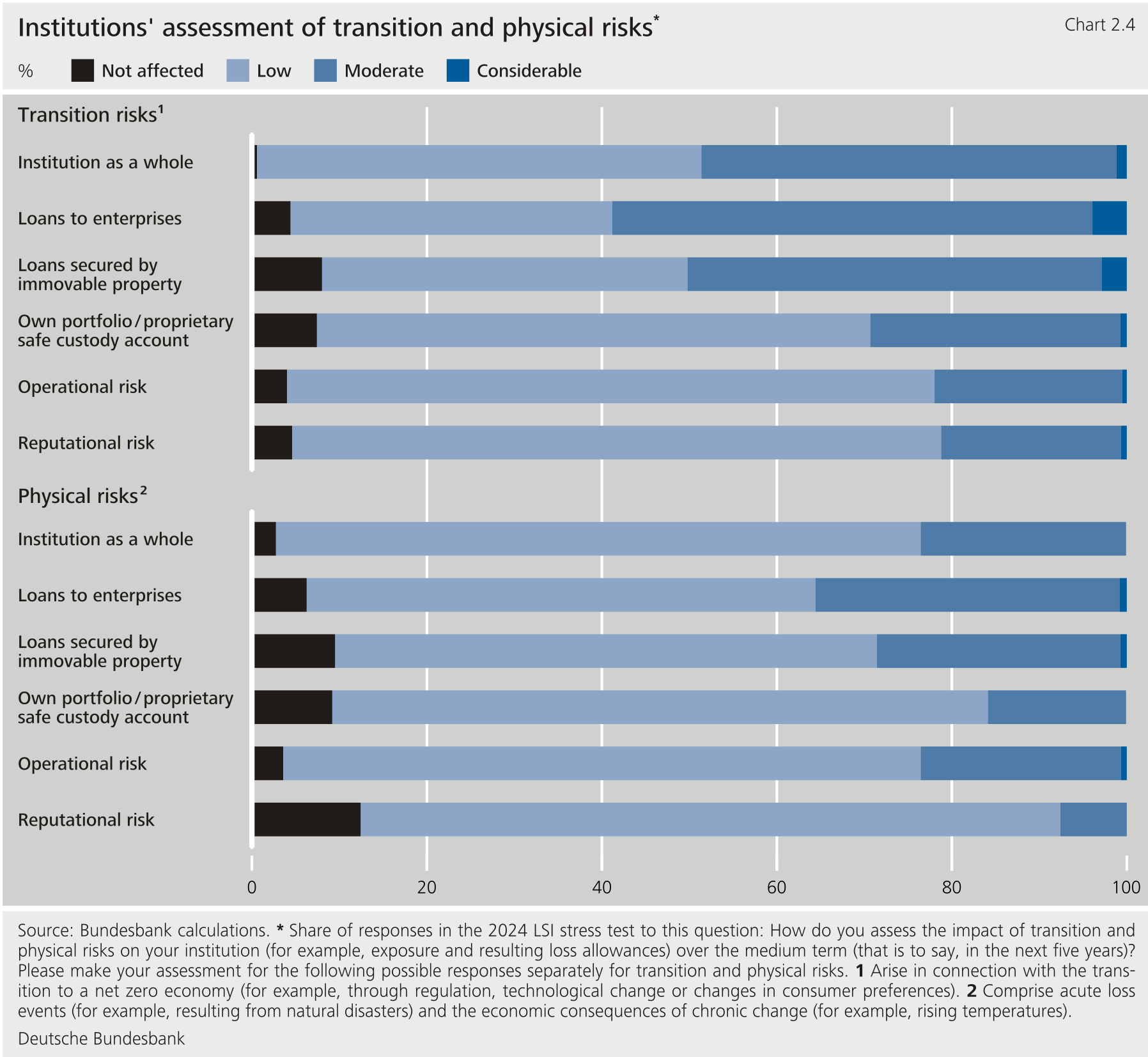
In the 2024 LSI stress test, almost two-thirds of institutions stated that the financing terms of a property are not influenced by the energy performance of the property being financed. More than half of the banks do not require additional collateral or apply a risk premium to the interest rate when the property being financed is located in an area exposed to acute physical risks. Institutions that do take such risks into account generally require additional collateral or, less frequently, apply a risk premium to the interest rate, or both. In order to improve data quality for assessing climate-related risks in both commercial and private real estate financing, most banks systematically collect data on climate-related risks, in particular on energy efficiency certificates, followed by data on the use of renewable energy and the building’s final energy requirements. A small number of institutions engaged in real estate financing do not systematically collect data on climate risks. At the same time, in the 2024 LSI stress test, banks more often assessed the impact of transition and physical risks in the area of loans guaranteed by immovable property to be moderate rather than low, as was the case in the 2022 LSI stress test. Overall, banks continue to assess the impact of transition risks to be higher than the impact of physical risks (see Chart 2.4).
In general, the majority of institutions in the LSI survey take climate-related risks into account in their lending practices, in particular by excluding certain economic sectors, segments or issuers and in the valuation of collateral. Only around one-fifth of institutions require borrowers to meet specific obligations, such as improving their ESG performance, and only in a few cases are climate-related risks also reflected in loan pricing and in the calculation of probabilities of default.
4 Conclusion and outlook
From a risk assessment perspective, banks should continue to address the ESG risks relevant to them. In particular, environmental risks will become more relevant for banks and their customers in the future. ESG risks, as drivers of traditional risk categories, are now integrated into all three pillars of the supervisory framework. This framework provides the basis for banks to identify, measure and manage their ESG risks in a manner appropriate to their business models.
Bafin and the Bundesbank continue to classify climate change, sustainability and the green transition as part of their medium-term supervisory priorities in 2026. The focus is on the appropriate integration of ESG risks into institutions’ strategies and processes, as well as on the analysis of transmission channels and implications for the financial system. The supervisory approach builds closely on the measures already implemented and presented here.
While the debate has so far focused primarily on risks arising from climate change and their management, the scope is gradually broadening. Research and analysis are increasingly addressing other nature-related risks, including the importance of biodiversity and various ecosystem services. The Bundesbank is working to deepen its understanding of the transmission channels of nature-related risks in order to assess their implications for banks. It is in banks' own best interest to also address risks arising from changes in the ecosystem in addition to those related to climate change.
List of references
Baccianti, C., M. Baltzer, N. Boesel, D. Finck, T. Hagemann, L.-C. Kuntz, F. van der Meyden, C. Schlam, D. Schober, R. Unger, S. Wessels and M. A. Weth (2026), Financing the transition to greenhouse gas neutrality: Is the German banking system prepared?, Deutsche Bundesbank Technical Paper, mimeo.
Becker, A., M. Dransfeld, F. Genswein, E. Kormanyos, P. Krischak, C. Schlam and J. Thomas (2026), Banks and Nature: How dependent is the banking sector in Germany on ecosystem services?, Deutsche Bundesbank Technical Paper, mimeo.