Trends in corporate financing in the euro area Monthly Report – April 2026
label.hero.extDisplayDate
Trends in corporate financing in the euro area Monthly Report – April 2026
Monthly Report
The financing structures of non-financial corporations in the euro area have changed considerably since 1999.
First, internal financing has gained noticeably in importance: on aggregate, a large share of investment has recently been financed from retained earnings and depreciation.
Second, the structure of external financing has shifted away from banks and towards alternative sources of financing. Banks’ relative contribution to the overall financing of non-financial corporations has thus declined markedly since the global financial crisis. By contrast, intrasectoral loans, corporate bonds, and funding from non-bank financial intermediaries have gained in significance. Overall, bank loan financing remains of key importance, but corporate financing now relies on a broader range of financing providers and financing instruments.
Third, market-based financing has become more relevant, but remains moderate by international standards. The issuance of debt securities has increased in particular, while financing via equity in the form of listed shares remains comparatively weak.
In principle, these developments have the potential to change the way in which monetary policy measures are transmitted. For example, banks tend to respond quickly and persistently to conventional monetary policy tightening. By comparison, the responses of non-bank financial intermediaries may be more heterogeneous and vary in terms of both strength and persistence depending on the underlying conditions. In addition, a decrease in bank lending caused by monetary policy can be more easily absorbed by other sources of financing when the financing mix is broader.
All in all, the change in financing structures is likely to shift the relative importance of individual transmission channels: in particular, bank-based channels may lose significance, while capital market and non-bank-based transmission channels may gain significance. However, ascertaining whether this may strengthen or weaken monetary policy transmission is not necessarily possible at the present time.
1 Introduction
The financing structures of non-financial corporations is an important factor for the interrelationship between real economic activity and the financial environment. Decisions on assuming debt capital and equity capital are closely related to investment intentions and, at the same time, reflect the financing conditions prevailing at any given point in time. At the aggregate level, changes in the scope and structure of corporate financing therefore provide important information on the cyclical situation of an economy and its medium-term growth prospects.
Financing conditions, which are shaped by the macroeconomic environment in general and by monetary policy in particular, play a key role here. The macroeconomic environment influences financing conditions through factors such as the cyclical situation, firms’ perceptions of profitability and risk, and investors’ risk appetite. During economic upturns, firms’ earnings prospects and creditworthiness typically improve, making it easier for them to access external financing. Conversely, economic downturns, heightened uncertainty, or rising default risks can increase financing costs and restrict the supply of financing. Changes in the interest rate level as a result of monetary policy measures also affect the costs of external financing and thus the profitability of intended investments. In addition, monetary policy-related interest rate changes can also impact the willingness and ability of banks and capital markets to provide funds. This means that price and volume adjustments to financing both determine the channels through which, and the intensity with which, monetary policy measures affect investment and economic activity.
Changes in financing structures can, in principle, strengthen, weaken, or alter the timing of the impact of monetary policy measures by shifting the relative importance of individual transmission channels. 1 At the same time, they shed light on any structural changes in the financial system as well as firms’ resulting adjustment to the macroeconomic environment. The period since the introduction of the euro in 1999 includes several exceptional phases, including the global financial and economic crisis, the European sovereign debt crisis, the subsequent period of low interest rates and low inflation with extensive non-standard monetary policy measures, and, most recently, the COVID-19 pandemic and the following period of monetary policy tightening in response to the emerging surge in inflation. These episodes were accompanied by significant, but mostly temporary, changes in the scope and composition of external financing. Nevertheless, longer-term structural shifts in corporate financing remain clearly visible. 2 Accordingly, the financing structures of non-financial corporations (NFCs) in the euro area have changed since the introduction of the euro in 1999, significantly so in some cases:
internal financing has gained in significance relative to external financing;
within external financing, the share of non-bank-based financing has grown, and;
capital market financing, particularly through debt securities, has become more important to the detriment of bank loan financing.
The following comments outline developments in the financing structures of non-financial corporations in the euro area since 1999, broken down by financing provider and financing instrument. This is followed by a discussion of the potential implications for monetary policy transmission. The analysis is based on data from the financial accounts and euro area accounts and covers the period from the first quarter of 1999 to the third quarter of 2025. 3 4
2 Factors driving corporate financing
The financing of non-financial corporations can be broken down into internal financing and external financing through various instruments. A distinction can thus be made between sources of financing from own business activities (internal financing) and funds raised externally (external financing). The internal financing of a firm stems from the payment surpluses that it has generated and comprises both retained earnings and the funds resulting from depreciation that do not affect cash flow. It is thus linked closely to a firm’s profitability and responds only indirectly to short-term changes in financing conditions. By contrast, external financing is the provision of funds by external parties. These inflows of funds can take the form of both debt capital and equity capital and are linked closely to the respective financing conditions on the credit and capital markets, which are influenced by, amongst other things, the macroeconomic environment and monetary policy. Debt capital comprises mainly bank loans, loans from non-banks, trade credits and advance payments, technical reserves, and debt securities. Equity consists of listed and unlisted shares as well as other equity. Listed shares and debt securities are market-based financing instruments and are thus linked closely to financial market developments. 5
Theoretical approaches to corporate financing demonstrate how firms choose their financing and respond to changing financing conditions. There are two fundamental, complementary theoretical approaches to explaining the financing behaviour of non-financial corporations: the “pecking order” theory and the “trade-off” theory. 6 Both approaches provide explanations for how firms determine the scope and composition of their financing as well as how they respond to changes in the economic and financial environment.
The pecking order theory describes a preference ranking of financing sources that results from information asymmetries. It assumes that firms make their financing decisions according to a fixed ranking of financing sources. This ranking is based on asymmetric information and the resulting incentive problems between corporate management and investors: the more pronounced these problems, the higher the costs of external financing. This means that internally generated funds have priority, as they are not affected by information asymmetries. Only when these funds are insufficient for financing planned investments do firms turn to external funds, with debt capital preferred over equity. As a result, issuing equity is the final financing option in this approach. One key implication of this approach is that firms’ external financing is conducted predominantly via debt capital.
The trade-off theory emphasises the balance between the advantages of debt and the risks of insolvency. A high level of debt and the associated low capital base increase firms’ vulnerability to adverse shocks. For instance, even moderate losses can noticeably reduce the capital buffer and thus impair solvency. 7 The trade-off theory assumes that firms deliberately build up equity buffers in order to limit the expected costs of potential insolvency whilst also preserving financial flexibility for future investment decisions. However, the benefits of higher capital buffers are weighed against the advantages of debt financing, particularly the tax deductibility of interest payments. As a result of this trade-off, there is, from a firm’s perspective, an optimum capital structure that depends on the underlying macroeconomic conditions and that can change over time. 8
The specific configuration of financing structures is also influenced by structural factors. These include, amongst others, the following:
Firm size, age, and sector: 9 Larger and established firms tend to have easier access to capital market-based financing instruments, such as corporate bonds or listed shares. By contrast, smaller and younger firms are more reliant on bank-based financing or unlisted equity, as they often do not meet the requirements for broad access to capital markets (see the supplementary information entitled “The significance of a firm’s age and sector for its choice of financing instruments”).
Supply-side conditions among financing providers: The costs of debt financing depend not only on the firms’ characteristics, but also on the funding conditions, balance sheet constraints, and risk appetite of investors. 10 The refinancing conditions of financial intermediaries are influenced largely by the interest rate environment and thus also by the monetary policy stance. Changes in these areas, for example as a result of regulatory adjustments or macro-financial tensions, can affect the relative attractiveness of individual forms of financing. In certain situations, supply restrictions can even lead to individual funding sources being available only to a limited extent or being unavailable entirely. 11
Macroeconomic uncertainty: Heightened uncertainty about future economic developments, the stability of demand, or future financing conditions can dampen investment, even when the costs of financing are low. During such phases, it may be advantageous for firms or financing providers to postpone planned investments and/or limit the use of external financing. 12
Structure of the financial system: Lastly, the relative importance of individual financing instruments and the role of different financing providers are closely linked to the institutional structure of the financial system. Ideally, financial systems can be distinguished based on whether corporate financing is carried out predominantly via banks and other credit intermediaries or to a greater extent via capital markets. In more bank-oriented financial systems, debt financing is typically of particular importance, whilst in market-based systems, capital market-oriented forms of financing, such as shares and bonds, play a greater role. These structural differences are relevant for the interpretation of the developments in euro area corporate financing outlined below, as they may be associated with different patterns of adjustment by firms and financial intermediaries to macroeconomic shocks and monetary policy impulses. 13
In addition to the financing structure, liquidity management is also a key means of adjusting to changing financing conditions. 14 Faced with potential financing restrictions or fluctuating financing costs, firms can deliberately hold financing surpluses in the form of liquid funds in order to safeguard their ability to act for future investment decisions or in periods of stress. The build-up of liquidity reserves can be interpreted as an expression of precaution and, to some extent, serve as a substitute for future external financing. This aspect becomes more significant particularly in periods of heightened financial uncertainty or limited credit supply. 15
label.digression
The significance of a firm’s age and sector for its choice of financing instruments
Firms’ needs for and access to financing typically change over the course of their life cycles and differ depending on their size as well as across sectors. This supplementary information investigates the extent to which the factors of firm age and sector 1 influence the observed financing structures of non-financial corporations.
Data at the level of individual firms show how a firm’s age and sector shape its financing structure. For the following analyses, microdata on the financing structures of more than six million individual firms in the euro area are supplemented with reference data on their ages and sectors and then aggregated along these two factors. The dataset combines ESCB primary statistics and commercial data. 2
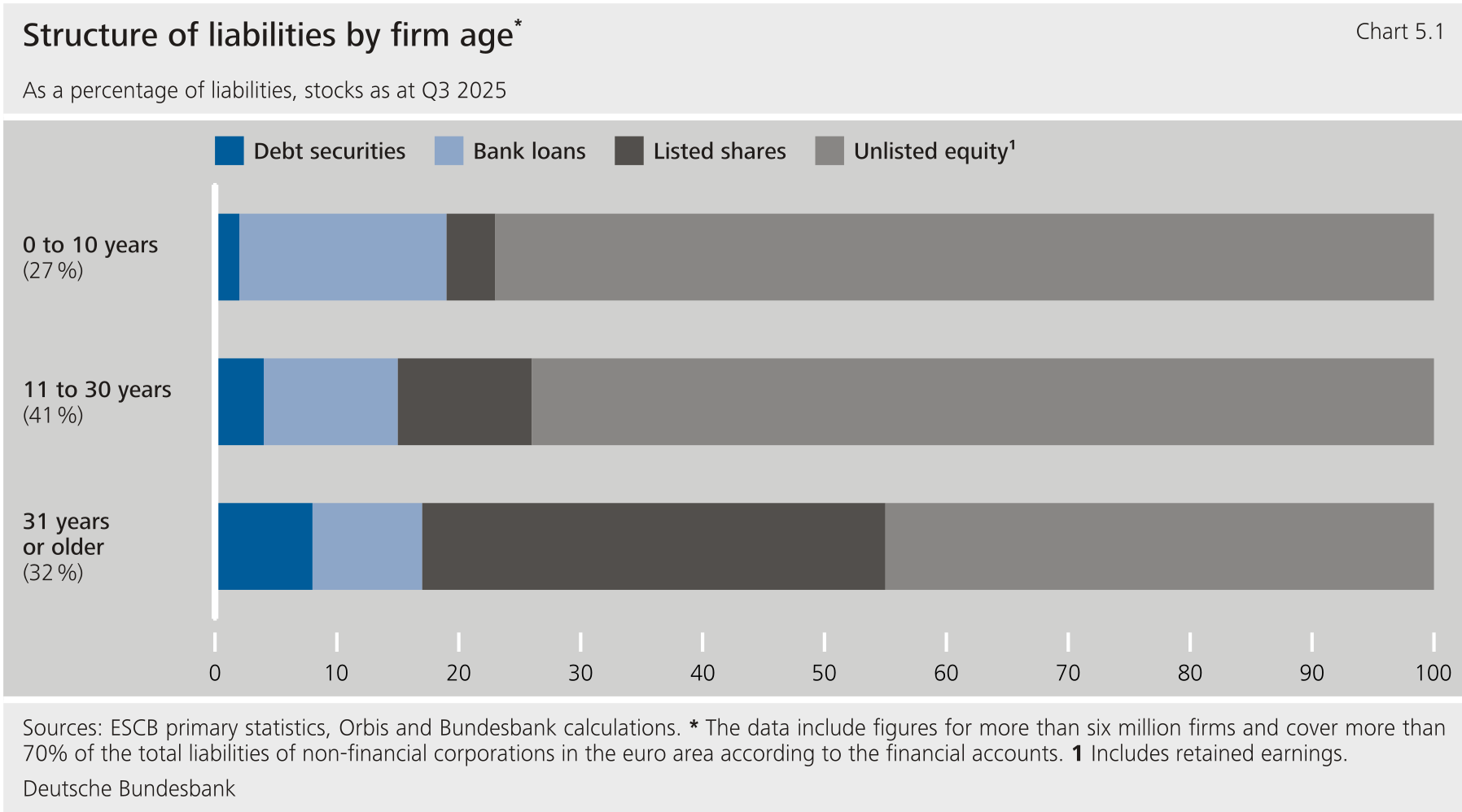
Financing structures vary over the course of a firm’s life cycle – young, growing, and established firms each assume different roles. The first step is to illustrate the differences in the financing structures of non-financial corporations over the course of their life cycles. For this purpose, firms are categorised into three age groups: firms in the “early phase” of their development (0 to 10 years since founding), firms in the “growth and maturity phase” (11 to 30 years), and “established” firms (31 years or older). 3 Measured in terms of total liabilities, young firms account for 27 %, firms in the growth and maturity phase for 41 %, and established firms for 32 %. 4
Young firms are financed primarily by unlisted equity and, in addition, bank loans. Chart 5.1 shows the shares of debt securities, listed shares, bank loans, and unlisted equity 5 in the total liabilities of each age group in the third quarter of 2025.
In a firm’s early phase (up to 10 years), unlisted equity dominates with a share of 77 % of total liabilities, followed by bank loans, at 17 %. By contrast, subordinate roles are played by listed shares, at 4 %, and debt securities, at 2 %.This structure is largely a reflection of young firms’ limited internal funds, uncertain market positions, and higher risk of failing. Furthermore, as they are also comparatively small on average and have only limited collateral and no established creditworthiness, it is more difficult for them to access public capital markets. Accordingly, only few are listed, which explains the high share of unlisted equity. In addition, firms in the early phase of development do not initially make any investments for which long-term financing via capital markets would be appropriate. Instead, young firms mainly make use of bank loans to finance start-up and working capital costs. Direct customer relationships enable banks to reduce information asymmetries and mitigate credit risk through collateral more effectively than capital markets. 6 Unlike fragmented capital market investors, banks can structure loan agreements flexibly and renegotiate them if necessary. 7
For firms in the growth phase, unlisted equity remains central, but listed shares and bonds gain in significance. The financing structures of firms in the “growth and maturity phase” (11 to 30 years) differ only slightly from those of younger firms. Here, too, unlisted equity dominates, at 74 %, as it offers stability and flexibility, but does not entail regular interest or repayment obligations. 8 However, in this group, considerably more firms are listed on stock exchanges, which is why listed shares account for 11 % of liabilities. Debt securities are also used more intensively by these firms.
Established firms are financed increasingly via capital markets, whilst unlisted equity and bank loans lose significance. The financing structures of “established” firms differ considerably from those of the two younger groups. Established firms turn more to listed shares, which account for 38 % of this group’s liabilities, and comparatively less to unlisted equity, which accounts for 45 %. They often have strong market positions, stable cash flows, larger average firm sizes, and existing corporate networks. As a result, they have easier access to capital markets and a broader financing mix than the two younger groups. 9 Bank loans play a subordinate role, at 9 %, as alternative financing sources are available to a greater extent. Debt securities are also attractive at this stage of development, accounting for 8 % of the liabilities shown here, as established firms are perceived to be less risky and investors are willing to provide them with capital at favourable conditions. 10 Overall, established firms tend to have a diversified financing mix, while younger firms are heavily reliant on equity financing and bank loans.
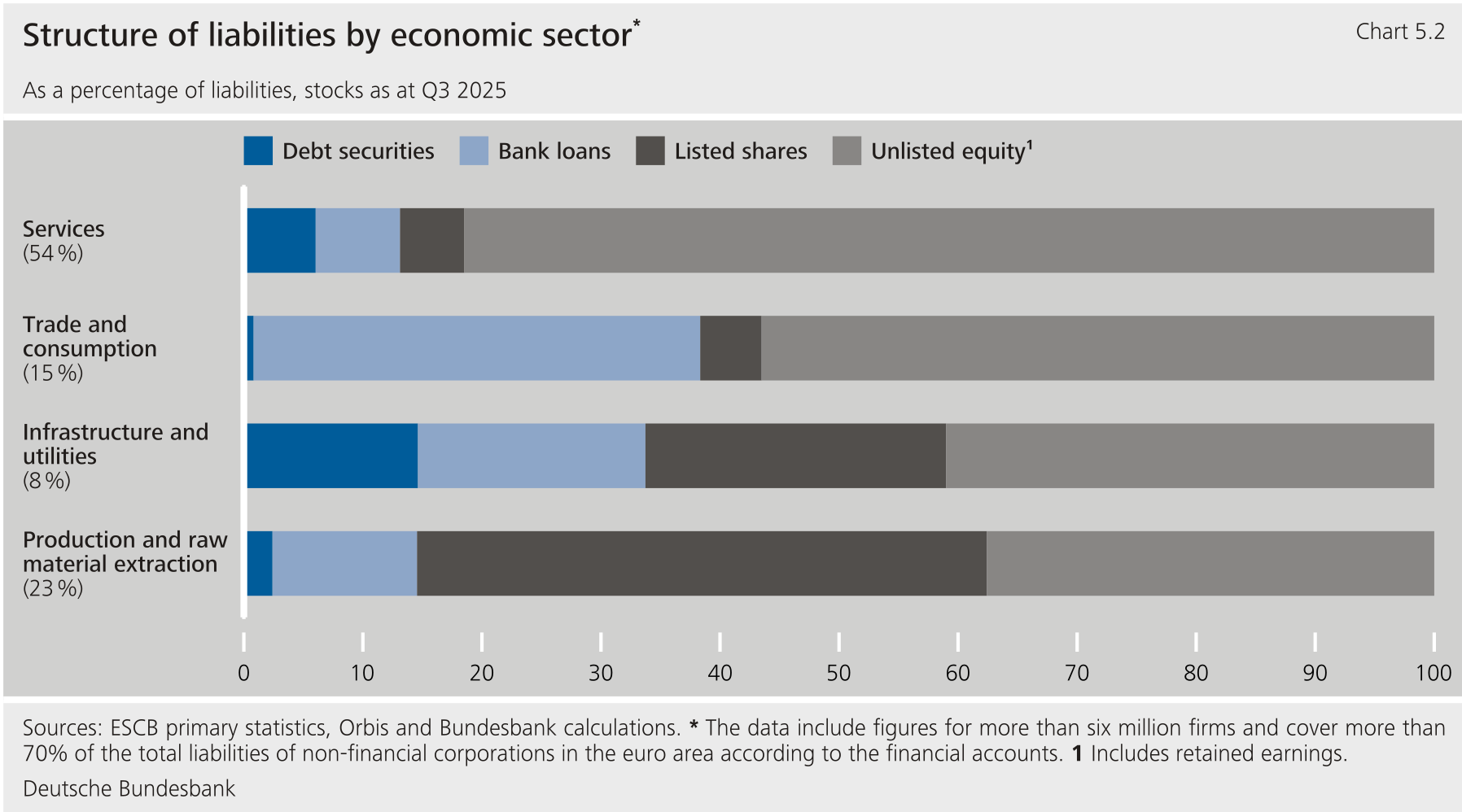
Financing structures vary significantly between sectors, as different capital needs, risk profiles, and market conditions are associated with specific preferences with regard to financing. The relationship between the sectors and financing structures of non-financial corporations is also a key aspect. Owing to differences in structural requirements and market conditions, firms from different sectors have specific capital needs, risk profiles, and financing preferences that are not apparent in the aggregate figures. This heterogeneity is illustrated in Chart 5.2.
Firms involved in production and the extraction of raw materials exhibit diversified financing structures.Nevertheless, equity capital – both listed, at 51 % of this sector’s liabilities, and unlisted, at 34 % – is dominant here. These corporations are often large, listed, and globally active. Their high capital intensity necessitates substantial investment in assets, machinery, and infrastructure, which is sometimes associated with considerable risks, such as volatile commodity prices or regulatory uncertainties. By issuing shares, it is possible to mobilise large amounts of capital without increasing debt. High levels of debt increase the risk of insolvency in capital-intensive sectors, especially given the volatile commodity prices mentioned above.
In the sector “infrastructure and utilities”, financing structures exhibit lower dependence on listed equity capital. Many firms in this sector are state-controlled. They are financed to a greater extent by bonds, which account for 15 % of this sector’s liabilities, and bank loans, which account for 19 %. The use of bonds in particular is not surprising, as firms in this sector often finance long-term and capital-intensive projects that are backed by stable cash flows. 11
In the sector “trade and consumption”, firms rely primarily on unlisted equity and bank loans. Unlisted equity, which accounts for 55 % of this sector’s liabilities, is attractive due to its lower requirements with regard to transparency and reporting as well as the possibility of more flexible negotiation with investors. However, the shorter duration of the investment phases and the lower capital intensity in this sector also increase the attractiveness of bank loans, which comprise 39 % of liabilities, as they are more adaptable to firms’ specific needs and can be available in the short term.
For firms categorised in “services and other sectors”, financing is concentrated heavily on unlisted equity. This sector is characterised by a large number of small and medium-sized firms active in areas such as retail trade, food and beverage service activities, services, and professional activities. Owing to their low capital intensity and limited access to capital markets, these firms turn to unlisted equity, which accounts for 81 % of this sector’s liabilities. For smaller firms, this is often the only available option for raising capital without resorting to complex or cost-intensive debt financing instruments. It also enables firms to maintain entrepreneurial control.
Overall, the results highlight that both sector and firm age are associated with marked differences in financing structures. The significance of bank loans, for example, varies especially strongly by sector. While bank loans tend to be used as more of a complementary financing instrument in the capital-intensive sectors, such as production and infrastructure, they play a key role in less capital-intensive sectors, such as trade and consumption. Overall, established firms tend to have a more diversified financing mix, while younger firms are more reliant on equity capital financing and bank loans.
3 The development of corporate financing since 1999
The following outlines the development of corporate financing across several dimensions. The analysis draws on the factors determining corporate financing outlined above. To begin, a distinction is made between internal financing and external financing in order to identify changes in the relative significance of internally generated funds compared with external financing. External financing is then examined in a differentiated manner: first, it is analysed by financing provider in order to uncover shifts between banks, non-bank financial intermediaries, and other non-financial corporations. Potential financing providers are broken down according to their sectoral classification. Specifically, those taken into consideration here are other non-financial corporations, monetary financial institutions excluding central banks (or “banks” for short), central banks, investment funds, other financial institutions, insurers and pension funds, general government, households, and (other) non-residents. A distinction is also made between non-bank financial intermediaries and non-banks. The term “non-bank financial intermediary” comprises all (domestic) entities in the financial corporate sector that are not classified as monetary financial institutions (“banks”). 16 The term “non-bank”, however, is more broadly defined and covers all entities that are not banks from a supervisory perspective and thus also includes, for example, other non-financial corporations, other financial institutions, and non-residents. In addition, financing structures are also examined separately for each financing instrument – loans, debt securities, equity, and other liabilities. This multi-dimensional approach ultimately makes it possible to systematically classify both quantitative changes in financing volumes as well as structural shifts within external financing.
3.1 Increased importance of internal financing
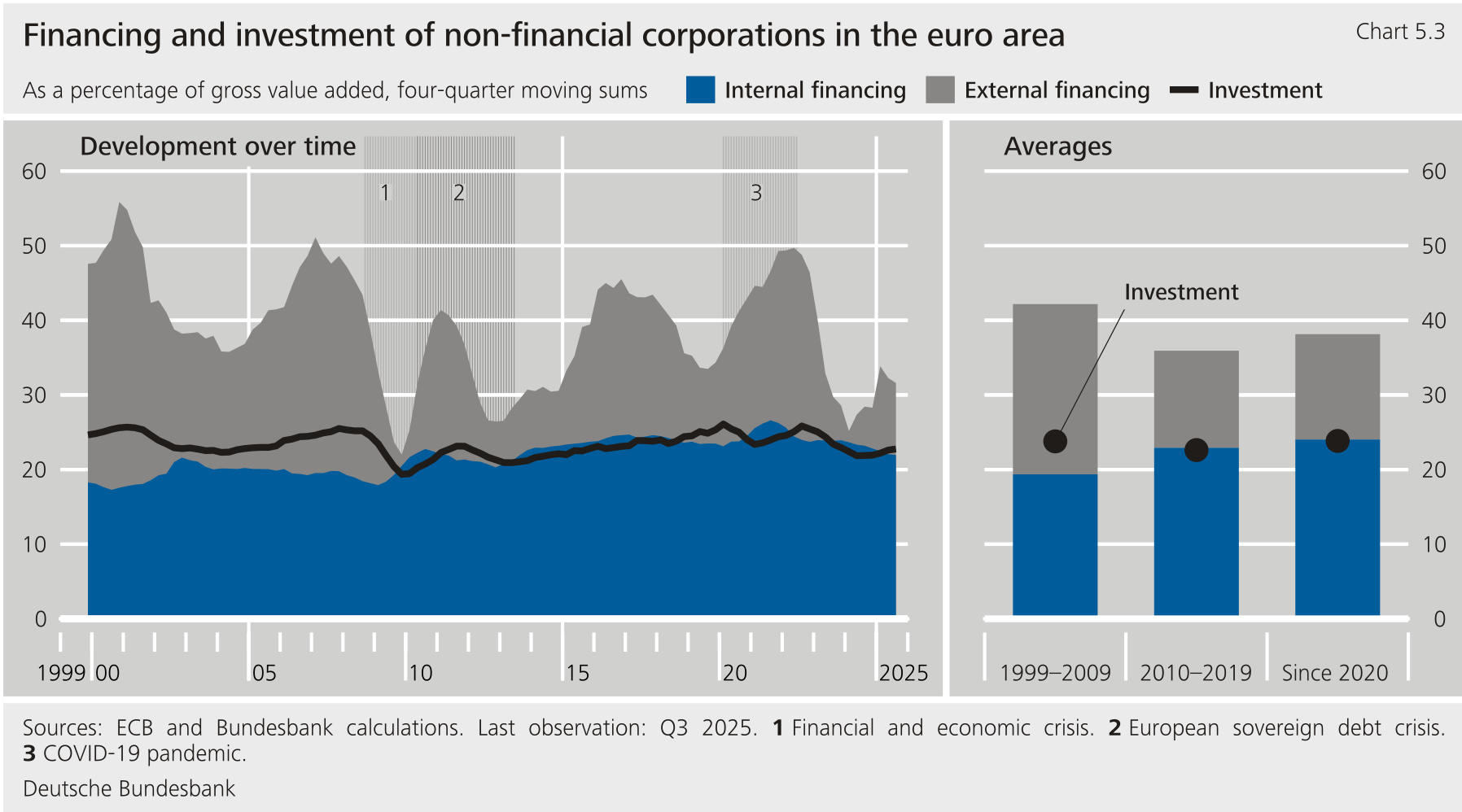
The relative importance of internal financing for non-financial corporations in the euro area has increased noticeably since the late 1990s up to the current end. Chart 5.3 illustrates the development of the financing of non-financial corporations in the euro area since 1999. Since the end of the 1990s, there has been a continuous rise in internal financing amongst euro area non-financial corporations. By far the largest contribution to this is attributable to depreciation. As a non-cash expense, depreciation constitutes a stable component of internal financing and accounted for more than 85 % on average over the entire period under review. By contrast, fluctuations in internal financing over time can be largely explained by fluctuations in retained earnings, especially during the financial and economic crisis, the European sovereign debt crisis, and the COVID-19 pandemic. For instance, after the COVID-19 pandemic, internal financing initially grew very strongly as the economy recovered. However, against the backdrop of monetary policy measures in response to rising inflation as well as an uncertain economic environment, the momentum of internal financing subsequently weakened over time.
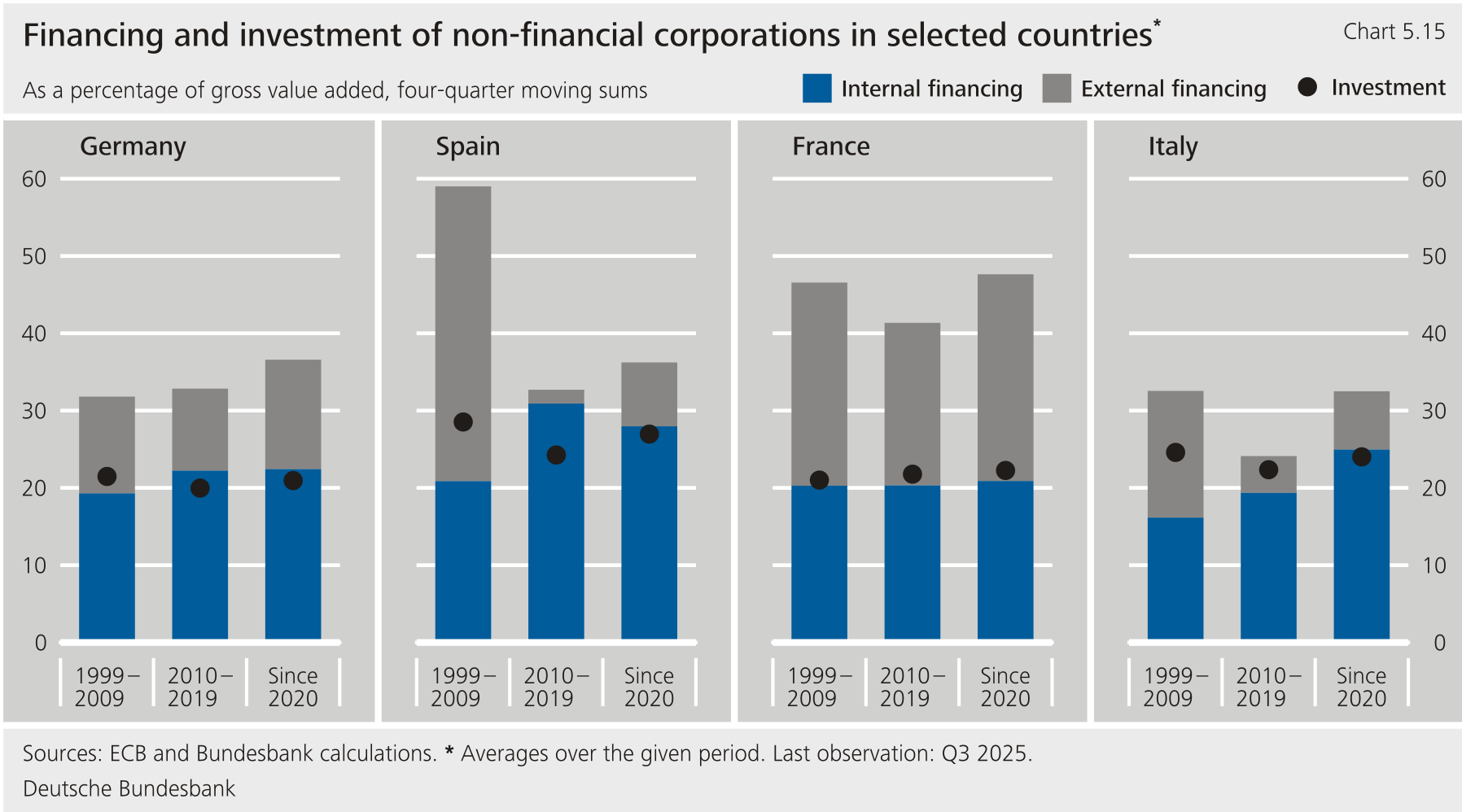
Taken in isolation, the growing share of internal financing likely reduced non-financial corporations’ dependence on external financing. Over the longer-term, internal financing developed somewhat more dynamically than external borrowing. As a result, its share in overall financing increased considerably: whilst it was still around 45 % on average in the years prior to the financial and economic crisis, it has averaged approximately 65 % since 2020. In addition, since 2009, the funds generated in the corporate sector have been almost sufficient to finance investment on aggregate, thereby reducing firms’ dependence on external financing conditions. 17 In some euro area countries, internal financing even noticeably exceeded investment. 18 At the current end, too, the importance of internal financing remains at a comparatively high level and is therefore likely to help limit the sensitivity of corporate financing to changes in external financing conditions. This pattern is consistent with the pecking order theory described in the theoretical section of this article, according to which firms prefer to rely on internally generated funds. According to the pecking order theory, this surplus of internal funds over investment expenditure implies a generally lower necessity to draw on external financing sources and thus lower direct exposure to the financing environment.
3.2 Decline in external financing
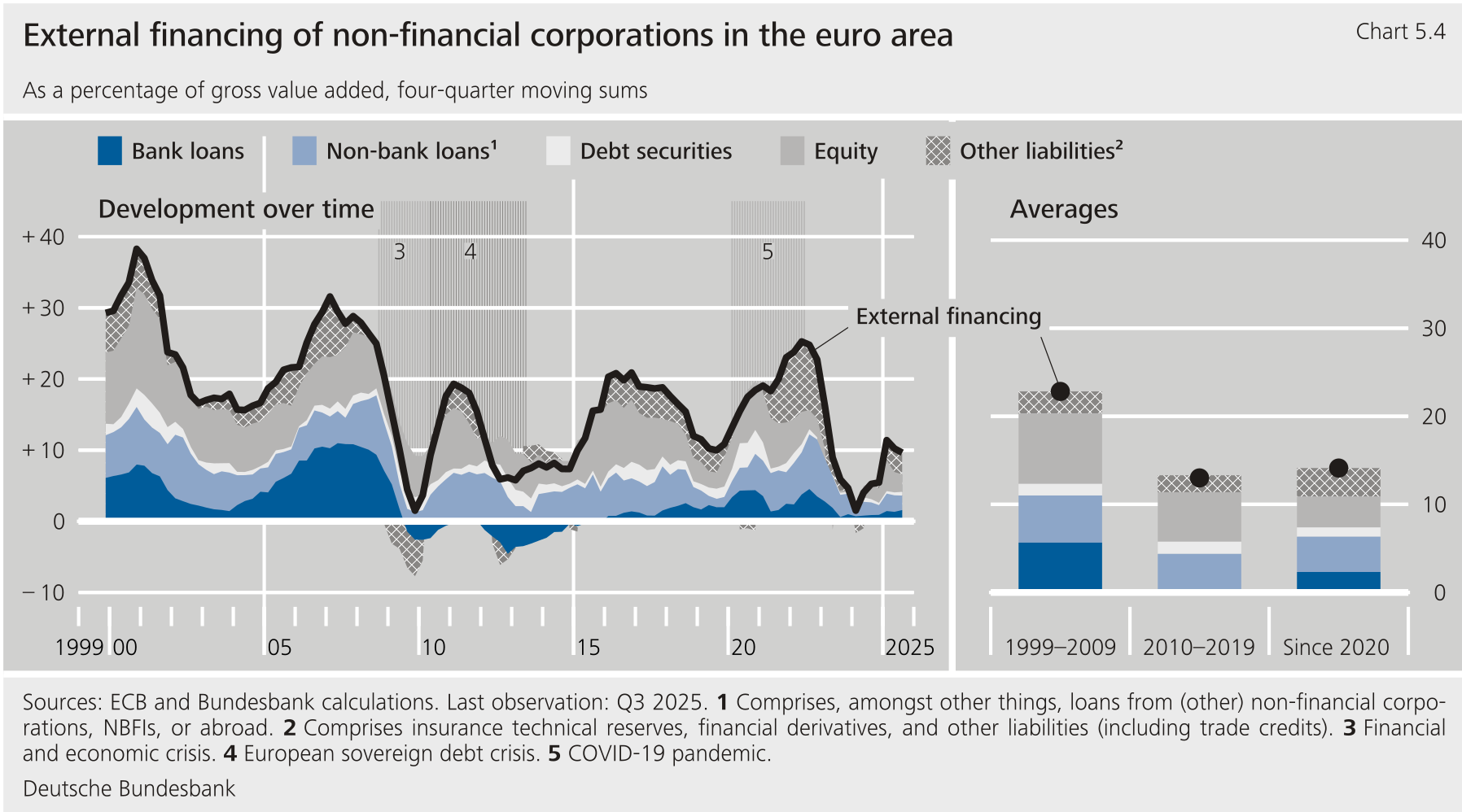
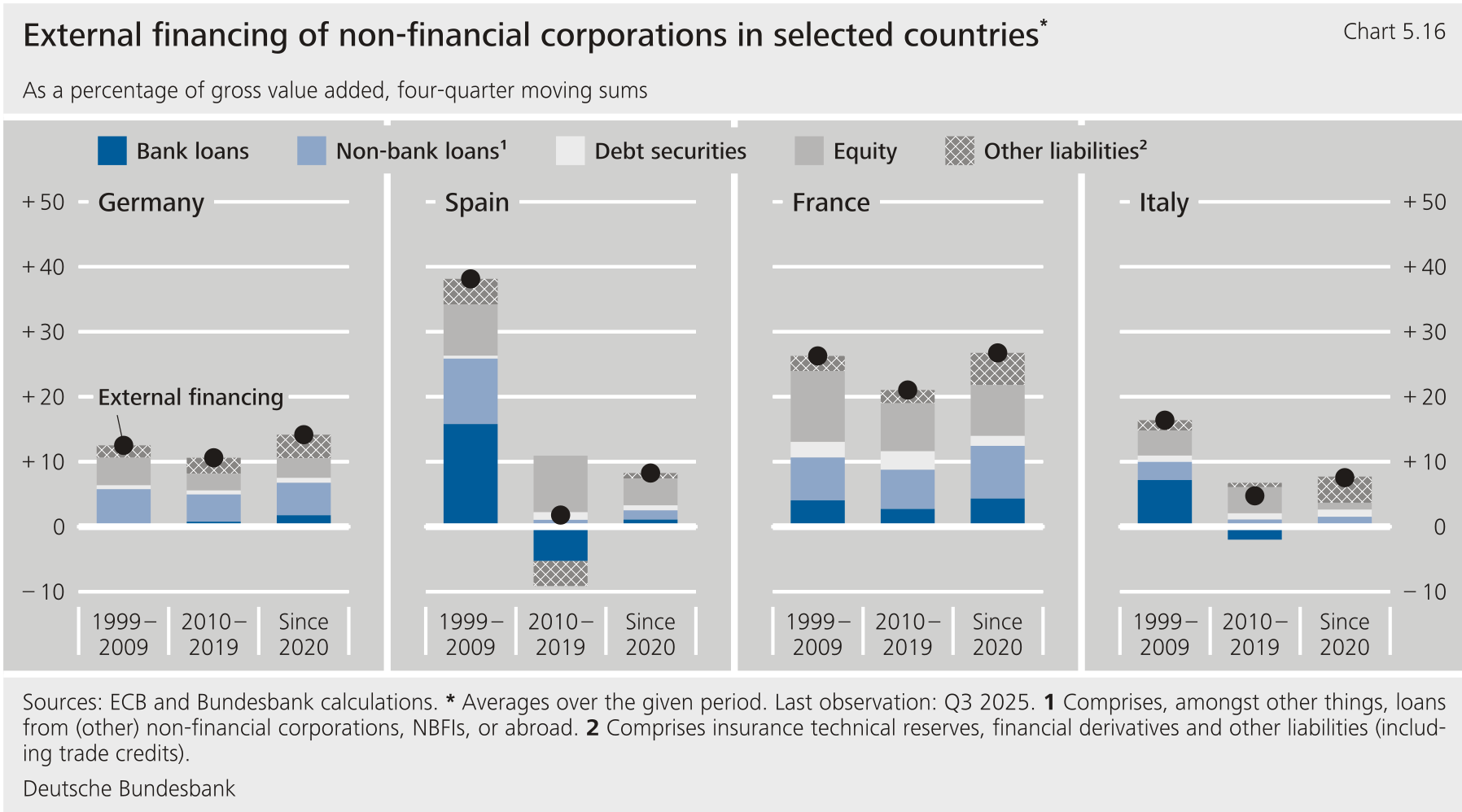
The external financing of non-financial corporations in the euro area has declined markedly since the financial crisis. In the years prior to 2009, inflows from external financing sources still amounted to around one-quarter of gross value added on average and were driven largely by an expansion in bank lending (see Chart 5.4). 19 However, following the crisis, the volume of external financing declined markedly and has averaged just over 13 % of gross value added since 2011. On balance, the importance of external funds as a source of financing declined significantly on aggregate. 20
The decline in external financing mirrors the increased relative importance of internal financing. From a macroeconomic perspective, the funds generated in the corporate sector have, on average, been largely sufficient to cover ongoing investment expenditure in recent years. Accordingly, in line with the pecking order theory, the need for external financing is likely to have declined overall. At the same time, this development highlights the particular importance of supply-side financing conditions among the underlying factors, as restrictions on the part of financing providers also played a role, especially during crisis periods. While these were mainly related to balance sheet adjustments in the banking sector and more restrictive lending in the period following the financial and economic crisis and the European sovereign debt crisis, different frictions prevailed during the COVID-19 pandemic. This episode was characterised, in particular, by exceptionally high uncertainty about future economic developments and sector-specific risks. 21
The COVID-19 pandemic temporarily led to a marked increase in external financing. The renewed increase in external financing on average in both the euro area and its four largest Member States since 2020 must be assessed primarily within the context of the COVID-19 pandemic. At the start of the pandemic, firms considerably expanded their borrowing in order, on the one hand, to bridge the decline in sales as a result of economic restrictions and, on the other hand, to build up liquidity reserves. Extensive government support measures and guarantees had a reinforcing effect here. 22 With the onset of the monetary policy tightening phase and the associated higher financing costs, the use of external financing sources declined again. However, this is likely to be due not only to higher financing costs, but also to firms’ declining financing needs as a result of subdued economic activity. In the wake of the easing phase since mid-2024, the external financing of non-financial corporations recently exhibited only a slow but gradual recovery against the backdrop of the continued importance of internal financing – amongst other things, by way of recourse to the liquidity reserves built up during the pandemic – and a gradual rebound in investment activity.
3.2.1 Financing structures by financing provider
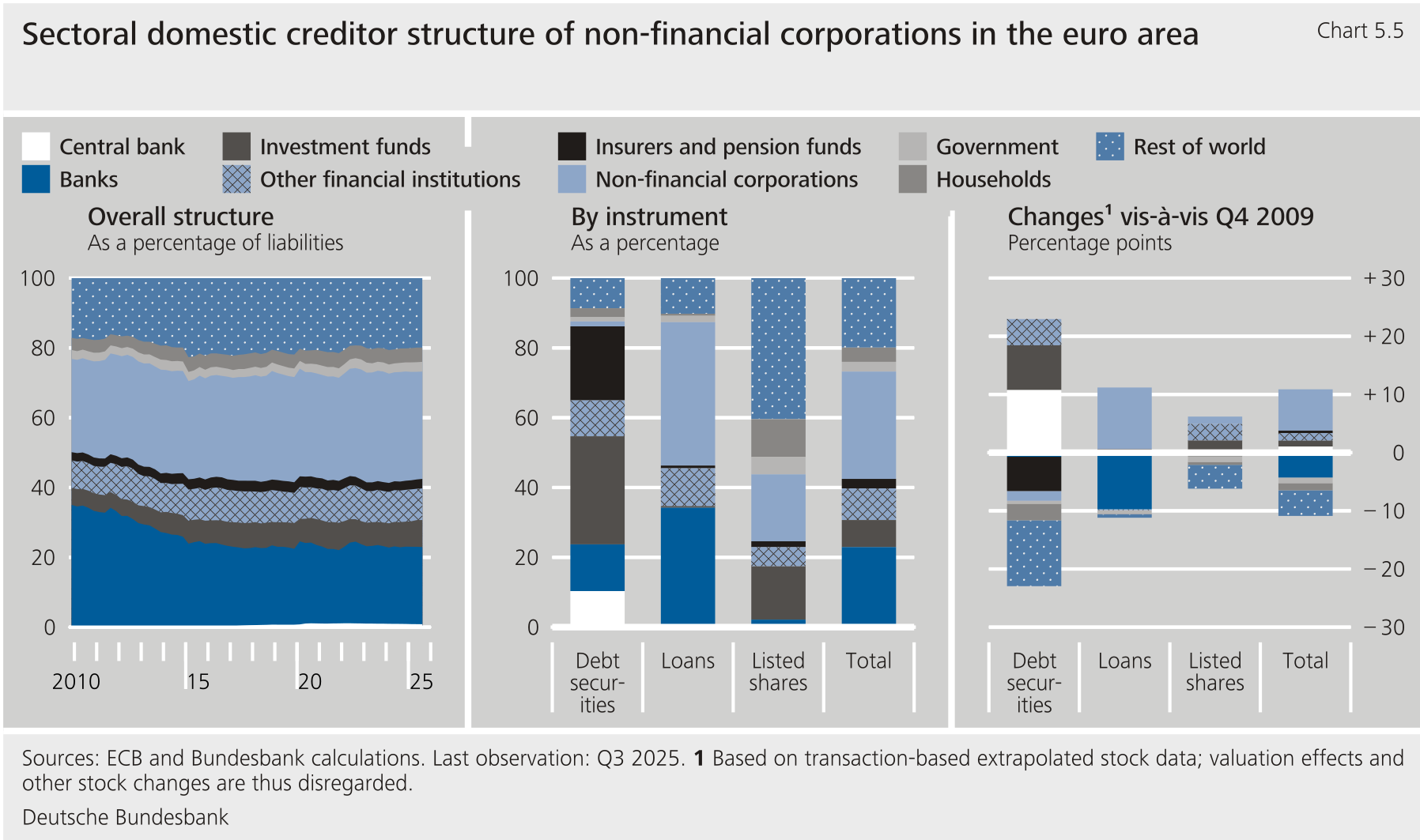
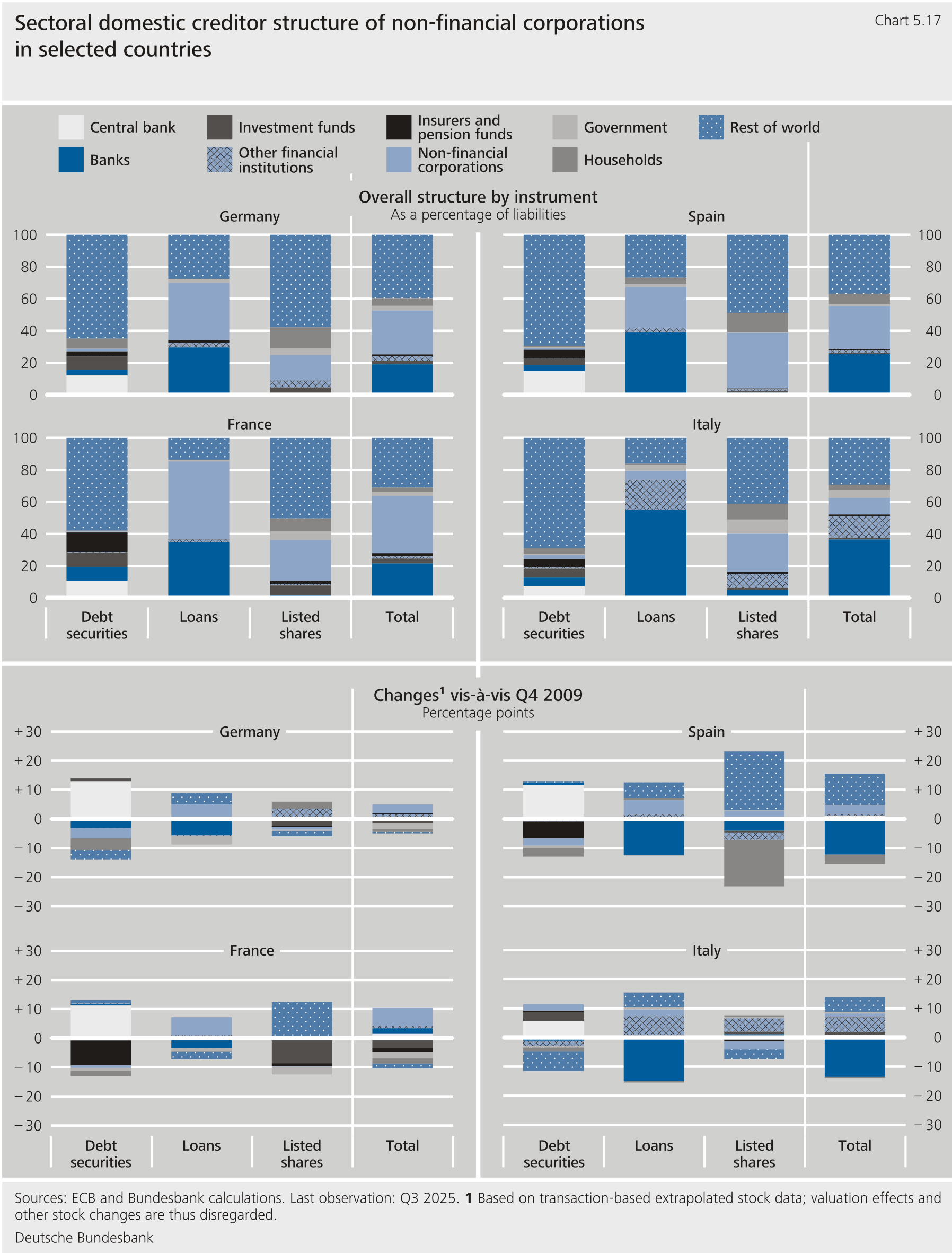
The provision of financing to non-financial corporations has shifted from banks to other firms and non-bank financial intermediaries. For selected instruments – specifically loans, debt securities, and listed shares – the data from the financial accounts provide extensive debtor-creditor information. 23 This allows for a stylised analysis, taking consideration of these three financing instruments, of the importance of sectoral financing providers since the end of the global financial crisis. Based on these data, the right-hand section of Chart 5.5 initially shows a significant decline in banks’ share of debt financing from the end of 2009 to the third quarter of 2025. 24 At the same time, lending by (other) non-financial corporations – known as intrasectoral loans – gained in importance. With regard to financing via debt securities, both investment funds and other financial institutions expanded their exposure, while non-resident investors in particular as well as insurers and pension funds reduced their holdings of debt securities from non-financial corporations in the euro area. At the same time, the importance of the central bank also increased. This is due to the ECB Governing Council’s decision in 2016 to purchase corporate bonds in the non-financial sector (corporate sector purchase programme, CSPP) under the expanded asset purchase programme (APP). With regard to listed shares, sectoral shifts remained limited overall. Viewed across the three different instruments, mainly the shares of banks and non-resident lenders have shrunk since 2009. Conversely, the share of financing provided by (other) non-financial corporations has grown.
Non-financial corporations are now the largest financing providers, but banks remain central to debt financing. Despite their reduced role, banks remain an important lender for non-financial corporations (see, in particular, the middle section of Chart 5.5). In the third quarter of 2025, they accounted for around 34 % of the total credit liabilities of non-financial corporations in the euro area. In terms of total liabilities – which consists of debt securities, loans, and listed shares – this share amounts to around 22 %. Only (other) non-financial corporations are currently more important as providers of financing, accounting for 41 % of credit liabilities and around 30 % of total liabilities. If only loans provided by other sectors are taken into account, thus excluding credit relationships between non-financial corporations within the corporate sector, around 58 % of non-financial corporations’ credit liabilities in the third quarter of 2025 were attributable to banks. This underlines the continued central role of banks for the non-financial corporate sector in the euro area. Within the group of non-bank financial intermediaries, other financial intermediaries are the largest providers of financing, with a share of more than 9 %. The shares of investment funds and of insurers and pension funds amounted to around 8 % and 3 %, respectively. 25
Apart from their measurable share of financing, banks are also of particular importance because they are frequently able to provide firms with additional liquidity at short notice. Especially in the event of unexpected liquidity bottlenecks, firms often make use of existing credit relationships and committed credit lines. 26 Such credit lines are only visible in the outstanding loan volumes once they are actually used and are therefore initially disregarded in stock statistics. Against this backdrop, banks’ importance for the short-term adaptability of corporate financing is likely to go beyond the loan volumes reported in the stock data. They thus continue to play a key role in the transmission of monetary policy measures to inflation and the real economy.
3.2.2 Financing structures by financing instrument
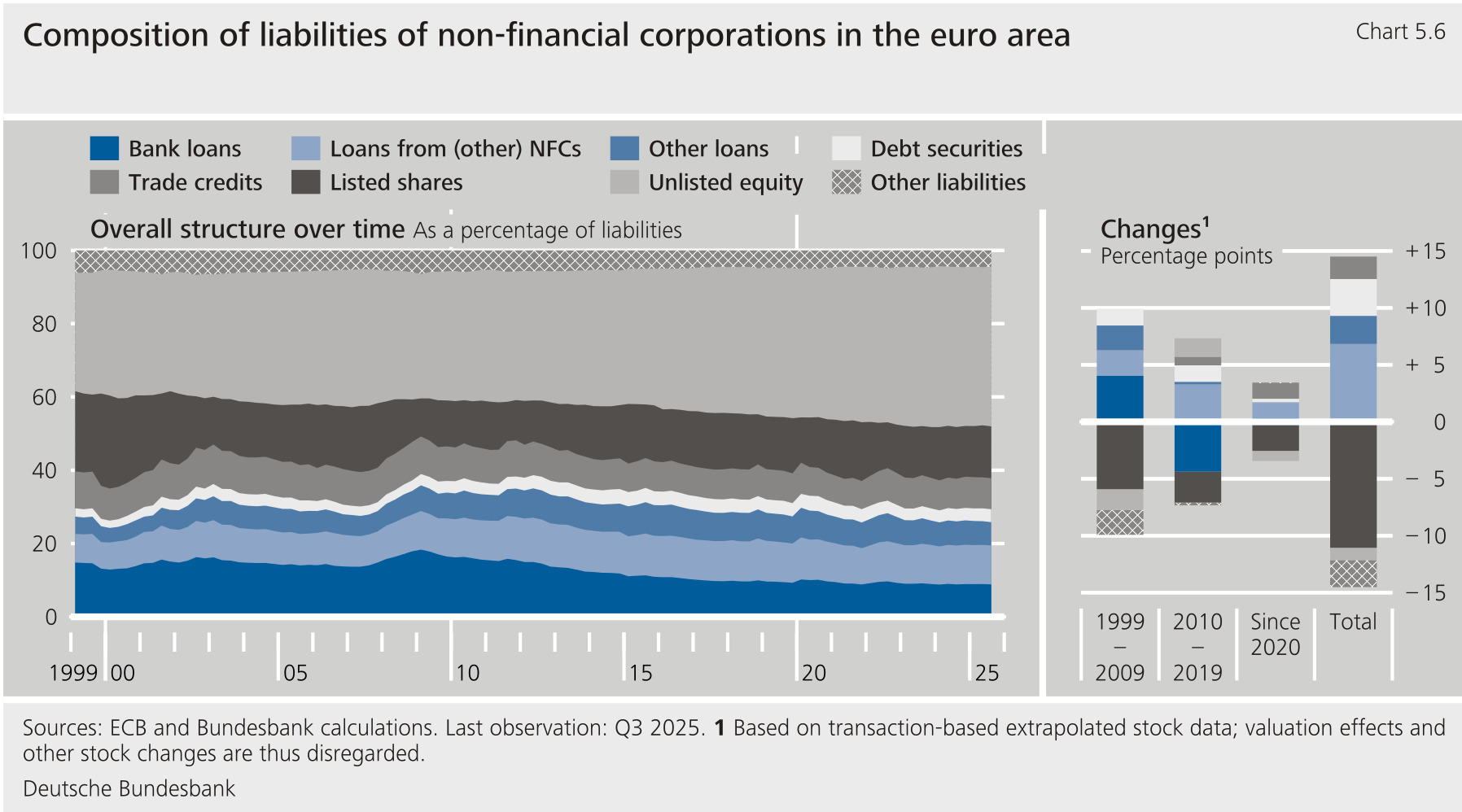
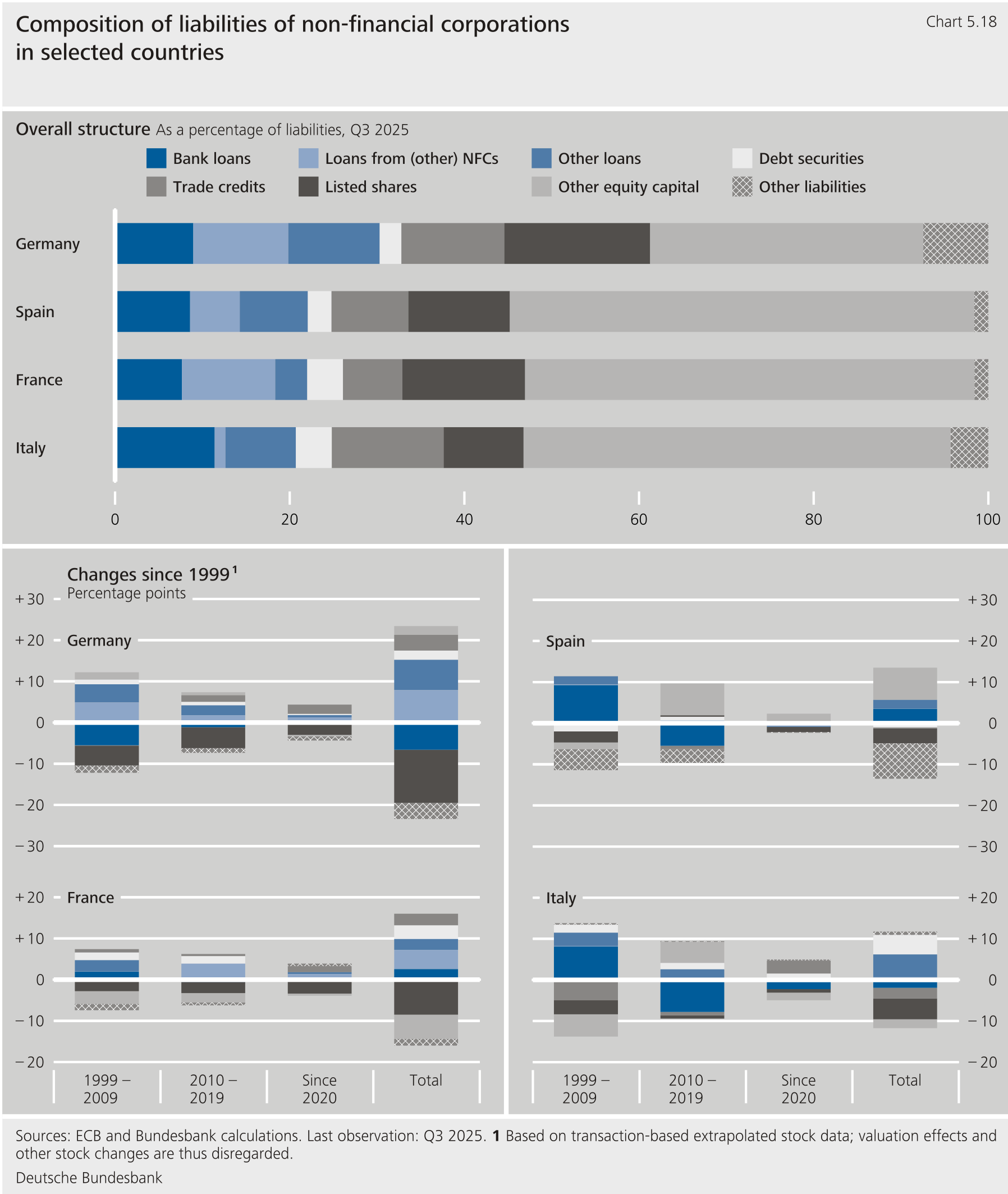
The relative importance of different financing instruments in the external financing of non-financial corporations has shifted markedly over time (see Chart 5.6). Particularly after the global financial crisis, the share of bank loans in the total liabilities of non-financial corporations fell significantly. The share of listed shares also declined continuously. By contrast, financing via loans from (other) non-financial corporations – which includes intragroup financing management, in particular – and via debt securities especially gained in importance. The latter represent a key alternative to bank loans for the long-term financing of investments and are thus particularly relevant for economic development and monetary policy transmission. The increasing use of alternative instruments can also be interpreted in the light of the trade-off theory, according to which firms adapt their financing structure to changed cost and risk conditions, such as by adjusting their financing structure in line with the trade-off between financing costs and balance sheet risks and making greater use of alternative instruments. In addition, other lending (including loans from non-bank financial intermediaries) and trade credits, which are mainly used for the short-term financing of working capital, recorded slight increases. 27
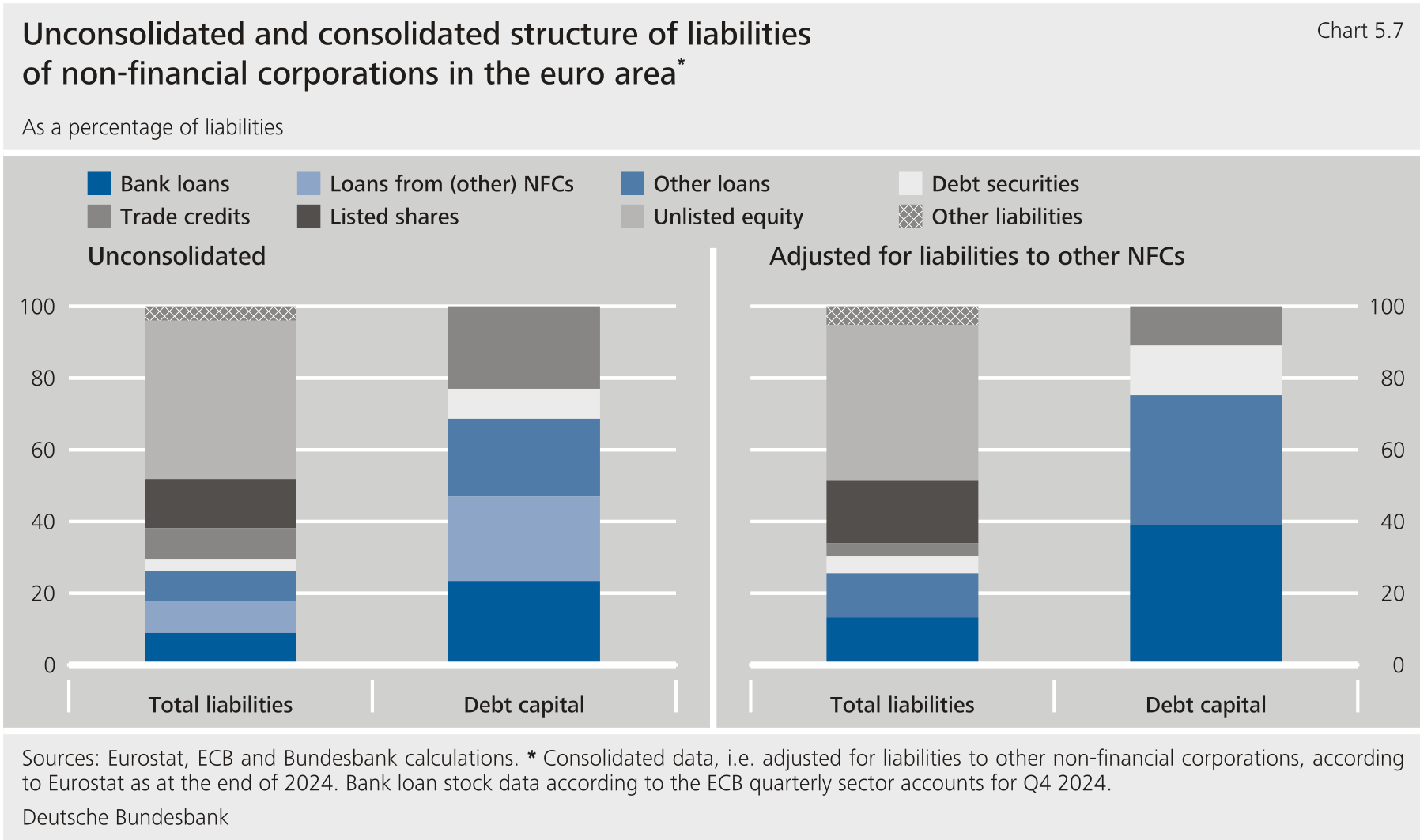
Equity positions dominate the structure of liabilities with a share of around 58 %. By contrast, loans from (other) non-financial corporations were the largest single item within debt financing in the third quarter of 2025. Bank loans accounted for approximately 9 % of unconsolidated total liabilities, while debt securities accounted for around 4 %. It should be borne in mind that firms often also issue debt securities indirectly via financing companies and holding structures, meaning that the actual financing volume raised through this instrument is likely to be higher than the reported holdings suggest. 28 29
Examining the sector in consolidated terms, bank loans remain the most important source of debt financing for firms. Corporate structures have become more complex in recent years; firms are increasingly operating in global networks with numerous subsidiaries, joint ventures and intragroup financing flows. Such internal capital markets can be used to redistribute free funds within a group in a targeted manner between individual entities. This creates intrasectoral links that make it possible to allocate and use financing scope functionally, for example when individual group companies have high internal financing surpluses. For the group members concerned, this can reduce their direct dependence on external financing providers, as financing needs are covered at least in part within the group. According to the pecking order theory, these developments can be interpreted as improved access to internal financing at the group level, which ultimately and taken in isolation reduces the necessity to draw on additional external financing. On aggregate, however, this development can mask the importance of external financing sources outside of such complex structures, particularly non-financial corporations. For these firms, access to banks, capital markets or other external financing providers frequently remains central, even if this becomes less visible in an unconsolidated analysis. In this respect, it does not seem surprising that the consolidated analysis underlines considerably more strongly the central importance of bank loan financing – particularly with regard to debt financing consisting of debt securities and loans – for the corporate sector. Chart 5.7 thus shows that the share of bank loans in debt capital almost doubles from around 20 % (unconsolidated) to approximately 40 % (consolidated).
3.2.3 Market-based financing versus direct lending
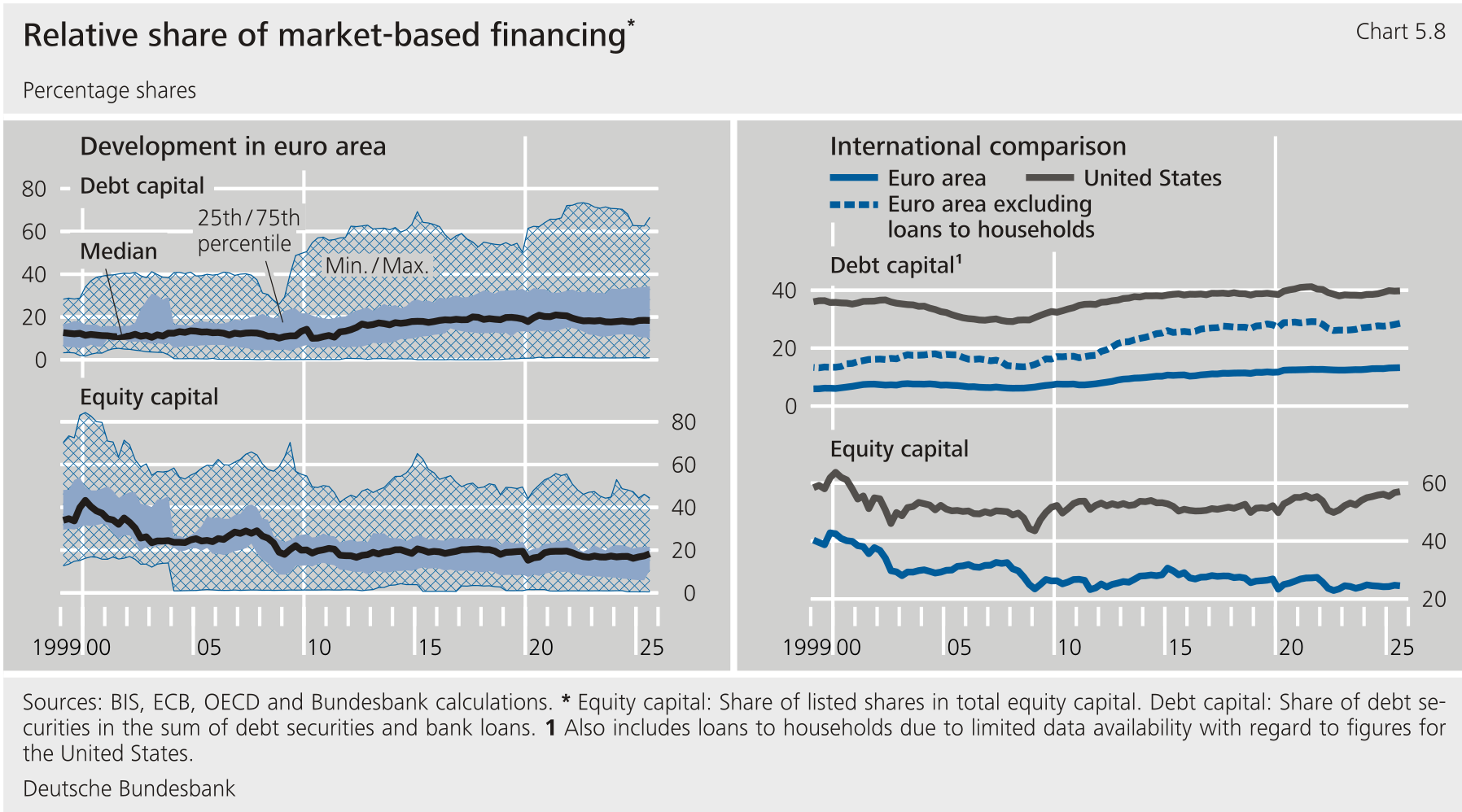
Market-based financing in the euro area has particularly been gaining importance since the financial crisis, but remains comparatively minor. The increased take-up of debt securities also highlights the growth in importance over time of market-based financing for non-financial corporations in the euro area. Chart 5.8 (left-hand section) shows, in particular, a gradual rise in importance of debt financing via debt securities: this has especially picked up pace since the global financial crisis. Overall, corporate financing in the euro area is thus somewhat more diversified than it was back at the start of monetary union. However, a glance at aggregate indicators shows that capital market financing in the euro area is significantly less pronounced than in more market-based financial systems, such as in the United States (see the right-hand section of Chart 5.8). In particular, there is still a considerable gap in equity financing via listed shares.
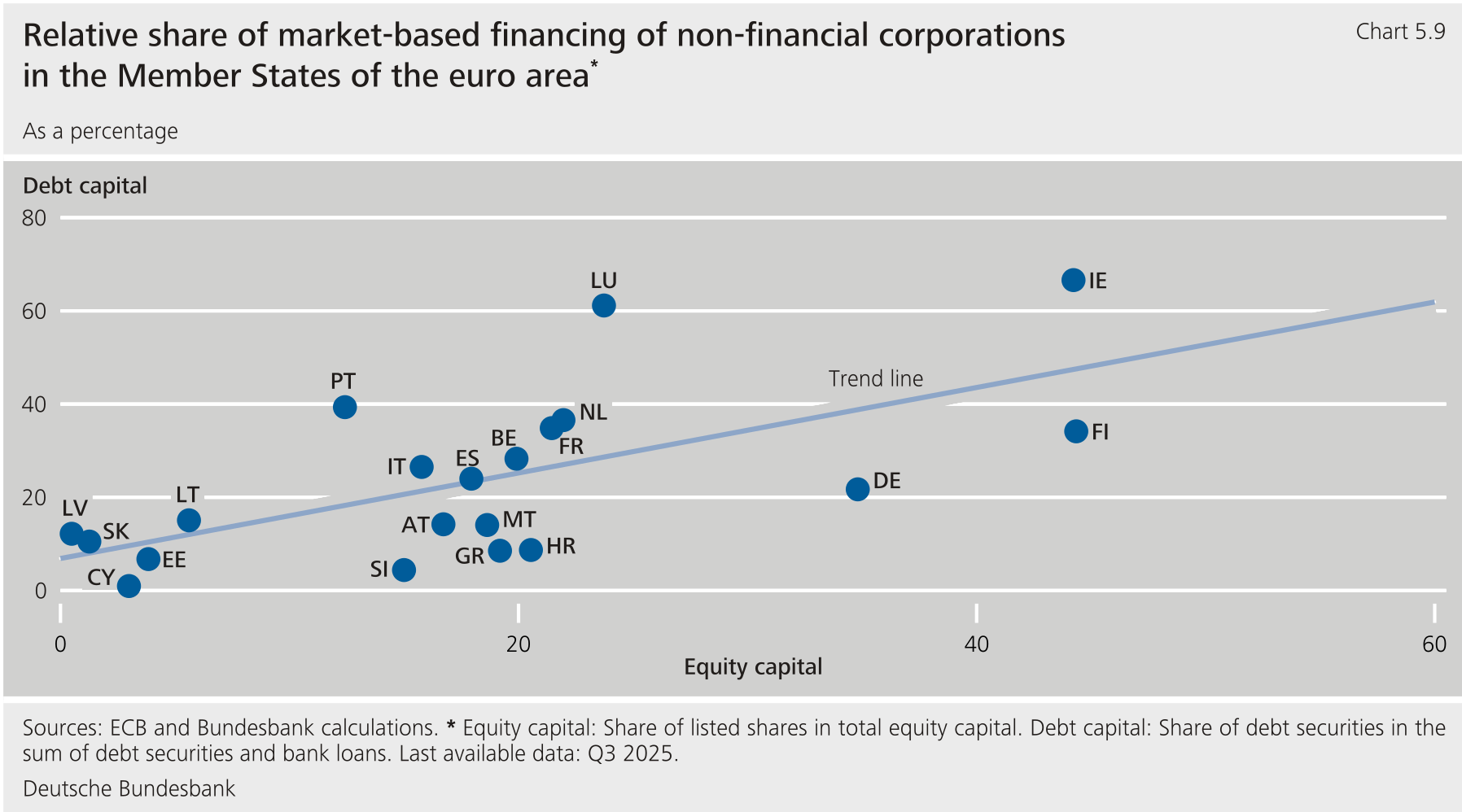
The growing importance of market-based financing is not equally spread across all euro area countries. There have for years been considerable differences between the individual euro area countries in terms of both equity and debt financing. These differences are likely to be due, amongst other things, to structural factors. These include differences in the importance of various non-bank financial intermediaries, the corporate landscape and the development and depth of national capital markets. Institutional frameworks – such as those in insolvency and company law – can also influence the relative importance of market-based forms of financing. 30 While, for example, the share of debt-based market financing displayed an upward movement on average, the differences between the countries have widened. 31 In addition, equity-based and debt-based market financing are closely linked: Chart 5.9 shows that economies with a greater use of capital market instruments in one segment generally also have higher shares in the other segment. Overall, the findings underscore the increased relevance in the euro area of market-based financing, above all in the form of debt securities, and its growing contribution to the diversification of corporate financing, although existing structural differences continue to influence development.
4 Implications for monetary policy transmission
Structural changes towards non-bank financial intermediaries and market-based forms of financing can alter the relevance of individual monetary policy transmission channels. Since the introduction of the euro, the external financing of bank loans has shifted towards alternative sources of financing. Against this backdrop, the question arises as to what implications this entails for monetary policy transmission. According to the theory of the interest rate channel in monetary policy transmission, an increase in the key interest rate leads to higher market interest rates, which banks in turn pass on to their borrowers. 32 The monetary policy impulse can be amplified or weakened via other bank-based transmission channels. 33 Ultimately, increased financing costs, taken in isolation, dampen aggregate demand. 34 However, when non-financial corporations make greater use of alternative financing sources (such as debt securities, other market-based instruments or loans from non-banks) bank-based channels are likely to lose importance. Capital market-based and non-bank-based channels could then gain importance for the transmission of monetary policy measures. The higher financing costs also ultimately dampen aggregate demand with these channels. However, their response patterns and temporal dynamics may differ from those of bank-based transmission. From a central bank perspective, it is therefore necessary to analyse the growing role of non-bank financing for monetary policy transmission in the euro area and to take it into account when calibrating the monetary policy stance. 35
Banks and non-bank financial intermediaries also differ in their role for monetary policy transmission due to their different balance sheet structures. The assets side of banks’ balance sheets consists predominantly of loans granted to non-financial corporations and households, while securities and other assets play a smaller role on aggregate. On the liabilities side, deposits from households and firms dominate, supplemented by liabilities in the form of issued bonds and equity. Banks thus finance a substantial part of their assets in a relatively short-term manner. By contrast, non-bank financial intermediaries such as insurers, pension funds and investment funds primarily hold securities on the assets side, particularly bonds and shares. Direct lending is therefore much less pronounced. Their liabilities side is also structured differently: investment funds are largely financed via equity, whilst insurers and pension funds for the most part have long-term liabilities to their customers in the form of technical reserves. Overall, however, the funding and maturity structure of the non-bank financial intermediaries sector is more heterogeneous than that of the banking sector. The liabilities of open-end investment funds are subject to short-term adjustments owing to the flexible redemption of fund shares, whilst other non-bank financial intermediaries, such as insurers, pension funds, closed-end investment funds and venture capital funds, tie up capital in the long term. These differences in the funding and maturity structure shape the channels through which monetary policy measures affect banks and non-bank financial intermediaries (see supplementary information entitled “Heterogeneity of the non-bank financial intermediary sector in Germany and implications for monetary policy transmission”).
Monetary policy-induced interest rate changes are likely to be relayed via different mechanisms by banks and non-bank financial intermediaries. For banks, changes in interest rates primarily affect funding costs and the interest business. For example, a monetary policy-induced rise in interest rates typically makes short-term funding more expensive, whilst earnings from long-term loans only adjust after a time lag. This can weigh on banks’ risk-bearing capacity and curb their lending. 36 Furthermore, banks also hold securities, meaning that interest rate changes can influence their capital base and thus also the loan supply via possible valuation changes. By contrast, non-bank financial intermediaries have a stronger focus on market prices, risk premia and valuation changes as their balance sheets are made up to a greater extent of tradeable securities. Depending on the duration of their portfolios, even moderate interest rate movements can trigger significant wealth and incentive effects.
The increasing role of non-bank financing can change monetary policy transmission depending on the respective transmission channel and the instrument used. For conventional monetary policy measures, which mainly affect short-term interest rates and bank-related funding costs, the increased use of non-bank financing is likely to contribute to the loss of importance of bank-based transmission channels when taken in isolation. However, this does not necessarily entail weaker transmission overall: on the contrary, for measures that have a stronger impact on longer yield curve durations, risk premia or asset prices, non-bank financial intermediaries can also play an important role in the transmission of monetary policy measures. 37 All in all, the growing importance of non-bank financial intermediaries means that, depending on the instrument, the relevant channels, their relative intensity and their temporal dynamics can change (see the supplementary information entitled “Heterogeneity of the non-bank financial intermediary sector in Germany and implications for monetary policy transmission”).
These theoretical differences in transmission should be reflected empirically in different responses from the financing intermediaries. The following section therefore examines whether the responses to monetary policy impulses vary across different financial intermediaries. To this end, a distinction is drawn between banks, investment funds, insurers and pension funds and other financial institutions. The adjustment of total assets is examined. This sheds light on whether the portfolios of banks and non-bank financial intermediaries, and thus also the financing of the real economy, adjust to varying degrees following a monetary policy measure. It should be noted that the estimated changes can generally be driven by both the supply side (financing providers) and the demand side (financing recipients). In a second step, we examine how the individual sources of financing used by non-financial corporations respond to monetary policy impulses. A distinction is drawn here between bank loans, debt securities, equity, intrasectoral loans and non-bank financing as a whole. 38 Local projections are used for quantification. 39 The responses of the individual financing intermediaries to a restrictive monetary policy impulse of 25 basis points are analysed. 40
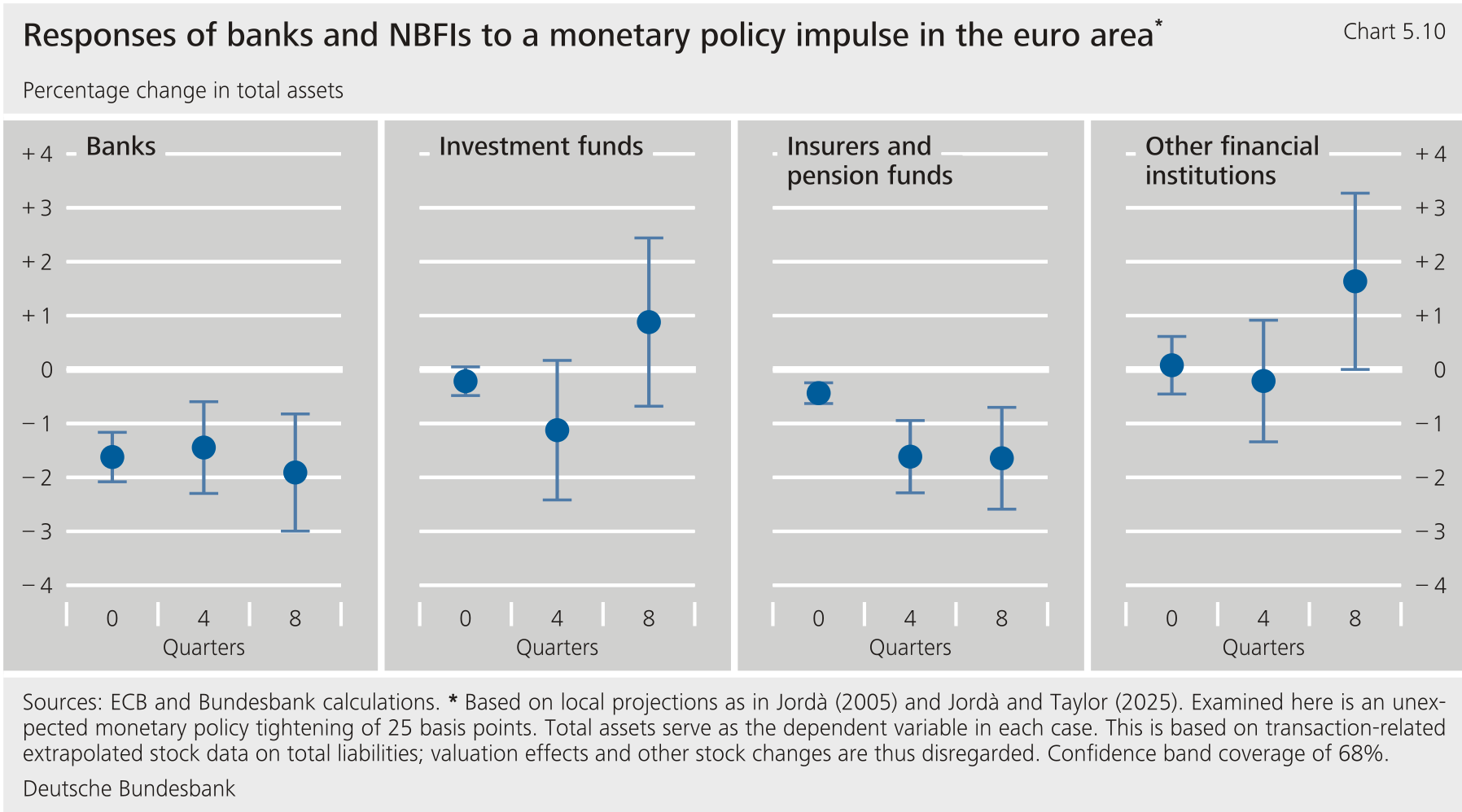
With regard to financing providers in the euro area, the responses to monetary policy impulses differ between banks and non-bank financial intermediaries. Chart 5.10 illustrates how the assets side of the balance sheets of banks and various types of non-bank financial intermediaries changes both immediately as well as four and eight quarters after an unexpected monetary policy tightening. The balance sheets of most of the financial intermediaries under review contract, although the scope and momentum of the decline vary. For banks, the adjustment begins earlier and lasts longer: the assets side is reduced by up to around 2 % over the period under observation. For investment funds, the decline tends to be somewhat smaller and is also more volatile overall. For insurers and pension funds, the adjustment is also delayed. Towards the end of the period, it is similar to that for banks. By contrast, the balance sheet of other financial institutions does not show any significant response to the monetary policy impulse. 41 Overall, the results suggest that monetary policy impulses primarily lead to more prolonged balance sheet adjustments for banks than for most non-bank financial intermediaries. However, it should be noted that the response patterns presented here refer to conventional measures that are primarily concentrated at the short end of the yield curve. An empirical analysis of the non-bank financial intermediaries sector for Germany, for example, shows that banks and non-bank financial intermediaries respond differently to conventional and unconventional monetary policy measures. 42 It is therefore not possible to claim across the board that banks generally respond more strongly to monetary policy impulses than non-bank financial intermediaries (see the supplementary information entitled “Heterogeneity of the non-bank financial intermediary sector in Germany and implications for monetary policy transmission”). 43
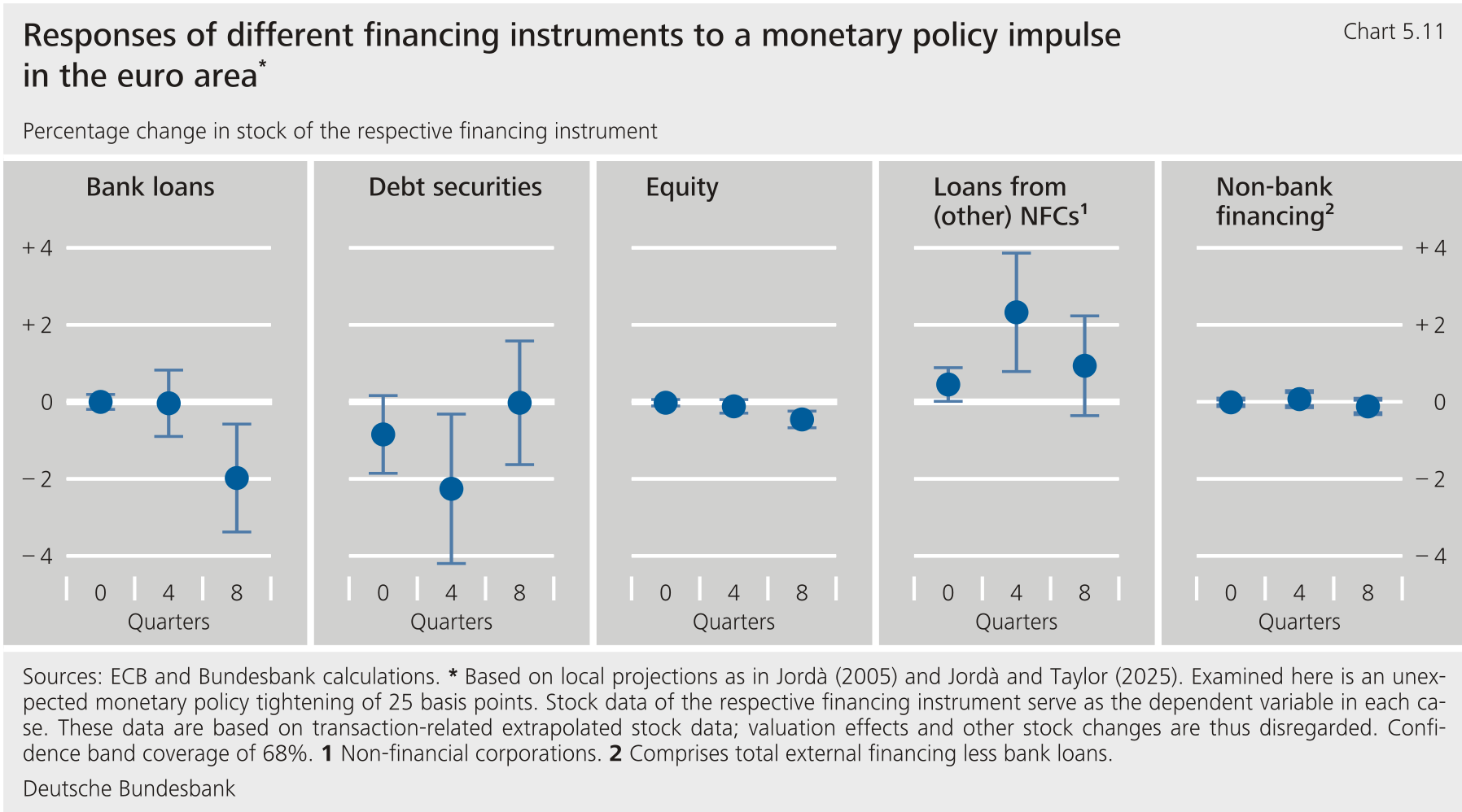
Non-financial corporations can partially absorb the effect of declines in bank loan financing by switching to other sources of financing. A heterogeneous response to monetary policy tightening is evident in terms of the financing instruments. Chart 5.11 shows that the financing of non-financial corporations via bank loans and debt securities temporarily undergoes a significant decline. Financing via debt securities responds more quickly but also recovers more swiftly, while bank loans adjust more slowly and remain subdued for longer. Financing via equity also declines significantly, albeit on a considerably smaller scale. At the same time, intrasectoral lending between non-financial corporations temporarily increases and offsets part of the decline in external financing via financial intermediaries. 44 By contrast, the aggregate volume of non-bank financing – defined as total external financing less bank financing – fails to show a statistically significant response to the monetary policy impulse. 45 Overall, these results suggest that alternative financing sources can at least partially compensate for the decline in bank lending and thus cushion the impact of restrictive monetary policy measures via the banking sector. 46 47
A scenario analysis allows the role of non-bank financing in monetary policy transmission to be examined. Based on a VAR model, the following section examines the impact of a restrictive conventional monetary policy impulse of 25 basis points on macroeconomic and financial variables in the euro area. In order to identify a monetary policy impulse, it is assumed that GDP and consumer prices fall after the impulse. At the same time, lending rates on bank loans rise and overall financing declines. These responses are consistent with the established transmission pattern and form the starting point for a subsequent scenario analysis, with different assumptions made regarding the financing structures of non-financial corporations. The focus here is on the extent to which different response patterns of bank and non-bank financing can potentially alter the transmission of monetary policy impulses. 48
The scenario analysis sheds light on two alternative constellations that reflect different financing structures of non-financial corporations. The first scenario assumes a bank-centric financing structure. To this end, it is assumed that the overall financing response is qualitatively driven by the dynamics of bank loans so that non-bank financing, like bank financing, declines. The second scenario assumes a more broadly diversified financing structure in which firms can make greater use of alternative financing sources. The results of the local projections presented above suggest that, on aggregate, non-bank financing responds only moderately to a monetary policy impulse and can therefore, to an extent, act as a substitute for declining bank loans. Against this backdrop, the second scenario assumes that, on aggregate, non-bank financing does not respond over the entire period, thus reflecting the previously observed (weak) substitution property. 49 Under these assumptions, all other variables evolve in line with the estimated relationships following the monetary policy impulse.
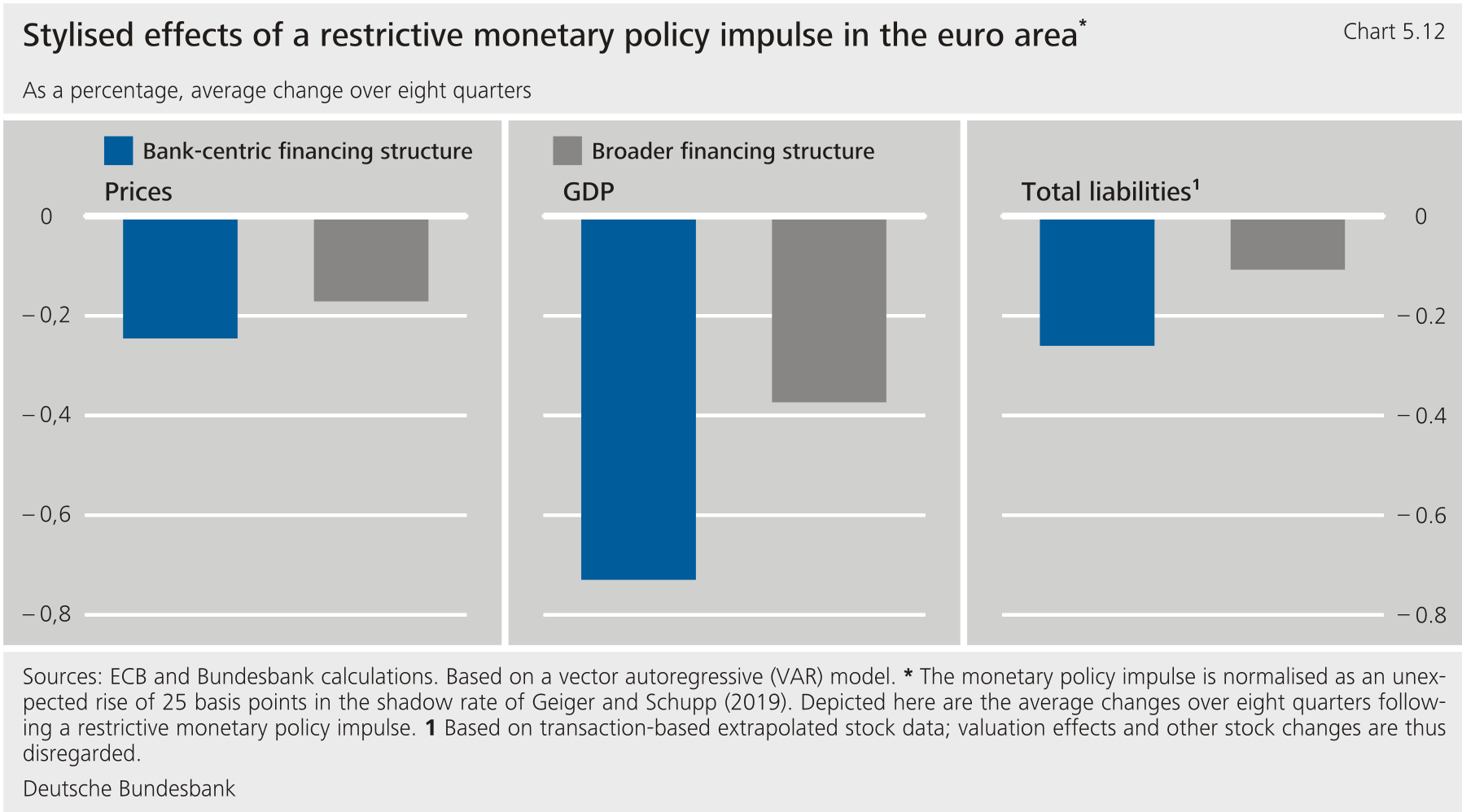
Non-bank financing can cushion the real economic impact of conventional monetary policy impulses. Chart 5.12 shows that in the scenario where non-bank financing cushions the downturn in overall financing, both GDP and prices decline less sharply. 50 By contrast, in the scenario where bank financing drives overall financing, GDP and prices fall on average by around 0.7 % and 0.25 % respectively. 51 However, in the scenario where non-bank financing does not respond, the price declines are 0.4 percentage points and 0.1 percentage point lower respectively. As a result, a lack of response from non-bank financing to a restrictive monetary policy impulse is accompanied by a subdued downturn in real economic activity. 52 Overall, the results of the scenario analysis therefore suggest that increased use of non-bank financing by non-financial corporations could generally weaken the impact of conventional monetary policy impulses. 53
However, the empirical literature also suggests that, under certain conditions, non-bank financing playing a stronger role can contribute to stronger transmission. In addition to structural developments in the non-bank financial intermediaries sector, the nature of the monetary policy impulse also plays a decisive role here (see also the supplementary information entitled “Heterogeneity of the non-bank financial intermediary sector in Germany and implications for monetary policy transmission”). 54 What these findings all show is that changes in the structure of corporate financing can influence the way monetary policy impulses work and thus change the scope and structure of monetary policy transmission.
label.digression
Heterogeneity of the non-bank financial intermediary sector in Germany and implications for monetary policy transmission
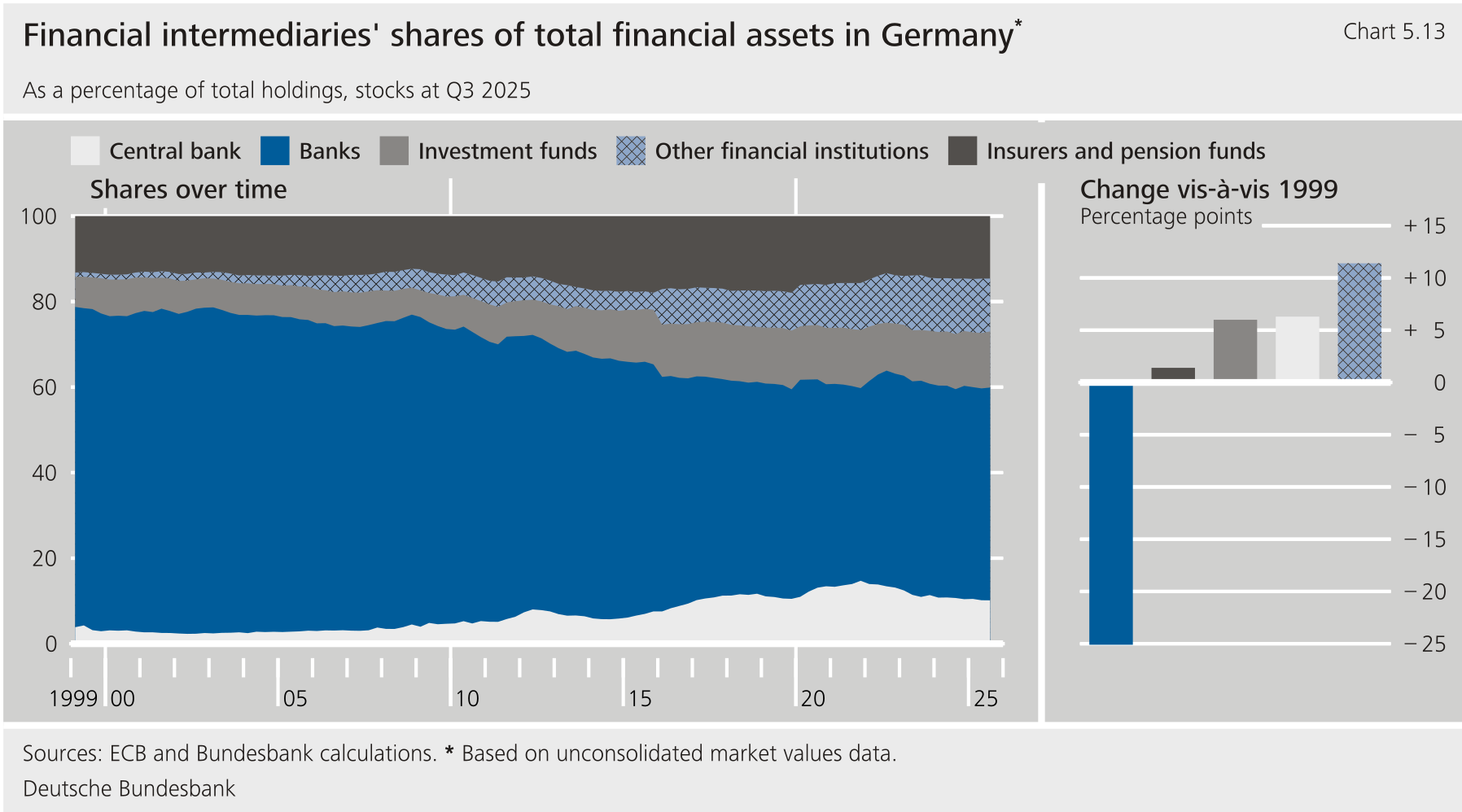
Non-bank financial intermediaries (NBFIs) have become significantly more important since the global financial crisis and are increasingly shaping the financing conditions for non-financial corporations in the euro area. 1 This is illustrated specifically for Germany, too, by Chart 5.13: according to data from the financial accounts, non-bank financial intermediaries’ share of total financial assets in the financial sector increased from around 21 % in the first quarter of 1999 to just over 40 % by the third quarter of 2025. 2 Against this background, the analysis of monetary policy transmission raises the question of whether, on the one hand, non-bank financial intermediaries act as fallback financers for enterprises in periods of restrictive monetary policy, thus tending to weaken the impact of monetary policy impulses, or, on the other hand, whether they amplify the impact instead. When carrying out such analyses, it should be noted that the collective term “non-bank financial intermediaries” encompasses many institutions with different business models, funding structures and regulatory frameworks. This institutional heterogeneity suggests that responses to monetary policy impulses can also vary significantly between individual sub-groups. At the same time, this increase in the importance of non-bank financial intermediaries is also relevant from a financial stability perspective. This is because the expanding role of these heterogeneous institutions can contribute to risks in the financial system spreading or being amplified in different ways.
Empirical evidence is presented in the article “When Nonbanks Dampen and When They Amplify: Heterogeneous Transmission of Monetary Policy”. 3 The analysis is based on microdata from the German credit register for loans of €1 million or more between the first quarter of 2019 and the fourth quarter of 2023. 4 It primarily examines non-bank financial intermediaries that reported their lending in the credit register during this period. These comprise financial services institutions, financial corporations, insurers, investment institutions, capital investment companies, and non-MFI credit institutions. The article uses an empirical estimate to directly compare the difference between the bank and non-bank financing of enterprises as a result of monetary policy surprises at the level of individual lender-firm relationships. Although the results pertain to non-bank financial intermediaries as a whole, they also allow for greater differentiation by type of institution.
Descriptive statistics initially show that financing via banks is still predominant. Non-bank financial intermediaries’ average share of firm-level credit liabilities amounts to around 4.8 % in the sample, while the median stands at 0 %. The statistics show that more than one-half of the observed corporate credit relationships involve no direct non-bank financing.
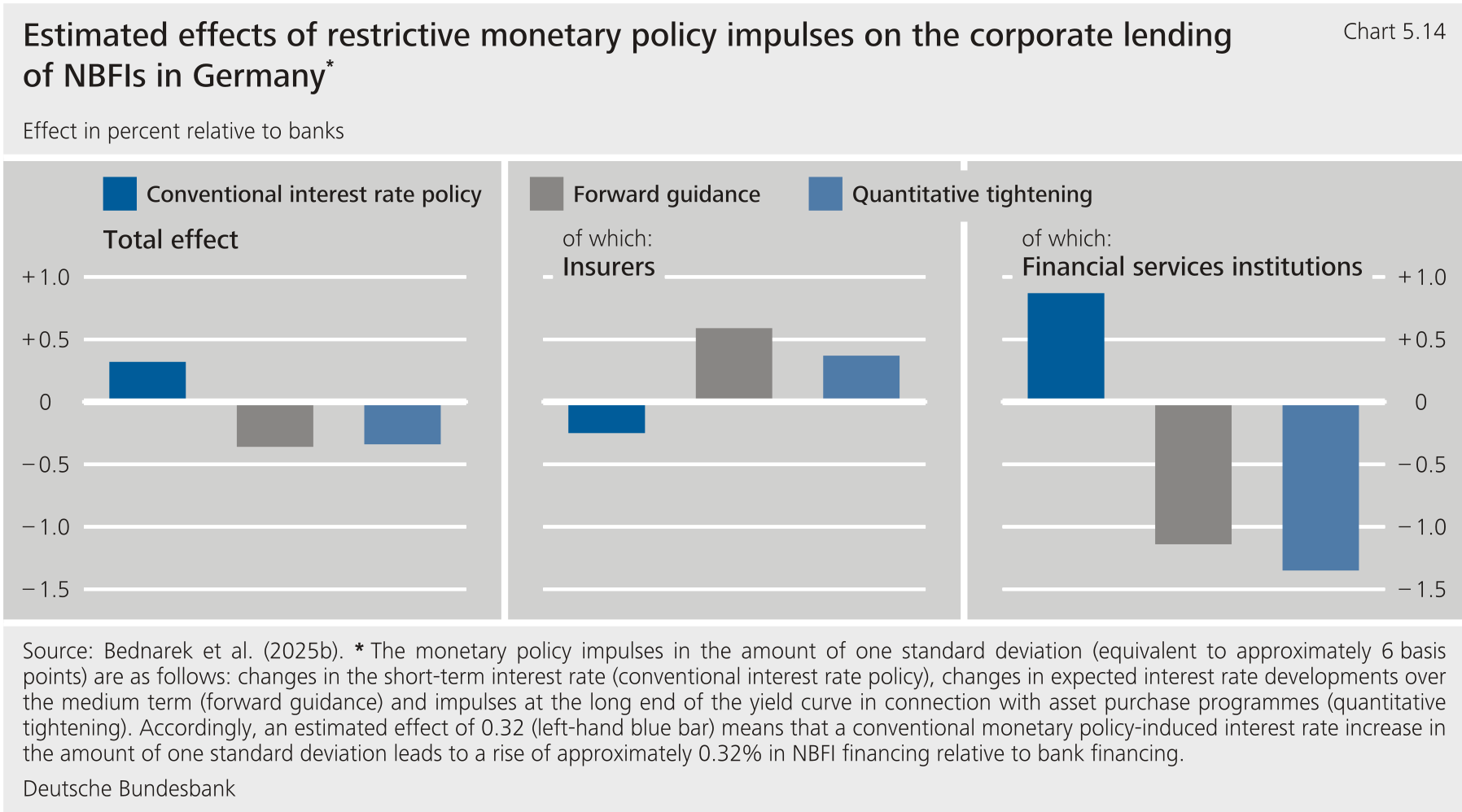
At the same time, the estimates show that the responses of non-bank financial intermediaries to monetary policy surprises depend heavily on the transmission channel of the monetary policy impulse. Chart 5.14 shows the responses based on the estimated effects of restrictive monetary policy impulses on non-bank financial intermediaries’ lending to enterprises. Here, a distinction is made between surprises in the short-term interest rate level (conventional interest rate policy), changes in expected interest rate movements over medium maturities (forward guidance), and impulses at the long end of the yield curve in connection with asset purchase programmes (quantitative tightening). 5
All in all, non-bank financial intermediaries react asymmetrically. Following a tightening of monetary policy that mainly affects short-term interest rates, they expand their lending relative to banks (see the left-hand section of Chart 5.14). If, however, monetary policy impulses have a stronger impact over medium and long maturities, non-bank financial intermediaries’ lending tends to decline relative to that of banks. It is therefore not possible to make a generalised statement on whether non-bank financial intermediaries generally absorb or amplify the effects of monetary policy tightening. 6
Furthermore, differentiating by institution type reveals that the aggregate effects result from the highly heterogeneous response patterns of individual sub-groups. Financial services institutions – especially leasing companies – increase their lending significantly relative to banks following short-term interest rate surprises, but reduce it following impulses over medium and long maturities (see the right-hand section of Chart 5.14). This outcome could be due to the specific funding conditions of these institutions: for instance, leasing companies are often financed via longer-term funds, which have conditions that, in the event of short-term interest rate changes, cannot be immediately adjusted to the same extent as those for bank financing. 7 In periods of restrictive monetary policy, in which mostly short-term interest rates rise, this can temporarily create a relative advantage over banks, whose loan supply is additionally influenced by adjustment processes on the deposit side. 8 By contrast, if interest rates at the medium and long ends of the yield curve rise unexpectedly, the changed conditions of close-to-market and longer-term funding will take effect quickly. The advantage reverses and lending by these institutions declines steeply.
By contrast, insurers show opposing behaviour in periods of restrictive monetary policy in which mostly medium-term and long-term interest rates rise (see the middle section of Chart 5.14). Owing to the regulatory environment, their balance sheet structure – which is characterised by predominantly long-term assets and liabilities – and a typically negative duration gap, insurers’ regulatory capital improves as a result of a rise in medium-term and long-term rates caused by unconventional monetary policy impulses (forward guidance and quantitative tightening). 9 This can improve insurers’ financial situations, thus creating additional scope for lending.
There are two key implications when it comes to the assessment of monetary policy transmission. First, the role of non-bank financial intermediaries cannot be reduced to a simple substitution for bank financing. Depending on the nature of the monetary policy impulse, non-bank financial intermediaries can both dampen and amplify monetary policy transmission. Second, a disaggregated analysis of the non-bank financial intermediary sector is crucial for assessing monetary policy transmission. The disaggregated analysis can meaningfully complement analyses with monetary policy relevance – changes in the composition of this sector as well as potential consequences for the transmission of monetary policy can thus become visible more quickly.
For financial stability, it follows that risks in the non-bank financial intermediary sector arise not only from its growth in size, but above all from the varied responses of individual sub-segments to monetary policy impulses. Depending on the funding structure, balance sheet profile and regulatory framework, non-bank financial intermediaries can either absorb or amplify monetary policy impulses. This can allow risks to build up in sub-sectors of the financial system, even if the aggregate development initially appears unremarkable. From a financial stability perspective, similar to the monetary policy perspective, this suggests that non-bank financial intermediaries should be monitored in a disaggregated way to identify vulnerabilities and potential amplification effects at an early stage.
5 Conclusion
Corporate financing in the euro area has undergone significant change since the introduction of the euro. Banks’ relative contribution to corporate financing has declined markedly. At the same time, the importance of other non-financial corporations and non-bank financial intermediaries for external financing has increased. Intrasectoral loans, debt securities and other lending are increasingly complementing traditional bank loan financing.
Market-based financing has gained relevance, but remains moderate and heterogeneous by international standards. The issuance of debt securities has increased particularly since the global financial crisis and is an important alternative to long-term bank loan financing. By contrast, equity financing via listed shares remains rather weak by international standards. Within the euro area, there are still marked differences in the use of market-based instruments.
These developments can change the structure of monetary policy transmission and the relative importance of individual transmission channels. Conventional monetary policy tightening in the banking sector is accompanied by relatively rapid and persistent balance sheet adjustments, while non-bank financial intermediaries tend to respond with a time lag and in a more volatile manner. Declines in bank lending can be partly offset by non-financial corporations through alternative financing sources such as debt securities or intrasectoral loans. This primarily changes the timing and distribution of transmission across different channels: the relative importance of bank-based transmission channels is likely to decrease, while capital market-based and non-bank-based channels gain importance. Nevertheless, this does not necessarily entail weaker monetary policy transmission, as the overall impact largely depends on the instruments and maturities through which monetary policy impulses are transmitted. In addition, non-bank financial intermediaries can play different roles in transmission depending on the type of monetary policy impulse and their respective business and funding structure.
Against this backdrop, monitoring corporate financing continues to gain importance for monetary policy. Structural changes in firms’ financing structures and in the importance of banks and non-bank financial intermediaries must be continuously monitored and taken into account when assessing the monetary policy stance, especially as the heterogeneous financing structures in the euro area continue to point to different transmission patterns in the future.
6 Annex
List of references
Abadi, J., M. Brunnermeier and Y. Koby (2023), The Reversal Interest Rate, American Economic Review, Vol. 113(8), pp. 2084–2120.
Altavilla, C., L. Brugnolini, R. S. Gürkaynak, R. Motto and G. Ragusa (2019), Measuring euro area monetary policy, Journal of Monetary Economics, Vol. 108, pp. 162–179.
Bednarek, P., F. Febbraro, S. Ongena and N. Westernhagen (2025b), When Nonbanks Dampen and When They Amplify: Heterogeneous Transmission of Monetary Policy, mimeo.
Correa, R., J. di Giovanni, L. S. Goldberg and C. Minoiu (2023), Trade Uncertainty and US Bank Lending, National Bureau of Economic Research, No 31860.