Supplementary information
The reporting requirements for EU finances are significantly weaker than those of Member States for their national government finances. This does not adequately reflect the importance of EU finances for economic analysis. That said, some progress has already been made in recent years.
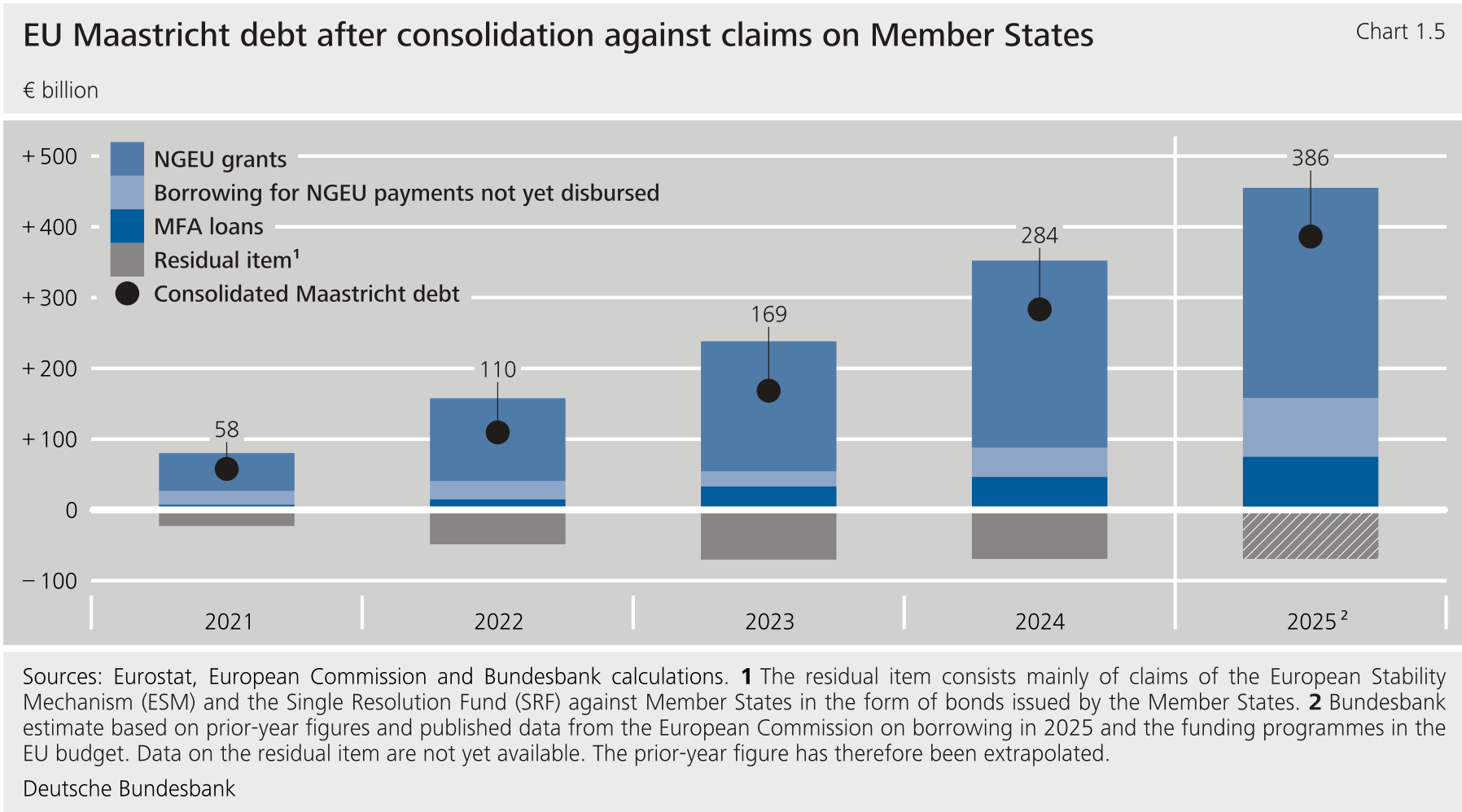
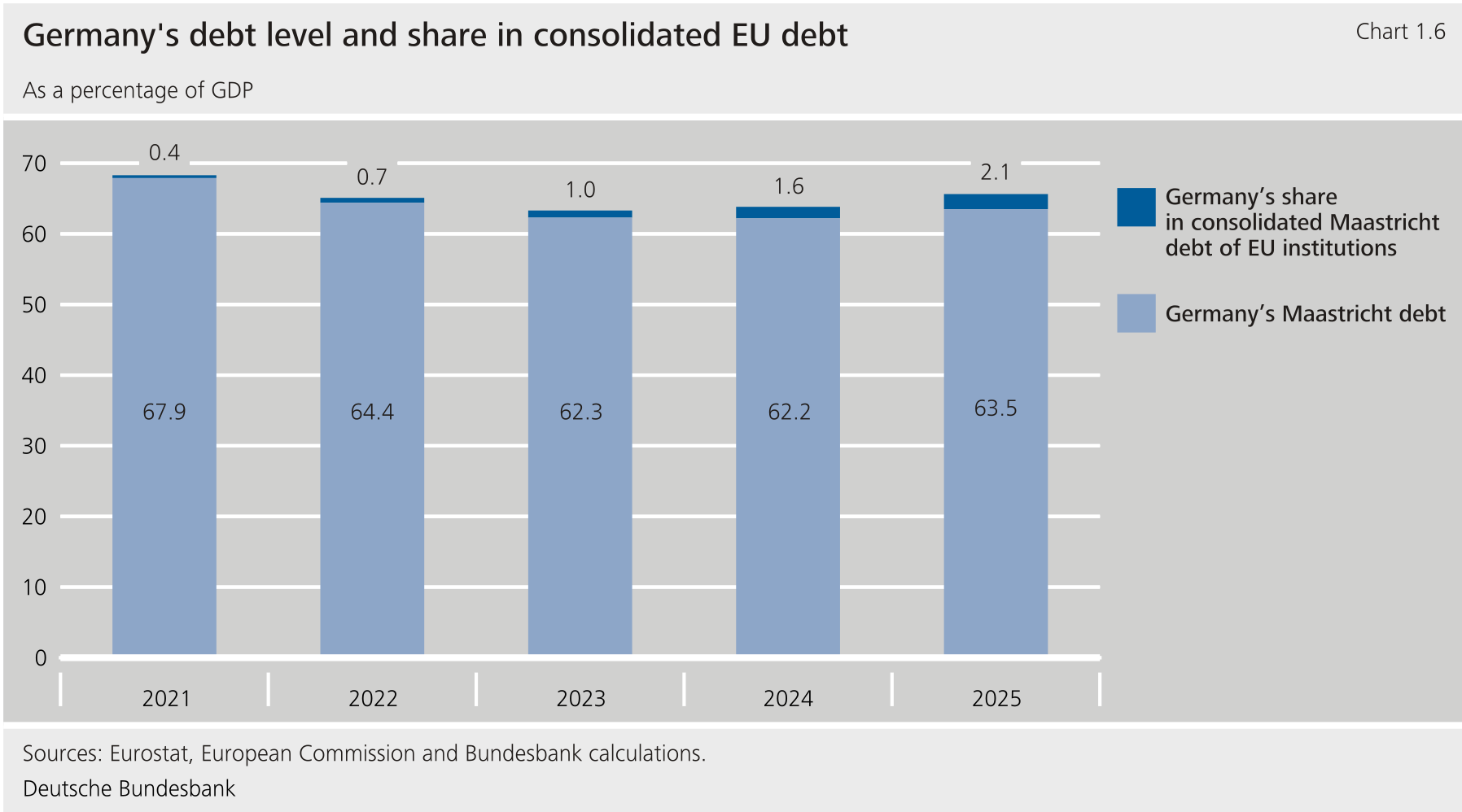
Eurostat has been publishing data on the EU institutions’ Maastricht debt and Maastricht deficit for a number of years now. In addition, Eurostat publishes Maastricht debt after consolidation of assets against EU Member States. The enhanced reporting system was an important step, particularly because this debt can now be taken into account when analysing national fiscal policy.
At present, however, data on EU-level deficits and debt become available later than the national figures. While Member States already publish their deficit and debt levels of the previous year in April, Eurostat does not publish the corresponding EU-level figures until July. In addition, the statistical programme for Member States remains significantly more extensive.
Reporting on EU finances would be improved if Eurostat published the harmonised figures at the same time as national data and in similar detail. To achieve this, it would be advisable to align the content and timing of the EU’s reporting requirements with those of the Member States. Specifically, Eurostat publishes the deficit and debt levels of the Member States towards the end of April. This should also be considered for the EU-level debt and deficit figures. In addition, the scope of the statistical programme could be aligned more closely than it is at present, for example with regard to government revenue and expenditure.