1 The macro-financial environment and the situation in the real sector
1.1 The macro-financial environment deteriorated markedly over the course of the last year
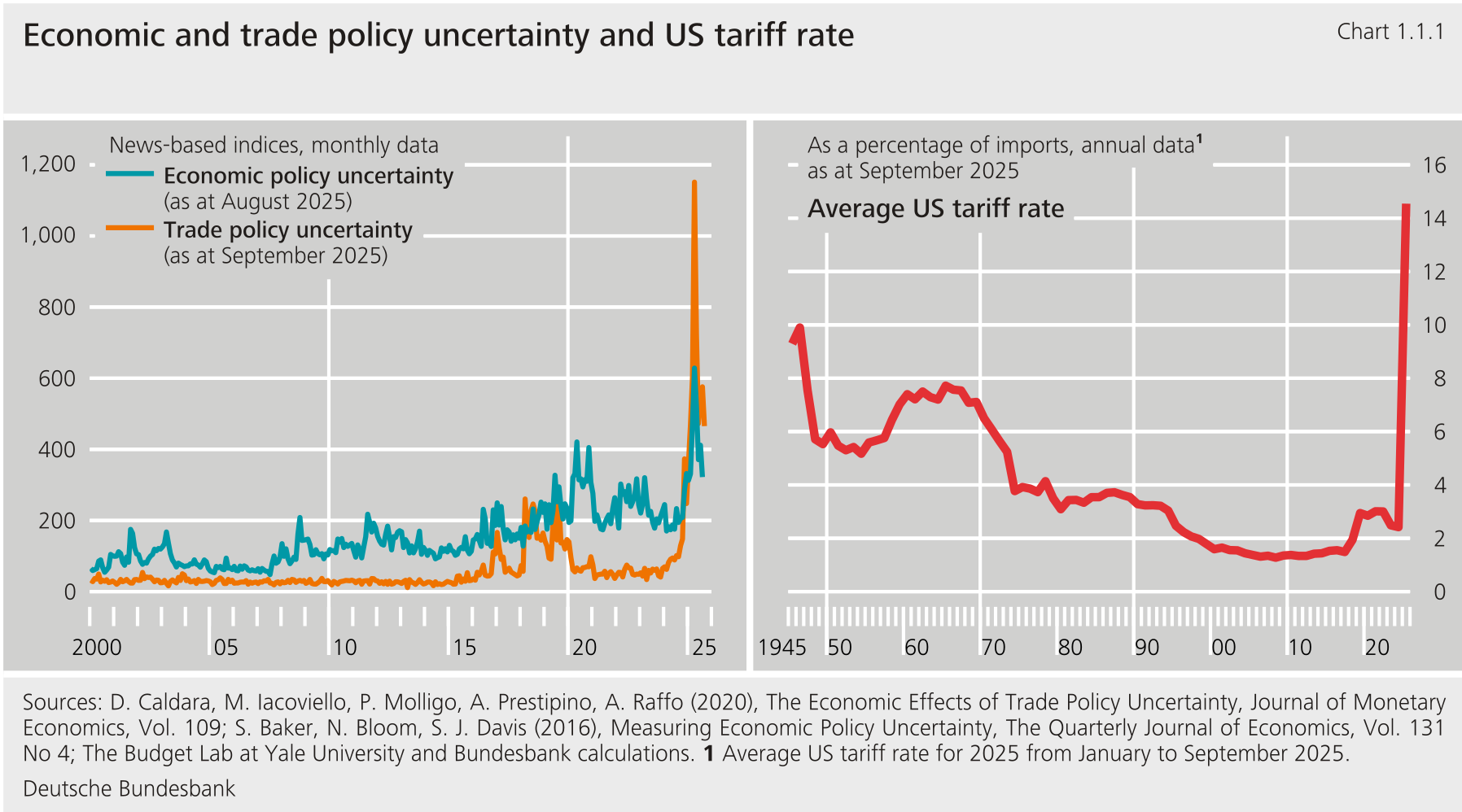
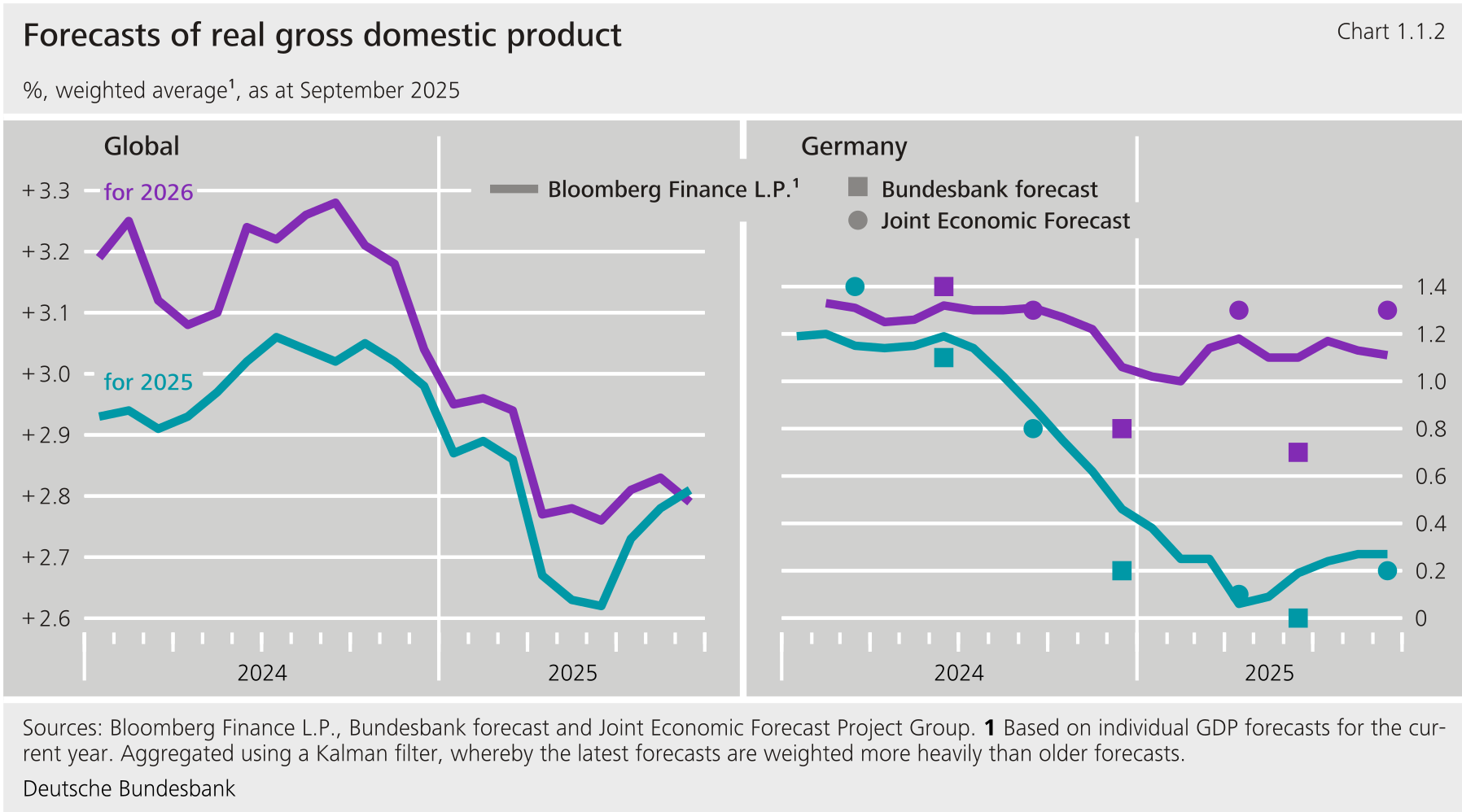
The unpredictable and protectionist US trade and economic policy is weighing on the global economy. Uncertainty about future US trade and economic policy already rose significantly following the US presidential elections in November 2024 (see Chart 1.1.1). As of April 2025, the United States imposed a 10 % minimum tariff on the imports of most goods from almost all trading partners. Later on, the average effective tariff rate for US imports reached a historical high (see Chart 1.1.1). As a result, the forecasts for global economic growth were initially revised down significantly. They were raised again somewhat in the middle of the year as tensions over trade eased, amongst other factors (see Chart 1.1.2). At the end of July 2025, the European Union (EU) and the United States concluded a trade agreement. As a result, the average US tariff on imports from the EU increased from 1.5 % before the new US administration took office to around 14 %. However, the trade agreement is not yet legally binding. The risk of a renewed flare-up in trade conflict therefore remains, although trade and economic policy uncertainty has eased, largely thanks to the trade agreements reached since mid-2025. In addition, it is still unclear whether many of the US tariffs are legal. 1 For these reasons, uncertainty about the future course of US trade and economic policy remains significant and will continue to shape the macro-financial environment in the future. 2
The German economy is likely to see only slight growth again this year. 3 Economic output is thus significantly below the average forecasts made last year (see Chart 1.1.2). Economic growth in Germany will probably remain below the euro area average. 4 This means another delay to the economic recovery. The forecasts for 2026 remain virtually unchanged compared with those for 2025 (see Chart 1.1.2).
Changes in the international macro-financial environment and structural factors are having a negative impact on the German economy. The considerably higher US tariffs are hitting Germany’s export-based economy disproportionately hard within the European Union. For Germany, the resulting losses could amount to around 0.13 % of GDP in the first year. 5 The direct short-term losses are therefore small. If the US tariffs were to remain in place permanently, this could also have a structural and thus longer-term impact on the outlook for the German economy. Reasons for this include a decline in exports to the United States, shifts in investment and altered supply chains. In addition, a number of domestic and foreign structural factors continue to put added pressure on the German economy to adjust (see Section 1.5).
The Federal Government’s fiscal package is likely to support economic activity. However, the long-term effects on the German economy and on financial stability remain to be seen. The Bundesbank’s forecasts suggest that higher defence and infrastructure spending will likely boost growth from 2026 onwards. Up to the end of 2027, the resulting demand effects could raise GDP growth by around 3/4 percentage point. 6 However, it is still unclear at present how exactly funds will be withdrawn, which makes it difficult to estimate the effects. The more spending is channelled into investment that helps boost the German economy's resilience, productivity and competitiveness, the greater the long-term impact of the fiscal package would be on the economy and financial stability (see Section 1.5). However, a considerable amount of the new borrowing potential will be used to allow spending on things other than investment in defence capabilities and infrastructure. 7 Overall, there are likely to be substantial growth effects in the medium term, but it is difficult to gain a clear picture of longer-term effects.
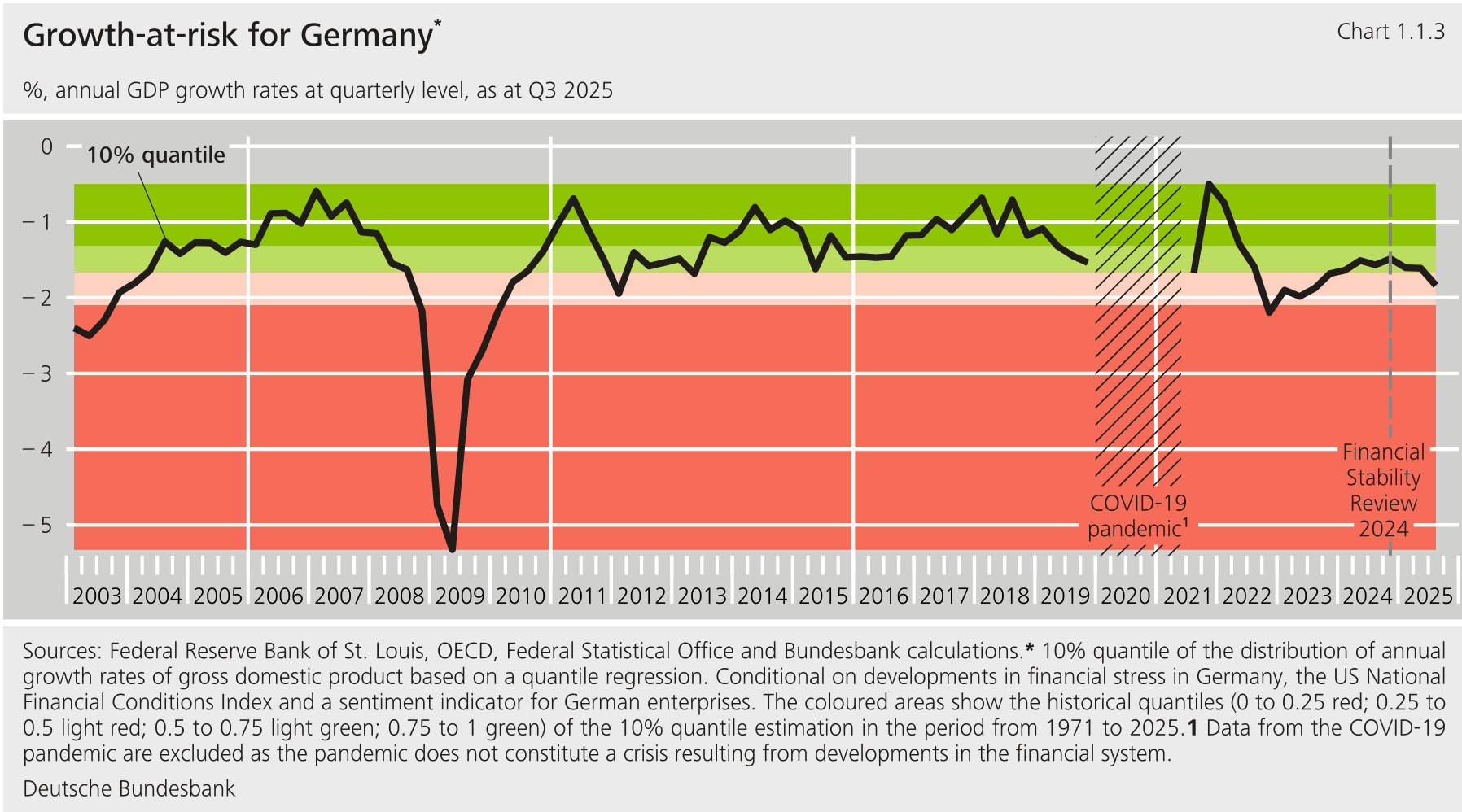
The downside risks to GDP growth have increased compared with the previous year (see Chart 1.1.3). According to the Bundesbank’s growth-at-risk model, the likelihood of particularly low growth rates has increased since the end of last year. 8 The conditional 10 % quantile of GDP growth is currently around − 1.84 % compared with − 1.56 % a year ago. That said, the estimated downside risks are significantly lower than during the monetary policy tightening cycle from mid-2022 to the end of 2023 or the global financial crisis. Should geopolitical tensions escalate or trade disputes flare up again, corporate sentiment and financing conditions could deteriorate abruptly. This would further increase the risk of particularly low GDP growth rates.
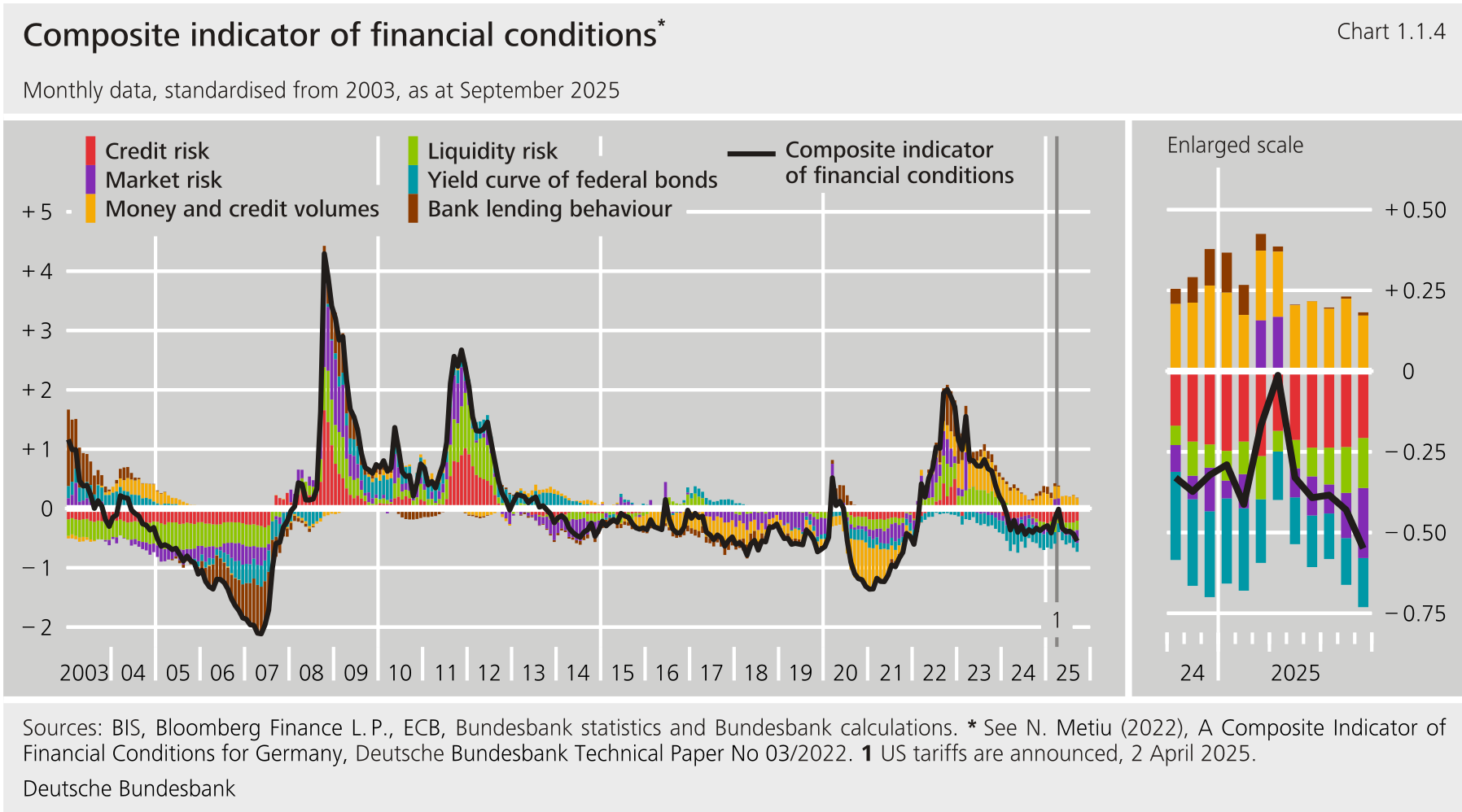
Financing conditions have remained virtually unchanged in broad terms compared with the previous year. The inflation rate has continued to fall since the end of 2024. The latest projections show that it is likely, by 2027, to settle close to the medium-term 2 % target set by the European Central Bank (ECB) in both Germany and the euro area. 9 Longer-term real interest rates in Germany rose compared with the end of 2024 and currently stand at around 0.6 %. Longer-term real interest rates are measured as the difference between nominal interest rates on ten-year federal bonds (Bunds) and expected inflation over the same period. 10 At the beginning of 2025, real interest rates spiked higher after the government announced a significant increase in spending. They moved towards the 1 % mark for a time (see Section 1.2). In the spring, financing conditions also tightened across the board. The Bundesbank’s composite indicator of financial conditions condenses monthly price-based market data, quantity-based metrics and several macro-financial indicators. It thus captures information from various parts of the financial system. 11 In view of increased market risk in the wake of the trade conflict and the resulting disruptions in financial markets, the composite indicator rose (see Chart 1.1.4). Since then, however, it has fallen back below the historical average, roughly to the 2024 level (see Chart 1.1.4). The lower values show that financial conditions have eased again and that tensions in the financial system have abated.
All in all, the macro-financial environment deteriorated markedly over the course of last year, particularly against the backdrop of high uncertainty and the associated risks. Currently, the German economy is expected to start recovering from next year onwards. Nevertheless, all forecasts are subject to an exceptionally high level of uncertainty as conditions are changing frequently. 12 Two factors in particular are weighing on the economic environment: the protectionist and unpredictable US trade and economic policy and the fact that geopolitical tensions remain heightened. The risk of renewed trade conflict persists, increasing the likelihood of adverse scenarios. At the same time, geopolitical tensions are increasing the danger of hybrid threats and thus also of cyberattacks. These could directly jeopardise financial stability. In addition, the financial system still faces structural challenges. In particular, these include ongoing digitalisation in the real economy and the financial system (see the supplementary information entitled “Artificial intelligence and its effects on financial stability”), action to achieve climate neutrality, and coping with the consequences of demographic change.
label.digression
Artificial intelligence and its effects on financial stability
Artificial intelligence (AI) has the potential to significantly influence developments in the financial system and the real economy. However, it is difficult to predict what the future holds. The technology is evolving rapidly and the effects on production processes in the economy depend heavily on where and how AI is deployed. AI systems have already made enormous strides in a short period of time. 1 They analyse large volumes of data, generate texts and images and automate decision-making. In the financial system, AI can aid lending and investment decisions, lead to efficiency gains, and help tailor financial services more closely to customers’ needs and wants. 2 But the use of AI also entails risks, most of which cannot yet be completely foreseen. The opportunities and risks associated with AI are therefore central to the discussion around potential implications for financial stability.
German financial institutions are already making greater use of AI, though its application in core areas of banking business, such as lending, has so far been minimal. According to surveys conducted by the Bundesbank, around 26 % of firms in the real economy and financial sector used AI in 2024. In 2025, this figure already stood at 44 %. Additional companies are planning to use AI starting in 2026. 3 Use of AI in the financial and insurance sector is higher than average, at 54 % in 2025. The information and telecommunications sector is the only industry to have a higher uptake. However, small and medium-sized banks and savings banks in Germany (less significant institutions, or LSIs) mainly use AI in support processes and not in the core areas of their business. 4 For example, AI is being deployed in automated internal processes (such as text generation and internal chatbots), fraud detection and prevention, and contact with customers. By contrast, AI has so far barely been used to assess creditworthiness and in trading. This pattern of use is similar to that in other European countries. 5
From a financial stability perspective, oversight may need to be stepped up if financial intermediaries start using AI models for core business tasks. The use of AI outside core business areas, such as to power chatbots, poses comparatively few risks for banks. However, if AI systems were to be adopted on a larger scale to make decisions on lending or investments in financial markets, it could both mitigate and heighten risks. On the one hand, if AI models are able to process the information at hand more quickly and systematically, facilitating more appropriate risk pricing, credit and market risk could decrease. On the other hand, the use of AI models that have been trained on similar datasets could lead to increasingly herd-like behaviour. This could amplify excesses in financial markets and increase volatility, for example. The more autonomy AI models are granted to make decisions, the more likely this will become. Regulation is in place to provide a framework for this. In Europe, the EU Artificial Intelligence Act (AI Act) and the EU General Data Protection Regulation (GDPR) impose limits on the degree of autonomy permitted to AI models when it comes to decisions about individuals. In certain cases, they require a human being to monitor decisions and be able to intervene if necessary. 6 Macroprudential supervisors, too, can use AI systems to help with oversight tasks. In this respect, AI itself requires oversight but can also assist with macroprudential oversight.
Besides the impact on how financial intermediaries behave, there will be changes in concentrations and dependencies within the financial system. It is not clear exactly what the effects on the system will be. They depend, amongst other things, on what AI costs to use and how dependent users are on providers of AI systems. The higher the cost of using AI systems or of investing in developing proprietary models, the greater the tendency for market power to become concentrated at individual intermediaries if using AI gives them a competitive edge. In addition, new concentration risks could arise if large sections of the financial system are dependent on the products of a few AI system providers. This is why broad-based and forward-looking monitoring is important, so as to pick up on developments at an early stage and gauge risks to financial stability.
AI could also have an indirect impact on financial stability via the real economy. AI might place traditional business models under pressure and, as automation increases in certain areas, lead to a decline in labour demand. As this structural change in the real economy unfolds, there is a danger that financial intermediaries will misgauge default risks in contracting or burgeoning sectors. This could increase credit and market risk. Current estimates of the impact of AI on economic growth, unemployment and interest rate levels vary widely. 7 This highlights the high degree of uncertainty surrounding whether – and how substantially – AI will affect the real economy. 8
The Bundesbank is working closely with national and international authorities to explore the impact of AI on financial stability. The global financial system is highly interconnected, and use of AI systems spans national borders. It is therefore important to work together at the international level to understand how AI affects financial stability. The Financial Stability Board (FSB) plays a key role in this regard. The FSB, with the involvement of the Bundesbank, has already drawn up some initial suggestions, including on monitoring the use and impact of AI in the financial system. 9
1.2 High debt ratios in some euro area countries pose risks to European and German financial stability
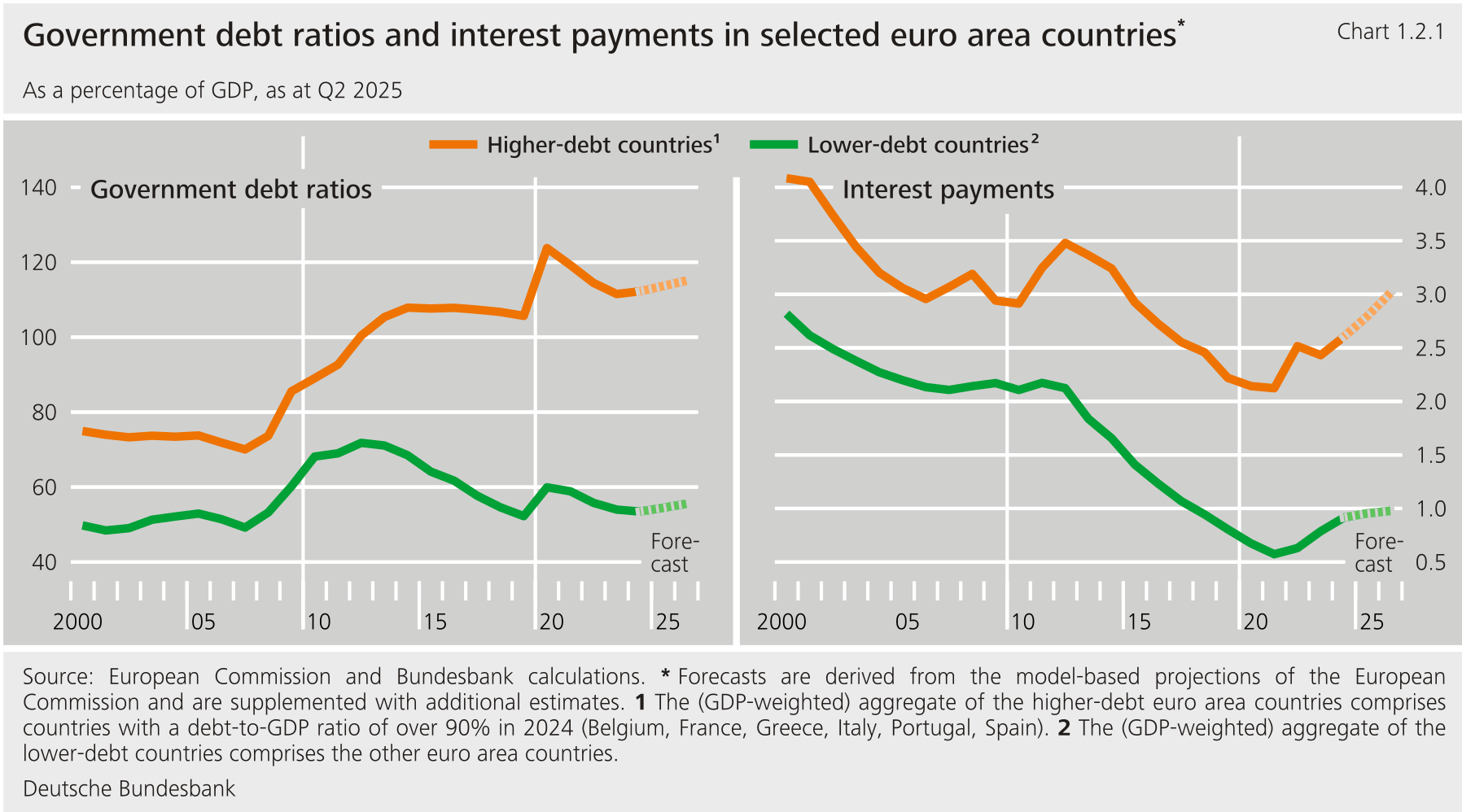
In some euro area countries, public debt ratios are high and likely to rise further initially in the coming years (see Chart 1.2.1). This is due, amongst other things, to higher defence spending as a result of heightened geopolitical tensions and weak structural growth. Long-term challenges such as climate change and demographic ageing will also have a marked fiscal impact. In some high-debt euro area countries, debt ratios are initially expected to rise further in the coming years before gradually receding. 13 However, the prospective reduction in debt ratios also requires the optimistic growth assumptions often underlying the medium-term fiscal plans to be realised. Despite the assumed consolidation, some of these countries are reporting very large deficits, which are expected to decline only gradually. 14 In some high-debt countries, sustainability risks persist. In Germany, too, the debt ratio is rising due to the financial burdens caused by the fiscal package, though this is likely to be manageable for a time. However, compliance with the recently amended national fiscal rules will not safeguard either long-term sustainability or compliance with EU fiscal rules in every case, possibly necessitating fiscal policy adjustments in the medium term. Overall, interest expenditure relative to GDP is expected to rise markedly for some euro area countries in the coming years. This increase is attributable to the higher interest rate level and rising debt levels (see Chart 1.2.1). If the optimistic growth assumptions do not materialise or the macroeconomic environment deteriorates, deficit and debt ratios could be even less favourable (see Section 1.1).
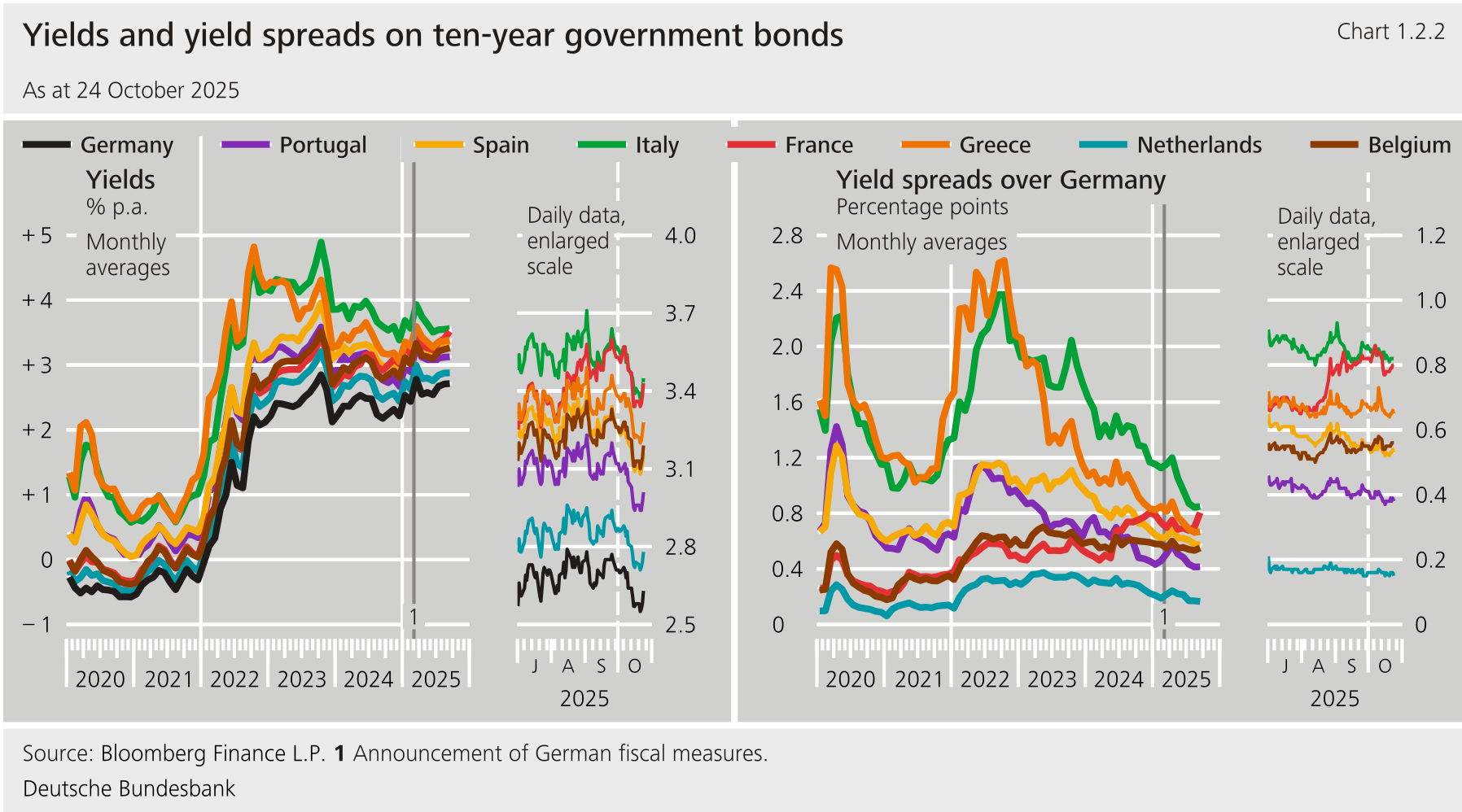
Many countries’ yield spreads over Germany, which have narrowed significantly in some cases since the coronavirus pandemic, could widen again in the future. Relatively high growth rates and favourable growth expectations in some euro area countries, especially Spain, Greece and Portugal, have helped yields to narrow. Some favourable budgetary developments, stable political conditions and European crisis prevention mechanisms may also have played a role. However, if expectations of high future growth are not met, yield spreads could widen again. In addition, adverse developments could occur: the trade dispute might flare up once more, political uncertainty could increase, or fiscal targets might be missed. In such an event, default risk and risk premia would see a sudden increase.
Taken in isolation, Germany’s expansionary fiscal policy will probably push up the general level of euro area interest rates, placing a strain on Member States with higher debt levels in particular by widening their yield spreads. For example, when significantly higher government spending in Germany was announced at the beginning of March 2025, yields on longer-dated German government bonds rose (see Chart 1.2.2). As a result, the government bond yields of other euro area countries also increased. The rise in yields on ten-year German government bonds has receded in part, but not fully. 15 However, if the general level of interest rates in the euro area were to rise permanently, interest costs would rise on a lasting basis in Germany and, above all, in high-debt euro area countries. This would add to the pressure on their yield spreads.
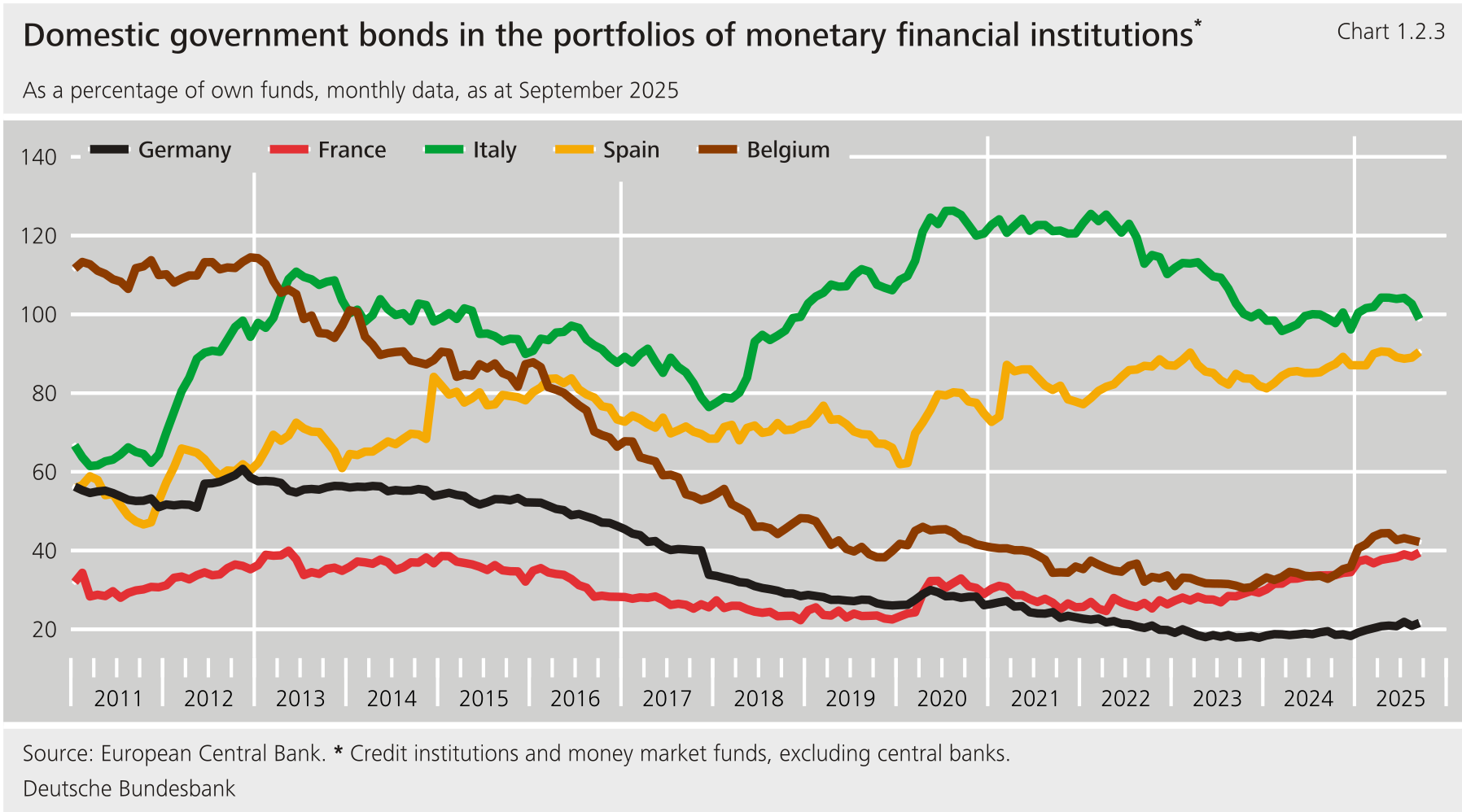
Because the German banking system is closely interconnected with other European financial systems, it is vulnerable to sudden interest rate increases on government bonds issued by other European countries. Developments in these countries’ government bond markets impact the German financial system via two channels. First, higher interest rates on government bonds lead to market value losses for European financial intermediaries holding these government bonds. German financial intermediaries are affected as well, although their immediate losses seem to be limited (see Section 2.2). Second, the share of domestic government bonds on the balance sheets of European banks, insurers and funds remains high, especially in Spain and Italy (see Chart 1.2.3). Because the German banking system is closely linked to other European financial systems, contagion effects could lead to additional losses at German banks (see Section 2.2).
There is mounting evidence of concerns about the funding risks of the United States, too. The new US administration signed off on substantial tax relief and additional government expenditure. Despite the positive effects of tariffs on US government revenue, a further increase in the US debt ratio and interest service is likely. 16 In addition to higher interest rates on US government bonds, this would also raise interest costs for firms, households and the financial sector. 17 Higher debt and deficits in the United States have already significantly increased long-term interest rates in the past, especially in periods when debt ratios are already high. 18 In May 2025, the US House of Representatives passed the “One Big Beautiful Bill Act” containing tax and spending policies. As a result, interest rates on longer-term US Treasury bonds temporarily increased, and the US dollar depreciated for a time. 19 The market responses were thus qualitatively similar to those of April 2025. 20 These events suggest that investors are currently sensitive to higher government spending in the United States. The increasing prevalence of stablecoins and their dependence on US government bonds as a reserve instrument could create additional risks for the US Treasury market in the event of sudden liquidity shortages caused by fire sales (see the supplementary information entitled “How stablecoins affect financial stability”).
Developments in the US government bond market are influencing the German financial system. Although German banks’ direct exposure to US government bonds is limited, higher interest rates on US Treasury bonds in the past have tightened global financing conditions markedly. Should tensions arise in US dollar funding markets, liquidity risks in the German banking sector could increase (see Section 2.2).
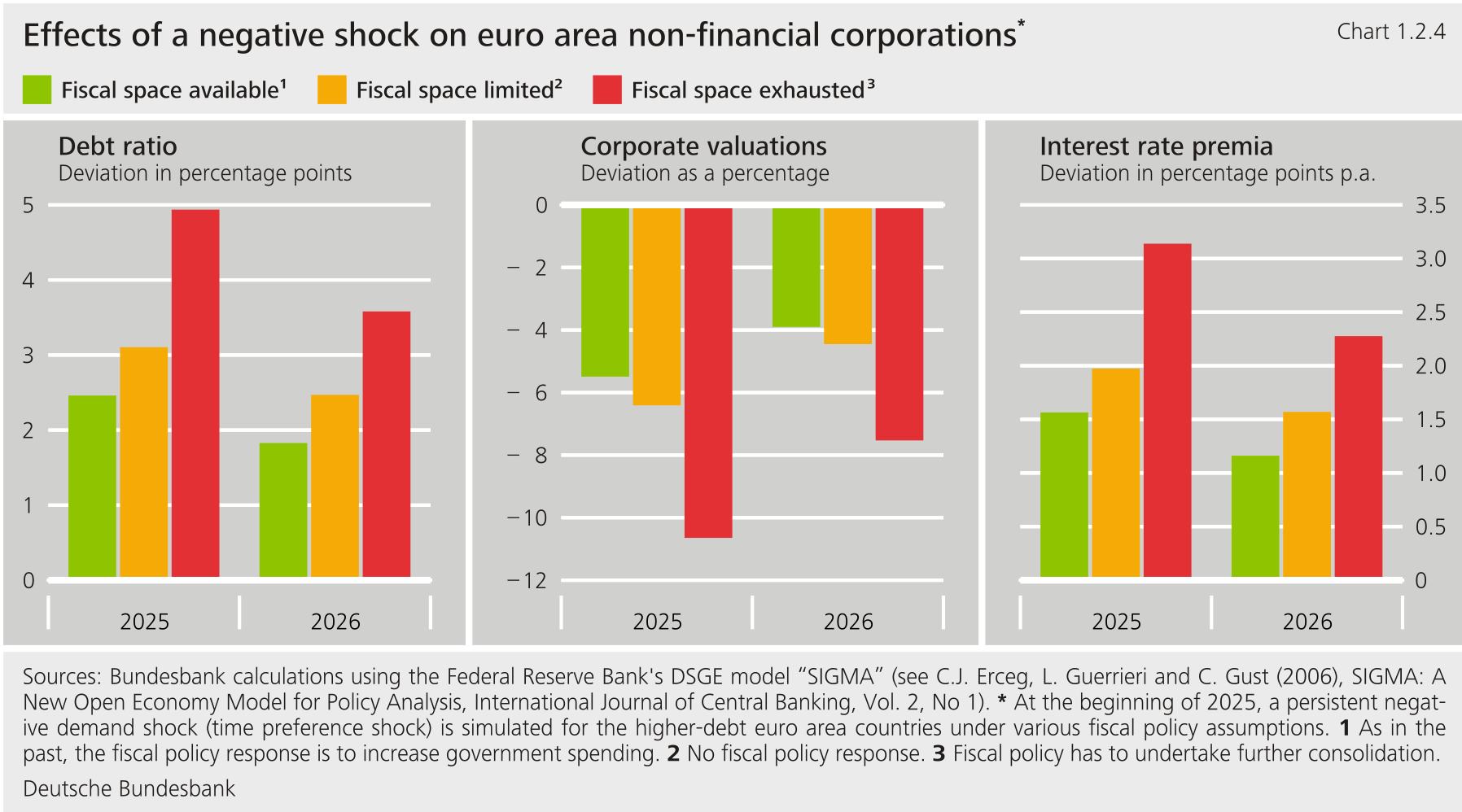
Higher debt ratios can restrict fiscal space and thus increase financial stability risks emanating from the corporate sector in times of crisis. Simulations based on a quantitative structural model suggest that interest rate spreads and the debt ratio of the non-financial corporate sector rise after a negative shock (see Section 5). At the same time, valuation levels fall if the government does not respond countercyclically because its fiscal space is limited, for example (see Chart 1.2.4). 21 The negative impact of the shock on credit risk in the corporate sector is smaller if a country takes countercyclical measures against it. Conversely, the corporate sector is more negatively affected if the shock is actually amplified further by government consolidation measures – for example, when fiscal space is exhausted. Turmoil in the corporate sectors of individual euro area countries can ultimately have an impact throughout the euro area, including the German financial system, via real economic and financial channels (see Section 2.2).
label.digression
How stablecoins affect financial stability
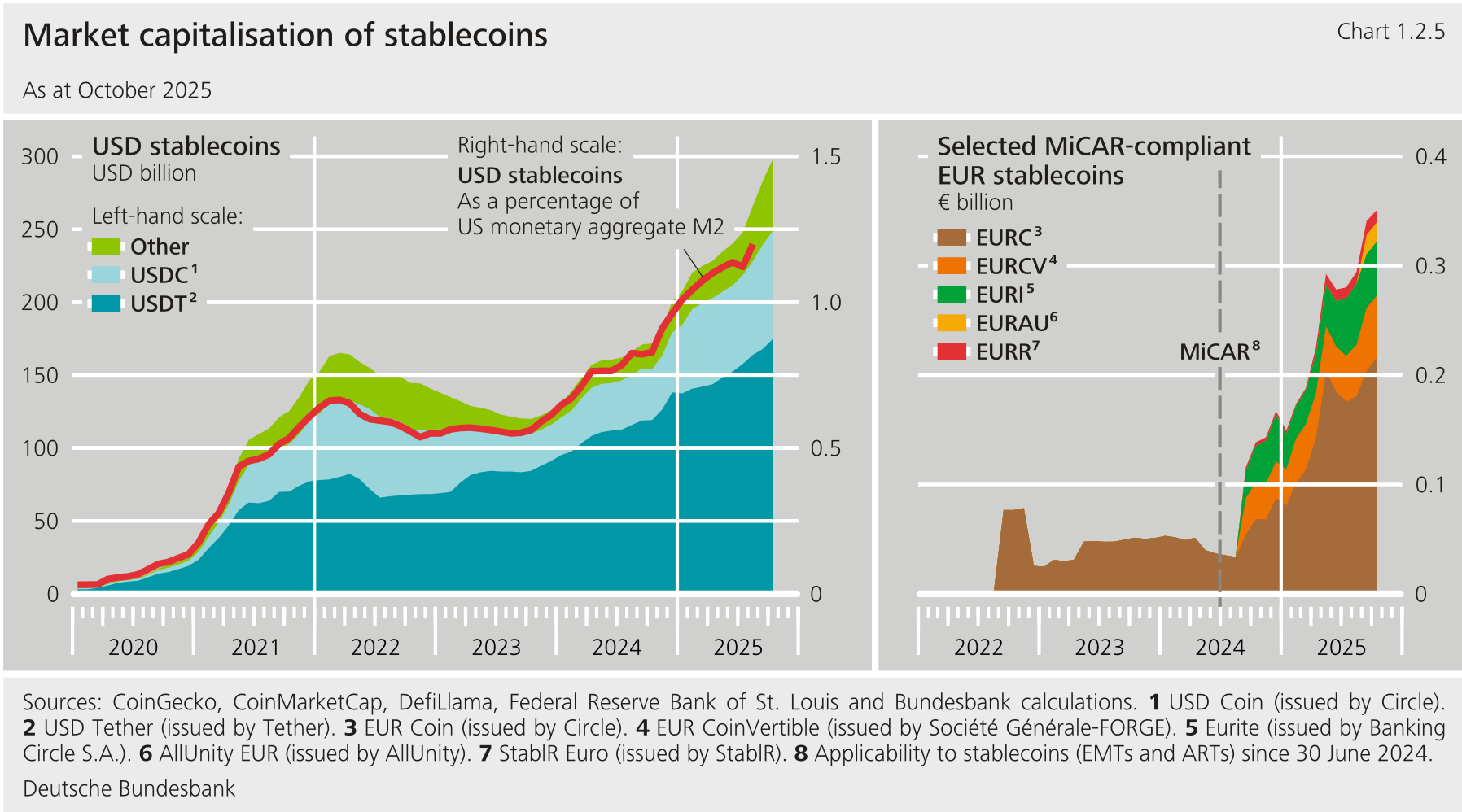
The growing global market for stablecoins is being dominated by a small number of stablecoins denominated in US dollars and could gain further relevance in the context of regulatory developments in the United States. Stablecoins are a sub-category of crypto-assets. 1 Unlike other crypto-assets, their value is supposed to remain stable relative to a central bank currency or other assets. Issuers of stablecoins usually guarantee redemption at par. To this end, they invest the funds they receive in a cover pool, referred to in this context as “reserves”, in traditional assets such as money market instruments and bank deposits. Stablecoins have come to represent a key component of the cryptosystem. 2 US dollar-denominated stablecoins account for around 99 % of the stablecoin market. The crypto-assets USDT (Tether) and USDC (Circle) dominate the market (see Chart 1.2.5). The market for euro-denominated stablecoins has been insignificant so far, though it has grown significantly since the European Markets in Crypto-Assets Regulation (MiCAR) came into force in 2024. 3 Increasing legal clarity and political support – particularly in the United States – could further heighten demand for stablecoins. 4
Stablecoin reserve assets already link the cryptosystem to the traditional financial system, which can lead to contagion effects in the event of runs on banks or on stablecoins themselves. If there are doubts as to whether stablecoin issuers are able to fulfil their repayment promises, this can lead to a run. Such doubts may be due to fluctuations in value, uncertain quality and the level and availability of reserve assets. 5 As a result, fire sales in securities markets as well as sudden withdrawals of stablecoin reserves from banks could lead to contagion risks for the traditional financial system. On the other hand, difficulties at banks can lead to contagion effects for stablecoins. One example of this is the collapse of Silicon Valley Bank (SVB), which caused the stablecoin issued by Circle to temporarily lose its peg to the value of the US dollar because part of its reserve assets were held with SVB. The bulk of global stablecoin reserve assets currently flows into short-term US government bonds. As a result, individual issuers are becoming increasingly significant players in this market. 6 In Europe, direct linkages between stablecoin reserve assets and the traditional financial system have thus far been limited.
If stablecoins are used outside of the cryptosystem more frequently, risks to financial stability could increase. Currently, stablecoins are predominantly used within the cryptosystem, as they make it easier for investors to exchange crypto-assets or carry out transactions. In future, however, their use outside of the cryptosystem could increase – for example, in cross-border and cross-currency payments or in securities settlement. 7 This would integrate stablecoins more strongly into the global financial system, thus exacerbating existing contagion channels. In addition, there could be structural impacts on banks through, for example, declining revenues, particularly in cross-border payments, as well as via more volatile or declining bank deposits. If non-euro-denominated stablecoins were to be used more frequently in the euro area, this could ultimately impair monetary sovereignty.
MiCAR contains regulatory safeguards, but applying them effectively poses challenges. With MiCAR, the European Union has created a comprehensive framework for stablecoins. MiCAR is intended to promote innovation and, at the same time, limit risks to financial stability. 8 Due to the cross-border nature of stablecoins and global regulatory differences, a continuous review of the MiCAR instruments is needed to ensure their effectiveness. In order to prevent widespread use of non-MiCAR compliant stablecoins, it may be necessary to take additional measures to strengthen supervision. Special attention should also be paid to multi-issuer stablecoins. 9 This is important to prevent the circumvention of key safeguards under MiCAR and to avoid unfair competitive conditions at the sole expense of European issuers, as well as increased run risks to the EU financial system. In view of this, the ESRB has published a recommendation to classify these models as non-MiCAR-compliant as long as their specific risks are not addressed by means of appropriate safeguards. 10
Risks could arise if large-value payments between credit institutions are increasingly settled in stablecoins in future. If critical interbank payments are no longer settled in default-free central bank money but are instead settled more frequently in stablecoins, new direct concentration, default and liquidity risks may emerge. At the same time, dependencies on foreign payment infrastructures could increase. In addition, different standards and a lack of interoperability may result in a fragmentation of payment systems. 11 Ultimately, the uniformity of money may be impaired if interbank payments are no longer settled using default-free central bank money. Providing a wholesale central bank digital currency (wCBDC) can strengthen resilience by enabling the settlement of DLT transactions in central bank money. 12 The Eurosystem is currently expanding an initiative to settle DLT transactions in central bank money. Central bank money is thus intended to remain secure in its role as the foundation of the financial system. 13
1.3 Signs of an upswing in the financial cycle, but further developments remain uncertain
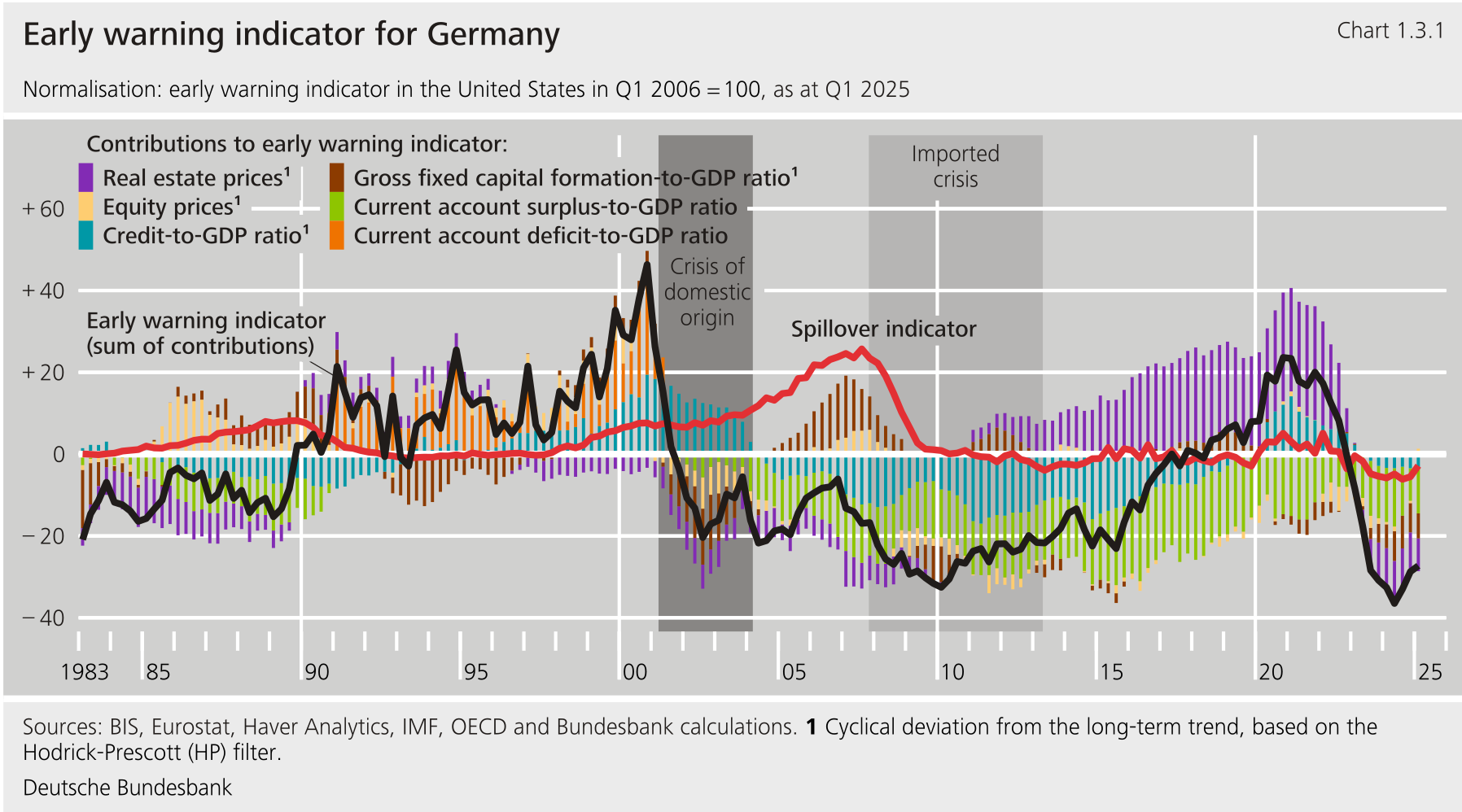
Lending and asset prices are showing initial signs of recovery, which is indicative of the start of an upswing in the financial cycle. Up until 2024, both loan growth and real estate prices were still in decline on an annual average. During this period, there was an orderly reduction in the vulnerabilities that had emerged over the course of the previous upswing in the financial cycle during the low interest rate period as well as during the coronavirus pandemic. 22 By now, the low point might have been passed and the financial cycle could transition to an upswing. Both lending and asset prices indicate a stabilisation and a moderate recovery. In line with this, the Bundesbank’s early warning indicator – an indicator that consolidates cyclical developments in the German financial system – began to increase in the second half of 2024. Its recent uptick was primarily attributable to rising asset prices (see Chart 1.3.1). However, at present, it is uncertain whether the upswing will persist. The effects of the worsened macro-financial environment will probably only become apparent in the coming months. These could hamper a sustainable recovery in lending and asset prices (see Section 1.1).
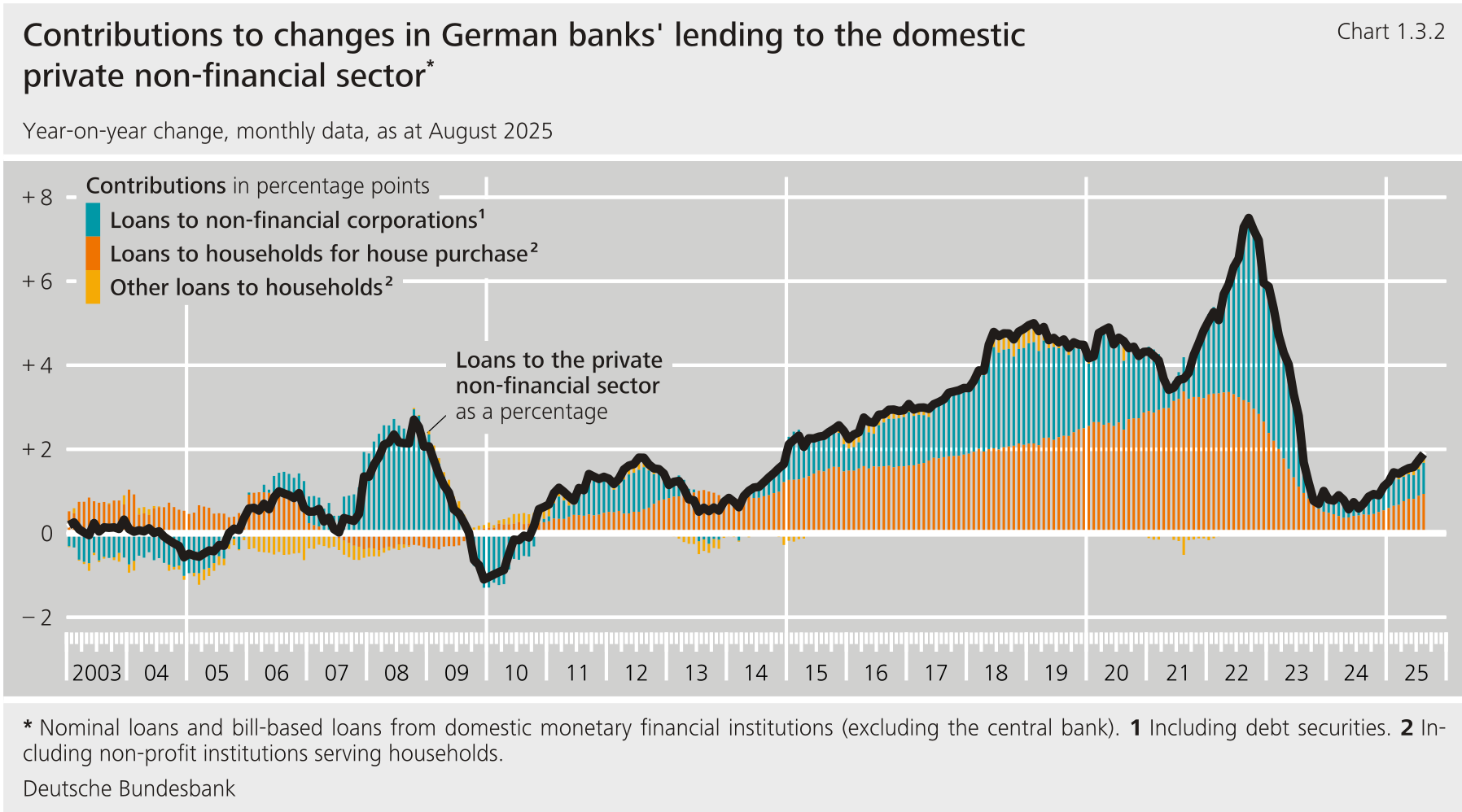
Lending by the German banking sector remains subdued, but there are signs of slight recovery. Annual growth rates in the volumes of bank loans to households and enterprises have risen markedly on the year, but remain low compared with previous years (see Chart 1.3.2). The outlook for lending dynamics tends to be positive, too. The banks surveyed by the Bank Lending Survey (BLS) expect, on balance, that demand for residential real estate loans will continue to increase in the fourth quarter of 2025 as well. In previous quarters, rising demand was supported by lower interest rates and improved housing market prospects and a level of lending rates that was lower than during the period from 2023 to mid-2024. In the second quarter of 2025, the surveyed banks also reported that loan demand from enterprises had increased in net terms. At the same time, the surveyed banks also reported that their lending standards were tighter on balance in 2025, especially for loans to enterprises. In this context, the banks pointed to increased credit risk as a result of the general macroeconomic environment as well as industry and firm-specific factors. This is also reflected in a higher rejection rate for corporate loan applications, with small and medium-sized enterprises, in particular, reporting that their access to credit had become more difficult. 23 Given the economic and trade policy uncertainties and weak economic developments, it remains to be seen whether the recovery in lending will prove to be robust.
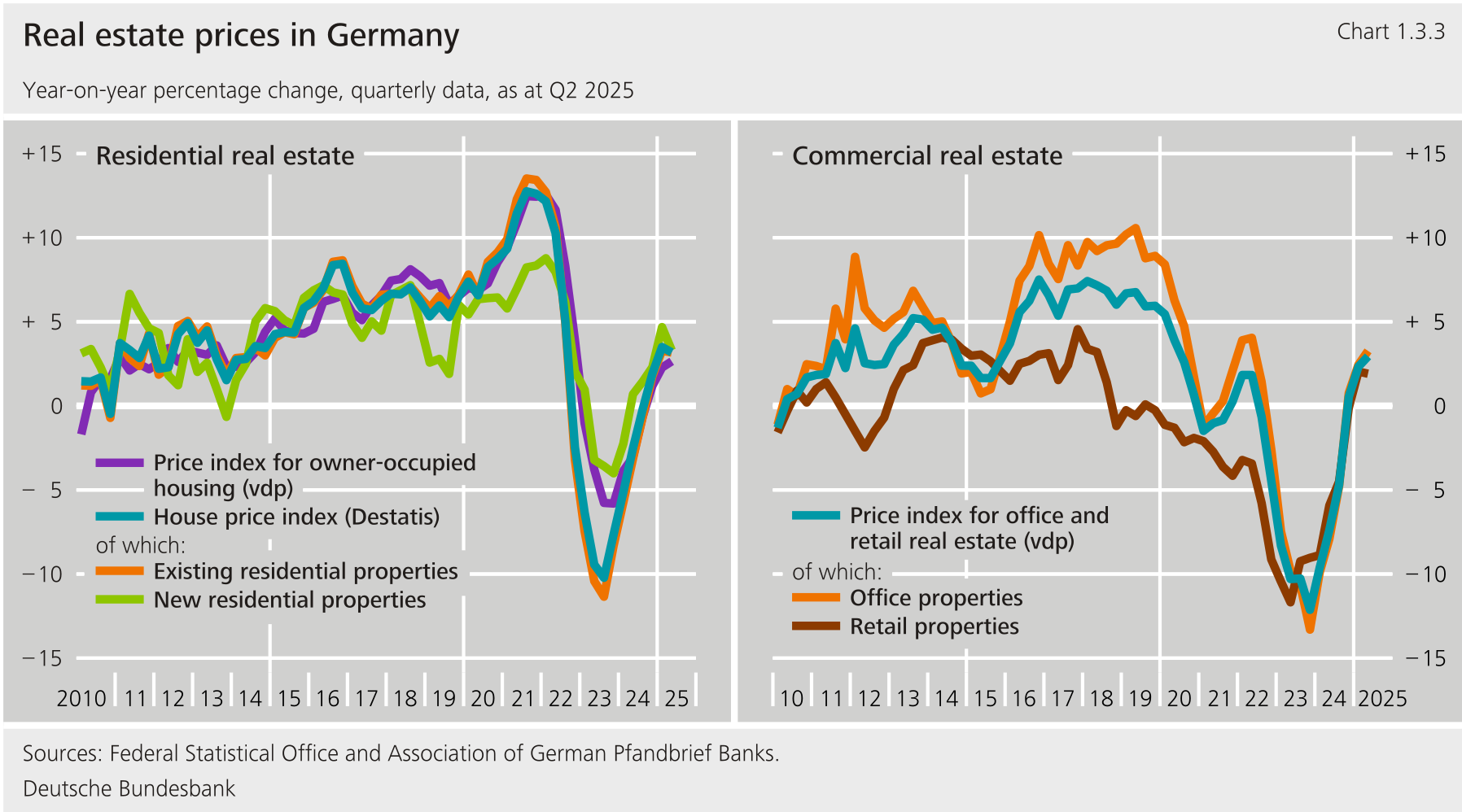
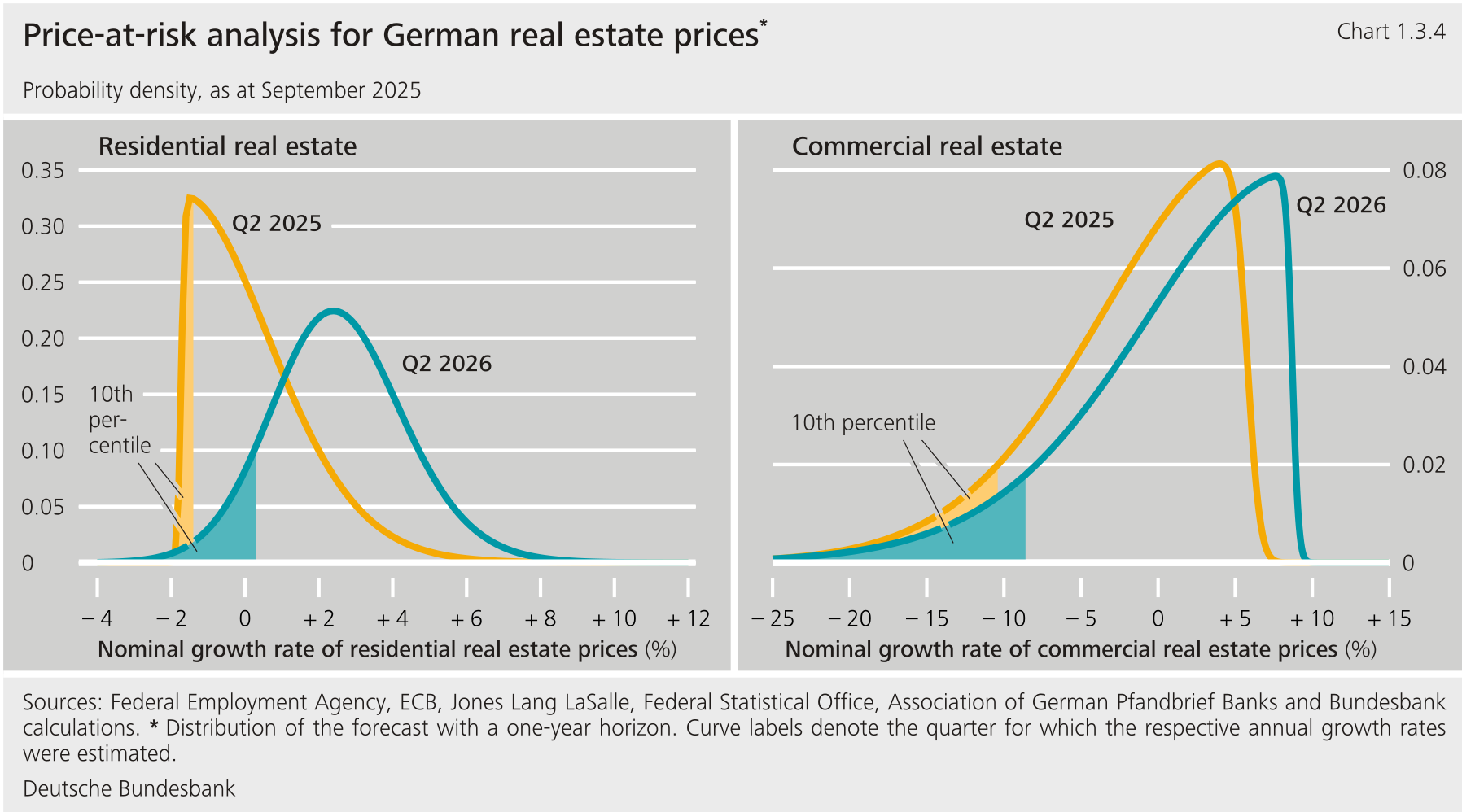
In the residential real estate market, rising prices and transaction numbers are signs of recovery. Overvaluations in the German residential real estate market unwound for the most part in 2024. 24 As a result, the potential for setbacks has fallen significantly. Since the end of 2024, both the number of transactions and prices have recorded positive year-on-year growth rates for the first time in more than two years (see Chart 1.3.3). According to a price-at-risk analysis for German residential real estate prices, larger declines in prices have become less likely. The conditional 10th percentile of nominal price growth for residential real estate stands at around 0.3 % for the period from the second quarter of 2025 to the second quarter of 2026. This is significantly higher than in the same period a year earlier, when it stood at – 1.4 % (see Chart 1.3.4). 25 In addition, households are more optimistic about housing market prospects, with surveys showing that they recently expected annual price increases of just over 5 %, compared with 3 % at the beginning of 2024. 26
Prices in the German commercial real estate market have recently stabilised, but the situation remains fragile overall (see Chart 1.3.3). Current price developments continue to be based on a small number of transactions, which could distort the overall picture. The observed upward trend is therefore only of limited informative value, and risks of a further decline in prices still remain. A price-at-risk analysis for German commercial real estate prices shows that the conditional 10th percentile of price growth for commercial real estate is around − 9 % for the period from the second quarter of 2025 to the second quarter of 2026. In the same period of the previous year, this percentile was only marginally lower, at slightly less than − 10 % (see Chart 1.3.4). 27 The market could come under pressure if net outflows forced German real estate funds to sell more commercial real estate in order to safeguard their liquidity (see Section 3.2). In addition, the commercial real estate sector is particularly sensitive to interest rates. 28 Rising long-term yields worldwide may therefore weigh on commercial real estate prices in Germany as well.
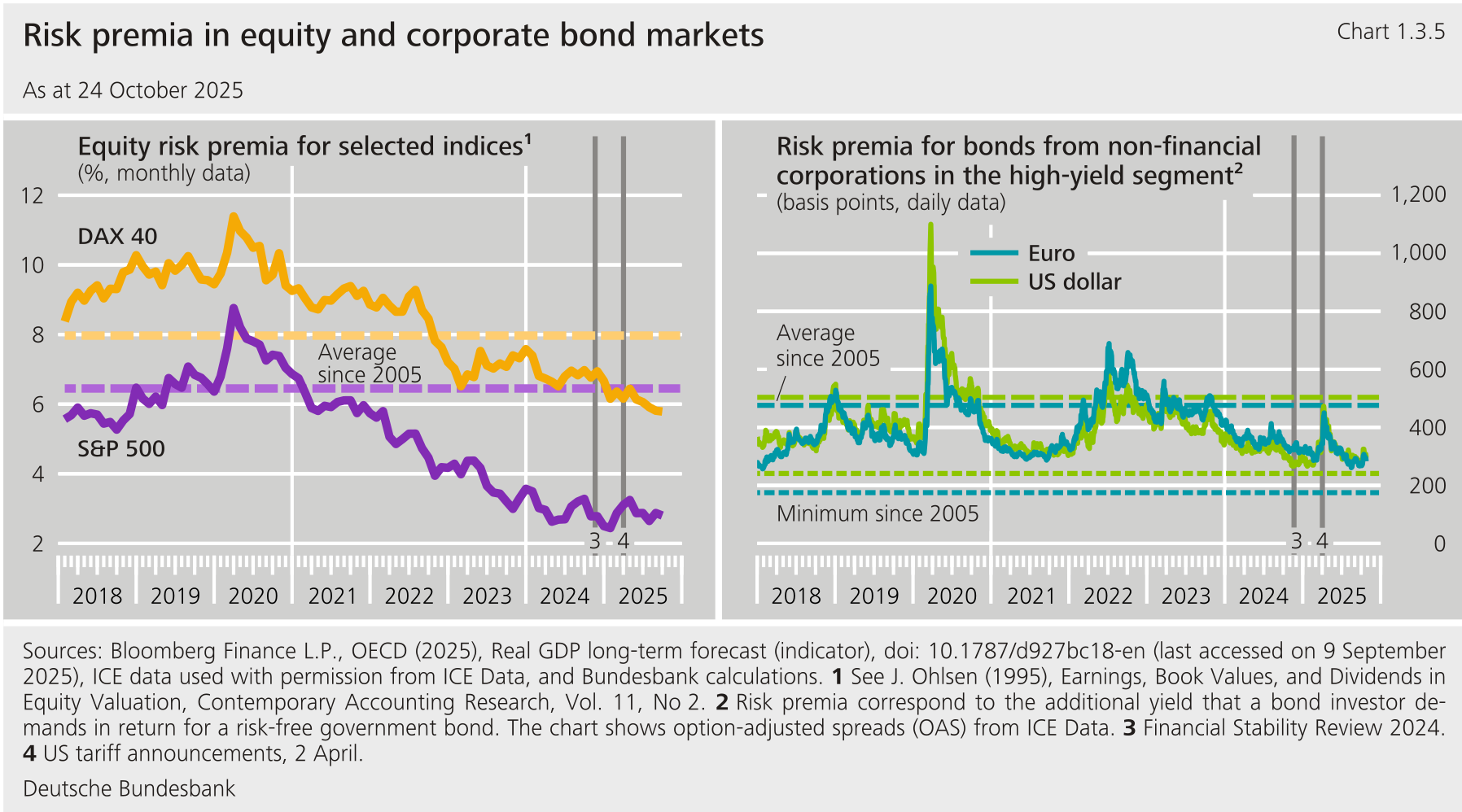
Persistently high and increased valuations in financial markets harbour the risk of sudden market price corrections. Following the short-lived turmoil at the beginning of April 2025, financial markets made a swift and full recovery (see Section 1.1). Although economic and trade policy uncertainty remained, volatility in financial markets continued to trend downwards over the following months, dropping to below-average levels by historical standards. Since then, marked increases have only been observed in isolated cases. These occurred, for instance, in the context of the Israel-Iran conflict in June 2025, against the backdrop of the transitional arrangements under US tariff policy expiring at the beginning of August 2025, and during the tariff dispute between the United States and China in October 2025. Risk premia in equity markets remain well below their long-term averages, especially in the United States (see Chart 1.3.5). Just a handful of particularly highly valued tech firms account for a large share of total US equity market capitalisation by historical standards. Much like in equity markets, risk premia in the markets for corporate bonds denominated in euro and US dollar have also fallen back again rapidly following the tensions in April and are now close to multi-year lows (see Chart 1.3.5). 29 In view of the challenges in the macro-financial environment and the high government debt ratios in some countries (see Section 1.2), market participants could underestimate the default risk of firms active in capital markets. Optimistic valuations have made the financial system more vulnerable still, as sudden market price corrections could trigger considerable losses among financial intermediaries.
1.4 Households appear robust overall
The debt sustainability of households in Germany has improved overall. Over the course of 2025 thus far, the ratio between aggregate household debt and household disposable income decreased by approximately 0.5 percentage point to around 85 %. 30 The main reason for this was the continued low level of new lending (see Section 1.3). In previous years, the debt ratio had also been dampened by marked nominal wage growth, but this was significantly lower in 2025. 31 Nevertheless, the rise in nominal wages over recent years has resulted in a reduction of household debt in real terms. This development will strengthen their debt sustainability over the long term. Households that own residential real estate increased their ratio of liquid assets to debt, which is indicative of greater resilience. 32
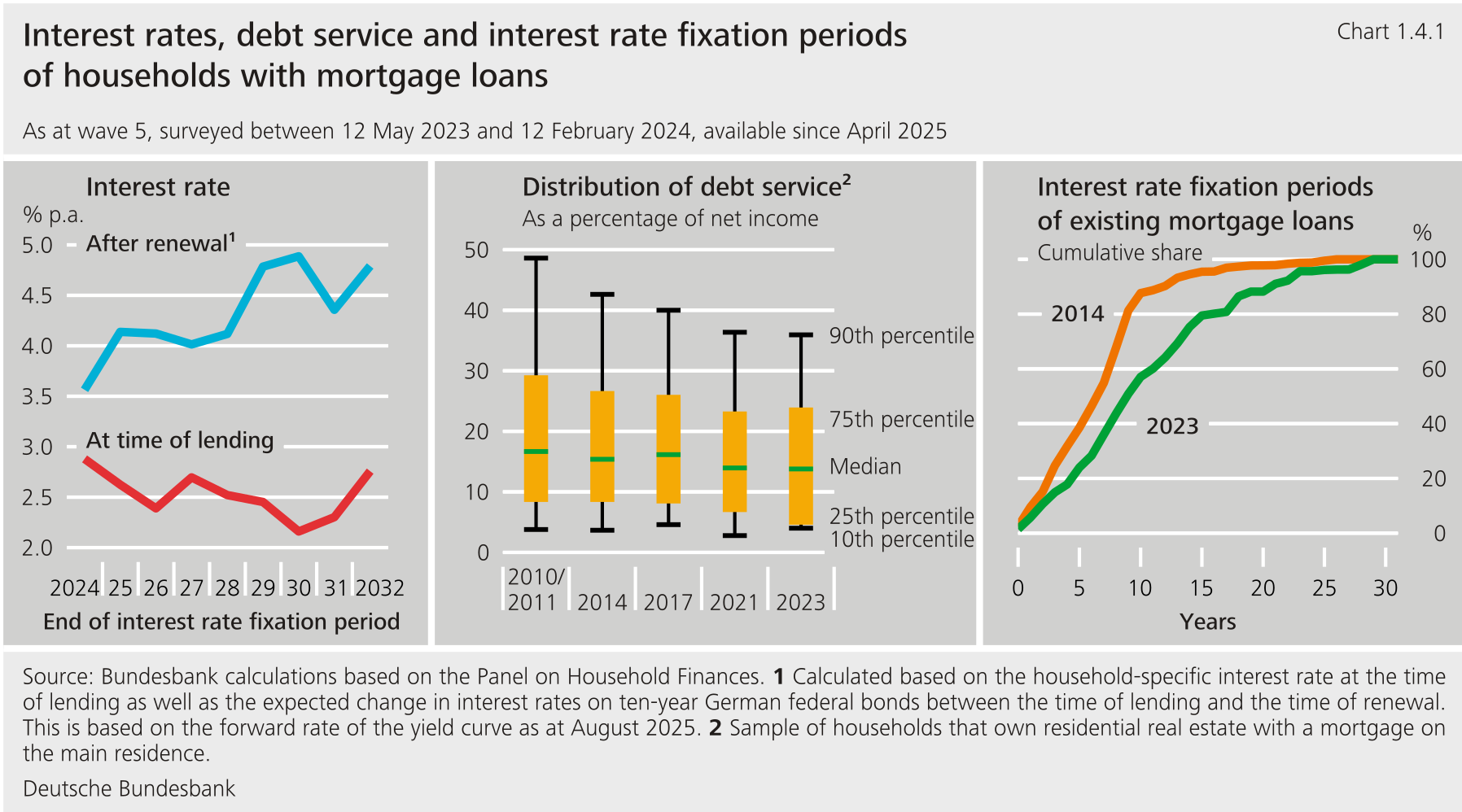
For most households, interest rate risk remains low for the time being. The risks associated with follow-up financing appear limited, as most interest rate fixation periods are long (see Chart 1.4.1). 33 By 2027, around 20 % of the outstanding volume of residential real estate loans will have to be renewed. The interest rates on these types of loans could increase from around 2.5 % at present to more than 4 % through renewal (see Chart 1.4.1). However, the additional burden caused by this will be mitigated by repayments before that time as well as higher nominal incomes. Current survey results suggest that these factors will more or less offset the additional interest burden for most households with outstanding residential real estate loans. Accordingly, the median debt service ratio continued to decline slightly in 2023 (see Chart 1.4.1). 34
The predominantly robust labour market situation is continuing to contribute to the resilience of households. Despite the sluggishness of the economy, the unemployment rate has risen only moderately in recent years. While the risk of becoming unemployed due to job loss remains low compared with previous periods of economic weakness, it has nevertheless been trending upward. At the same time, the chances of ending a period of unemployment by starting a new job are historically low. 35
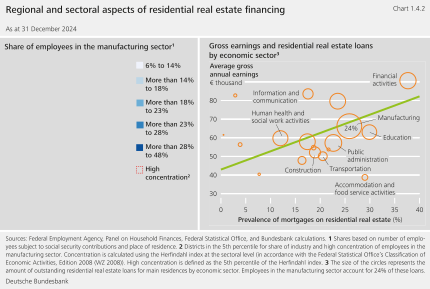
Protectionist US trade policy as well as structural challenges in the corporate sector harbour downside risks to the labour market, especially in regions with above average shares of industry. The higher US tariffs are primarily affecting firms in the manufacturing sector, as these tend to be heavily dependent on exports (see Section 1.5). The impact of tariffs on the labour market can vary considerably from region to region, as the share of employees in the manufacturing sector differs greatly across regions (see Chart 1.4.2). In addition, in some regions, employment is highly concentrated in individual or small numbers of segments within the manufacturing sector. This includes, for example, the manufacture of motor vehicles. Furthermore, compared with other employees, those in the manufacturing sector more frequently have outstanding residential real estate loans (see Chart 1.4.2). Analyses based on regional data for Germany show that, in the past, declines in employment in the manufacturing sector led to significant increases in foreclosure sales of residential real estate. Protectionist US trade policy as well as structural challenges – such as higher energy costs, difficulties associated with decarbonisation, and growing competition from emerging market economies – are likely to weigh heavily on the manufacturing sector in the future (see Section 1.5). This could increase pressure on regional labour markets and heighten the risk of rising unemployment, especially in regions with high shares of industry. As a result, this could also indirectly increase risks to financial stability arising from the household sector.
1.5 Risks from the corporate sector are likely to increase in the future
Persistently weak economic activity is having a growing impact on the fundamentals of German enterprises. Although enterprises’ capitalisation and liquidity levels remain sound across the board, the earnings situation of German enterprises appears increasingly strained. In 2024, firms’ nominal profits declined year-on-year for the first time since 2020. 36 Unlike the corporate sector as a whole, listed companies' profitability remains robust overall. Large, listed companies in Germany are strongly dependent on developments in the global economy, which proved robust up to the second quarter. Going forward, though, the United States’ protectionist trade policy is expected to weigh more heavily on the global economy – and in turn on listed companies, too. At present, it is therefore mainly the profits of small and medium-sized enterprises (SMEs) that appear to be under pressure. Generally speaking, SMEs are more dependent on the economic situation in Germany. The aggregate debt service ratio of German enterprises has also risen owing to weaker profit developments. 37 Corporate insolvencies have continued to rise, although the increase has tapered off considerably. 38 Even though sentiment among German enterprises has improved slightly since the turn of the year, business expectations remain subdued given the weakness of the economy. 39
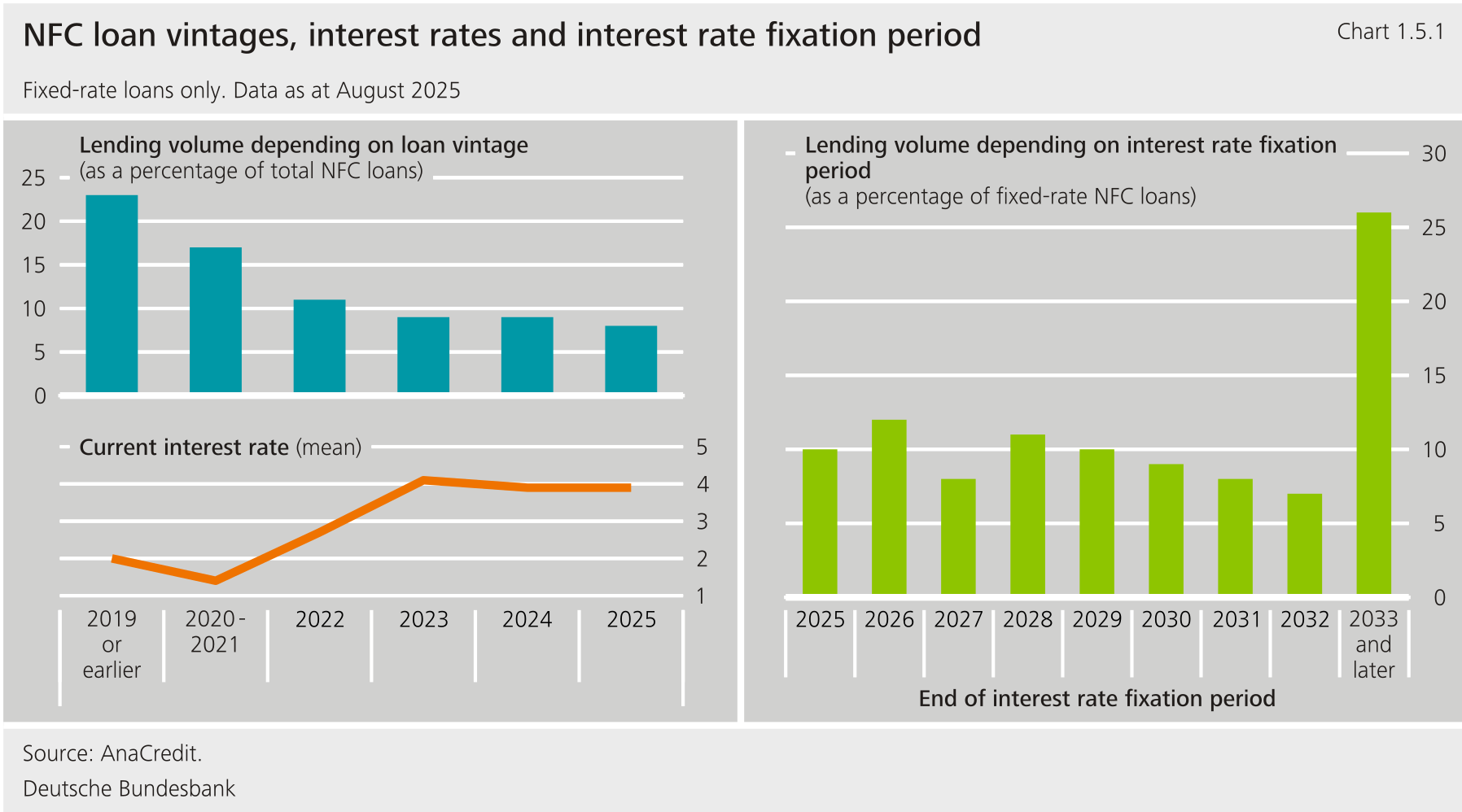
Higher interest rates compared to the period of low interest rates that came to an end in 2022 will continue to weigh on enterprises in the future. The average interest rate on new, fixed-rate loans granted to enterprises in 2025 is currently around 3.9 % (see Chart 1.5.1). 40 Consequently, interest rates on new corporate loans remain at around last year’s level and are slightly lower than in 2023. However, more than 40 % of the outstanding loans to German enterprises were taken out before the interest rate reversal in 2022 (see Chart 1.5.1). 41 Some enterprises are therefore still benefiting from very favourable financing costs, as loans taken out before the interest rate reversal have an average interest rate of just 1.7 %. This is much lower than the rates on loans that will have to be taken out over the next few years (see Chart 1.5.1). Higher interest expenditure on follow-up financing could put further pressure on German enterprises’ fundamentals.
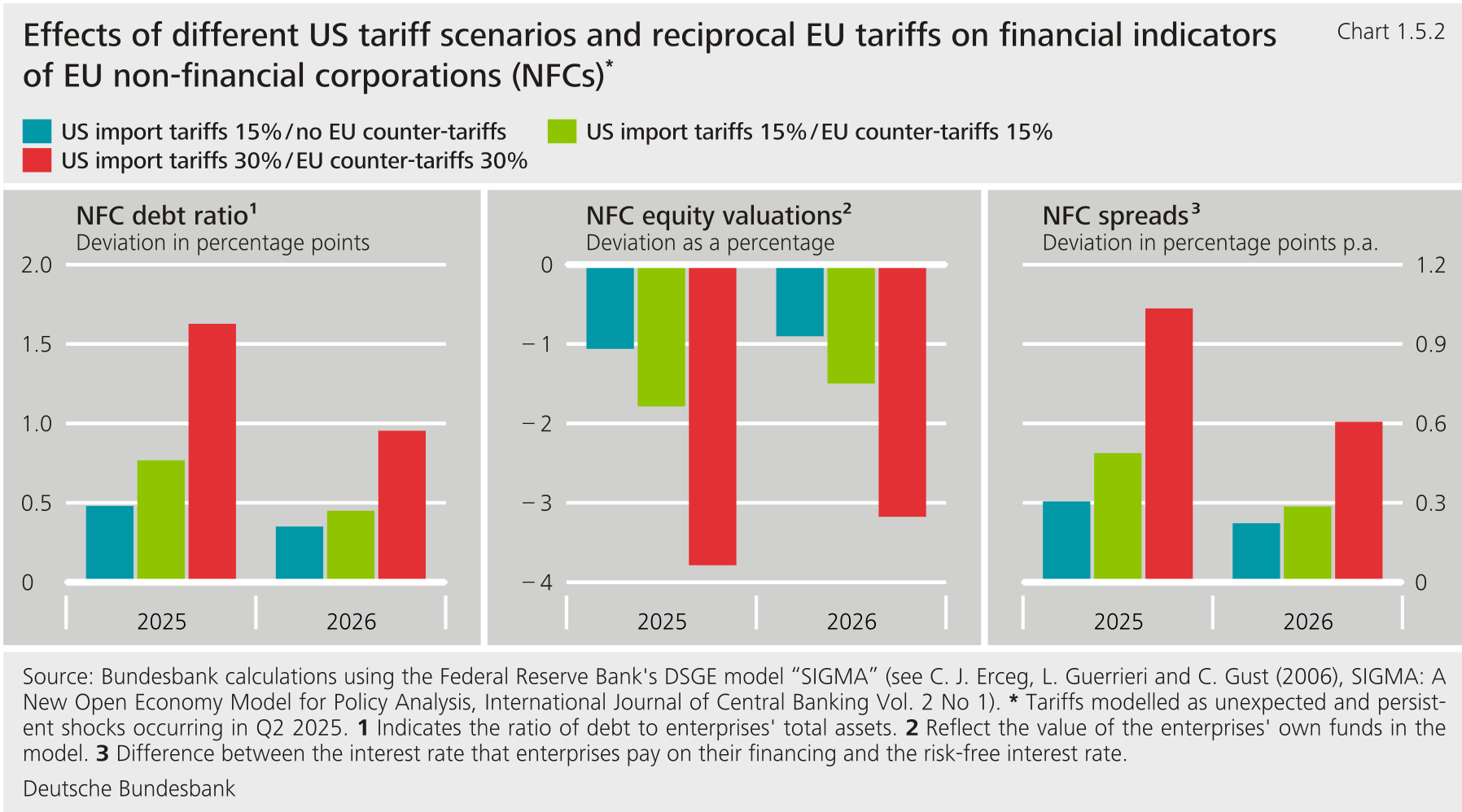
Protectionist trade policy in the US could increase financial stability risks stemming from the European corporate sector. Simulation results from a structural quantitative model show that the higher tariffs could cause the debt ratio of enterprises in Europe and corporate bond and loan spreads to rise. In addition, corporate valuations could decline (see Chart 1.5.2 and Section 5). 42 In a more adverse scenario in which the European Union imposes reciprocal counter-tariffs on US imports, the impact on these variables would be greater (see Chart 1.5.2). Should the trade conflict flare up again, the effects could be similar to those of past crises (see Chart 1.5.2). Further analyses show that the impact of higher tariffs differs significantly across sectors and regions in Germany. US tariffs could increase German enterprises’ default risk. This is especially true for firms in the automotive and mechanical engineering sectors as well as for manufacturers of electronic, IT and optical equipment as their exports to the United States are particularly substantial. 43 However, other economic sectors are also likely to be affected indirectly owing to economic ties.
Moreover, enterprises in Germany are facing pressure to adjust to structural challenges at home and abroad. The main structural challenges include demographic change, which is reducing the labour supply, intensifying competition for skilled workers and increasing pressure on wage costs; high bureaucratic burdens and difficulties associated with decarbonisation, particularly in the automotive industry; and the sharp rise in energy costs in Germany since Russia’s war of aggression against Ukraine. Moreover, increasing protectionism and greater competition from emerging market economies, especially China, are putting German enterprises under mounting pressure in global markets. This is causing the export industry to lose market share. 44 All of this is weakening the competitiveness of the German economy and significantly dampening potential growth, which is expected to average just 0.4 % per year over the next few years. These structural challenges may increase credit risk in the corporate sector, as weak growth and declining profitability could impair firms’ financial resilience and thus financial stability.
Broad-based structural reforms could counteract the structural burdens, thus reducing financial stability risks from the corporate sector over the medium term. Although the fiscal package is expected to stimulate demand, its direct impact on potential growth is likely to remain small. 45 To counteract the structural challenges at home and from abroad, it is crucial to strengthen the competitiveness of the German economy by making the necessary structural reforms. These include speeding up planning and approval procedures, cutting red tape and making public administration more efficient. At the same time, tax incentives for private investment should be increased and conditions for start-ups and research and development improved. With regard to energy costs, it is important to press ahead efficiently with the energy transition. In addition, measures are needed to sustainably strengthen the potential growth of the German economy, particularly in view of the demographic challenges. 46
Overall, risks in the corporate sector increased last year and could continue to do so in the future. The ongoing period of weakness in the German economy is increasingly putting enterprises under pressure. The changing conditions at home and abroad are weighing on Germany’s potential growth. Comprehensive structural reforms are needed to return the German economy to a higher growth path. Otherwise, the current improvement in sentiment in the corporate landscape might not last. The number of non-performing loans is likely to go up again next year, too (see Section 2).
2 Banking system: vulnerabilities and resilience
The overall risk situation for the German banking system has deteriorated in the past year on balance. In a weak economic environment, the risk of credit defaults has risen continuously. Banks have increased their loan loss allowances. In addition, surveys by the ifo Institute suggest that enterprises view banks’ lending behaviour as increasingly restrictive (see Section 1.5). In the financing of commercial real estate, risks remain elevated and could lead to further loss allowances in the loan portfolio. By contrast, interest rate risk on banks’ balance sheets, as presented in earlier financial stability reviews, has continued to decline. For example, the large, unrealised (hidden) losses on interest-bearing securities have unwound almost completely overall, not least because prices have recovered.
2.1 Risks in lending business are rising moderately
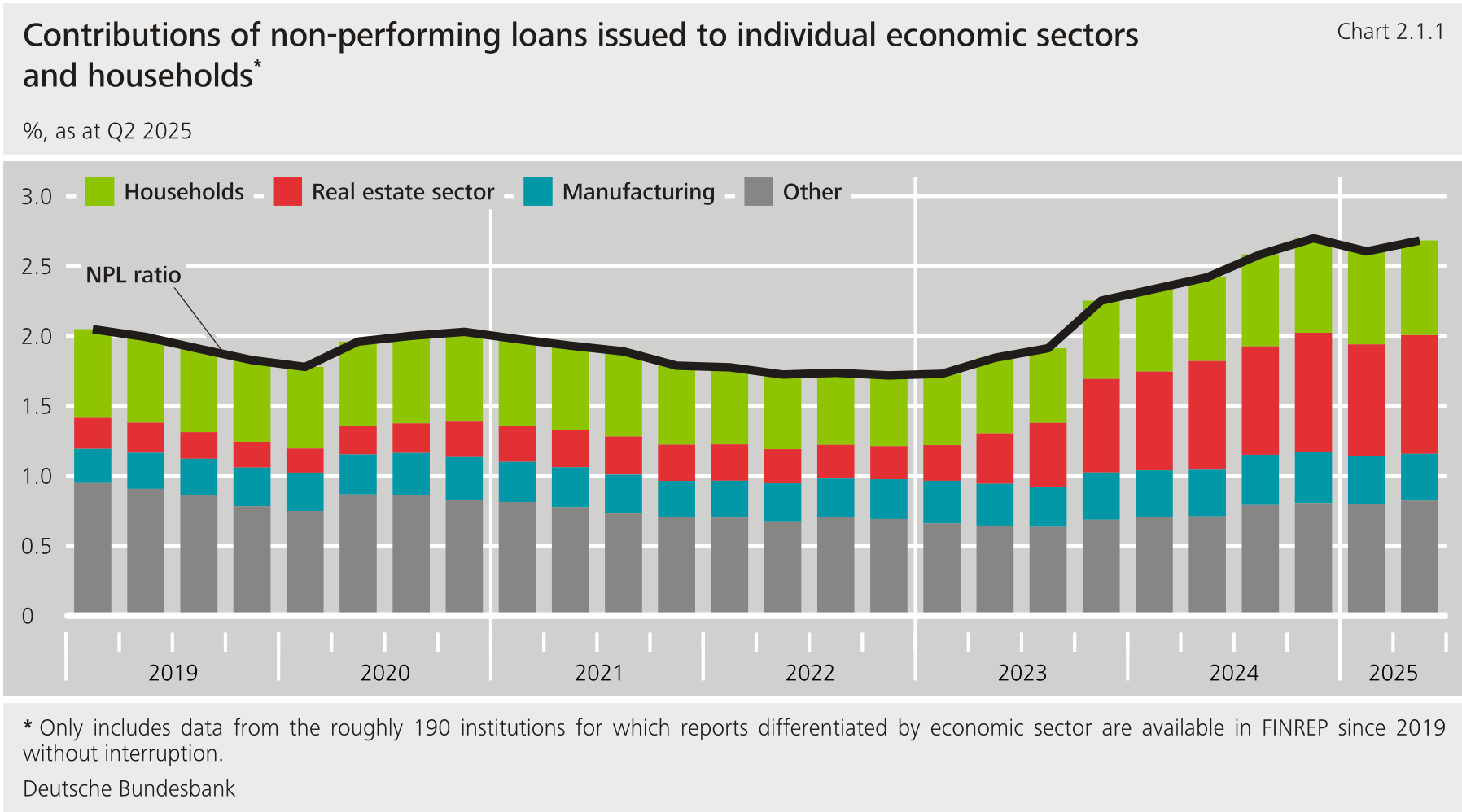
The non-performing loans ratio 47 has risen significantly from its low at the end of 2022 (see Chart 2.1.1). Most of this increase was due to loans to the real estate sector at first. Now non-performing loans are increasing more broadly due to the weakness in economic activity. The non-performing loans ratio seemed to be in decline at the beginning of 2025, but this was due to a few large banks scaling back non-performing US real estate loans. Non-performing loans increased again in the second quarter.
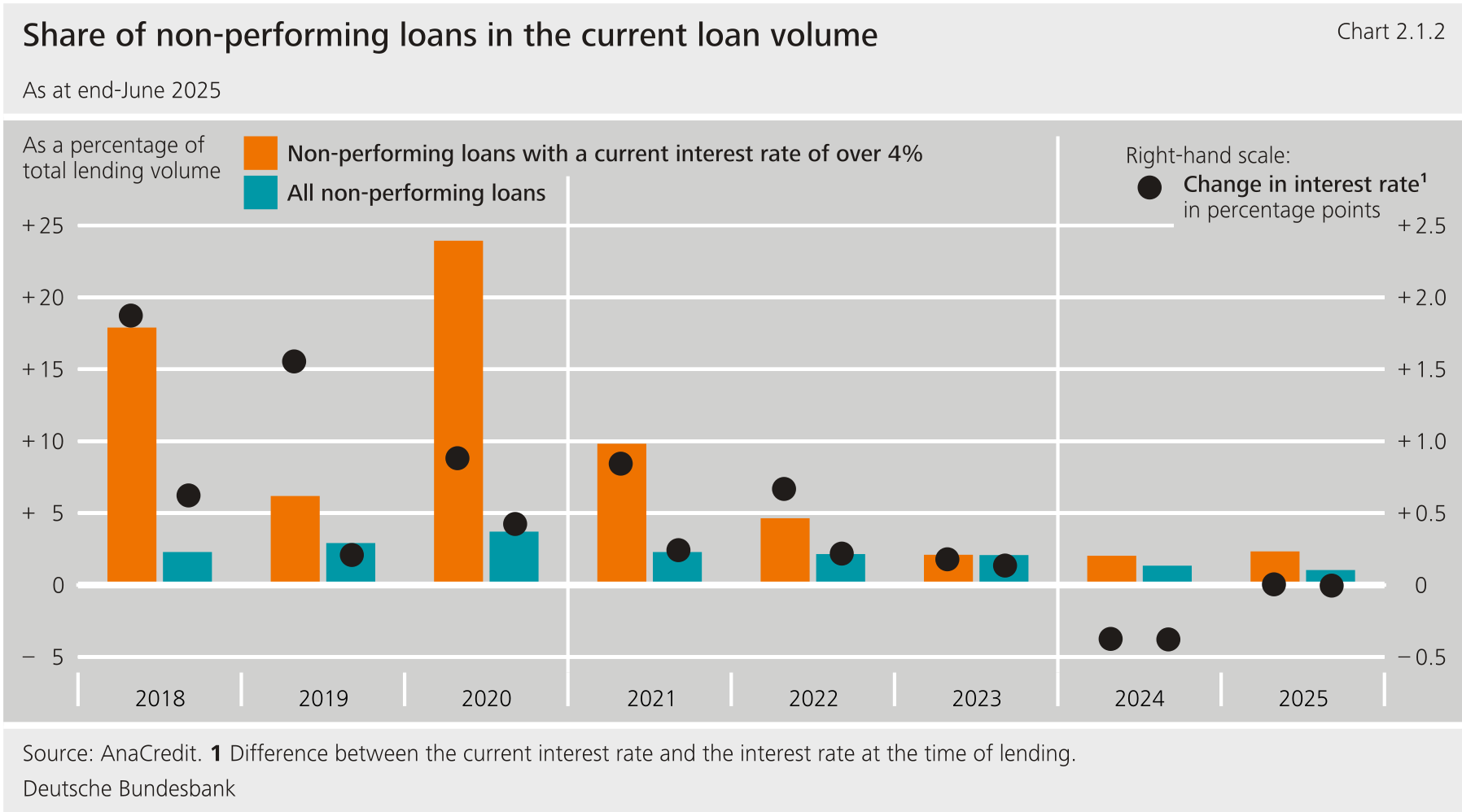
Higher lending rates are also likely to have contributed to the rising credit defaults. Particularly older loans whose interest rates have been adjusted to current interest rate levels over their lifetime are defaulting more often (see Chart 2.1.2). Loans granted in 2021, the year before interest rates increased, have an aggregate default rate of around 2 %. By contrast, loans with a current interest rate of more than 4 % have a default rate of around 10 %. This subset of loans has also seen far greater changes on average to their interest rates, which have been adjusted by 0.8 percentage point compared to 0.2 percentage point for non-performing loans as a whole.
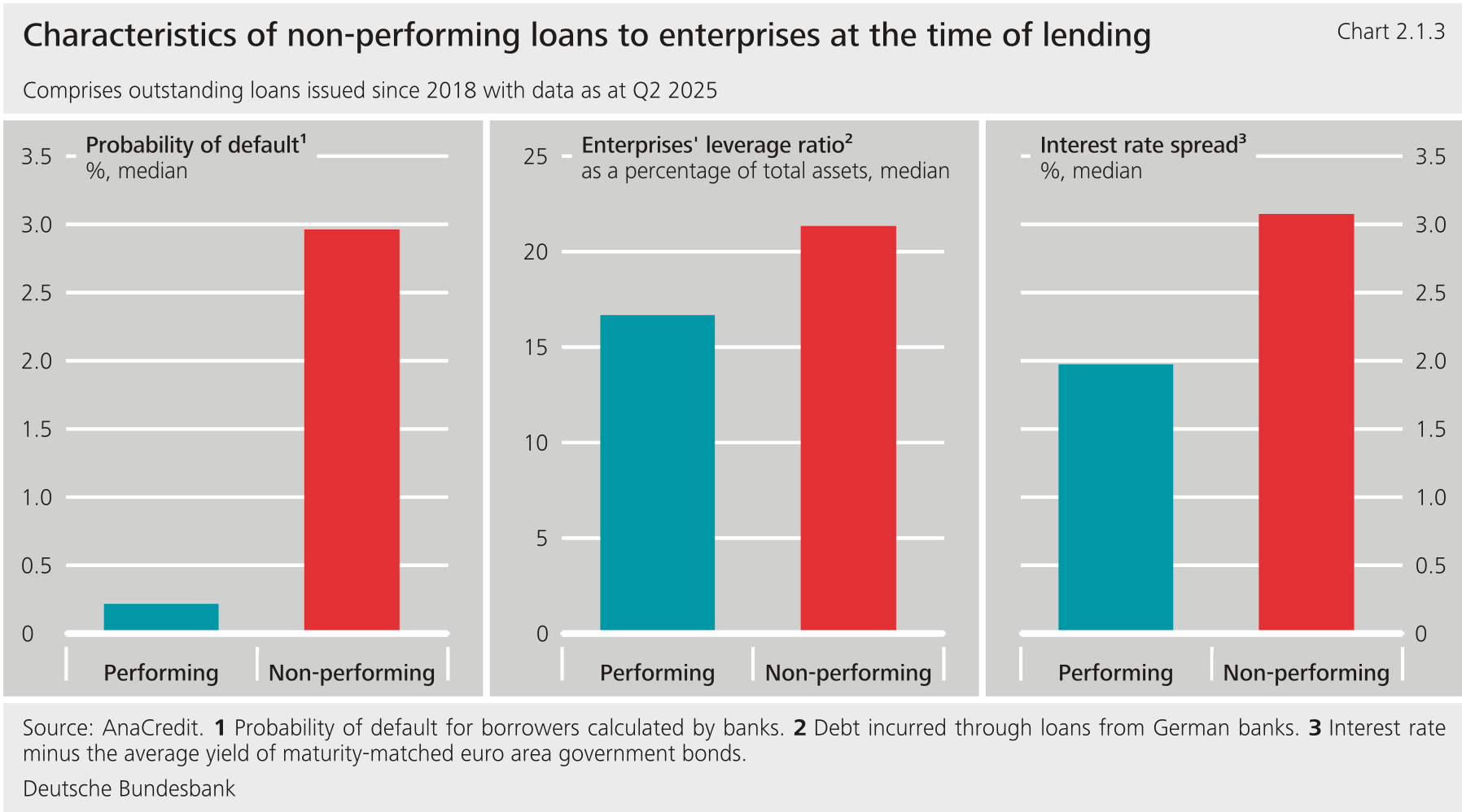
Many defaulted loans to enterprises were already comparatively risky at the time of lending and were also priced higher by banks accordingly. This is why loans that later defaulted were generally already far more likely to default at the time they were granted, compared with the average for performing loans (see Chart 2.1.3). These firms also had a slightly higher leverage ratio at the time of lending. However, this alone probably cannot explain the increased risk of default. Given the above average risks, credit terms and conditions for these enterprises are significantly more restrictive from the outset than for healthy firms.
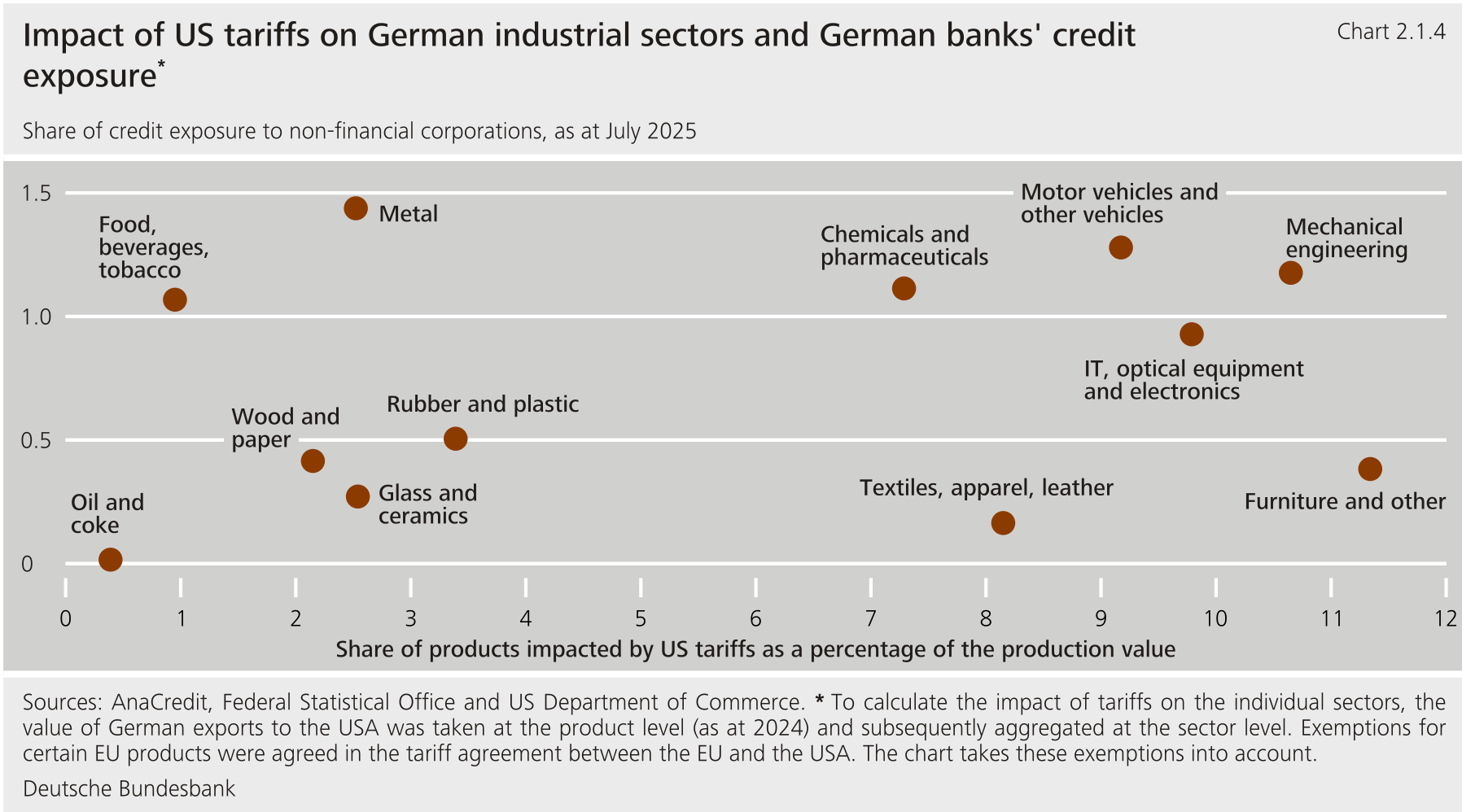
US tariffs are likely to have no more than a limited impact on banks’ credit risk. Export-oriented enterprises, particularly those in the chemicals and pharmaceuticals sectors, the automotive and mechanical engineering sectors, and the IT, optical equipment and electronic sectors, are vulnerable to the consequences of the new tariffs regime. Nevertheless, these enterprises account for only a moderate share of the total loan volume granted by German banks to non-financial corporations (see Chart 2.1.4 and Section 5). This is partly because many large enterprises do not obtain financing primarily from banks, but instead directly from the capital markets. Overall, credit institutions’ loans to the manufacturing sector constituted 9 % of total loans to enterprises in the second quarter of 2025.
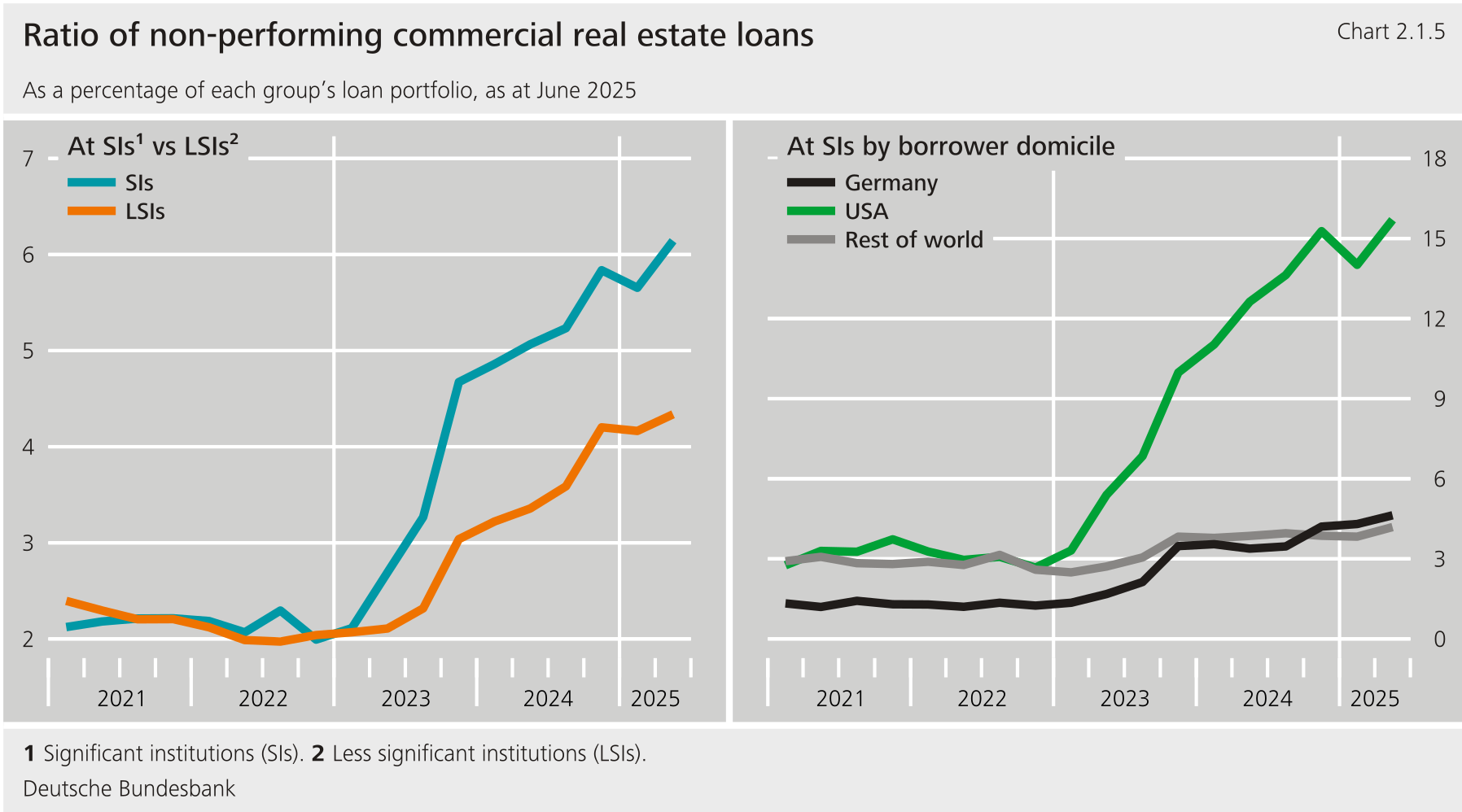
Default risks for commercial real estate loans remain significantly elevated. The ratio of non-performing loans in the commercial real estate sector rose significantly following the increase in interest rates in 2022. Systemically important banks, in particular, which are on balance more exposed to the particularly distressed US real estate sector, show higher default rates overall (see Chart 2.1.5). However, the increase in non-performing loans was also considerable for less significant institutions (LSIs). Default rates appeared to flatten at the beginning of 2025, after individual banks scaled back some of their non-performing US real estate loans (see Chart 2.1.5, right-hand panel). Nevertheless, the ratio of non-performing loans for commercial real estate rose again in the second quarter.
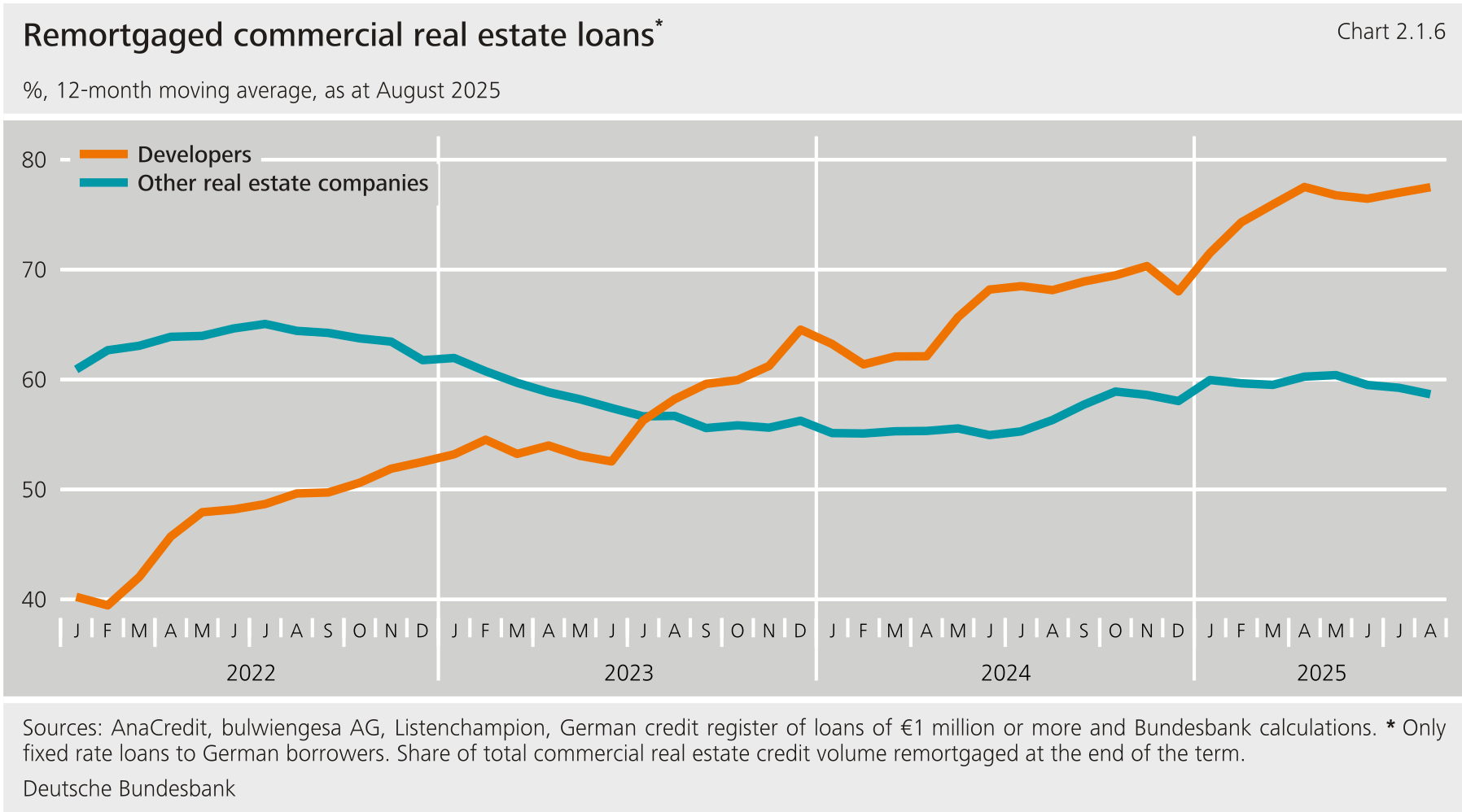
Project developers, in particular, are vulnerable to more expensive follow-up financing, which may have been a factor in the rising default rates. Loans to project developers represent a significant share of commercial real estate loans, at 16 %. The share of loans to project developers that are remortgaged at the end of the term has almost doubled over the past four years and now stands at 80 % (see Chart 2.1.6). 48 The increase could indicate that firms are having difficulty selling their properties as planned.
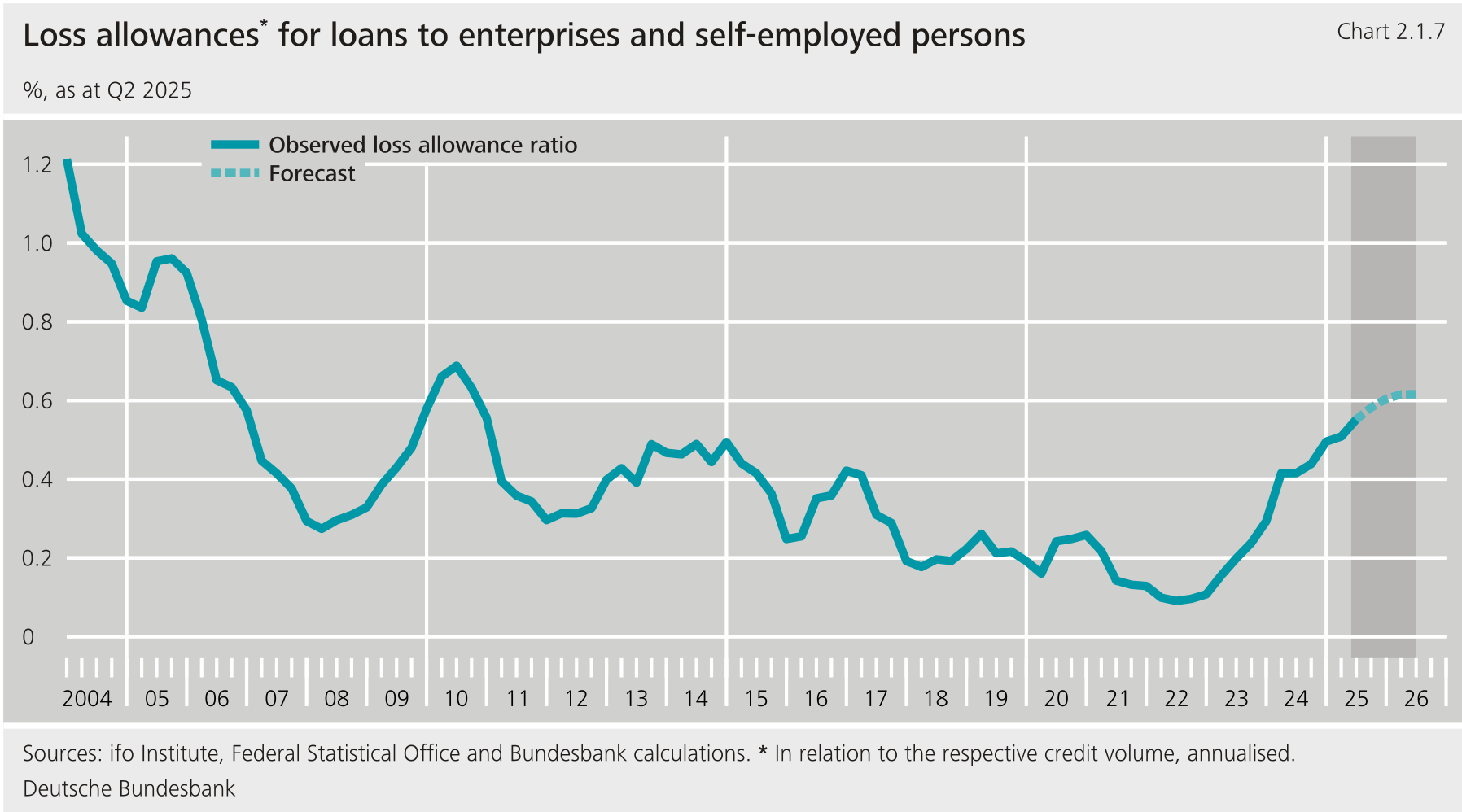
Corporate lending business more generally is also likely to see loss allowances continue to rise moderately. This is indicated by Bundesbank calculations based on a vector autoregressive model (see Chart 2.1.7). 49 The manufacturing sector will presumably be the most affected by the current bout of economic weakness and US tariff policy. However, loss allowances are unlikely to be exceptionally high overall next year by historical standards. The expected losses are likely to be manageable for the majority of banks and to be covered by profits or capital reserves.
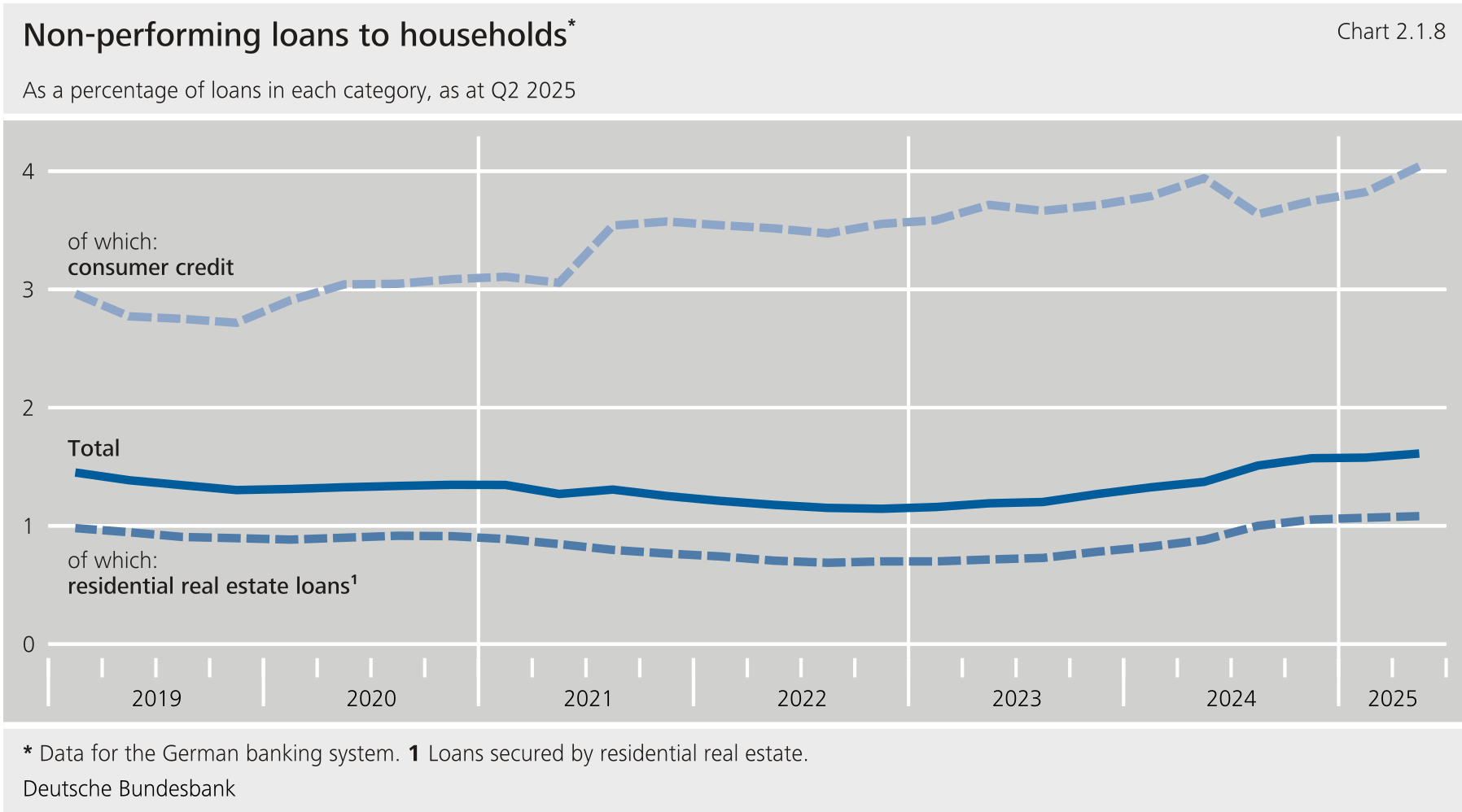
Credit risk has also increased among households over the course of 2025. After bottoming out at the end of 2022, the non-performing loans ratio in this sector rose moderately by around 0.5 percentage point to 1.6 % at the end of the first half of 2025 (see Chart 2.1.8). Residential real estate loans, in particular, which account for around 85 % of the lending volume to households, have contributed to this increase. However, the ratio of non-performing residential real estate loans remains low and stood at just over 1 % at the end of June 2025. It was thus well below that of consumer credit, which stood at roughly 4 %.
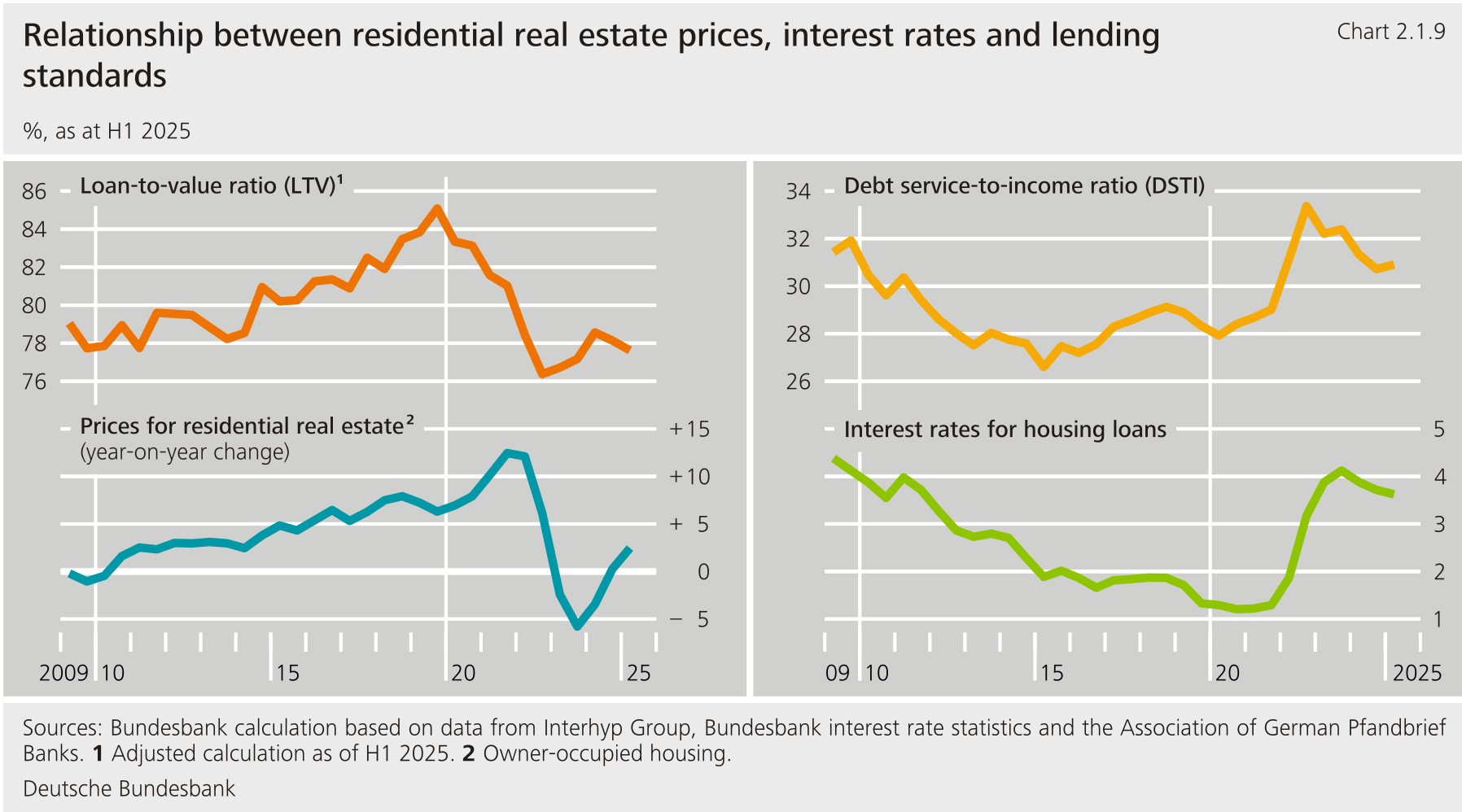
With lending standards remaining largely unchanged overall, vulnerabilities in new residential real estate financing are moderate. According to the Bundesbank’s calculations, which are based on data from Interhyp Group and weighted with data from the Socio-Economic Panel (SOEP), households contributed an equity share of slightly more than one-fifth on average to new residential real estate financing in the first half of 2025. The debt service-to-income (DSTI) ratio stood at 31 % on average. A considerable share of new loans have a comparatively high loan volume of more than 90 % of the real estate value (this ratio is referred to as the loan-to-value ratio, or LTV). In the first half of 2025, the share of such loans stood at 25 %. The share of new loans with an elevated debt service is also comparatively high, with 16 % of loans exhibiting a DSTI ratio greater than 40 %.
DSTI and LTV have developed differently since 2020. While the average LTV has recently risen again somewhat following a significant decline, the DSTI has declined following a sharp increase (see Chart 2.1.9). Initially, higher house prices and interest rates led to higher debt service, and the average DSTI increased. However, the DSTI has been on the decline again since interest rates began to fall and incomes have risen. Lower prices in the wake of the turnaround in interest rates in 2022 were also accompanied by lower household borrowing and falling LTVs. Since the recovery in house prices, debt in new lending has risen again and thus so, too, has the LTV. This development needs to be monitored closely, as the residential real estate market is currently picking up momentum and there is still uncertainty surrounding lending standards. This could result in a reassessment of the risks arising from residential real estate financing.
In future, the collection of data on housing loans will serve as a basis for macroprudential monitoring of residential real estate financing. Since 2023, banks and insurers have been reporting their lending standards for residential real estate financing to the Bundesbank under the WIFSta (Wohnimmobilienfinanzierungsstatistik) framework. However, implementation was not smooth at the beginning and the data had significant shortcomings. The Bundesbank subsequently agreed on measures with the reporting institutions to remedy these shortcomings. Since then, reporting institutions have improved their overall implementation of the prescribed definitions, but further adjustments are necessary. To this end, the Bundesbank and BaFin are in contact with the reporting entities.
2.2 Large stocks of government debt could result in market value losses in the bond portfolio
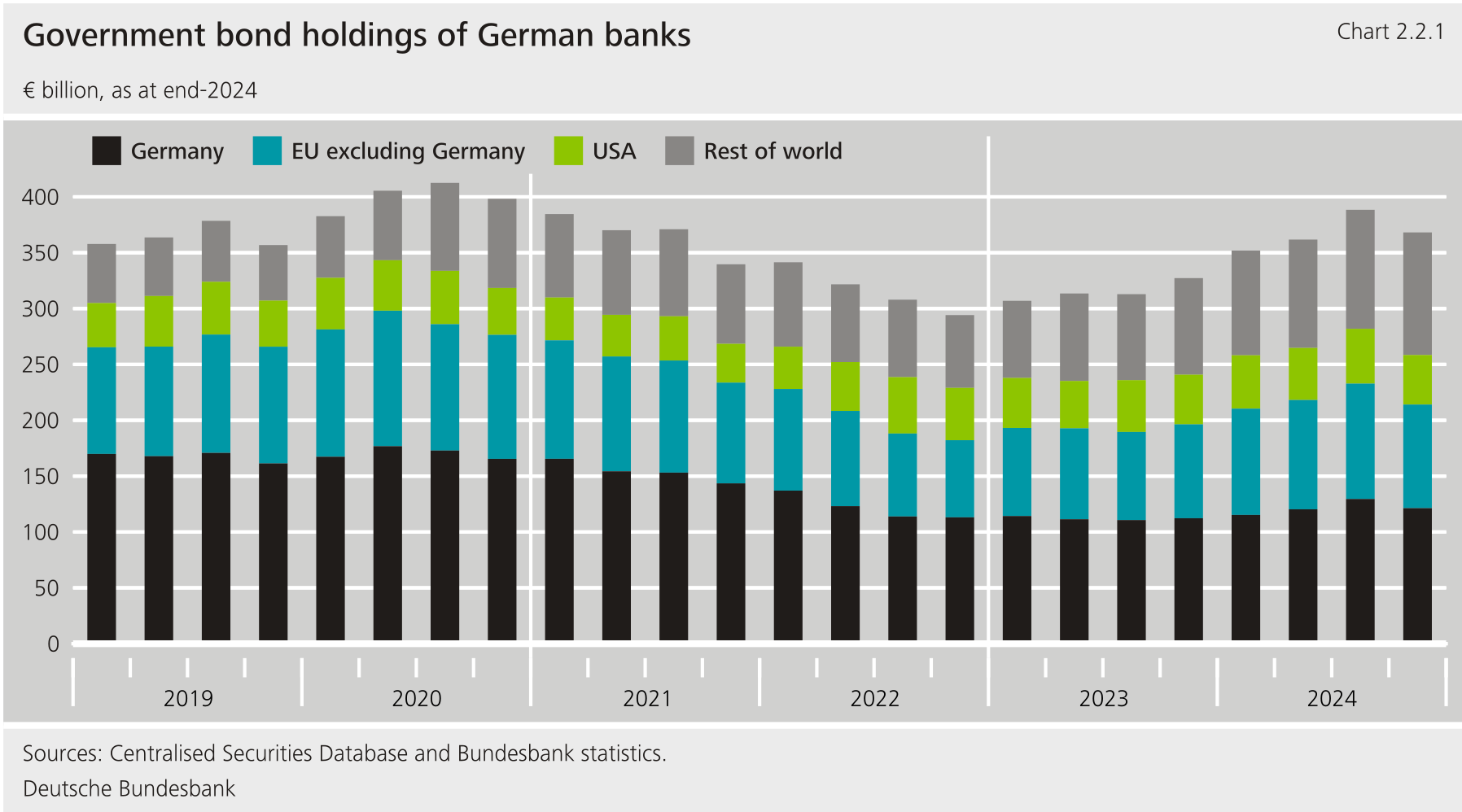
The current debate surrounding the debt sustainability of some European countries and the United States is bringing market risk at German banks into focus (see Section 1.2). Overall, German banks hold around €368 billion in government bonds, which corresponds to 3.6 % of their total assets (see Chart 2.2.1). This is below average compared with the mean of 4 % for EU banks. The total portfolio of securities, including corporate bonds, equities and fund shares, amounts to €1,410 billion (around 14 % of total assets). The share of government bonds in total assets appears moderate. However, market value losses often occur unexpectedly. The risk of contagion effects between financial intermediaries is thus also high.
Since the beginning of 2019, the share of German government bonds in German banks’ government bond portfolio has fallen by 14 percentage points. At the end of 2024, it stood at only 33 %. While the share of EU government bonds (excluding Germany) and US government bonds has remained virtually constant (at 25 % and 12 %, respectively), the share of other government bonds has almost doubled. At the end of 2024, this share stood at 30 %. This means that banks have tended to increase the share of higher-yielding bonds. However, a higher yield on government bonds is often associated with a lower credit quality, resulting in an increased risk of changing spreads. Spread risks materialise when a bond's spread over low-risk benchmarks changes. Spreads can widen owing to a deterioration in an issuer’s creditworthiness, lower market liquidity or macroeconomic uncertainties.
Bundesbank analyses show that direct losses from an increase in bond yield spreads would probably be limited. Two stress scenarios were examined for the entire German banking system for this purpose. The first, narrower scenario is a situation in which market participants reassess the default risks of European government bonds, and yield spreads widen accordingly depending on their riskiness. For ten-year A-rated government bonds, the yield spread over relatively safe Bunds widens by 90 basis points in this scenario. An increase of this magnitude was observed, for example, during the euro crisis from 2010 onwards.
The second, broader scenario assumes that rising financing costs affect not only governments but also the European corporate sector. Accordingly, yield spreads also widen for corporate bonds depending on their rating, for example by 150 basis points for A-rated five-year bonds. All corporate equities lose 30 % in value across the board.
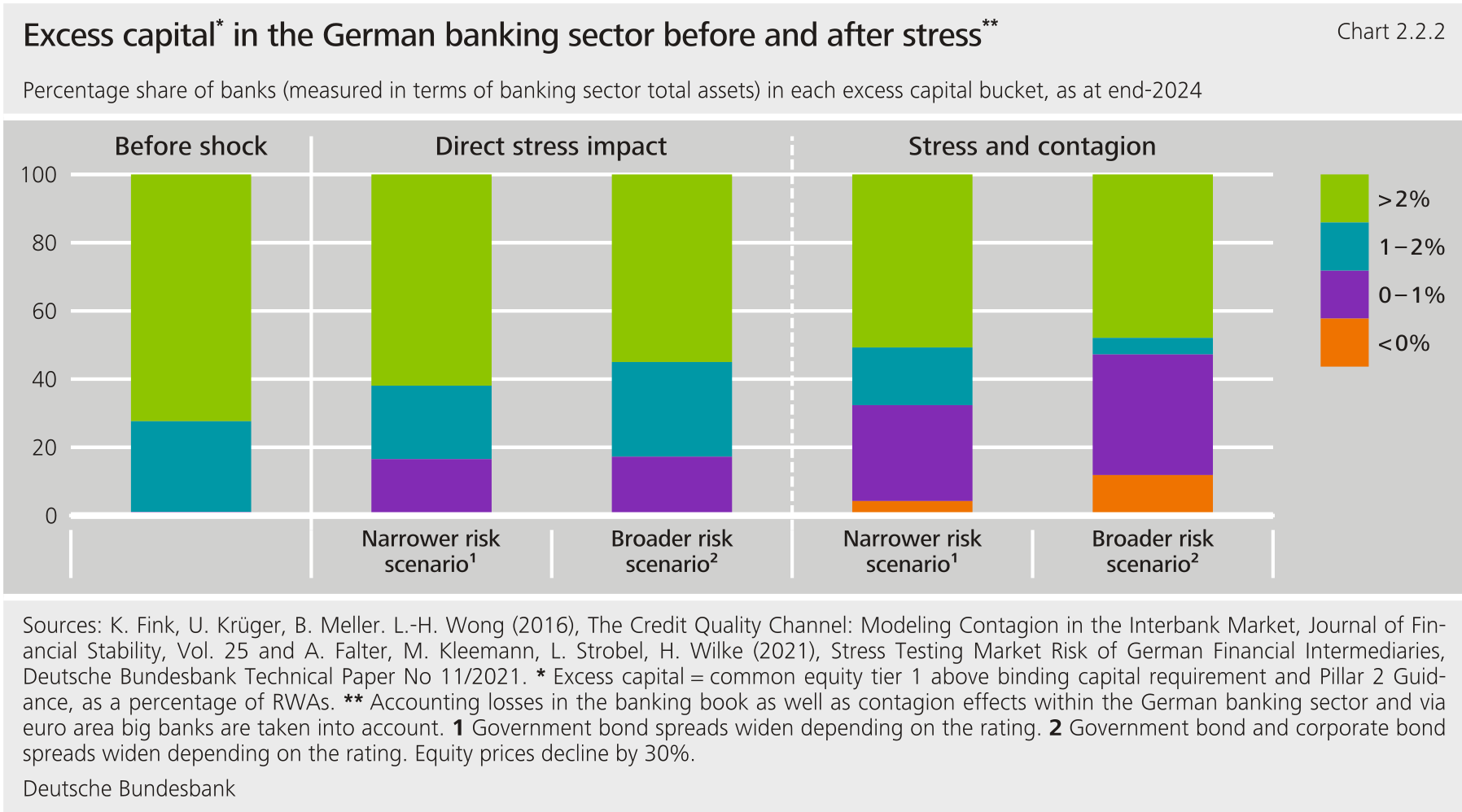
In the first, narrower risk scenario, the resulting accounting losses would significantly reduce excess capital (see Chart 2.2.2). Excess capital is defined as banks’ common equity tier 1 (CET1) capital less the amounts arising from the binding capital requirements including capital buffers and Pillar 2 Guidance. In the scenario in question, around 16 % of banks, weighted by total assets, would be relatively weakly capitalised, as they would have less than 1 % of their risk-weighted assets as excess capital (see Chart 2.2.2). In the second, broader scenario, this share would increase to 17 %.
Potential contagion effects amongst euro area banks could significantly amplify first-round effects. A contagion scenario considered that market value losses at one bank also indirectly affect the capital ratios of other banks it is interconnected with. 50 In this scenario, creditor banks’ capital requirements increase if the creditworthiness of the debtor bank declines, for example due to losses in the securities portfolio. In the narrower scenario, around 32 % of banks would be weakly capitalised as a result of the inclusion of such contagion effects, leaving them with excess capital of less than 1 % of risk-weighted assets (see Chart 2.2.2). In the broader scenario, 47 % of banks would be weakly capitalised, while 12 % would actually be undercapitalised. The contagion effects stem mainly from large losses incurred by European banks with large holdings of government bonds issued by their home country.
2.3 Banks’ liquidity positions are good overall but they have vulnerabilities
Banks’ liquidity positions are good and vulnerabilities to liquidity shortages are low overall. Alongside stable financing, the availability of sufficient liquid funds is a prerequisite for a stable banking system. This ensures that banks remain solvent, even if a portion of investors withdraw their funds in times of crisis. Regulatory rules on maintaining an adequate liquidity coverage ratio (LCR) require institutions to hold a sufficient liquidity buffer in the form of high-quality liquid assets (HQLA) to remain solvent for 30 days in a prudential stress scenario. At 163 %, the German banking system's aggregate LCR is significantly higher than the required minimum ratio of 100 %.
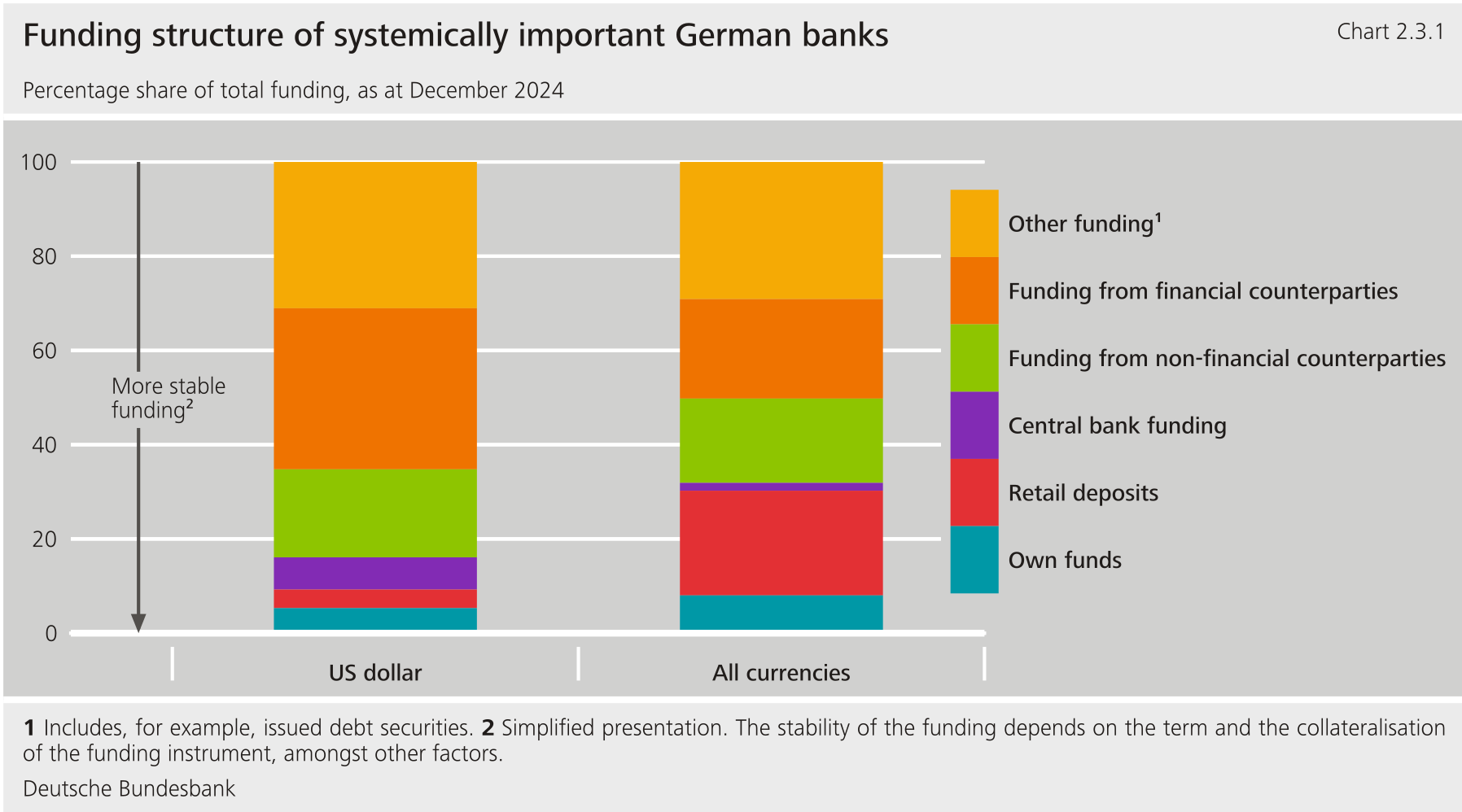
The financing of US business differs significantly from that of other business. The US market is important to systemically important banks, which obtain relatively substantial funding there from financial counterparties such as banks, funds and similar institutions (see Chart 2.3.1). These tend to withdraw their deposits quickly in crisis situations. By contrast, the share of retail deposits (households, small enterprises), which are considered to be more stable, is small. However, this does not lead to higher vulnerabilities for banks, provided that funding markets function smoothly. This is because if funding is suddenly withdrawn, banks have additional liquid funds in US dollars in addition to their HQLA that they can use to cover their liquidity needs.
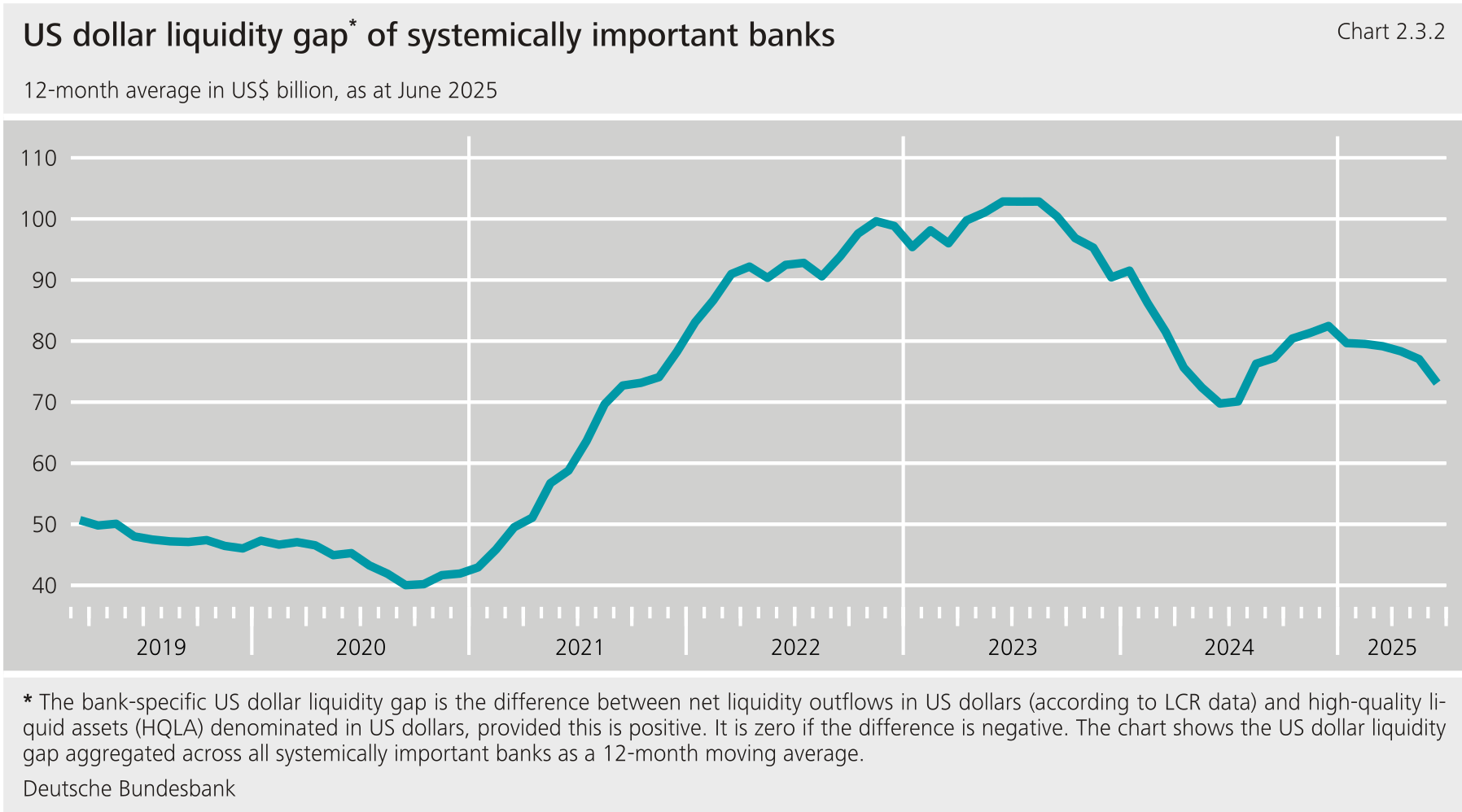
However, as the market turmoil at the end of February 2020 has shown, German and European banks are vulnerable to disruptions in US dollar funding markets. At that time, the swap lines between central banks played a key role in calming the markets. 51 The existing liquid assets in US dollars would currently also potentially be insufficient to fully service outflows of funding in US dollars in a stress scenario. If, for example, the liquidity flows of the LCR calculated under regulatory stress scenarios are used, German banks are subject to a currency-specific liquidity gap for the US market of just over US$70 billion (see Chart 2.3.2). In the stress scenario considered here, the existing stock of HQLA in US dollars would therefore be insufficient to service outflows of funding in US dollars. 52 The liquidity gap is in decline, though, having stood at just over US$100 billion in mid-2023. In addition to regulatory HQLA, banks have additional liquid assets that they can use to cover financial outflows. These can be used to narrow the liquidity gap in the event of stress, meaning that the results shown here tend to represent an upper limit for potential liquidity needs in US dollars in a stress scenario.
2.4 Banks’ resilience and profitability have continued to develop positively, but risks could be underestimated
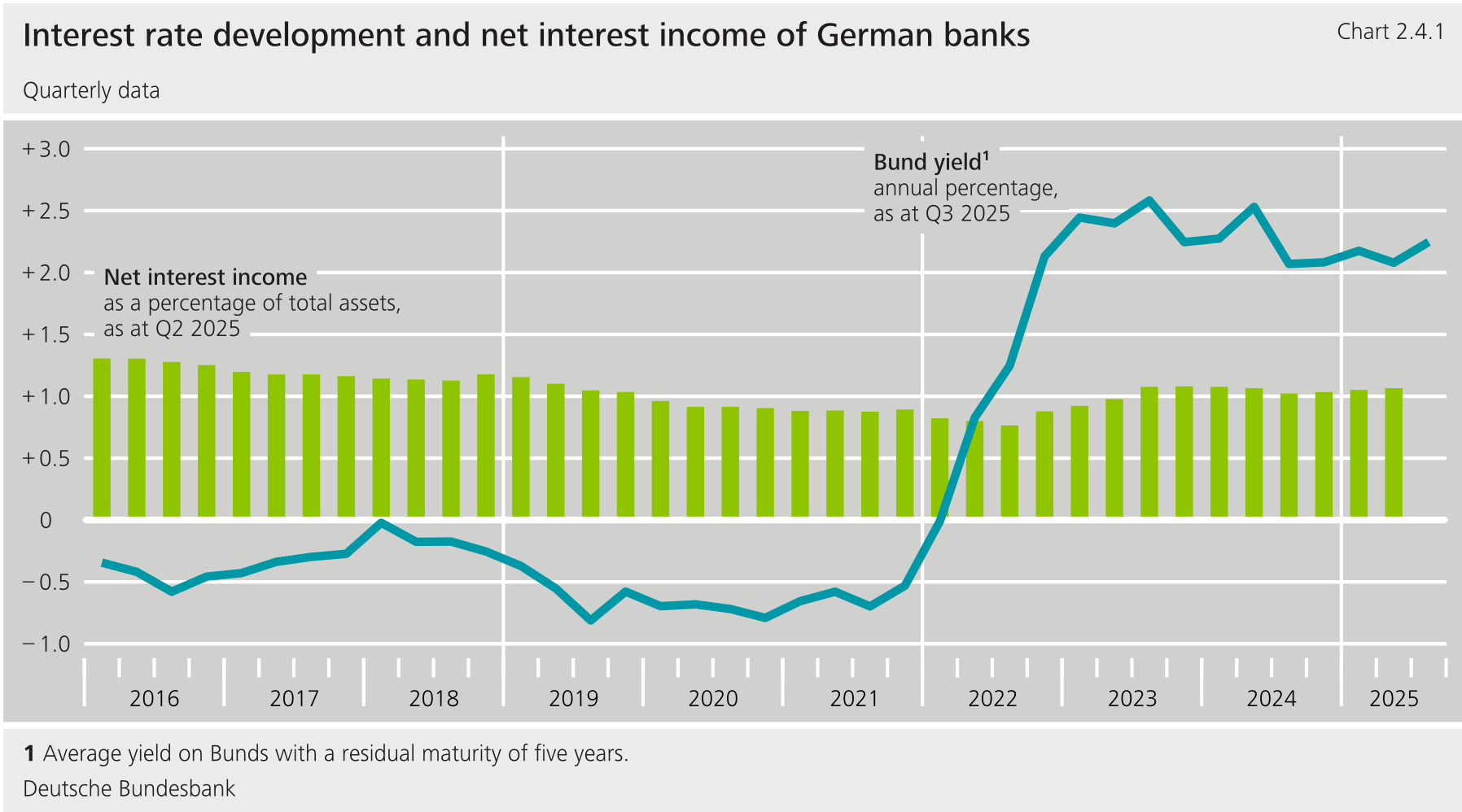
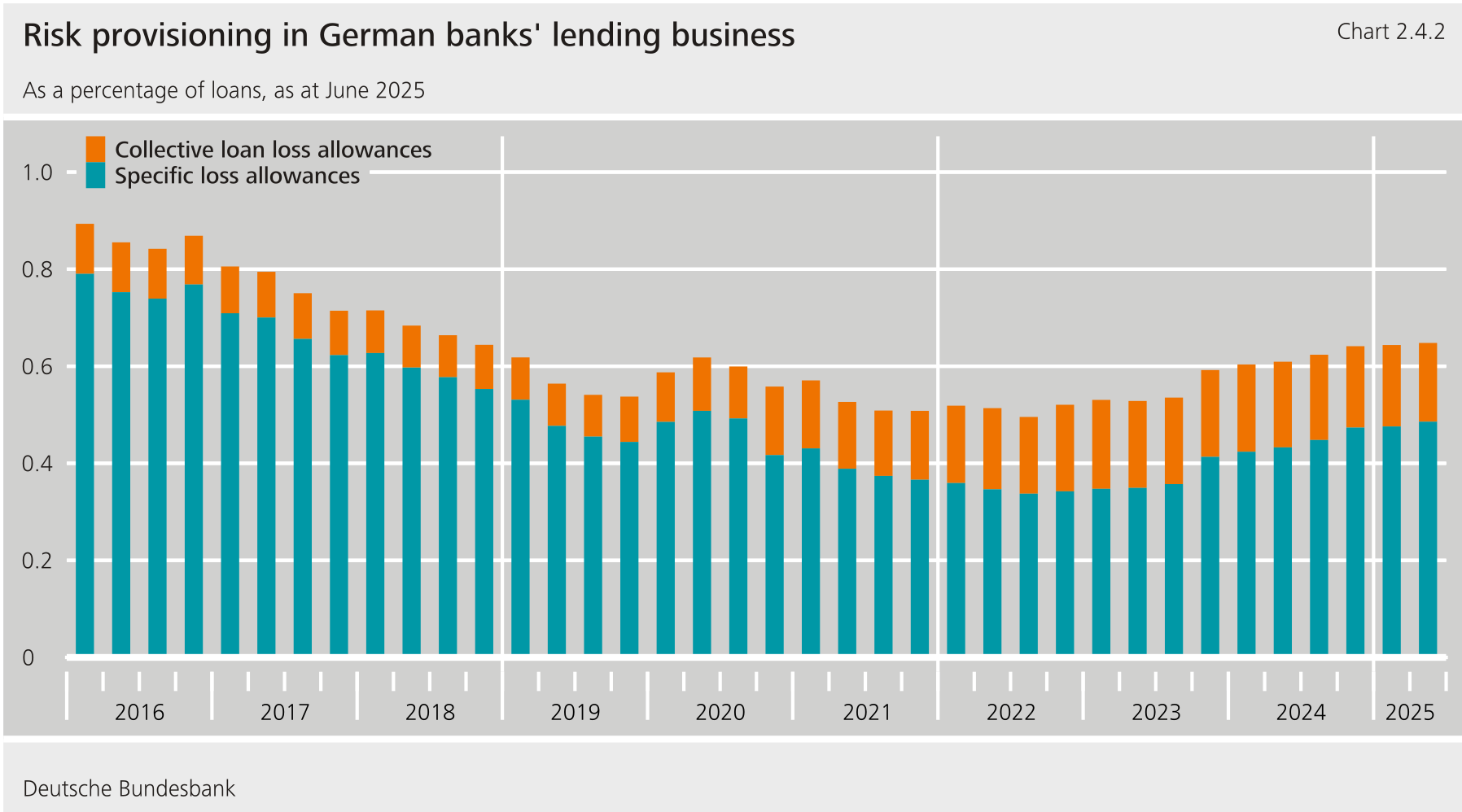
Rising lending rates have supported banks’ earnings, but increasing loss allowances could weaken this positive trend. The rise in interest rates in 2022 had a positive impact on banks’ net interest income (see Chart 2.4.1). While interest income from lending has increased significantly, interest expenditure has risen less sharply than expected. 53 Banks’ interest rate spread is still high but it might narrow in future due to the lower key interest rates. The increase in the second quarter of 2025 was the result of an improved performance by systemically important banks, which probably benefited more from lower short-term interest rates in their refinancing operations. At the same time, losses in lending business are growing continuously. For example, the ratio of specific loss allowances to the lending volume has surpassed its mid-2022 low by more than 0.1 percentage point but is still at a relatively low level of just over 0.6 %. Collective loss allowances started rising sooner than specific loss allowances (see Chart 2.4.2) and have been declining again slightly since the end of 2024. While specific loss allowances are usually only recognised when loans turn non-performing, collective loss allowances are set aside to cover latent credit risk.
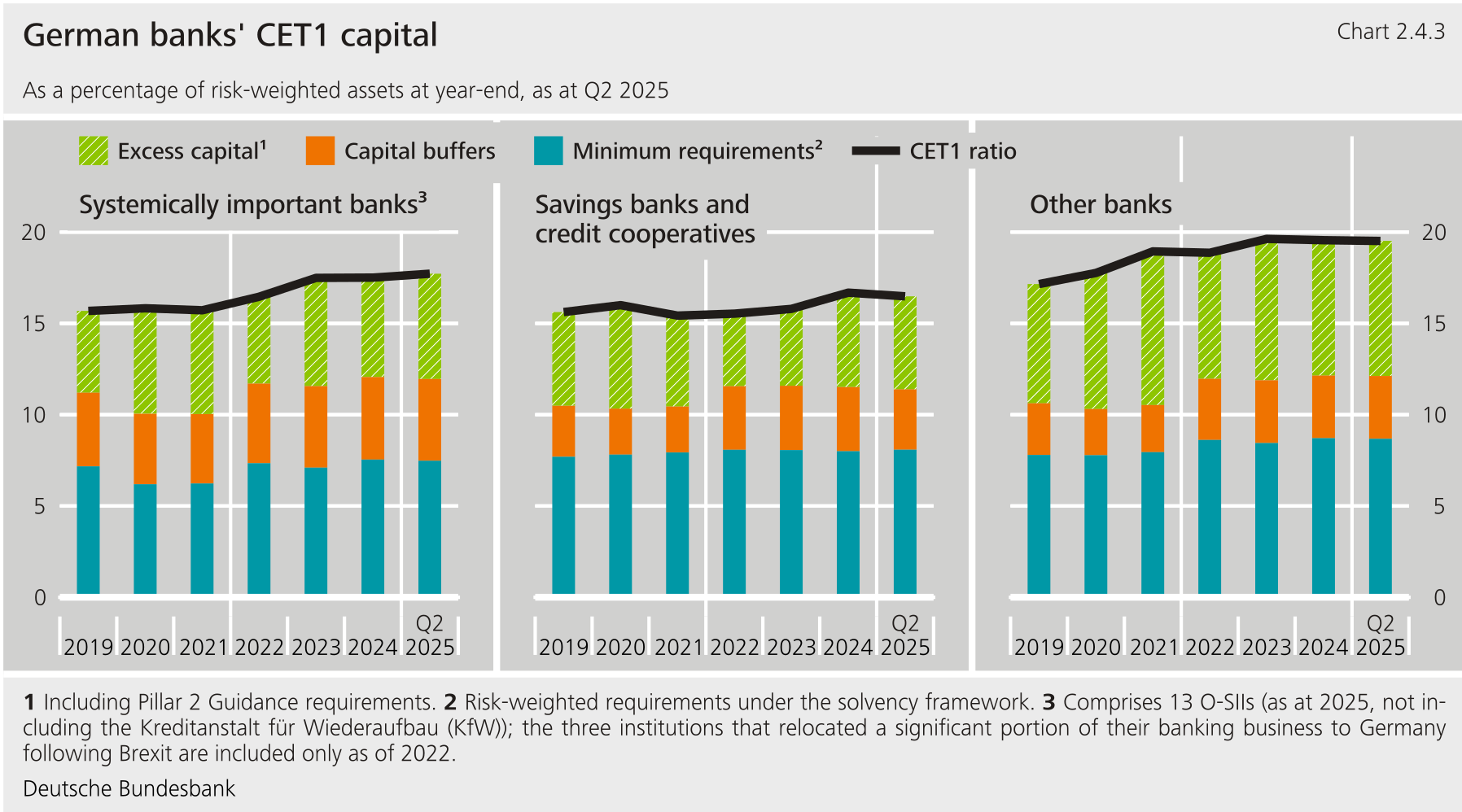
Regulatory capital adequacy in the banking system is good, with systemically important banks in particular having benefited from low risk weights. Thanks in part to the capital buffers, in particular the CCyB and the sSyRB, capital ratios are well above the minimum requirements, both for systemically important banks as well as for savings banks, cooperative banks and other banks (see Chart 2.4.3). The regulatory capital ratio is calculated as the ratio of regulatory capital to risk-weighted assets. Systemically important banks calculate risk weights for their assets using an advanced approach that allows them to use their own risk models. Calculations in these risk models are based on actual defaults that occurred in the past. However, as these were fairly low, the risk weights derived from them could be on the low side.
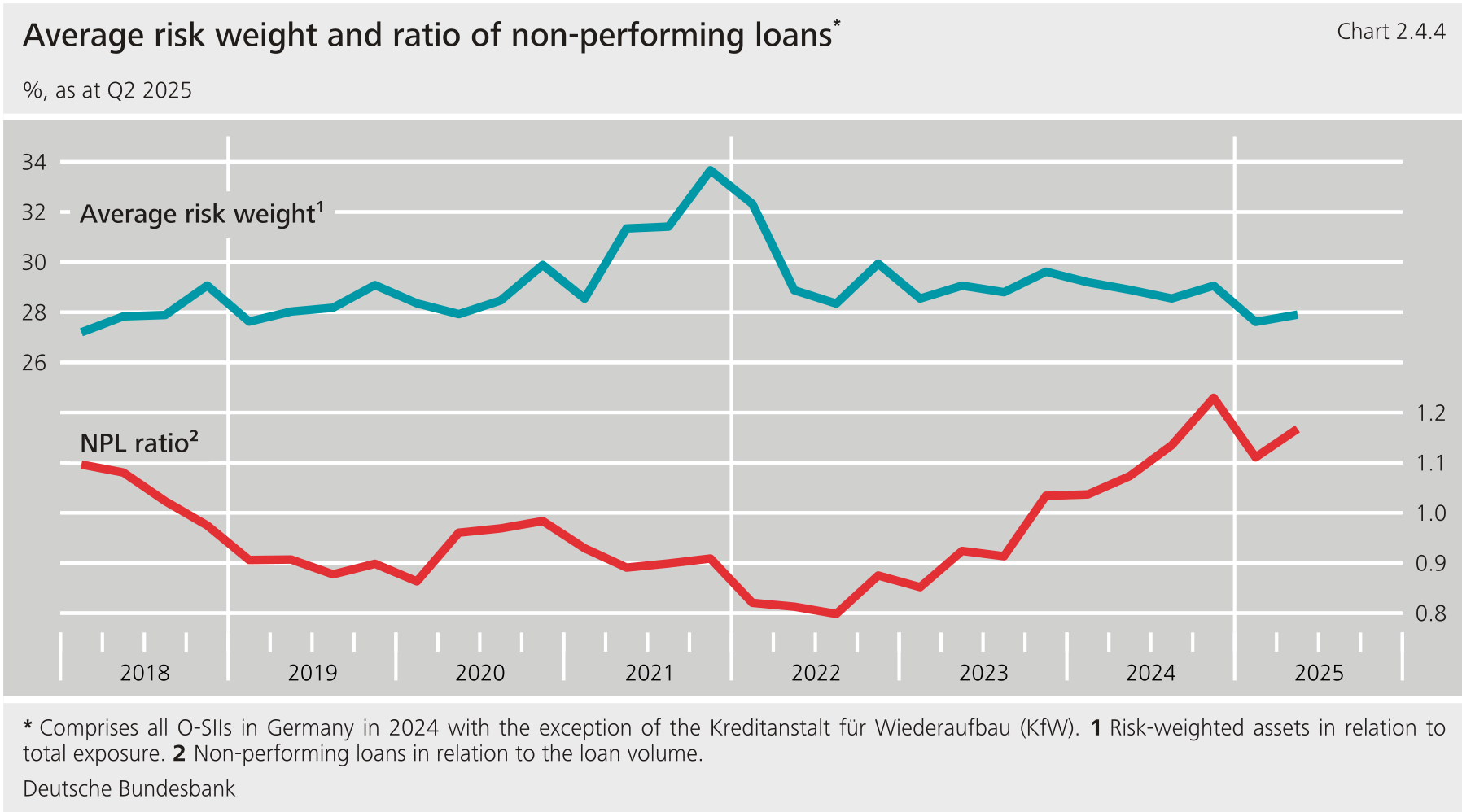
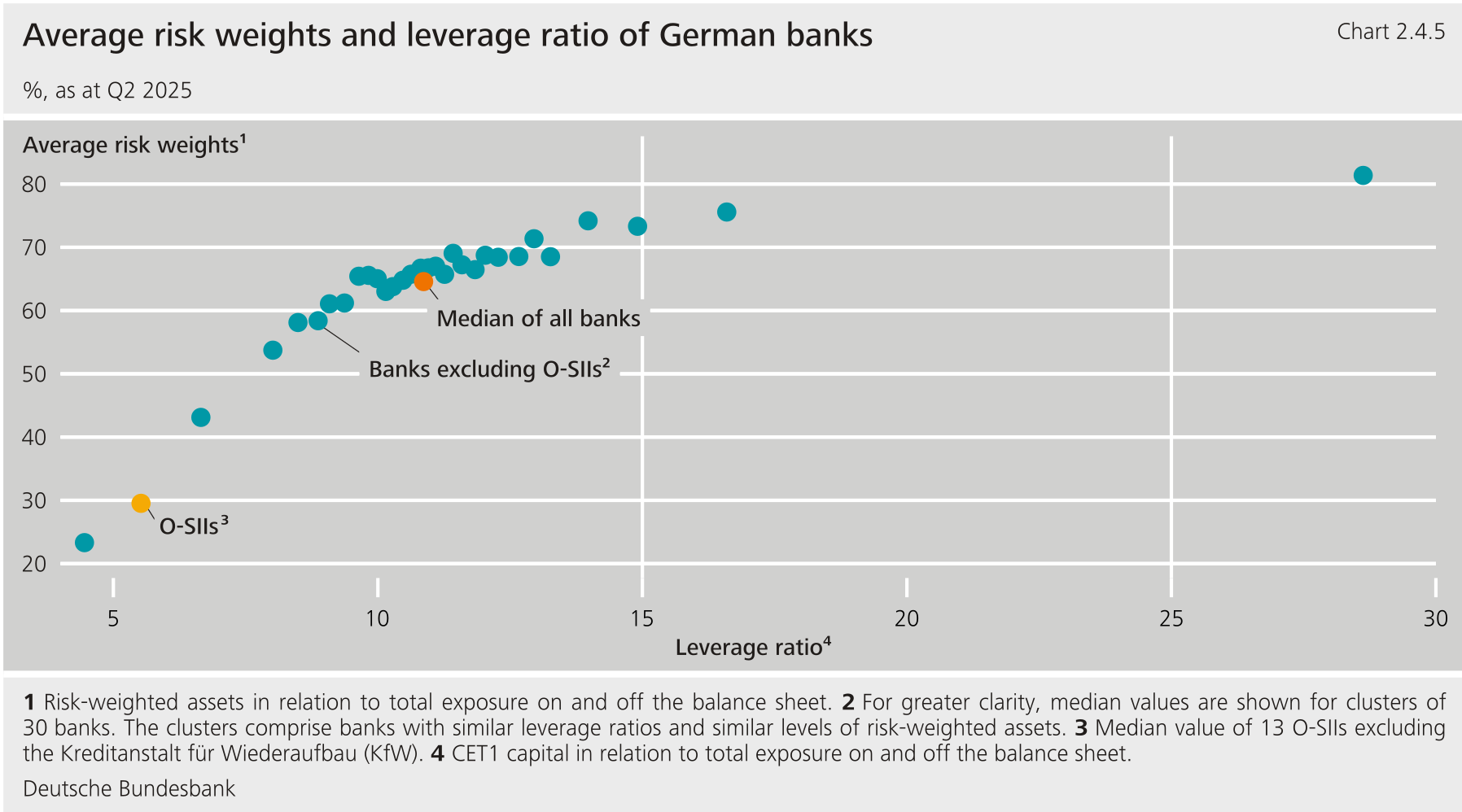
The Bundesbank has already pointed out in previous financial stability reviews that risk weights at systemically important banks may be too low from a financial stability perspective. For example, average risk weights, measured as the ratio of risk-weighted assets to unweighted total exposure, are currently just under 30 % at systemically important banks. 54 The median of all banks is 65 %. Given a minimum capital ratio of 8 %, systemically important banks therefore have to cover only 2.4 % of their exposures with own funds on average. Average risk weights have fallen slightly in recent years, although rising credit defaults actually indicate credit risk is on the increase (see Chart 2.4.4). It should be borne in mind that, with the introduction of the new Capital Requirements Regulation (CRR III), compensatory effects also came into effect, such as the removal of the scaling factor from the IRB approach risk weight function, which caused risk weights for some banks to fall by 6 %. 55
Low risk weights allow banks to take on more debt, which can contribute to procyclical lending. Given that banks aim for a certain regulatory capital ratio, lower risk weights mean they require less capital to back their positions. This results in the leverage ratio, which is the ratio of tier 1 capital to unweighted total exposure, being lower. German banks vary widely in terms of their leverage ratio and average risk weights (see Chart 2.4.5). For systemically important banks, for example, the leverage ratio stood at 5.5 % in the second quarter of 2025, while the median for all banks was just under 11 %.
A low leverage ratio makes banks more vulnerable to losses and rising capital requirements. If the leverage ratio is low, a small capital loss is enough to force banks that want to keep their capital ratios stable to significantly reduce their exposures. Deleveraging like this also occurs when credit risk and thus average risk weights increase. Assuming a capital ratio of 17 % and average risk weights of 30 %, a capital loss of only 0.5 % (in terms of exposures) would mean that the bank would have to reduce its exposure by 10 %. The same effect would be produced by a 3 percentage point increase in average risk weights. In an economic downturn, both effects could occur simultaneously – a loss in equity capital and an increase in risk density. This would amplify the deleveraging further.
Capital buffers help to make lending less cyclical. This is because, unlike the strictly binding minimum capital requirements, the capital buffers can be lowered by BaFin if necessary. While banks are allowed to fall short of their buffer requirements even if buffers are not released, doing so means they cannot distribute profits without restriction. In practice, however, banks may decide to voluntarily avoid undershooting their buffers for reputational reasons. If, on the other hand, capital buffers are released, banks may be more willing to accept a lower capital ratio and maintain their lending.
3 Non-bank financial intermediaries: vulnerabilities and resilience
3.1 The insurance sector is robust despite material unrealised losses
In terms of investment, the German insurance sector is the third largest in Europe after the United Kingdom and France. Insurance companies offer households and businesses protection against financial risk. This collective risk pooling is one of the core functions of the financial system. In addition, the expertise of primary insurers and reinsurers in risk management helps to ensure that risks are allocated and priced appropriately within the financial system. Life insurers also play an important role in households’ saving. In the second quarter of 2025, they held just under half of German insurers’ investments.
Life insurers can stabilise the financial system by investing countercyclically, but their guarantees on returns and on surrender values make them vulnerable to interest rate changes. Thanks to their long-term investment horizon, they can play a stabilising role within the financial system in the event of shocks. In the past, however, life insurers have offered guarantees on returns and surrender values. This makes them vulnerable to macro-financial developments, especially interest rate changes. These vulnerabilities can make it harder for them to invest countercyclically and increase the risk of liquidity constraints.
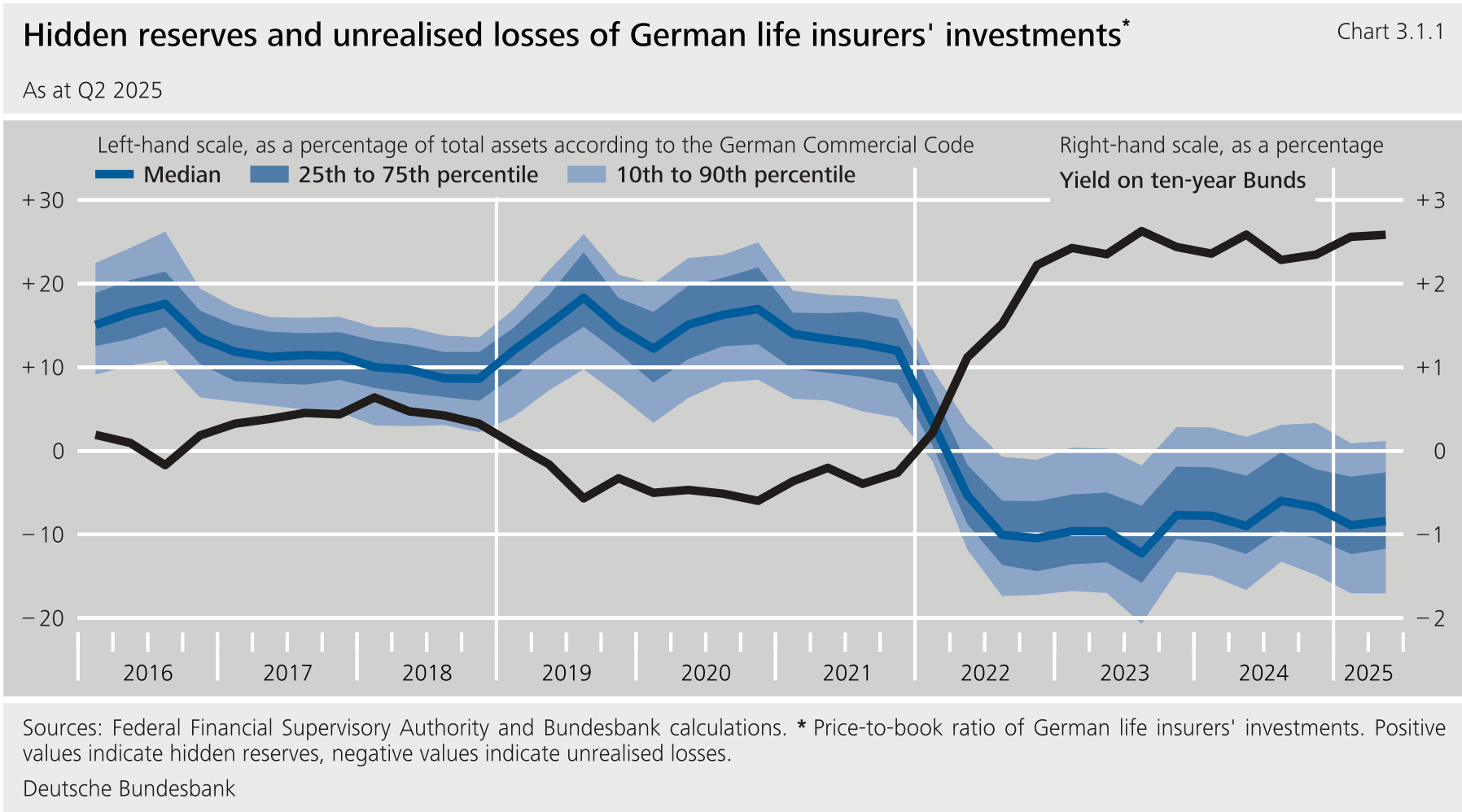
Unlike banks, German life insurers still have material unrealised losses on their books. Since the low interest rate period ended in 2022, the market values of fixed income securities, in particular, have often been below the book values on life insurers’ financial statements. In the second quarter of 2025, German life insurers’ unrealised losses amounted to an average of 9 % of their total assets as calculated according to the German Commercial Code. Overall, 87 % of life insurers have unrealised losses (see Chart 3.1.1). Unrealised losses are relevant to financial stability because they can weaken the stabilising function of insurers within the financial system. Insurers wish to avoid realising losses, causing them to restrict their trading activity. Bundesbank analyses showed that countercyclical investment by the German insurance sector decreased after interest rates rose in 2022. This fall was mainly due to life insurers. 56
The risk of a wave of policy lapses among German life insurers is limited at the moment, but could become relevant if interest rates rise. A Bundesbank survey conducted in 2023 suggests that, should the interest rate level pass around 6 %, this risk would be substantial. 57 In addition, fewer classic life insurance policies with guaranteed returns and fixed surrender values have been taken out in recent years, meaning that the risk of a wave of policy lapses now affects a smaller portion of all life insurance policies. Since the start of this year, however, some life insurers have begun to offer more classic life insurance policies again. One way to reduce the risk of a wave of policy lapses is to give life insurers the legal right to offer policies with surrender values that respond to interest rates. While a wave of policy lapses is an extreme scenario, in the interests of financial stability it is important to keep an eye on this possibility.
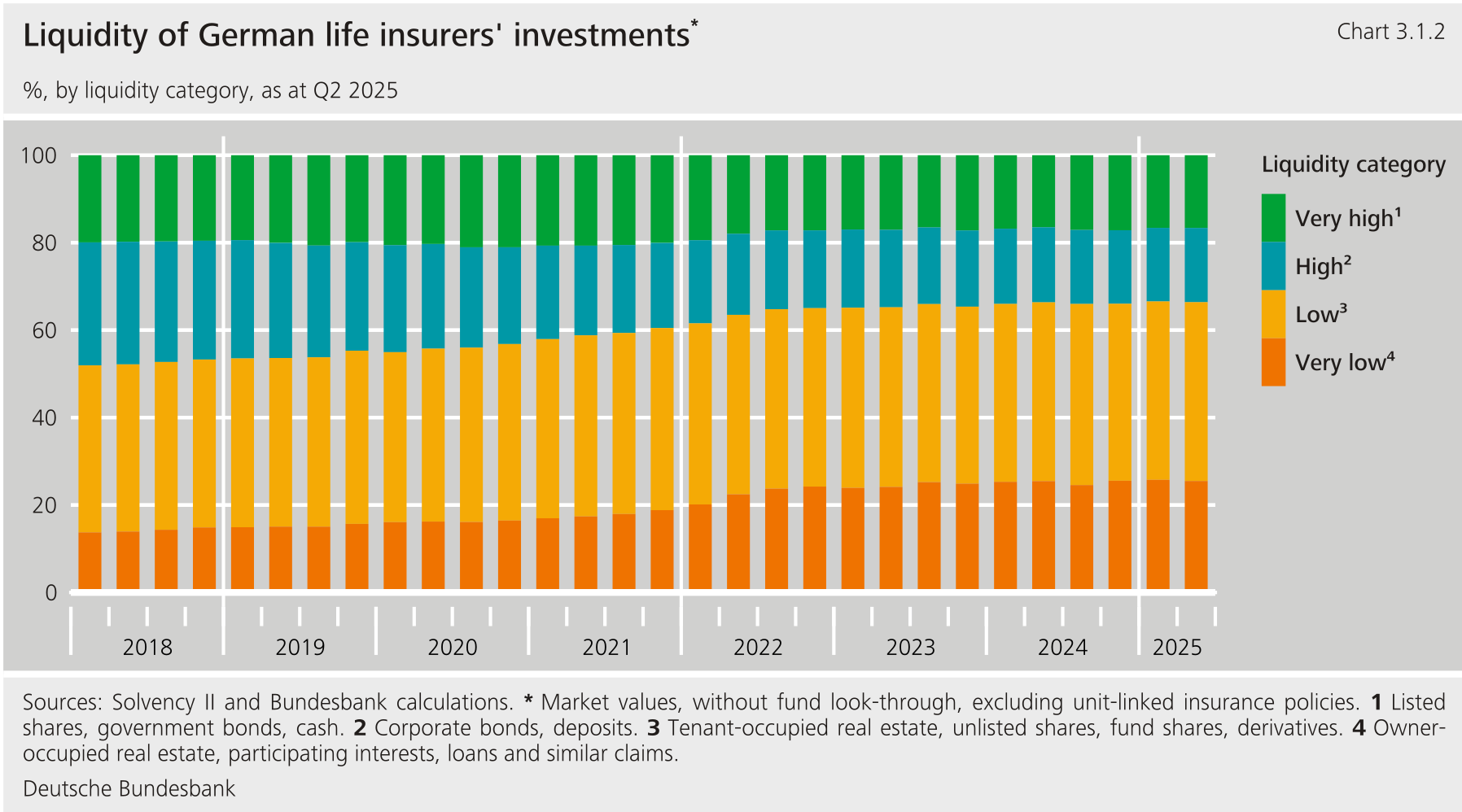
A wave of policy lapses among German life insurers would have a particularly strong impact if investments had low liquidity and there were additional liquidity outflows. As their investment horizon is long, insurers’ investments seem predestined to include illiquid assets. However, insurers are also exposed to liquidity risk, for example through customers’ termination options. This means that monitoring the liquidity of their investments is essential. The share of highly illiquid assets in German life insurers’ investments has grown from 14 % in 2018 to around 25 % recently (see Chart 3.1.2). As the low interest rate period progressed, investment in less liquid assets increased because of a search for yield. The same applies to the private credit segment in the alternative assets space. 58 However, there is no sign of this investment having fallen back again since interest rates increased. In addition, German life insurers are increasingly using derivatives to hedge against foreign exchange risk. This reduces the potential for them to experience losses due to currency fluctuations. However, increasing the use of derivatives can put more strain on liquidity via margin payments. 59
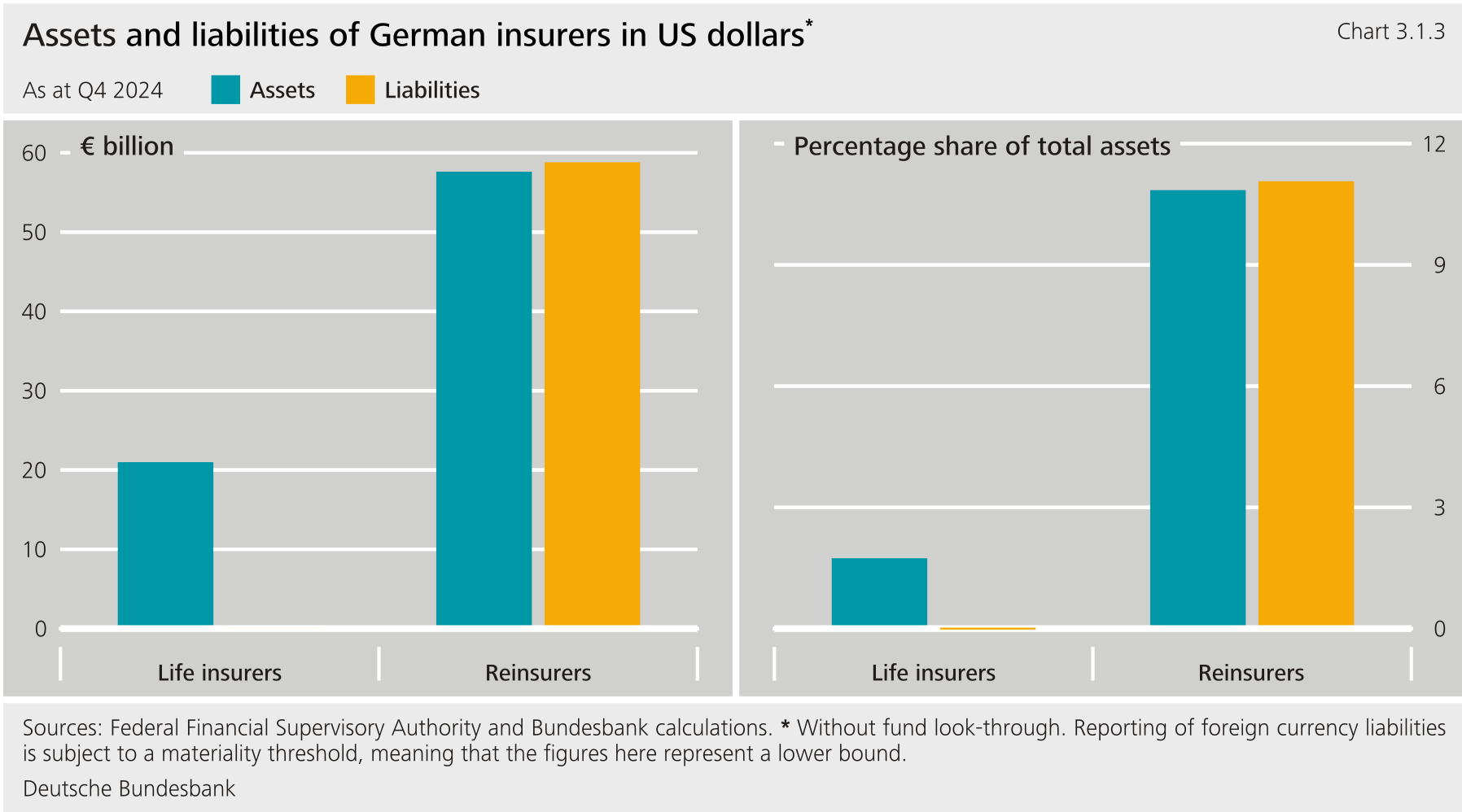
The exchange rate risk stemming from US dollar investments appears manageable overall for German life insurers and reinsurers, even though a loss of confidence in US assets could entail additional risks. German reinsurers, in particular, hold significant US dollar investments. At the end of 2024, these investments came to around €60 billion, making up an average of 11 % of their total investments (see Chart 3.1.3). In net terms, their US dollar claims and liabilities broadly balance each other out. By contrast, German life insurers do not have any significant US dollar liabilities to offset their investments of around US$20 billion. This is because their business is oriented mainly towards national or European markets. If the US dollar were to depreciate sharply, this would hit life insurers the hardest. However, this effect is mitigated by the increase in hedging against foreign currency risk. Given that US dollar investments made up only a small share of total assets, at an average of 2 %, such a scenario appears manageable. Beyond exchange rate risk, spread risk could become relevant given a broader loss in confidence in US assets, such as US government bonds. This would have a negative impact on reinsurers in particular, as their US dollar claims are higher.
The solvency ratios of German life insurers are currently high. The median regulatory solvency ratio of German life insurers has risen by 25 percentage points since the end of 2024. In the second quarter of 2025, it stood at 351 %. The median solvency ratio was thus significantly above the 100 % required by supervisors. The increase in solvency ratios since 2022 is mainly due to the higher interest rate level. This caused liabilities to fall more sharply in value than assets.
A regulatory initiative from the European Commission could weaken insurers’ resilience. One aim of the Savings and Investments Union (SIU) is for insurers to invest more in equities (see Section 4). The European Commission is thus planning to make it easier to classify such investments as long-term equity investments (LTEI). 60 As they are assumed to have a long-term investment horizon, insurers are not required by Solvency II to hold as much capital for LTEI as for other equity investments. According to Bundesbank estimates, if German insurers reclassified their existing equity investments as LTEI, they would reduce their regulatory capital requirements by up to €6 billion. 61 This is an average reduction of around 7 %. As a result, insurers’ resilience could be overestimated in future. It would also create incentives to invest in less liquid assets, such as private equity. From a financial stability perspective, the planned reform of LTEI appears problematic. So far, there is no evidence of lower risk from insurers investing in equity that would justify the planned changes to LTEI classification and the resulting reduction in insurers’ capital requirements. 62
3.2 Germany’s fund sector remains stable despite temporary liquidity stress
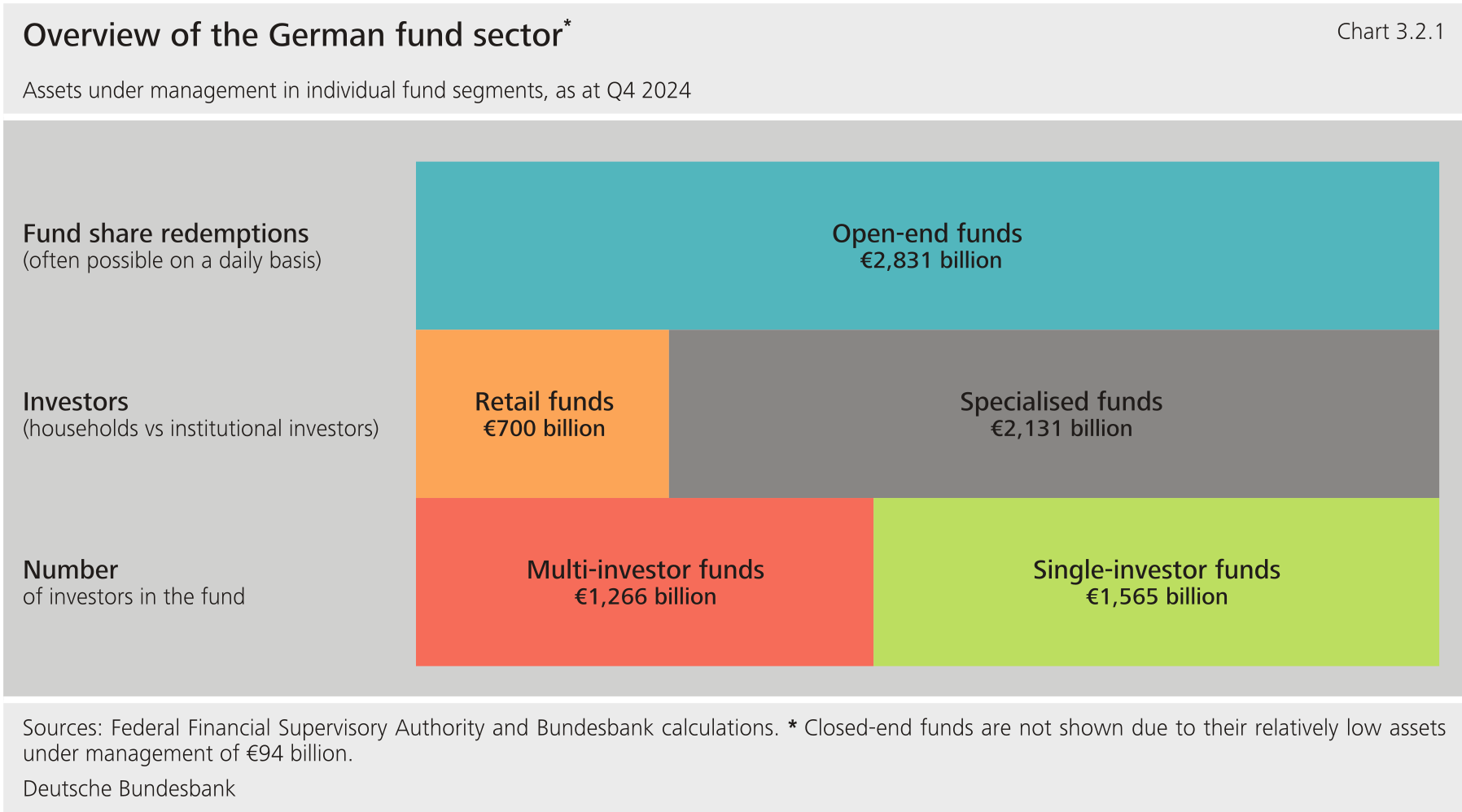
The German fund sector is of importance in a European comparison and largely consists of open-end funds. In terms of size, it ranks third in Europe after Luxembourg and Ireland, with assets under management totalling €2,925 billion at the end of 2024. This equates to some 13 % of assets in the German financial system. Open-end funds account for 97 % (€2,831 billion) of assets under management, with the remainder attributable to closed-end funds. Unlike in closed-end funds, investors in open-end funds often have the option of redeeming their shares on a daily basis. 63 In Germany, open-end funds take the form of either retail or specialised funds. Retail funds are geared towards both households and institutional investors, while specialised funds are reserved for institutional investors. Funds are also categorised as either multi-investor or single-investor funds based on the number of investors (see Chart 3.2.1).
Within the open-end fund space, multi-investor funds are the focus of macroprudential risk monitoring due to their inherent liquidity risk. At €1,266 billion, these funds represent just under half of the total assets under management in open-end funds. Typically, investors in these funds can redeem their shares on a daily basis. Fund shares are usually redeemed at the current net asset value. However, the net asset value does not necessarily incorporate all costs arising from liquidations or shifts to service fund share redemptions. 64 For example, it can be beneficial for investors to redeem their shares ahead of others (first-mover advantage), as potential liquidation costs are passed on to the remaining investors in the fund. 65 The greater the outflows from a particular fund, the higher the liquidation costs may be, especially if less liquid assets have to be sold. It is therefore more advantageous to redeem shares early, which further increases funds' liquidity risks. This momentum can amplify shocks during periods of stress, lead to contagion amongst other market participants and put pressure on the financial system. 66 The scale of fund share redemptions also varies depending on the type of investors. Compared to other fund investors, funds that hold shares in other funds tend to redeem them more quickly and on a larger scale in periods of market turmoil (see “Direct interconnectedness heightens liquidity risks for European funds”). 67
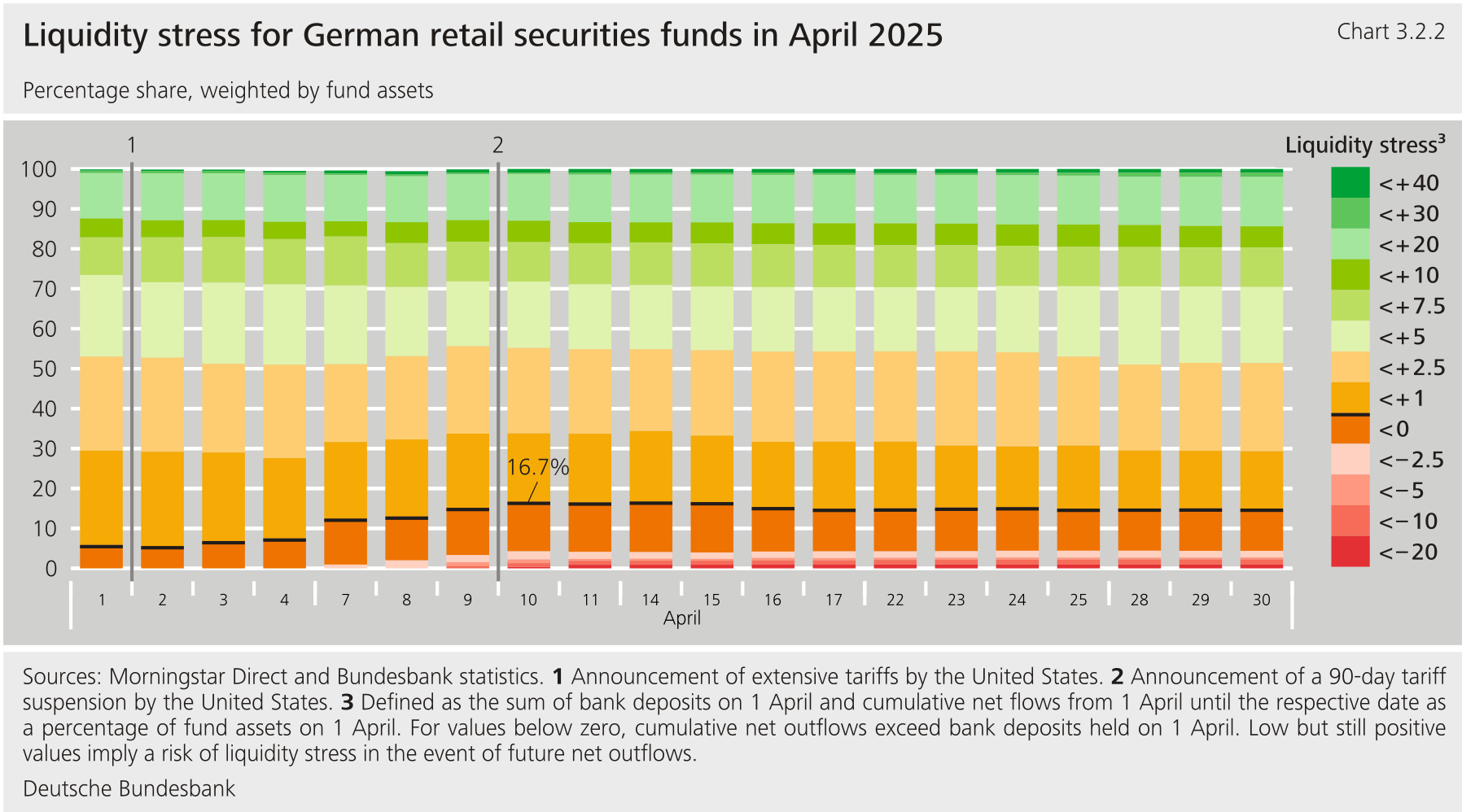
The announcement of extensive US tariffs on 2 April 2025 temporarily worsened the liquidity situation for Germany’s open-end retail fund sector considerably. Retail securities funds saw returns collapse suddenly, accompanied by high net outflows. 68 Some funds were forced to sell securities as their bank deposits were insufficient to cover the net outflows in full. The return shocks, as well as the scale and pace of net outflows affecting these funds in early April 2025, were similar to the levels seen at the outbreak of the COVID-19 pandemic in spring 2020. Before the US tariff announcement, some 6 % of retail securities funds recorded net outflows in excess of their bank deposits (see Chart 3.2.2). This share tripled to more than 16 % within a few days of the US tariff announcement. As a result, nearly one in six funds had to make portfolio adjustments and sell off securities. However, the announcement of a 90-day tariff suspension calmed the market. The agreements reached in the tariff dispute in late July 2025 reduced the immediate risk of net outflows, though uncertainty remained high. Net inflows to funds even resumed across the board and exceeded the net outflows during the April stress period. By the second quarter of 2025, aggregate net inflows amounted to some 0.5 % of fund assets as at 1 April 2025. While the liquidity stress caused by the tariff announcement has been overcome, vulnerabilities remain. Around one-third of securities funds in the German retail fund sector held less than 1 % of their net asset value in bank deposits in the second quarter of 2025. Liquidity risk in the fund sector could quickly escalate again in the event of fresh turmoil in the financial markets. From a financial stability perspective, low liquidity buffers are relevant given the risk of net outflows, as asset sales can trigger a downward spiral of falling asset prices and further outflows in an environment of shrinking liquidity. 69
Despite persistent net outflows, Germany’s open-end retail real estate funds face limited liquidity risk. This can be attributed to sufficient liquid funds so far, as well as long minimum holding and notice periods. In the German retail real estate fund sector, assets under management totalled some €123 billion (around 17.5 % of the overall German retail fund sector) at the end of 2024. Since early 2025, net outflows have amounted to some 4 % of assets under management. That said, retail real estate funds hold around 10 % of their assets in the form of bank deposits. 70 This means that the share of liquid funds remains above the statutory requirement of 5 % despite the outflows. 71 Moreover, the minimum holding and notice periods that were introduced in Germany in 2013 limit liquidity risk for retail real estate funds. 72 Fund investors have had to hold any fund shares acquired since then for at least 24 months and give one year’s notice for redemptions. These requirements take due account of illiquidity on the assets side of real estate funds and reduce the first-mover advantage. This makes outflows easier to plan for fund managers, allowing real estate sales to be completed in good time.
In multi-investor funds, price-based liquidity management tools could alleviate the problem of the first-mover advantage. These instruments distribute the costs arising from share redemptions among the investors who initiate them. The price per share is subject to a discount known as the swing factor. This corresponds to the possible liquidation costs and is intended to internalise the effects of a fund share redemption. 73 Empirical studies show that swing pricing and similar price-based instruments can promote internalisation and curtail the first-mover advantage. 74 In 2023, the Financial Stability Board updated its recommendations on how to address structural liquidity mismatches in open-end funds. 75 A key element of the Board's recommendations is the classification of funds into various liquidity categories. Each category has specific requirements for liquidity management. Germany plans to introduce some of these recommendations in 2026 through the Fund Risk Limitation Act (Fondsrisikobegrenzungsgesetz), which implements recent changes to the European investment fund directives. 76 The legislation primarily relates to the increased use of liquidity management tools, including price-based liquidity measures. Corresponding amendments to the European investment fund directives are due to be fully transposed into German law.
label.digression
Direct interconnectedness heightens liquidity risk for European funds
The resilience of open-end funds depends largely on the stability of their financing side. Open-end funds offer their investors the option of redeeming the fund shares they have purchased at short notice. Yet at the same time, they invest the capital raised in assets that cannot always be sold at short notice or without significant markdowns. This makes them inherently fragile and structurally vulnerable to large, unexpected outflows (see Section 3.2).
Unexpected outflows that can destabilise the financing side of open-end funds are often triggered by return shocks. 1 Past performance is a key trigger of fund inflows and outflows, as positive fund returns often prompt inflows on the part of fund investors. Conversely, negative fund returns (return shocks) can spark substantial withdrawals in some cases. In the empirical literature, this positive relationship between returns and flows is referred to as the flow-performance relationship. This describes how sensitive fund investors are to the performance of the funds they have invested in. Thus, performance sensitivity often determines the fragility of an individual fund.
The responses of investors in European equity funds to return shocks vary in strength. The magnitude of the flow-performance relationship is usually estimated at the fund level. This reflects the strength of the collective reaction by all investors in a fund to its past performance. However, this type of measurement masks the fact that various investor groups in a fund, such as households, insurance companies and other funds, can have completely different response patterns. It also makes it impossible to identify the holder groups that ultimately make open-end funds vulnerable as their behaviour is a principal driver of outflows. Fricke, Jank and Wilke (2025) assess the flow-performance relationship of open-end funds at the level of individual holder groups. They show that the sensitivity of investors in European equity funds to the performance of their fund investments differs, especially when it comes to return shocks. These are particularly frequent during periods of market stress.
While households and insurers tend to have a stabilising effect, funds themselves amplify the structural fragility of the open-end fund sector. Reactions to poor fund performance vary significantly among different investor groups. For the stability of open-end funds, it is therefore extremely important who holds their fund shares. Structurally speaking, households react less strongly to fund performance than institutional investors. As a result, they tend to have a stabilising effect on the financing side of European equity funds. Like households, the large institutional investor group of insurance companies also shows limited reactions to weak performance. However, they react much more strongly to positive performance. This means that they can procyclically amplify boom periods, while providing stability in periods of market stress. Conversely, funds that invest in other open-end funds are much more reactive to poor performance than households and insurers. They are therefore a structural factor in the inherent fragility of the fund sector (see Section 3.2).
Structural liquidity and interconnectedness risks interact with one another in the open-end fund sector. As direct interconnections in the fund sector have grown significantly, the share of highly sensitive investors in the holder structure of European funds has increased (see Section 3.3). These funds in turn have a vulnerable financing side. Thus, the financing of European equity funds is becoming generally more fragile, while structural liquidity risks are rising. As we saw in April 2025, this is particularly significant in periods of market stress when many funds are simultaneously exposed to a market price shock and post highly negative returns.
3.3 Non-bank financial intermediaries (NBFIs) are closely interconnected with banks and with each other
The NBFI sector has grown both worldwide and in Germany over the past decade. The sector is heterogeneous and comprises investment funds, insurance corporations and pension funds as well as other financial intermediaries. At the global and euro area levels, NBFIs today hold around one-half of all financial assets. 77 German NBFIs hold around 40 % of the financial assets in the German financial system. NBFIs contribute to the financing of the real economy by granting loans or purchasing securities. By international standards, the provision of financing to the real economy in Germany remains heavily bank-based despite the growth in NBFIs. 78 Nonetheless, the global financial crisis and other periods of stress in the markets have made it clear that domestic and foreign NBFIs can trigger or amplify shocks. 79 In this context, the financial stability analysis identifies risks to German banks and NBFIs that may arise from interconnectedness with domestic and foreign NBFIs as relevant from the perspective of a financial stability analysis.
Interconnectedness in the financial system is shaped by direct and indirect relationships. Direct interconnectedness arises through contractual relationships, such as loans or derivatives. If debtors default, creditors suffer direct losses and contagion effects can spread to other actors. Indirect interconnectedness arises when market participants hold the same or similar securities. Any decline in prices triggered by one actor can thus indirectly affect the portfolios of others. 80
The German banking system’s level of direct interconnectedness with NBFIs is high by European standards and is concentrated in large, systemically important banks. German banks are directly interconnected with domestic and foreign NBFIs via claims and liabilities. The European banking system’s claims on the global NBFI sector amount to about 10 % of aggregate total assets. 81 The share of such claims is around 13 % in the German banking system and has risen by around 2 percentage points since 2020 (see Chart 3.3.1). German banks’ liabilities to domestic and foreign NBFIs have risen by around 1.5 percentage points since 2020 to roughly 14 % of aggregate total assets. 82 This increase in direct interconnectedness is also attributable to banks that have relocated business activities to Germany in the wake of Brexit. A large proportion (around 70 %) of both the claims on and liabilities to NBFIs are concentrated in systemically important German banks (other systemically important institutions, O-SIIs).
O-SIIs are particularly closely interconnected with the NBFI sector across borders and through derivatives. Around 86 % of German banks’ claims on foreign NBFIs are held by German O-SIIs. Shocks in the foreign NBFI sector would therefore primarily be transmitted to the German financial system via O-SIIs. Among foreign NBFIs, other financial institutions (OFIs) are particularly relevant. OFIs include various financial corporations, such as hedge funds or securitisation special-purpose entities (SSPEs). The key role derivatives play in German O-SIIs is also striking (see Chart 3.3.2). This reflects their business models whilst at the same time pointing to the increased complexity of systemically important banks’ direct interconnection with NBFIs. This interconnectedness can entail increased risks. The case of the Archegos Capital Management vehicle, which acted as a hedge fund, showed that interconnectedness via derivatives with NBFIs can lead to contagion of banks. 83
The other German banks mainly hold claims on domestic NBFIs, of which around two-thirds are against investment funds. Single-investor funds account for a large share (85 %) of the fund shares held. Banks, especially savings banks and cooperative banks, are the only investors in these funds, in which run risks are limited. Unlike multi-investor funds, there are no incentives to redeem fund shares ahead of other investors during a period of stress (see Section 3.2).
A relevant portion of liabilities to NBFIs are short-term, making them vulnerable to unexpected withdrawals.NBFIs are an important source of funding for German banks. Measured in terms of total assets, NBFIs primarily provide German banks with deposits (see Chart 3.2.2). 84 When deposits are withdrawn, this creates a need for liquidity at banks that must be met. In order to prepare for broad-based withdrawals of funds, banks hold part of their assets in liquid assets. The ratio of NBFIs’ deposits to the banking system’s high-quality liquid assets (HQLA) stands at around 40 %. Roughly one-half of these deposits are overnight deposits. The deposits that NBFIs hold with banks are often NBFIs’ liquidity buffers. 85 They can be withdrawn at short notice if, for example, investment funds need resources to service redemptions of shares. Taken in isolation, the risk of NBFIs withdrawing funds from banks appears manageable, as measured by the share of HQLA. However, if other depositors also increasingly withdraw funds, this could put pressure on banks and thus exacerbate liquidity stress.
NBFIs also provide German banks with capital via repurchase agreements (repos) and debt securities. On aggregate, repos are less significant than deposits but are concentrated in a small number of banks, particularly O-SIIs. A large part of the repos are also short-term, which could give rise to funding risk, especially during periods of stress. 86 In these repo transactions, banks sell high-quality securities to NBFIs on the condition that the banks buy them back when they mature. If NBFIs cease to act as funding providers in the repo market, banks retain the high-quality securities they had previously posted as collateral. These securities are largely eligible assets, meaning they can be used for refinancing at the central bank. The funding risks therefore appear limited. NBFIs also hold debt securities issued by banks. The funding risk associated with these appears limited at present, as around two-thirds of the volume held by NBFIs has a residual maturity of more than one year. 87 However, unfavourable market conditions may result in funding risks at the end of the residual maturity.
Direct interconnectedness within the NBFI sector is increasing. German insurers have steadily increased their investment in fund shares, reaching 35 % of their total assets. A large part of this is attributable to German funds, of which 74 % are single-investor funds. As these funds do not have run risks, risks arising from these exposures are limited. However, no granular data are available on investments in foreign funds, which now account for 11 % of total assets, meaning that any assessment of risk is limited (see Section 4).
The increase in direct interconnectedness within the fund sector heightens its vulnerability and makes risk monitoring more difficult. Around one-quarter of German investment funds’ investments are now attributable to shares in other funds. Shares in foreign funds have grown disproportionately. 88 Funds sometimes hold shares in other funds as a form of liquidity, as these can often be redeemed at short notice and promise higher earnings than deposits. Direct fund-to-fund links can amplify liquidity risk in the fund sector. Funds, in particular, react strongly to declining returns and redeem shares earlier than other investor groups (see “Direct interconnectedness heightens liquidity risk for European funds”). 89 Unlike for domestic funds, however, the Bundesbank has no access to granular portfolio composition data for foreign funds. 90 This significantly limits the risk assessment. The Bundesbank is therefore working on initiatives to improve cross-border data availability (see Section 4). 91
One way that indirect contagion effects between actors can arise is through overlapping securities portfolios. German NBFIs are particularly vulnerable to fire sales by investment funds (including money market funds) based in Germany, Ireland and Luxembourg. Around 77 % of the securities portfolio of the German investment fund sector is also held by investment funds in Luxembourg (see Chart 3.3.3). 92 The German investment fund sector has an overlap of 59 % with investment funds in Ireland (see Chart 3.3.3). Joint holdings of shares of US non-financial firms are particularly high in this context. German insurers and pension funds are indirectly most closely linked to investment funds in Germany and Luxembourg. The joint securities portfolios predominantly comprise government bonds and financial sector bonds. Indirect interconnectedness between German NBFIs and credit institutions in the euro area results in only comparatively low vulnerability to fire sales. German credit institutions – in comparison to German NBFIs – are also less vulnerable to fire sales by other sectors in the euro area.
The actors in a financial system are also interconnected in technical and organisational ways. Disruptions in these links, for example, due to cyber incidents, can disrupt financial flows and make the financial system vulnerable. Geopolitical tensions can amplify this vulnerability. A cyberattack on large, internationally interconnected credit institutions could have a substantial impact on the real economy. An attack on service providers used by financial actors could have similar effects. Investment in cyber resilience in the financial sector is therefore of vital importance. Microprudential and macroprudential supervision also focus on strengthening cyber resilience. 93
4 Implications for macroprudential policy
The package of macroprudential measures remains appropriate in light of the overall risk situation. The package was originally adopted by BaFin at the beginning of 2022 and was welcomed by the German Financial Stability Committee. 94 It contained an increase in the countercyclical capital buffer, the introduction of a sectoral systemic risk buffer and supplementary supervisory communication on lending standards. Although some vulnerabilities in the German financial system have recently diminished, the overall risk situation remains tense. Against this backdrop, the resilience of the banking system must not be overestimated. In addition, sufficient scope needs to be maintained for macroprudential action.
The Bundesbank considers the current level of capital buffers to be adequate. However, it advocates expanding the macroprudential toolkit to include income-based instruments so that it can address potential risks in residential real estate financing in a more targeted manner. The countercyclical capital buffer (CCyB) of 0.75 % on domestic exposures remains appropriate. The sectoral systemic risk buffer (sSyRB) on loans secured by residential real estate was lowered by BaFin from 2 % to 1 % in May 2025. Vulnerabilities in the German residential real estate market had previously receded in an orderly manner, but still have not disappeared altogether. Given that relatively little risk has been built up in new residential real estate financing business, the Bundesbank advocates expanding the macroprudential supervision toolkit to include income-based instruments. They would include, in particular, the possibility of being able to limit the debt-service-to-income (DSTI) ratio. That would give supervisors an effective toolkit to counter emerging risks to financial stability where necessary. They would not have to resort to less suitable instruments.
Comprehensive structural reforms are needed to reduce, over the medium term, the financial stability risks from the corporate sector. Speeding up planning and approval procedures, reducing unnecessary bureaucracy and making public administration more efficient overall are important building blocks for making the German economy more competitive. Tax incentives could be used to foster private investment. In addition, conditions for start-ups and research and development need to be improved. Looking at energy costs, it is important to continue to press ahead with the energy transition. Comprehensive structural reforms can counteract the structural burdens and thus the financial stability risks from the corporate sector.
Banking regulation has become complex over the years and should be simplified in a targeted manner. The Basel III reforms introduced in response to the global financial crisis have significantly strengthened the resilience of the banking system overall, to be sure. However, banking regulation has become more complex. Amongst other things, banks have to meet many capital requirements that pursue different agendas. The reporting requirements pose a major challenge, especially to small, non-complex institutions. The Bundesbank is therefore committed to simplifying the situation for these institutions at the national and European level. The institutions concerned should be given a possible waiver for risk-weighted capital requirements. In return, however, stricter unweighted capital requirements would be introduced to ensure a proper balance between simplification and stability. In addition, the Bundesbank is in favour of simplifying capital requirements. Reducing the current double counting of regulatory capital for different purposes would make the macroprudential buffers more effective and improve usability. Furthermore, the Bundesbank aims to merge the macroprudential capital buffers – the CCyB and the sSyRB – to form a single, releasable capital buffer.
There are plans to adjust the legal framework for capital markets and non-bank financial intermediaries to achieve the objectives of the savings and investments union. It is important to ensure that the resilience of the financial system is preserved in this context. From the Bundesbank’s perspective, the savings and investments union (SIU) is a key element in strengthening capital market funding in the European Union and making European financial markets more integrated. The SIU is intended to provide reliable funding, for example for digital and sustainable transformation, even during periods of stress. In this context, the introduction of macroprudential instruments for the insurance sector as part of Solvency II, amongst other things, is a welcome development. 95 However, we are sceptical about the European Commission’s proposals to relax the criteria under which insurers' equity investments are treated as long-term equity investments (LTEI). This could lead to insurers’ resilience being overestimated in future (see Section 3.1).
In the fund sector, data exchange and access to already collected data should be improved to identify systemic risks at an early stage. Due to increasing cross-border interconnectedness within the fund sector (see Section 3.3), it is essential that data can be accessed and exchanged across borders. 96 Without detailed portfolio information on funds domiciled abroad, it is not possible to make a comprehensive assessment of risks arising from interconnectedness in and with the fund sector. Both the current legal rules and regulations and the operational processes for accessing and exchanging data between countries as well as between central banks and supervisory authorities are currently making it more difficult to carry out a comprehensive risk analysis. The competent authorities should establish a centralised European mechanism for sharing and providing access to already collected fund data. They should also adapt the rules on data sharing and data access. 97 National central banks should be able to participate in this exchange of data. This would require members of the European System of Central Banks to be granted access to the data under the relevant EU law. The data could be used to better assess and monitor risks arising from cross-border NBFI activities and to gauge the effectiveness of macroprudential measures more accurately. 98 The Bundesbank also supports the FSB, which is committed to improving the sharing of hedge fund data.
5 Annex
This technical annex provides detailed insights into analyses in the report that had not been published at time of writing. Analyses already published by the Bundesbank are referenced in footnotes in the main text.
These analyses examine the impact of US tariffs and the influence of fiscal space on external shocks. They are based on various two-country variants of the Federal Reserve Bank’s SIGMA model. 100 This Dynamic Stochastic General Equilibrium (DSGE) model assumes that the dynamics of macroeconomic variables are connected to the optimal decisions of the individual agents. Households take a utility-maximising approach when making decisions about consumption, leisure and saving behaviour. Firms weigh up production factors and apply a forward-looking perspective when setting prices. Price rigidities as explained in Calvo (1983) lead to nominal frictions. They enable monetary policy to play an active role. The model also includes common features such as adjustment costs for investment, rigid wage setting and non-Ricardian households. The two countries in the model engage in exchange via trade. In both analyses, the blocks are assumed to be of the same size and isomorphically calibrated.
The model includes financial frictions as discussed by Bernanke, Gertler and Gilchrist (1999). This enables financial metrics such as debt ratios, valuations and interest rate spreads for non-financial corporations to be mapped in the model. In this context, corporate valuations reflect the value of the firms’ own funds \( n_t \). The debt ratio describes the ratio of debt \( (q_t k_t – n_t) \) to firms’ total assets \( q_t k_t \). Interest rate spreads are the difference between the expected interest rate \( E_t \{ r_{t+1}^k \} \) that enterprises pay for their financing and the risk-free interest rate \( r_{t+1}\) . The financial frictions described by Bernanke, Gertler and Gilchrist (1999) can be summed up in a dynamic, log-linearised accelerator equation. According to this equation, interest rate spreads respond to the development of the ratio of firms’ own funds to their assets.
The elasticity of the interest rate spread relative to the ratio of own funds to assets is important for the effect of this financial accelerator. The elasticity \( \nu \) depends largely on firms’ monitoring costs \( \mu \). The value for \( \mu \) is set at 0.53 as in Christiano, Trabandt and Walentin (2011). This results in an interest rate spread of around 9 % p.a., which is consistent with empirical estimates of the return on capital in the United States and the EU of 8 % to 10 %. 101 The remaining calibration of the model follows Lindé and Pescatori (2019).
For the analysis of US tariffs, the two model blocks are calibrated for the United States and the EU. In the model framework, we assume that in the second quarter of 2025 tariffs on goods imports to the United States will rise unexpectedly to 15 % in the long term. 102 The tariffs are modelled as a deviation from the law of one price. 103 To illustrate the financial stability implications in the event of the European Union reacting by imposing reciprocal tariffs and an escalating trade dispute, we consider two further scenarios: in the second simulation, the European Union imposes 15 % counter-tariffs on US imports. In the third simulation, tariffs of 30 % are imposed on both sides. Similar to above, this results in an effective change in tariffs of 21.2 %. For the sake of simplicity, EU tariff increases are modelled at the same level as those for US tariffs. The effects of the scenarios on GDP are quantitatively comparable to those of other Bundesbank models. 104
Tariffs lead to higher prices. These price increases then trigger higher interest rates in the United States via the monetary policy reaction function. At the same time, the US dollar appreciates. In the European Union, tariffs reduce foreign demand and the appreciation of the dollar makes imports from the United States more expensive. At the same time, however, the price competitiveness of EU products improves. This dampens the negative effects of tariffs on EU firms’ foreign demand. As tariff increases hit the highly export-oriented German economy particularly hard by European standards, the effects presented for the European Union can be interpreted as a lower bound for the possible impact on Germany’s non-financial corporate sector.
For the analysis of the impact of fiscal space, the two blocks of the model are calibrated to the more indebted (southern) part of the euro area and the less indebted (northern) part of the euro area. The blocks are thus in a monetary union. Under various assumptions regarding the fiscal space of the respective countries, our analysis compares the effects of an adverse demand shock in the more indebted part of the euro area on corporate financial metrics. The negative demand shock is simulated as a persistent time preference shock, which reduces GDP in the south of the euro area by a maximum of around 2.7 %. It is assumed that the southern countries respond with a countercyclical fiscal policy in the form of an increase of around 1.2 percentage points in the share of government expenditure in GDP. Both figures are based on the empirical estimates of Schmitt-Grohé and Uribe (2017). If the space for fiscal policy is limited, this countercyclical fiscal policy will no longer be applied in response to the shock. Once fiscal space has been fully exhausted, the more indebted countries will have to consolidate despite the negative demand shock. This would mean a procyclical escalation of the crisis. As in Erceg and Lindé (2013), fiscal consolidation is modelled as a reduction in the government debt ratio by 25 percentage points after ten years by means of government spending cuts.
Description of the methodology used to analyse the impact of US tariffs on German industrial sectors and German banks’ credit exposure 105
Foreign trade statistics from the Federal Statistical Office are helpful in assessing the impact of US tariff policy on individual sectors. 106 The export value in euro of each product exported to the United States in 2024 is made available with an eight-digit goods number, also known as the commodity number. The trade agreement between the European Union and the United States confirmed on 21 August 2025 imposes tariffs of 50 % on imports of steel and aluminium products and 15 % on imports of other categories of goods. Exceptions are envisaged for natural raw materials (including cork) that are not available in the United States, all aircraft and aircraft parts, generics and their constituents, and chemical precursors. 107 The products exempted from tariffs and their commodity numbers were listed in Annex 1 of the US Department of Commerce publication. 108 The exemptions for individual products were taken into account in the analysis when calculating the tariff burden for the individual sectors.
The Federal Statistical Office uses a correspondence table to assign the products exported by German firms to the United States to the respective sectors. This allows the individual products to be assigned to the economic sectors according to the Product Classification for Production Statistics, whose two-digit divisions correspond to the European sector classification NACE (Nomenclature statistique des activités économiques dans la Communauté européenne). Following completion of the sector-specific classification, the value of all exports to the United States, less the products exempted from tariffs, is aggregated at the sector level. Normalisation of the absolute values for all products affected by US tariffs is done by setting the ratio (in %) relative to the total sectoral output according to the Federal Statistical Office’s input-output statistics. Only sectors that are substantially affected by the tariffs are then used for further evaluation. In this exercise, the threshold for being "substantially affected" by US tariffs is set at 2 % (or more) of the individual sector’s output.
AnaCredit, the Eurosystem’s credit register, is used to quantify the share of German banks’ credit exposures to the affected sectors (y-axis of Chart 2.1.4). Sectors affected by US tariffs are linked to AnaCredit using the two-digit NACE codes. The analysis uses data on German banks’ credit exposure to non-financial corporations at the current end (July 2025). The debtor’s share of the outstanding loan amount is used for each instrument reported to AnaCredit. Only non-financial corporations domiciled in Germany are included as lenders.