Monetary policy and banking business Monthly Report – August 2026
Published on
Monetary policy and banking business Monthly Report – August 2026
Monthly Report Published on
1 Monetary policy and money market developments
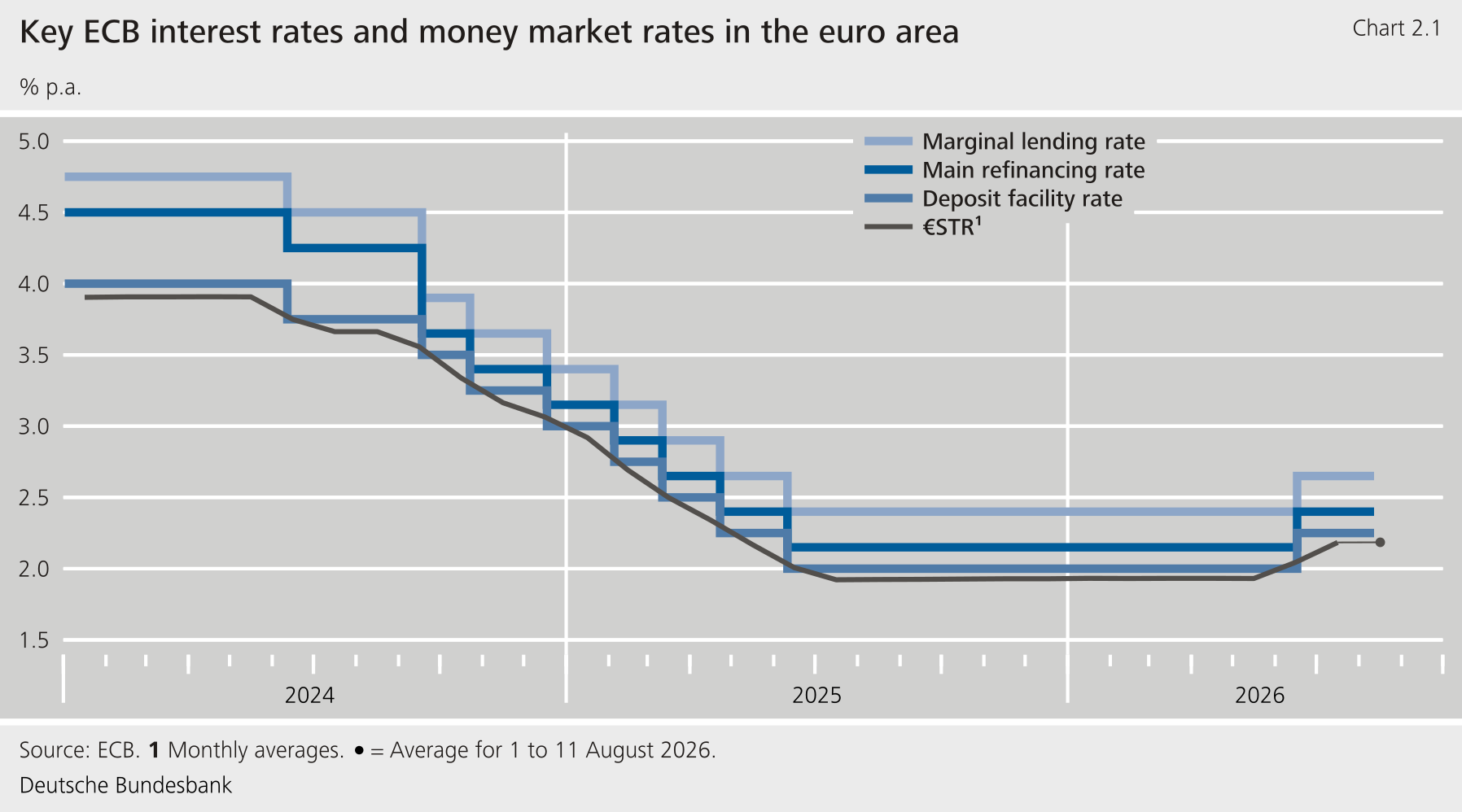
At its monetary policy meeting in June 2026, the ECB Governing Council decided to raise its three key interest rates by 25 basis points each; in July 2026, it left the key interest rates unchanged. This means that the interest rate on the deposit facility, which the Governing Council uses to steer the monetary policy stance, stands at 2.25 %. The Governing Council’s decision was based primarily on the inflation pressures generated by the war in the Middle East. In the baseline of the Eurosystem staff projections from June, headline inflation is expected to average 3.0 % in 2026, 2.3 % in 2027 and 2.0 % in 2028. Headline inflation fell to 2.8 % in June, from 3.2 % in May. However, the full inflationary impact of the energy price shock has yet to play out. The outlook for energy prices, while highly volatile, currently stands close to the baseline of the June projections and well above the levels recorded prior to the conflict in the Middle East.
Short-term money market rates moved almost completely in line with the June increase in key interest rates. The euro short-term rate (€STR) closed the reporting period at 2.19 %, around 6 basis points below the level of the deposit facility rate.
Surveys conducted shortly before the July meeting showed that market participants were expecting another hike in interest rates before the end of 2026. The median response from the Eurosystem’s Survey of Monetary Analysts conducted before the July meeting revealed that participants were expecting the deposit facility rate to be raised by a further 25 basis points in September to 2.5 % and the key ECB interest rates to then be left unchanged until the end of the year. Money market forward rates, which continue to fluctuate strongly in line with developments in the Middle East, are now pricing in an additional 39 basis points of interest rate increases for the current year.
2 Monetary developments in the euro area
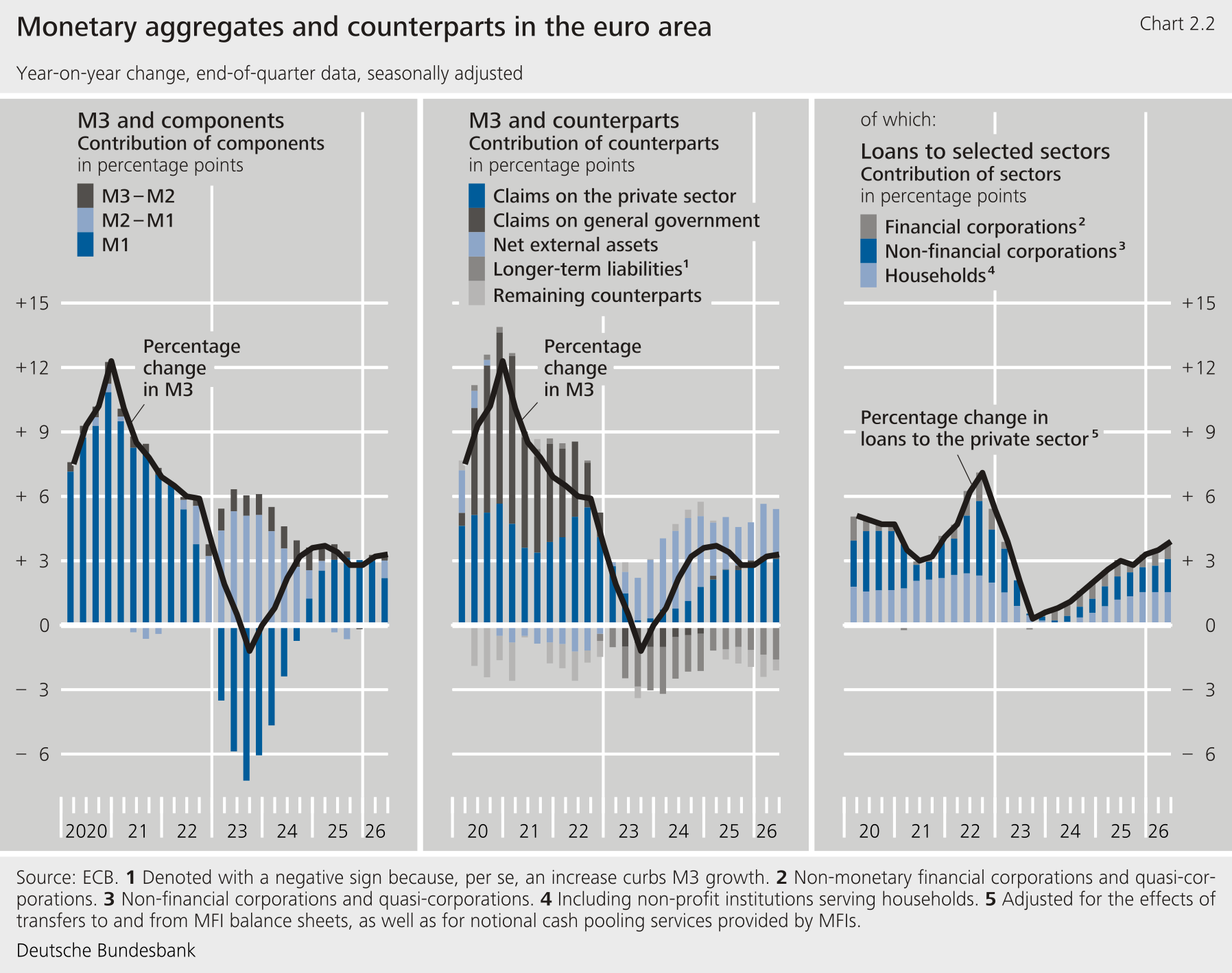
The broad monetary aggregate M3 grew further in the second quarter of 2026. Monetary dynamics remained broadly stable. The annual growth rate of M3 stood at 3.3 % at the end of June, which was within the range observed in the past quarters (see Chart 2.2). Short-term time deposits saw the largest inflows during the reporting quarter. Their higher remuneration made them noticeably more attractive. On the counterpart side, the continued recovery in loans to the domestic private sector supported monetary dynamics. In particular, loans to non-financial corporations saw particularly steep inflows. For one thing, this was due to temporary factors such as catch-up effects following the slump in demand for investment loans at the outbreak of the war in the Middle East. In addition, there was a favourable setting for funding costs and increased financing needs, because spending on working capital had increased due to the war in the Middle East. For another, a role was also played by the general uptick in investment activity in the euro area during the reporting quarter. The moderate lending activity to households did not pick up any further, meanwhile. Banks tightened their lending policies for loans to enterprises and households again, but that did not dampen lending significantly. The tightening was mainly due to higher perceived credit risk.
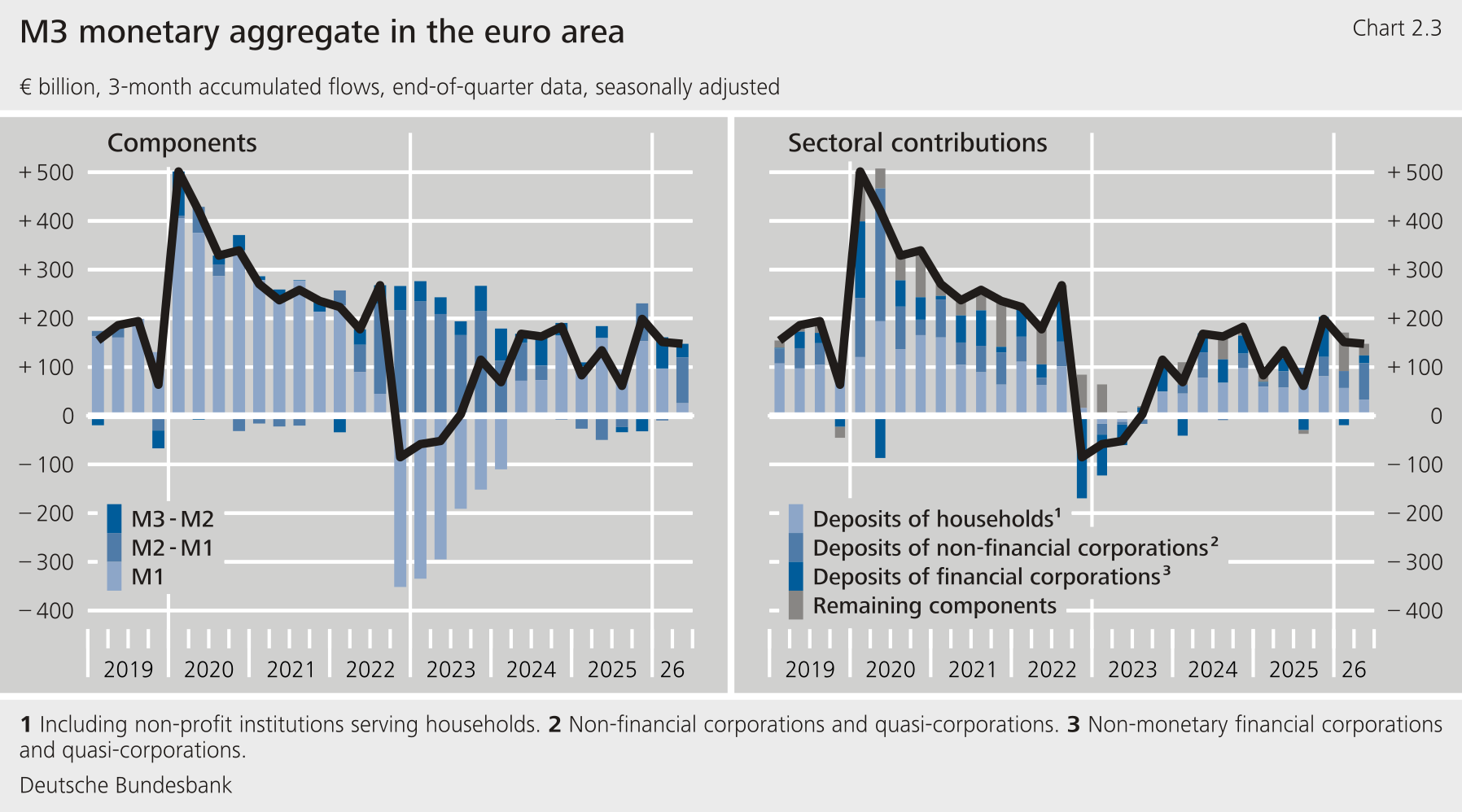
Money holdings of euro area non-banks rose again significantly, especially in the private sector. The private non-financial sector continued to accumulate highly liquid funds in the form of overnight deposits, though the inflows were significantly smaller than in the previous quarters (see Table 2.1). The reporting quarter was characterised instead by the build-up of short-term time deposits (see Chart 2.3). These were in demand from both households and, to a particular degree, non-financial corporations. One likely reason for this was the marked rise in interest rates for this deposit category, which made overnight deposits less attractive. Marketable instruments included in M3 were built up further, too, especially by financial corporations.
Non-M3 forms of investmentremained equally as attractive for investors. This was mainly reflected by increased acquisition of longer-term bank debt securities. This was probably because of the higher return offered by this form of investment. Among banks, the desire to lock in interest rates, amidst expectations that key interest rates were going to rise, may also have been a factor. In addition, the banking sector significantly reduced its holdings of longer-term time deposits by engaging in securitisation activity. Overall, though, monetary capital formation had a dampening effect on growth in the broad monetary aggregate M3.
Table 2.1: Consolidated balance sheet of the MFI sector in the euro area1 Quarter-on-quarter change in € billion, seasonally adjusted
Assets
Q1 2026
Q2 2026
Liabilities
Q1 2026
Q2 2026
Claims on private non-MFIs in the euro area
158.3
116.3
Liabilities to central government2
19.0
− 25.6
Loans
153.2
156.6
M3
151.4
147.7
Loans, adjusted3
149.5
159.0
Securities
5.1
− 40.3
Currency in circulation and overnight deposits (M1)
96.9
25.8
Other short-term deposits (M2-M1)
− 9.7
94.0
Claims on general government in the euro area
14.4
− 26.9
Marketable instruments (M3-M2)
64.2
27.8
Loans
24.8
7.8
Longer-term liabilities
44.2
80.2
Securities
− 10.4
– 34.7
Capital and reserves
8.1
28.7
Net external assets
139.2
90.3
Other longer-term liabilities
36.0
51.5
Other counterparts of M3
− 97.3
22.5
1 Adjusted for statistical changes and revaluations. 2 Including central government deposits with the MFI sector and securities issued by the MFI sector held by central governments. 3 Adjusted for loan sales, loan securitisation as well as for items related to notional cash pooling services provided by MFIs.
Developments in net external assets made a positive contribution to monetary growth. Balance of payments data for April and May indicate that one-off effects surrounding large-scale bond issuances by non-resident firms might have played a role in this. These included bond issuances by large US technology companies to finance investment in artificial intelligence. By contrast, inflows from the current account surplus decreased in the second quarter. Unlike in the previous quarter, portfolio investment did not affect net external assets in any notable way.
Inflows to banks’ claims on non-banks in the euro area were weaker in the second quarter of 2026 than in the previous two quarters. Two factors were at play here. First, more government bonds under the Eurosystem’s monetary policy purchase programmes expired than in the previous quarters; commercial banks did not increase their holdings to the same extent. Second, both the Eurosystem and commercial banks reduced their holdings of privately issued debt securities on balance. For banks, this was mainly because earlier loan securitisation transactions matured. 1 This contrasted with continued brisk lending to the private sector.
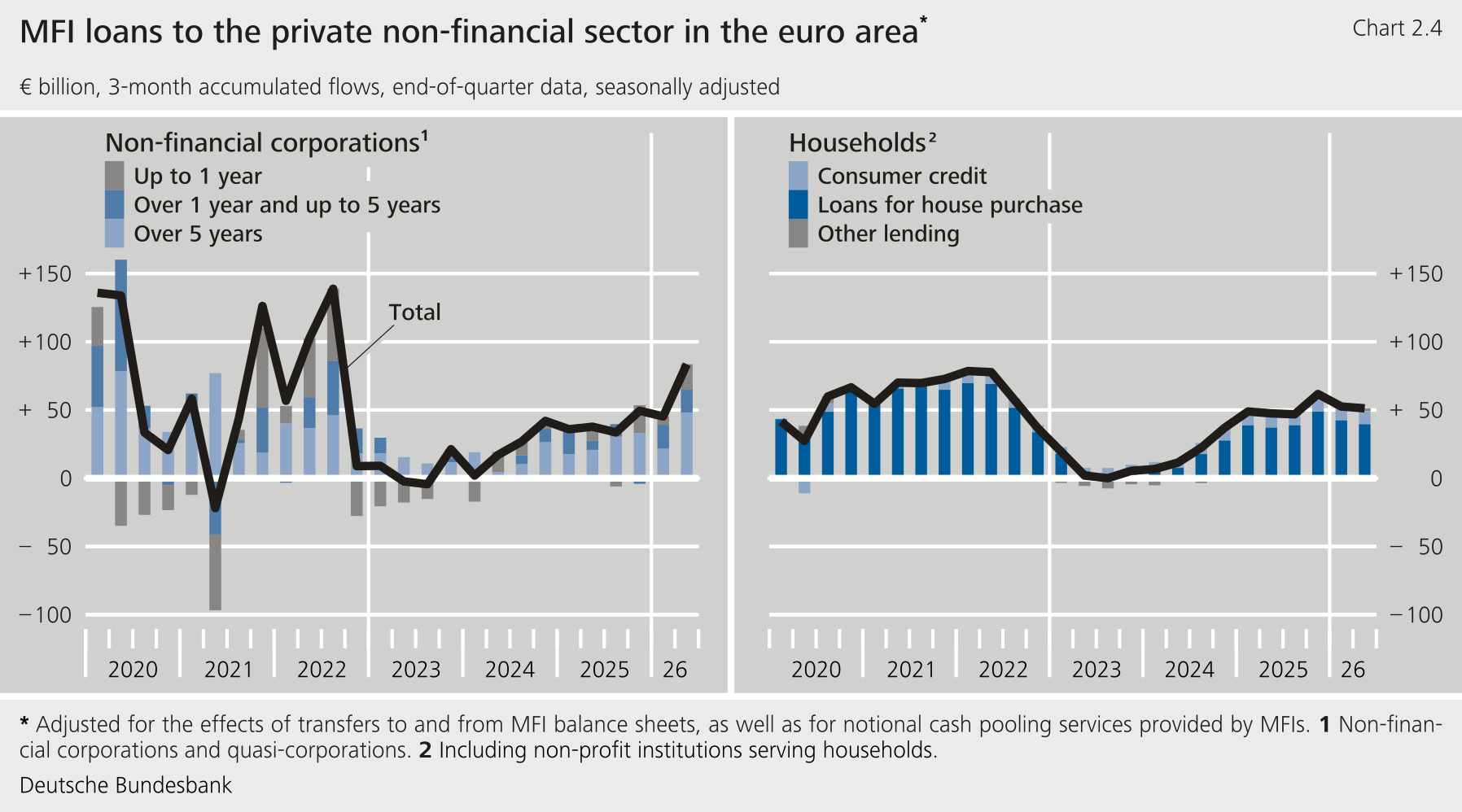
Lending to non-financial corporations increased significantly in the second quarter of 2026, especially in the longer-term maturity segment. The annual growth rate of loans to non-financial corporations increased to 4.0 % on aggregate. One likely reason for this uptick was that firms, having initially adopted a “wait-and-see” approach at the outbreak of the conflict in the Middle East, caught up with the backlog of investment borrowing as uncertainty began to recede again. Consistent with this, many euro area countries saw particularly strong growth in medium-term to long-term loans (see Chart 2.4). In addition, enterprises probably brought financing deals forward because they were expecting bank lending rates to rise in line with the monetary policy tightening. It can also be assumed that enterprises with access to capital markets will, in part, have replaced more costly bond-based funding with comparatively cheaper bank loans. Alongside these largely temporary factors, the general uptick in euro area investment activity during the reporting quarter supported demand for loans (see the section entitled “Euro area activity surprisingly robust” in this report). Further impetus here probably came from growing investment in digitalisation, defence and energy efficiency.
The war in the Middle East pushed up enterprises’ working capital needs, too. Enterprises also saw their short-term loans increase noticeably on the quarter. The main drivers of this stronger demand were probably war-induced higher energy and material costs, supply disruptions and the build-up of additional inventories. For example, firms participating in the survey on the access to finance of enterprises (SAFE) in the euro area increasingly reported rising costs, especially for energy and materials. Banks surveyed as part of the Bank Lending Survey (BLS) likewise identified financing needs for inventories and working capital across all firm sizes as one factor behind the stronger demand for loans in the second quarter.
Although significantly more loans to enterprises were disbursed, the BLS banks reported only a marginal upturn in demand for loans to enterprises in the reporting quarter. 2 The upswing in demand was confined to large enterprises. Looking ahead to the third quarter of 2026, the BLS banks are expecting enterprises’ demand for bank loans to grow further on aggregate.
Euro area banks tightened their lending policies for loans to enterprises again in the second quarter. The tightening was weaker than the BLS banks had been expecting one quarter earlier. The war in the Middle East had a limited impact overall on credit standards. As in the previous quarters, the BLS banks attributed the tighter credit standards primarily to the increased credit risk for loans to enterprises. Responses to an ad hoc question in the BLS reveal that banks tightened their credit standards across all major economic sectors over the past six months. Credit standards were tightened most for loans to the motor vehicle manufacturing sector, energy-intensive manufacturing, and trade. These sectors are particularly affected by geopolitical tensions in some cases and more by structural challenges in others. At the same time, the increased credit risk reported in the BLS was reflected in a tightening of credit terms and conditions, especially in the form of higher interest rates and wider margins on riskier loans. Costs of funds and liquidity or capital constraints at the BLS banks, meanwhile, did not play any major role overall in banks’ lending policies.
Lending to households in the euro area continued at largely the same pace in the second quarter of 2026. None of the four largest countries saw inflows into lending business increase against the end of 2025, with the annual growth rate persisting at a moderate 3.0 %. As before, loans for house purchase accounted for the bulk of lending (see Chart 2.4). That said, the recovery in loan inflows that began at the end of 2023 lost traction. Consistent with this, the BLS banks also saw demand for loans for house purchase contract for the first time in just over two years. They identified weaker consumer confidence and the general level of interest rates as the main factors dampening demand for loans. In addition, households took a less favourable view of housing market prospects. The responses provided by the BLS banks should be considered in the following context: Interest rates for housing loans have risen slightly in the year to date. At the same time, real estate prices have increased further. In addition, the war in the Middle East is dampening households’ income and employment prospects. This setting is likely to have made loan-financed housing purchases less affordable.
Consumer credit saw robust growth yet again, but growth was less brisk than it had been at the end of 2025. Other lending provided only little impetus. The BLS banks mainly attributed the weaker demand for consumer credit and other lending to the lower consumer confidence observed in the past months. In addition, households reduced their spending on durable consumer goods. For the third quarter of 2026, the BLS banks are expecting demand for housing loans to decline further and financing needs for consumption and other purposes to remain unchanged.
Banks tightened the supply of loans to households mainly because they perceived a higher level of credit risk and were therefore more cautious about granting loans. In the second quarter, the surveyed banks tightened their credit standards on balance across all their lending activity with households. They attributed this to an increase in credit risk brought on by the tense economic situation and a decline in households’ creditworthiness. Other factors were banks’ lower risk tolerance, especially as regards consumer credit and other lending. Banks’ more cautious lending behaviour was also reflected in the general increase in loan rejection rates in their business with households.
3 German banks’ deposit and lending business with domestic customers
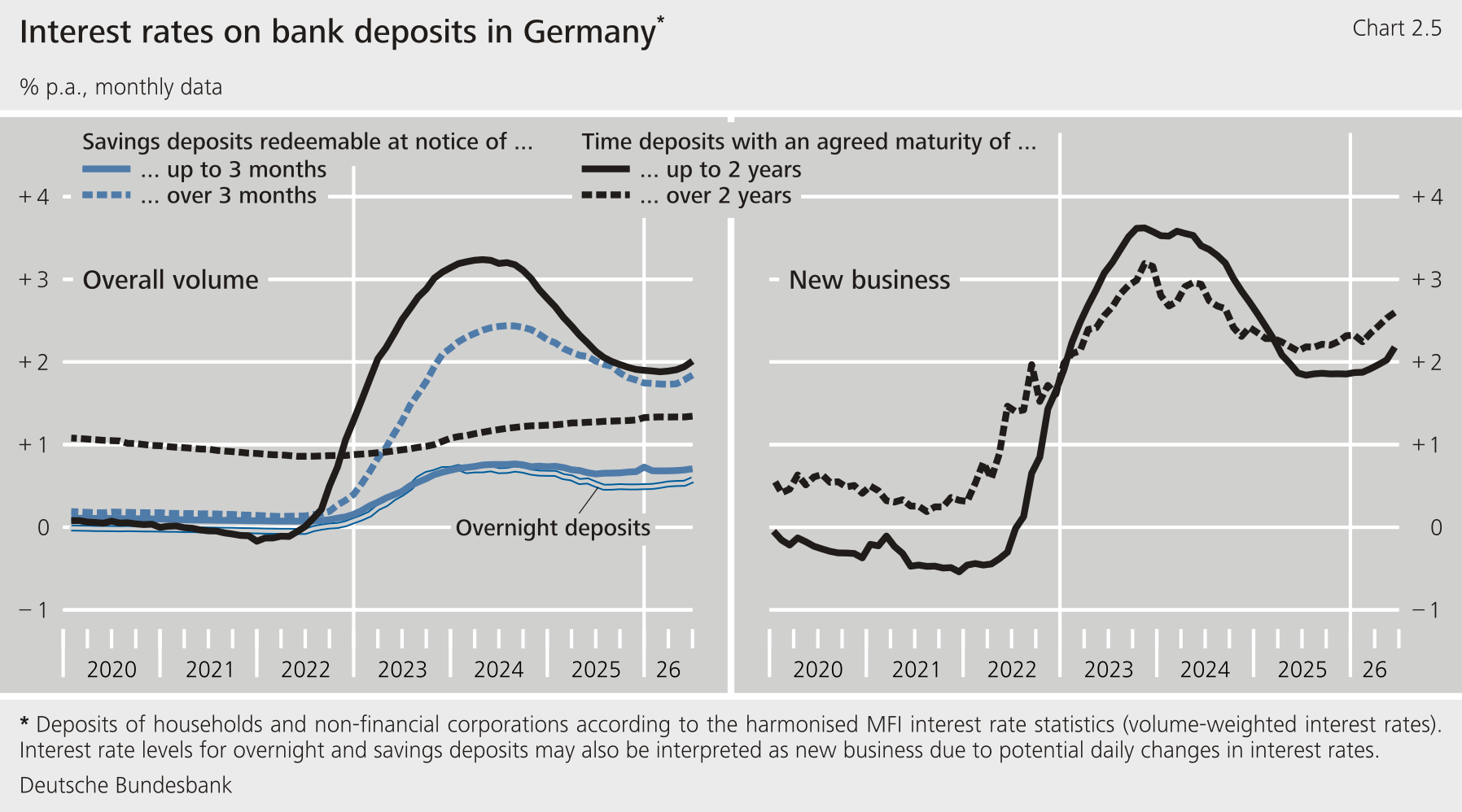
German banks’ deposit business with domestic non-banks expanded noticeably in the second quarter of 2026. Unlike in the previous quarters, overnight deposits were no longer the main driver of growth. Instead, short-term time deposits were key to the build-up of deposits, which was also true for the euro area as a whole (see Table 2.2). Non-financial corporations, in particular, and, unlike in the previous quarter, households, too, markedly increased their holdings of short-term time deposits. This development suggests that differences in yield between the forms of deposit once again played a larger role in bank customers’ investment decisions (see Chart 2.5).
German banks’ lending business with domestic customers likewise saw strong growth in the second quarter of 2026. In this context, significantly greater stimulus than in the previous quarters came from both the public and private sectors. The key factor for the strong expansion of loans to domestic general government was, in particular, securitised lending to public issuers. In the second quarter of 2026, growth in this lending was the highest it had been since the end of 2010.
The pronounced growth in loans to general government reflected the expansionary fiscal policy and high government deficit in Germany. These factors resulted in large needs for financing via the bond market. Central government, in particular, took out extensive loans, not least through the new exemption for defence spending and through the Special Fund for Infrastructure and Climate Neutrality (see the section entitled “Public finances” in this report). At the same time, German public debt securities’ higher yield level, high credit quality, and liquidity as well as their special role as a safe haven are likely to have made them more attractive for banks’ securities and liquidity portfolios.
Lending business with domestic enterprises and households recorded noticeable inflows in the second quarter of 2026. Taken together, the corresponding loans and securitised lending rose by around twice as much as in the first quarter, significantly exceeding the growth recorded in every quarter since the summer of 2022. Unlike in lending to general government, lending in this segment was mainly concentrated on loans (see Table 2.2). The growth was attributable almost equally to loans to households, loans to non-financial corporations, and loans to other financial corporations.
Table 2.2: Banks in Germany: changes in lending and deposits1 Quarter-on-quarter change in € billion, seasonally adjusted
Item
2026
2026
Q1
Q2
Deposits of domestic non-MFIs2
Overnight
20.8
8.8
With an agreed maturity of
up to 2 years
− 0.6
26.9
over 2 years
2.1
4.1
Redeemable at notice of
up to 3 months
− 4.6
− 6.7
over 3 months
1.3
3.0
Lending
to domestic general government
Loans
2.6
4.9
Securities
3.9
15.0
to domestic enterprises and households
Loans3
14.3
27.7
of which: to households4
9.6
9.7
of which: to non-financial enterprises5
− 0.6
8.2
Securities
1.7
4.5
1 Banks including money market funds. End-of-quarter data, adjusted for statistical changes and revaluations. 2 Enterprises, households (including non-profit institutions serving households) and general government (excluding central government). 3 Adjusted for loan sales and securitisation. 4 Including non-profit institutions serving households. 5 Non-financial corporations and quasi-corporations.
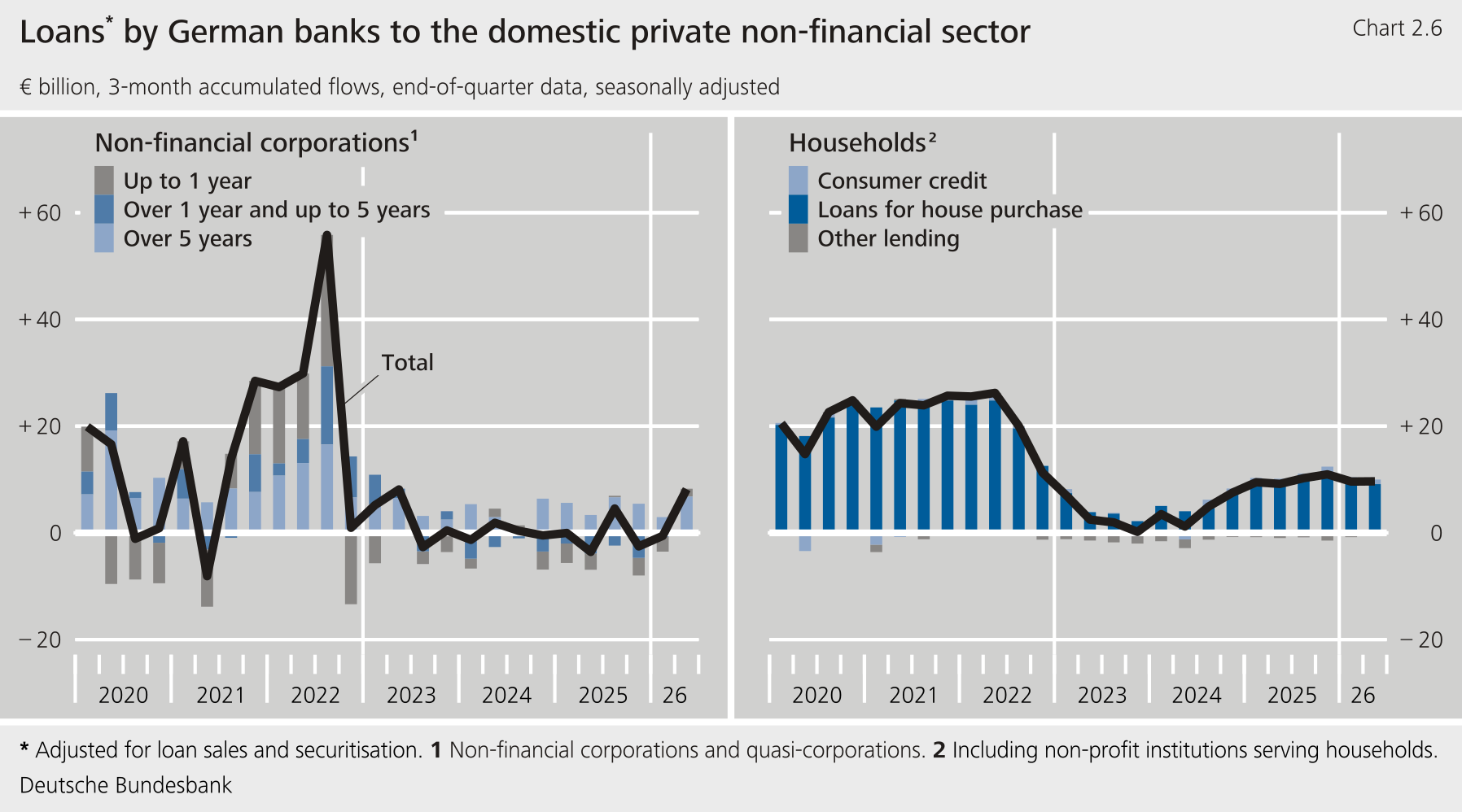
Current lending business with non-financial corporations represented a significant departure from the largely weak and often declining lending seen in recent quarters. Growth in the second quarter was driven mainly by long-term loans with maturities of more than five years. Short-term loans with maturities of up to one year also contributed to lending, but to a considerably lesser extent. By contrast, medium-term loans with maturities of between one and five years were again lacking momentum (see Chart 2.6).
The current growth in loans to non-financial corporations is consistent with an economic picture that is robust, but characterised by stress factors. The mounting recovery in the German economy is facing headwinds from the conflict in the Middle East, such as uncertainty, higher energy and commodity prices, and supply chain disruptions. The associated increases in costs amongst enterprises are also likely to have been the main reason for the net build-up of short-term loans. By contrast, the marked expansion of long-term loans is, similar to the situation in the euro area as a whole, likely to be partly related to the financing of longer-term investment projects.
The results of the BLS support this assessment of developments in lending to enterprises. According to the responses of the banks surveyed, demand for loans to enterprises increased to a somewhat greater degree in the second quarter and thus exceeded the expectations from the previous round of the survey. However, according to the BLS, the higher demand was driven exclusively by large enterprises and only affected long-term loans. The banks cited debt refinancing/restructuring and renegotiation of existing financing as the main reasons for the increased financing needs. 3 Large enterprises also exhibited greater demand for loans for fixed investment. The distinct growth in long-term loans to non-financial corporations reported on aggregate across all banks is therefore likely to have been due not only to the replacement and reorganisation of existing financing, but also to new financing for investment. By contrast, there was lower demand for loans among small and medium-sized enterprises.
At the same time, the higher cost burden on enterprises is likely to have dampened the internal financing available from current income. This is indicated by both data from the national accounts for the first quarter as well as the results from the SAFE survey for the first and second quarters of 2026. Both of these data sources point to subdued developments in corporate earnings compared with previous quarters. This is likely to have reduced the share of expenditure that can be financed from enterprises’ profits. The resulting financing gap may have been partially closed using long-term external funds and, in particular, long-term bank loans. This trend is likely to have been further supported by a desire to hedge interest rates.
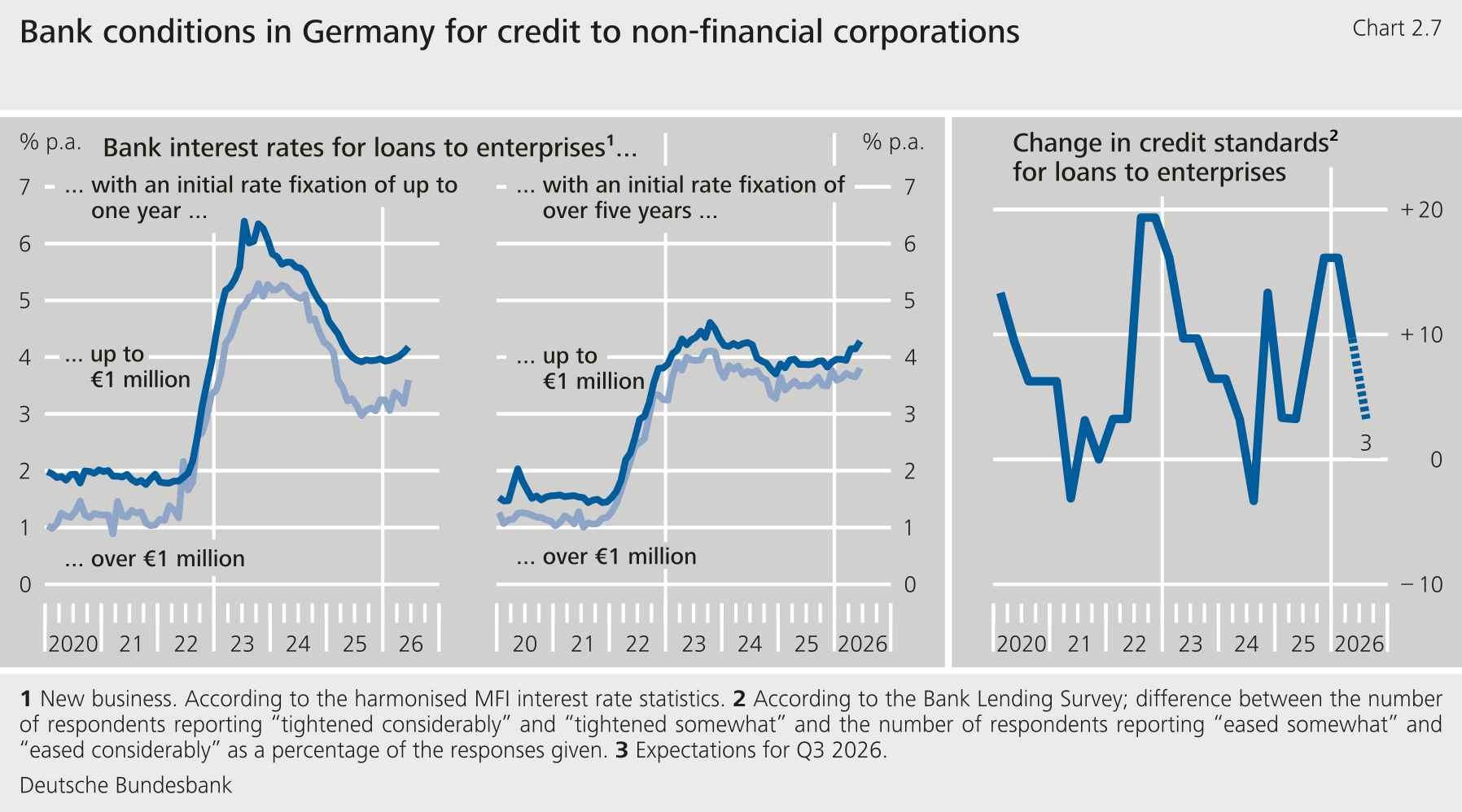
Banks’ lending conditions for enterprises had a dampening effect. Standards for loans to enterprises were tightened again in the second quarter, albeit to a lesser extent than in the previous quarter and to a lesser degree than the banks had previously planned. The tightening focused mainly on large enterprises. Over the past six months, the more stringent credit standards have particularly affected the real estate, manufacturing, and trade sectors. Within the manufacturing sector, standards were especially tightened for the motor vehicle production and energy-intensive manufacturing sectors. However, restrictive adjustments were made in all of the other economic sectors covered by survey as well. The banks cited industry-specific and firm-specific risks, the subdued economic situation, and the clouded economic outlook as the main reasons. Thus far, the conflict in the Middle East has had hardly any direct additional impact on credit standards. However, given the uncertainty surrounding future developments, the banks did not rule out later adjustments. The banks also made the actual terms and conditions agreed in loan contracts more restrictive. This was reflected in higher lending rates, wider margins for riskier loans, and stricter covenants (see Chart 2.7).
For loans to households, net inflows remained virtually at the level of the previous quarter. Housing loans, which are significant in terms of their volume, continued to account for the largest portion of lending, but did not gain any further momentum compared with the first quarter. Consumer credit recorded only moderate net inflows and, as a result, made little impact. By contrast, other lending to households, which includes loans to sole proprietors, was again reduced slightly. Overall, the positive development in lending to households that has been observed since mid-2024 remained unchanged, but has not picked up any further momentum since the beginning of 2026 (see Chart 2.6).
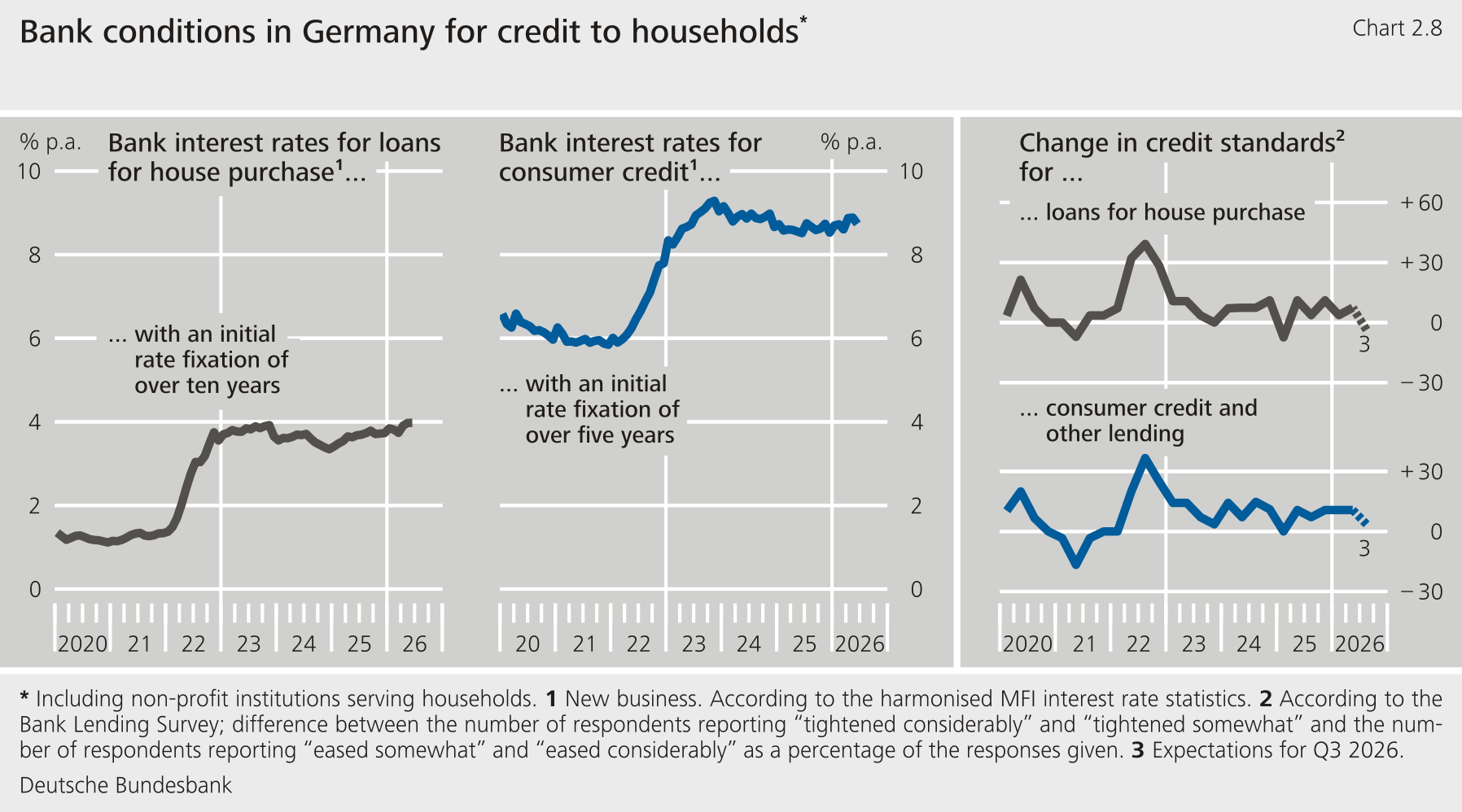
The assessments from the banks surveyed by the BLS paint a somewhat weaker picture for current household loan demand than the data from the monthly balance sheet statistics. 4 According to the BLS, demand for housing loans as well as for consumer credit and other lending saw its sharpest decline in three years. The banks attributed this mainly to lower consumer confidence, lower expenditure on durable consumer goods, and the higher general interest rate level (see Chart 2.8). Furthermore, housing market prospects provided negative stimulus to demand for housing loans for the first time in two years.
Lending conditions did not provide any supporting stimulus to the dynamics of loans to households. The surveyed banks tightened their credit standards for both housing loans and consumer credit and other lending. According to the banks, this was mainly due to higher credit risk. The banks attributed this increase in risk primarily to the subdued economic situation and the decline in households’ creditworthiness. The banks also made their credit terms and conditions for housing loans more restrictive. This was reflected in higher lending rates and wider margins on riskier financing. In this context, climate-related factors resulted in greater differentiation within private housing loans. The banks were more restrictive for loans to finance buildings with low energy efficiency and that do little to improve efficiency. By contrast, the terms and conditions for consumer credit and other lending remained unchanged on balance. For the third quarter, the banks expect a further decline in demand for loans among households, while they want to leave their credit standards broadly unchanged.
The banks also reported a slight deterioration in their own funding conditions. There was a deterioration in access to short-term customer deposits and refinancing via debt securities, in particular. With the exception of a further deterioration in access to short-term customer deposits, the banks expect funding conditions to remain broadly unchanged in the third quarter.