Monetary policy and banking business Monthly Report – May 2026
Published on
Monetary policy and banking business Monthly Report – May 2026
Monthly Report Published on
1 Monetary policy and money market developments
The Governing Council of the ECB left key interest rates on hold at its monetary policy meeting in March 2026. The war in the Middle East has made the outlook significantly more uncertain. The associated energy price shock poses upside risks to inflation and downside risks to economic growth. Its medium-term implications will depend both on the intensity and duration of the conflict and on how energy prices impact on consumer prices and weigh on the economy. The March ECB staff projections were revised upwards compared with the December projections and now expect headline inflation in the baseline scenario to average 2.6 % in 2026, 2.0 % in 2027 and 2.1 % in 2028. That baseline scenario already included two interest rate steps in the second half of the year in the assumption on the underlying path of interest rates.
Expectations of rate hikes have become entrenched in financial markets since March. The median response from the Eurosystem’s Survey of Monetary Analysts conducted before the April meeting revealed that participants were expecting two 25 basis point interest rate hikes in 2026. Money market forward rates, which are showing heightened volatility in the context of the ongoing conflict in the Middle East, are presently pricing in two to three interest rate increases for the current year. The increased expectations of interest rate hikes are likely to be due to energy price developments pointing to a stronger negative supply shock with higher inflation and subdued economic momentum than had been assumed in the baseline of the March projections.
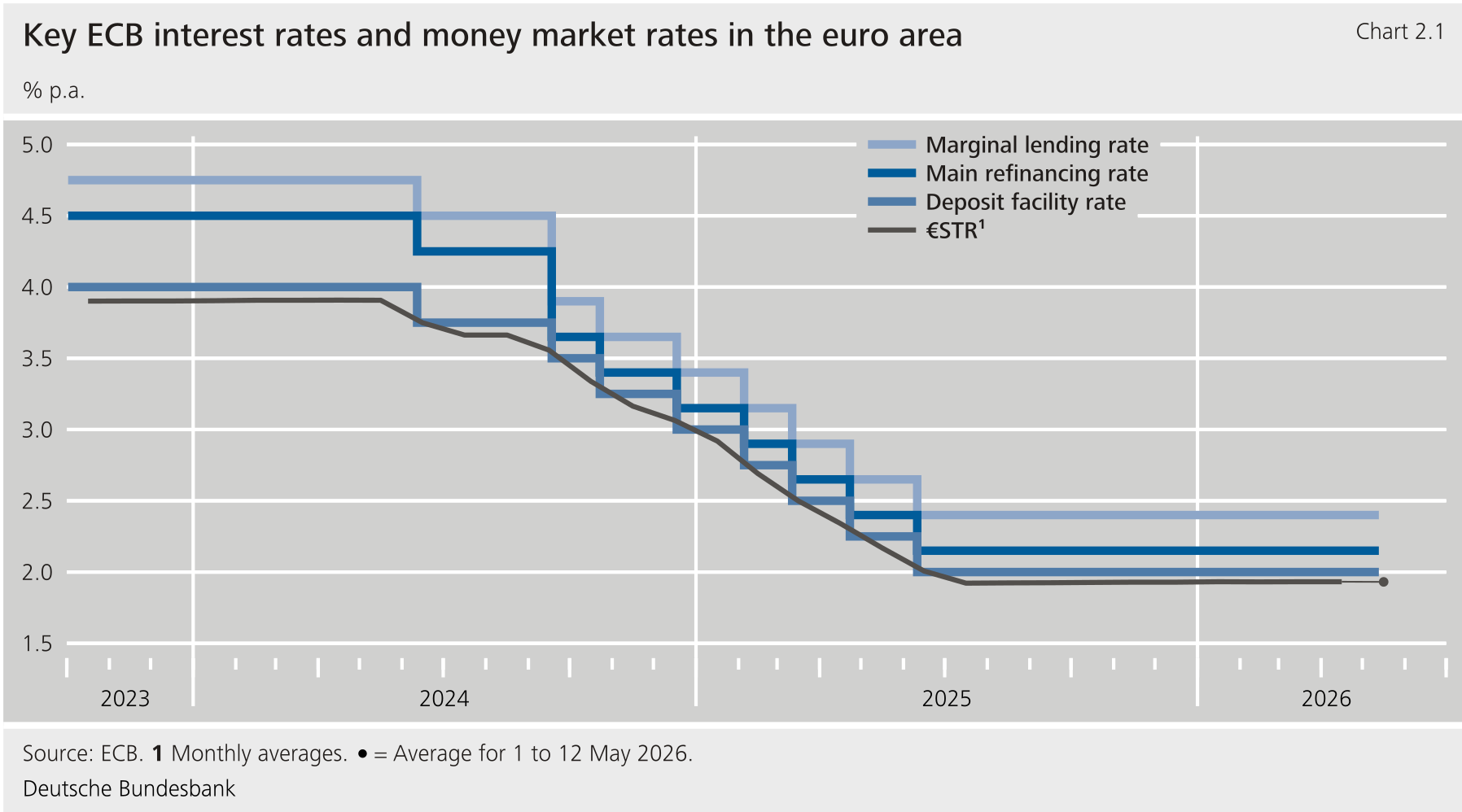
In view of the interest rate steps priced in as of mid-year, the Governing Council left rates unchanged in April. This means that the deposit facility rate, through which the Governing Council steers the monetary policy stance, continues to stand at 2 % (see Chart 2.1). The Governing Council emphasised in this regard that the upside risks to inflation and the downside risks to growth had intensified since the March meeting.
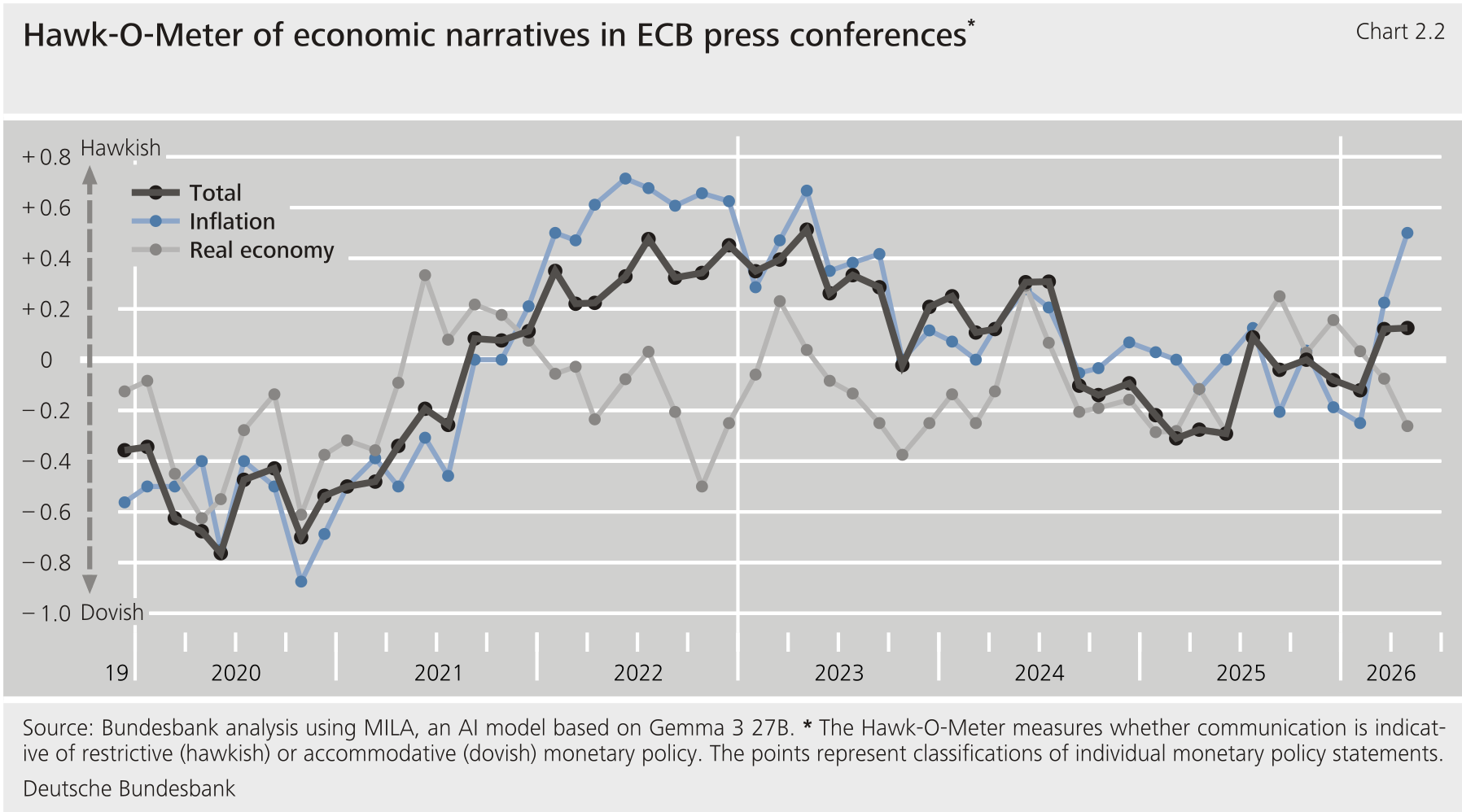
Against the backdrop of the pronounced energy price shock, the Governing Council’s narratives on inflation and real economic activity have been moving in opposite directions. This is also shown by text-based analyses using artificial intelligence (AI). An evaluation of the Governing Council's public statements using a Bundesbank-developed AI model called MILA (Monetary-Intelligent Language Agent) 1 finds that the inflation narrative has evolved from balanced in March to noticeably more restrictive (see Chart 2.2). The narrative on the real economy, by contrast, has become significantly less restrictive again than in previous months, according to MILA. This countermovement in the narratives, which intensified further in April, is consistent with the impact of a negative supply shock on inflation and economic growth described above.
Short-term money market rates remained virtually unchanged. The euro short-term rate (€STR) closed the reporting period at 1.93 %, around 7 basis points below the level of the deposit facility rate.
Monetary policy asset holdings are continuing to shrink. As previously, the principal repayments and interest income from asset holdings under the asset purchase programme (APP) and the pandemic emergency purchase programme (PEPP) are not being reinvested. On 8 May, the Eurosystem held assets totalling €2,174.6 billion under the APP. Asset holdings reported under the PEPP came to €1,345.8 billion on the same day.
Excess liquidity continued to contract. At last count, it stood at €2,248.8 billion. The decline was attributable primarily to maturing APP and PEPP assets.
2 Monetary developments in the euro area
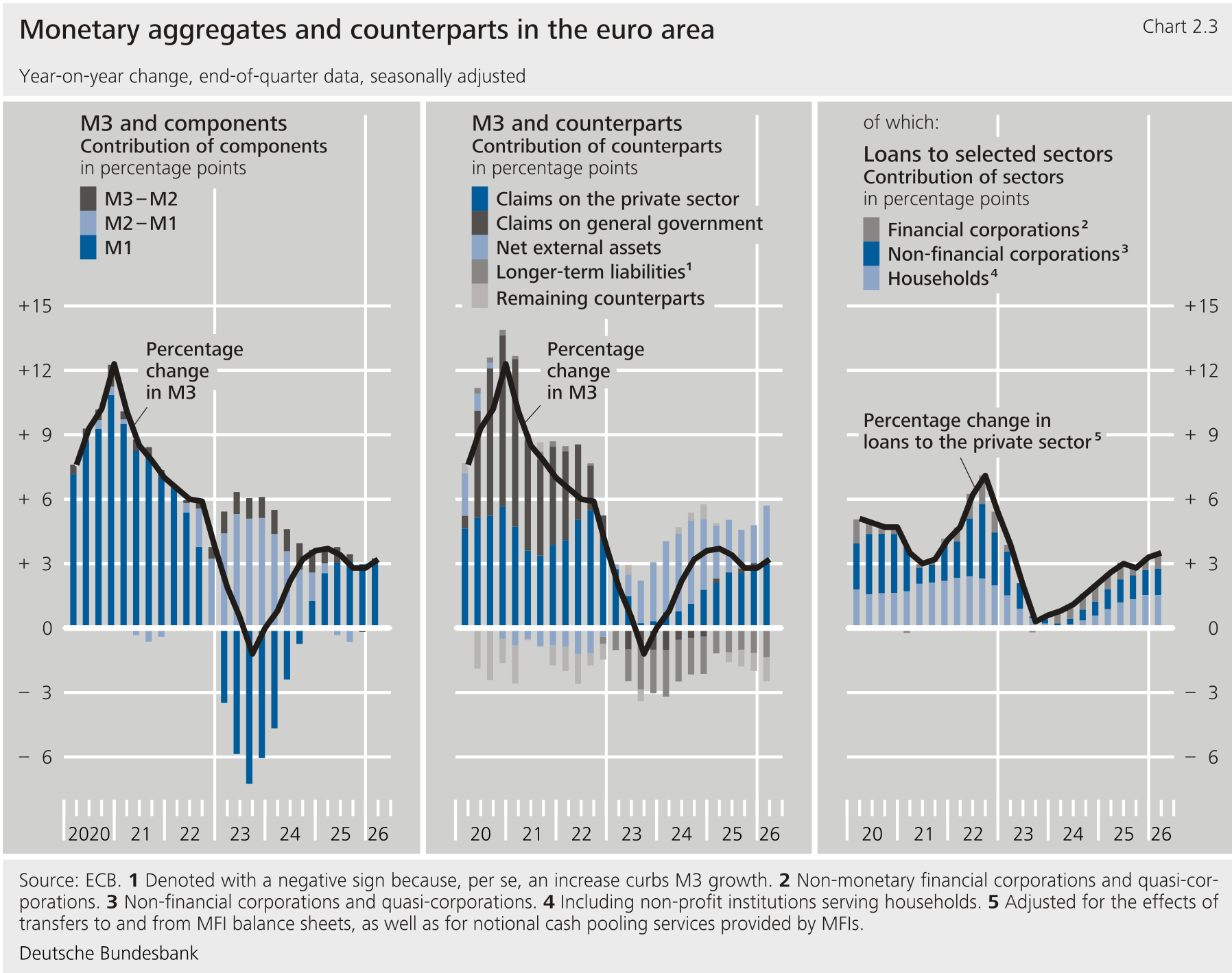
Monetary growth stabilised in the first quarter of 2026. The annual growth rate of M3 stood at 3.2 % at the end of March, somewhat higher than at the end of the previous quarter (see Chart 2.3). This robust growth was mainly driven by a continued build-up of overnight deposits and increased investor interest in money market funds and short-term bank debt securities, which are both remunerated at close-to-market interest rates. Developments were thus impacted by both an increased preference for liquidity and yield-oriented reallocations. On the counterpart side, the continued recovery in lending to the domestic private sector supported monetary dynamics. Lending to non-financial corporations remained on an upward trajectory, although the share of long-term loans has declined significantly of late. In addition to lending, increased foreign demand for domestic securities, especially government bonds, shares and investment fund shares, contributed to monetary dynamics as well.
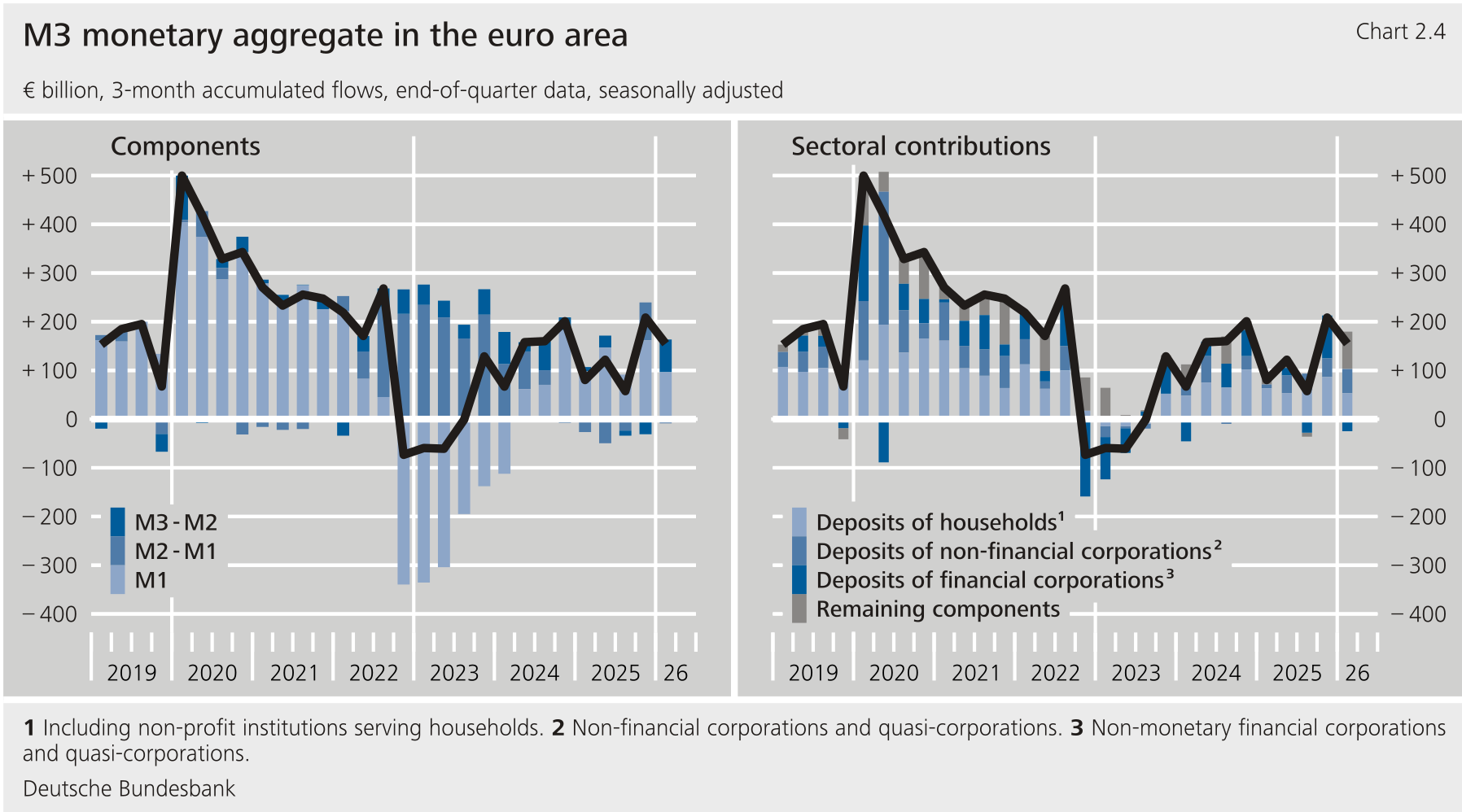
Households and firms added further to their holdings of short-term bank deposits in the first quarter of 2026. This was mainly because non-financial corporations and households once again made fairly substantial additions to their overnight deposits. The private non-financial sector's preference for highly liquid forms of investment thus remained intact, even if inflows were down on the previous quarter overall (see Chart 2.4). In addition, for the first time since the second quarter of 2024, demand among non-financial corporations picked up again for short-term time deposits. Financial corporations, by contrast, significantly reduced their short-term deposits in January and February. Given the economic recovery expected at the beginning of the year, they probably allocated part of their liquid funds to more profitable forms of investment. After the outbreak of the war in Iran, however, these reallocations came to a halt. In view of the renewed increase in uncertainty, both financial and non-financial corporations added again to their holdings of highly liquid overnight deposits in March.
In addition, investor interest in money market fund shares remunerated at close-to-market rates rose in the reporting quarter. France and Ireland were particularly affected by this development. There was also increased investor demand for short-term bank debt securities, which offered a yield advantage over bank deposits. This advantage increased further towards the end of the quarter, driven by expectations that there would be more key interest rate hikes. Longer-term bank deposits and bank debt securities were also in demand, but to a lesser extent than in previous quarters. This is likely to be related to the fact that their yields rose less strongly than those offered by shorter-dated paper.
Banks’ claims on euro area non-banks rose somewhat more slowly overall in the first quarter of 2026 than they had in the previous quarter, but they remained on an expansion path. Growth was driven primarily by loans to the private sector, which continued, on balance, the recovery that began in 2023 (see Chart 2.3). By contrast, banks’ securities claims on non-banks declined slightly as a result of the continued reduction in the Eurosystem’s securities holdings.
Table 2.1: Consolidated balance sheet of the MFI sector in the euro area1 Quarter-on-quarter change in € billion, seasonally adjusted
Assets
Q4 2025
Q1 2026
Liabilities
Q4 2025
Q1 2026
Claims on private non-MFIs in the euro area
182.2
152.0
Liabilities to central government2
– 32.8
19.0
Loans
167.1
148.4
M3
208.5
154.8
Loans, adjusted3
176.8
146.5
Securities
15.2
3.6
Currency in circulation and overnight deposits (M1)
161.9
96.4
Other short-term deposits (M2-M1)
77.7
– 8.6
Claims on general government in the euro area
10.2
14.4
Marketable instruments (M3-M2)
– 31.1
67.1
Loans
4.7
24.8
Longer-term liabilities
110.4
39.8
Securities
5.5
– 10.5
Capital and reserves
54.5
4.0
Net external assets
84.0
154.6
Other longer-term liabilities
56.0
35.8
Other counterparts of M3
9.8
– 107.3
1 Adjusted for statistical changes and revaluations. 2 Including central government deposits with the MFI sector and securities issued by the MFI sector held by central governments. 3 Adjusted for loan sales, loan securitisation as well as for items related to notional cash pooling services provided by MFIs.
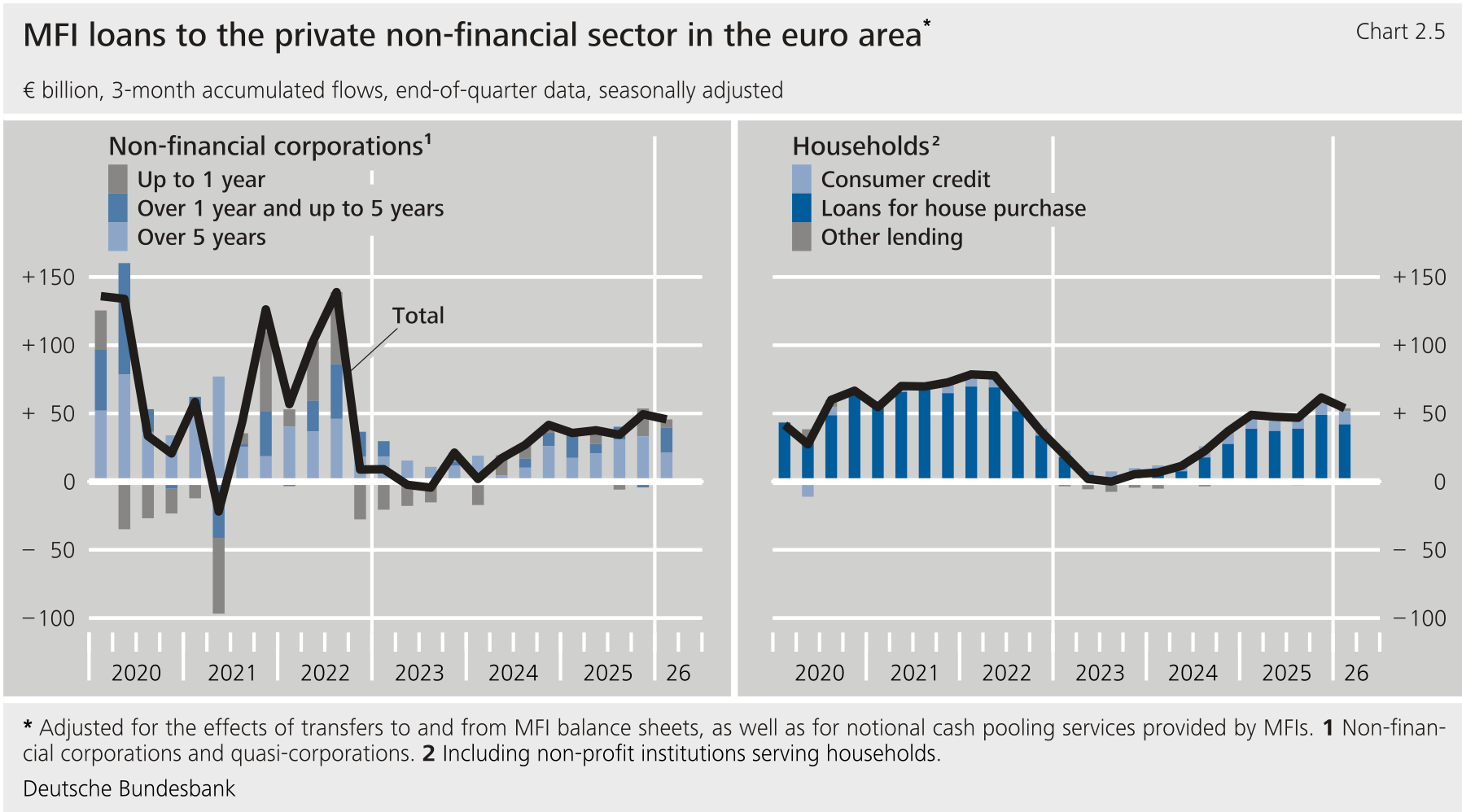
Lending to non-financial corporations remained on an upward path in the first quarter of 2026. Growth was somewhat lower following the sharp rise in the previous quarter (see Chart 2.5). Overall, though, the recovery path that began at the beginning of 2024 continued; the annual rate rose again slightly to 3.2 %. Contributions again varied fairly considerably across countries: German banks’ lending to non-financial corporations, for example, declined slightly in the reporting quarter (see the section entitled “German banks’ deposit and lending business with domestic customers”). By contrast, loans from banks in other countries in a better economic situation increased significantly in some cases, especially in Spain and Italy, but also in France.
All maturity segments contributed to the growth in loans to enterprises, with the share of long-term loans declining over the course of the quarter. The breakdown by maturity shows the marked impact of the war in Iran, which affected the month of March. In that month, the weights shifted significantly from long-term to short and medium-term loans. This was probably due mainly to uncertainty-induced reluctance on the part of banks and enterprises to finance long-term investment.
The results of the Bank Lending Survey (BLS) suggest that euro area banks further tightened their lending policies for loans to enterprises in the first quarter. The banks included in the survey reported a renewed and intensified tightening of credit standards compared with the previous quarter as well as more restrictive credit terms and conditions, mainly reflecting higher perceptions of risk and a lower risk appetite. According to banks, this was partly due to the war in Iran. 2 On balance, the banks included in the survey tightened their credit standards more rigorously for longer-term loans than for short-term loans. They thus also made restrictive adjustments to their loan supply by shortening loan maturities. At the same time, demand for loans to enterprises declined slightly as enterprises requested fewer longer-term loans to finance fixed investment.
Lending to households fell off markedly compared with the strong previous quarter. This was mainly due to loans for house purchase, whose strong growth previously suffered a significant setback (see Chart 2.5). According to the banks surveyed in the BLS, a deterioration in consumer confidence and developments in the general level of interest rates weighed on demand for loans. The growth in consumer credit also slowed amid higher lending rates. While other lending to households, which also includes loans to sole proprietors, increased somewhat, it was unable to offset the weaker development in the other loan categories.
The results of the BLS do not suggest that credit supply factors have curbed the surge in housing loans observed previously. On balance, the banks surveyed barely tightened their credit standards for housing loans and left their terms and conditions unchanged overall. Although a deterioration in perceptions of risk and reduced risk tolerance had a restrictive effect here, too, these factors were offset by expansionary competitive influences. Banks reported that margins on loans with an average risk profile therefore continued to fall.
For consumer credit and other lending to households, the BLS revealed a more restrictive picture. Credit standards were tightened again and more strongly than in the previous quarter, mainly in response to the banks’ higher risk perceptions and lower risk tolerance. Overall credit terms and conditions were also tightened. At the same time, demand for consumer credit and other lending declined significantly. This was due, in particular, to weaker demand for durable consumer goods and lower consumer confidence.
In addition to lending to the private sector, the net external position of the MFI sector also made a considerable positive contribution to monetary growth in the euro area. Preliminary balance of payments data suggest that non-residents once again significantly expanded their net purchases of euro area securities compared with the previous quarter. The focus was once again on debt securities issued by the Member States as well as shares and investment fund shares. By contrast, domestic non-MFIs continued to acquire foreign securities to a much lesser extent. This is likely to be attributable to factors such as heightened geopolitical uncertainty.
3 German banks’ deposit and lending business with domestic customers
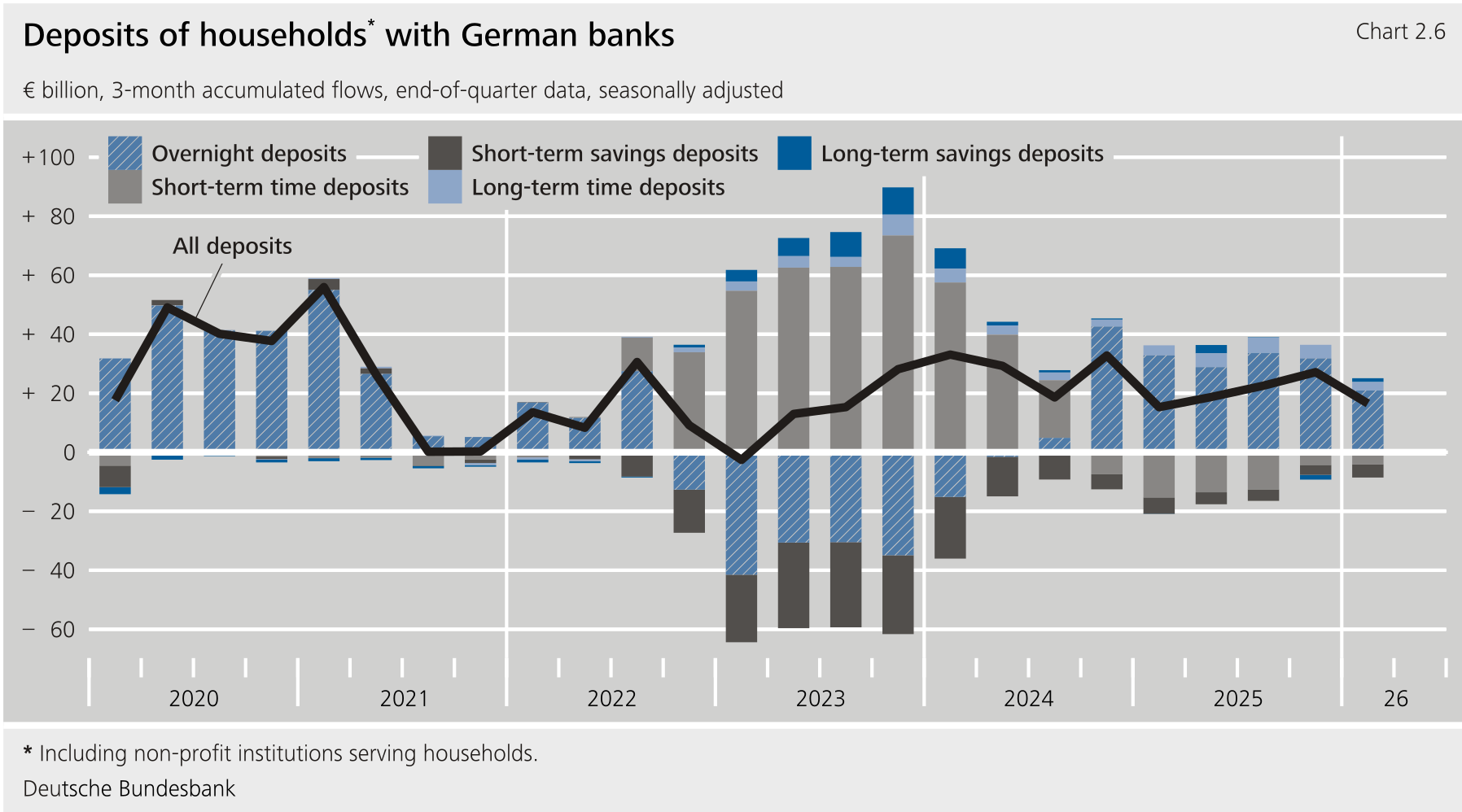
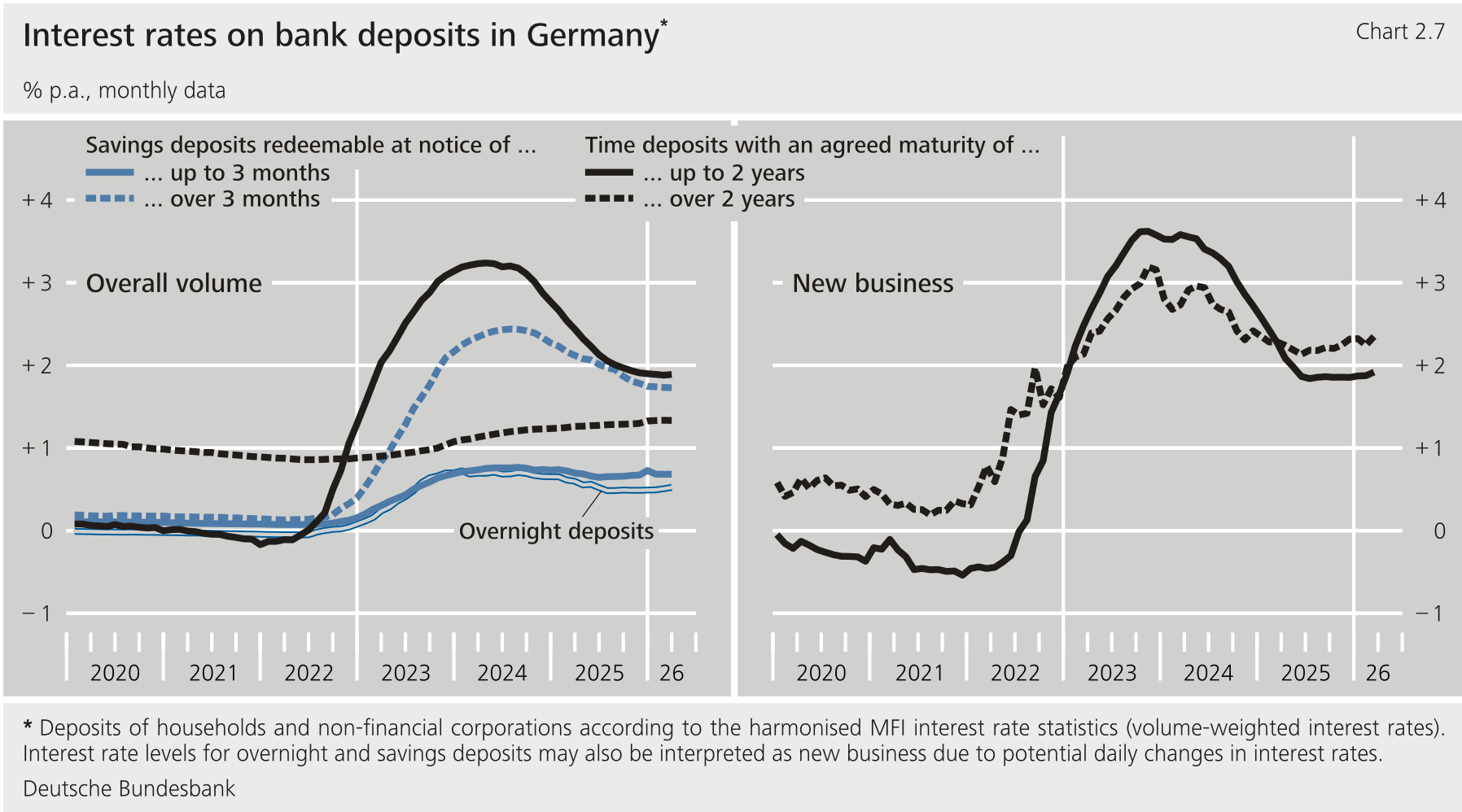
In the first quarter of 2026, domestic non-banks continued to build up their deposit holdings with German banks. The largest inflows came from households, which significantly increased their overnight deposits (see Chart 2.6). The higher economic uncertainty and ongoing economic slowdown led households increasingly to favour highly liquid deposits. In addition, financial corporations added further to their holdings of short-term time deposits, taking advantage of the yield advantage over overnight deposits (see Chart 2.7).
Viewed across all sectors, however, deposit growth slowed compared with the previous quarter. For one thing, non-financial corporations reduced their overnight deposits and reallocated some of them to short-term time deposits. This tendency was mainly observed in January and February, but reversed in March in the light of the Iran conflict and its economic impact. For another, short-term time deposits by general government (excluding central government) declined compared with the previous quarter, when the social security funds, in particular, had still used them for short-term investment.
Growth in German banks’ lending business with domestic customers in the first quarter of 2026 was slightly below the average of the previous year. Loans to the domestic private sector accounted for the bulk of business; the volume of lending was moderate, similar to the previous quarter. Borrowers were mainly households and financial corporations. Inflows to credit to general government were similar to those recorded in the previous quarter and were therefore well below the high levels of earlier quarters. One reason for this was that banks’ appetite for public bonds recovered only slightly.
Table 2.2: Banks in Germany: changes in lending and deposits1 Quarter-on-quarter change in € billion, seasonally adjusted
Item
2025
2026
Q4
Q1
Deposits of domestic non-MFIs2
Overnight
52.5
21.6
With an agreed maturity of
up to 2 years
15.1
– 0.6
over 2 years
2.6
2.1
Redeemable at notice of
up to 3 months
– 3.4
– 4.6
over 3 months
– 1.6
1.3
Lending
to domestic general government
Loans
6.7
2.6
Securities
– 0.6
3.9
to domestic enterprises and households
Loans3
15.7
14.5
of which: to households4
11.0
9.6
of which: to non-financial enterprises5
– 2.5
– 0.3
Securities
– 1.1
1.7
1 Banks including money market funds. End-of-quarter data, adjusted for statistical changes and revaluations. 2 Enterprises, households (including non-profit institutions serving households) and general government (excluding central government). 3 Adjusted for loan sales and securitisation. 4 Including non-profit institutions serving households. 5 Non-financial corporations and quasi-corporations.
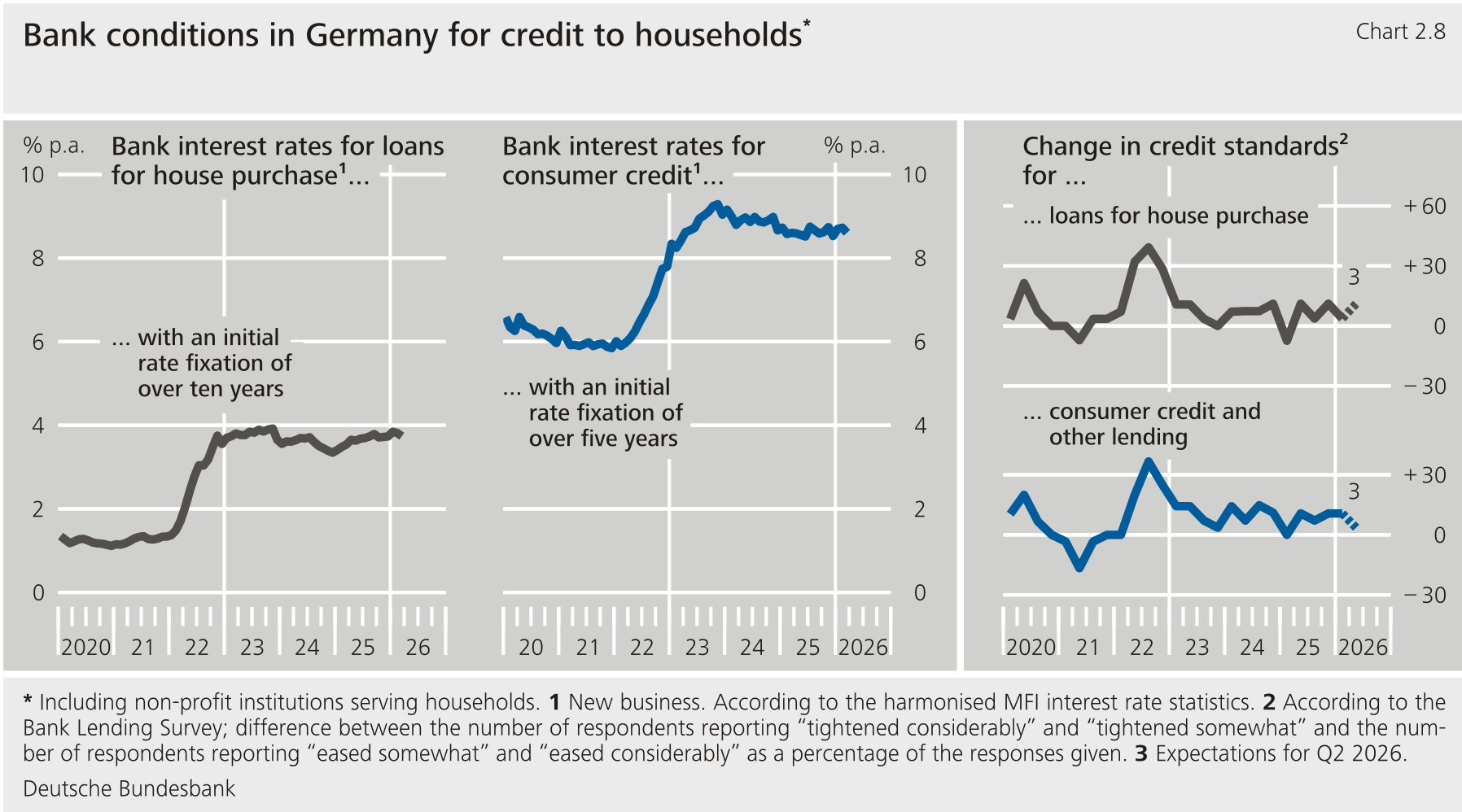
Lending to households weakened somewhat in the first quarter of 2026, with housing loans also losing momentum. Although demand for housing is persistently high, the slight rise in interest rates on housing loans observed since the beginning of 2025 has increased financing costs (see Chart 2.8). In addition, house prices and construction costs continued to move upwards in 2025, while the labour market situation and thus the income prospects of households deteriorated recently. Against this backdrop, the annual rate of housing loans was unchanged at 2.5 % at the end of the first quarter.
The results of the BLS support the picture of declining demand for housing loans. According to the banks surveyed, demand declined slightly in the first quarter of 2026 for the first time in two years. The institutions cited lower consumer confidence and the higher general level of interest rates as the main dampening factors. At the same time, the housing market prospects did not provide any positive impetus for the first time in two years. On the supply side, credit standards for loans to households for house purchase remained virtually unchanged. By contrast, the BLS banks, on balance, tightened their credit terms and conditions slightly, which was mainly reflected in higher lending rates.
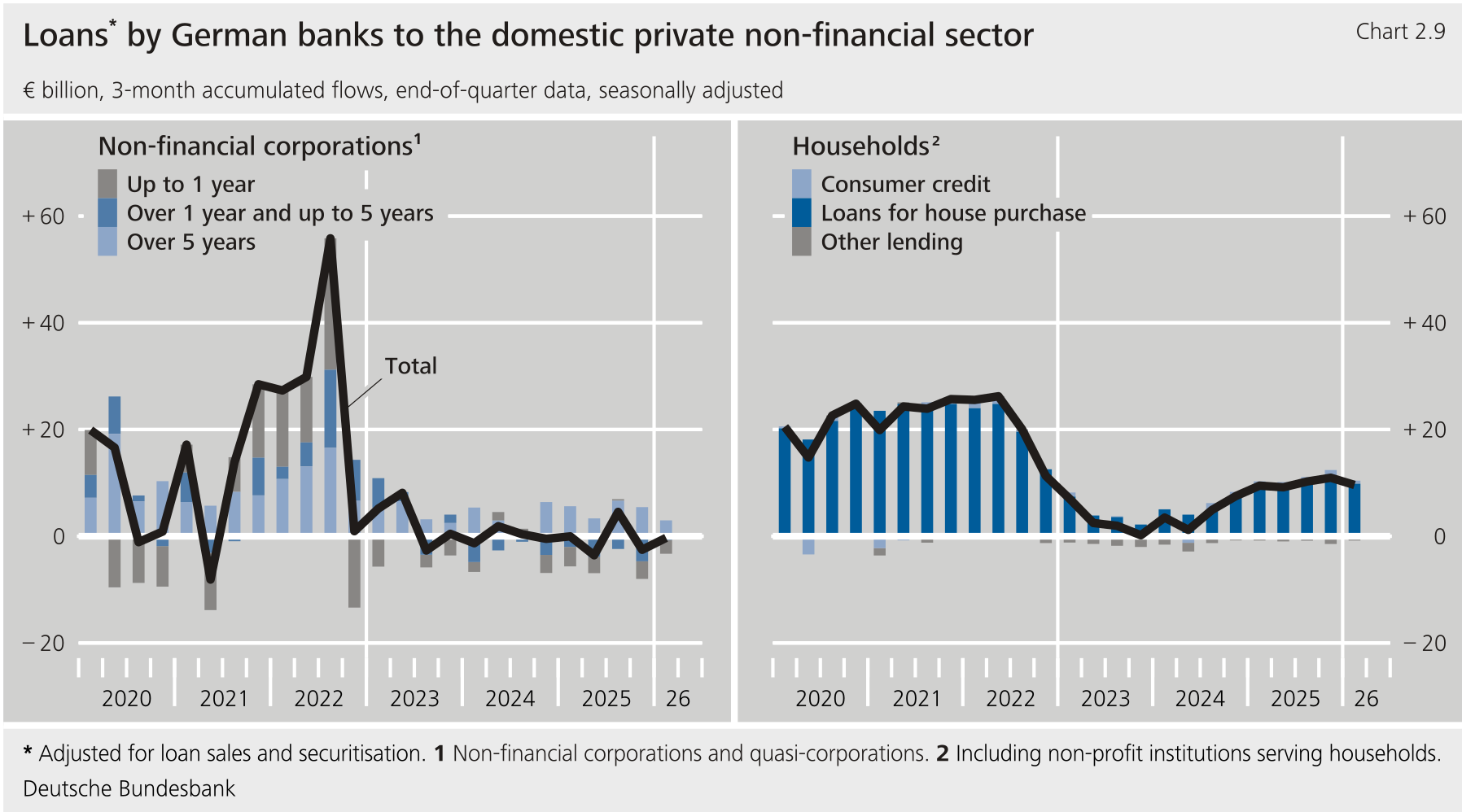
The recovery observed in consumer credit in previous quarters lost some momentum. Likely contributing factors are the further weakening of the labour market and a moderation in wage growth. Other lending, which also includes loans to sole proprietors, was reduced further, albeit to a lesser extent than in previous quarters (see Chart 2.9). The results of the BLS substantiate this view: across both loan categories, the banks included in the survey reported a significant decline in demand. In the institutions’ view, this was mainly due to declining household spending on durable consumer goods, lower consumer confidence and the higher general level of interest rates. On the supply side, banks continued to tighten their credit standards. They also made restrictive adjustments to their credit terms and conditions. They attributed this mainly to increased credit risk and their reduced risk tolerance.
Banks’ lending business with non-financial corporations did not pick up given the continued difficult environment. At − 0.2 %, the annual rate remained slightly negative at the end of March. The ongoing economic slowdown in Germany, geopolitical and trade policy tensions, and growing structural challenges continued to weigh on enterprises’ loan demand in the first quarter of 2026. Capacity utilisation persisted at a low level and dampened firms’ propensity to invest. The war in the Middle East further increased uncertainty about the economic outlook. The burdens were unevenly distributed across enterprises and sectors.
Growth in long-term loans, which are usually used to finance investment, fell short of previous quarters. At the same time, the reduction in short and medium-term loans continued. This means the banking statistics are not yet showing any rise in short-term liquidity needs driven by energy price increases or supply bottlenecks as a result of the war. The banks surveyed in the BLS did, however, see a marginal increase in demand for short-term loans, while they also estimated that financing needs for fixed investment were declining.
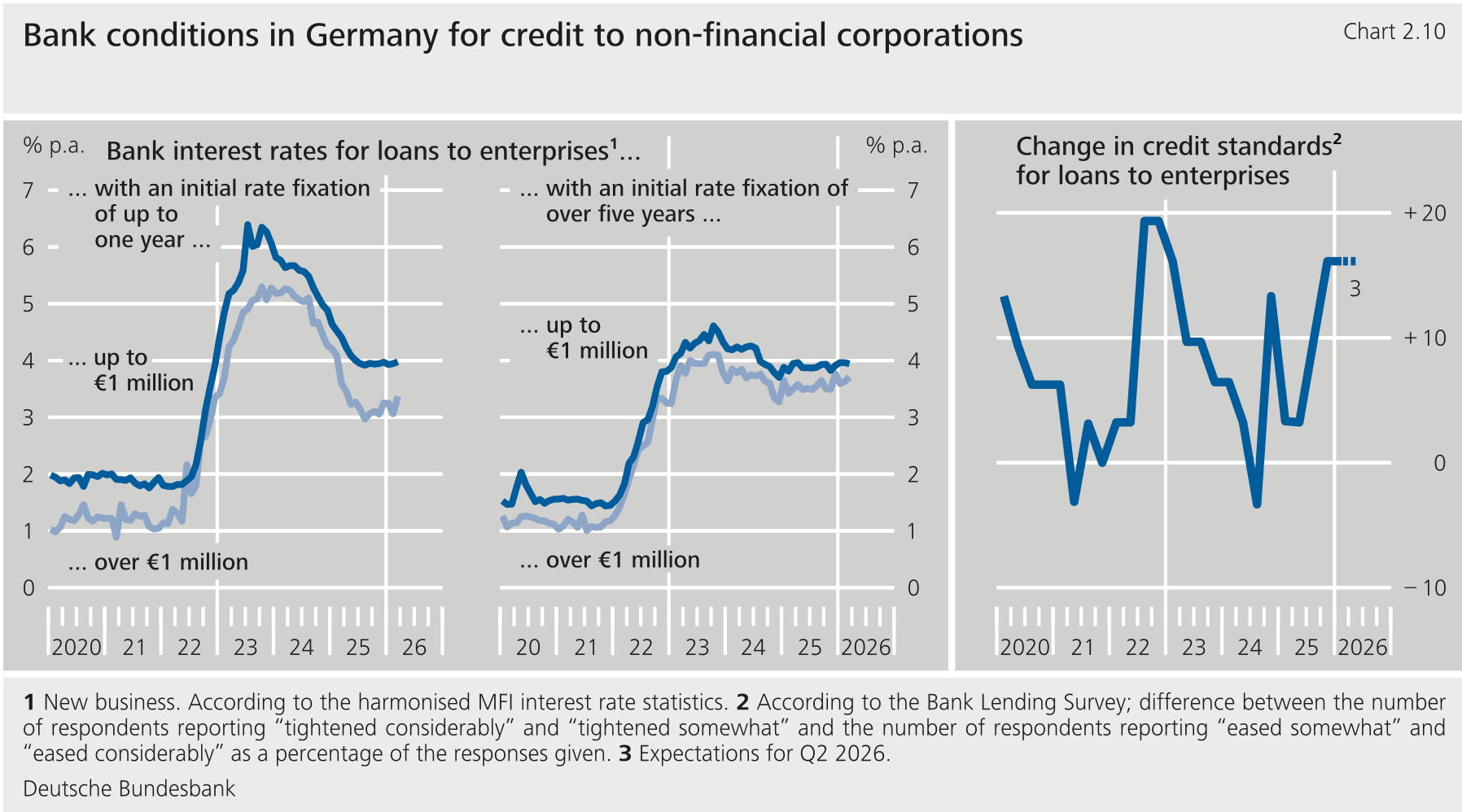
Banks tightened their lending conditions further in the first quarter of 2026, but there has so far not been any wider tightening as a result of the war in the Middle East. According to the banks surveyed in the BLS, credit standards for loans to enterprises were on balance tightened to a similar extent as in the previous quarter (see Chart 2.10). However, the BLS banks did not report any additional tightening measures that went beyond the plans made in the previous quarter as a result of the war in the Middle East. Industry-specific and firm-specific factors were the main factors behind the recent adjustments to credit standards. In addition, the subdued general economic situation and outlook as well as lower risk tolerance among banks continued to have a restrictive effect. Furthermore, the BLS banks reported once again that the non-performing loans ratio and other indicators of credit quality had contributed to the tightening of credit standards. The banks surveyed in the BLS also made their credit terms and conditions more restrictive. Alongside increased credit risk, they cited a rise in funding costs among the reasons.