The Iran war has influenced financial markets through two main channels: rising inflation expectations and a gloomier economic outlook. From the start of the US-Israel war with Iran, the impacts of higher energy commodity prices were swiftly reflected in bond, foreign exchange and equity market valuations. Short-term market-based inflation expectations rose considerably, especially in the euro area, and market participants revised their expectations for future policy rates upwards. This pushed up long-term sovereign bond yields, reduced risk appetite and weighed on the markets for risky assets. Longer-run inflation expectations, however, remained anchored at the 2 % medium-term inflation target. The euro came under pressure against the US dollar during this period. Risk appetite, euro and equity valuations recovered markedly following the announcement of a ceasefire in the Iran conflict at the beginning of April, with the most adverse scenarios for energy commodity markets initially appearing less likely. Long-term sovereign bond yields nevertheless remained elevated, driven particularly by expectations of higher short-term interest rates in the future. In addition, market participants’ confidence in a swift resolution to the conflict and a normalisation in energy markets took a setback, as it remained unclear whether and when the Strait of Hormuz – vital for energy commodities – would be passable to shipping again. Despite this, US equities recently reached a new all-time high as risk appetite grew. Gains in European equities were smaller amid persistently high energy prices and a gloomier economic outlook for Europe.The euro fell again recently, as surprisingly high US inflation figures pushed up policy rate expectations in the United States.
2 Exchange rates
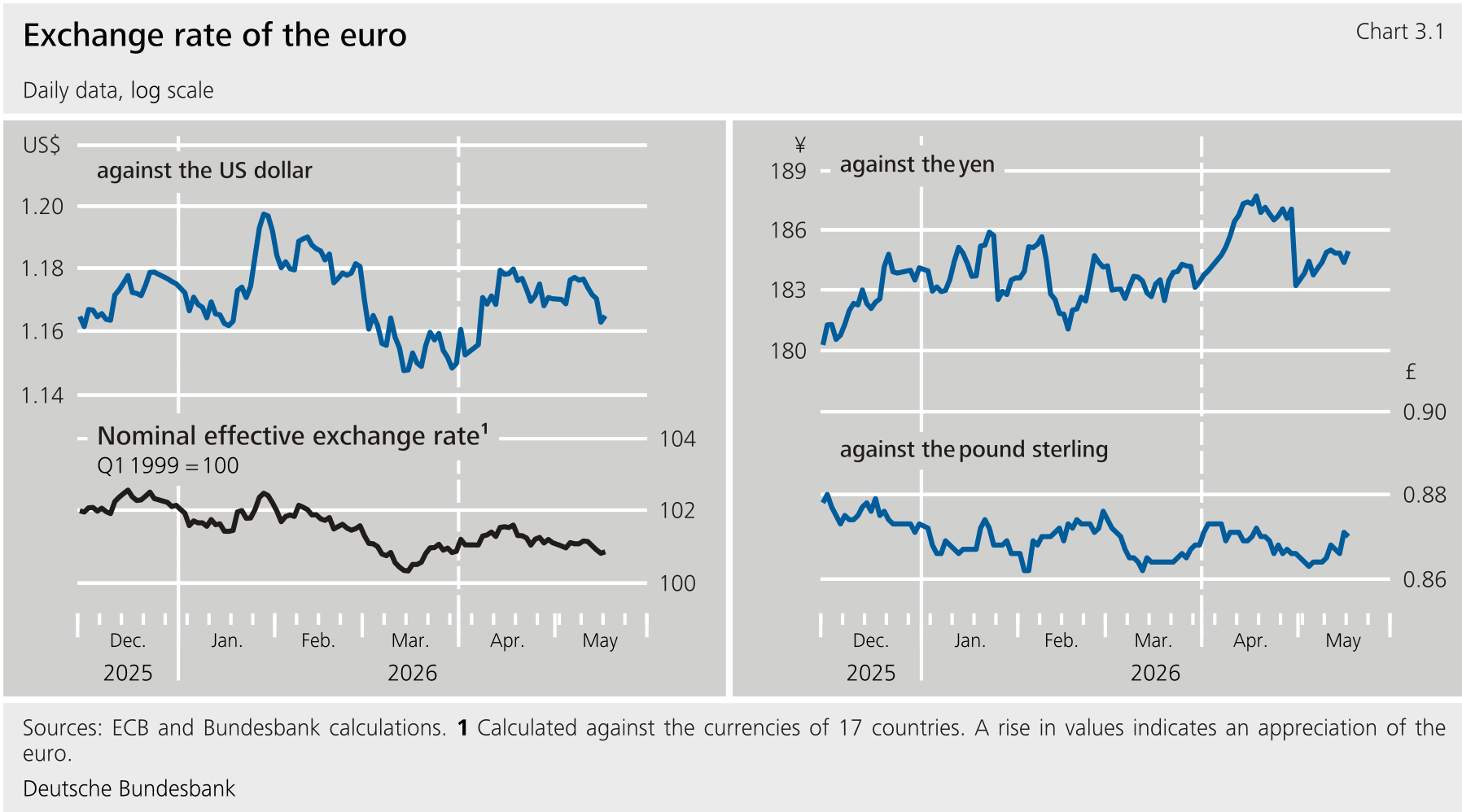
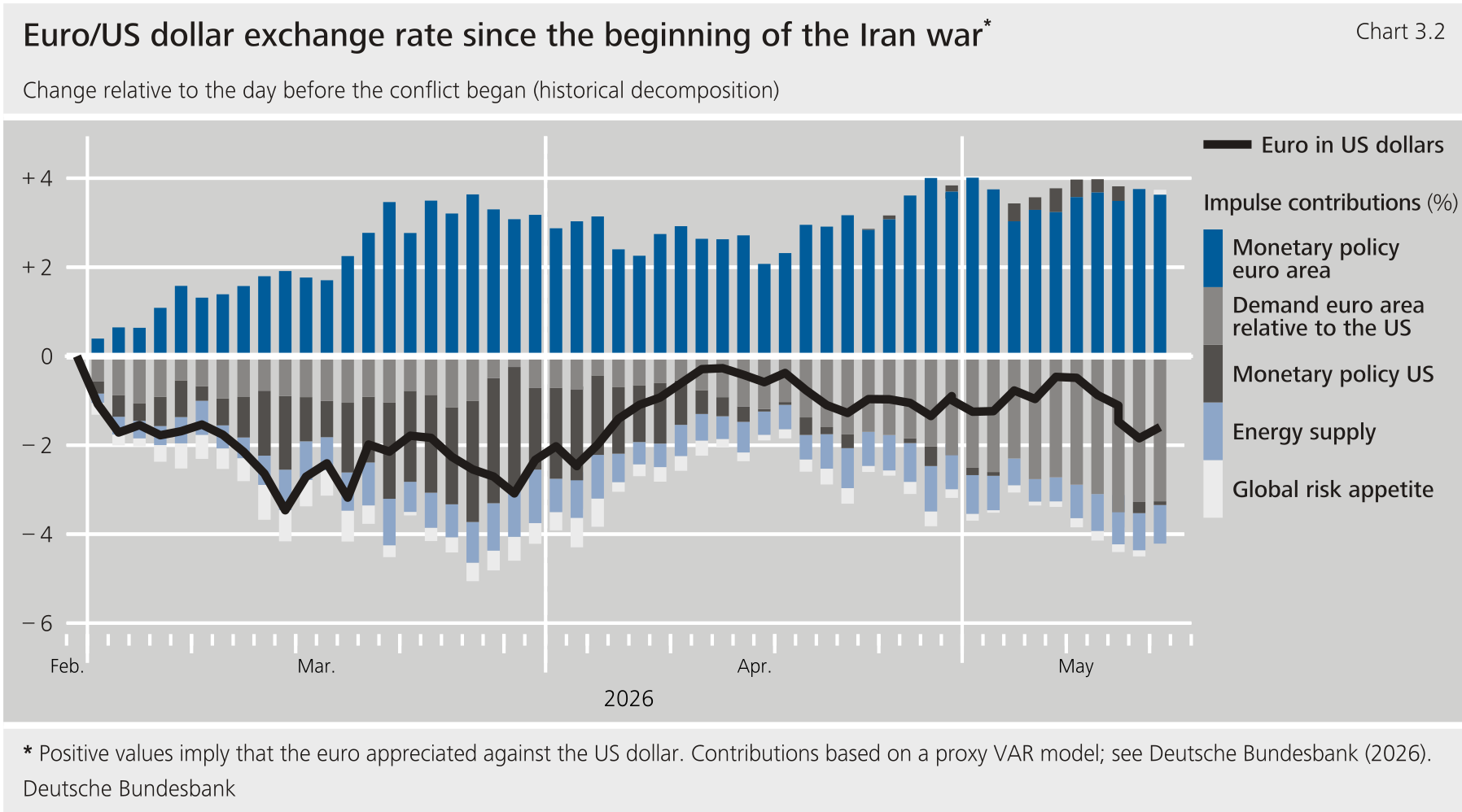
The euro-US dollar exchange rate came under pressure temporarily following earlier adverse political developments at the end of February as a result of the US-Israeli attack on Iran and the resulting tensions in crude oil markets. The political developments that have dominated since the beginning of the year, especially concerning Greenland, led to a marked depreciation of the US dollar. This was reversed as tensions around Iran intensified. Markets began to price in a military escalation from as early as mid-February, as US-Iran negotiations over the Iranian nuclear programme faltered. With the launch of attacks, downward pressure on the euro increased considerably. One major reason for this was the sharp rise in energy prices, which hit the euro area harder than the United States. As a net oil importer, the euro area was particularly affected by higher energy import costs and a deteriorating trade balance. This also led to a weaker growth outlook for the euro area compared with the United States, weighing further on the euro. A model-based decomposition of the exchange rate movement also suggests that a decline in risk appetite contributed to the depreciation of the euro (see Chart 3.2). The euro recovered somewhat from mid-March onwards, however, with markets expecting the United States to lose some of its interest rate advantage over the euro area following the meetings of the Federal Open Market Committee and the ECB Governing Council. This was due to various indicators, including market-based, survey-based and model-based measures, pointing to stronger increases in euro area inflation expectations. Markets therefore anticipated a tighter monetary policy stance by the Eurosystem. The ceasefire announced between the warring parties in the Gulf at the beginning of April significantly bolstered the euro’s recovery. It eased the outlook for oil markets, thereby improving the prospects particularly for energy-importing economies such as the euro area. Given the lack of a viable agreement between the United States and Iran, however, the exchange rate remained vulnerable to further swings. In addition, surprisingly high US inflation figures, as a result of which policy rate expectations in the United States rose, weighed on the euro. As this report went to press, the euro was trading at US$1.16, and thus 0.9 % weaker than at the turn of the year.
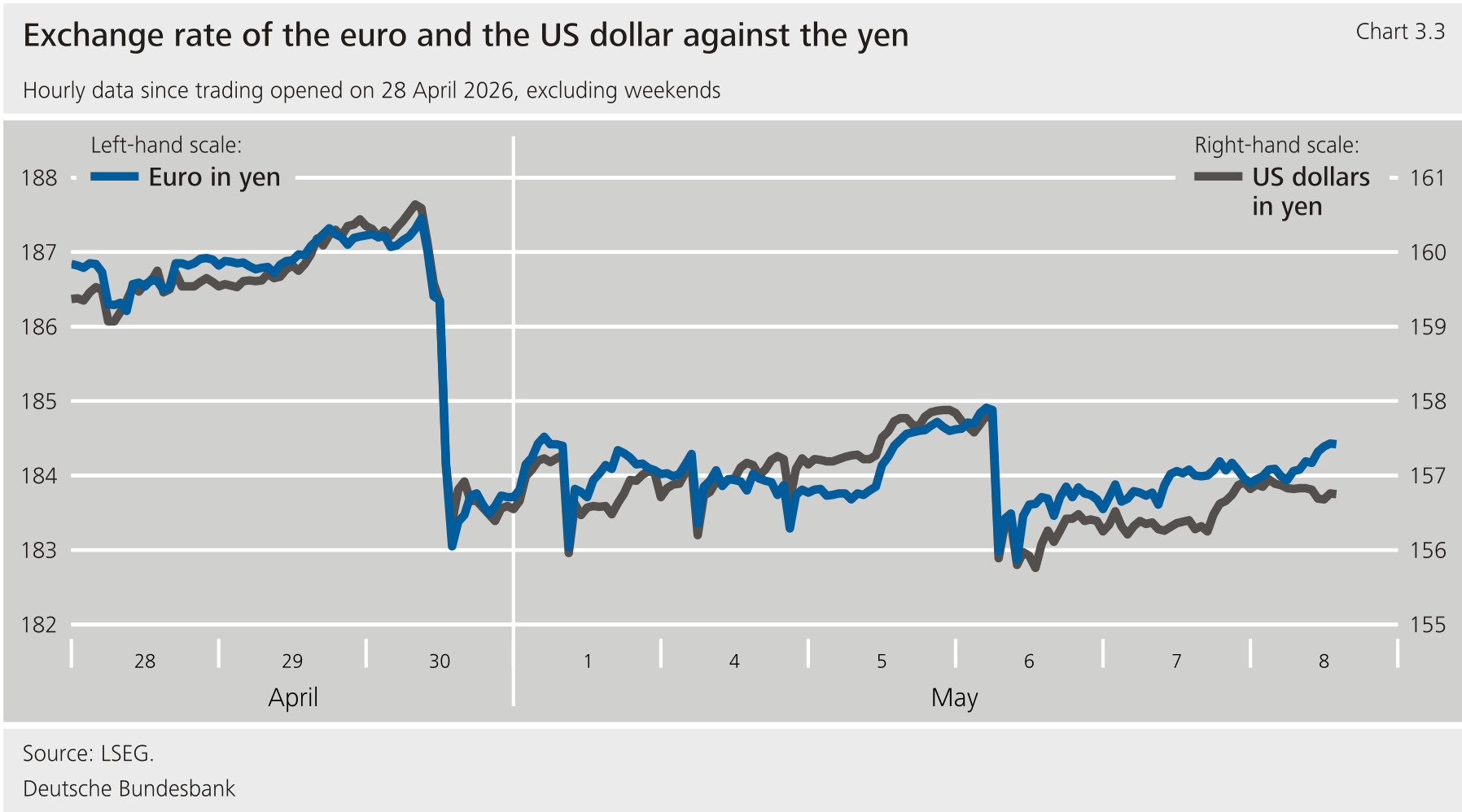
Against the yen, the euro is now trading somewhat stronger year to date, after hitting one more new all-time high directly prior to intervention signals from Japanese authorities. Before the outbreak of the Iran war, upward and downward pressures alternated, meaning that the euro-yen exchange rate fluctuated without a clear trend. Monetary policy and macroeconomic factors were the main drag on the yen. Japanese inflation data, which came in lower than the markets expected, dampened expectations of further interest rate hikes. This was partly due to the nomination to the Bank of Japan’s monetary policy board of two economists seen by markets as advocates for more of a loose monetary policy. Concerns about additional fiscal measures and their implications for government debt also weighed on the Japanese currency. On the other hand, reports of rate checks conducted by US authorities bolstered the yen and fostered expectations that the Fed might intervene to support the Japanese currency. In addition, Prime Minister Takaichi’s clear election victory favoured the yen. Market participants saw her win as a signal for reduced domestic policy uncertainty. With the escalation in the Middle East, the yen initially benefited from net capital inflows owing to increased uncertainty in the global environment. The trend reversed particularly in April, however, when the euro appreciated strongly against the yen and hit a record level of ¥188 by mid-month. This was mainly driven by monetary policy. While markets in the euro area priced in considerably higher short-term interest rates due to the energy price shock, interest rate expectations in Japan rose only moderately. This widened the interest rate differential in favour of the euro. More recently, yen weakness was stemmed by the Japanese Ministry of Finance, which stepped up its intervention warnings. The euro fell sharply immediately following the warning (see Chart 3.3), which market participants attributed to suspected yen-buying against US dollars by the Japanese authorities. As this report went to press, the euro was trading at ¥185, and thus up 0.5 % versus the beginning of the year.
The euro depreciated against sterling in the reporting period. The euro-pound rate was chiefly influenced by changing monetary policy expectations as a result of the Iran war. At the beginning of February, prior to the outbreak of the conflict, the Bank of England held its base rate unchanged at 3.75 %. The decision by four of the nine committee members to vote for a 25 basis point cut took markets by surprise, however. Investors therefore began to price in earlier UK interest rate cuts, and sterling declined. Weaker UK growth and labour market data in mid-February accelerated the appreciation of the euro. The energy price shock following the outbreak of the war in the Middle East raised inflation expectations worldwide but particularly in the United Kingdom. Here, it combined with already higher and more stubborn domestic price pressures, especially in services. Expectations about the Bank of England’s future monetary policy rates therefore saw larger upward revisions than those for the euro area, supporting the pound. This was also reinforced by the Bank of England Monetary Policy Committee’s March decision to hold the base rate at 3.75 %, which, unlike the February decision, was unanimous. The euro depreciated further in April, when a falling UK unemployment rate, robust purchasing managers’ indices and improving retail sales data were released. The euro closed the reporting period at £0.87 on balance, and thus down by 0.3 % since the end of the previous year.
The euro weakened on a weighted average against major trading partners. The euro’s effective exchange rate was down by 1.3 % on balance over the reporting period. More than half of this was attributable to the 3.7 % depreciation against the Chinese renminbi alone. In addition, the euro depreciated markedly by 6.2 % against the forint, which likewise had a noticeable downward impact on the nominal effective euro rate. The stronger forint was due to the Hungarian opposition’s electoral success, which fuelled hopes of a more favourable economic outlook. Overall, the effective depreciation of the euro slightly improved the price competitiveness of the euro area and Germany.
3 Securities markets
3.1 Bond market
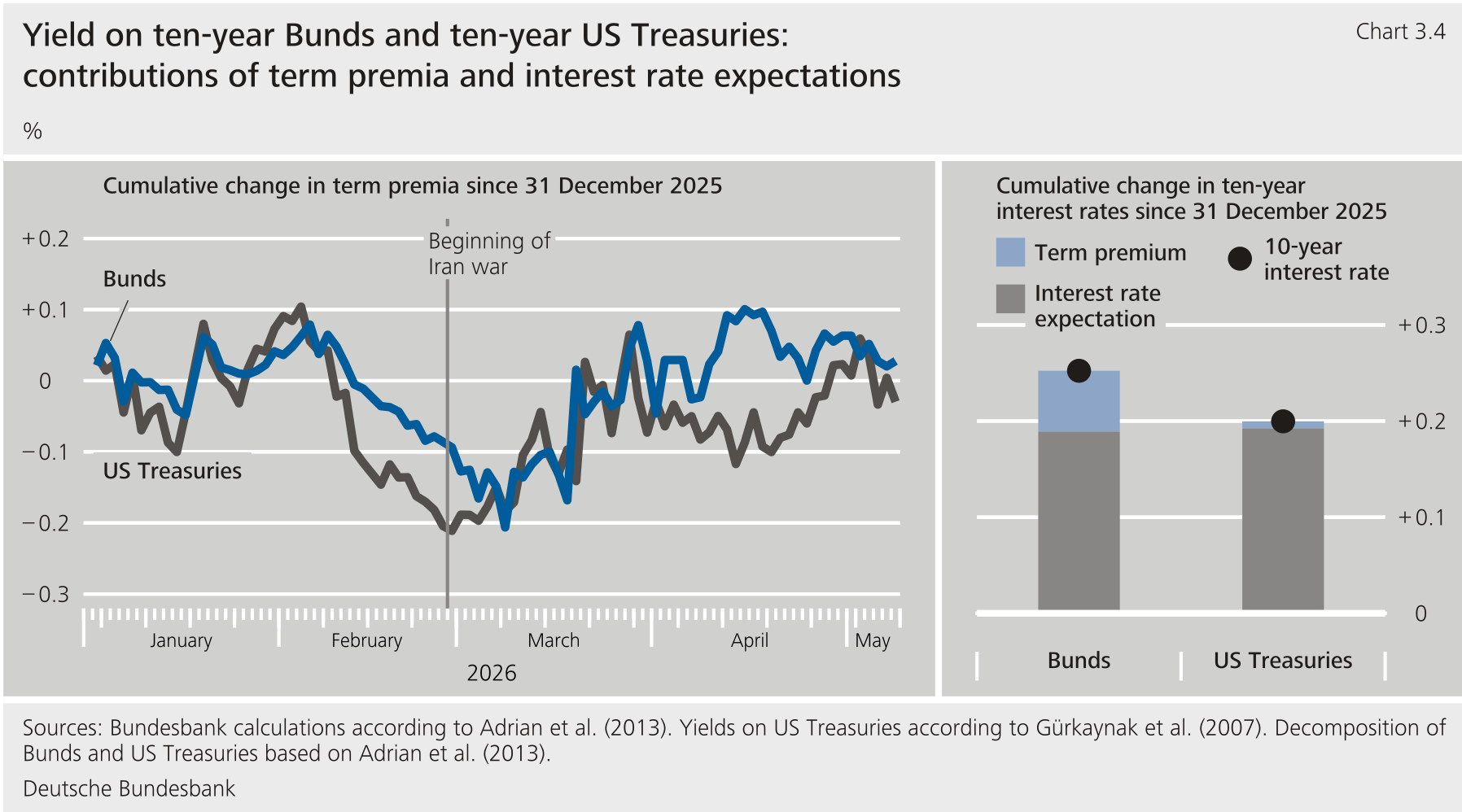
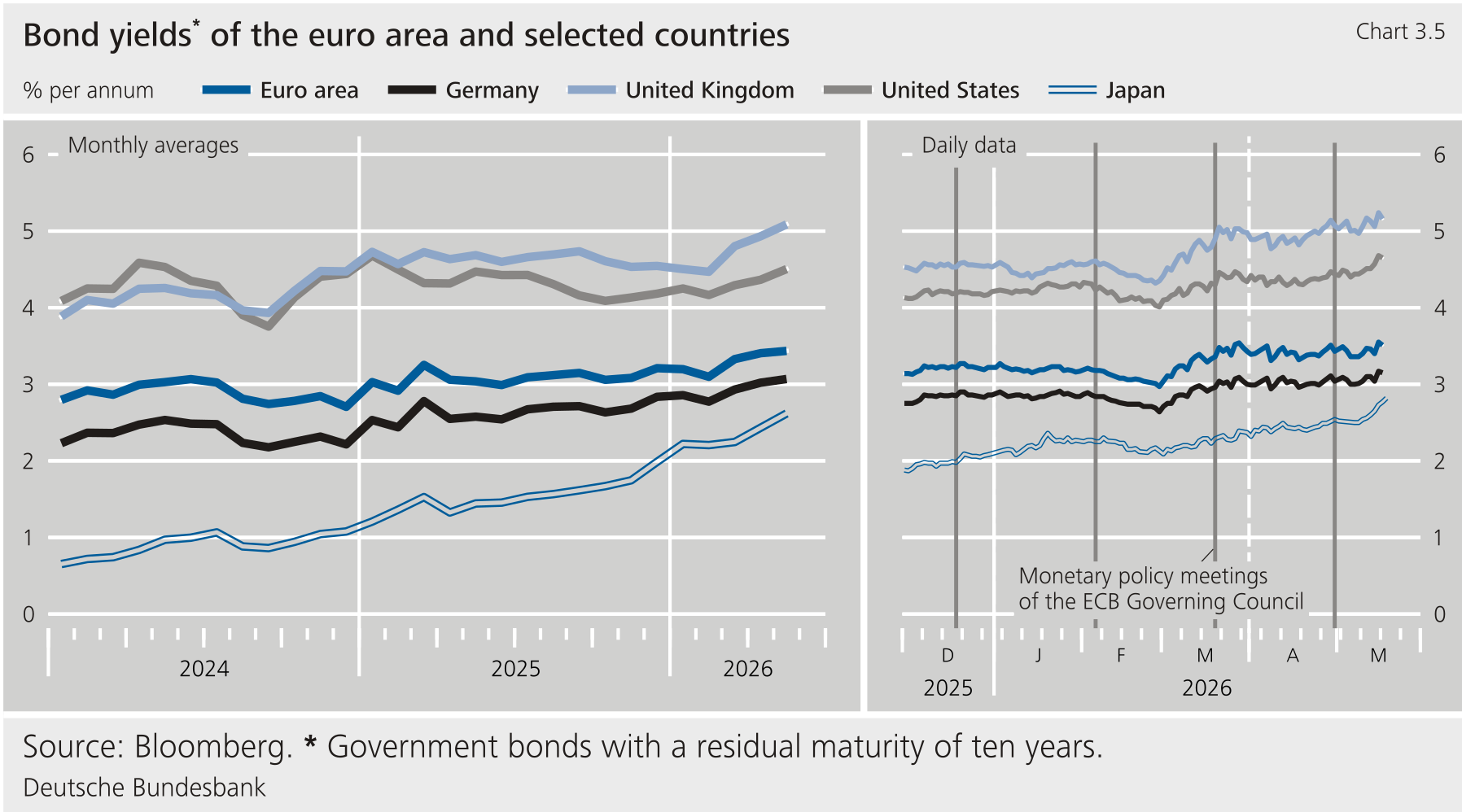
Yields on ten-year US government bonds have risen significantly on balance since the start of the year. Prior to the Iran war, however, ten-year US Treasury yields initially fell slightly. US inflation data at the beginning of the year proved lower than expected, while concerns about the independence of the US Federal Reserve gradually receded somewhat into the background. For market participants, these factors also reduced uncertainty about the future trajectory of key interest rates; they demanded lower term premia for bearing interest rate risk.This is shown by a model-based decomposition of the yield curve for US Treasuries, which decomposes yields into an expectation component and term premia (see Chart 3.4). After the start of the Iran war, the monetary policy outlook for the United States changed markedly. With higher energy commodity prices and the associated rise in inflation, in some cases surprisingly strong, market participants no longer saw any scope for interest rate cuts by the US central bank and have recently also baked in potential interest rate hikes. This view was reinforced by the more robust than expected performance of the US economy and particularly the labour market. In addition, the Iran war also increased perceived interest rate risk, meaning that term premia rose markedly again once the conflict began. Their recent level was virtually unchanged from the start of the reporting period, however. 1 In previous wars and crises, investors often sought US Treasuries as a safe haven, reducing yields on these assets compared to interest rate swaps with the same maturity (OIS rates). However, this effect has not materialised in the Iran war. At 4.7 %, recent ten-year US Treasury yields were 44 basis points higher than at the beginning of the year.
Yields on ten-year Bunds have also risen markedly since the start of the year. The Eurosystem kept its policy rates unchanged throughout the reporting period. Nevertheless, market participants reassessed the monetary policy outlook following the outbreak of the Iran war. Market-based inflation expectations rose substantially as energy commodity prices surged, and markets began to price in a higher policy rate path. This effect was initially more pronounced than in the United States, likely due to the euro area’s greater dependence on energy imports. The higher expected policy rate path also lifted long-term Bund yields. Rising term premia amplified this growth in yields, reflecting heightened uncertainty about the future monetary policy stance. At the end of March, ten-year Bund yields hit their highest level since 2011. Yields temporarily dropped somewhat after the ceasefire. However, given the unresolved situation in the Middle East and via the interest rate linkage with the United States, they picked up again and recently stood close to their long-term peak, at 3.2 %. This represents an increase of 29 basis points since the beginning of the year. Directly following the outbreak of the Iran war, the spread versus the maturity-matched OIS rate narrowed slightly. This pointed to a temporary increase in demand for particularly safe and liquid assets, which was reflected in a higher scarcity premium for Bunds. For the reporting period as a whole, however, the yield spread was little changed compared with the start of the year despite the global political crises.
In other major currency areas, long-term government bond yields have risen considerably in some cases. In Japan, yields initially declined after the change of government. The new administration responded to debt sustainability concerns and announced measurable fiscal consolidation targets. After the outbreak of the Iran war, yields in Japan followed the international trend. At 2.8 %, they were 69 basis points higher than at the beginning of the year at last count, representing a multi-year peak. In the United Kingdom, the yields on ten-year government bonds rose on a similar scale, reaching 5.2 %, a rise by 63 basis points compared with the start of the year. In addition to the inflation surge caused by energy commodity prices, core inflation in the United Kingdom remains at a high level. Against this backdrop, markets expected the Bank of England to hike key interest rates this year (see also the Exchange rates section).
Despite significant yield movements, spreads in the euro area remained broadly stable.GDP-weighted ten-year sovereign bond spreads over Bunds with the same maturity remained unchanged on balance compared with the start of the year at 52 basis points. The country-level picture was mixed. Spreads on French government bonds fell slightly as a regular budget was adopted early in the year following a period of heightened political uncertainty. In some euro area peripheral countries, yield spreads increased slightly over the review period owing to lower risk appetite.
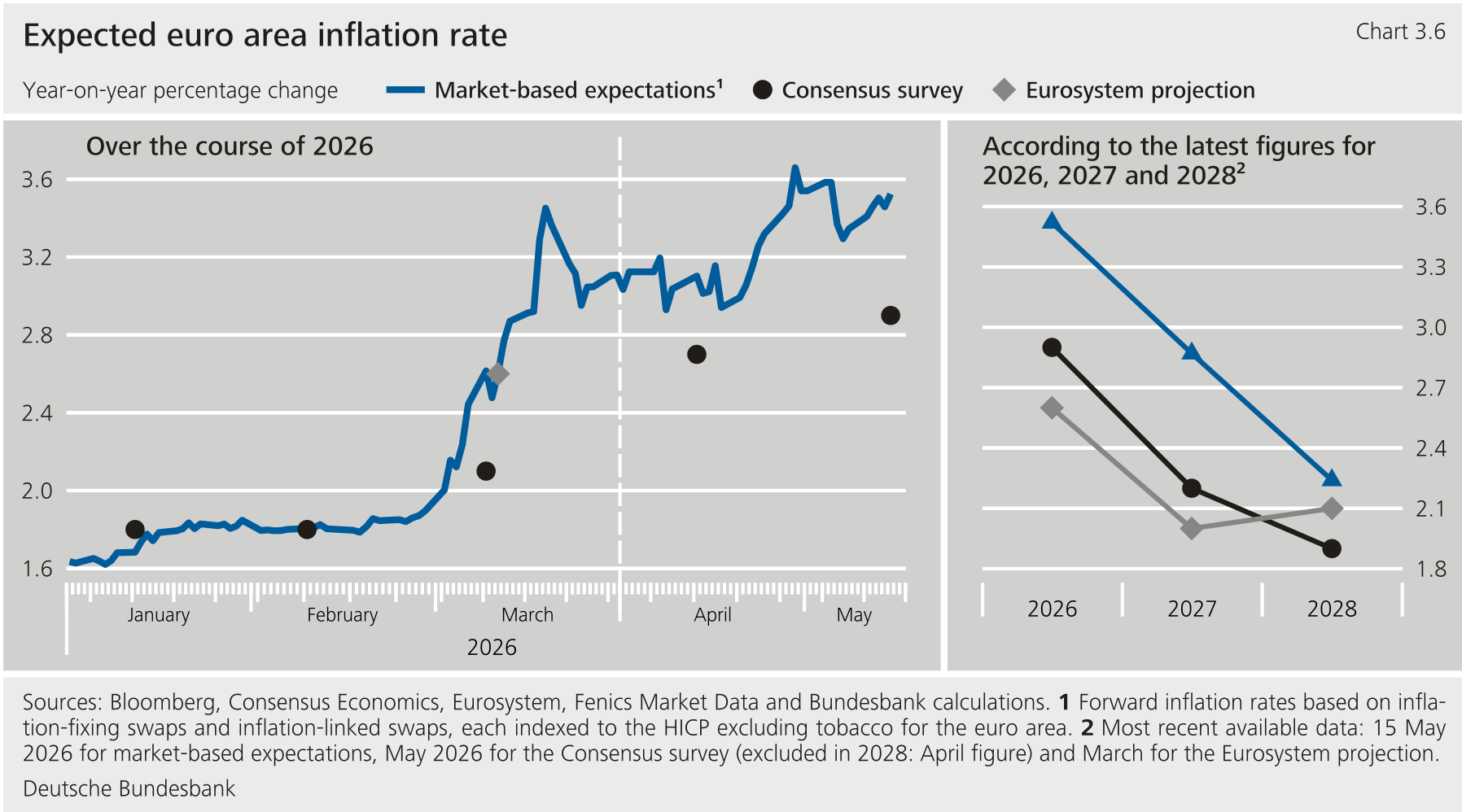
Short-term market-based inflation expectations for the euro area, which are derived from inflation swaps, rose sharply as a result of the Iran war. Market-based inflation expectations for 2026 were already increasing from the beginning of the year in response to higher crude oil prices. After the start of the Iran war and the resulting disruption in international energy markets, they continued to rise strongly. Their recent level of 3.5 % was well above the medium-term inflation target and around 2 percentage points higher than at the end of 2025. 2 There was also a noticeable rise in market-based inflation expectations for 2027. These rose markedly to 2.9 % at the end of the period under review amid concerns that the closure of the Strait of Hormuz could persist despite the ceasefire. Against the backdrop of ongoing geopolitical tensions in the Middle East and sustained high crude oil prices, market expectations for the return of inflation to the medium-term target have gradually receded further into the future over recent weeks. At present, market participants do not expect the inflation rate to near the medium-term target again until 2028. By contrast, the forecasters surveyed by Consensus Economics recently expected a markedly lower inflation rate of 2.9 % this year. They forecast that inflation will already return close to the medium-term target in 2027 (2.2 %).From a market perspective, the inflation risk for the current and the next two years is more heavily tilted to the upside. Unlike surveys that exclusively reflect expectations, market-based inflation expectations currently also include elevated risk premia, reflecting the high degree of uncertainty about future price developments.
Market indicators and surveys suggest that long-term inflation expectations are well anchored. The five-year forward inflation rate five years ahead rose compared with the end of 2025. However, it remains close to the Eurosystem’s 2 % medium-term target. Longer-term survey-based inflation expectations, calculated on a quarterly basis by Consensus Economics, remained close to the medium-term inflation target in April. Both indicators suggest that long-term inflation expectations remain well anchored. In the ECB’s Survey of Professional Forecasters, too, experts anticipate inflation close to the medium-term target in the long run.
Yields on European corporate bonds rose largely in line with Bunds in the reporting period; on balance, yield spreads over Bunds remained broadly unchanged. Yields on BBB-rated corporate bonds with maturities of seven to ten years increased by 31 and 33 basis points for financial and non-financial corporations, respectively. The yield spreads of financial and non-financial corporate bonds over Bunds with the same maturity remained virtually unchanged. At the same time, the yield spreads for high-yield bonds narrowed somewhat.
Supplementary information
Free float of Federal securities increased mainly due to purchases by investors outside the euro area
Given their highly liquid nature and the German government’s strong sovereign credit rating, federal securities (Bunds) are an important benchmark for the prices of other financial instruments in the euro area. Their yields therefore often serve as a reference for pricing other bonds. A prerequisite for fulfilling this benchmark function is a sufficiently large free float, enabling price discovery in a deep and liquid market. The following explores recent developments in the free float as well as changes in the holder structure of German public bonds compared with those of other euro area countries. 1
Free float refers here to the share of a securities issue that is typically not held until maturity and is therefore freely available for trading, as opposed to the holdings of strategic, long-term investors. Such trading activities, based on sufficient market liquidity, are needed for prices to reflect new information quickly. The Eurosystem’s Securities Holdings Statistics by Sector (SHS) 2 can be used to calculate the free float from the sum of holdings in the private sector as a whole, less the holdings of insurance corporations and pension funds. 3 The latter are classed as strategic investors because they match their long-term liabilities with assets held until maturity and are also subject to strict regulatory requirements that permit the acquisition of assets only within a narrowly defined mandate. Public investors, such as central banks, are likewise classed as long-term investors, which tend to hold securities until maturity. The holdings of this group of investors are therefore not considered free float, either.
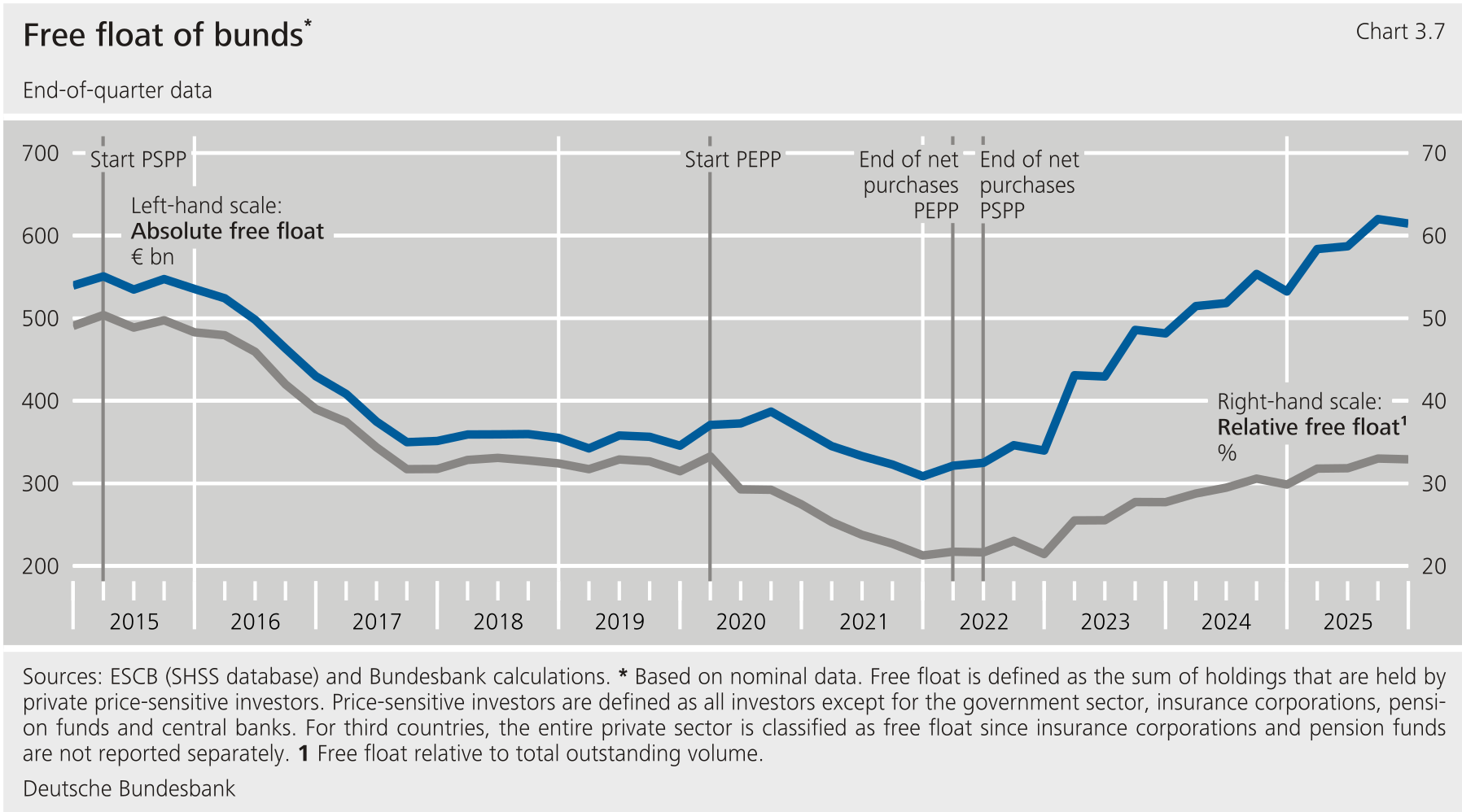
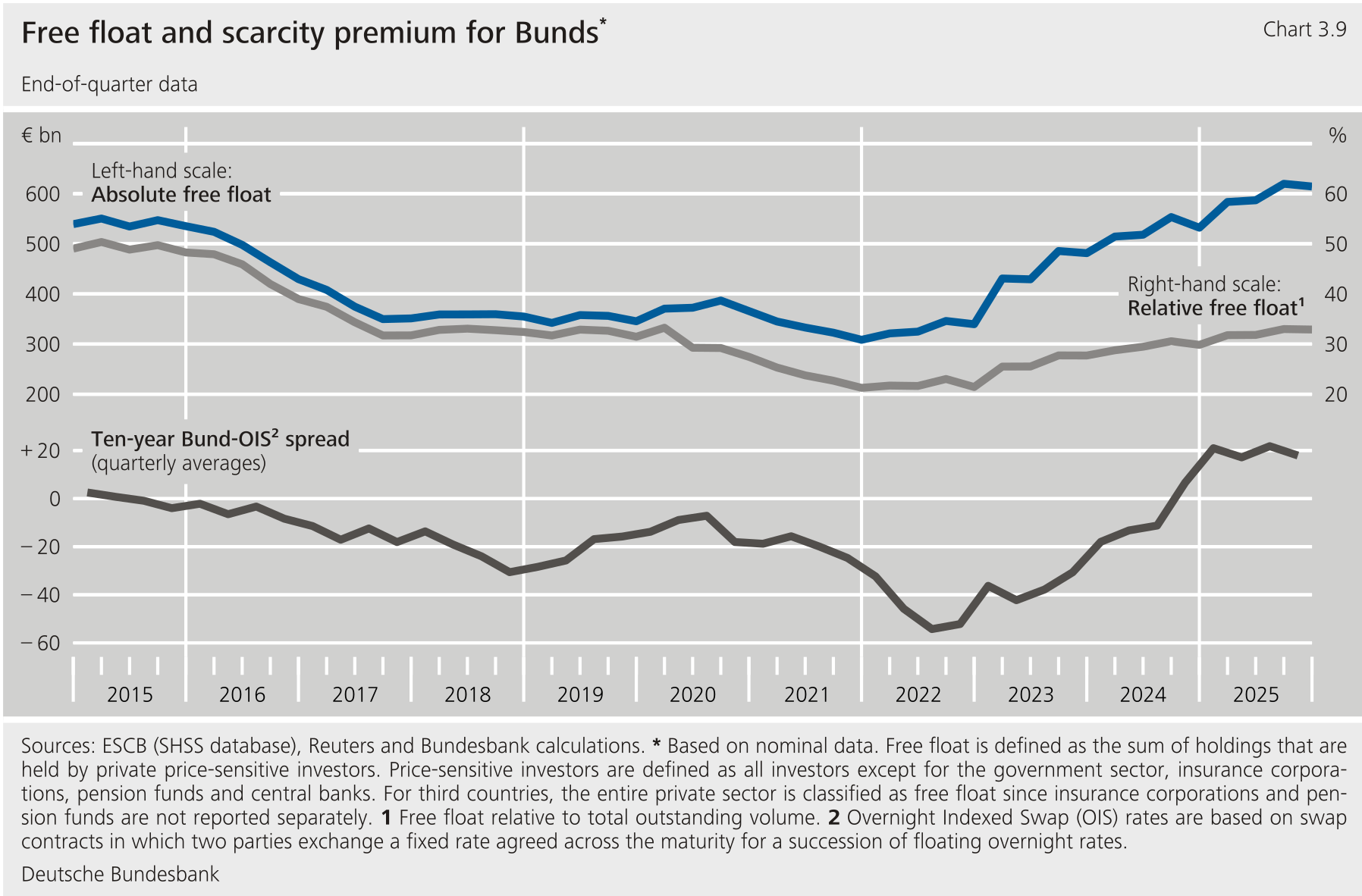
Since the end of net purchases under the monetary policy purchase programmes, the free float of Bunds has picked up again (see Chart 3.7). 4 Free float in absolute amounts and as a percentage of the total volume of outstanding bonds continued to increase in 2025. At around 33 % at last count, the share of the total outstanding volume stood at a level reached before the start of the pandemic emergency purchase programme (PEPP). The increase in absolute terms was even greater. At just over €610 billion recently, free float has surpassed the level seen at the beginning of 2015, when the Eurosystem’s government bond purchases began. Under the public sector purchase programme (PSPP) and the PEPP, the Eurosystem became the largest individual investor in Bunds. As the Eurosystem is not a price-sensitive investor, its purchases reduced the free float of Bunds. The trend only began to reverse when net monetary policy purchases came to an end in mid-2022.
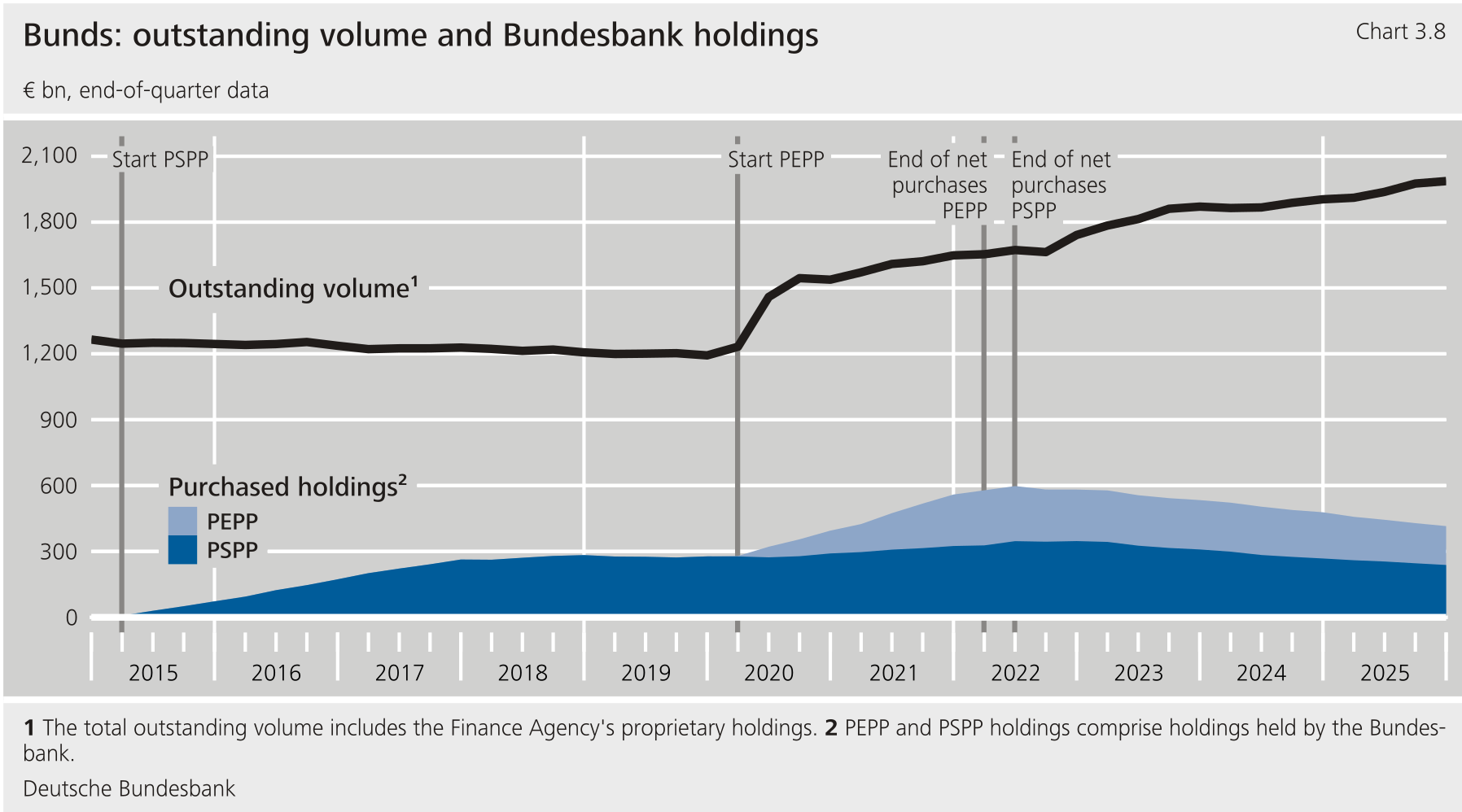
The stronger rise in the absolute measure of free float is due to the significantly increased outstanding volume of Bunds (see Chart 3.8). It is a trend that looks set to continue this year, in light of the fiscal package adopted at the beginning of 2025 and the plans to spend more on defence.
The increase in the free float of Federal securities is likely to have contributed to the narrowing of the previously observed scarcity premium (see Chart 3.9). The scarcity premium is understood as the spread between ten-year Bund yields and the ten-year overnight index swap (OIS) rate. 5 The OIS rate reflects market expectations for the future short-term money market rate and, similarly to Bunds, is considered to be virtually risk-free. The remaining yield spread is therefore mainly attributable to the particular demand for Bunds and their limited supply: factors that may be driven partly by regulatory requirements. Since mid-2022, this spread has narrowed gradually (amid slight fluctuations) as the free float of Bunds has increased. It is now back in positive territory and trading higher than before the asset purchase programmes began.
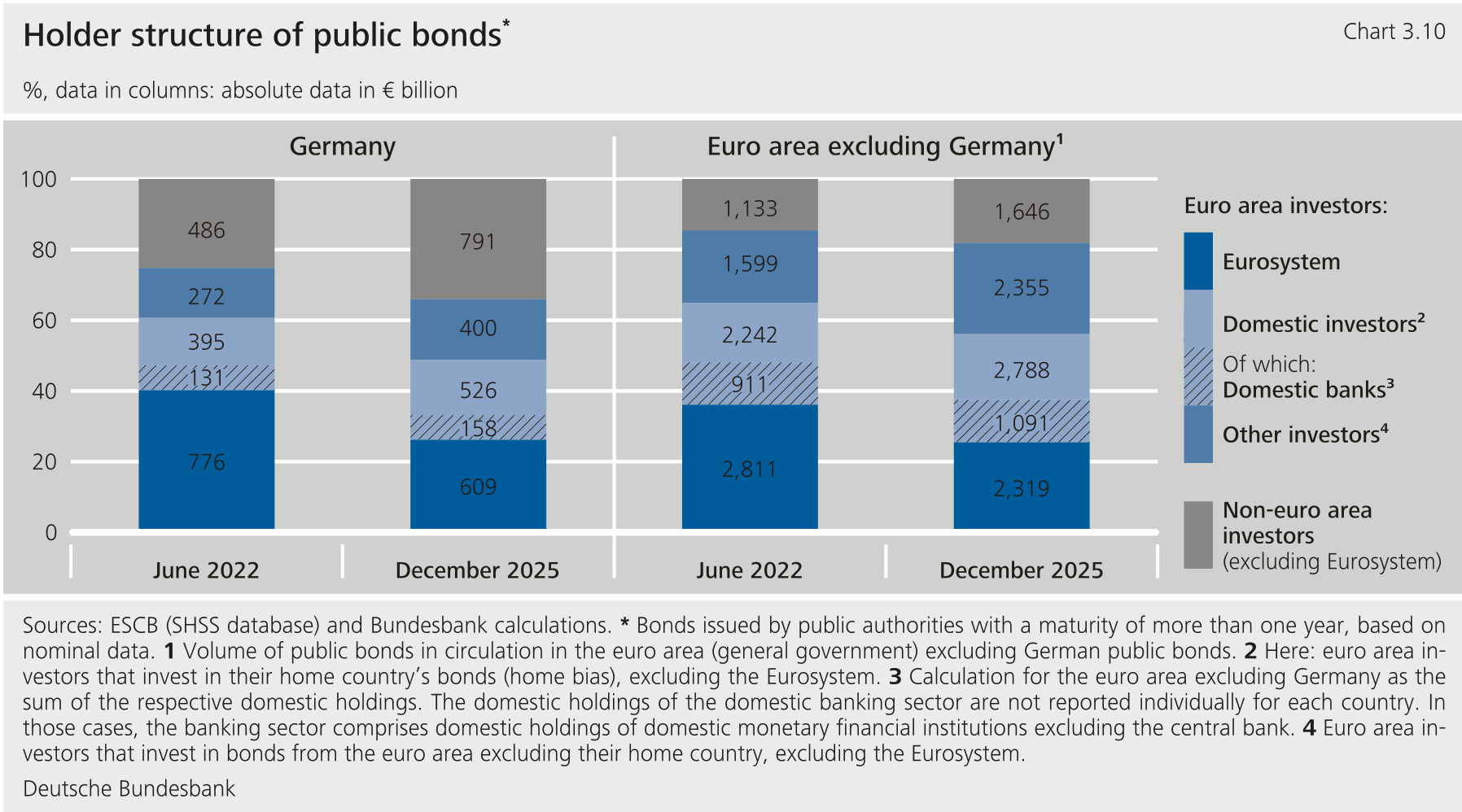
Since the discontinuation of net asset purchases in mid-2022, the holder structure of German general government bonds has shifted significantly (see Chart 3.10). 6 In June 2022, the Eurosystem was holding around 40 % of the total outstanding volume. By the end of 2025, this share had fallen back steadily to 26 %. The relative share of the other investor groups increased accordingly. In particular, investors from non-euro area countries increased their holdings by a considerable 9 percentage points over this period, taking their portfolios to just over a third (34 %) of the total outstanding volume. The turnover in federal securities reported by the Bund Issues Auction Group provides an indication of the investor groups behind this. 7 The figures show that international asset managers and hedge funds played a particularly significant role. In 2025, they accounted for a combined total of around 38 % of the reported gross trading volume of federal securities. A large proportion of these investors are likely to be from the United States, which recorded by far the highest trading volume of Bunds outside Europe. For the other euro area public bonds, there was only modest additional interest from investors outside the euro area on balance, which was reflected in a slight increase in their total share to 18 % at the end of 2025. 8 The bulk of these assets were held by investors from the euro area and, within this group, particularly by investors from the respective home market (31 %). Investors’ preference for domestic public bonds (home bias) was significantly weaker in the case of German bonds, at just under one-quarter (23 %) of total outstanding volume. This reflects the mutually reinforcing influence of benchmark status and quality. For German public bonds, the trade-off between issuance volume and safety is balanced such that these assets are more attractive to international investors than bonds of other public issuers in the euro area.
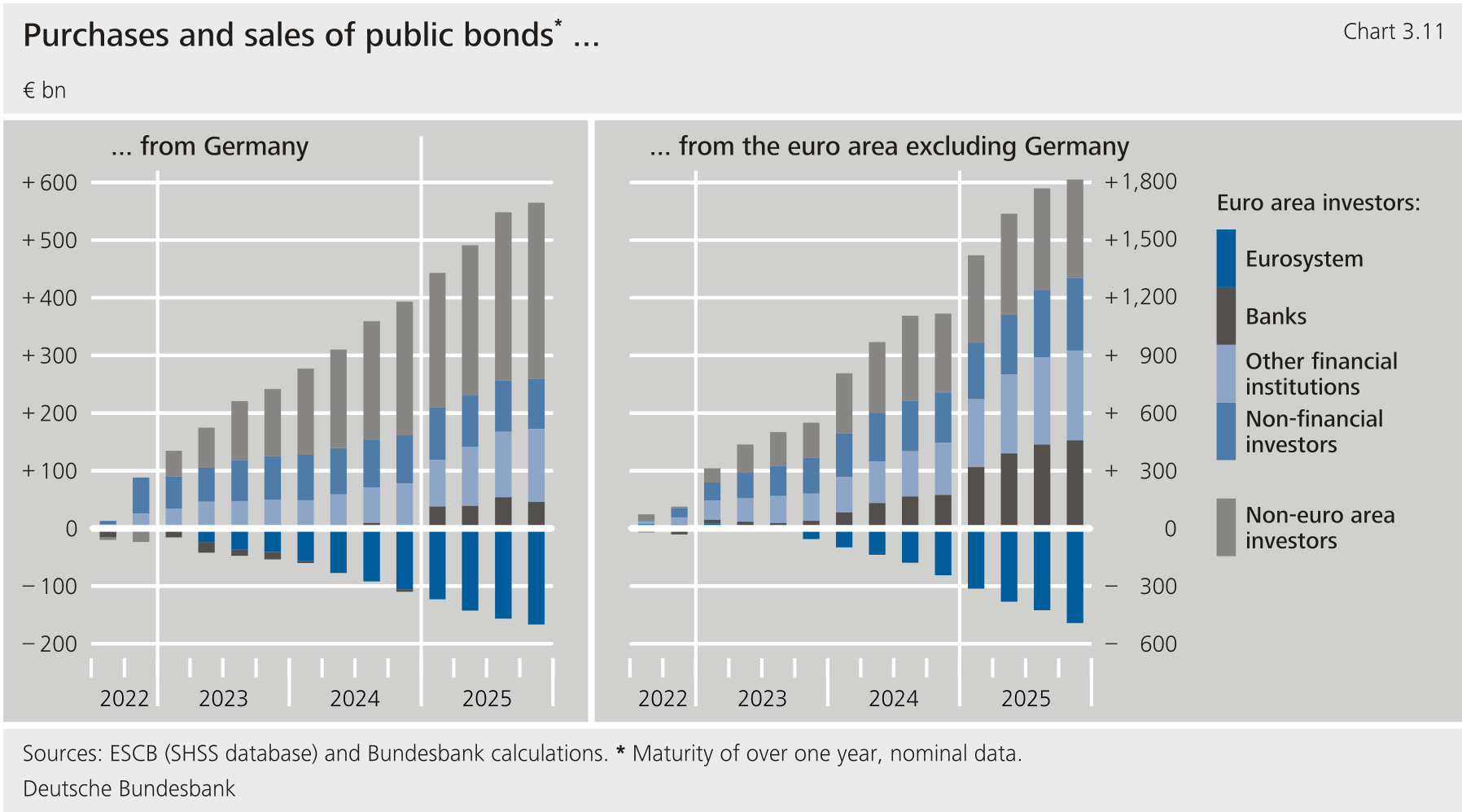
Euro area banks substantially increased their holdings of public bonds issued in Germany and the rest of the euro area in 2025 (see Chart 3.11). Between year-end 2024 and the end of 2025, they acquired German bonds with a nominal value of around €50 billion overall and purchased almost €300 billion in other euro area public bonds. Alongside banks’ pure return and liquidity considerations, this interest was likely motivated by fulfilment of the regulatory liquidity coverage ratio (LCR). As part of LCR optimisation, banks have increasingly restructured their liquidity holdings into interest-bearing, high-quality liquid assets (HQLA) rather than ECB reserves.
Since the Eurosystem’s net asset purchases came to an end, euro area banks have made net purchases of public bonds issued in their respective home countries. Banks are exposed to the fiscal risks of their home country, amongst other things, by holding bonds issued by their home country. 9 This exposure varies greatly in some cases across the euro area. In the case of Germany, domestic banks held 7 % of the outstanding volume of public bonds. This share has remained unchanged since 2022. Aggregated across all euro area countries excluding Germany, exposure increased slightly by half a percentage point to 12 % (€1,091 billion; see Chart 3.10) by the end of 2025.
Since 2022, euro area non-financial investors have increased their holdings of public bonds from their respective home countries. This applies to non-financial investors both in Germany and elsewhere. German non-financial investors held a 9 % share in 2022 and have since increased this by 1 percentage point. For non-German non-financial investors, holdings of domestic securities stood at 4 % in 2022 and 7 % at the end of 2025. In Germany, a large part of the rise was driven by the German Finance Agency, which increased its proprietary holdings of federal securities. As well as providing additional flexibility for short-term financing needs, this likely served to support the liquidity and functioning of the repo market. 10 In some countries outside Germany, it was chiefly domestic private investors, including households, who increased their share.
3.2 Equity market
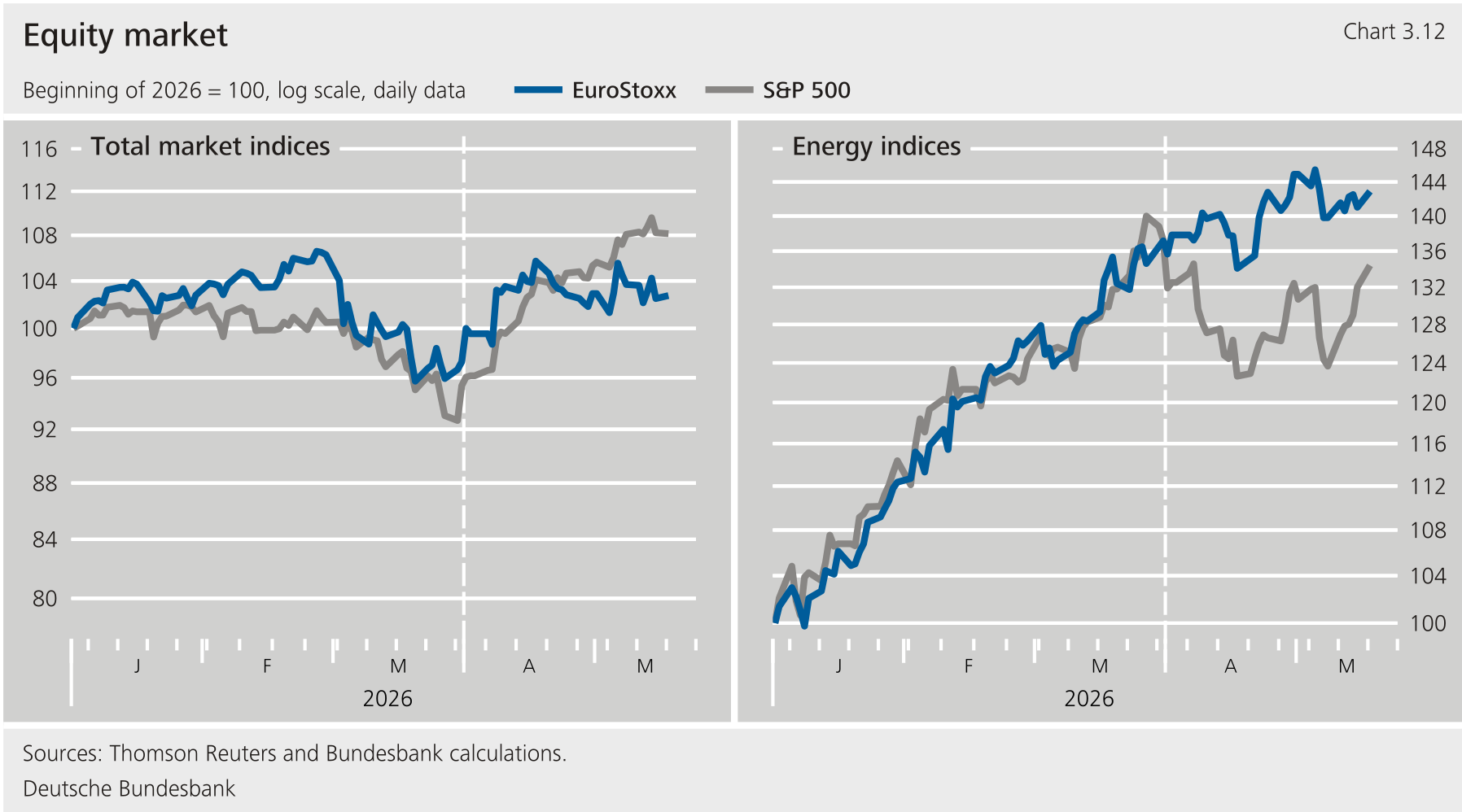
At the end of the reporting period, US and European equities were trading higher than at the beginning of the year, despite considerable temporary setbacks due to the war in the Middle East. Before the military conflict broke out in the Middle East, the EURO STOXX had rallied particularly strongly on the back of favourable economic signals, improved earnings expectations and high risk appetite. Immediately prior to the Iran war, it was up 6.3 % versus the start of the year. This compared with only a slight rise in the USS&P 500 (+ 0.5 %). The latter’s relatively weak performance was likely connected primarily to temporary falls in the value of large US technology stocks. Concerns about a possible overvaluation of companies working in artificial intelligence appear to have played a role. At the start of the conflict, equity prices tumbled across the board on both sides of the Atlantic. However, losses were sharper in the euro area than in the United States. This reflected market expectations that the European economy, which is more dependent on oil and gas imports, would be worse affected by the war-related disruption in energy markets. In March, growing uncertainty about the duration of the war and concerns about increasing impacts on global energy and supply chains led to further price setbacks and a significant decline in risk appetite. Following the announcement of a ceasefire in early April, equity markets recovered as investors expected the Strait of Hormuz to open imminently and the energy price shock to fade more quickly. As this report went to press, both US and European equities were up year to date. The S&P 500 reached a new all-time high, while the EURO STOXX saw a smaller rise amid persistently high energy prices and a gloomier economic outlook for Europe. At the end of the period, the S&P 500 was 8.1 % and the EURO STOXX 2.8 % higher on balance than at the beginning of the year.
Shares in energy companies outperformed the overall market on both sides of the Atlantic (see Chart 3.12). At the end of the reporting period, European energy companies’ share prices were 42.9 % higher than at the beginning of the year, while US energy stocks gained 34.4 %. This reflected improved earnings expectations due to the sharp rise in oil and gas prices. Equity price losses in the United States particularly affected IT service providers and financials, while cyclical and automotive stocks came under particular pressure in Europe – most recently also due to the latest tariff threats from the US administration.
Despite higher equity prices, the implied cost of equity increased on both sides of the Atlantic in the reporting period. Valuation levels declined by this measure. A decomposition using a dividend discount model breaks down changes in equity prices into changes in earnings and dividend expectations on the one hand and changes in the implied cost of equity on the other. The latter comprises the risk-free rate and an equity risk premium. The decomposition shows that share price increases were driven by the fact that upward revisions to expected earnings outweighed the moderating effect of higher cost of equity. Measured in terms of the implied cost of equity, the valuation of European equities was close to its long-term average, while the valuation of US equities still appeared relatively high. Regional differences behind the price changes were apparent: For US firms, the supportive effect of higher earnings expectations was more pronounced. At the time of reporting, they were 6.1 % higher than at the beginning of the year, compared with 2.1 % for European firms. Earnings expectations developed fairly heterogeneously – even within individual groups, such as the “Magnificent 7” companies. As a result, market participants revised their earnings expectations up sharply in some cases not only for energy companies but also for companies in the US semiconductor industry. At the same time, profit expectations for companies offering traditional IT software fell, reflecting concerns that AI agents could squeeze classic software products. Measured by the EURO STOXX, in contrast, the implied cost of equity rose more substantially. This was partly due to a pronounced increase in equity risk premia.
(This article reflects data up to 18 May 2026, 17:30.)
Eser, F., W. Lemke, K. Nyholm, S. Radde and A. L. Vladu (2023), Tracing the Impact of the ECB’s Asset Purchase Programme on the Yield Curve, International Journal of Central Banking 19, pp. 359-422.