Global and European setting Monthly Report – May 2026
Published on
Global and European setting Monthly Report – May 2026
Monthly Report Published on
1 Global economy under fresh strain
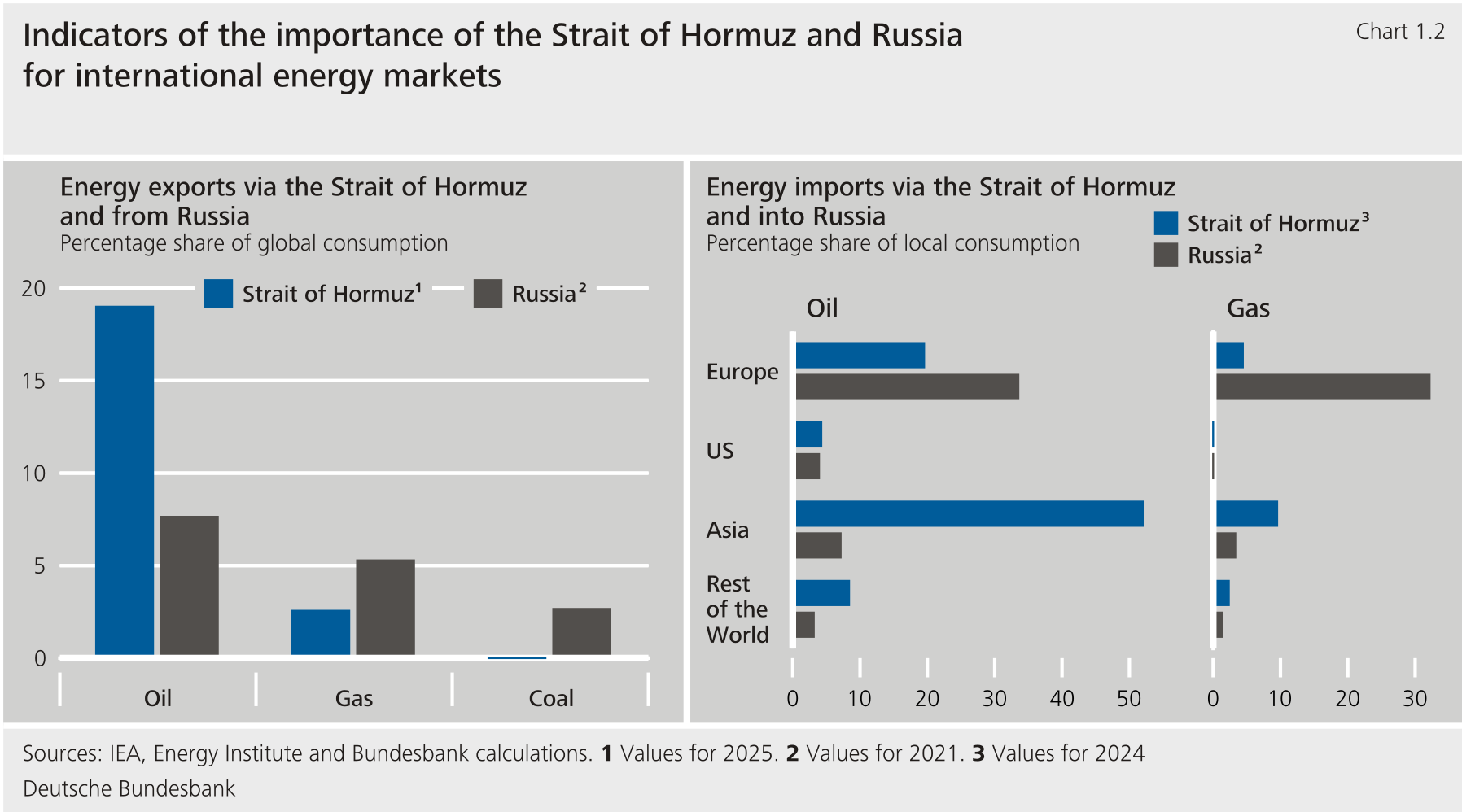
The war in the Middle East put fresh strain on the global economy. The focus here is on the blockade of the Strait of Hormuz, the world’s most important transport route for fossil fuels. One-fifth of the global supply of oil and liquefied natural gas passes through the Strait under normal conditions. The blockade of this passage combined with the war-related damage to energy infrastructure in the countries in the region led to a sharp rise in energy prices. The associated cost and price hikes are likely to have a marked dampening effect on global economic activity and increase inflation.
Still, the global economy held up well in the first quarter. Lively demand for high-tech products in the wake of the AI boom provided a notable boost to the global trade in goods, which contributed to stronger economic growth in China. In the US,GDP saw a return to more robust growth, partly thanks to buoyant investment activity, which was also connected with the AI boom. On the other hand, the pace of expansion slowed in the euro area.
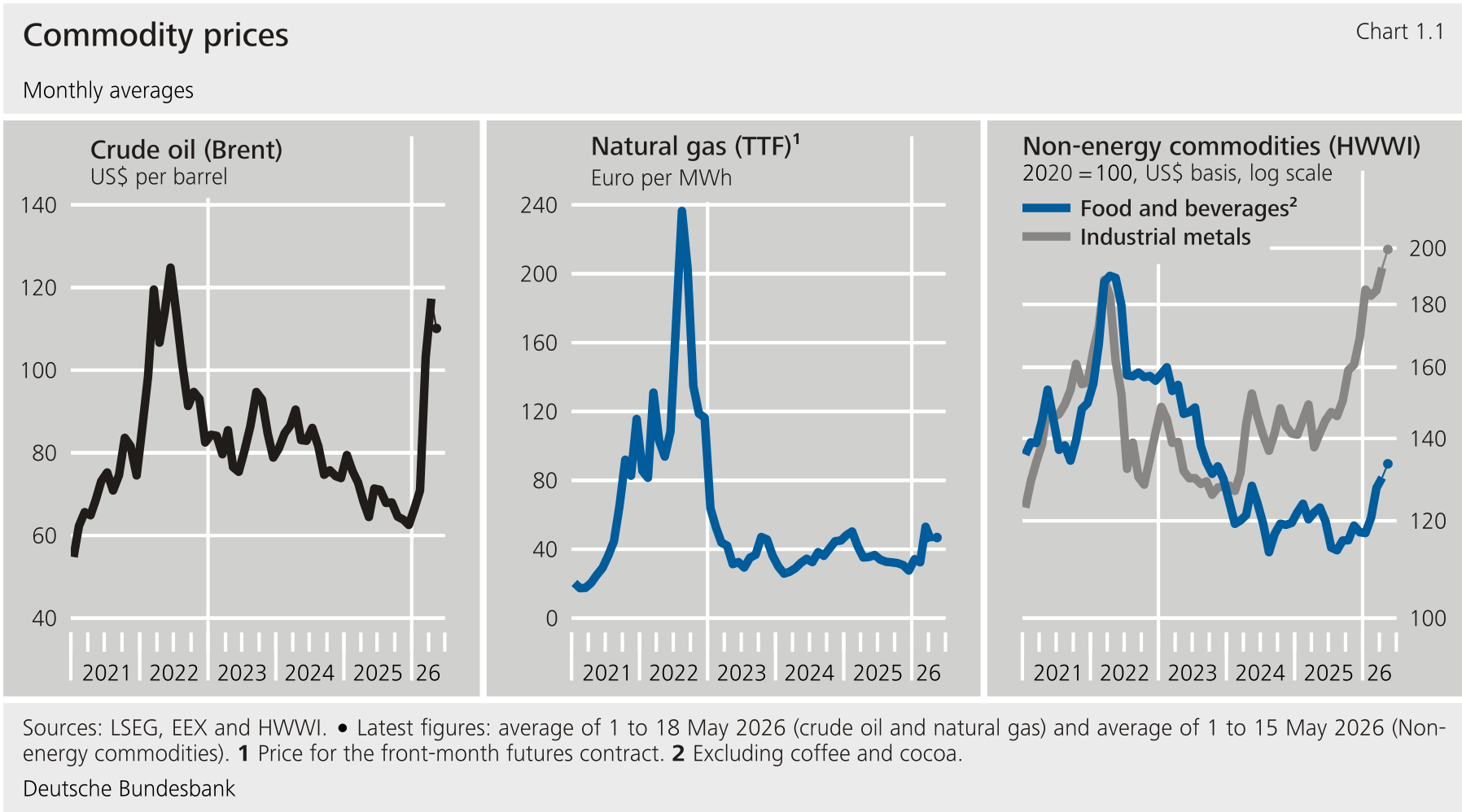
The size of the economic burdens primarily depends on the duration and intensity of the conflict. According to estimates by the International Energy Agency, 1 the blockade of the Strait of Hormuz led to a reduction in global oil production in March and April of around 11 %. 2 Oil prices subsequently surged and have since demonstrated high volatility at markedly elevated levels. The Strait of Hormuz has remained largely closed owing to the Iranian and US blockades, even following the ceasefire that has since been negotiated. At the current end, Brent crude oil stood at around US$117 per barrel, some 63 % higher than before the war began and 88 % higher than at the beginning of the year. The prices of individual petroleum products, such as diesel and kerosene, rose even more sharply, with supply being particularly limited by the loss of exports from the region. Some Asian economies that source a large share of their energy imports from there are already experiencing fuel supply bottlenecks. In Europe, stocks of petroleum products currently appear to be sufficiently full, not least because strategic reserves have been released. As the blockade in the Strait of Hormuz continues, however, the situation in Europe is likely to also become increasingly tense. Gas prices rose noticeably across most regions of the world in the wake of the crisis as well. The European TTF reference price recently stood at around €50 per megawatt hour, just over 61 % above its pre-war level in February. Nevertheless, it remains, much like electricity prices in most countries, far below the highs of 2021/22 (see the supplementary information entitled “Similarities and differences between the energy crises of 2021/2022 and 2026”). Alongside energy prices, a recent rise in the price of other commodities was also observed. Sulphur, helium, aluminium and others became considerably more expensive. Food commodity prices also rose markedly, caused in part by distinctly higher fertiliser prices.
Supplementary information
Similarities and differences between the energy crises of 2021/22 and 2026
The energy crisis triggered by the Iran war evokes memories of the events in 2021/22. In both cases, the energy supply was used as an economic bargaining chip in the wake of military conflict. Starting in the second half of 2021, Russia had already severely curtailed gas supplies to Europe in the lead-up to its war of aggression against Ukraine. Later, the EU and other western countries curbed their energy imports from Russia and endeavoured to make it more difficult for Russia to export energy to third countries. At present, the war in Iran is mainly affecting the transport of fossil fuels through the Strait of Hormuz. Despite these parallels, considerable differences between the two crises can be seen in their starting points, the energy sources affected and their regional impact. This also explains why the price responses have so far been markedly different from those in 2021/22.
Major differences can be seen in the situation in the energy markets before the outbreak of the crises and in their causes. Global energy markets were already strained before the start of the Russian invasion of Ukraine in February 2022. The strong recovery in the world economy following the pandemic caused energy demand and thus energy prices to rise sharply in 2021. At the same time, Russia cut back its gas supplies to Europe, meaning that oil, gas, coal and electricity prices were already well above previous years’ levels before the war began. The Russian invasion further exacerbated this situation, as concerns about further supply shortfalls and actual declines in supply drove prices even higher. By contrast, global oil and gas markets were very well supplied at the beginning of 2026, 1 and energy prices were significantly lower than at the beginning of the war on Ukraine. The closure of the Strait of Hormuz and the associated supply shock thus hit the markets while they were in a much more favourable starting position.
The focus of the current crisis has been on the oil market, whereas it was the gas and electricity markets that were particularly hard hit in 2021/22. As a result of the blockade of the Strait of Hormuz, the global oil market is currently experiencing a supply reduction of some 11 % on normal global supply, whereas the figure for global gas supply is only just over 2 %. 2 In 2021/2022, supply shortfalls mainly concerned Russian natural gas. By contrast, Russia’s oil and coal supply fell only temporarily and barely overall.
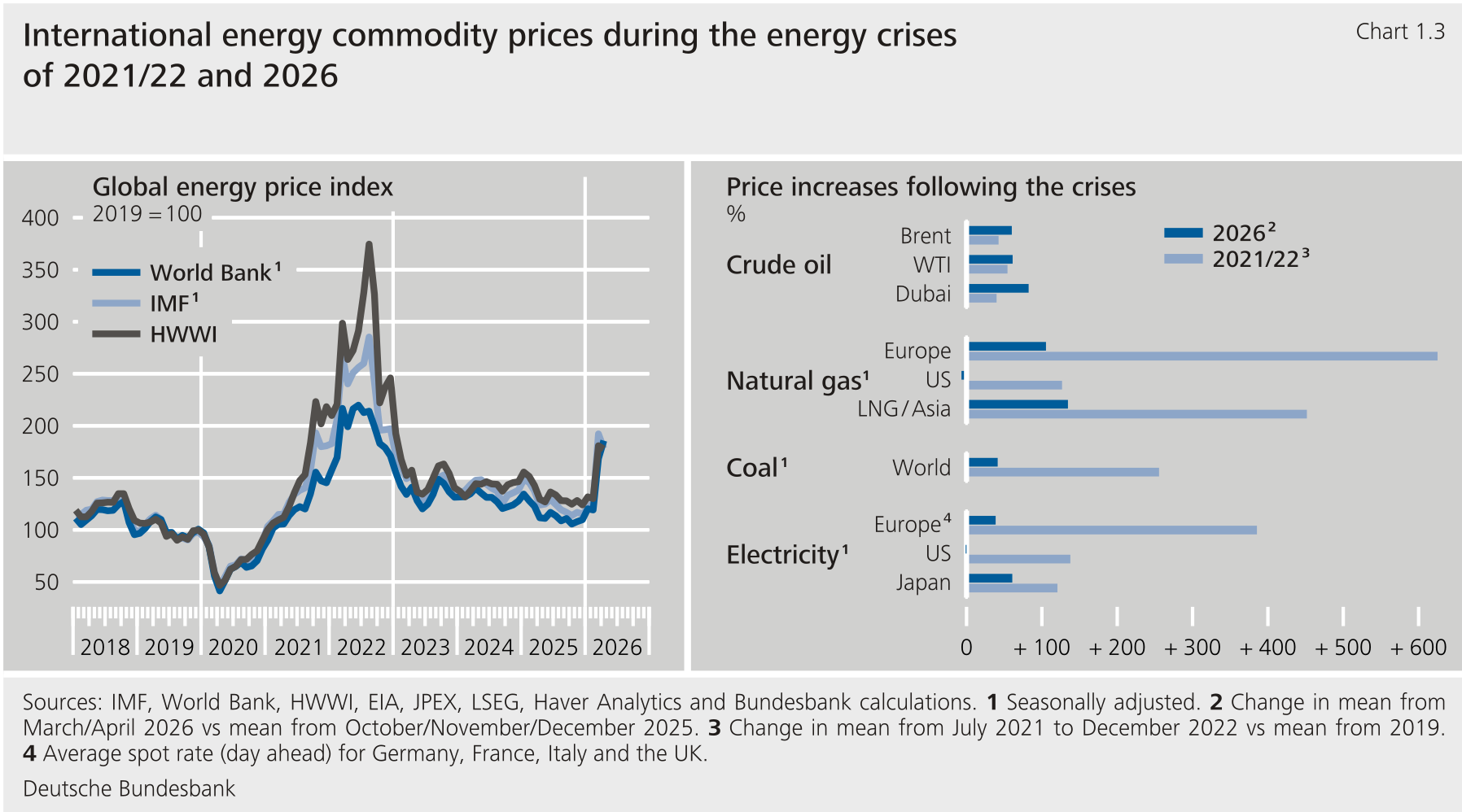
The focus on the oil market is also reflected in price movements. Since the start of the Iran war, Brent crude oil prices in March and April have exceeded their pre-crisis level on average by around 60 %. This means that they rose somewhat more strongly than during the crisis of 2021/22. Above all, the potential for a timely de-escalation of the conflict, the favourable starting position and the extensive buffers on the oil market prevented even stronger price swings. 3 European gas prices rose much less sharply during the current crisis than during the crisis of 2021-22, when they had in some cases multiplied. Coal and electricity prices, which had also surged in 2021/22, recently saw only minor gains.
There is also a difference in terms of the regions affected. The energy crisis in 2021/22 was clearly focused in Europe. There, lost Russian gas supplies could only be replaced in the short term with great cost and difficulty, owing to infrastructure bottlenecks. 4 This is why energy prices rose significantly more sharply in Europe at that time compared to other world regions. 5 By contrast, the current crisis is more global in nature. Unlike gas, which is often pipeline-bound and thus traded regionally, oil is transported globally on a large scale. As a result, global oil markets are much more closely interconnected.That said, many Asian economies, which source a large share of their energy imports from the Middle East, have been hit particularly hard by the current crisis. The adjustment costs are in all probability particularly high in these economies, and supply bottlenecks are making themselves felt earlier there than in other regions. The burdens also differ across sectors. While higher oil prices have a cost-increasing effect, especially in the transport sector, in agriculture and in some sectors of industry, the burdens in 2021/22 fell principally on gas and electricity-intensive industries.
Overall, the current energy price shock appears to be markedly less broad-based and, at least in Europe, significantly smaller than in 2021-22. Various broader global energy price indices which combine oil, gas and coal price trends tell the same story. Compared with the period before the war, these rose by between 76 % and 145 % in 2021/22. At present, they have risen by only 43 % to 64 %. In addition to the differences in price development, this is also due to the make-up of the global energy mix: oil accounts for a notably smaller share of global primary energy supply, at around 30 %, than the other energy sources combined, which were affected by the 2021/22 crisis to a substantially greater extent.
Ultimately, however, the intensity and duration of the conflict will determine the further economic impact. The acute phase of the 2021/22 crisis extended from the second half of 2021 into 2023. The Russian war of aggression and the associated loss of Russian gas exports continue to this day. By contrast, the current crisis has been ongoing for no more than a few months. Peace negotiations, a ceasefire and limited damage to the energy infrastructure in the Middle East so far leave open the possibility that the energy price shock will abate after a relatively short period of time. But if the current conflict and the closure of the Strait of Hormuz persist over a prolonged period, the oil market’s buffers, which have acted as protection until now, are likely to become increasingly depleted. As a result, supply bottlenecks will probably become more likely and prices may experience a rise that is significantly more pronounced than before.
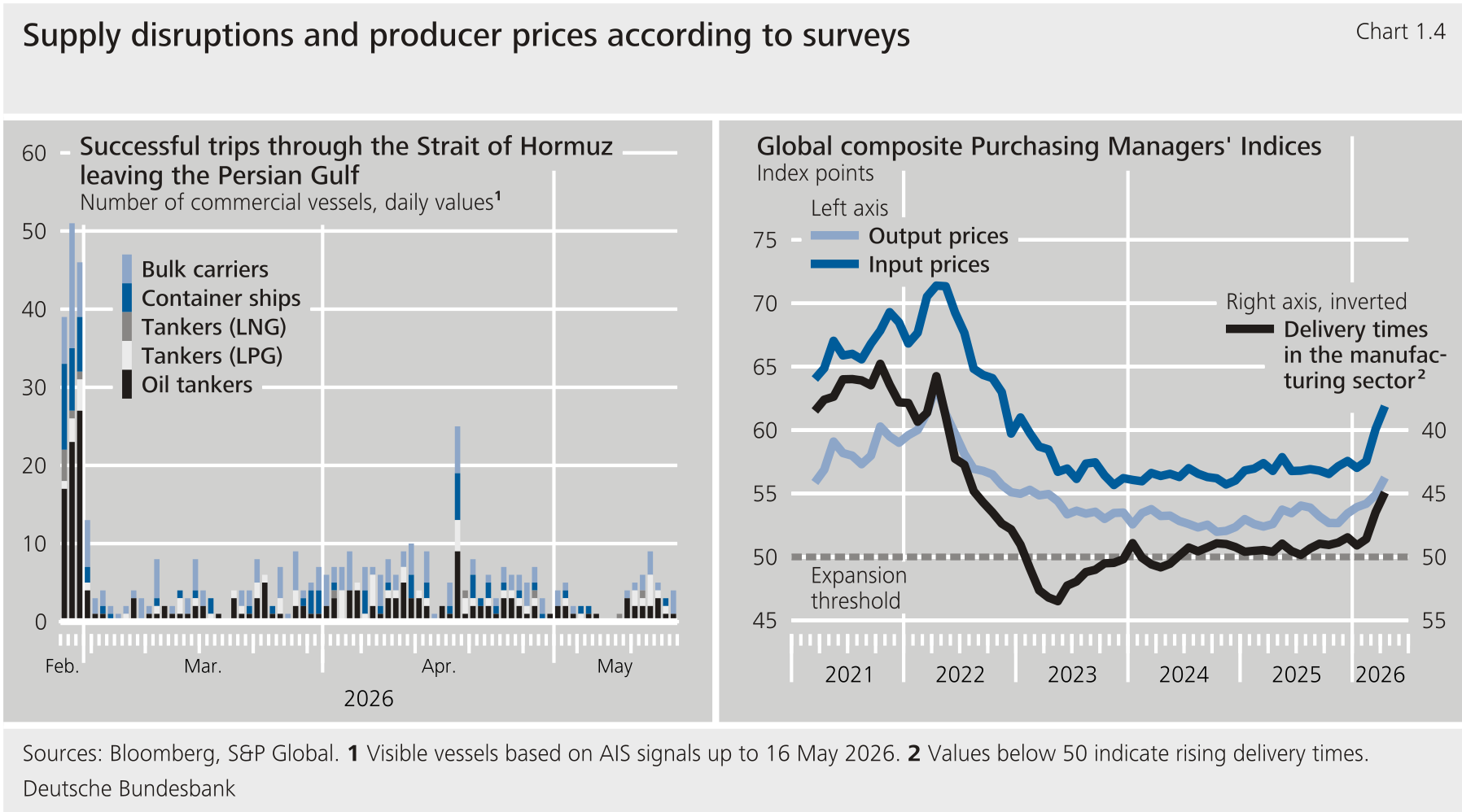
Against the backdrop of a sharp rise in energy prices, there are growing signs of a marked slowdown in global economic activity, accompanied by an increase in general inflationary pressure. This much is indicated by the most recent global surveys among purchasing managers. Business prospects worsened across the board. The assessment of the situation deteriorated, especially in the services sector. The continued robustness demonstrated by manufacturing was probably also due to frontloading effects in view of expected price hikes and supply chain disruptions. At the same time, price pressures intensified significantly across the various stages of production, and delivery times in manufacturing increased markedly. Overall, the survey indicators paint the picture of a considerable negative supply shock, dampening economic activity while at the same time intensifying inflation.
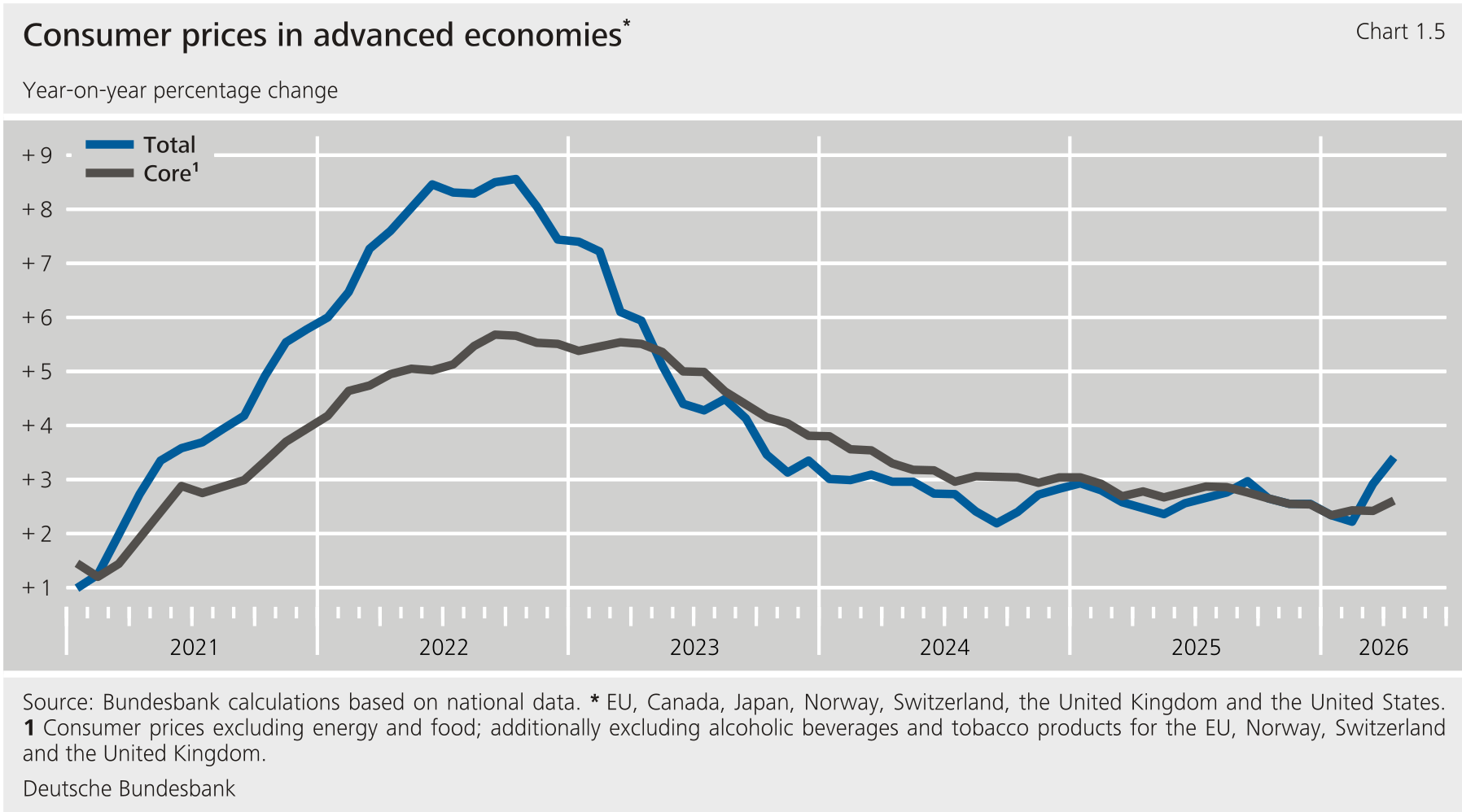
Higher energy prices made a substantial contribution to the renewed increase in consumer prices around the world. In advanced economies, annual consumer price inflation accelerated to 3.4 % by April, up from 2.3 % in January. In the narrower core definition, excluding energy and food, the inflation rate rose slightly to 2.6 %. Persistently high energy commodity prices are expected to further increase costs along the entire value chain over the coming months and additionally intensify consumer price inflation.
Against the backdrop of the war in the Middle East, the International Monetary Fund (IMF) staff raised its global inflation forecast for the current year significantly. According to the IMF, consumer price inflation in the group of advanced economies is expected to average 2.8 % in 2026, 0.6 percentage points higher than predicted in January. 3 At the same time, the IMF lowered its global growth forecast for 2026 by 0.2 percentage points to 3.1 % and left it unchanged for 2027, assuming the conflict is temporary. The IMF also highlighted the considerable uncertainty surrounding the outlook and analysed several risk scenarios in which the conflict in the Middle East is protracted. It believes that the downside risks to growth and the upside risks to inflation predominate. In a severe scenario with stronger and more persistent energy price hikes, for example, global growth would decline to only around 2 % in 2026 and would remain virtually unchanged in 2027. Global inflation would at the same time be above 6 % in 2027. In the IMF’s assessment, emerging market and developing countries importing commodities would be particularly hard hit.
1.1 Stronger growth in China amid flourishing foreign trade
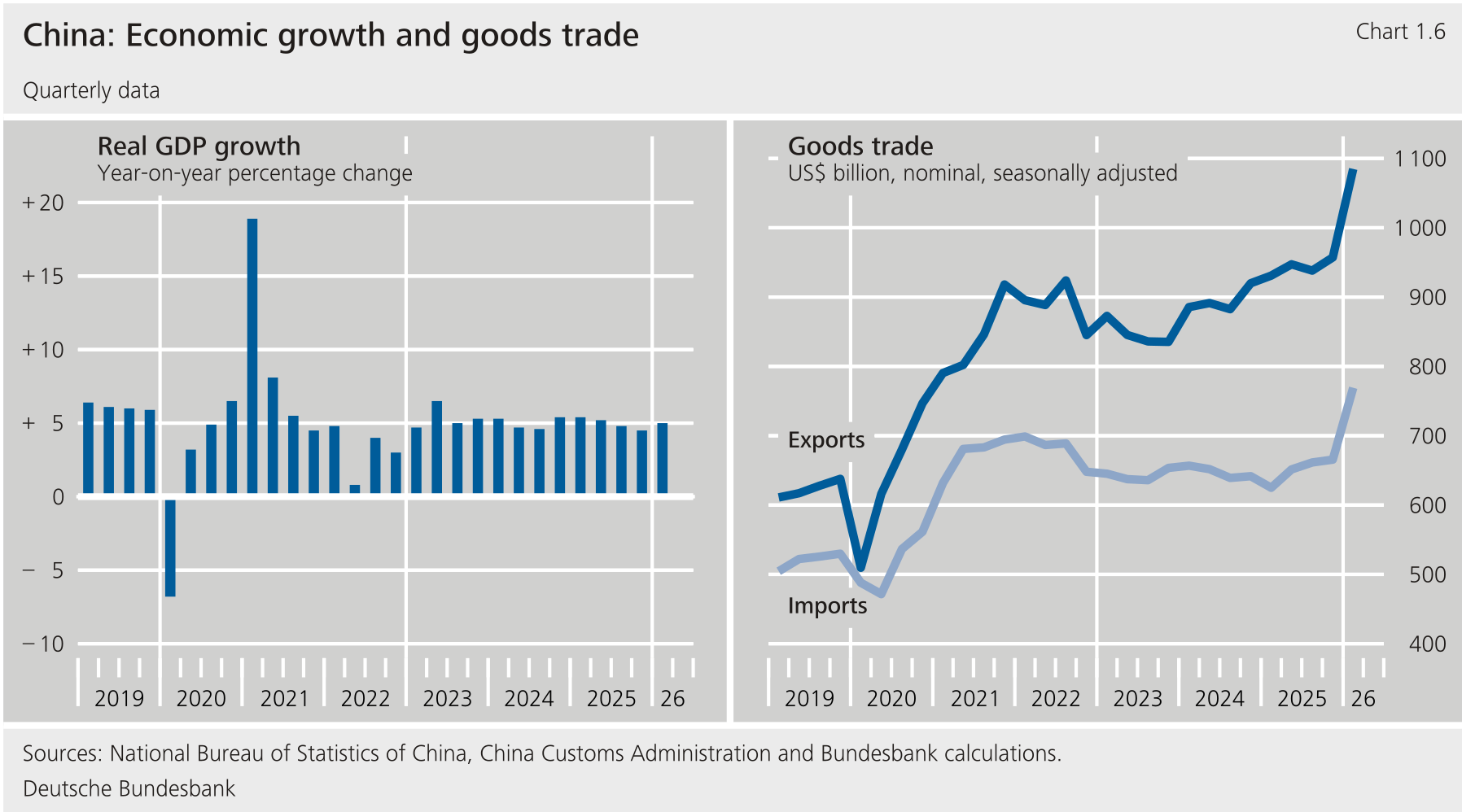
The pace of expansion in China's economic activity picked up again slightly in the first quarter of 2026. Real GDP rose by 5.0 % on the year, up from 4.5 % in the final quarter of 2025. 4 The increase in growth was primarily attributable to industry, whose value added was up by 6.1 % compared with the previous year. Particularly sharp growth was seen in the production of high-tech goods. Against this backdrop, exports of goods continued their rapid expansion. US dollar-based export receipts rose by almost 15 % on the year. Following a prolonged period of weakness, goods imports recorded a notable recovery, even rising by 23 % on the year in terms of value. Semiconductors made a marked contribution to trade growth on both the export and import sides. 5
By contrast, domestic demand remained subdued. The fairly sluggish trend in retail sales continued. In addition, the long-term real estate crisis persisted. Residential real estate sales and housing starts declined further. Compared with the average level in 2021, these two indicators are now down by almost 60 % and as much as around 75 %, respectively. Consumer price inflation picked up slightly, but remained subdued overall. The consumer price index exceeded the previous year’s level in the first quarter by 1.2 %, while the core rate excluding energy and food stood at 1.2 % as well.
1.2 Diverging trends in other emerging market economies
India’s economy is likely to have recorded strong growth at the beginning of the year, yet the global energy crisis is posing challenges for the country. In the fourth quarter of 2025, real GDP rose by 7.8 % on the year. The pace of economic activity is also likely to have remained high at the beginning of 2026. However, due to India’s heavy dependence on oil and gas imports from the Gulf region, India’s exposure to the current energy crisis is relatively strong. Sectoral supply bottlenecks have already occurred, especially for commercial-use liquefied petroleum gas (LPG) and for natural gas for certain industrial processes. Fertiliser production, for which natural gas is a key input, is particularly exposed. This could put an additional strain on agriculture, a sector that has already been suffering from unusually high temperatures and drought of late, and could cause a marked increase in food prices. The annual rate of inflation in the consumer price index as a whole rose to 3.5 % by April. India’s central bank chose to leave its key rate unchanged at 5.25 %.
In Brazil, economic activity may have picked up somewhat recently. Real GDP had largely stagnated in the second half of 2025 in seasonally adjusted terms. This was mainly due to weak domestic demand, which was dampened by restrictive monetary policy. At the beginning of 2026, however, economic activity appears to have picked up again somewhat. Measures to boost consumption in the context of the forthcoming presidential elections are also likely to have been a contributing factor. Nevertheless, consumer price inflation weakened further in the first quarter to 4.1 % on the year. This was within the target corridor of the Brazilian central bank, and the growth rate of consumer prices remained there at 4.4 % in April. In both March and April, the central bank lowered the key interest rate by 25 basis points, to 14.5 %. This was the first time the interest rate had been cut since a series of increases starting in September 2024, which totalled 450 basis points.
In Russia, economic output contracted in the first quarter of 2026; however, the substantial rise in energy prices might support economic activity over the remainder of the year. According to the Federal State Statistics Service’s flash estimate, at the start of the year real GDP fell by 0.2 % on the year. Following the boom in 2023 and 2024 on the back of the war economy, last year the Russian economy had already cooled down considerably. High real interest rates had had an especially dampening effect. Further burdens were added at the beginning of 2026, including the VAT increase, which significantly dampened consumption, and weather-related production losses in the construction sector. However, since the start of the war in Iran, the Russian economy has once again been the beneficiary of notably higher revenue from energy exports. This revenue is due to both higher oil and gas prices and the temporary easing of sanctions by the United States. Consumer price inflation declined to 5.6 % by April. Nevertheless, the central bank continued its monetary easing cycle, most recently reducing the policy rate to 14.5 %.
1.3 US economic activity remains robust
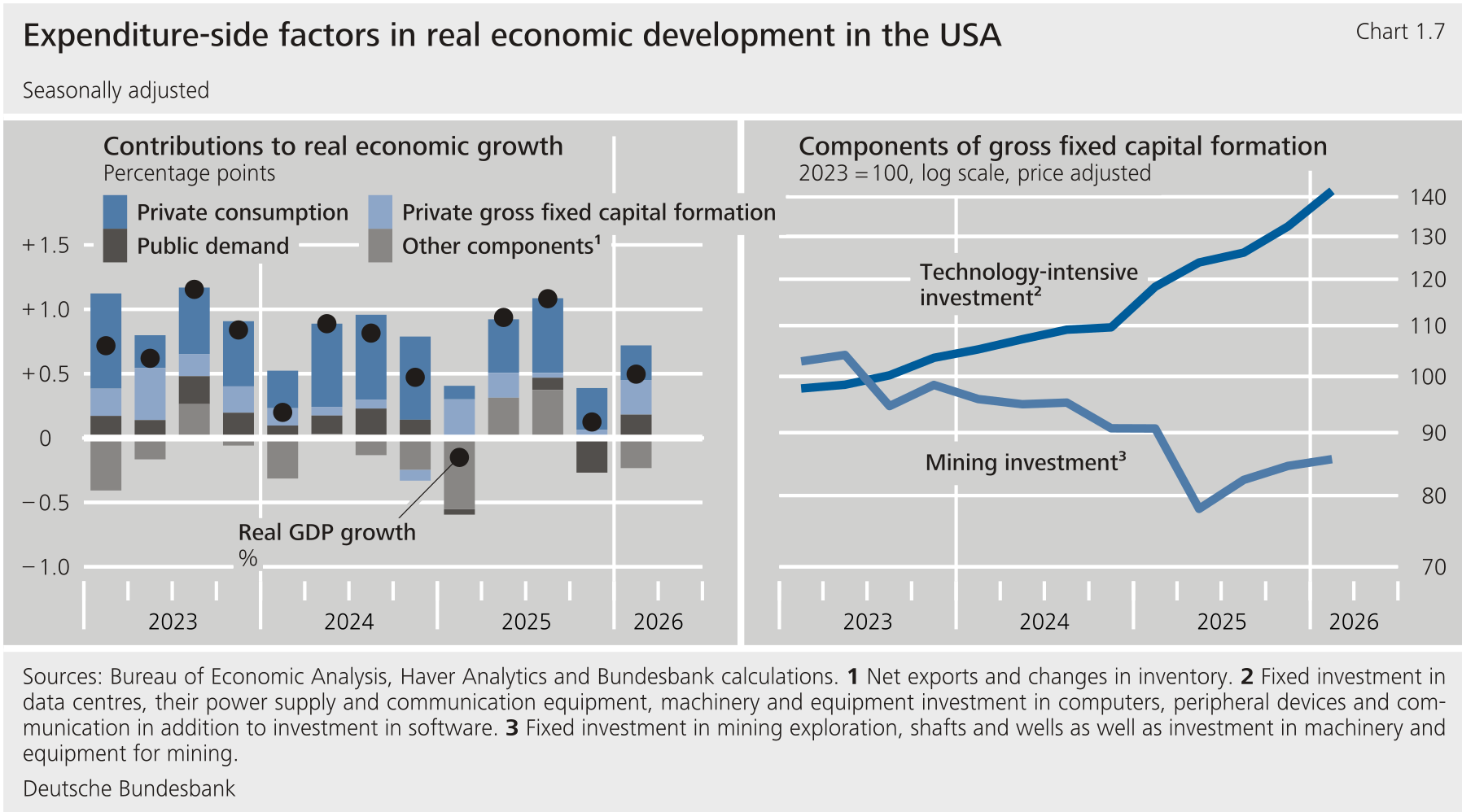
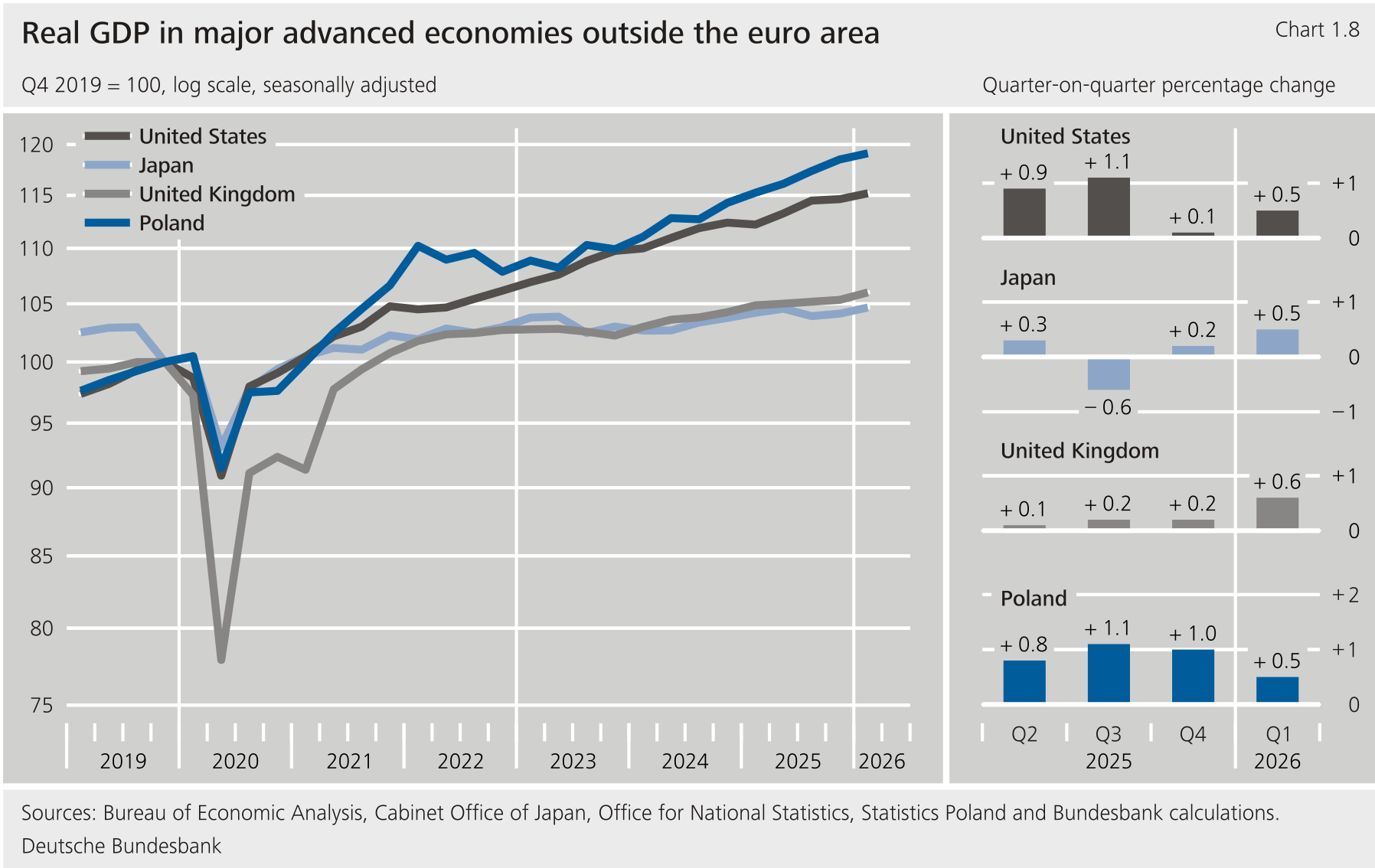
The US economy expanded noticeably following the end of the government shutdown in the first quarter of 2026. Real GDP rose by 0.5 % on the quarter. Prior to this, macroeconomic momentum had virtually come to a standstill. The government shutdown left significant traces. The loss of working hours at the federal agencies immediately slowed growth by around ¼ percentage point in the autumn. 6 The resumption of activities led to a countermovement at the start of the year. At its core, economic activity in the United States remained robust. Even though real income growth has been subdued for some time now, consumers once again markedly increased their spending. In fact, investment in machinery and equipment expanded very strongly, supported by the ongoing AI boom. Imports, especially of computer hardware and communication equipment, rose materially as a result. Growth in exports did not quite keep pace with this rise.
The recent rise in energy prices is also expected to weigh on the United States’ economic performance. The inflation rate, which had already been elevated, rose again as a result of the conflict in the Middle East. By April, the annual rate of inflation in the consumer price index had climbed to 3.8 %. Consumer confidence eroded further amid the loss of purchasing power. Higher energy prices were widely reflected in rising input costs on the corporate side. At the same time, the US oil and gas industry has to date held back on major investment given the high level of uncertainty surrounding future energy commodity prices, which is reflected in the prolonged sluggish state of mining investment.
There are nevertheless no signs of a pronounced slowdown in growth in the US. In April, purchasing managers reiterated their assessment of a largely robust business situation and outlook. Employment growth in the labour market continued. Job growth was subdued in a longer-term comparison. It remained broadly in line with the expansion of the labour supply, which in its turn was curbed by migration policy. 7 Government relief measures are likely to contribute to the stability of economic activity. A large part of last year’s tax cuts for households has only recently been reflected in refunds. In addition, over the coming months many firms can expect to receive refunds for unconstitutional tariffs. 8 Both effects go some way to cushioning the burdens caused by the rise in energy prices. Against this backdrop, the US Federal Reserve chose not to continue its rate-cutting cycle and left the target range for its key interest rates unchanged at 3.5 % to 3.75 %.
1.4 Japan’s economic output is likely to have risen moderately
Japanese economic output increased markedly at the beginning of the year. According to the initial estimate, Japan’s GDP recorded growth of 0.5 % in the first quarter after adjustment for price and seasonal effects compared with the previous quarter. This was mainly due to a sharp increase in exports. By contrast, domestic demand remained subdued. Commercial fixed capital formation increased only slightly, while public investment rose sharply. Households’ consumption picked up only slightly, although consumer price inflation eased at the beginning of the year. Year-on-year consumer price inflation fell significantly to 1.5 % by March as a result of government measures to curb energy prices. The labour market situation remained favourable. The unemployment rate stayed low. At the same time, while wages rose significantly following the recent major wage negotiations, the outlook deteriorated with the outbreak of the war in the Middle East. Japan is highly dependent on energy imports from this region. Rising energy prices and potential supply disruptions are likely to weigh perceptibly on economic activity in the coming months. Against this backdrop, the Bank of Japan suspended its monetary policy normalisation for the time being and left its key interest rate at 0.75 % at the end of April.
1.5 More buoyant economic activity in the United Kingdom at the beginning of the year
Economic activity in the United Kingdom picked up momentum at the start of the year. In seasonally adjusted terms, real GDP in the first quarter was up by 0.6 % compared with the previous period, after growing only slightly in the summer and autumn. The services sector saw a particularly strong expansion. Manufacturing also raised its output significantly. By contrast, activity in the construction sector recovered only slightly from the slump in winter. Surveys among purchasing managers suggest that the overall upward movement initially continued in April. Rising prices, especially for intermediate inputs, may have had a marked negative effect on sentiment. At the same time, however, frontloading effects in anticipation of persistently high inflation and potential supply bottlenecks as a result of the conflict in the Middle East supported aggregate output. The situation in the labour market eased. The unemployment rate declined. There was a marked decrease in the number of vacancies. As a result, wage growth decreased to 3.7 % on the year. Inflation has nevertheless picked up of late, mainly as a result of higher fuel prices. The annual rate of HICP inflation rose to 3.3 % in March, while core inflation declined slightly. Against this backdrop, the Bank of England kept its key interest rate at 3.75 % at the end of April, while pointing to the near-term heightening of uncertainty surrounding the outlook for energy prices.
1.6 Renewed increase in economic output in Poland
Growth in Poland weakened somewhat in the first quarter of 2026. According to preliminary data, real GDP rose by 0.5 % on the quarter. Industrial production strengthened only slightly, mainly on account of a weak start to the year. In fact, construction output declined sharply at the beginning of the year due to weather conditions. Generally speaking, however, construction activity continues to benefit from the funds provided by the EU’s Recovery and Resilience Facility. The services sector held up well. Private consumption has so far been unaffected by rising energy prices. Retail sales also saw a pronounced rise in March. The continued strong wage growth is likely to have contributed to this trend. Gross wages in the corporate sector rose by 6.2 % year on year in the first quarter. Furthermore, inflation has to date shown only a modest increase owing to far-reaching government relief measures, reaching 3.2 % in April. The unemployment rate remained unchanged on a quarterly average, standing at 3.2 %. In March, the National Bank of Poland lowered its key interest rate to 3.75 %.
2 Economic prospects in the euro area distinctly gloomier
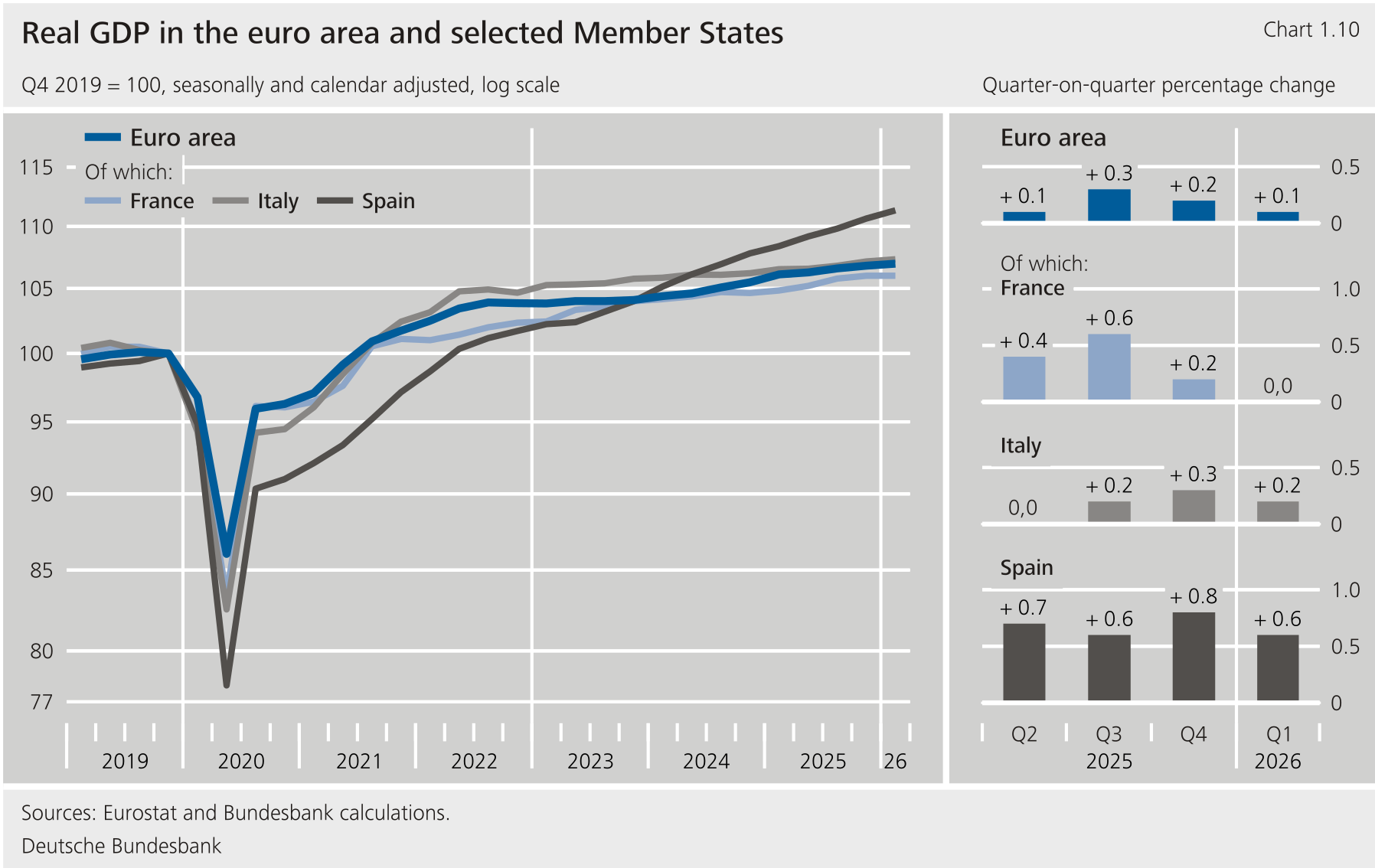
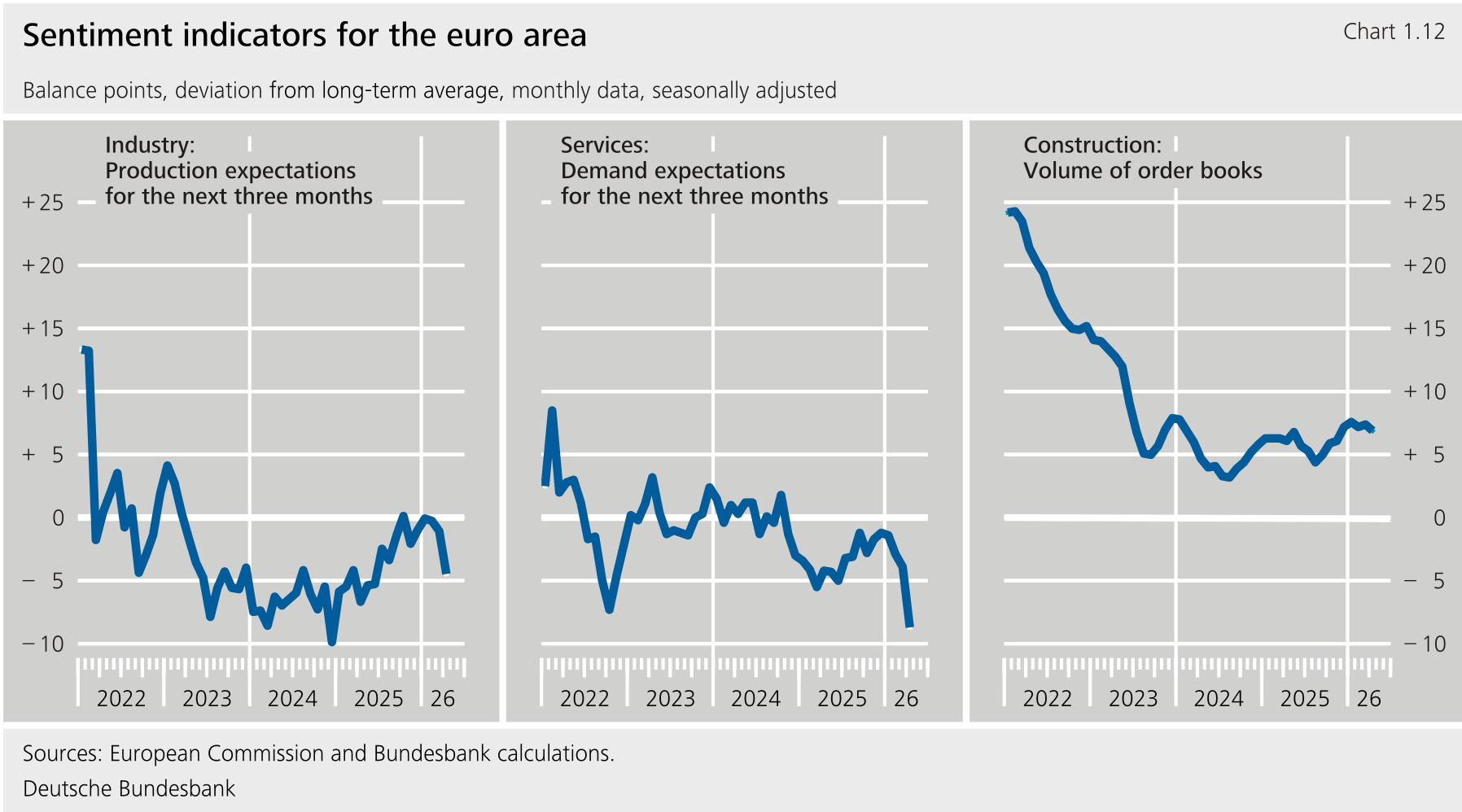
In the euro area, economic growth weakened in the first quarter of 2026. According to Eurostat’s flash estimate, euro area real GDP edged up by only 0.1 %, following an increase of 0.2 % in the fourth quarter of 2025. One key reason for this was the sharp drop in GDP in Ireland. Excluding Ireland, growth was somewhat stronger at 0.2 %, following + 0.4 % in the previous quarter. 9 The burdens stemming from the sharp rise in energy prices are likely to have had hardly any impact on the GDP result in the first quarter, but they are significantly clouding the economic outlook. Higher energy prices reduce households’ purchasing power and, combined with heightened uncertainty, limit the room for manoeuvre available to firms. Support for economic activity is expected from fiscal measures to dampen the energy cost shock alongside the government programmes to modernise public infrastructure and defence that have been planned for some time. However, the negative effects of the energy crisis will likely persist over a prolonged period even if the conflict is resolved swiftly. This fact was also reflected in the business climate, which, according to surveys, has recently deteriorated markedly, especially among service providers. Consumer confidence also declined sharply. It appears the economic situation will remain subdued for the rest of the year.
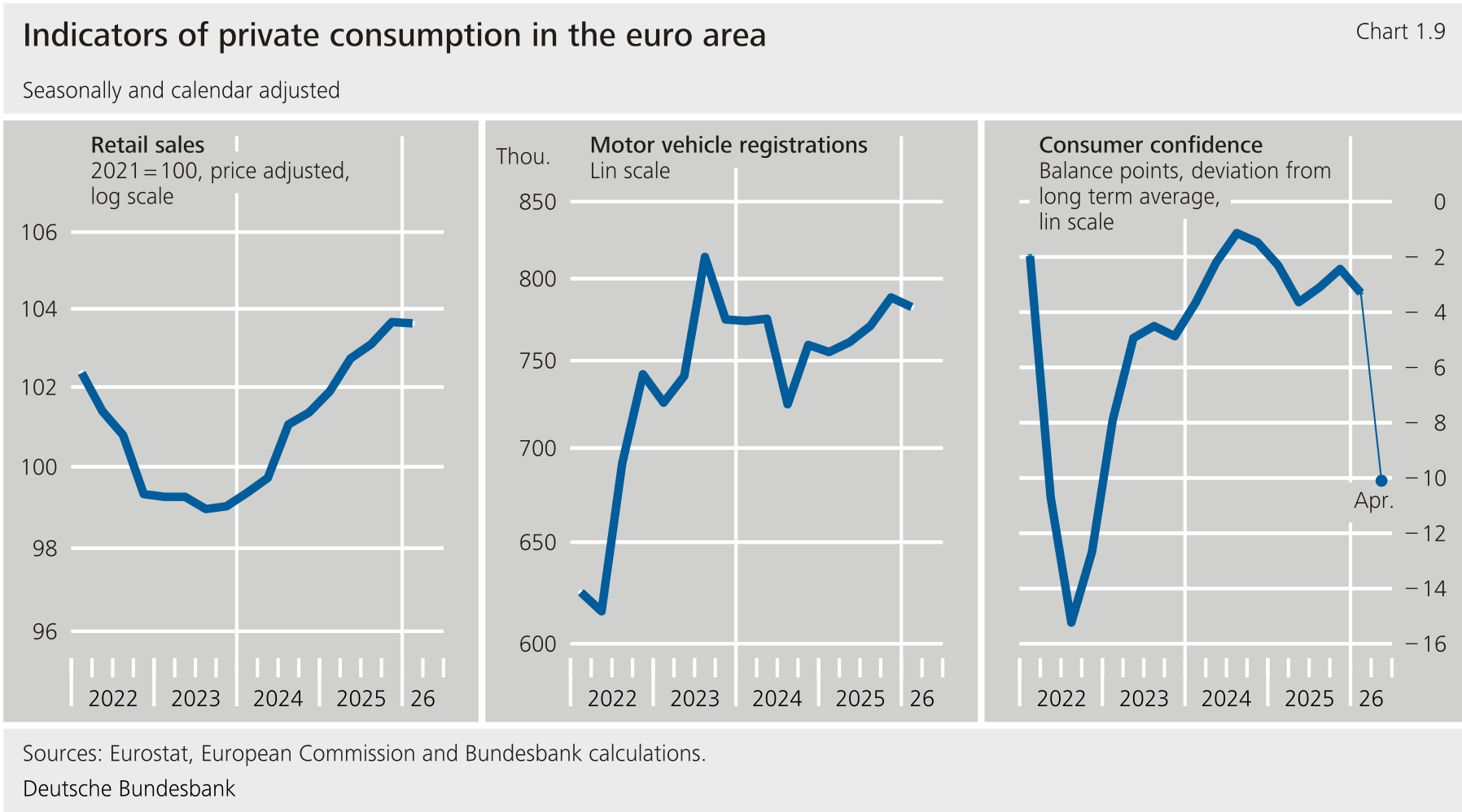
Private consumption perceptibly lost momentum in the first quarter. Even before the war in Iran began, weaknesses were in evidence: retail sales no longer rose while motor vehicle registrations actually fell. Sales in accommodation and food services sector also dropped. The surge in energy prices from March onwards weighed on households’ purchasing power. Retail sales remained muted in March as a result while price-adjusted sales of fuels visibly declined. Consumer confidence, already subdued, deteriorated considerably. The primary reason for this downtrend lay in the pessimistic expectations regarding households’ own financial circumstances and the general economic situation.
Investment activity is likely to have weakened considerably in the past quarter. 10 Construction activity remained subdued, especially in January, partly owing to weather conditions. This came on top of the marked fall in the number of residential building permits issued at the end of 2025. Business investment in machinery and equipment is likely to have actually declined in the first quarter. Surveys show that corporate demand for loans for fixed investments weakened, and domestic sales of capital goods manufacturers fell in price-adjusted terms. This may have been due to heightened uncertainty since last year, stronger competition from China and the persistently weak international competitiveness of manufacturing producers. Expenditure on information and communication technologies and on intellectual property is likely to have risen further owing to the trend towards digitalisation.
Goods exports to third countries fell once again. According to trade balance data, exports declined markedly in the first two months of the year. Exports to China, in particular, continued their downward trend. By contrast, exports to the United States appear to have stabilised recently following the sharp drop in the second half of 2025 associated with the US administration’s tariff increases. Exports to the United Kingdom actually rose slightly. The weakness in exports is evident across all commodity classes. Exports of passenger cars continue to be particularly hard hit. Whereas, according to balance of payments data, exports of services rose steeply to February. Goods imports remained weak.
Production in the manufacturing sector fell. There was a noticeable drop in consumer goods production, especially pharmaceutical products. Capital goods production also fell, due in part to the decline in motor vehicle production. In addition, production of intermediate inputs declined. According to surveys conducted by the European Commission, the assessment of order books improved but still failed to reach the multi-year average. Orders from abroad, in particular, recovered only marginally, likely due to the higher tariffs in trade with the United States and the weakened competitiveness of European firms in global markets. Price pressures at the producer level intensified perceptibly, especially in March, as energy prices rose.
Expansion continued in various services sectors. It is probable that activities in the information and communications sector have increased sharply. In addition, activities likely saw growth in the areas of real estate, transportation and storage. Business activity in hospitality appears to have seen a marked decline. A weaker tourism sector is likely to have played a part in this. Business sentiment deteriorated noticeably at the end of the first quarter, especially in transport-related areas and among travel service providers. In addition, according to the Purchasing Managers’ Index, new business fell. Labour shortages continue to weigh on parts of the services sector. Nevertheless, according to surveys conducted by the European Commission, almost half of service providers currently see no major obstacles to their business activities, suggesting that the situation remains favourable in several areas, particularly the information and communication sector and consultancy services.
The slowdown in economic activity affected most Member States. Private consumption remained subdued in many areas. Many Member States saw a fall-off in investment activity, especially in construction.
Among the major countries, the pace of expansion picked up in Germany alone. Real GDP stagnated in France and thus fell well short of expectations. Temporary effects, such as a sharp decline in exports of transport equipment, also played a role in this connection. In Italy, economic growth, which had already been moderate, weakened somewhat, despite some impetus from the Winter Olympics in February. Aggregate output continued to rise considerably in Spain, although the expansion lost some momentum. This trend also applied to domestic demand. Exports actually declined. By contrast, the pace of expansion picked up in Germany (see The German economy).
The picture for the remaining Member States was mixed. Real GDP rose significantly in several Member States, including in Finland, Bulgaria and Estonia. The Netherlands, Belgium, Austria, Slovakia and Cyprus recorded only slight growth in economic output. Real GDP stagnated in Portugal, primarily as a result of severe weather-related disruptions in February. There was a marked decline in Ireland and Lithuania. 11
Overall, the labour market continued to hold up fairly well. The unemployment rate declined slightly to 6.2 % and employment rose slightly. However, the job vacancy rate fell, labour shortages continued to ease and labour hoarding became more important. These can be seen as signs of the start of deterioration in labour market conditions. Following the perceptible slowdown in wage growth up to mid-2025, the rise in gross wages per employee is likely to have shown some slight easing once again in the first quarter of 2026.
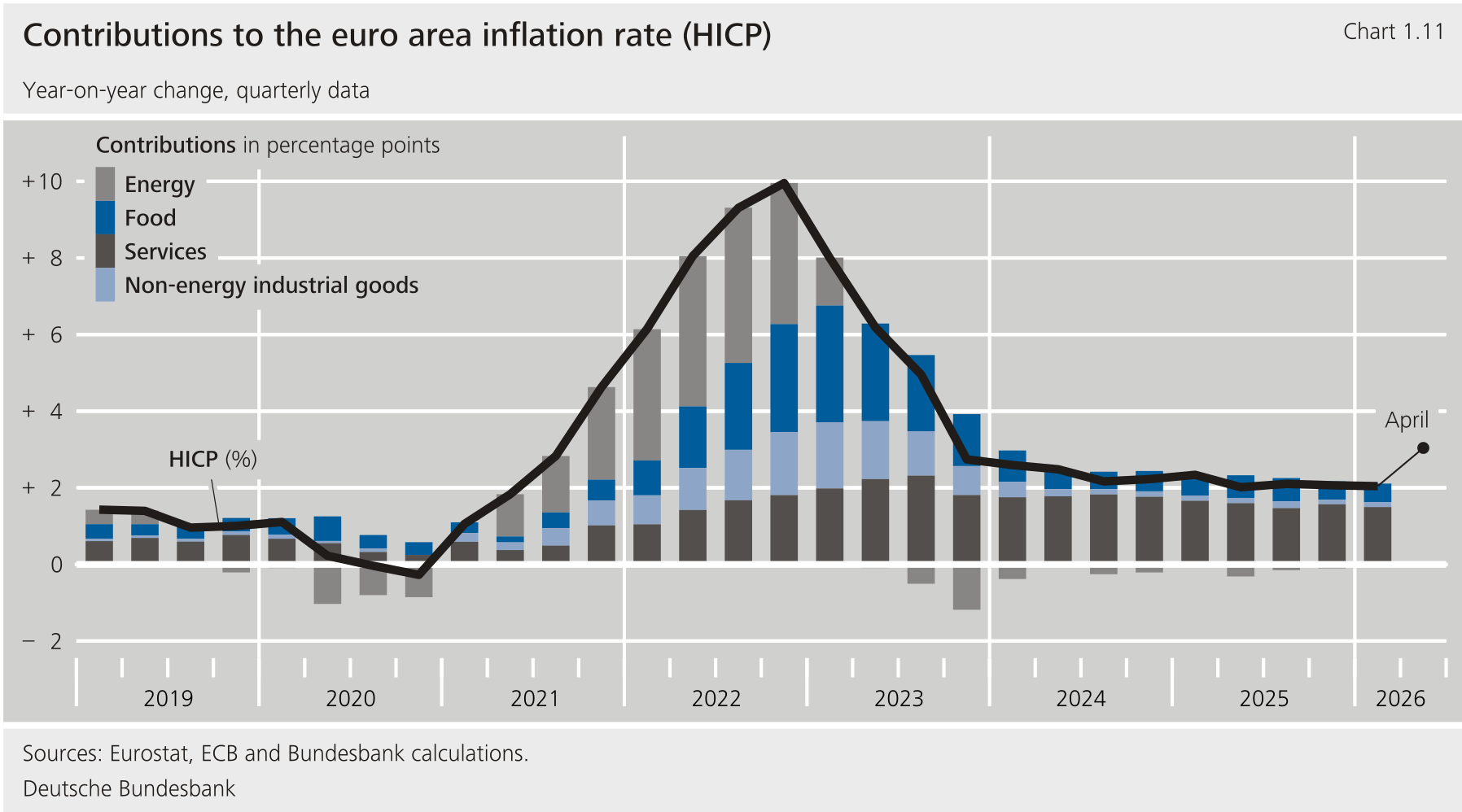
Euro area consumer prices rose sharply in the first quarter of 2026 as a consequence of the war in the Middle East. The Harmonised Index of Consumer Prices (HICP) recorded a quarter-on-quarter rise of 0.8 % on a seasonally adjusted basis, which was somewhat stronger than in the three previous quarters. The principal reason for this rise was the pronounced hike in energy prices, especially in the case of petroleum products. Food price inflation was also somewhat stronger in the first quarter than in the previous quarter. Services inflation remained strong, albeit less so than in autumn. Prices of non-energy industrial goods edged up marginally, having remained unchanged in the previous quarter.
Annual headline inflation fell slightly to 2.0 % in the first quarter. The reason for this was a slight easing in services price inflation, which, however, remained elevated at 3.3 %. Industrial goods inflation excluding energy and food was unchanged. The contribution of energy prices was still negative on a quarterly average, albeit to a somewhat lesser degree than before. The core inflation rate excluding energy and food dipped to 2.2 % and thus remained above average in a longer-term comparison.
Headline inflation picked up significantly in April 2026. It rose to 3.0 %, up from 2.6 % in March and 1.9 % before the outbreak of the war in February. The increase compared with March was mainly due to the renewed rise in energy prices, which followed the upward movement in the international markets for energy commodities. The prices of food and non-energy industrial goods also went up more steeply than in March. Only services inflation edged down to 3.0 %, partly owing to the late Easter date last year and the associated pronounced rise in travel prices in April 2025. Accordingly, the core rate remained virtually unchanged at 2.2 %.
The inflation outlook for the euro area is currently very uncertain due to the war in the Middle East, with upside risks predominating. Despite various fiscal relief measures in several countries, 12 the inflation rate is likely to remain significantly elevated over the coming months. In addition to petroleum products, the energy price shock is expected to have a delayed effect on consumer gas and electricity prices. The energy price shock should also gradually spread to other goods and services in the HICP basket in the form of higher costs for transportation, cooling, heating, fertilisers and intermediate goods. How fast and to what extent this happens depends on many factors, such as the importance of energy as a cost factor, the number of production stages completed and how long said stages take. Fiscal influences (value added tax or other levies) and the pricing power of firms are also important. The final factor is how long the Strait of Hormuz remains closed to shipping. The longer the energy supply is restricted, the more the price surge will affect not only energy products but also other non-durable consumer goods and services in the HICP basket.
Economic activity in the euro area is likely to pick up only slightly in the near future, if at all. Sentiment indicators extending up to April indicate a deterioration in the assessment of the situation among service providers and a deterioration in expectations across almost all sectors of the economy. Only the outlook for the construction sector remained positive. Consumer sentiment clouded over considerably. Consumers’ propensity to make major purchases is low while their propensity to save is increased. Exports are likely to be dampened by higher tariffs on trade with the US and continued weak competitiveness. Economic output is also likely to be supported by private and public investment in digital transformation, energy and commodity security, defence, and climate adaptation. By contrast, the fiscal measures taken so far to mitigate the energy price shock are unlikely to have any major effects owing to their small size. Overall, economic growth may remain below potential growth in the coming months. The macroeconomic outlook is, however, currently subject to considerable uncertainty. The decisive factor will be how long the war in the Middle East lasts and how long the pressures on global energy markets persist.