Global and European setting Monthly Report – November 2025
Published on
Global and European setting Monthly Report – November 2025
Monthly Report Published on
1 Global economy remains resilient
The global economy remained robust in the third quarter of 2025 In the US,GDP is likely to have recorded solid growth again despite higher import tariffs. Economic activity in China was somewhat weaker due mainly to a decline in domestic demand, while exports remained fairly buoyant. In the euro area, economic output increased slightly again. The underlying cyclical trend remained subdued. Overall, the global economy has proven resilient in the face of strains resulting from trade disputes.
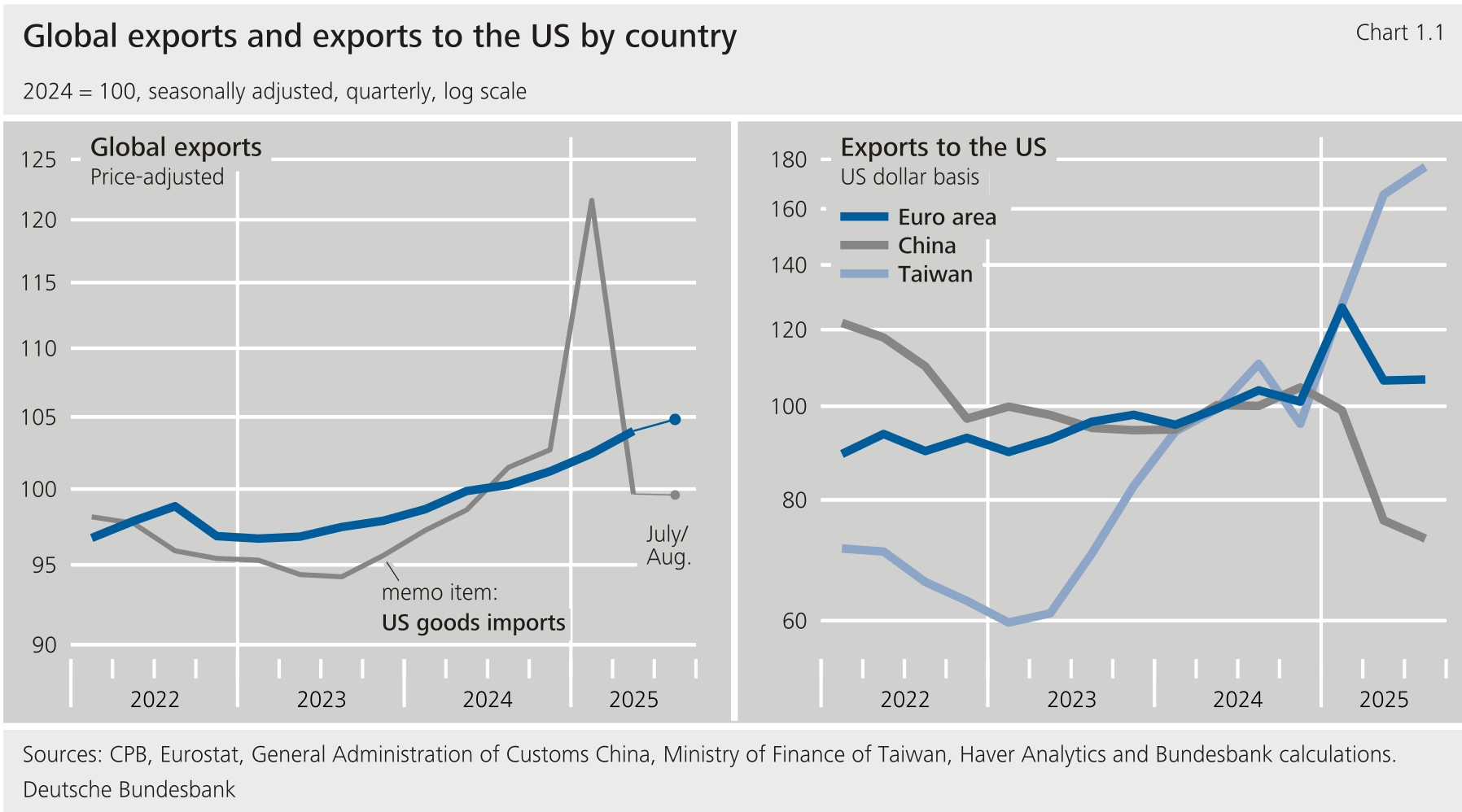
Global trade in goods held up well overall in the summer months, in spite of the sharp increase in US tariffs. Calculations by the Dutch CPB showed that the average volume of global trade for July and August increased by 0.8 % compared with the previous quarter, roughly keeping pace with the average for 2024. However, there were noticeable changes in the regional composition of global trade. Restrictive American trade policy had a significant impact on US foreign trade, which accounted for around 14 % of global goods imports in 2024, with US imports from China (measured in US$) dropping significantly compared to the end of 2024. Imports from the euro area were subject to significant fluctuations due to frontloading effects and were only slightly higher in the third quarter than at the end of 2024. On the other hand, imports from Taiwan continued to rise due to sustained high demand in the US for high-performance processors. Outside the US, international trade in goods remained strong. It remains to be seen whether the strains arising from trade disputes will have a more pronounced impact on global trade over the remainder of the year.
Continued volatility in international trade policy. The US government pursued its trade policy agenda, extending the 50 percentage point increase in steel and aluminium tariffs to other products and introducing additional tariffs on imports of heavy goods vehicles, buses, timber and wood products. At the same time, the US government reached framework agreements with other, mainly Asian, countries on future trade relations. As with the negotiations concluded in the summer, the US was able to extract concessions from its partners. 1 The trade dispute between the US and China has eased somewhat, as US President Trump and Chinese President Xi agreed on moderate tariff reductions, after a period when a drastic escalation of tensions had seemed possible. In addition, China pledged to suspend its recently introduced restrictions on the export of rare earths for one year. This is also of great importance for Europe, which is highly dependent on rare earths from China. China also resumed imports of agricultural goods from the US, and the US announced plans to ease restrictions on the export of high-tech products to China. Nevertheless, there remains a risk of renewed escalation, as the agreement is only provisional and there are no signs of a comprehensive restructuring of trade relations between the US and China.
Given the continued robust performance of the global economy, the IMF largely confirmed its previous forecast. The slight upward revision for global economic growth for the current year to 3.2 % is mainly due to the stronger-than-expected developments in the first half of the year. For 2026, the IMF projects continued growth of 3.1 %. IMF staff also made only minor changes to their inflation outlook. The inflation rate in the advanced economies is expected to ease further, from 2.5 % in 2025 to 2.2 % in 2026. In the IMF's view, upside risks are predominant, mainly due to possible second-round effects from the tariff-related surge in prices in the US, increasingly restrictive immigration policies in many countries and rising commodity prices as a result of geopolitical conflicts and climate change.
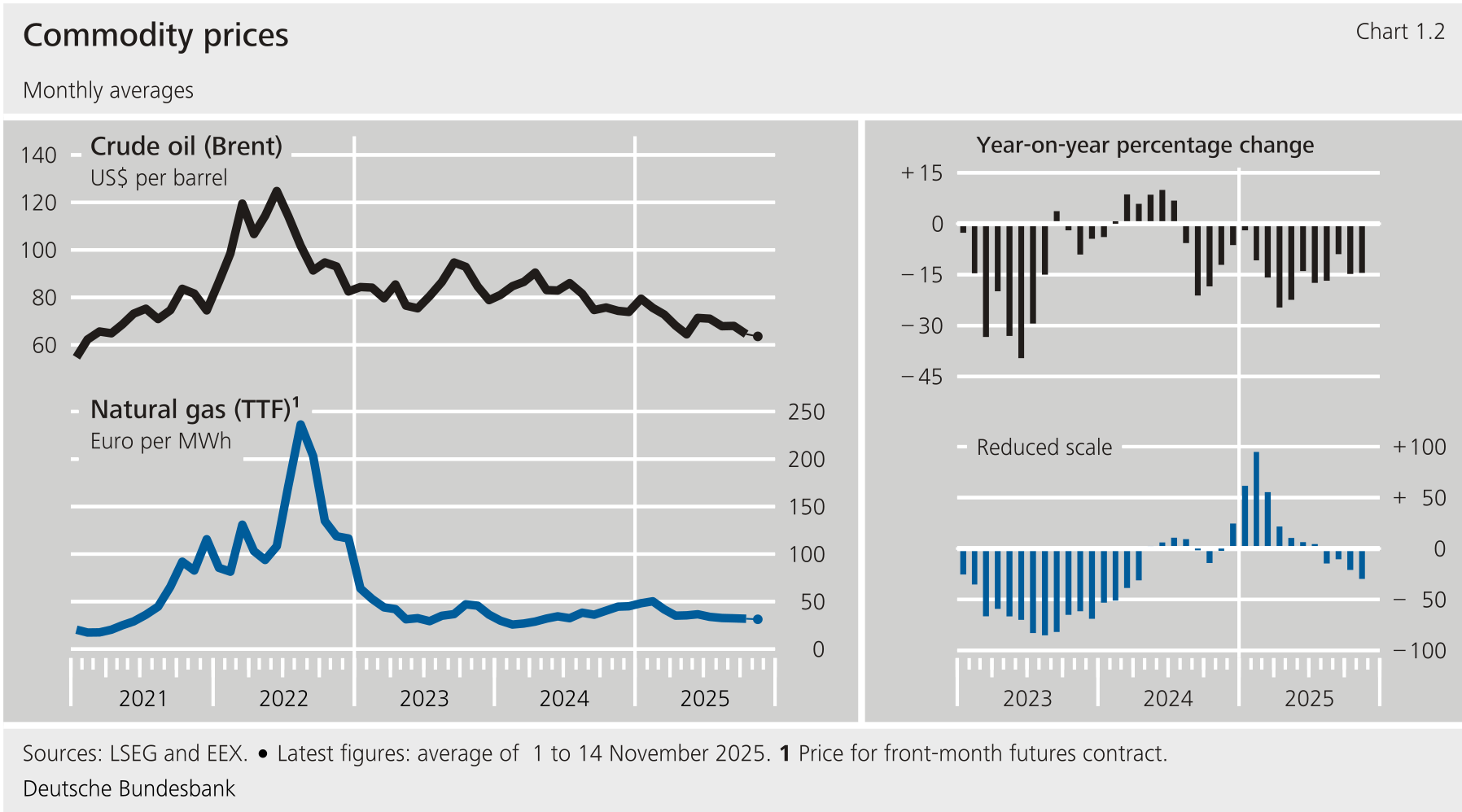
Energy commodity prices have trended slightly lower in recent weeks. As this report went to press, a barrel of Brent crude oil cost US$63, around 7 % less than in August and 14 % less than a year ago. This decline is mainly due to the oversupply in global oil markets resulting from increased production by OPEC countries and the expansion of production capacity in the US, Canada, Brazil and Guyana. 2 The recent US sanctions against the Russian oil sector led to only a slight increase in oil prices at the end of October, European gas prices also declined compared with the previous year, as mild weather forecasts, weak demand for liquefied natural gas (LNG) in China and the expansion of LNG export capacity in the US put downward pressure on prices.
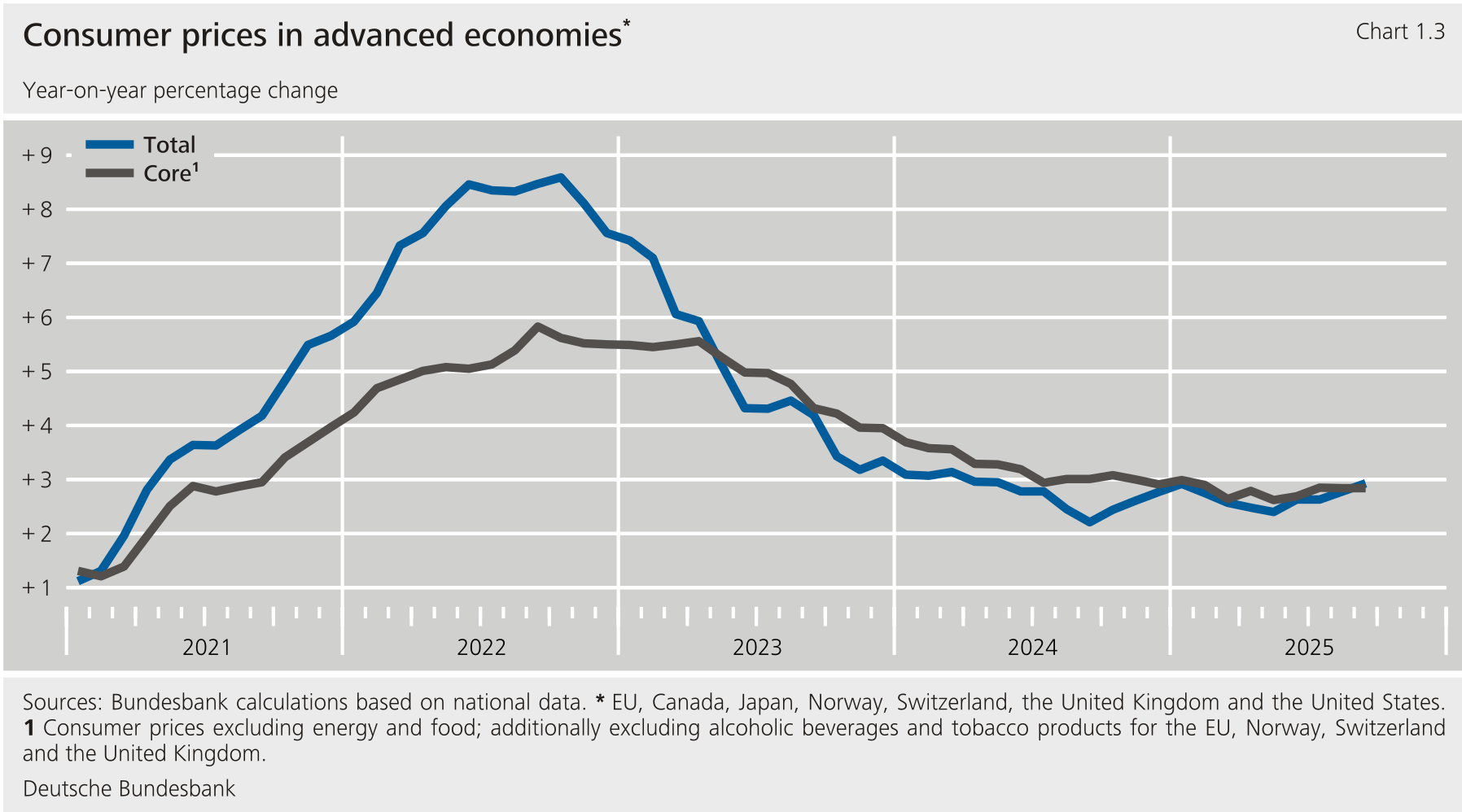
The disinflation process in the advanced economies has stalled in recent months. Consumer price inflation in the advanced economies rose to 2.9 % on the year in September, up from 2.6 % in July, mainly due to unfavourable base effects from energy prices, which had fallen sharply a year earlier. Energy prices thus drove inflation higher despite the slight decline in commodity prices. By contrast, the core rate excluding energy and food fell slightly to 2.8 % over the same period. In most of the advanced economies, the inflation rate is expected to decline again in the coming months, supported by easing labour market pressures and weaker wage growth. Due to the increasing pass-through of tariffs, the US is the only country likely to see persistently strong consumer price inflation.
1.1 Economic slowdown in China, government continues to focus on industry
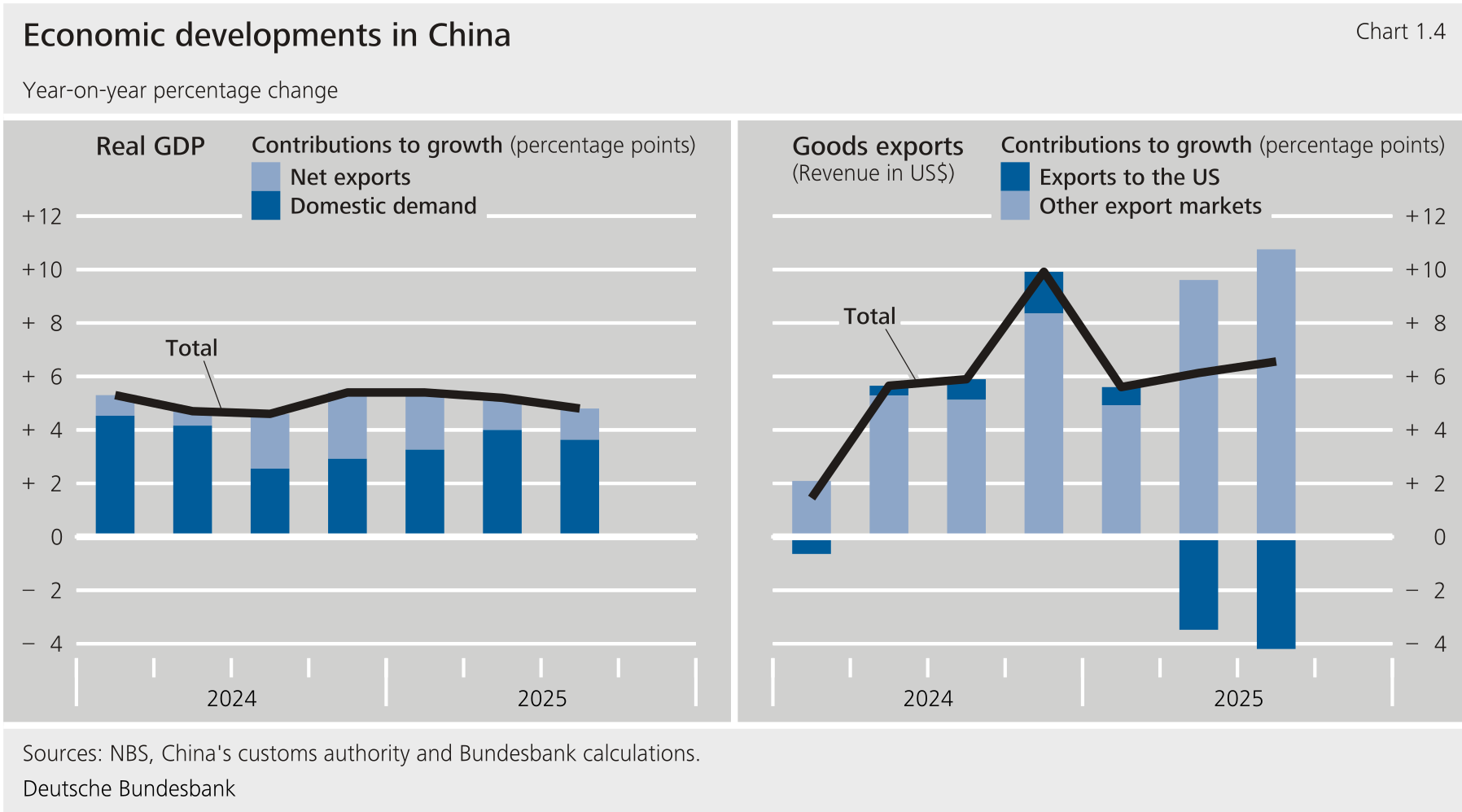
In China, economic growth declined somewhat in the third quarter of 2025. According to the official estimate, real GDP was 4.8 % higher than a year earlier, compared with growth rates of just over 5 % in each of the first two quarters. The slowdown in economic growth was mainly due to weakening domestic demand. Private consumption, which had already been subdued for some time, rose only slightly in the past quarter, not least because government incentives for consumer goods purchases expired or had reduced impact. Investment slowed as well, reflecting the ongoing crisis in the property market and possibly also government efforts to reduce excess capacity. By contrast, the economy was supported by the continued strength in exports, as declines in shipments to the US following the tariff increases were more than offset by gains in other foreign markets. 3 Consumer prices continued to show a weak underlying trend, with the overall index in October up 0.2 % from a year earlier. Excluding food and energy, prices were up 1.2 % on the year. 4
The Chinese government continues to focus its economic policy on industry and is increasingly using its strength there as a geopolitical tool. Economic policy recommendations for the upcoming Five-Year Plan (2026–2030) were adopted at the October plenary session of the Central Committee, with a particular emphasis on further strengthening industry and maintaining technological independence. The government would like to see a more balanced growth model with a greater role for consumption, but it remains unclear how this goal is to be achieved. China is increasingly using its industrial strength as a geopolitical instrument, for example through export controls on strategic goods such as rare earths and computer components.
1.2 Mixed trends in other emerging market economies
In India, the high rate of economic expansion appears to have continued. In the second quarter of 2025, the latest period for which national accounts data are available, real GDP growth strengthened to 7.8 % on the year. Economic activity is likely to have remained buoyant in the third quarter, supported by continued favourable weather conditions for agriculture., with record harvests expected for wheat and rice. Goods exports also remained at about the level of the first half of the year. In August 2025, the US imposed additional tariffs on imports from India in an effort to prompt the country to halt its purchases of Russian oil. Probably in part to cushion the potential impact on the economy, the government subsequently decided to reduce VAT rates, a measure that took effect in September and is expected to dampen consumer price inflation. With food prices down significantly due to good harvests, the inflation rate was already fairly low in the third quarter at 1.7 %, and the central bank has kept its key rate unchanged at 5.5 % in recent months.
Economic activity in Brazil appears to have weakened again. In the second quarter, the annual growth rate had already slowed to 2.2 %, and available data suggest that economic activity weakened further in the past quarter. At the same time, labour market conditions remained very favourable, with strong wage growth continuing. Against this backdrop, consumer price inflation eased only slightly, standing at 4.7 % in October and thus remaining above the central bank’s target range. The central bank has kept its key rate at a high 15 % in recent months.
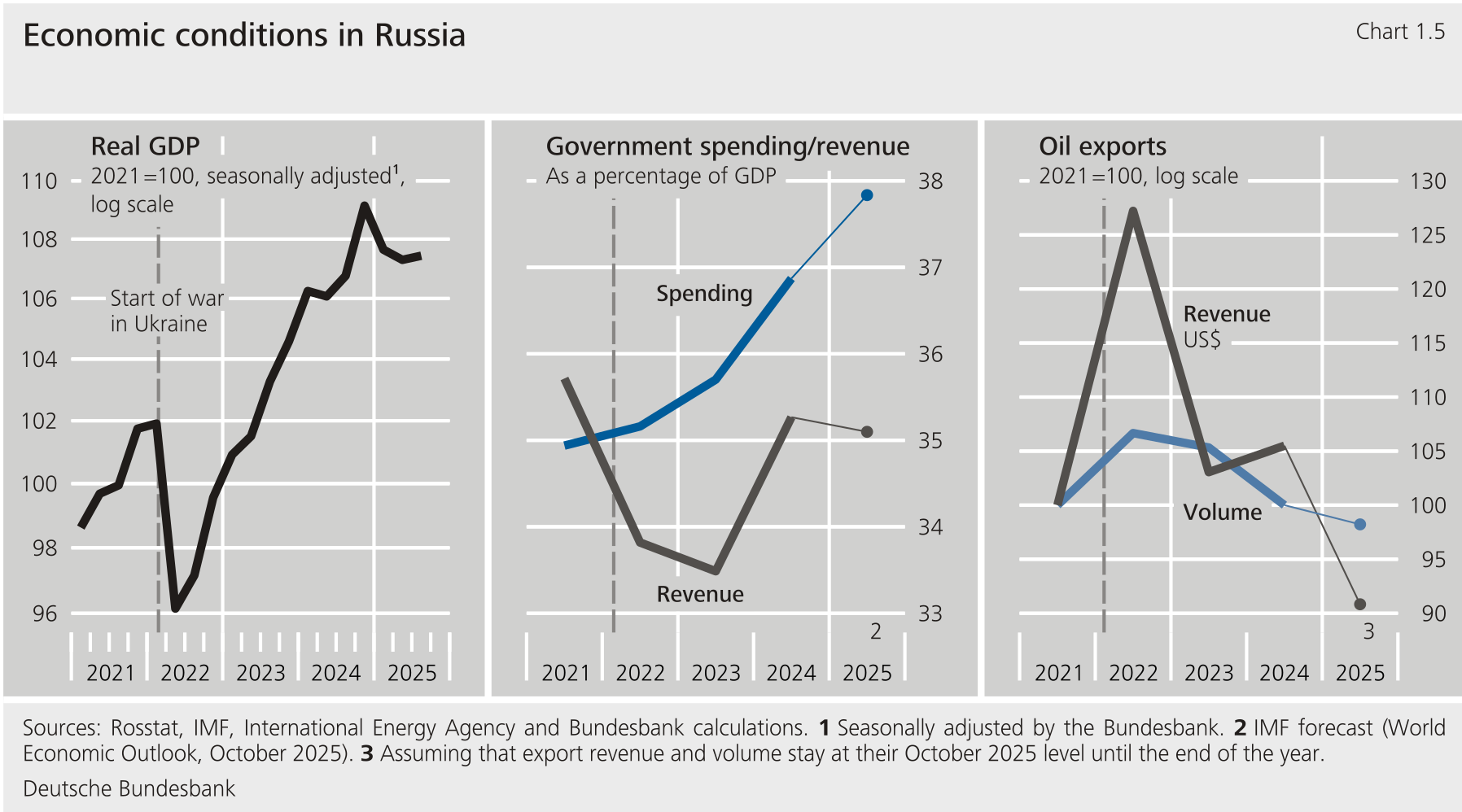
Economic activity in Russia also slowed further. According to the national statistics office, real GDP growth slowed to 0.6 % on the year in the third quarter of 2025. Seasonally adjusted data suggest that economic output has been on a downward trend since the end of 2024. Real interest rates remain high, weighing on both investment activity and private consumption. The weak economy, together with strained public finances and mounting problems in the energy sector, remains one of the key challenges for Russia (see supplementary information entitled “Russia’s economy is sending crisis signals“). Despite the economic slowdown, bottlenecks in the labour market persisted. Consumer price inflation declined further to 7.7 % in October. The central bank continued the monetary easing cycle it had begun in the spring, lowering the policy rate to 16.5 %.
Supplementary information
Russia’s economy is sending crisis signals
In the fourth year of the war in Ukraine, Russia’s previously robust economic situation is increasingly deteriorating. Despite Western sanctions and extensive international isolation, the Russian economy had held up surprisingly well in the first years of the war. This was mainly due to the sharp rise in government spending, which was supported by high revenue from the energy trade and by financial buffers built up in the pre-war years. This foundation is now beginning to crumble. There are acute problems in three key areas: in economic activity, in the government budget and in the oil sector, which is important to the economy.
Economic activity is weakening significantly. Russia’s economy experienced a remarkable upswing in the first years of the war. For one thing, the sharp rise in military spending was driving economic activity. Strong wage increases, owing to labour shortages due to massive recruitment and emigration, were also stimulating aggregate demand. However, this upswing resulted in economic overheating alongside high inflation, and the central bank responded with sharp interest rate hikes. At times, the policy rate stood at 21 %. Now, high real interest rates – which remain in place despite recent easing by the central bank – are weighing heavily on household demand. For 2025 and 2026, the IMF expects only low economic growth of 0.6 % and 1 %, respectively, after just over 4 % in both 2023 and 2024. A recession can no longer be ruled out, either. Some important sectors of the economy, such as housing construction and the automotive industry, are already showing significant downward developments.
The government budget is visibly tight. This year, the government deficit is expected to rise to more than 3 % of GDP, compared with just under 2 % in both 2023 and 2024. This is primarily due to the ongoing increases in military spending, which is now estimated to account for around 40 % of government spending. 1 At the same time, government revenue from oil exports fell significantly. While the Russian government is still able to finance itself through domestic borrowing, i.e. through the issuance of government bonds, it is facing a sharp rise in the costs of servicing debt. In addition, the budget was also financed using withdrawals from the National Welfare Fund. Since the start of the war, however, this fund’s liquid reserves – built up in the past using revenue from oil and gas business – have fallen by 60 %. 2 All in all, it is becoming increasingly clear that the state’s financial leeway is now distinctly narrower. Therefore, in order to reduce the deficit, the government has recently announced a tightening of fiscal policy. Among other things, this includes raising the VAT rate from 20 % to 22 % from 2026 onwards.
The oil sector is coming under increased pressure. The Russian oil industry has so far managed to circumvent Western sanctions relatively well by using the so-called shadow fleet to redirect its oil exports (to China, India and Turkey in particular). 3 Nevertheless, export revenue has since fallen markedly, mainly owing to the sharp decline in the global oil price, but also as a result of sanctions-related price discounts for Russian oil blends. Added to this, export volumes fell. Also, Ukraine has recently intensified its attacks on Russian refineries. As a result, there have been supply bottlenecks in some regions of Russia, and petrol prices rose sharply. In addition, the United States further tightened its sanctions by adding the two most important Russian oil companies, Rosneft and Lukoil, to its sanctions list, and increased pressure on the remaining buyer countries. 4 This, together with the ongoing Ukrainian attacks on Russia’s oil infrastructure and low oil prices, could cause oil revenues to contract further in the period ahead.
Overall, the Russian economy has reached a turning point. The “war boom“ which had driven the economy for a long time, is now showing its darker side. The government feels forced to adopt a strict austerity policy in the civilian sector. This is likely to not only further slow down economic dynamics, but also impact the population’s still very high level of satisfaction with the economic situation. In the medium term, heightened macroeconomic stability risks are to be expected, especially if oil prices continue to fall or if Russia must restrict production as a result of tightened sanctions or increased Ukrainian attacks on its oil infrastructure.
1.3 US economy remains in robust shape
In the United States, the economy appears to have continued expanding at a solid pace over the summer. Growth was driven mainly by sustained strong final demand, with private consumers significantly increasing their spending. Business investment also remained buoyant at least until August, supported by the ongoing AI boom. Demand was met both by rising domestic production and by inventories that had been built up in advance of the tariff increases. By contrast, the recent tariff hikes had a dampening effect on imports, which remained slightly subdued in July and August. Assessing overall economic developments is currently complicated by limited data availability: as a result of the government shutdown following the belated agreement on a budget for the new financial year, financial statistics have not been published – or have been published with delays – since October. The initial GDP estimate for the third quarter was also not yet available as this report went to press.
The US economy is expected to weaken noticeably in the winter half-year. Economic and trade policy are the main source of these headwinds. The strict immigration policy has been constraining labour supply and employment growth for several months, and employment is expected to rise only modestly going forward. The record government shutdown could also slightly dampen economic growth in the last quarter of the year. 5 It also remains unclear whether private consumption will hold up in the face of relatively strong inflation. By September, the annual consumer price inflation rate had risen to 3.0 %, with a similarly sharp increase when excluding energy and food. Many goods have recently become noticeably more expensive than usual owing to the steep tariff hikes, and the pass-through of these higher costs to consumers is likely to continue in the coming months. 6 Against this backdrop, consumer surveys showed a predominantly pessimistic view of economic prospects. Consistent with this, purchasing managers reported a solid start to the final quarter but took a somewhat more cautious view of the business outlook. The US Federal Reserve has also recently highlighted downside risks to the economy, particularly in relation to the labour market, and since August has lowered the target range for its key rate in two steps by a total of 50 basis points to between 3.75 % and 4.0 %.
1.4 Japanese economy faces setback
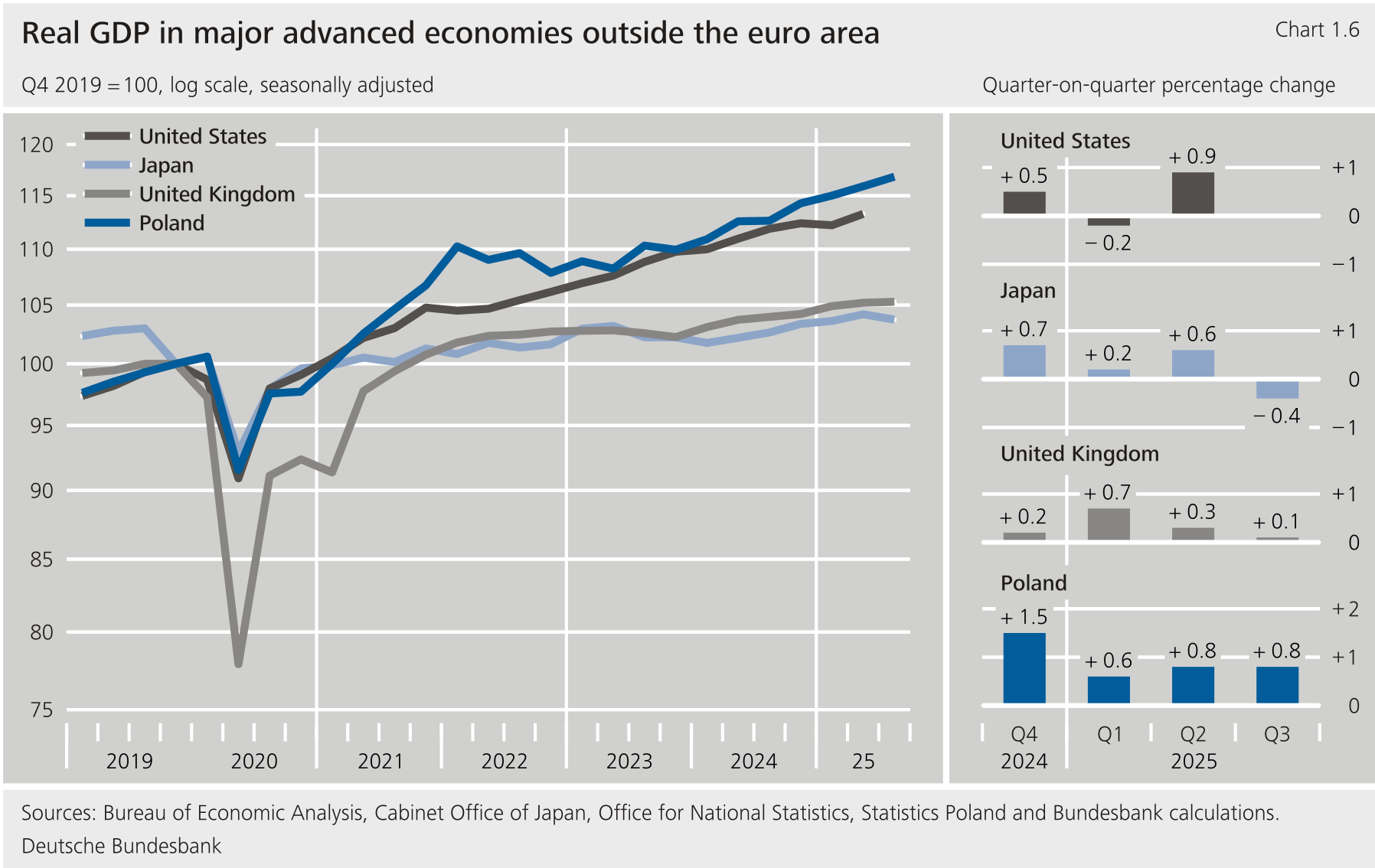
Japanese economic output shrank in the summer. According to the initial estimate, after increasing by 0.6 % in the spring, Japan’s real GDP recorded a seasonally and price-adjusted decline of 0.4 % compared to the previous quarter. Households increased their spending only modestly, likely due in part to what remains a relatively strong rise in consumer prices by Japanese standards. Housing investment decreased substantially following a reform of construction regulations. 7 Exports also declined significantly, primarily due to the sharp decline in exports of goods to the US as a result of higher tariffs, although Japanese imports also fell. Only business investment maintained its growth tempo from the previous quarter. Despite the subdued economic momentum, labour market conditions remained favourable, with the unemployment rate low at 2.6 % in September and wage growth relatively strong this year as well. 8 Inflationary pressures have eased somewhat since the beginning of the year, but at 2.9 % in September, inflation remained well above its long-term average, driven largely by surging food prices. 9 Excluding energy and food, inflation stood at 1.3 %. Against this backdrop, the Bank of Japan left its key rate unchanged at 0.5 % in October.
1.5 Growth in the United Kingdom continued to lose momentum
The British economy cooled further over the summer.GDP increased by just 0.1 % in the third quarter compared to the prior period, seasonally and price-adjusted, with the slowdown broadly based across sectors. In manufacturing, value added fell sharply due to production stoppages in the automotive sector following a cyberattack. 10 Activity in the economically important services sector grew less strongly than in previous quarters, likely reflecting the continued high consumer price inflation rate. Construction activity largely came to a standstill after strong growth in the spring. The labour market continued to cool, with the unemployment rate rising to 5 %. Wage growth picked up again in the summer due to bonus payments and, at 5 % in August, exceeded the inflation rate by a considerable margin, though regular pay growth continued to weaken. The HICP inflation rate held steady at 3.8 % in September, while core inflation fell to 3.5 %. Given these developments, the Bank of England decided in early November to leave its key rate unchanged at 4.0 %.
1.6 Polish economy continued to grow strongly
In Poland, economic growth remained strong in the third quarter. According to preliminary data, real GDP rose by 0.8 % compared with the previous quarter, maintaining the strong growth trend that has persisted for two years. Industrial production rose markedly once again, driven in particular by the motor vehicle industry, while activity in the services sector also likely increased further. By contrast, conditions in the construction industry appear to have deteriorated again. On the expenditure side, private consumption appears to have lost some momentum, while investment and exports probably increased significantly again. Inflation declined further to 2.9 % on the year. Although wage growth in the corporate sector slowed, it remained high at 7.1 %. The unemployment rate held steady at 3.1 %. The National Bank of Poland lowered interest rates again, dropping its key rate to 4.5 %.
2 Subdued economic momentum in the euro area
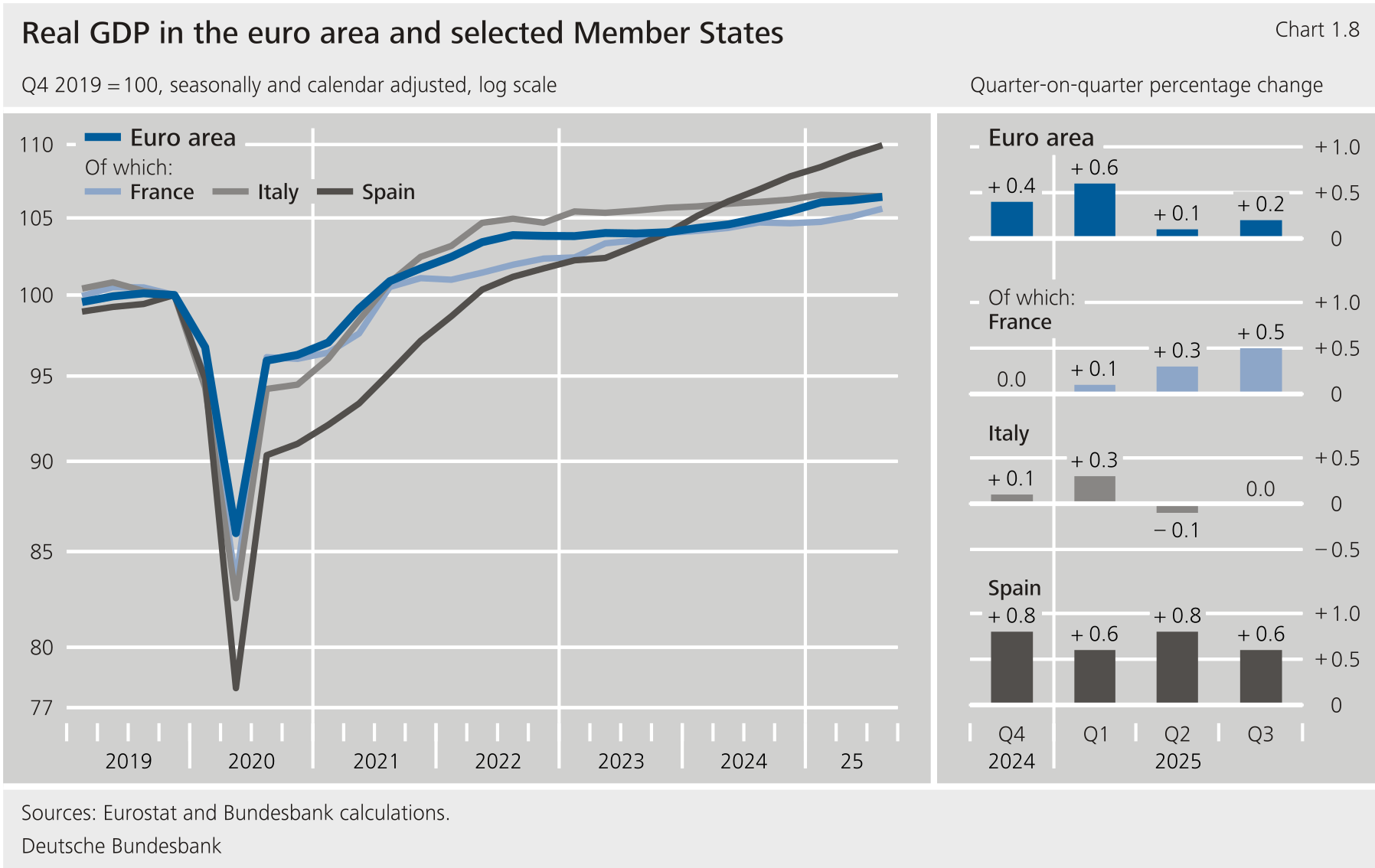
The euro area economy expanded moderately again in the third quarter. According to Eurostat’s flash estimate, GDP recorded a seasonally and price-adjusted rise of 0.2 % compared to the previous quarter (also 0.2 % excluding Ireland 11 ). Domestic demand continued to provide moderate stimulus to the economy, while export business stagnated, not least because of higher tariffs in trade with the US. On the output side, growth was driven by services. The situation in the manufacturing sector remained tense. Looking ahead, leading indicators point to a slight strengthening of growth, supported by lower energy prices, more favourable financing conditions and the announced fiscal spending programmes. However, a host of trade and geopolitical uncertainties and domestic political challenges continue to weigh on the outlook, and overall economic growth is therefore likely to remain moderate for the time being.
Private consumption remained sluggish. Retail sales in the third quarter were only slightly above the previous quarter’s level, while motor vehicle registrations rose sharply after two weak quarters. Overall subdued private consumption was consistent with persistently low consumer confidence amid heightened domestic and geopolitical uncertainty. Although consumer sentiment improved slightly during the third quarter, it remained well below its long-term average. In particular, consumers’ expectations regarding the general economic situation over the coming months deteriorated noticeably, while households rated their own financial situation somewhat more favourably. Real disposable incomes edged up, and the propensity to save remained high.
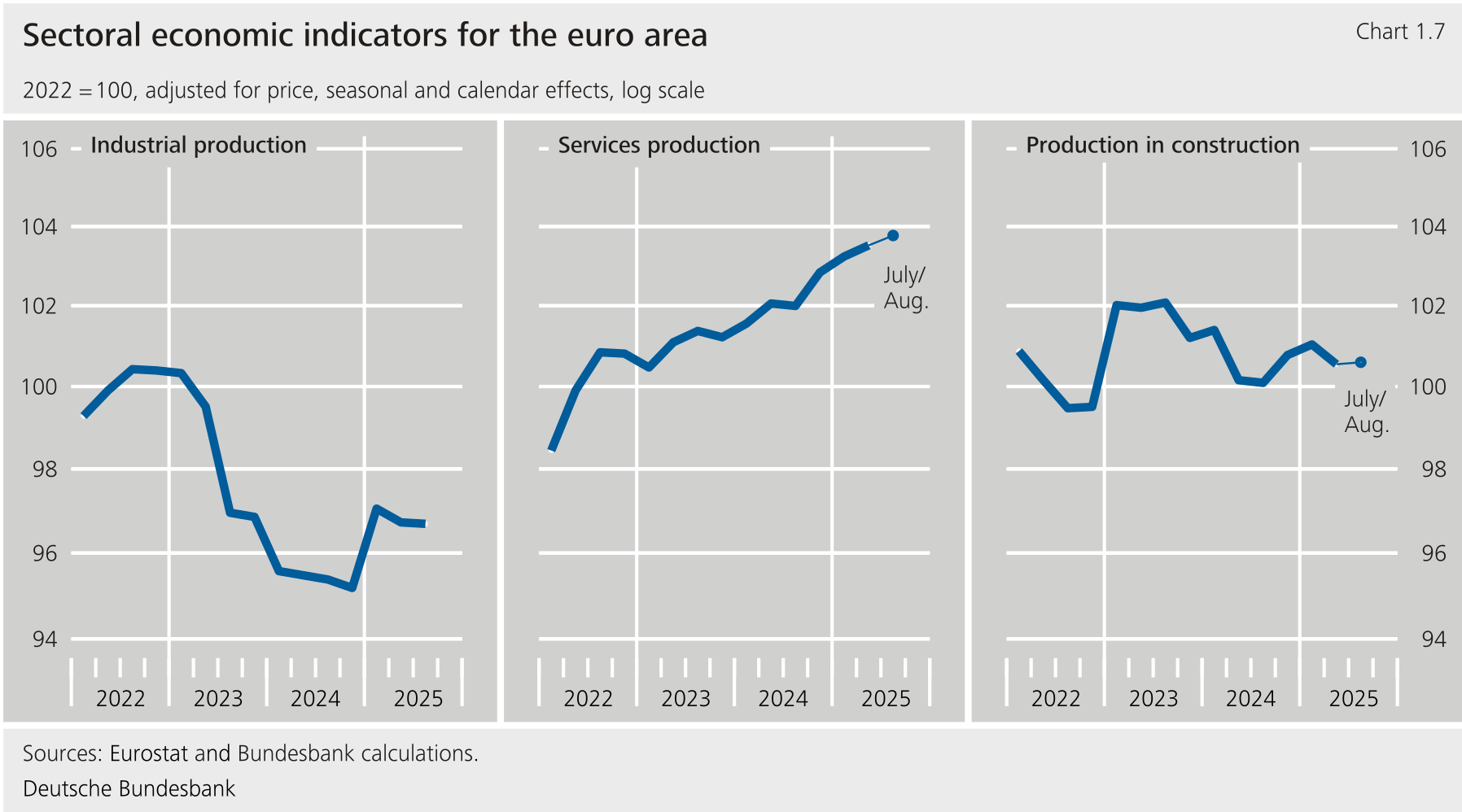
Investment activity probably expanded somewhat again. 12 Construction output stagnated in July and August compared with the second quarter. Residential construction activity actually declined further, extending the downward trend that has persisted since early 2023. However, infrastructure investment is likely to have continued supporting overall construction activity. Commercial investment in machinery and equipment probably increased again. While capital goods producers’ domestic sales did not rise further in July and August, imports of capital goods may well have done so. Expenditure on information and communication technologies, as well as on intellectual property products, can be expected to have continued to increase on the back of the digitalisation trend.
Goods exports to third countries weakened slightly, after a steep drop in the previous quarter. This decline probably reflects to some degree a correction following the frontloading of exports in the first several months of the year, ahead of the US tariff increases in mid-year. Increasingly, however, the tariff hikes themselves, coupled with the appreciation of the euro against the US dollar, appear to have weighed on exports to the United States, which fell markedly once again. Exports to China also declined again, probably reflecting weak domestic demand there and growing competition from emerging Chinese suppliers. Exports to the United Kingdom also declined, while exports to other geographically closer countries such as Poland and Switzerland fared significantly better. Exports to third countries maintained their level from the previous quarter in price-adjusted terms. Broken down by product category, the weakness in exports affected mainly intermediate goods, particularly pharmaceutical products, although exports of consumer goods also fell markedly. Capital goods was the only category to record a strong increase. According to balance of payments data up to August, euro area services exports remained subdued. Imports of goods from third countries increased again in the third quarter in price-adjusted terms, if only somewhat. Imports of capital goods increased, while imports of intermediate inputs and consumer goods fell.
The recovery in the manufacturing sector did not continue into the third quarter. Capital goods production was virtually flat, partly as a result of the downturn in motor vehicle production. Output of intermediate goods also fell, while consumer goods production increased slightly, leaving overall industrial output stagnant. Industrial capacity utilisation increased slightly but remained below its long-term average. The end of frontloading effects related to tariffs, together with overall weak foreign demand, weighed on the industrial sector. According to European Commission surveys, export order backlogs fell noticeably in the third quarter, and competitiveness also deteriorated. Price pressures at the producer level eased thanks to lower energy prices Producer prices fell slightly compared with the previous year, while import prices declined significantly.
Services activity increased. Business activity is likely to have increased significantly, particularly in the information and communications sector due to the ongoing digitalisation trend,. Transportation and storage and real estate also saw growth. Hospitality was the only sector that appears to have seen a slight decline. According to European Commission surveys, a shortage of labour continued to weigh on the services sector. In addition, companies have recently been reporting insufficient demand more frequently again, though such reports remain below the long-term average.
Overall economic output rose in most Member States. In several countries weak exports to non-EU countries dampened activity, particularly in manufacturing. Nevertheless, investment in machinery and equipment and exports within the EU appear to have gained momentum in a number of countries. Economic activity also remained buoyant in the southern Member States, supported by a strong tourism sector and dynamic private consumption.
Growth in the French economy strengthened in the third quarter. According to initial estimates, real GDP grew by 0.5 % in the third quarter, up 0.3 % from the previous quarter. Exports rose sharply, driven mainly by the aviation and pharmaceutical industries, while investment also expanded significantly despite domestic political uncertainty, particularly in machinery and equipment and intellectual property. By contrast, private consumption remained subdued, and imports declined slightly. On the production side, activity in both services and manufacturing was buoyant, while the construction sector recorded another slight decline.
In Italy, economic output stagnated. According to preliminary data, real GDP remained unchanged in the third quarter compared with the previous quarter. The only positive stimulus likely came from goods exports, which recovered after a sharp decline in the second quarter. Domestic demand, by contrast, was weak: private consumption probably stagnated at best despite higher real disposable incomes, and investment is also likely to have declined as tax incentives expired and public investment activity slowed. On the output side, activity in the manufacturing sector fell. Services activity stagnated.
The strong growth of the Spanish economy slowed somewhat. According to an initial estimate, real GDP grew by 0.6 % in the third quarter, following an increase of 0.8 % in the second quarter. Domestic demand increased further. Investment activity rose sharply, particularly in machinery and equipment, where spending was more than 10 % higher than a year earlier in real terms. Private consumption also increased noticeably. Exports, by contrast, fell significantly, especially to countries outside the euro area, while imports rose markedly in line with the strong domestic demand. On the production side, growth was broad-based, with the ICT sector and business services recording the strongest expansion.
The picture for the remaining Member States was mixed. According to initial estimates, economic output increased moderately in the Netherlands, Belgium and Slovakia while activity remained very strong in Portugal, Slovenia and Cyprus. Real GDP rose slightly in Austria and Estonia but edged down in Lithuania and Finland. In Ireland, macroeconomic activity declined only slightly, meaning that the anticipated correction following the sharp rise at the beginning of the year has so far failed to materialise.
Labour market conditions remained stable. Employment increased slightly again over the summer, and the unemployment rate remained low at 6.3 %, virtually unchanged since the middle of last year. However, labour market developments varied considerably across Member States: in several southern countries, the unemployment rate continued to fall significantly, while in some countries with weaker economies there was a noticeable increase in unemployment. Labour shortages in the euro area eased somewhat but remained above the long-term average, and the job vacancy rate declined further. Employee wage growth is likely to have weakened further in the third quarter of 2025.
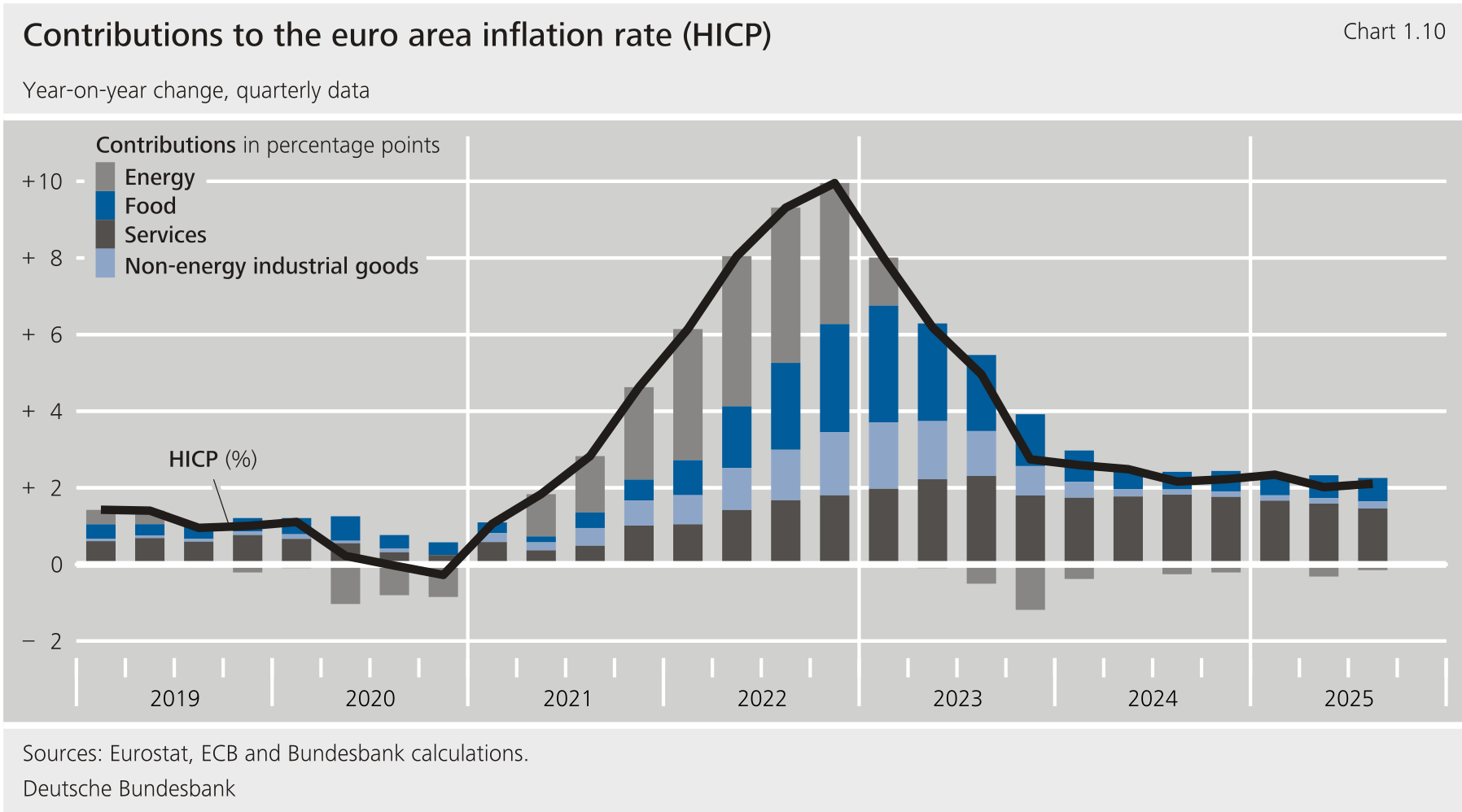
Consumer prices in the euro area rose sharply again in the third quarter of 2025. The Harmonised Index of Consumer Prices (HICP) rose by 0.6 % on the quarter in seasonally adjusted terms, compared with 0.2 % in the second quarter. This was mainly due to food prices, which increased more strongly than in the previous quarter for the second consecutive time, while services also continued to see prices rise significantly. Energy prices also edged up again in the third quarter after having trended downward since 2023, although with considerable fluctuations at times. By contrast, prices for non-energy industrial goods remained virtually unchanged. This component in particular reflects the generally dampening impact of the euro’s appreciation.
Inflation rose to 2.1 % on the year. This was mainly due to food prices and to the reduced dampening effect of energy prices. Non-energy industrial goods inflation rose primarily because of a base effect, while services inflation fell markedly to 3.2 %. As a result, core inflation excluding energy and food declined slightly, but at 2.3 % it remained well above its long-term average. This was entirely attributable to services, as inflation in industrial goods remained below average.
In October 2025, inflation remained slightly above 2 %, according to Eurostat’s estimate. Inflation stood at 2.1 %, after temporarily rising to 2.2 % during September. In October, inflation rates for energy, food and non-energy industrial goods declined, while the disinflation process in services paused, partly owing to a marked increase in volatile travel prices. As a result of these divergent developments in non-energy industrial goods and services, core inflation (excluding energy and food) remained unchanged at 2.4 % in October. The overall rate is likely to edge down further in the next few months. The disinflation process in services is expected to resume, while the energy component will likely make a temporarily more negative contribution, due in part to a base effect from the brief rise in energy prices around the turn of 2024/25.
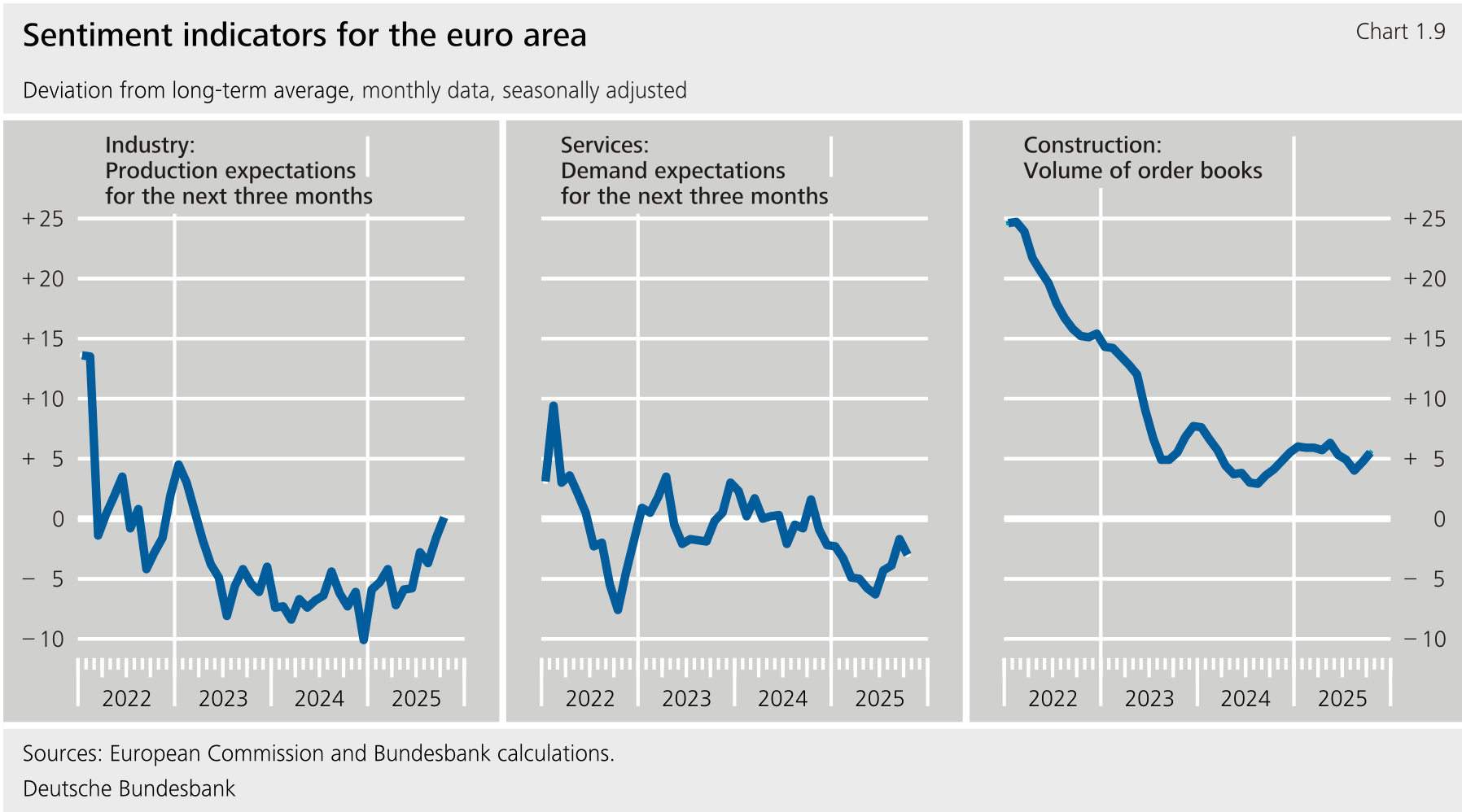
Indicators currently point to a slight increase in growth in the euro area for the current quarter. Sentiment indicators up to October point to an improvement in production expectations for the next few months. Expectations have risen most sharply in manufacturing, where assessments of order levels and new business also brightened after a prolonged period of weakness. The outlook in construction and services improved more modestly, while consumer sentiment remained cautious. Although expectations regarding the future economic situation and personal finances have brightened, households are at the same time aiming to increase their savings, suggesting that consumer spending will remain subdued. Exports are likely to continue to be slowed by higher tariffs in trade with the United States. Macroeconomic momentum may therefore depend largely on private and public investment. Lower energy prices, improved financing conditions and the fiscal spending programmes should provide support in these areas. Nevertheless, given the numerous challenges and uncertainties, investment is likely to increase only gradually, and macroeconomic activity in the euro area is therefore expected to expand only moderately in the next few months.
This article is based on data available up to 18 November 2025, 11:00.
The Bank of Finland Institute for Emerging Economies (2025), BOFIT Forecast for Russia 2025–2027, Forecasting: Latest Forecast for Russia, October 2025.