Monetary policy and money market developments Monthly Report – November 2025
Published on
Monetary policy and money market developments Monthly Report – November 2025
Monthly Report
1 Monetary policy and money market developments
The Governing Council of the ECB left the three key interest rates on hold at its monetary policy meeting in September 2025. Its assessment of the inflation outlook remained broadly unchanged and the new ECB staff projections differ only marginally from those issued in June. Accordingly, headline inflation is expected to average 2.1 % in 2025, 1.7 % in 2026 and 1.9 % in 2027.
The ECB Governing Council also kept its key interest rates unchanged in October. Once again, the Governing Council’s assessment of the inflation outlook remains broadly unchanged. The economy has continued to grow despite the challenging global environment. However, the outlook is still uncertain, owing particularly to ongoing global trade disputes and geopolitical turmoil.
The Governing Council has stressed that its monetary policy stance remains clearly geared towards price stability. It will continue to follow a data-dependent and meeting-by-meeting approach to determine the appropriate monetary policy stance. In particular, the Governing Council’s interest rate decisions will be based on its assessment of the inflation outlook and the risks surrounding it, in light of the incoming economic and financial data, as well as the dynamics of underlying inflation and the strength of monetary policy transmission. The Governing Council is not pre-committing to a particular rate path.
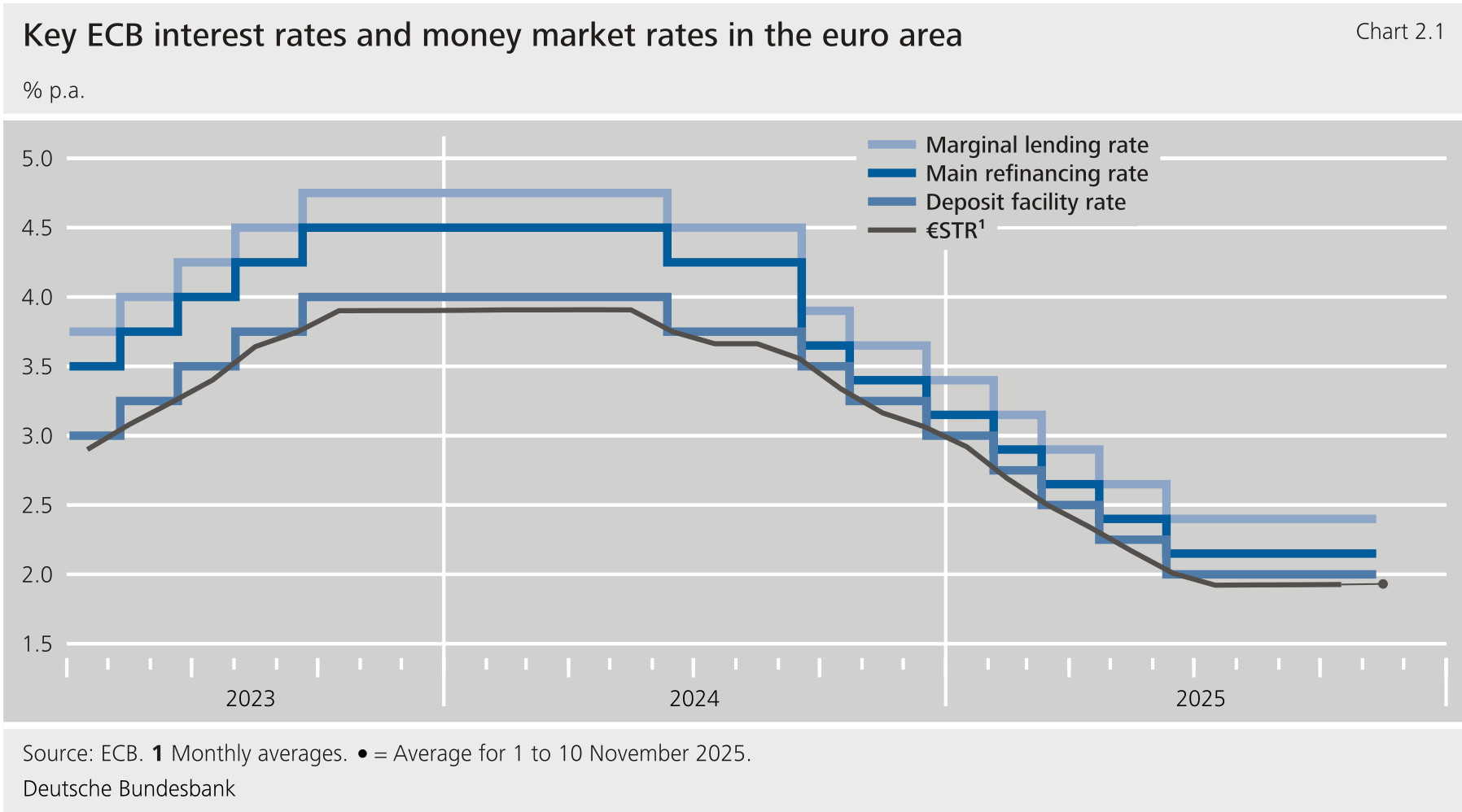
Short-term money market rates have remained broadly unchanged since the last rate cut in June. The euro short-term rate (€STR) closed the reporting period at 1.93 %, which was around seven basis points below the level of the deposit facility rate.
According to surveys conducted shortly before the October meeting, market participants did not expect another interest rate cut before the end of 2025. The median response from the Eurosystem’s Survey of Monetary Analysts conducted before the October meeting revealed that participants did not expect another key rate cut this year. Money market forward rates also imply that a further adjustment to interest rates before year-end is not currently priced in.
Monetary policy asset holdings are continuing to shrink. As previously, the principal repayments and interest income from asset holdings under the asset purchase programme (APP) and the pandemic emergency purchase programme (PEPP) are not being reinvested. On 7 November, the Eurosystem held assets totalling €2,359.8 billion under the APP. Asset holdings reported under the PEPP came to €1,441.8 billion on the same day.
Excess liquidity continued to decrease. At last count, it stood at €2,513.8 billion. The decline was attributable primarily to maturing APP and PEPP assets.
2 Monetary developments in the euro area
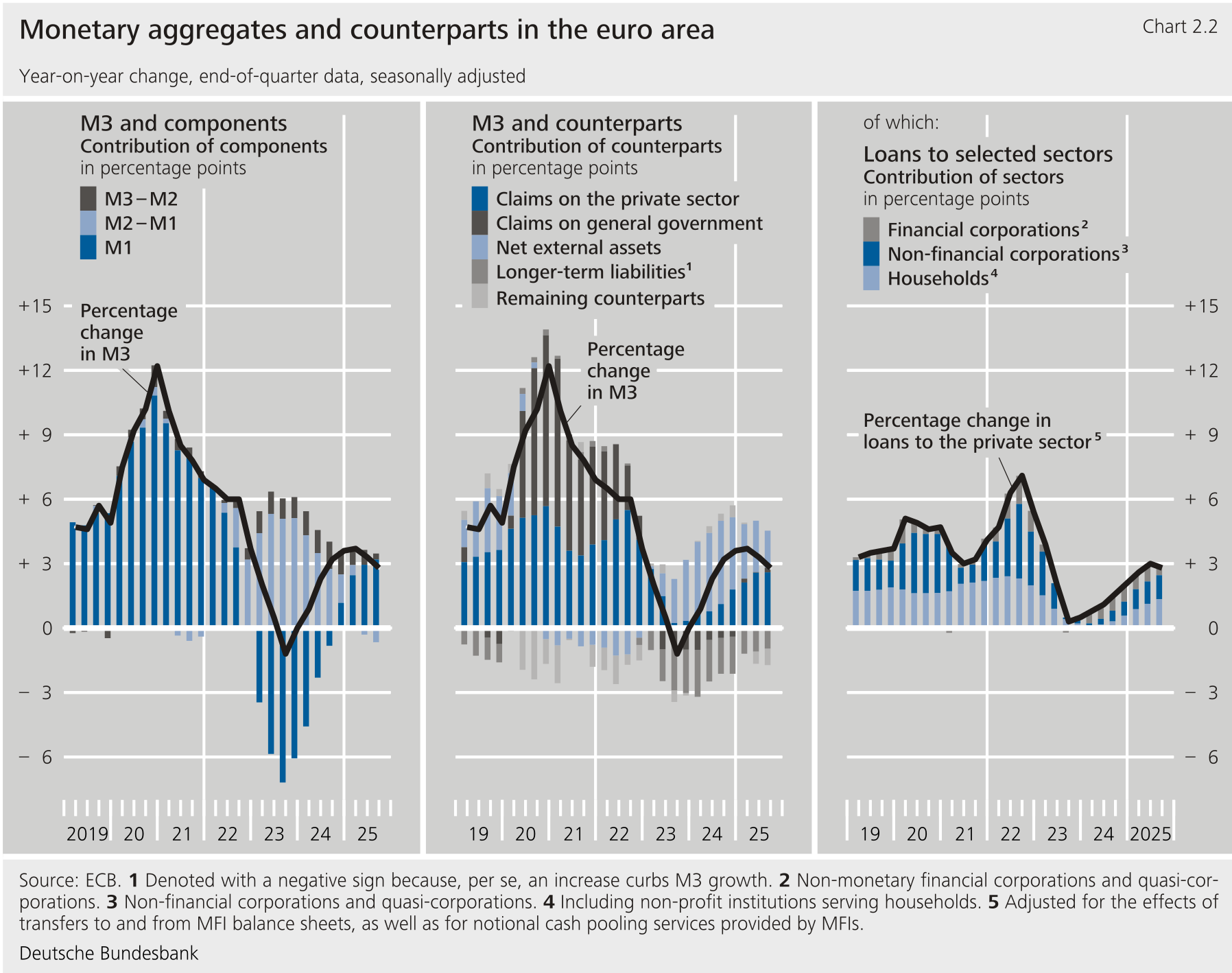
Monetary dynamics in the euro area continued to slow in the third quarter of 2025. The broad monetary aggregate M3 expanded to a lesser extent than in the previous quarter, with its annual growth rate falling to 2.8 % by the end of September (see Chart 2.2). Overnight deposits in particular recorded lower inflows. This was mainly due to receding uncertainty in the financial markets after the European Union and the United States reached an agreement to resolve the trade dispute. In this setting, institutional investors in particular scaled back the liquidity buffers they had previously accumulated. On the counterpart side, loans and securitised lending to domestic non-banks made the largest contribution to monetary growth. However, lending to non-financial corporations remained subdued in the third quarter. This was despite a further fall in lending rates and a gradual pick-up in investment activity. Demand for loans amongst euro area industrials in particular was also affected. Global conditions remained challenging for firms in this sector despite the agreement reached in the trade dispute with the US. Due to the perceived increase in credit risk, banks surveyed in the Bank Lending Survey (BLS) tightened their credit standards for loans to enterprises slightly in the third quarter. However, they have no plans to modify their standards in the fourth quarter.
Private non-banks continued to build up deposits, albeit on a smaller scale than in the previous quarter. This was due to deposit outflows on the part of financial corporations after the significant inflows in the previous two quarters. As uncertainty in the financial markets abated following the trade agreement between the European Union and the United States, these yield-conscious investors redeployed at least some of their liquidity buffers to more profitable forms of investment. Meanwhile, non-financial corporations bolstered their deposits somewhat, primarily in the form of overnight deposits. Households also continued to build up their deposits by shifting from short-term time deposits to overnight and short-term savings deposits. This reflects the fact that both of these rather risk-averse sectors maintain a strong preference for highly liquid funds.
Table 2.1: Consolidated balance sheet of the MFI sector in the euro area* Quarter-on-quarter change in € billion, seasonally adjusted
Assets
Q2 2025
Q3 2025
Liabilities
Q2 2025
Q3 2025
Claims on private non-MFIs in the euro area
97.2
75.2
Liabilities to central government2
44.2
20.2
Loans
92.4
50.6
Monetary aggregate M3
104.4
69.7
Loans, adjusted1
107.8
31.6
Components
Securities
4.8
24.5
Currency in circulation and overnight deposits (M1)
147.6
77.5
Other short-term deposits (M2-M1)
− 58.9
3.2
Claims on general government in the euro area
− 27.7
26.7
Marketable instruments (M3-M2)
15.7
− 11.1
Loans
11.7
7.6
Longer-term liabilities to other non-MFIs in the euro area
26.9
37.4
Securities
− 39.4
19.0
Capital and reserves
− 26.7
− 10.2
Net external assets
129.6
62.0
Other longer-term liabilities
53.6
47.6
Other counterparts of M3
− 23.6
− 36.6
* Adjusted for statistical changes and revaluations. 1 Adjusted for the effects of transfers to and from MFI balance sheets, as well as for notional cash pooling services provided by MFIs. 2 Including central government deposits with the MFI sector and securities issued by the MFI sector held by central governments.
On the counterpart side, loans and securitised lending to domestic non-banks were the main drivers of monetary growth. Loans to households and non-financial corporations accounted for the highest contributions, while more volatile loans to financial corporations declined sharply in the reporting quarter. The MFI sector also increased its holdings of euro area securities, mainly via purchases of equity and government bonds (see Table 2.1). On balance, the banks bought significantly more government bonds in the third quarter than the Eurosystem allowed to expire when phasing out its asset purchase programmes. The renewed slight rise in yields made these securities more attractive buying opportunities for banks as well as non-euro area investors.
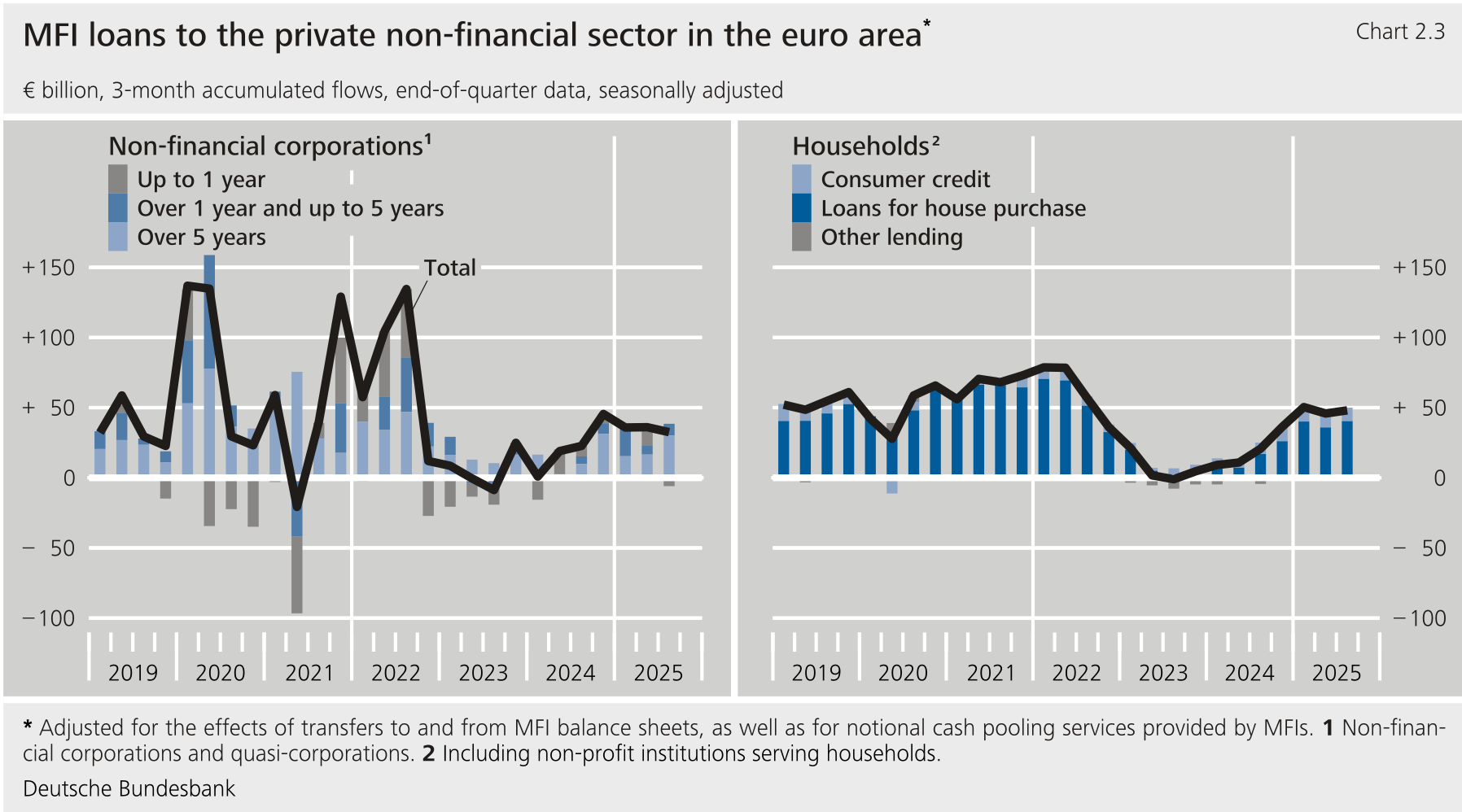
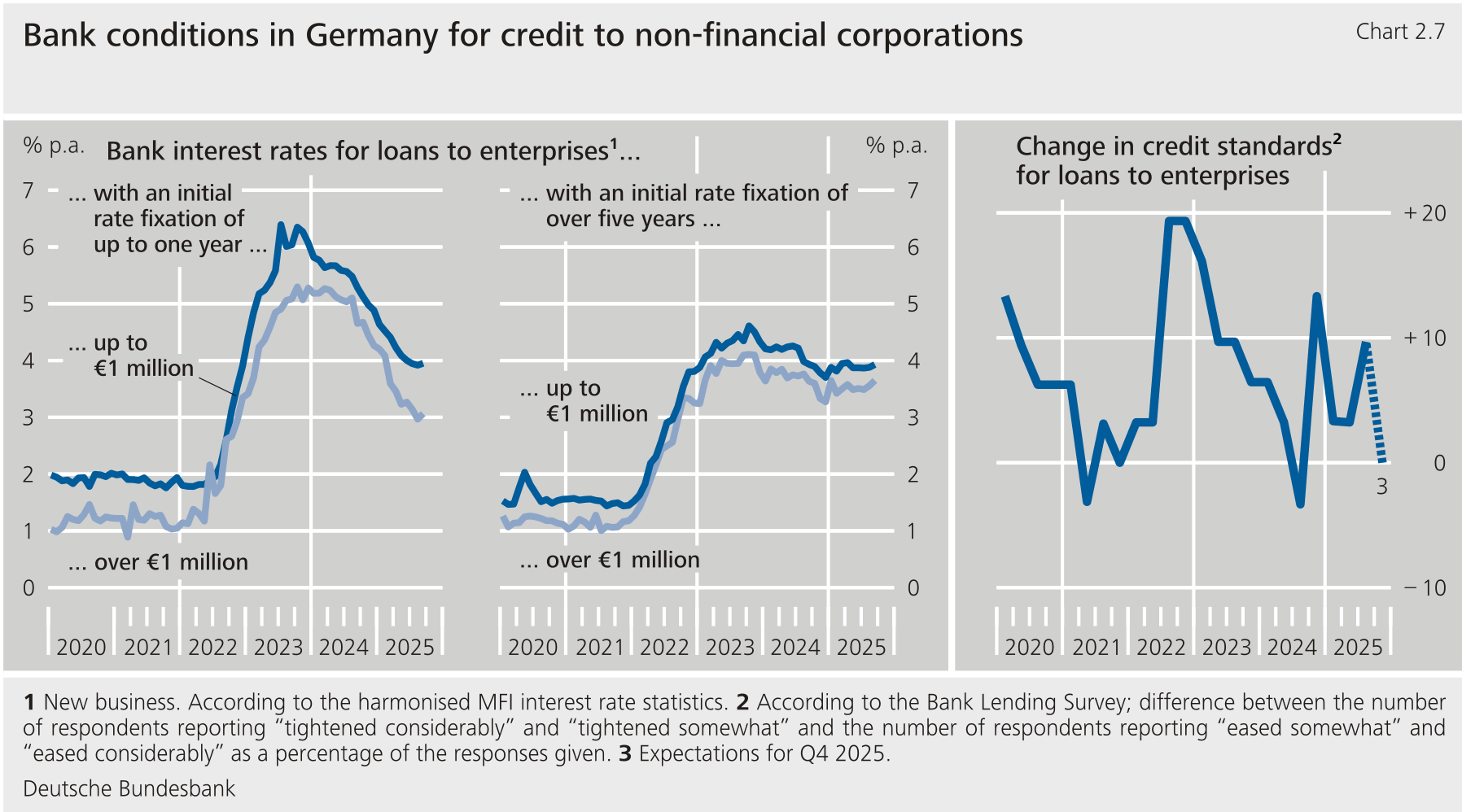
Lending to non-financial corporations also failed to pick up in the third quarter. Despite the continued decline in lending rates and the gradual recovery in investment dynamics, the medium and long-term loans typically used for investment purposes have not gained any further traction over the course of the year (see Chart 2.3). This is probably also due to the fact that many firms still have sufficient internal funds to finance their investments. In the Survey on the Access to Finance of Enterprises (SAFE) for the euro area in the third quarter, for example, most firms reported that they did not apply for a bank loan as they had internal funds at their disposal. Microdata from the AnaCredit credit data statistics up to August show that, in the year to date, the majority of loans with a maturity of more than one year have been taken out by companies in the services, construction and real estate sectors. Conversely, loans to companies in the manufacturing sector have increased only marginally on balance. Lending to this sector was recently subdued due to the adverse effects of US trade policy and a loss of competitiveness.
In line with the overall trend, the banks surveyed in the BLS reported that corporate demand for loans was broadly unchanged. Several BLS banks reported that global uncertainty and the associated trade conflicts had negatively affected firms’ investment decisions and thus their demand for loans in the third quarter. 1 The banks surveyed in the BLS also expect firms’ demand for loans to remain unchanged in the final quarter of 2025.
On balance, the BLS banks tightened their credit standards slightly for loans to non-financial corporations. According to the banks surveyed, this was mainly attributable to heightened credit risk in the third quarter. This stemmed from industry-specific and firm-specific factors, as well as the general economic situation. It also reflects the varying degrees to which companies are affected by persistently high geopolitical uncertainty and trade-related risks. The BLS banks are not planning to make any significant changes to credit standards for corporate lending in the fourth quarter.
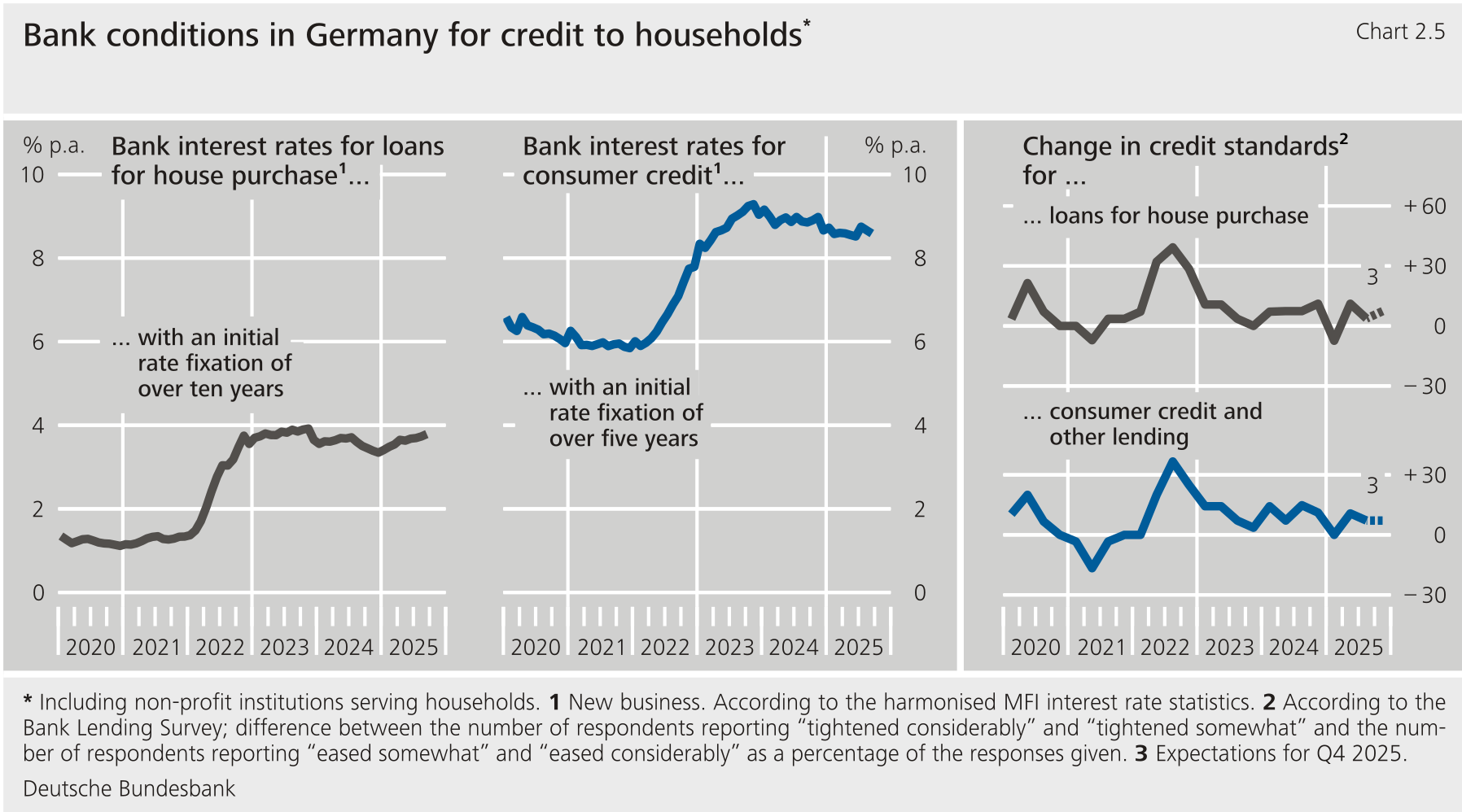
Banks’ lending to households continued to recover slightly in the third quarter. Loans to households for house purchase, the largest component in terms of volume, rose more markedly on balance than in the previous quarter. However, growth in this segment did not accelerate further compared with the pronounced surge at the start of the year. The banks surveyed in the BLS observed another pick-up in demand for loans for house purchase in the third quarter. The reasons they cited were households’ improved assessment of housing market prospects and the general interest rate level. While interest rates on loans to households for house purchase stopped declining at the start of the year, the interest rate level is still relatively low. Higher real incomes since the end of the rate hike phase are also likely to have fuelled household demand for housing. The BLS banks left their credit standards for housing loans unchanged after easing them in the previous quarter. The banks are planning to tighten their credit standards marginally in the final quarter.
As in the previous quarters, growth momentum in consumer credit remained stronger than in other loan categories. Meanwhile, other loans, which include loans to sole proprietors, declined on balance. According to the banks surveyed in the BLS, households’ demand for loans was virtually unchanged across both business areas. They observed that the decrease in interest rates continued to support demand, while worsening consumer confidence had a dampening effect. BLS banks continued to tighten their credit standards for consumer credit and other lending as planned. The main reason they cited was a decline in households’ creditworthiness.
3 German banks’ deposit and lending business with domestic customers
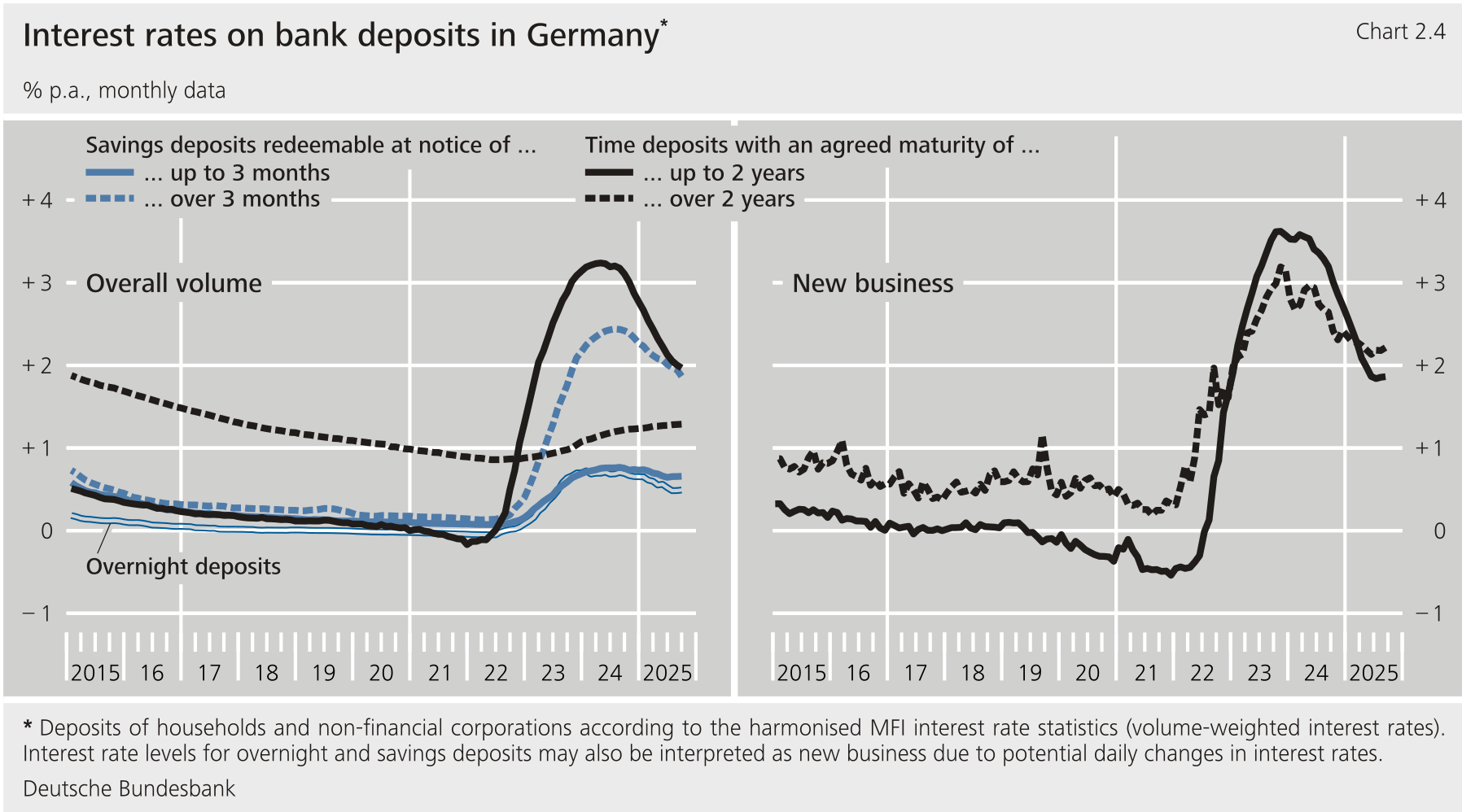
Domestic non-banks continued to build up their deposit holdings with German banks in the third quarter of 2025, albeit to a lesser degree than in the previous quarter. Overnight deposits were the main focus of their investments. At the same time, they reduced their short-term time and savings deposits on a similar scale to that of the previous quarters. Investors therefore continued to favour highly liquid funds over other forms of deposit that offer higher interest rates but are less flexible. This was despite the fact that interest rate differentials have barely declined any further lately (see Chart 2.4).
In line with the general euro area trend, Germany’s institutional investors also reduced their liquidity buffers. On balance, only households and non-financial corporations contributed to the growth in overnight deposits. Households therefore continued to follow the investment patterns of approximately the last twelve months, while non-financial corporations replenished their reserves somewhat after weak activity in the two preceding quarters. By contrast, financial corporations trimmed their overnight deposits in particular. The scale of the reduction was roughly equivalent to the marked increase in the previous quarter. As in the euro area, the cuts to liquidity buffers were likely linked to receding uncertainty in the financial markets.
German banks’ lending business with domestic customers grew noticeably in the third quarter of 2025. This was partly due to the fact that loans to the public sector recorded stronger inflows than in the previous quarter. The renewed sharp increase in banks’ lending to the domestic private sector also played a role. Given the deteriorating global and trade policy environment, however, there is still no evidence of a lasting trend reversal in lending to enterprises despite the net growth in the quarter under review (see Table 2.2).
Table 2.2: Banks in Germany: changes in lending and deposits1 Quarter-on-quarter change in € billion, seasonally adjusted
Position
2025
Q2
Q3
Deposits of domestic non-MFIs2
Overnight
48.7
34.7
With an agreed maturity of
up to 2 years
− 17.3
− 20.4
over 2 years
2.5
2.9
Redeemable at notice of
up to 3 months
− 4.0
− 4.0
over 3 months
2.8
0.1
Lending
to domestic general government
Loans
3.1
7.2
Securities
5.7
6.5
to domestic enterprises and households
Loans3
9.2
11.4
of which: to households4
9.2
10.4
of which: to non-financial enterprises5
− 3.6
4.2
Securities
1.1
2.9
1 Banks including money market funds. End-of-quarter data, adjusted for statistical changes and revaluations. 2 Enterprises, households (including non-profit institutions serving households) and general government (excluding central government). 3 Adjusted for loan sales and securitisation. 4 Including non-profit institutions serving households. 5 Non-financial corporations and quasi-corporations.
Loans to households made the largest contribution to the lending business among German banks. Once again, this was due to loans to households for house purchase, which continued to recover in the third quarter of 2025. This recovery is probably attributable to two main factors. First, demand for housing is still high. Second, prices for existing residential real estate remain noticeably lower than at the end of the low interest rate period. 2 Responses from the banks surveyed in the BLS confirm this assessment. According to the respondents, households’ demand for loans for house purchase increased. Amongst other things, this reflected a more positive assessment of housing market prospects, including the likely trend in house prices and expected yields. The bank managers surveyed also reported that households were becoming used to the current level of lending rates, despite the recent slight increase. The interest rate on loans for house purchase with an initial interest rate fixation period of more than ten years, which are a significant category in terms of volume, stood at 3.75 % at the end of September. This was roughly in line with the mid-2024 level (see Chart 2.5). The BLS banks expect demand for loans for house purchase to pick up further in the fourth quarter of 2025.
At the same time, the banks surveyed in the BLS tightened their credit standards, terms and conditions for loans for house purchase. However, their latest adjustments were less stringent than in the previous quarter. The banks’ main rationale for their restrictive lending policies was the increased credit risk in business with households. From the banks’ perspective, the general economic situation and outlook as well as a decline in households’ creditworthiness were relevant factors here.
On aggregate, consumer credit and other lending to households continued to lack impetus. BLS banks cut their interest rates for consumer credit and other lending slightly and reduced their margins on riskier loans somewhat. Yet at the same time, they tightened their credit standards for consumer credit and other lending in the third quarter of 2025. This was in response to higher credit risk and a decline in the banks’ risk tolerance.
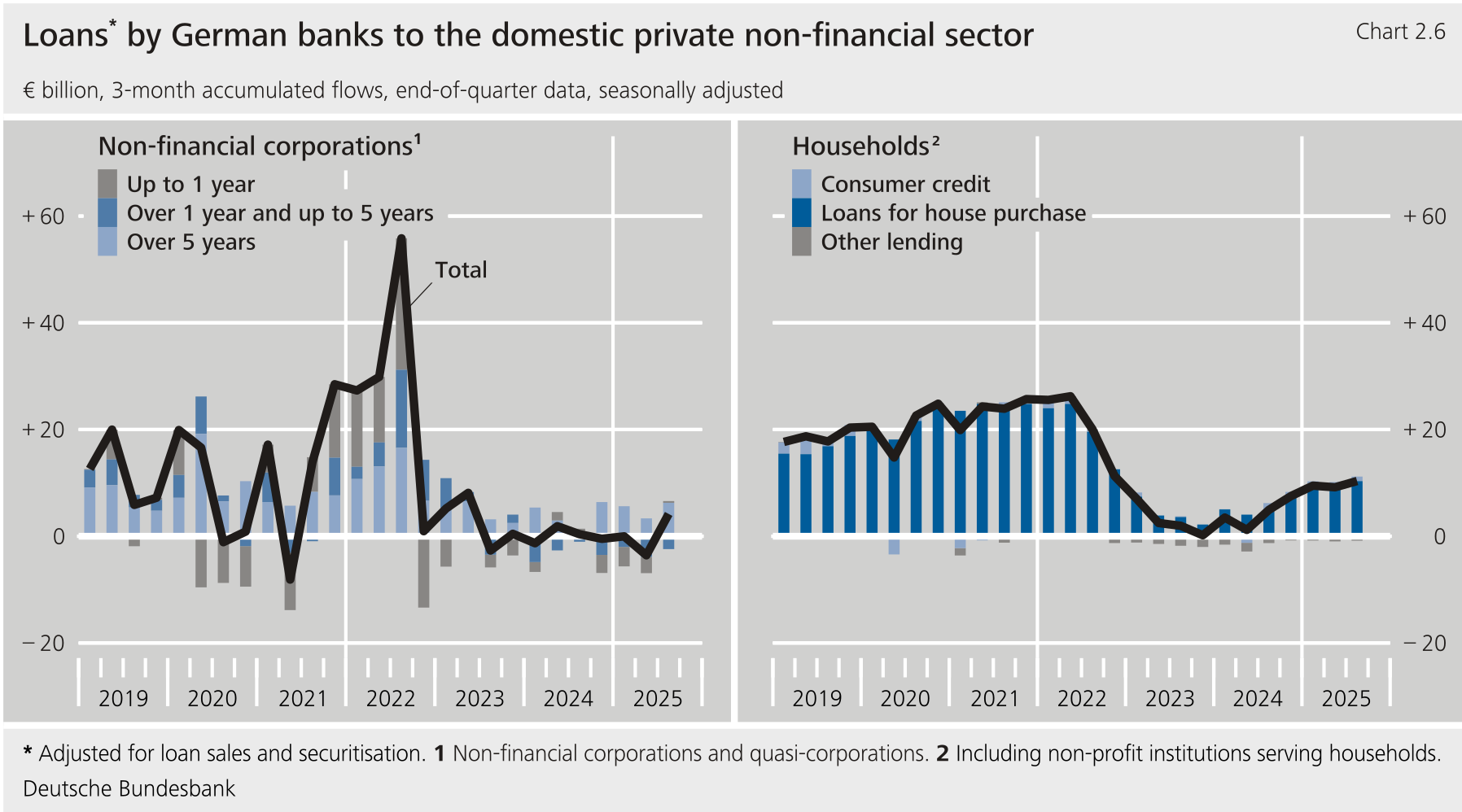
Lending to domestic non-financial corporations rose moderately in the third quarter of 2025. In contrast to the euro area, where lending to non-financial corporations began to recover in 2024, German banks’ corporate lending has failed to show signs of recovery thus far. In the previous three quarters, lending to domestic non-financial corporations was even slightly negative on balance (see Chart 2.6). Thus, it remains to be seen whether the net growth in loans to domestic non-financial corporations recorded in the third quarter is sustainable.
The recent rise in loans to domestic non-financial corporations focused on long maturities. Firms usually apply for this type of loan to finance investment projects. This is consistent with the apparent rise in investment in machinery and equipment during the third quarter (see the article entitled “The German economy“). The uptick may be partly attributable to the attractive depreciation rules for timely business investments under the Federal Government’s investment programmes that came into force in July 2025. 3
According to the BLS banks, the decline in the general interest rate level over recent quarters is the main driver of increased demand for loans to enterprises. Financing needs for fixed investment, as well as mergers, acquisitions and restructuring, were positive stimuli according to the BLS banks. Companies’ internal financing constraints were also supportive. For the fourth quarter of 2025, the BLS banks are expecting to see demand increase further in this loan category.
At the same time, the BLS banks tightened their credit standards for corporate clients again in the third quarter of 2025, contrary to their plans in the previous quarter. Credit standards were tightened more significantly this time than in the prior quarter, largely as a result of tougher standards for large enterprises. The loan rejection rate also rose more sharply than in the two preceding quarters. The bank managers surveyed attributed their stricter credit standards to higher credit risks, primarily as a result of industry and company-specific factors. This picture is consistent with the deteriorating conditions affecting export-oriented industry in particular. 4 Moreover, the BLS banks reported that the ratio of non-performing loans and other indicators of credit quality had also had a restrictive effect on the credit standards for loans to enterprises. For the fourth quarter of 2025, the BLS banks are not planning any further adjustments to their credit standards.
According to the responses to the ad hoc questions in the BLS,the ECB Governing Council’s past and expected future key interest rate decisions lowered banks’ profitability overall over the past six months. After the series of interest rate cuts since June 2024 initially had positive effects on banks’ profitability, banks now assessed the impact as being negative for the second time in succession. For the 2025‑26 winter half-year, the banks are once again expecting key interest rate decisions to have a negative impact on their net interest income and profitability. Over the past six months, the reduction in the Eurosystem’s monetary policy asset portfolio played a part in the increase in the stocks of euro area government bonds held by banks in Germany. However, the banks reported that the reduction in the size of the Eurosystem’s portfolio had not impacted notably on their financing conditions, profitability or capital ratio.
List of references
Federal Ministry of Finance (2025), Monthly Report, August 2025.