Monetary policy and banking business Monthly Report – August 2025
Published on
Monetary policy and banking business Monthly Report – August 2025
Published on
1 Monetary policy and money market developments
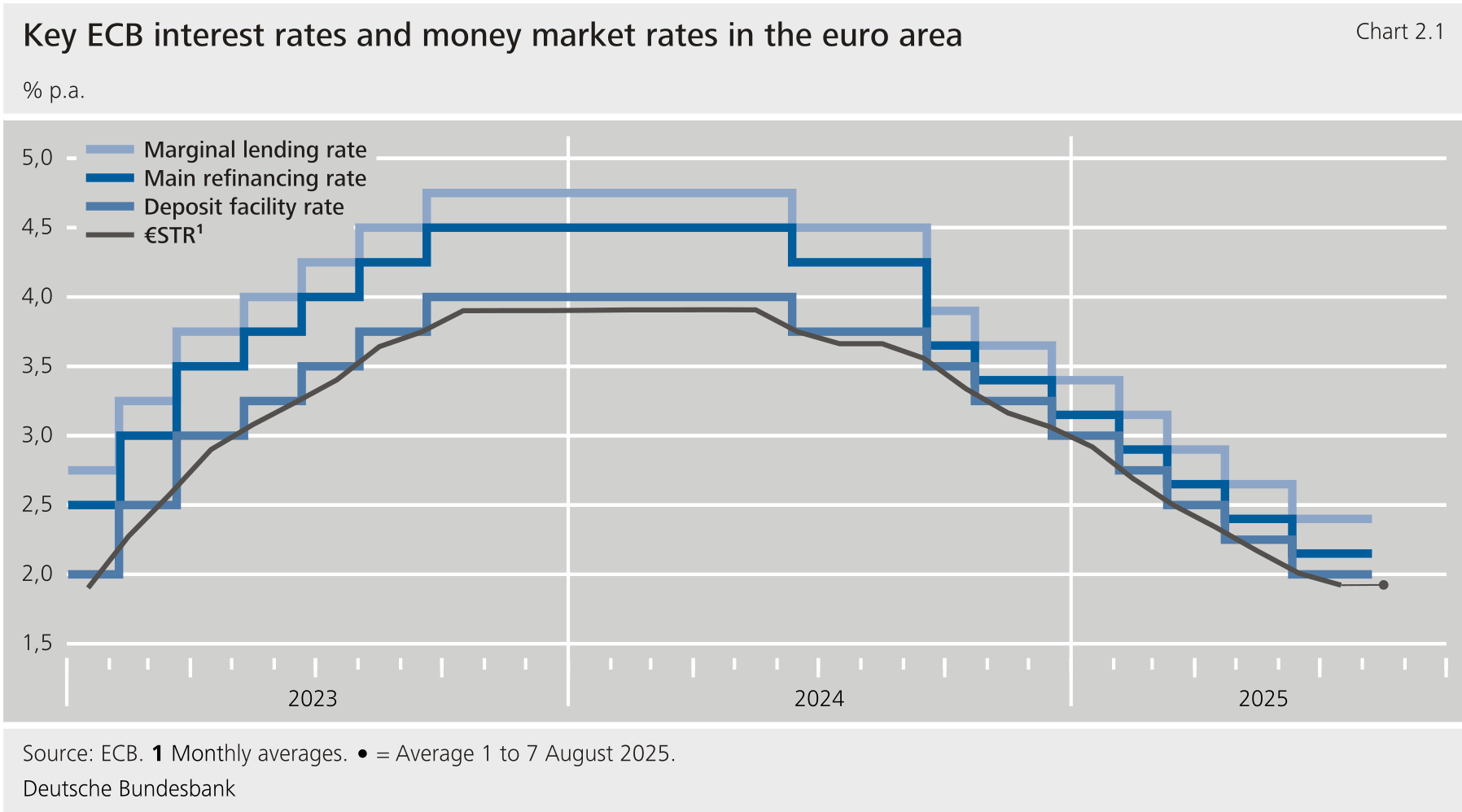
At its monetary policy meeting in June 2025, the Governing Council of the ECB lowered the key ECB interest rates by 25 basis points each for the fourth time in 2025. With this interest rate reduction, the deposit facility rate, through which the Governing Council steers the monetary policy stance, now stands at 2 %. In the baseline of the Eurosystem staff projections from June, headline inflation is set to average 2.0 % in 2025, 1.6 % in 2026, and 2.0 % in 2027. Most measures of underlying inflation also suggest that inflation will settle at around the Governing Council’s 2 % medium-term target on a sustained basis. Wage growth is still elevated but continues to moderate visibly.
In July, the ECB Governing Council left the key interest rates unchanged for the first time in a year. The incoming data broadly confirmed the inflation outlook from the baseline of the June projections: inflation is currently still at the 2 % medium-term target, domestic price pressures have continued to ease, and wages are growing more slowly. At the same time, the environment remains exceptionally uncertain, especially because of trade disputes.
The ECB Governing Council will follow a data-dependent and meeting-by-meeting approach to determine the future monetary policy stance. The assessment of the inflation outlook and the associated risks, as well as underlying inflation and the strength of monetary policy transmission, remain key.
Short-term money market rates moved completely in line with the reduction in key interest rates in June. Following the key interest rate cut, the euro short-term rate (€STR) closed the reporting period at 1.922 %, which was around 8 basis points below the new level of the deposit facility rate.
According to surveys conducted ahead of the July meeting, market participants expected a further interest rate cut by the end of 2025. The Eurosystem’s Survey of Monetary Analysts conducted ahead of the July meeting showed that participants expected to see another median rate cut of 25 basis points in September. At present – i.e. following the July meeting – money market forward rates indicate that no further interest rate cut in the current year is fully priced in, however.
Monetary policy securities holdings have continued their decline since mid-May. As was previously the case, holding volumes fell because assets under the asset purchase programme (APP) and pandemic emergency purchase programme (PEPP) matured and were not reinvested. On 8 August, the Eurosystem held assets totalling €2,444.9 billion under the APP. Asset holdings reported under the PEPP came to €1,482.6 billion on the same day.
Excess liquidity declined further. At last count, it stood at €2,673 billion. The decline was attributable primarily to maturing assets under the APP and PEPP.
2 Monetary developments in the euro area
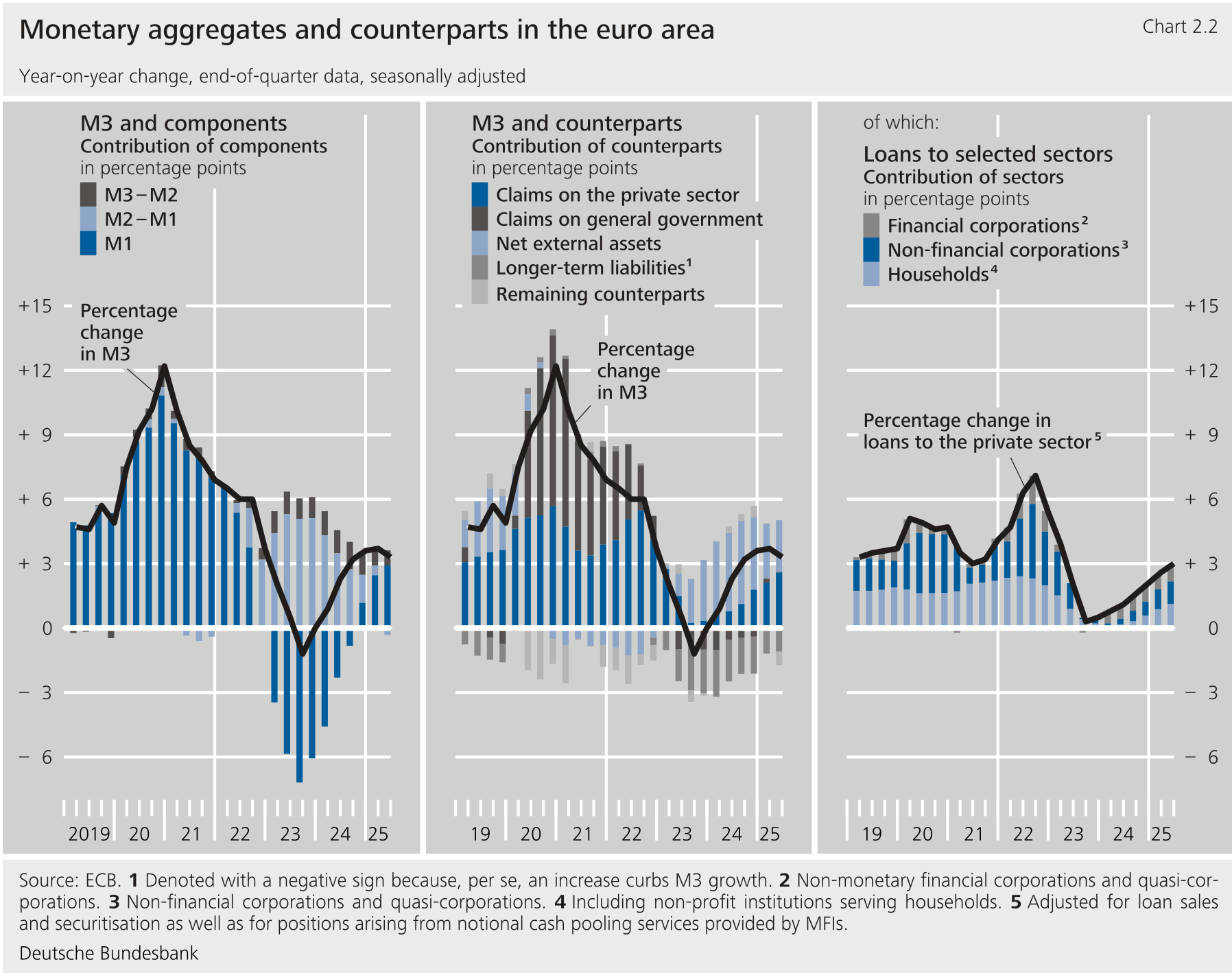
Monetary growth diminished slightly overall in the second quarter of 2025. The broad monetary aggregate M3 expanded to a lesser extent than in the previous quarter, with its annual growth rate falling to 3.3 % by the end of June (see Chart 2.2). Persistently high inflows to overnight deposits were offset by a strong reduction in other short-term deposits. This development is in line with the continued narrowing of the interest rate spread between these forms of deposits as well as non-banks’ strong preference for liquid funds in the face of an uncertain economic outlook, while non-M3 investments became more attractive again in some cases owing to the rise in long-term interest rates. On the counterpart side, net external assets were the main factor driving monetary growth. Lending to domestic households and non-financial corporations also continued to increase, albeit only moderately. The rise in global uncertainty is likely to have dampened demand for loans to enterprises for investment purposes. The banks surveyed by the Bank Lending Survey (BLS) left their credit standards for loans to enterprises virtually unchanged in the second quarter. They are expecting a moderate increase in demand for loans in the third quarter.
Firms and households continued to build up their deposit holdings overall. Both firms and households increasingly reallocated short-term time deposits to overnight deposits. In addition, households also increased their short-term savings deposits. This was due to the prevailing interest rate conditions: interest rates on short-term time deposits fell more sharply again than those on the two alternative forms of deposit as a result of the cuts in key interest rates. Furthermore, the temporary elevation of financial market uncertainty is likely to have led households and firms alike to build up liquidity buffers. On balance, however, the build-up of M3 deposits slowed compared with the previous year. In terms of yield, these deposits continued to become less attractive overall compared with non-M3 investments.
Non-banks’ demand for longer-term bank debt securities picked up again in the second quarter. As was the case with long-term government bonds and corporate bonds, the yield spread between long-term financial sector bonds and M3 deposits widened on a quarterly average. These became more interesting again for yield-seeking investors, also compared with longer-term bank deposits.
In the second quarter of 2025, the net external assets of the monetary financial institutions (MFIs) sector substantially supported monetary growth in the euro area. According to the data from the balance of payments statistics available thus far, this was due especially to foreign investors’ increased interest in securities issued by non-MFIs in the euro area. Despite the appreciation of the euro, there was demand from non-residents for government bonds, in particular, but also for private sector bonds, for which the volume of issuance was high overall in the second quarter. At the same time, domestic non-MFIs purchased foreign securities to a lesser extent than in previous quarters. Net capital imports are likely to be linked to the diversion of global capital flows, of which some were shifted from the United States to other currency areas due to US trade policy. On the trade in goods and services side, however, the strong exchange rate of the euro dampened euro area net exports, meaning that the current account balance only provided limited support to domestic money holdings during the reporting quarter.
Table 2.1 Consolidated balance sheet of the MFI sector in the euro area* Quarter-on-quarter change in € billion, seasonally adjusted
Assets
Q1
Q2 2025
Liabilities
Q1
Q2 2025
Claims on private non-MFIs in the euro area
115.7
98.8
Liabilities to central government2
− 10.7
44.1
Loans
112.9
90.7
Monetary aggregate M3
117.6
99.4
Loans, adjusted1
113.4
107.2
Components:
Securities
2.9
8.1
Currency in circulation and overnight deposits (M1)
124.8
143.7
Other short-term deposits (M2-M1)
− 24.9
− 59.1
Claims on general government in the euro area
32.1
− 27.8
Marketable instruments (M3-M2)
17.8
14.8
Loans
6.6
11.9
Longer-term liabilities to other non-MFIs in the euro area
25.3
27.5
Securities
25.4
− 39.8
Capital and reserves
14.5
− 25.4
Net external assets
7.8
131.3
Other longer-term liabilities
10.7
52.9
Other counterparts of M3
− 23.4
− 31.3
* Adjusted for statistical changes and revaluations. 1 Adjusted for loan sales and securitisation as well as for positions arising from notional cash pooling services provided by MFIs. 2 Including central government deposits with the MFI sector and securities issued by the MFI sector held by central governments.
Loans and securitised lending to domestic non-banks also boosted monetary growth. However, inflows were smaller than in the previous quarter. This was mainly due to the fact that the Eurosystem continued as planned to significantly reduce its public sector securities holdings as the monetary policy purchase programmes were phased out and the banking sector did not increase its holdings to the same extent (see Table 2.1). By contrast, banks’ lending to the private sector weakened only slightly compared with recent quarters. While securitised lending rose again, loans to non-financial corporations and households increased only moderately.
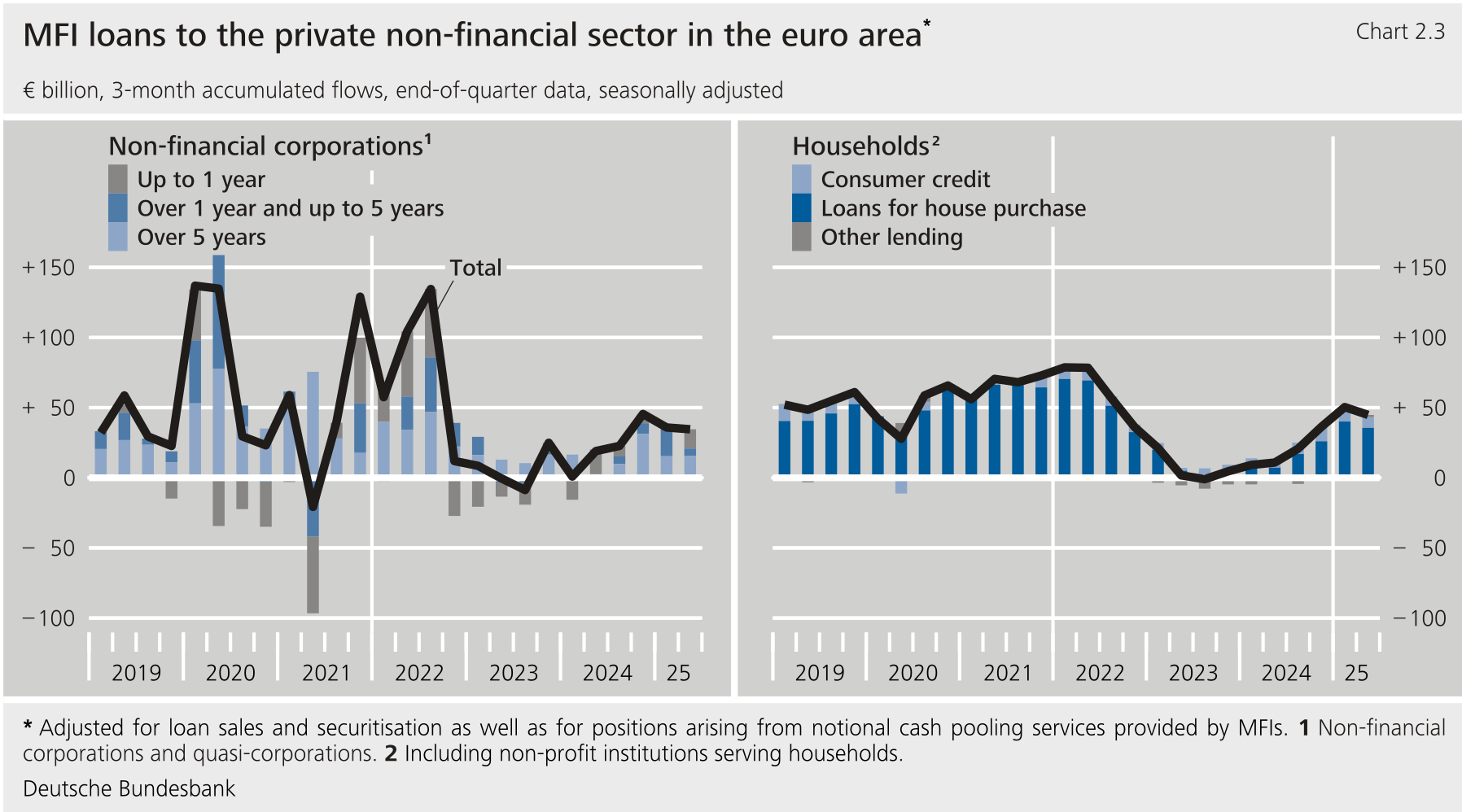
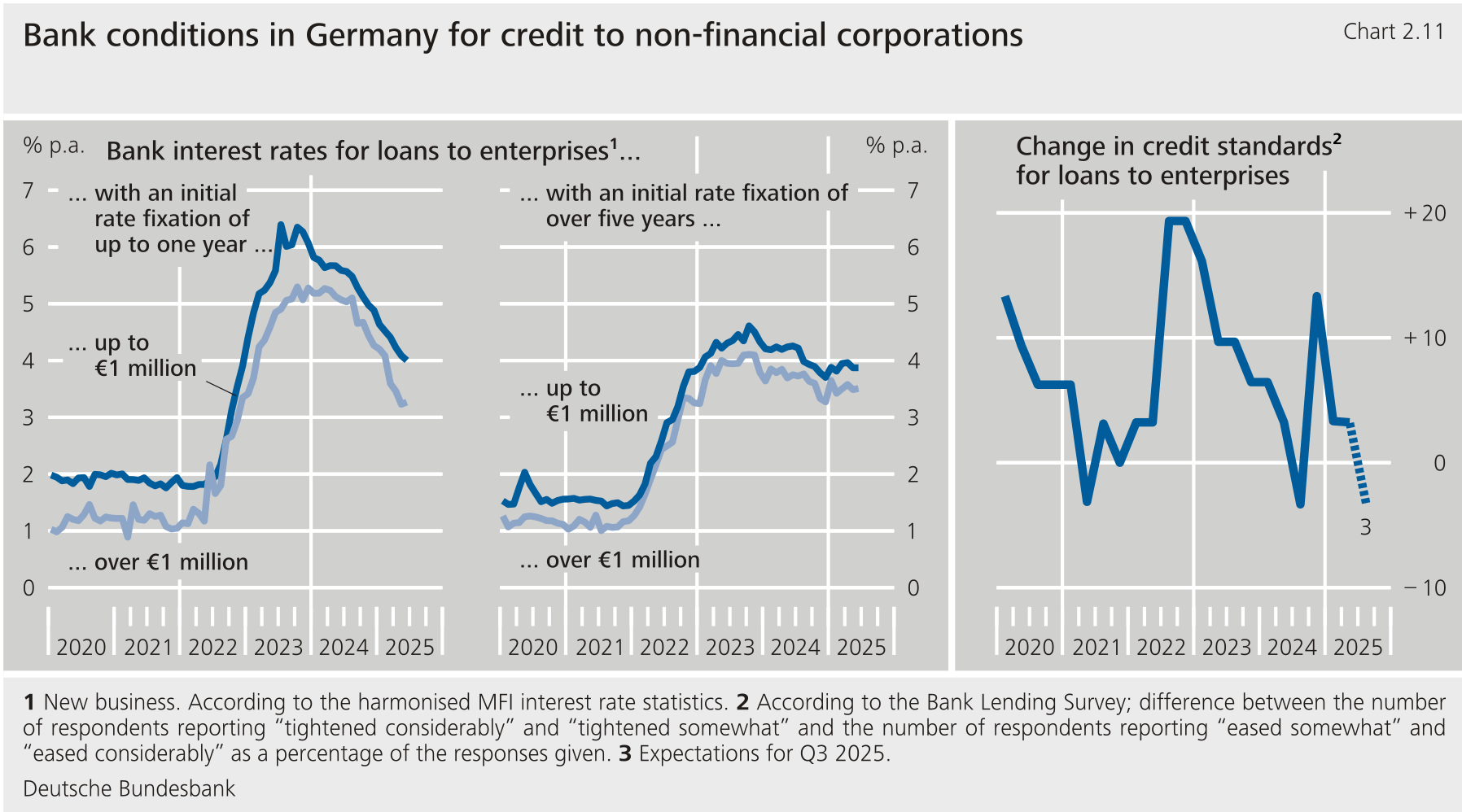
The recovery in lending to non-financial corporations stabilised in the second quarter of 2025. Lending in this segment remained at its level from the previous quarter (see Chart 2.3). Firms took out fewer longer-term loans (with maturities of more than one year), which are usually used for investment purposes. Instead, they made greater use of alternative financing by issuing bonds, as the yields on medium-term bonds issued by non-financial corporations fell more significantly than comparable bank lending rates. This may have been due to narrowing yield spreads against government bonds as well as initial signs of a reversal in international investors’ demand for US assets. However, unlike in the previous quarter, non-financial corporations exhibited greater demand for short-term loans. This is consistent with the fact that the firms surveyed by the Survey on the Access to Finance of Enterprises in the euro area (SAFE) reported that they had made greater use of credit lines in the second quarter, which is usually reflected by an increase in short-term loans. In addition, interest rates on loans with short-term interest rate fixation periods decreased significantly on average in the second quarter, unlike in the other maturity bands, which made them even more attractive.
The banks surveyed by the BLS reported that loan demand among non-financial corporations remained broadly constant. According to the BLS banks, demand was boosted by the decline in the general level of interest rates. However, some banks viewed global uncertainty as a dampening factor, driven in part by erratic US trade policy, and this may have led to investment decisions being postponed. The BLS banks are expecting an increase in demand for loans in the third quarter of 2025. This is also likely to be supported by the hope that the recent trade agreement between the European Union and the United States should dampen the likelihood of a flare-up in uncertainty in the third quarter of 2025.
The BLS banks left their credit standards for loans to non-financial corporations virtually unchanged. On the one hand, the banks reported that the competitive pressure had had an easing impact on credit standards. On the other, the banks’ assessment that credit risk had increased had a tightening effect. Although bank managers did not report that heightened geopolitical uncertainty or trade conflicts had had an additional impact on their credit standards, they stated that they were monitoring credit risk in the affected sectors more closely. The BLS banks are not planning any changes to their credit standards for the third quarter of 2025.
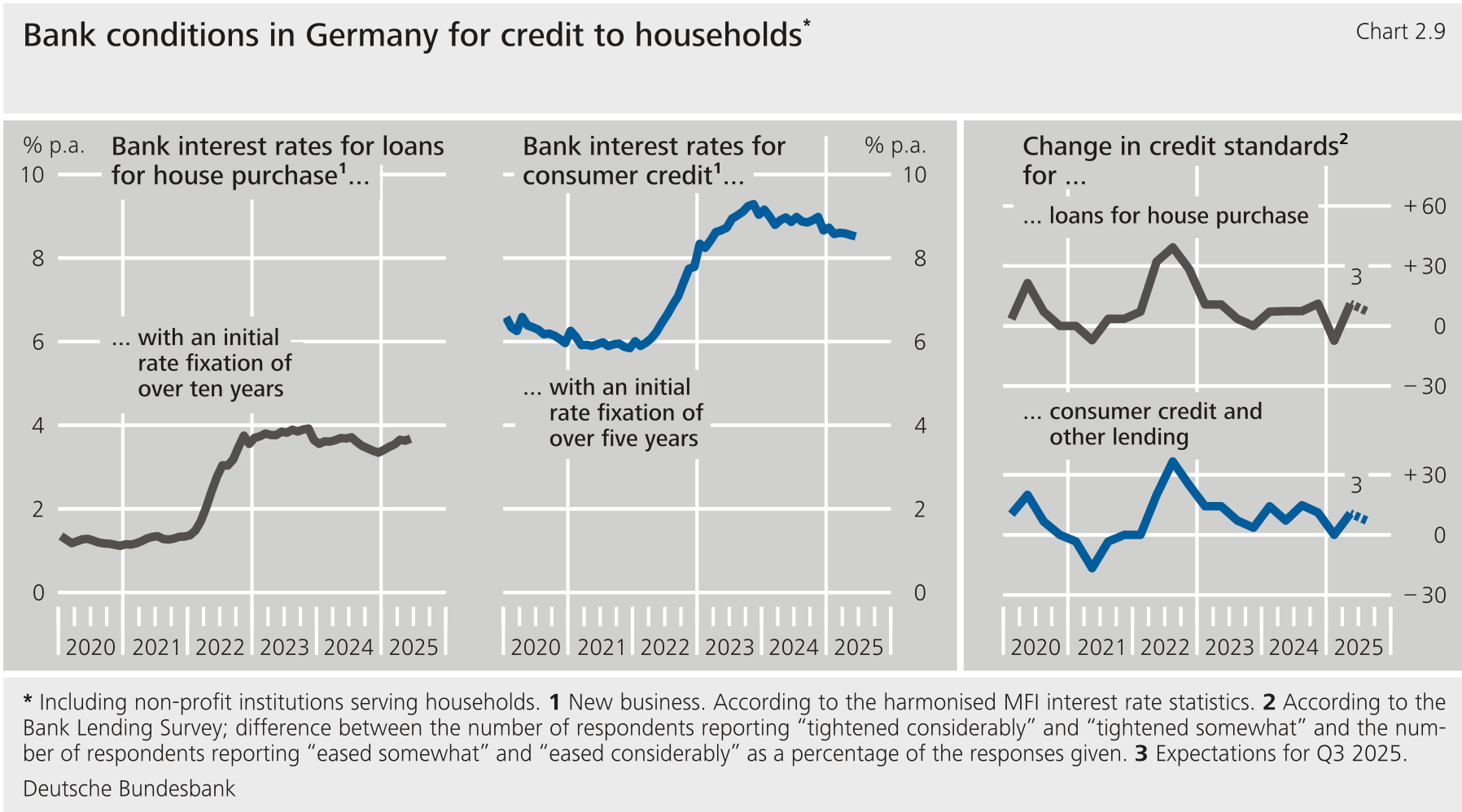
Loans to households continued their moderate upward trend, especially in the area of housing loans. Although the inflow of credit in the reporting quarter fell slightly short of the sharp increase seen in the previous quarter, it significantly exceeded the inflows from the preceding quarters. Housing loans once again accounted for the largest share. According to the banks surveyed by the BLS, households’ demand for these loans rose considerably again. The BLS banks deemed this to be primarily attributable to the decline in the general level of interest rates and households’ more positive view of the outlook on the housing market and for house prices. This is in line with the results from the June ECB Consumer Expectations Survey (CES), in which respondents expected property prices to rise further over the next 12 months. The BLS banks left their credit standards for housing loans virtually unchanged after easing them in the previous quarter. They are planning to ease their credit standards marginally in the third quarter of 2025.
Consumer credit and other lending continued to increase in the second quarter, too. The banks surveyed by the BLS saw a marginal increase in demand compared with the previous quarter. They attributed it, amongst other things, to falling interest rates, while perceiving developments in consumer confidence and spending on durable goods to have dampened demand for consumer credit. The BLS banks made their credit standards markedly more restrictive and are planning to tighten them further in the third quarter of 2025. They cited lower risk tolerance and increased credit risk as the reasons for the current tightening.
3 German banks’ deposit and lending business with domestic customers
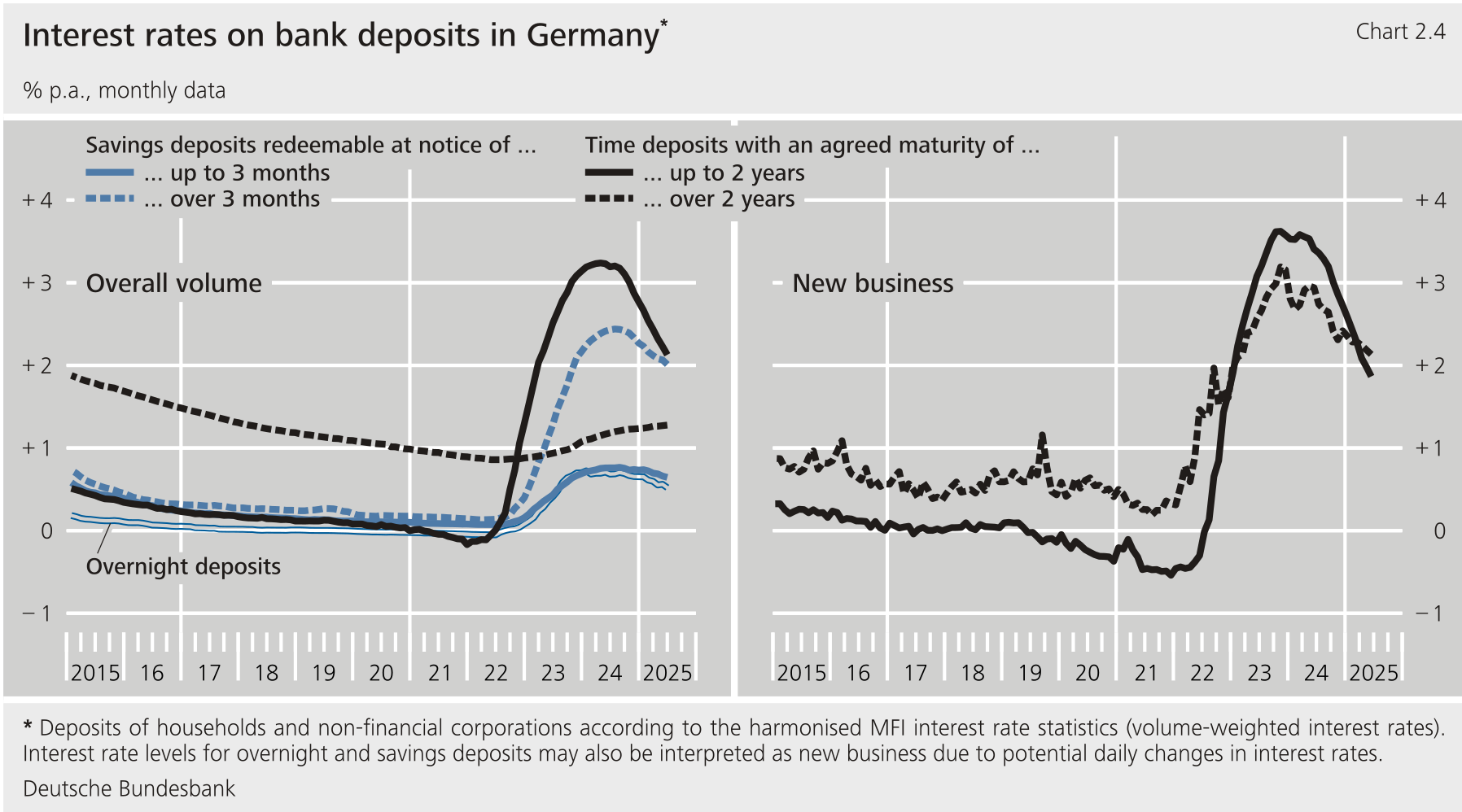
Domestic non-banks built up their deposit holdings with German banks to a noticeable extent in the second quarter of 2025. Households and non-financial corporations, in particular, shifted short-term time and savings deposits into overnight deposits, much like in the euro area as a whole, thus responding to the further narrowing of the interest rate spread between these forms of deposit (see Chart 2.4). Overall, however, households’ build-up of overnight deposits fell short of that seen in the previous two quarters, particularly as they increasingly invested their savings in longer-term time and savings deposits.
Enterprises also responded to the increased economic uncertainty by building up their overnight deposits. Alongside non-financial corporations, financial corporations – especially investment funds (excluding money market funds) – also increased their overnight deposits noticeably more than they had in the previous quarters. Given the lower opportunity costs of holding money, these more yield-conscious market participants appeared to prefer to initially park their funds in overnight deposits. Furthermore, in the case of financial corporations in particular, the sharp increase in highly liquid deposits in the reporting quarter should be viewed in connection with the at times significant rise in financial market volatility.
German banks’ lending business with domestic customers slowed markedly in the second quarter of 2025. First, lending to the domestic private sector lagged behind developments over the past three quarters. In the reporting quarter, it was concentrated solely on the granting of loans. Second, lending to the public sector also slowed, following an unusually strong inflow in the previous quarter (see Table 2.2).
Table 2.2 Banks in Germany: Changes in lending and deposits1 Quarter-on-quarter change in € billion, seasonally adjusted
2025
Q1
Q2
Deposits of domestic non-MFIs2
Overnight
16.6
47.7
With an agreed maturity of
up to 2 years
− 22.0
− 15.9
over 2 years
3.7
3.8
Redeemable at notice of
up to 3 months
− 5.8
− 4.2
over 3 months
− 0.6
3.3
Lending
to domestic general government
Loans
6.9
2.3
Securities
14.3
6.2
to domestic enterprises and households
Loans3
7.4
8.3
of which: to households4
of which: to non-financial enterprises5
10.3
8.9
Securities
0.4
− 6.2
Deposits of domestic non-MFIs2
3.5
− 0.2
1 Banks including money market funds. End-of-quarter Data, adjusted for statistical changes and revaluations. 2 Enterprises, household (including non-profit institutions serving households) and general government (excluding central government). 3 Adjusted for loan sales and securitisation. 4 Including non-profit institutions serving households. 5 Non-financial corporations and quasi-corporations.
Loans to households continued to recover, particularly in the area of housing loans. Inflows to housing loans – which were the driving factor for loans to households – were somewhat weaker in the second quarter of 2025 than in the first quarter. Overall, however, their developments over the past few quarters suggest that the recovery is becoming further entrenched. The recovery in demand for housing loans is a reflection of several factors. First, interest rates on these loans were lower in the reporting quarter than in the previous two years (see Chart 2.9). Second, demand for housing remains high, and prices for existing real estate are still relatively favourable compared with the peaks reached in 2022 (see the supplementary information entitled “Current rise in housing loans used primarily for purchasing existing properties“). Responses from the banks surveyed by the BLS generally confirm this assessment: in the second quarter, the BLS banks observed an increase in demand for housing loans, which they mainly attributed to the perceived improvement in housing market prospects and the lower interest rate level. The BLS banks are expecting demand to pick up further in the third quarter of 2025.
Supplementary information
Current rise in housing loans used primarily for purchasing existing properties
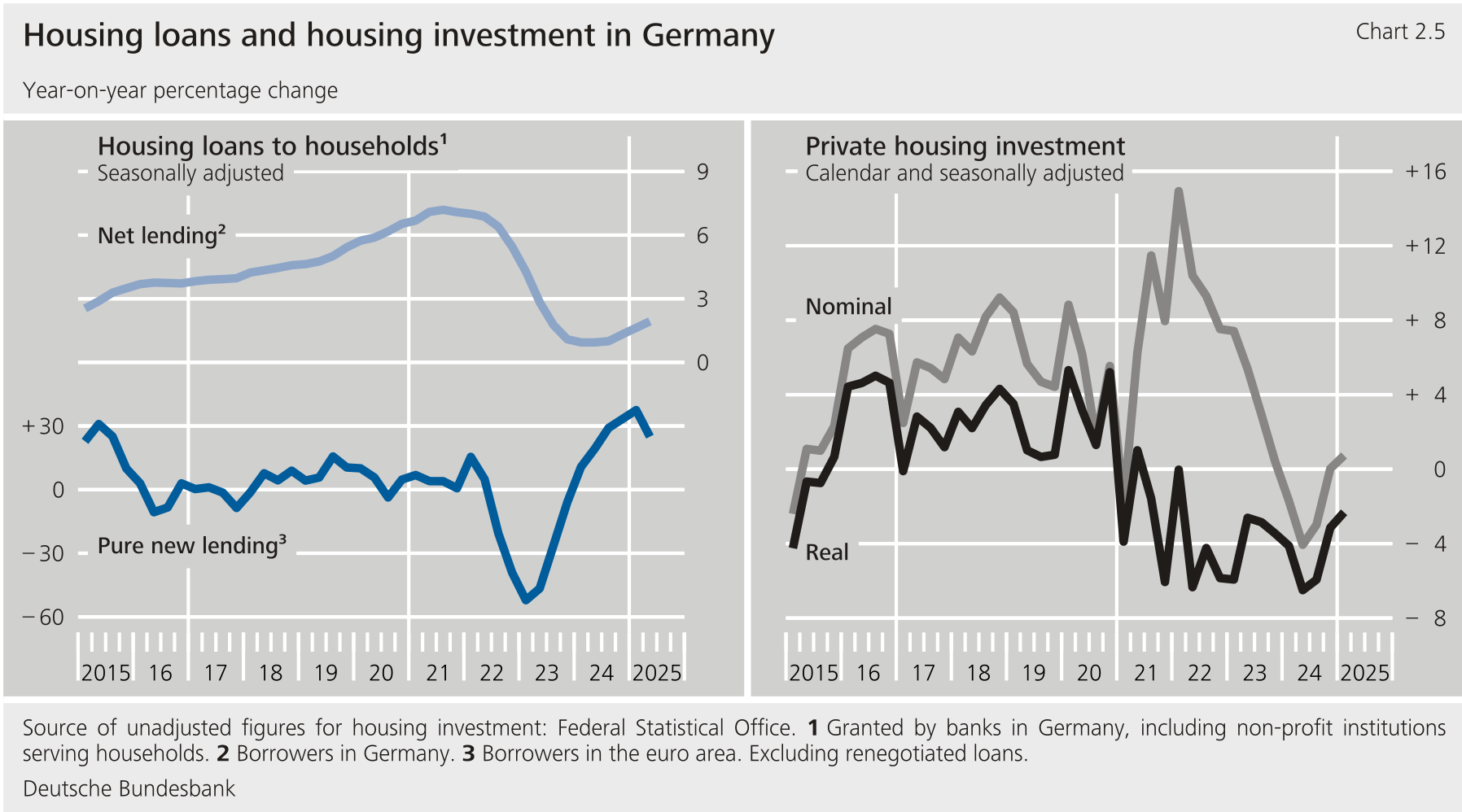
New lending to households for house purchase in Germany has risen markedly overall since the beginning of 2024. In terms of total new lending, there was a slight rise in the share of loan agreements for existing housing loans that were renegotiated with the same credit institution; the majority of the increase in new lending, however, was attributable to pure new lending, i.e. loans that were actually newly approved (see the left-hand section of Chart 2.5). At the same time, since the summer of 2024, there has been a noticeable recovery in net lending to households for house purchase, i.e. the balance of loans actually disbursed and repaid. As shown in Chart 2.5, the annual growth rate of banks’ net lending has now risen to 1.9 %, after amounting to 0.9 % in the spring of 2024. Although the level of net lending remains comparatively moderate, its momentum suggests that the recovery is becoming entrenched.
At the same time, housing construction remained lacklustre. Private construction investment recorded in the national accounts is indicative of subdued construction activity: despite a slight increase since mid-2024, growth in nominal housing investment was most recently only slightly up compared with the same quarter of the previous year; growth in real housing investment even remained in negative territory at last report (see the right-hand section of Chart 2.5). 1
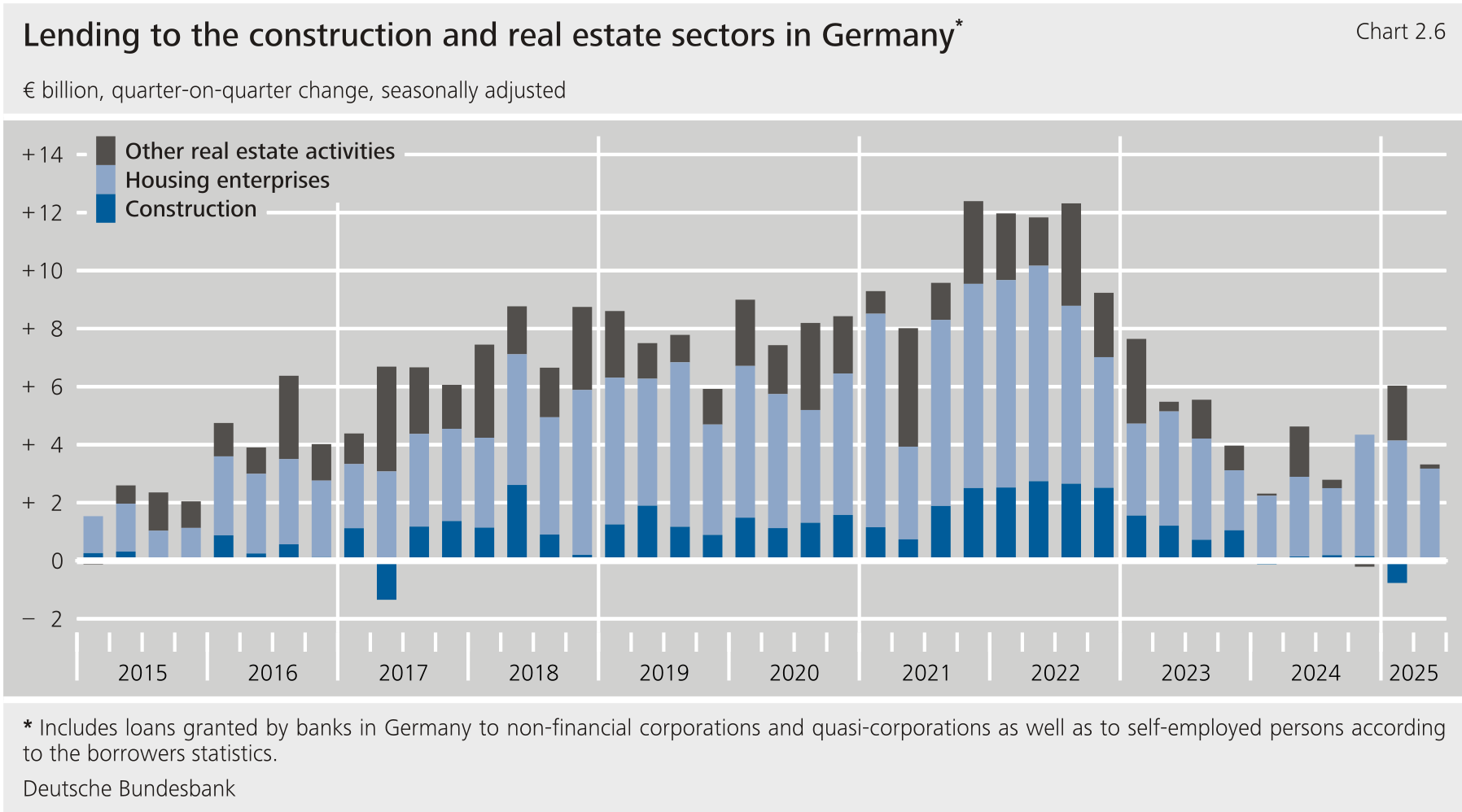
Furthermore, the borrowers statistics show that bank lending to the construction sector was weak. In the borrowers statistics, loans drawn are broken down by economic sector, which includes loans granted to the construction sector, housing enterprises, and other real estate enterprises. These three economic sectors are funded to a relatively large extent by bank loans, as their business models are designed to take on large amounts of advance financing for both construction work as well as for purchasing and modernising existing properties (see Chart 2.6). 2 According to the borrowers statistics, since the beginning of 2024, loans to enterprises in the construction and real estate sectors have been granted mainly to housing enterprises, i.e. enterprises involved in the purchase, sale, rent, lease, brokerage and management of housing. By contrast, the contributions of lending to enterprises in the other real estate activities sector, 3 and especially to the construction sector, were minor. 4
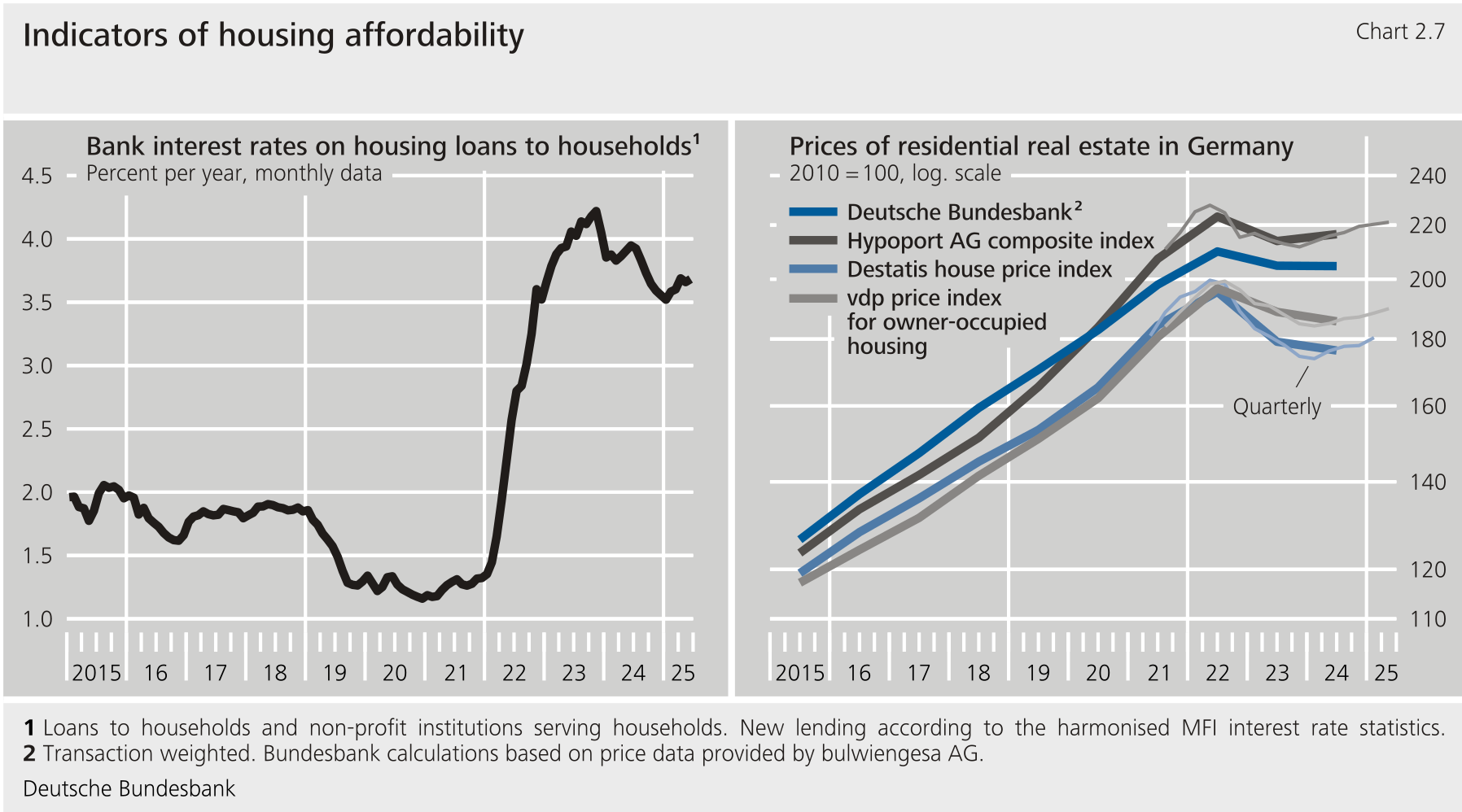
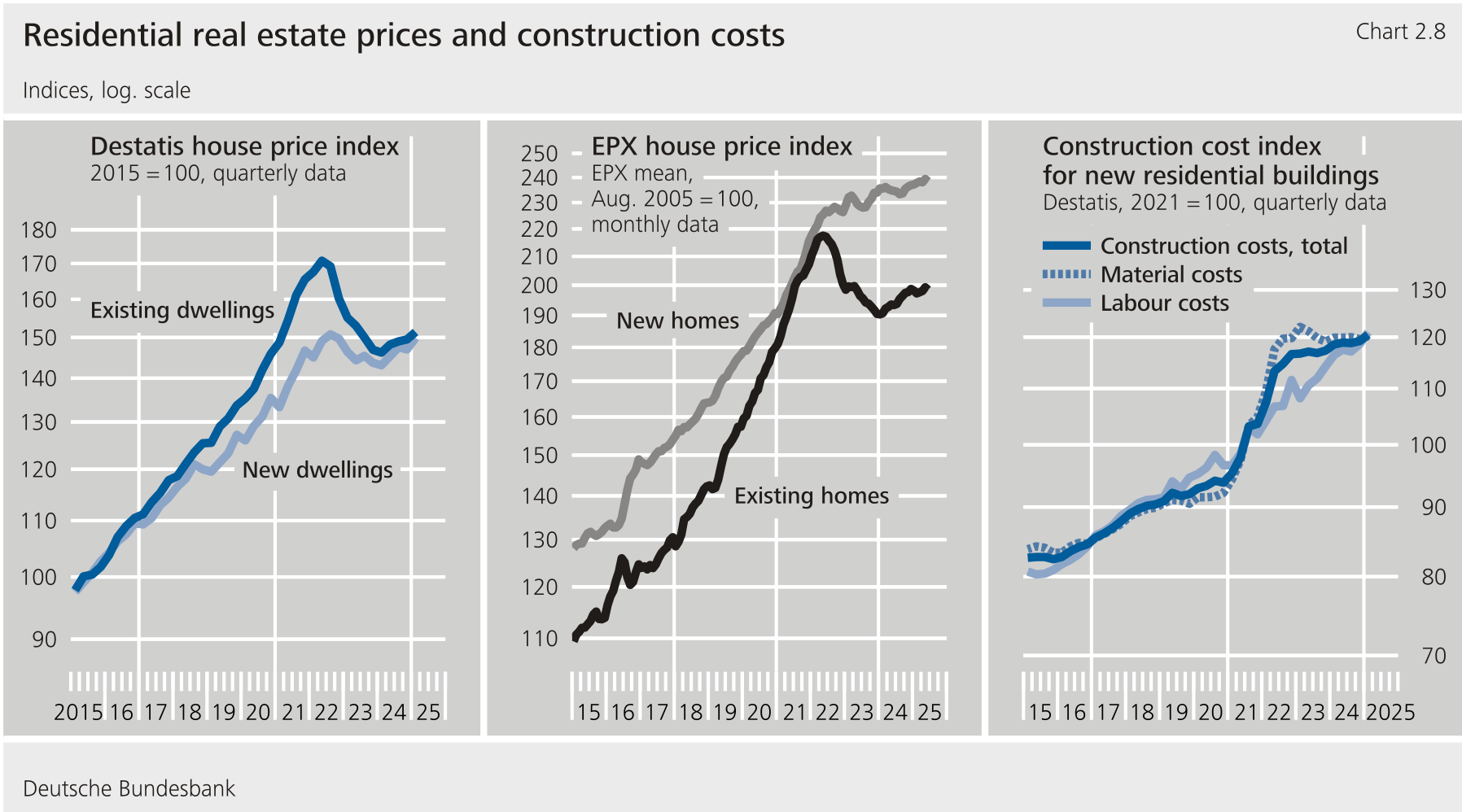
Weak lending to the construction sector and subdued construction investment suggest that households used the borrowed funds less for construction activities (new building and renovation) and more for purchasing existing properties. In September 2023, the end of the period of monetary policy tightening led to a decline in capital market interest rates, which, as of December 2023, was also reflected in bank interest rates on housing loans in Germany, thereby bolstering demand for these loans (see the left-hand section of Chart 2.7). In addition, the prices of residential real estate stabilised (see the right-hand section of Chart 2.7) and overvaluations in house prices largely dissipated. However, the price declines since peak growth in housing prices have been larger overall for existing properties than for new buildings (see the left-hand and middle sections of Chart 2.8). This is likely to have boosted demand for existing properties. The sharper rise in prices for new buildings was due, in particular, to the significantly greater and historically high costs of construction (see the right-hand section of Chart 2.8). There are several reasons behind this increase: particularly noteworthy are the material and commodity shortages that occurred during the COVID-19 pandemic, the higher interest rates on loans to construction and housing enterprises, the wage growth resulting from inflation and the shortage of skilled workers, and the more stringent regulations with regard to energy efficiency. 5
The rise in housing loans observed at present is thus likely a reflection of the fact that, from the perspective of households, existing properties are currently the more affordable form of housing. Borrowing for new buildings and renovations is expected to increase only gradually, in line with the slight recovery tendencies in housing investment, which are likely to continue. This is suggested, amongst other things, by the significant need for new housing and modernisation as well as improvements in the affordability of housing for households. 6
Banks continued to their tighten credit standards for housing loans. The tightening phase had only been interrupted in the first quarter of 2025, when banks temporarily eased their credit standards for housing loans somewhat. The banks justified this new round of tightening primarily on the grounds of their reduced risk tolerance. In addition, the decrease in households’ creditworthiness and the deterioration in credit quality also had a restrictive impact on credit standards.
Consumer credit and other lending also recorded slight net growth. The banks surveyed by the BLS tightened their credit standards for consumer credit and other lending again, particularly because their risk tolerance had declined and households’ creditworthiness had deteriorated. At the same time, however, the BLS banks also reported an increase in demand, which they attributed to an increase in consumer confidence and households purchasing more durable goods.
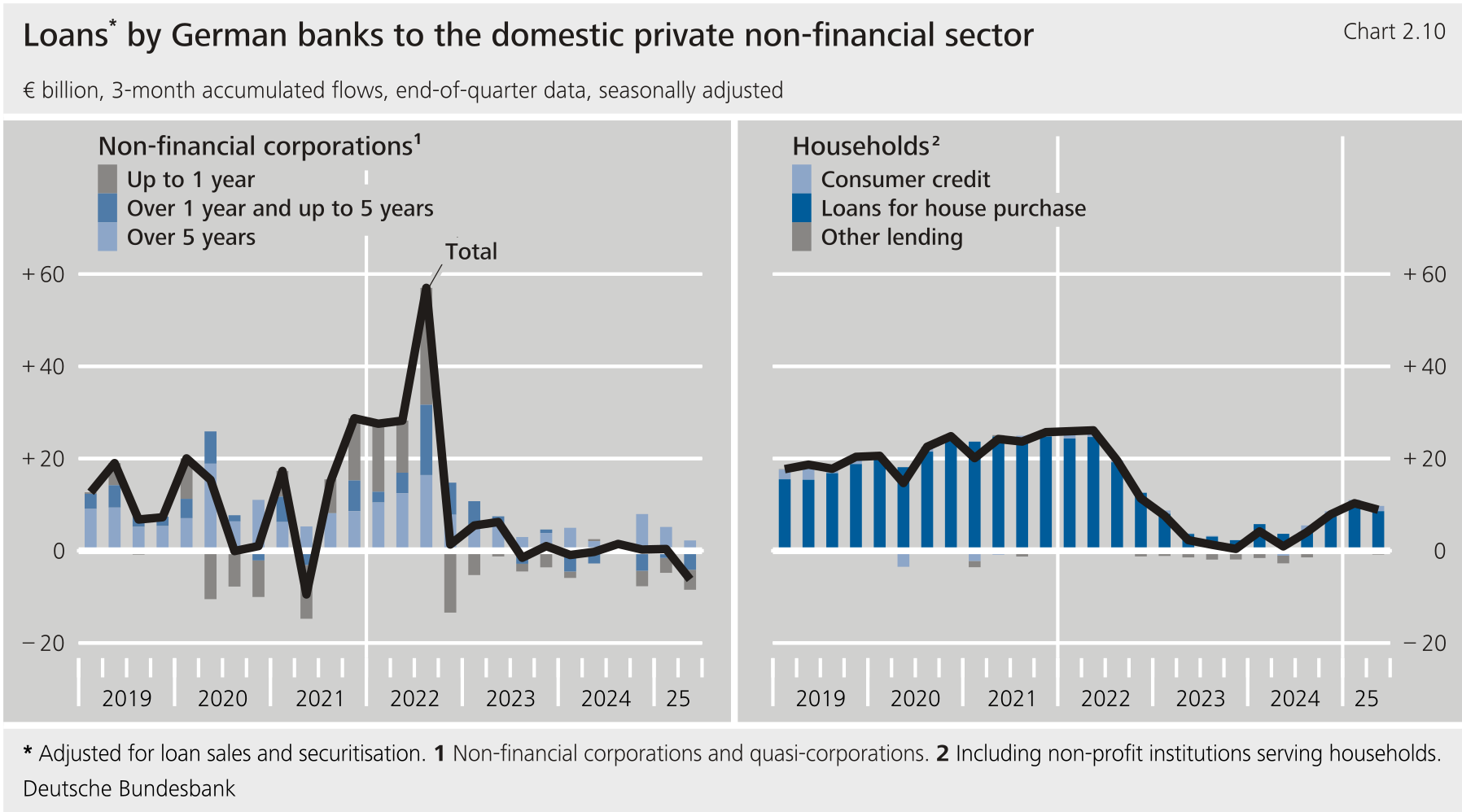
Net lending to non-financial corporations was weak, mainly reflecting the uncertain economic outlook. On balance, loans to enterprises decreased markedly in the second quarter of 2025, after seeing no stimulus in the previous quarters. The reduction in short-term and medium-term loans intensified in the reporting quarter. Long-term loans, which are usually in demand for investment purposes, increased again. However, the current build-up was noticeably weaker than in the previous quarter (see Chart 2.10). Elevated trade and geopolitical uncertainty is likely to have contributed to this. It markedly dampened the willingness of many enterprises in Germany to invest and thus their demand for loans overall. Unlike in previous quarters, however, irrevocable lending commitments to non-financial corporations rose significantly in the second quarter. If these commitments were to be drawn in the third quarter, net lending – which is at a low level – could also pick up.
The increase in lending commitments is consistent with the fact that the banks surveyed by the BLS reported a marked increase in demand for loans to enterprises over the same period compared with the previous quarter. For the first time in a year, they once again observed moderate growth in firms’ financing needs for fixed investment as well as for inventories and working capital. In addition, according to the BLS banks, the general level of interest rates also contributed to the increase in demand. For the third quarter, these banks expect demand to rise further, not least due to positive impetus from domestic economic policy. Although dampening effects of the global political situation can be seen, the BLS banks do not view them as being dominant. In contrast to the aforementioned weak net lending indicated by bank balance sheets – which is the balance of loans disbursed and loans repaid – the BLS banks only refer to loan applications that are made ahead of disbursements. This explains the fact that the balance sheet statistics show weak loan developments in the second quarter, while greater demand was observed in the BLS.
At the same time, the BLS banks marginally tightened their credit standards for corporate lending on balance in the second quarter of 2025. This tightening was similarly minor as in the previous quarter and affected only small and medium-sized enterprises. It was strongest for the manufacturing and (commercial) real estate sectors in the first half of 2025. However, credit standards were also tightened for all other sectors surveyed, with the exception of services. At the same time, the loan rejection rate for loans to enterprises rose once again. The banks pointed to the rise in credit risk as the reason for the overall more restrictive nature of their lending policies. This assessment was based on the subdued general economic situation and outlook on the one hand and industry-specific and firm-specific factors on the other. The BLS banks also reported that the non-performing loans ratio and further indicators of credit quality had had a restrictive effect on their credit standards for loans to enterprises in the second quarter of 2025.
Responses to the ad hoc questions in the BLS indicate that climate-related risks and measures to cope with climate change have had a restrictive impact on credit standards for loans to enterprises and loans for house purchase over the past 12 months. In addition, the effects of climate change had a restrictive impact on credit terms and conditions, especially for loans to “brown“ firms. The effect was expansionary, on the other hand, for loans to “green“ firms. At the same time, the effects of climate change, taken in isolation, stimulated loan demand from “green“ firms and firms in transition. By contrast, climate change and climate policy had no impact on loan demand from “brown“ firms.
In the case of loans to households for house purchase, credit standards for loans for buildings with poor energy performance were tightened. By contrast, for loans for buildings with high or relatively good energy performance, climate-related risks and measures to cope with climate change had no notable impact on credit standards. At the same time, climate-related factors, especially investment in the energy performance of buildings, in isolation, likely stimulated demand for loans for buildings with high or relatively good energy performance. By contrast, demand for loans for buildings with poor energy performance remained unaffected by climate-related factors.