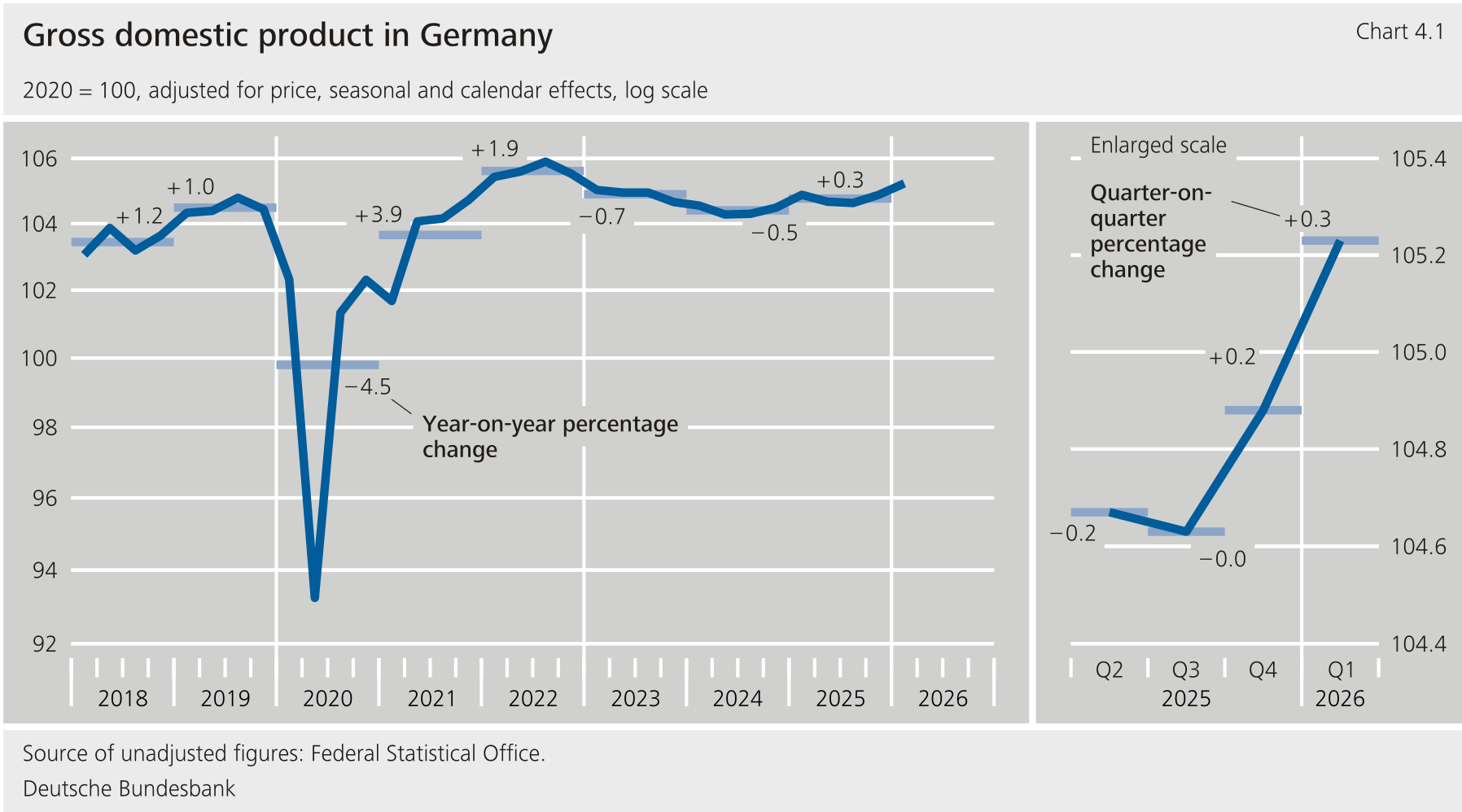
German economic output increased surprisingly strongly at the beginning of the year. According to the Federal Statistical Office’s flash estimate, real GDP rose by 0.3 % on the quarter after seasonal adjustment 1 . Economic output had already improved by 0.2 % in the previous quarter. In the face of many burdens, the German economy is thus more robust than previously expected. 2 Higher government consumption is likely to have contributed to this rise. 3 In addition, industry proved to be quite resilient. Industrial production declined in the first quarter, but price-adjusted industrial sales rose somewhat and exports of goods increased markedly. It appears that the German economy was again able to participate in growing global demand somewhat more actively. However, temporary effects related to the war in the Middle East could also have played a role here. For example, frontloading effects in anticipation of shortages and rising prices may have provided some support. Increased activity in the defence sector is also likely to have bolstered industry. By contrast, capacity utilisation in industry remained weak overall and weighed on private investment in machinery and equipment. Service providers also contributed to the increase in GDP – but probably mainly those in the less consumer-oriented sectors. This is because deteriorating labour market conditions, smaller wage growth and, in particular, the sharp rise in consumer prices in the wake of the war in the Middle East since March are likely to have dampened private consumption. In the construction sector, unfavourable weather conditions led to a temporary decline in output.
2 Exports of goods rose significantly; investment was probably weak
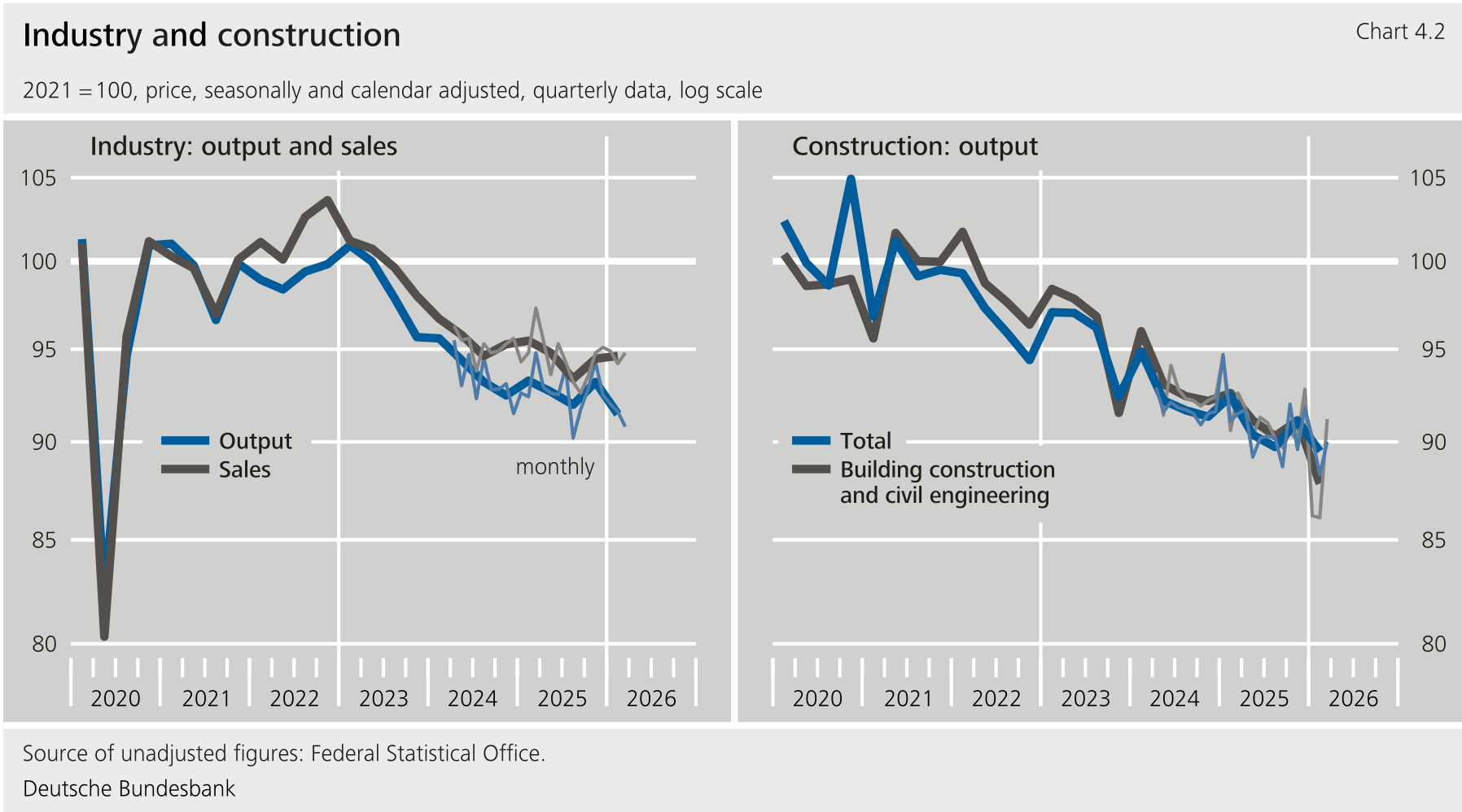
Industrial sales and, above all, exports of goods were robust. In the first quarter, price and seasonally adjusted industrial sales were slightly up on the quarter. Sales in the chemical industry and in the automotive industry even rose significantly on the quarter. Other transport equipment and the manufacturers of weapons and ammunition also saw a steep increase in sales. Both sectors also cover armaments. Industry received positive impetus from rising demand from Germany and abroad. The latter was reflected in price-adjusted goods exports, which rose markedly in the first quarter. This increase was driven by exports to non-euro area countries, especially the United States, which had still been in decline prior to this. Stabilisation effects following the tariff-related losses in the previous year are also likely to have played a role here. Averaged over the first quarter, industrial production was significantly weaker than in the previous quarter. March saw the fourth consecutive month-on-month decline. A striking development here was the fact that the chemical industry bucked the trend and increased its output in the first quarter. Sales from non-industrial activities such as services are mostly not included in the production index. These have become more important for firms, however, contributing to the different developments in sales and production. 4 This is particularly the case in the automotive industry, where sales rose sharply in the first quarter, while production fell. However, there was an exceptionally large gap between industrial sales and industrial output in the first quarter.
Weak capacity utilisation continued to weigh on commercial investment in machinery and equipment. Surveys by the ifo Institute show that in January and April capacity utilisation in the manufacturing sector continued to fall significantly short of its long-term average. According to data available up to February, more capital goods were imported. However, a drop in commercial motor vehicle registrations and price-adjusted domestic sales by capital goods producers point to weak investment.
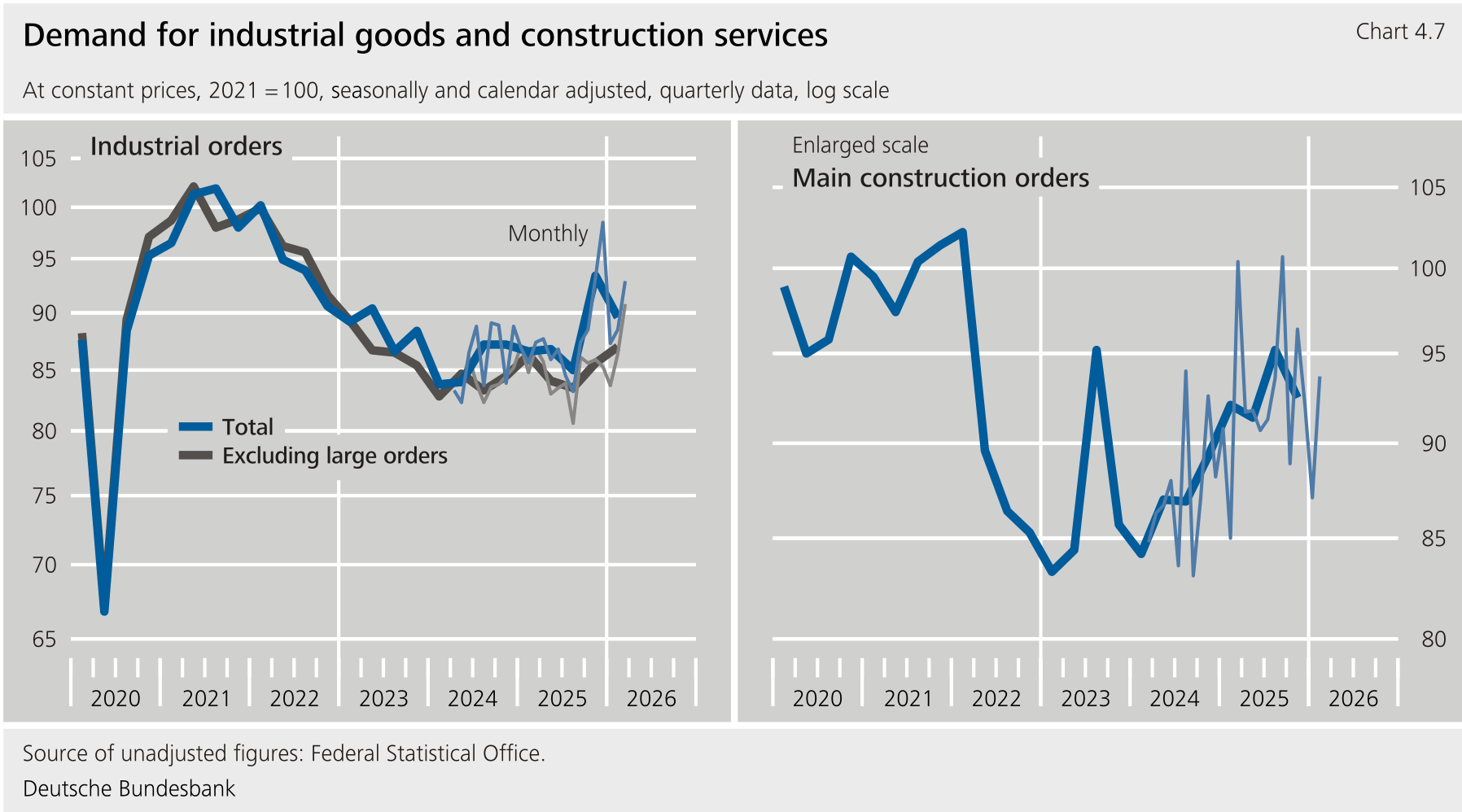
Construction output and investment were dampened by unfavourable weather conditions. Construction output fell markedly in the first quarter. It declined significantly, especially in civil engineering and building construction. This is due to weak figures in January and February and a marked, albeit incomplete, recovery in March. Survey results from the ifo Institute suggest that unfavourable weather conditions for construction activity in January and February contributed to the weak figures. By contrast, new orders in the main construction sector and building permits indicate that demand in construction is tending to increase. In line with output, construction investment is also likely to have dropped.
Service providers probably saw growth overall, while private consumption was weak. Data on output in the services sector (excluding trade), available up to February, increased on the quarter. Output rose sharply, especially in the transportation and storage sector and in information and communication. Price-adjusted wholesale sales also increased. By contrast, motor vehicle registrations point to a decline in motor vehicle trade. Indicators for private consumption and consumer-related services sectors were weak overall. Price-adjusted retail sales fell compared with the previous quarter, in which they had risen. The same applies to price-adjusted sales in the hotel and restaurant sector. According to data from the German Association of the Automotive Industry, private car registrations also fell sharply following an increase previously.
3 Further deterioration in labour market
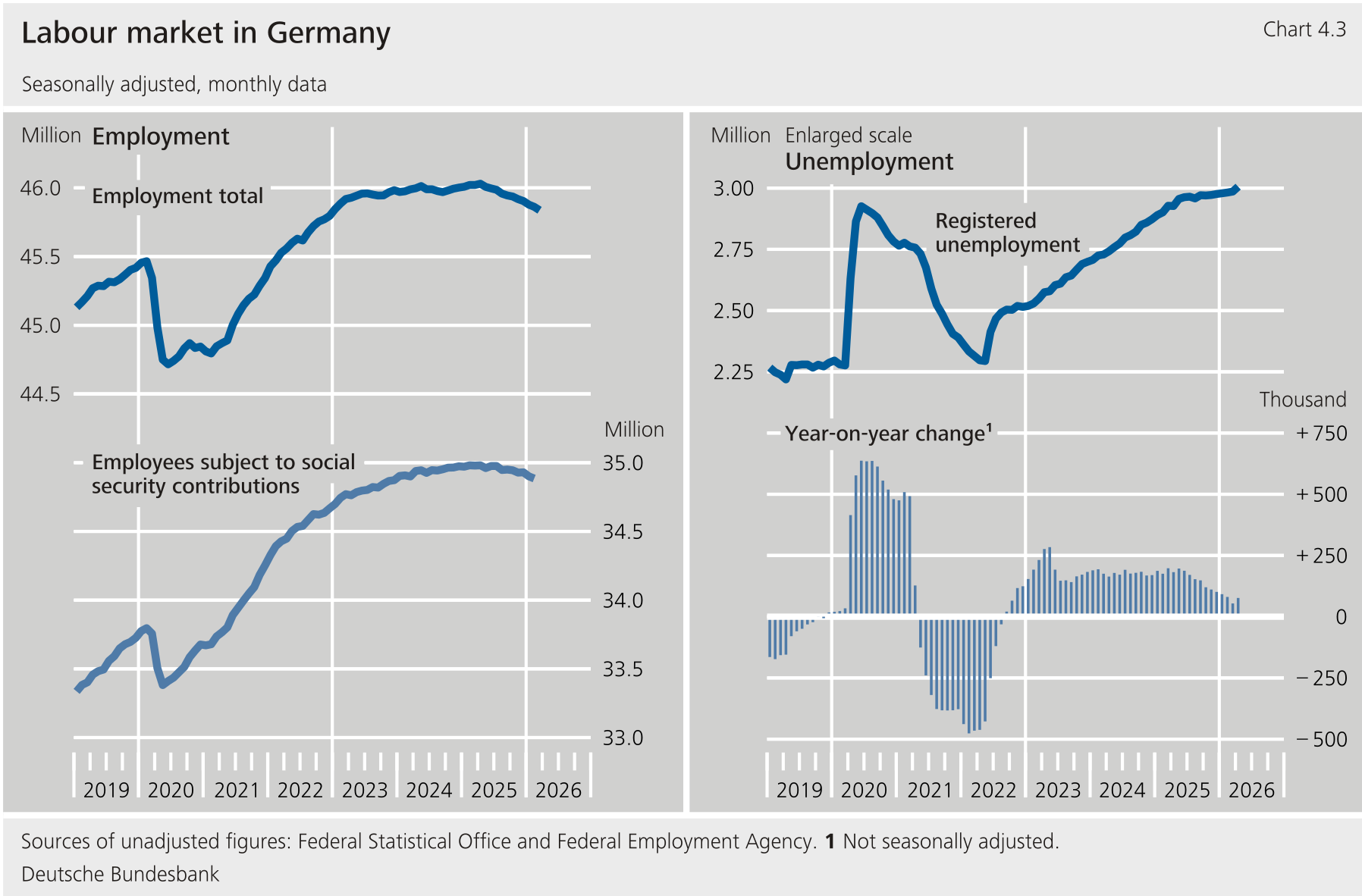
The labour market was unable to benefit from fairly strong economic growth in the first quarter. The fall in employment was in fact slightly stronger than in the fourth quarter. Employment subject to social security contributions is now likewise in decline. And unemployment recently rose again after a protracted period of stability. Moreover, the leading indicators show no signs of an imminent improvement.
The number of persons employed fell in the first quarter of the year. Averaged over January to March, 45.86 million persons were in employment after seasonal adjustment. This was 61,000 people, or 0.1 %, fewer than in the autumn. In addition, the previous months were revised downwards somewhat. On balance, employment has been following a marked downward path for three quarters now. In addition to the long-standing downward trend in self-employment and in exclusively low-paid part-time work, the downturn recently also reached the core of the workforce, namely employment subject to social security contributions. Short-time work for economic reasons, which is rather unsuitable as an instrument given the many structural challenges, fell to only moderately elevated levels at the beginning of the year. However, initial estimates of this figure only extend to February.
Employment growth in the services sectors was no longer sufficient to compensate for job losses in industry. The substantial job shedding in the manufacturing sector did not gather pace. However, employment subject to social security contributions in the services sector rose less sharply. This was partly due to a deterioration of the employment situation in retail trade and logistics. The data only refer to the months up to February, i.e. before the start of the war in the Middle East, which is likely to have an additional impact on these sectors. Another factor was that job growth in publicly financed services slowed for the time being. These include health and social services, public administration and defence, and education, where employment actually fell somewhat of late. It remains to be seen to what extent this is a permanent trend. The number of employees in the construction sector is likely to have decreased slightly, mainly due to weather conditions. Infrastructure renewal projects have not yet led to more hiring.
Registered unemployment remained virtually unchanged in the first quarter, but rose markedly in April. On average in the first quarter of 2026, the seasonally adjusted official unemployment figure was roughly 9,000 higher than in the fourth quarter. The unemployment rate remained unchanged at 6.3 %. In April, unemployment jumped markedly to 3.01 million, thus exceeding the three million mark for the first time since 2011 in seasonally adjusted terms. The unemployment rate went up to 6.4 %. This increase mainly affected the statutory unemployment insurance scheme, which responds strongly to current economic developments. Total underemployment rose less sharply. According to the Federal Employment Agency’s definition, this also includes people attending language and integration courses, as well those participating in labour market policy measures. This means that the sudden rise in unemployment is also partly attributable to lower numbers of participants in active labour market policy measures. These participants are not counted as unemployed due to their unavailability for job placement.
Labour supply is likely to have already declined at the beginning of the year. The decline in employment was significantly sharper than the rise in unemployment. The labour force is therefore likely to have contracted slightly. It appears that rising labour force participation and immigration were no longer sufficient to offset the demographic decline in labour supply. This reduces the pressure on unemployment in times of economic difficulty. However, the lack of junior staff and growth opportunities in the context of structural change is likely to be more troubling. This is another reason why job cuts coexist with shortages of skilled workers. In February 2026, the number of employees subject to social security contributions with German nationality was 289,000 lower than 12 months earlier. The number of employees with foreign citizenship increased by only 193,000 over the same period. 5 With preliminary data on immigration now available, net immigration fell sharply in 2025. It almost halved from 430,000 people in 2024 to 222,000 last year. Mainly the number of refugee immigrants was down. However, Germany has also lost its appeal as a destination for labour market-oriented immigration. Net migration relative to the other EU Member States already turned negative in 2024. Emigration continued to increase in 2025. Moreover, the quota for labour migration from the Western Balkans was probably not maxed out in 2025. Immigration from this region was down on the year. India and Vietnam were the most important countries of origin outside the scope of asylum migration last year.
Leading indicators remain at very low levels in some cases, meaning that there is no prospect of a labour market recovery in the short term. The ifo employment barometer fell again considerably in April from its already very low level. It dropped to its lowest level since the COVID-19 pandemic. The barometer determines the industrial sector’s recruitment plans for the next three months. In the manufacturing and retail sectors, staff reduction plans have been predominant for some time now. It is striking that since the start of the war in the Middle East, employment plans in some services sectors, such as logistics, hospitality and IT, have become considerably gloomier. The outlook remained neutral in the construction sector. The IAB employment barometer, which also takes into account the predominantly publicly financed services sectors such as health, education and administration, is slightly above the neutral threshold. For this indicator, however, this also marks the lowest level since the pandemic. The number of vacant positions reported to the Federal Employment Agency declined slightly in seasonally adjusted terms. This meant that the increase at the beginning of the year, supported by individual reporting entities, was only an interim peak. The Federal Employment Agency is still receiving exceptionally few new job offers subject to social security contributions. Although the short-term unemployment indicator – the IAB unemployment barometer – rose slightly in April, it remains below the neutral threshold. Unemployment could thus increase further at first.
4 Wage growth weaker in the first quarter
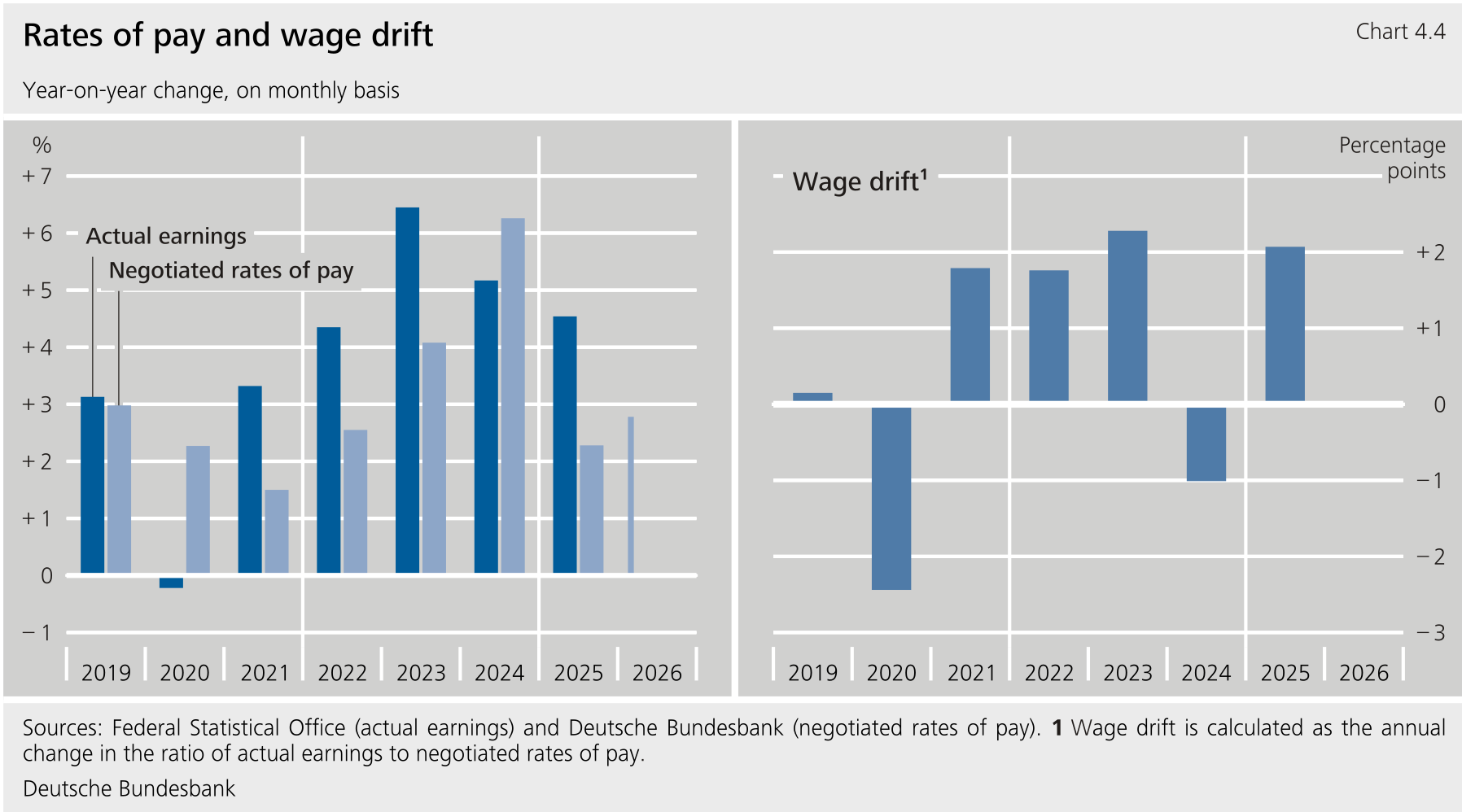
In the first quarter of 2026, growth in negotiated wages was weaker than before, but still quite strong. Including ancillary agreements, they rose by 2.8 % on the year in the first quarter, after an increase of 2.9 % in the fourth quarter of 2025. With a year-on-year rise of 3.2 % in the first quarter, basic pay, from which special and one-off payments are factored out, continued to go up sharply, but was significantly weaker than in the fourth quarter (4.1 %). The old wage agreements with higher incremental increases are gradually expiring. Their impact is thus declining.
The most recent wage agreements were lower than in previous quarters. Wage bargainers in the chemical industry, for example, agreed on a very moderate wage growth rate of 1 % per year. This was mainly driven by the aim to safeguard jobs in the current crisis in the industry. The agreed wage growth is likely to lead to real wage losses for workers in the sector in 2026 and 2027.
There are no signs so far that the rise in inflation caused by the war in the Middle East is leading to significantly higher wage demands. Trade unions’ wage demands currently range between 6 % and 11 % over a period of 12 months. In the retail sector, which is currently in negotiations, wage demands differ across regions. Ver.di mainly demands a 7 % rise in wages over a 12-month term or a minimum amount of €225 in most cases. In some regions, Ver.di is demanding a higher minimum rise. In Baden-Württemberg, for example, there are demands of an increase of €300 per month across the board. This corresponds to an increase of almost 11 % in the basic wage. Wage demands in retail and wholesale are similar to those in the retail sector.
Actual earnings may have risen slightly more slowly in the first quarter than in the preceding three months. According to the Federal Statistical Office’s earnings survey, nominal wages rose by 4.1 % on the year in the first quarter of 2026. This is a similar pace as in the fourth quarter of 2025. In line with the less pronounced increase in pension insurance receipts, growth in actual earnings could nevertheless be somewhat weaker than in the previous quarter. 6 Regardless of this, actual earnings will continue to outpace negotiated wages.
As things currently stand, wage growth is unlikely to accelerate over the coming months. This is because the macroeconomic outlook has deteriorated, and the economy is unlikely to recover as quickly as expected. It has therefore become more difficult for trade unions to impose significantly higher wages without jeopardising jobs. However, it cannot be ruled out that they will adjust their wage demands upwards at a later stage. This is particularly likely to happen if the war in the Middle East proves protracted and inflation consequently rises more sharply or remains high for longer than currently anticipated.
5 Inflation rate remains elevated due to ongoing war in the Middle East
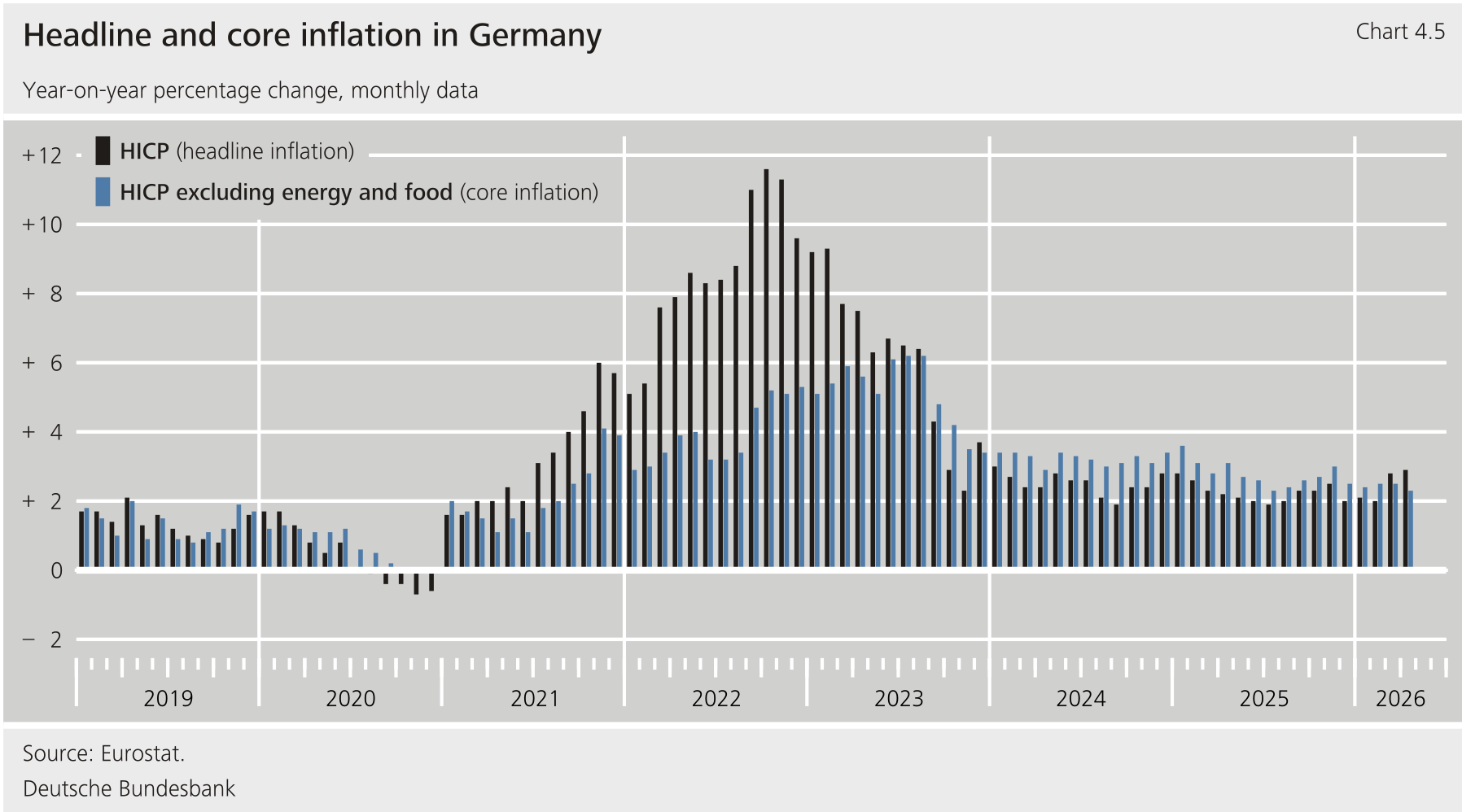
Consumer prices rose markedly in the first quarter, mainly as a result of higher energy prices. Averaged across January to March 2026, consumer prices as measured by the HICP rose by a seasonally adjusted 0.7 %, compared with 0.6 % in the preceding quarter. This was mainly due to the sharp rise in energy prices at the end of the quarter in connection with the war in the Middle East. Fuel and heating oil, in particular, appreciated significantly in March, driven primarily by higher crude oil prices. In addition, at the beginning of the year, the carbon price was raised under the national emissions trading scheme and stricter requirements for reducing the greenhouse gas (GHG) ratio came into effect. By contrast, lower transmission grid fees and the abolition of the gas storage levy had a dampening effect on prices. Services inflation declined somewhat compared with the previous quarter, but remained above average by historical standards. This is in line with the easing but still elevated growth in wage costs. In addition, prices for individual administered services rose markedly at the turn of the year, especially for social institutions and insurers. Finally, rents went up, and the price of the Deutschland-Ticket was raised from €58 to €63. Food prices appreciated only moderately in the first quarter of 2026. Lower upstream agricultural and producer prices had a dampening effect on inflation, although some items recently got more expensive again. By contrast, the prices of individual fresh foods such as eggs rose noticeably. 7 Non-energy industrial goods appreciated only slightly in the first quarter. The annual inflation rate remained unchanged in the first quarter of 2026, at 2.3 %. Core inflation excluding energy and food, meanwhile, fell slightly, from 2.7 % to 2.5 %.
Following the significant rise in March, the inflation rate edged up somewhat further to 2.9 % in April. 8 Energy prices, in particular, went up again steeply. As before, this was driven mainly by fuel and heating oil prices. Prices here continued to increase sharply owing to the ongoing war in the Middle East and the renewed rise in crude oil prices that it caused. So far, there is no clear evidence that the changed legal rules on how petrol stations set prices (12 o’clock rule) have had a dampening impact on fuel prices. Inflation in the prices of food and non-energy industrial goods was roughly unchanged from the previous month. While producer prices for non-energy industrial goods had risen in March on the year, import prices had fallen further. Prices for services rose markedly in some areas, for example for vehicle-related services such as vehicle repairs and motor vehicle insurance. At the same time, however, a base effect stemming from the fact that Easter fell later than in the previous year significantly dampened inflation. Accordingly, core inflation excluding energy and food eased somewhat from 2.5 % in March to 2.3 % in April.
Inflation is likely to remain elevated over the coming months. However, the outlook depends, first and foremost, on further developments in the war in the Middle East, making it very uncertain. Risk is tilted to the upside. This is mainly due to the sharply higher energy commodity prices since the conflict in the Middle East escalated. They have already had a considerable impact on consumer prices for fuel and heating oil. In May and June, the temporary reduction in the energy tax on petrol and diesel is likely to temporarily shave around ¼ percentage point off the inflation rate. One year later, however, it will probably have an equally price-driving base effect. Looking at gas, by contrast, there is likely to be a lag before households feel the effects of higher wholesale prices. This is due to longer-term procurement and contract structures. Moreover, higher energy, production and transport costs are also expected to gradually pass through to prices for food, non-energy industrial goods and individual services. However, there is considerable uncertainty as to how large these effects will be and how long they will last. Like the direct effects via higher energy prices, indirect effects depend largely on how the war evolves and how the energy commodity markets develop. Moreover, a marked rise in the inflation rate always carries the risk of second-round effects. This would be the case, for example, if the original price shock were reflected in higher wages or inflation expectations or different price setting. However, in Germany, second-round effects via wages usually only occur with a fairly lengthy lag and, above all, when the rise in inflation is accompanied by higher aggregate demand. Inflation expectations, meanwhile, could adjust more quickly given recent experience with very high inflation rates.
Supplementary information
New commercial property price index for Germany
In May 2026, the Bundesbank, together with vdpResearch GmbH, published a quarterly transaction-based commercial property price index (hereinafter referred to in short as the CPPI) for the first time. The calculation of the index is based on the Real Estate Monitoring Database maintained by the cooperation partner. The contents of the database stem from the financing business of Pfandbrief banks, cooperative banks, savings banks and private banks. For the period from 2013 to 2025, the database contains data on more than 300,000 real estate transactions. This extensive collection of information on commercial real estate sales can be used to calculate a price index that provides a representative picture of the whole of Germany for the real estate categories of office properties, retail properties and multi-family housing owned by enterprises. 1 The number of cases available for the individual quarters also allows a breakdown into five regional sub-segments. 2
The ability to monitor price trends in commercial real estate markets in a timely and reliable manner is key to a number of macroeconomic and macroprudential issues. The past few years have shown that demand for office and retail space, as well as for rented housing, not only fluctuates cyclically but is also subject to structural changes. By contrast, supply adapts to changes in demand conditions only gradually because of longer-term planning horizons and extended construction phases. This tends to produce significant price cycles. Sudden changes in commercial real estate markets pose risks to financial stability due to the role of banks, insurers and funds in financing the construction and purchase of properties. 3
The CPPI bridges an information gap because no official commercial property price index has been available in Germany to date.Most countries in Europe and around the world experience this gap in the supply of official commercial real estate market statistics. At the global level, this was pointed out in the context of the G20 Data Gaps Initiative. 4 In Europe, the European Systemic Risk Board (ESRB), which is responsible for macroprudential oversight, recommended closing this data gap through the use of official statistics. In 2019 the ESRB recommended that the European Commission submit a proposal for a common minimum framework for the development, production and dissemination of a database on indicators on the physical commercial real estate market, including price indices. 5 Eurostat and the national statistical offices subsequently advanced the work on statistical methods and examined appropriate data sources for such indicators. However, a European regulation, as a uniform legal basis for the regular quarterly compilation of official commercial property price indices, has not yet been adopted.
The CPPI is close to meeting the ESRB’s requirements for effective monitoring of risks emanating from the commercial real estate sector. Existing price indicators from private data providers 6 only partially meet theESRB’s recommended statistical quality criteria 7 for source data, periodicity, coverage and disaggregation.
The CPPI and its sub-indices replace the existing data provided by the vdp for the relevant commercial real estate segments. Firstly, the CPPI is based on a more modern statistical methodology. Core components of the methodology are the calculation of raw indices 8 using hedonic quality adjustment, the smoothing of the raw indices using the Kalman filter and the weighting of the sub-segments using 2022 capital values. 9 It therefore benefits from the fact that price observations from the Real Estate Monitoring Database are used directly for calculating the index, whereas the vdp price indices, as capital value indices, had been derived at the aggregate level from hedonically calculated rental indices and capitalisation rate indices. Secondly, the CPPI differs from the vdp price index in terms of its different weighting scheme and broader database. In addition to the previous transaction database of vdpResearch GmbH, data from S-Management Services GmbH’s central real estate database are now also included. 10
The CPPI is published around 40 days after the end of the reporting quarter; it is also possible to revise the last three quarters each time a new index level is published. This means that the CPPI is available just as promptly as the previous vdp indices. Revisions are justified in the statistical methodology and reduce the risk of the index drifting artificially due to smoothing and chain-linking. According to test calculations, the revisions are moderate in relation to the general fluctuation range of commercial real estate prices. 11 Smoothing corrects for index fluctuations resulting from the application of econometric methods to a comparatively low number of observations in combination with the enormous heterogeneity of commercial real estate. This ultimately greatly reduces erratic fluctuations and makes it easier to detect actual market movements. At the current end, index movements need to be interpreted with greater caution because they are susceptible to revision attributable to smoothing.
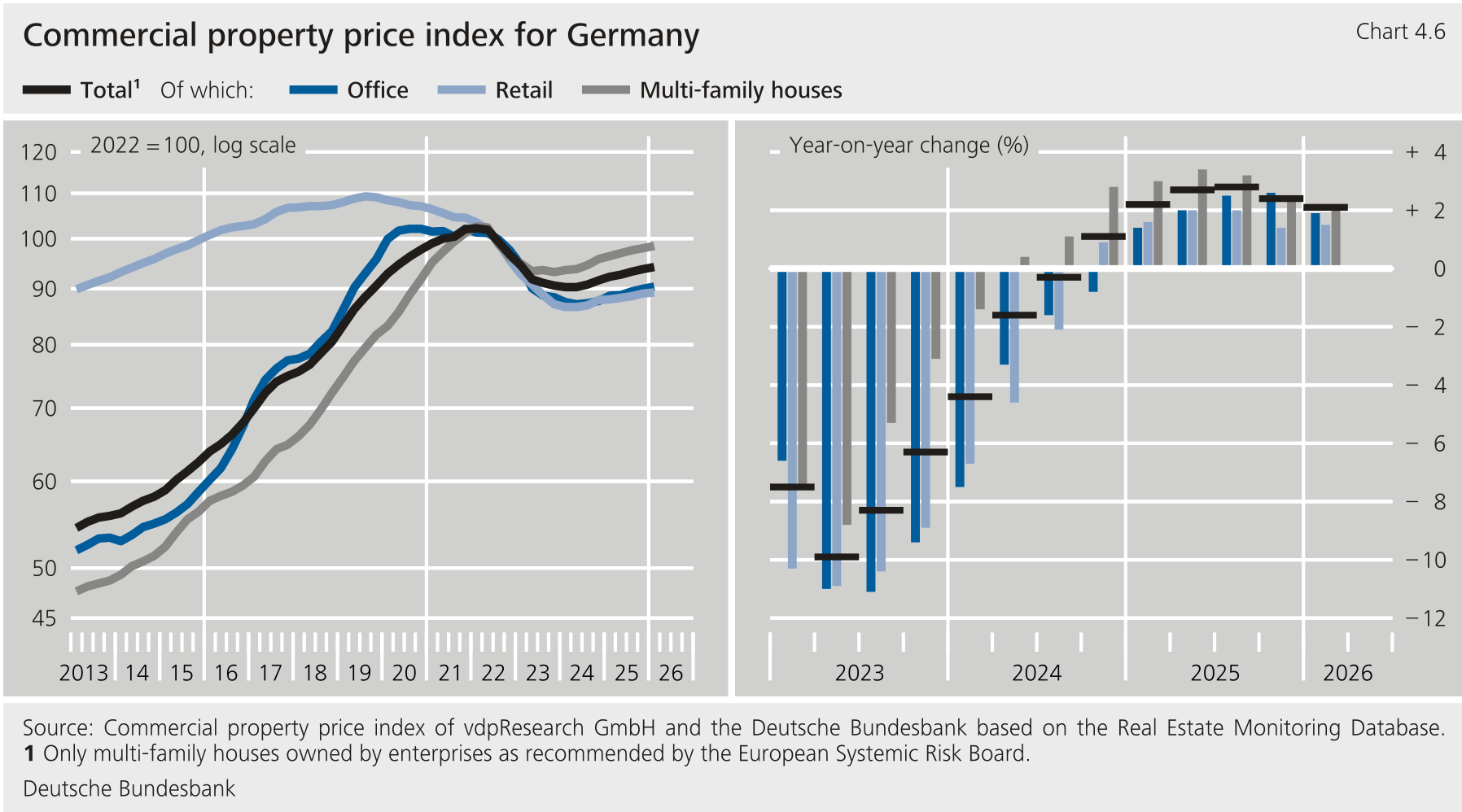
According to the CPPI, commercial real estate prices in Germany have risen at an average annual rate of 2½ % since mid-2024, following declines in the previous two years resulting from the COVID-19 crisis. However, the price reduction corrected the strong upswing seen over the previous decade only to a small degree. Overall, the CPPI in the first quarter of 2026 is around 75 % higher than the baseline level of 2013. Price dynamics were strongest for multi-family houses, followed by office properties, while the prices for retail properties are currently roughly at 2013 levels following moderate ups and downs during the observation period. Commercial real estate prices in cities of supra-regional importance appear to be slightly ahead of the rest of Germany.
In addition to price indices, rental indices and rental yield indices as well as vacancy rates and indicators of construction activity provide important insights into the situation in the commercial real estate market. The ESRB recommends regular quarterly reporting on this set of indicators. From an economic perspective, it particularly beneficial if the defined relationship between the price, rental income and return on an individual property also applies to the aggregates. 12 Rental indices and rental yield indices can generally also be calculated on the basis of the Real Estate Monitoring Database, but have not yet been developed. 13
The Bundesbank’s website presents and comments on the current price trends in the commercial real estate market according to the CPPI. The CPPI is updated on a quarterly basis. In addition, the CPPI and the sub-indices for offices, retail properties and multi-family houses are included in the system of indicators for the German commercial real estate market; the sub-index for multi-family houses is additionally included in the system of indicators for the German residential property market. The entire range of CPPI data is available on the Bundesbank’s new statistics portal. Important information on data sources, statistical methodology, the publication programme and the frequency of revisions is provided in the frequently asked questions.
6 In the second quarter, economic activity is likely to stagnate as a result of the war in Iran.
In the second quarter, the effects of the war in the Middle East are likely to weigh on the German economy more broadly and more noticeably. Higher inflation and the associated losses in purchasing power are weighing on private consumption and thus on consumer-related service providers. The GfK consumer climate index has deteriorated significantly since the start of the war. Income expectations, in particular, fell sharply in March and April, and price expectations rose strongly. The losses in purchasing power are also likely to dampen demand in housing construction. High energy prices and greater supply bottlenecks are weighing on industry and construction on the supply side. In addition, heightened uncertainty is likely to dampen industrial production and business investment. 9 The rise in interest rates as a result of the war is a further drag on private investment. However, the war in the Middle East also has effects that are stabilising for some parts of industry and their exports. For example, frontloading effects in anticipation of shortages are driving new orders. German enterprises also probably benefited from the fact that their Asian competitors are being hit harder by bottlenecks in intermediate goods as a result of the closure of the Strait of Hormuz. However, these effects are likely only to have a short-term impact. In addition, the expansionary fiscal policy is probably increasingly supporting economic activity. Overall, as things currently stand, real GDP is therefore likely to roughly stagnate in the second quarter. However, how heavy the war will weigh on the economy will depend crucially on how long it lasts.
Industry still robust in the short term. Seasonally adjusted new orders in German industry rose sharply on the month in March 2026, both including and excluding large orders. The increase was broad-based across regions and sectors. Frontloading effects in anticipation of shortages as a result of the war in the Middle East may also have been a factor in this. According to the ifo Institute, significantly greater material shortages suggest supply chain problems have increased. According to this report, bottlenecks became worse, especially in the chemical industry and for manufacturers of rubber and plastic products. The chemicals industry has experienced the strongest order inflow in more than four years. Here, in particular, this higher demand could be, in part, because competitors in Asia face even greater bottlenecks in petrochemical inputs as a result of the closure of the Strait of Hormuz. According to surveys conducted by the ifo institute, the competitive position of manufacturing sector enterprises outside of the EU no longer deteriorated quite as sharply in April compared with January. The competitive position within Germany actually improved. Averaged over the first quarter of 2026, industrial new orders fell compared with the previous quarter, however. That quarter had seen a sizeable number of large orders, particularly in other transport equipment and for manufacturers of weapons and ammunition. Excluding large orders, however, there was another quarter-on-quarter increase in orders both from Germany and abroad. In April, industry was likely not yet severely affected by the war in the Middle East; it is possible that short-term supportive effects even outweighed the negative effects. According to ifo institute survey results, the business situation in manufacturing even improved significantly compared with the previous month and the previous quarter. Strikingly, export expectations also improved slightly compared with the previous month, in which they had fallen considerably.
However, this resilience of industry is likely to be short-lived. It is likely to increasingly feel the negative effects of the war over time. For example, short-term production plans, which had improved in March, received a damper again in April, and enterprises expect significantly stronger burdens over a six-month horizon. This is reflected in the corresponding ifo business expectations index, which continued to deteriorate strongly in April following the sharp decline in March.
This article is based on data available up to 20 May 2026, 11:00.