Monetary policy and banking business Monthly Report – February 2026
Published on
Monetary policy and banking business Monthly Report – February 2026
Published on
1 Monetary policy and money market developments
At its monetary policy meeting in December 2025, the ECB Governing Council decided to keep its key interest rates unchanged. The updated assessment reconfirmed that inflation should stabilise at the 2 % target in the medium term. According to the baseline of Eurosystem projections from December, headline inflation is expected to average 1.9 % in 2026, 1.8 % in 2027 and 2.0 % in 2028. Most measures of longer-term inflation expectations also continue to stand at around 2 %. Indicators of underlying inflation have changed only slightly recently and remain consistent with the medium-term target.
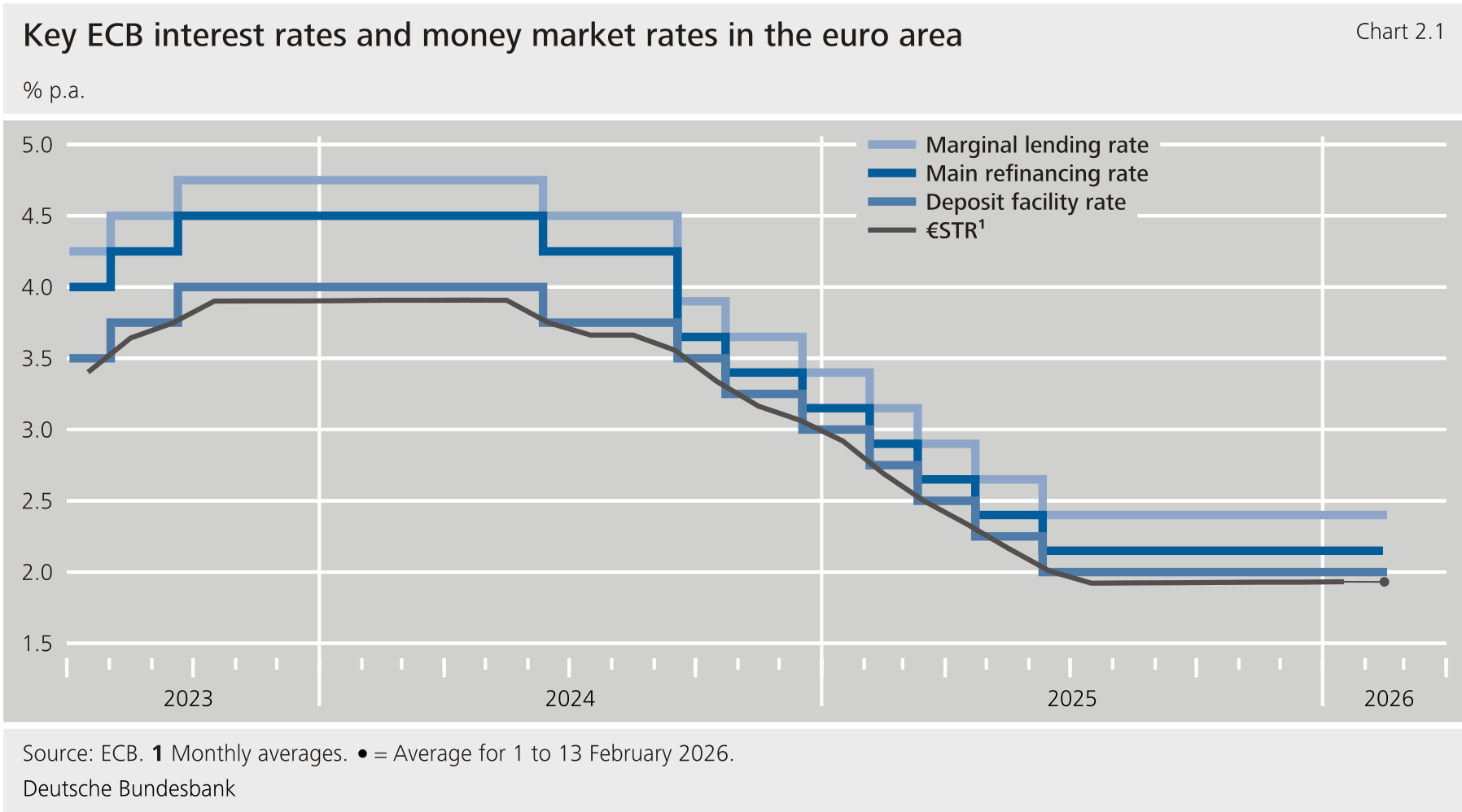
The ECB Governing Council also left its key interest rates unchanged in February 2026. This means that the interest rate on the deposit facility, which the ECB Governing Council uses to steer monetary policy, has been 2 % since June 2025. The ECB Governing Council’s assessment of the inflation outlook essentially remains unchanged. The economy remains resilient in a challenging global environment. At the same time, the outlook is still uncertain, owing particularly to ongoing global trade policy uncertainty and geopolitical tensions.
Short-term money market rates have remained broadly unchanged since the last cut in key interest rates in June 2025. The euro short-term rate (€STR) closed the reporting period at 1.93 %, around 7 basis points below the level of the deposit facility rate.
Surveys conducted shortly before the February meeting showed that market participants were not expecting key interest rates to be adjusted before the end of 2026. The median response to the Eurosystem’s Survey of Monetary Analysts conducted ahead of the meeting in February revealed that participants were expecting key interest rates to remain unchanged throughout the current year. Money market forward rates likewise are not currently pricing in any further interest rate changes for the current year.
Monetary policy asset holdings have declined further. Principal repayments and interest income from asset holdings under the asset purchase programme (APP) and the pandemic emergency purchase programme (PEPP) are still not being reinvested. On 6 February, the stock of APP assets held by the Eurosystem overall amounted to €2,292.2 billion. Asset holdings reported under the PEPP came to €1,408.9 billion on the same day.
Excess liquidity has continued to contract. At last count, it stood at €2,439.2 billion. The decline was mainly attributable to assets maturing under the APP and PEPP.
2 Monetary developments in the euro area
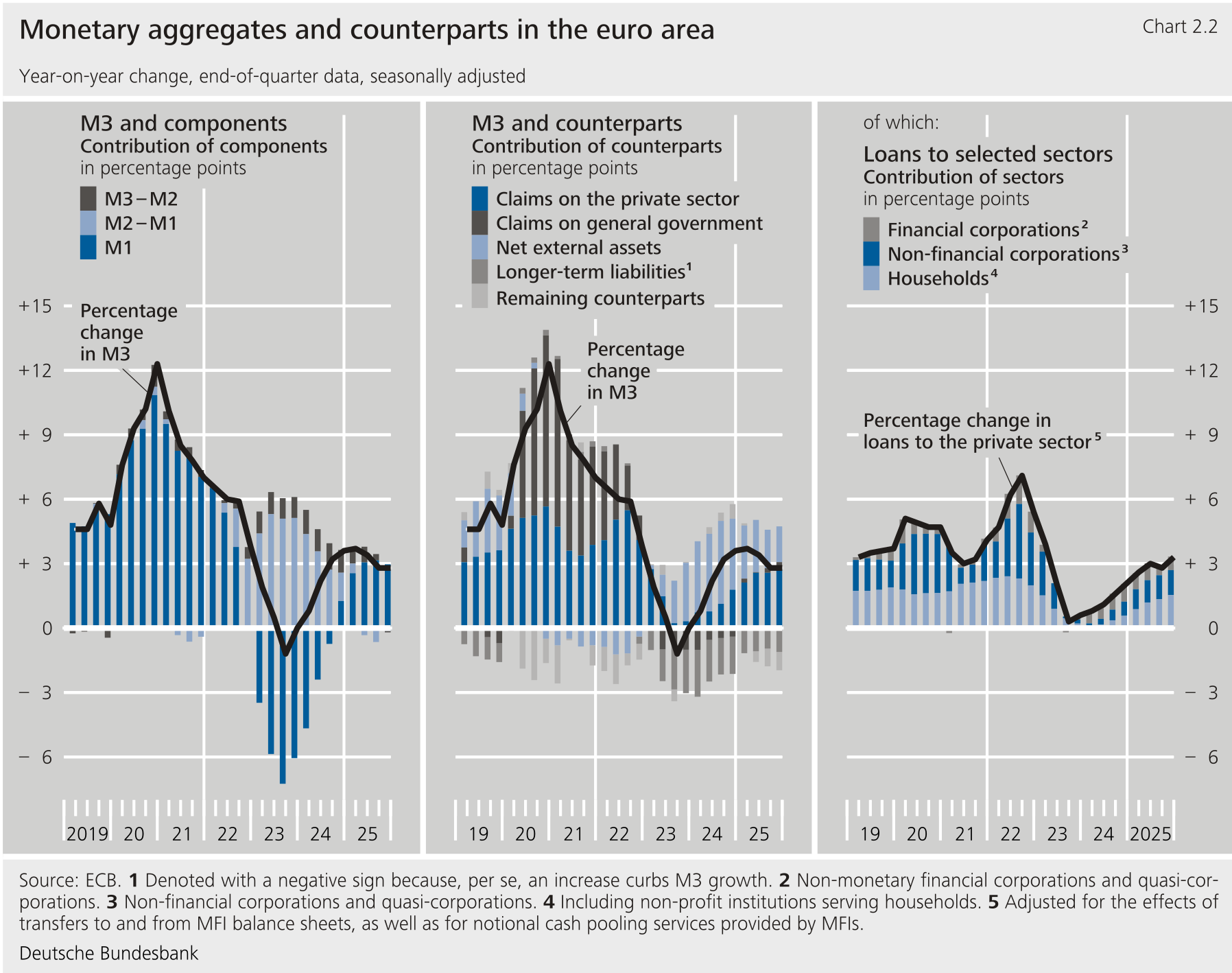
Monetary dynamics in the euro area gathered pace in the fourth quarter of 2025. Compared to previous quarters, not only households and non-financial corporations, but also financial corporations in particular significantly increased their short-term bank deposits. Since the inflow to M3 was similar to that of the same quarter last year, the annual growth rate of the broad monetary aggregate M3, at 2.8 %, moved sideways at the end of December (see Chart 2.2). On the counterpart side, monetary dynamics were mainly driven by lending to domestic private non-banks. Although the Bank Lending Survey (BLS) showed that banks tightened their credit standards on average for loans to enterprises as well as for consumer credit and other lending, the tightening of credit standards for loans to enterprises was limited to a small number of Member States, where predominantly large firms were affected. Buoyed by brisker investment activity and improved housing market prospects, loans to non-financial corporations and households continued to recover in the euro area as a whole.
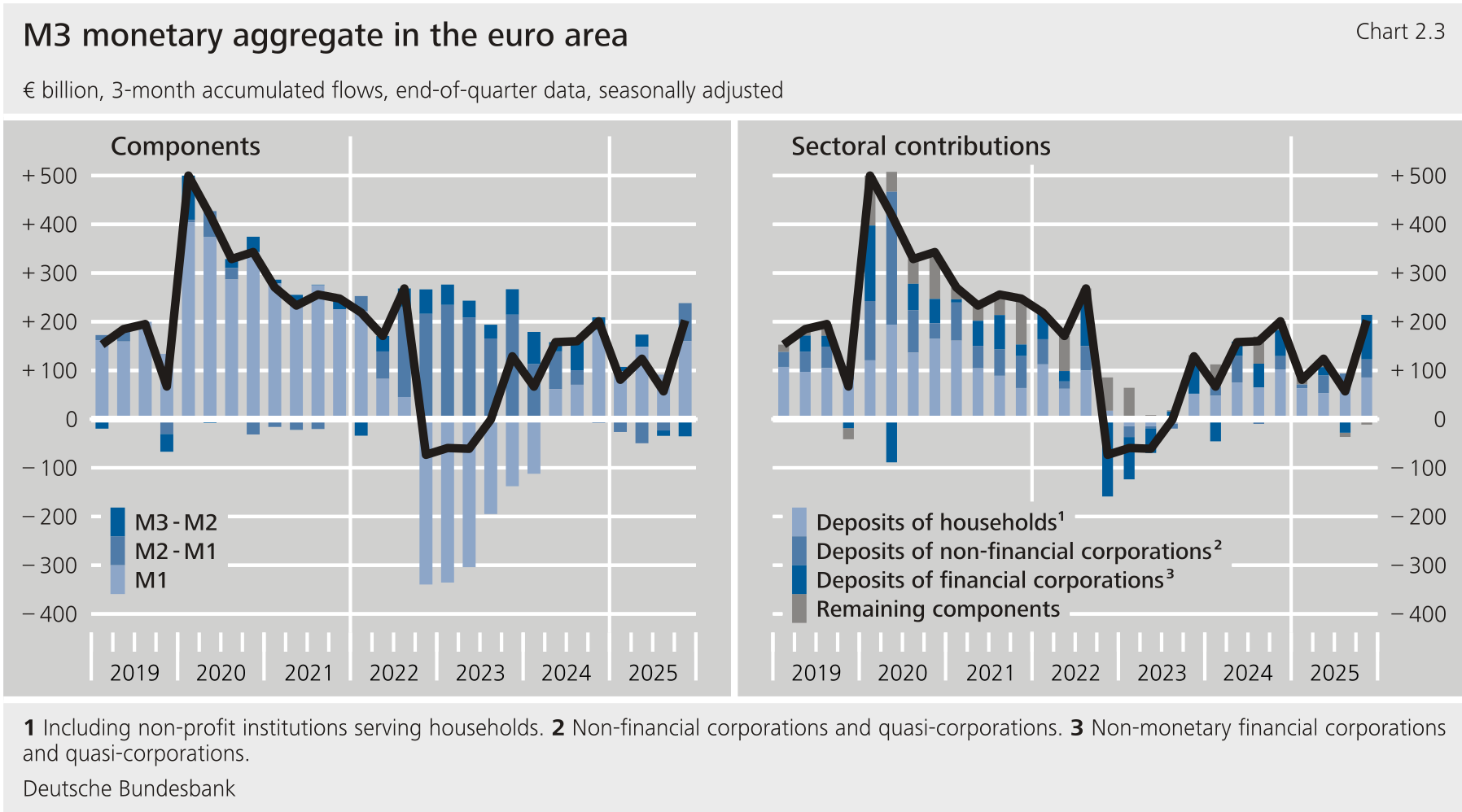
Money holdings of domestic non-banks rose significantly in the fourth quarter of 2025. Households and non-financial corporations continued to display a strong preference for highly liquid assets (see Chart 2.3). In particular, households once again added substantially to their overnight deposits and short-term savings deposits. What is more, unlike in previous quarters, in net terms, they barely reduced their short-term time deposits any further. Overnight deposits by non-financial corporations also rose appreciably against the backdrop of an upturn in economic activity and increased bank lending. Moreover, financial corporations also greatly increased their short-term bank deposits in the fourth quarter. This was partly in response to the spike in uncertainty in financial markets surrounding earnings outlooks in technology and Al-related investment sectors: institutional investors opted to temporarily park their financial assets. This contrasted with the previous quarter, when a temporary easing of uncertainty in financial markets prompted financial corporations to shift some of their liquid funds into more profitable forms of investment.
In addition to holding money, non-banks also increased their longer-term exposures to banks. First, demand by the money-holding sector for longer-term bank debt securities remained stable. Second, longer-term time deposits rose significantly. This was primarily due to an increase in securitised lending in the banking sector – transactions in which selected credit risks are transferred in tranches to a special purpose vehicle that is classified as a financial corporation for statistical purposes. The counter-entry usually takes the form of a long-term time deposit by the special purpose vehicle with the originator. In addition, banks’ strong earnings situation at the end of the year resulted in a marked increase in capital and reserves in the banking sector. Combined with the rise in banks’ longer-term liabilities, this had the effect of curbing M3 growth.
Table 2.1: Consolidated balance sheet of the MFI sector in the euro area1 Quarter-on-quarter change in € billion, seasonally adjusted
Assets
Q3 2025
Q4 2025
Liabilities
Q3 2025
Q4 2025
Claims on private non-MFIs in the euro area
67.6
191.5
Liabilities to central government2
19.1
− 32.8
Loans
47.0
173.2
Loans, adjusted3
49.6
182.6
M3
57.1
202.8
Securities
20.6
18.4
Currency in circulation and overnight deposits (M1)
91.4
160.2
Other short-term deposits (M2-M1)
− 23.3
78.0
Claims on general government in the euro area
19.0
8.4
Marketable instruments (M3-M2)
− 11.1
− 35.4
Loans
8.3
4.1
Longer-term liabilities
35.5
111.4
Securities
10.7
4.3
Capital and reserves
− 8.5
55.4
Net external assets
62.4
68.7
Other longer-term liabilities
44.0
56.0
Other counterparts of M3
− 37.3
12.9
1 Adjusted for statistical changes and revaluations. 2 Including central government deposits with the MFI sector and securities issued by the MFI sector held by central governments. 3 Adjusted for loan sales, loan securitisation as well as for items related to notional cash pooling services provided by MFIs.
On the assets side, monetary financial institutions (MFIs) expanded their lending to non-banks in the euro area significantly. This development was fuelled primarily by lending to the private sector; there was hardly any increase in credit to general government. In this context, there was, in particular, a marked increase in loans to private non-banks, whereas the rise in securitised lending remained moderate. The expansion in loans applied to both enterprises and households. It was most pronounced in respect of financial corporations, which include investment funds and other financial intermediaries which, for their part, use a portion of their total assets to finance domestic enterprises and general government.
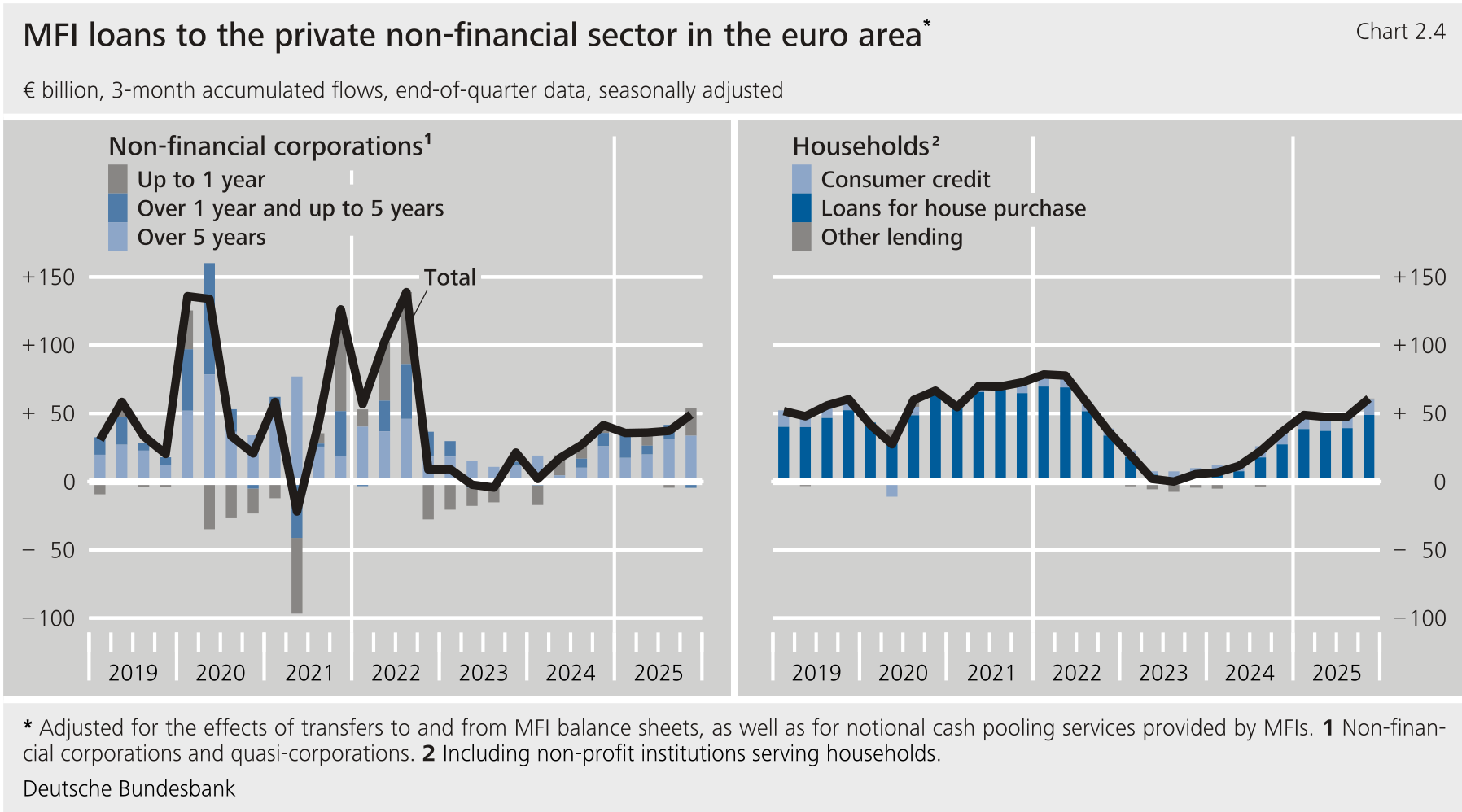
Loans to non-financial corporations continued to recover in the fourth quarter; growth was somewhat more pronounced than in the previous quarter. Viewed in terms of maturities, long-term loans predominantly contributed to the noticeable upward trend, reflecting the resurgence in investment activity in the euro area last year (see Chart 2.4). In addition, there was a noticeable increase in short-term lending by banks, while they reduced their exposure in the medium-term segment (between one and five years) slightly. AnaCredit data statistics available up to November indicate that, in the case of short-term loans, enterprises in the services sector played a greater role than those in manufacturing; they also suggest that demand for long-term loans stemmed primarily from large enterprises.
The BLS results for the fourth quarter of 2025 indicate that large enterprises have an increased need to finance fixed investment.BLS data show that while demand for loans to enterprises rose slightly overall, it increased somewhat more strongly among large enterprises. Based on the responses from the banks surveyed, fixed investment was the primary reason for this group only, while inventories and working capital as well as debt refinancing, debt restructuring and renegotiation were the most important factors driving demand overall.
At the same time, the banks surveyed tightened their credit standards on balance for loans to enterprises, predominantly for large ones. However, this tightening was confined to just a smallnumber of Member States, including Germany and France. Similarly, in the Survey on the Access to Finance of Enterprises (SAFE) business survey, enterprises from Germany and France reported a decline in the availability of bank loans. In the SAFE survey, large enterprises cited excessively high costs as an obstacle to concluding loan agreements more frequently than small and medium-sized enterprises. The banks participating in the BLS cited a reduced tolerance for risk and higher credit risk as the main reasons for their more restrictive credit standards. They cited industry-specific and firm-specific factors as well as the general economic situation as the main reasons for increased credit risk; moreover, new regulatory and supervisory requirements had a restrictive effect over the past 12 months.
Loans to households also rose sharply in the fourth quarter. The expansion in loans for house purchase, the most significant loan category in quantitative terms, continued to gain momentum compared to the previous quarter (see Chart 2.4). Moreover, the positive trend in consumer credit was sustained, mainly due to buoyant consumer demand in Spain. Other lending to households (including loans to sole proprietors) also recovered slightly from its previous decline.
According to the BLS, households’ financing requirements for building projects continued to grow, while demand for loans for consumption purposes remained essentially unchanged. The main factor in the growth in demand was, according to the surveyed banks, households' improved assessment of housing market prospects. By contrast, the BLS showed that it was mainly the favourable general interest rate level that was bolstering demand for consumer credit and other lending to households. This was accompanied by an easing of the drag on demand for consumer credit and other lending that had been caused by a decline in consumer confidence. This is consistent with findings from the business and consumer surveys conducted by the European Commission, which show that consumer confidence in the euro area continued to pick up from a low baseline in the fourth quarter.
On the credit supply side, the banks responding to the BLS tightened their credit standards for consumer credit and other lending to households, while easing them marginally in the house purchase segment. The banks cited increased competition as the main reason for this easing. The rationale given by the banks for the tightening of credit standards for consumer credit and other lending was reduced risk tolerance and increased credit risk. This was largely due to a reduction in households’ creditworthiness and a tense economic situation.
In addition to lending, the MFI sector’s net external assets position, too, bolstered monetary growth in the euro area. According to preliminary balance of payments data, non-residents acquired roughly the same volume of securities issued by euro area enterprises and governments as in the previous quarter. There was particularly strong demand for government bonds, shares and investment fund shares. By contrast, domestic non-MFIs invested noticeably less in foreign securities. This is likely attributable to high levels of geopolitical uncertainty. The persistent euro area current account surplus, which has been boosted by the euro’s stable external value, contributed to the inflow of funds as well.
3 German banks’ deposit and lending business with domestic customers
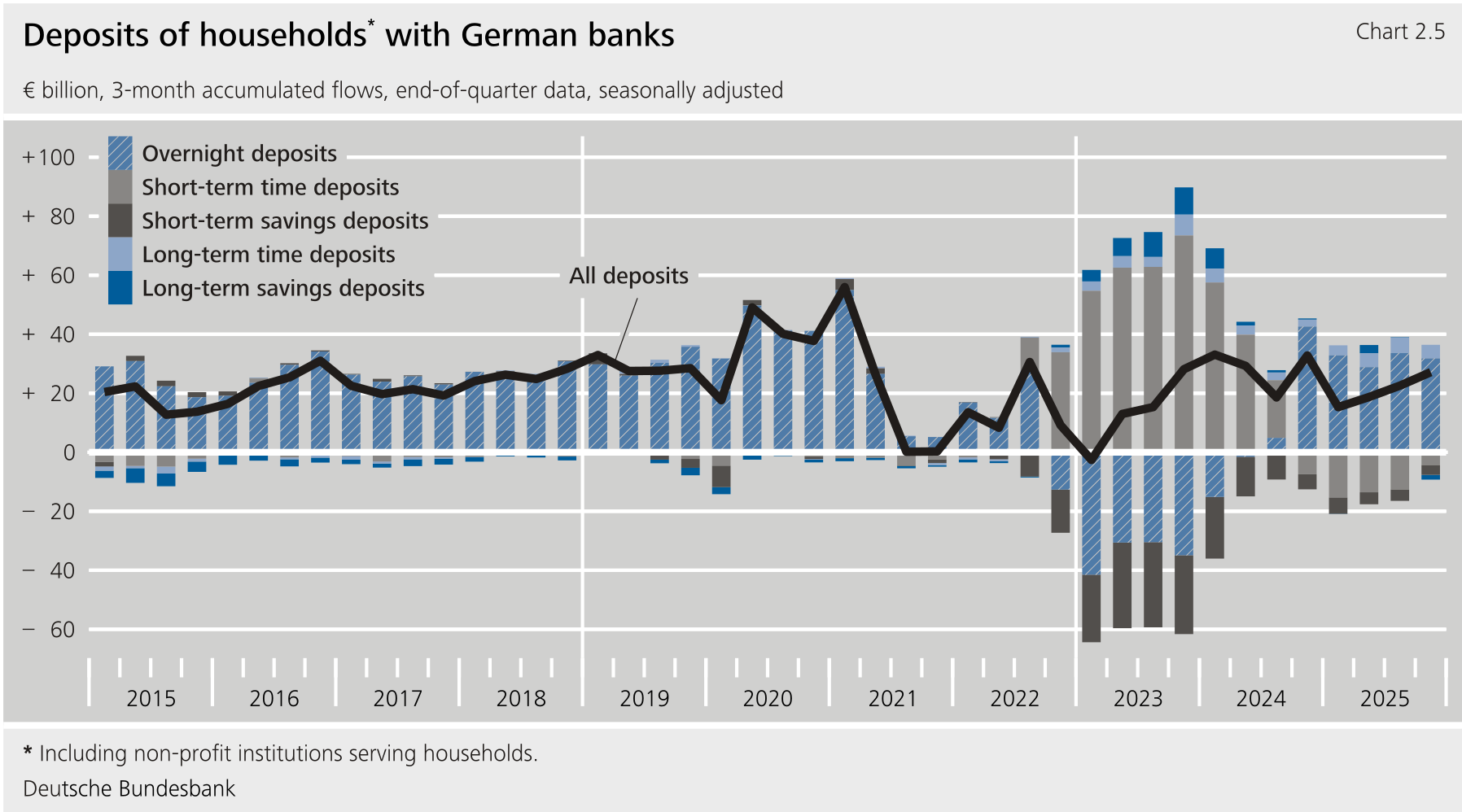
German banks’ deposit business with domestic customers increased strongly in the fourth quarter of 2025. Much like in the euro area, bank customers mainly built up their holdings of overnight deposits. The largest inflows were once again recorded in overnight deposits held by households and non-financial corporations, whose preference for this form of investment remained unchanged against the backdrop of subdued economic sentiment and increased uncertainty (with regard to households, see also the supplementary information “German households’ growing liquidity buffers” and Chart 2.5).
Supplementary information
German households’ growing liquidity buffers
The sustained robust growth in short-term bank deposits by German households raises the question as to why liquidity holdings are continuing to rise. Households accumulated sizeable bank deposits during the coronavirus pandemic. 1 If this increase in deposits had been largely due to restricted opportunities for consumption, the lifting of restrictions should have led to a reduction in the additional liquidity that had accumulated, especially if consumers caught up on the spending they had been holding back on. When the pandemic-related restrictions were lifted, the rate at which deposits continued to accumulate did indeed fall back considerably initially; nevertheless, it remained at a positive level before subsequently rising again (see Chart 2.5). To understand the reasons behind households’ continued acquisition of financial assets in the form of short-term bank deposits, a number of ad hoc questions on the use and development of bank deposits by households in Germany were added to the September 2025 wave of the Bundesbank Online Panel – Households (BOP‑HH) survey. 2
At the current margin, the households surveyed in the BOP-HH retain an average deposit buffer that is many times the size of their regular monthly expenditure. Instead of asking the respondents how much they had in savings directly, the survey asked them to estimate how long their household could cover its current expenditure using only its present savings. 3 Just under 40 % of the respondents stated that they could use their savings to cover their expenditure for six months or longer. This finding is consistent with the high level of short-term deposits held by households in Germany.
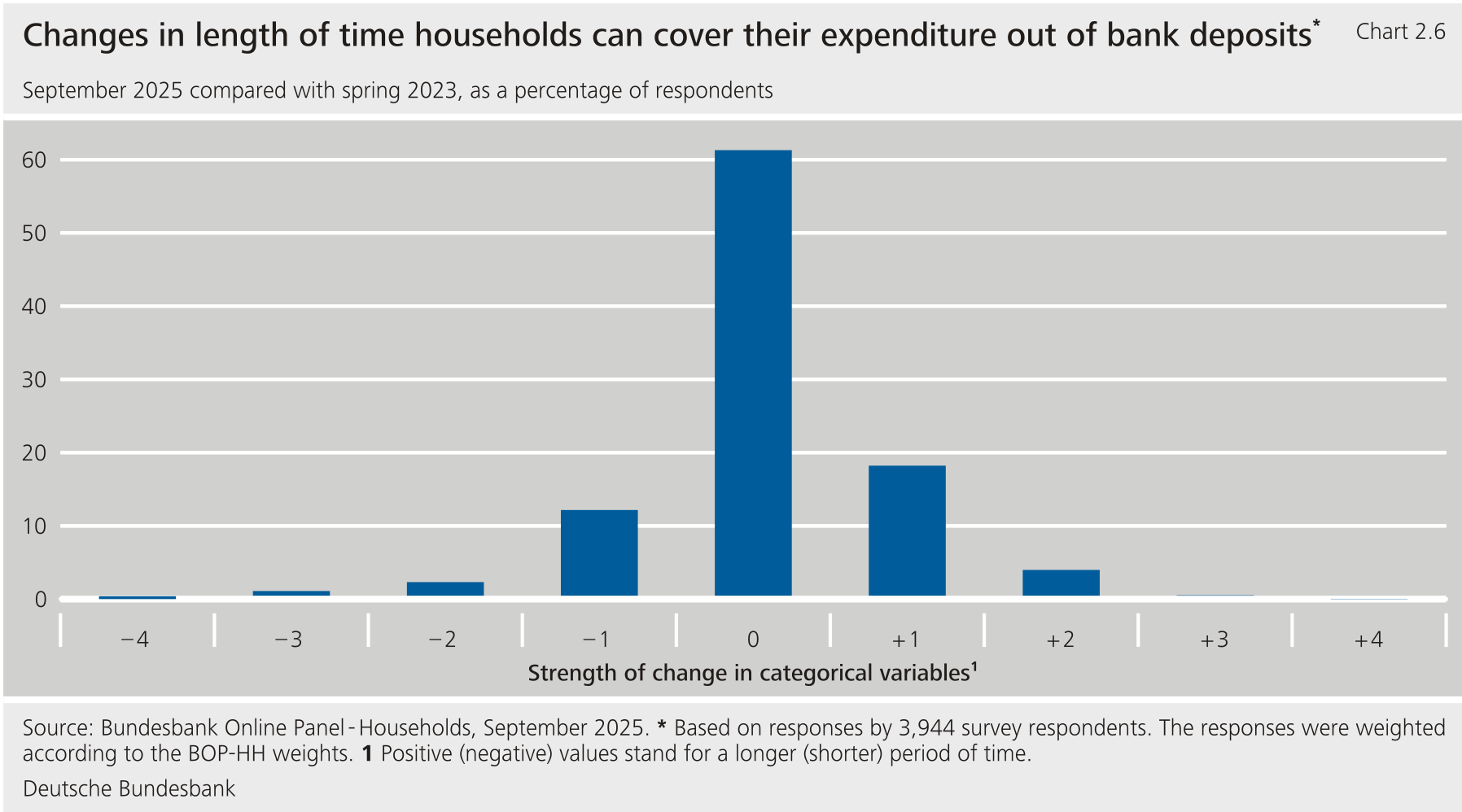
Just under one-quarter of the households surveyed had increased their deposits – measured in terms of regular monthly expenditure – since the start of 2023. The question regarding the extent to which savings could cover expenditure was asked as a categorical variable for the current margin (September 2025) and for the period at the start of 2023, when the pandemic-related restrictions were lifted. To illustrate the change between the two points in time, the difference between the two figures was calculated for each household: a positive (negative) value stands for a longer (shorter) period of time. For 23 % of the households, the period of time increased further, while it decreased for 16 %. For the majority of the households (61 %), however, the coverage period remained unchanged (0 value).
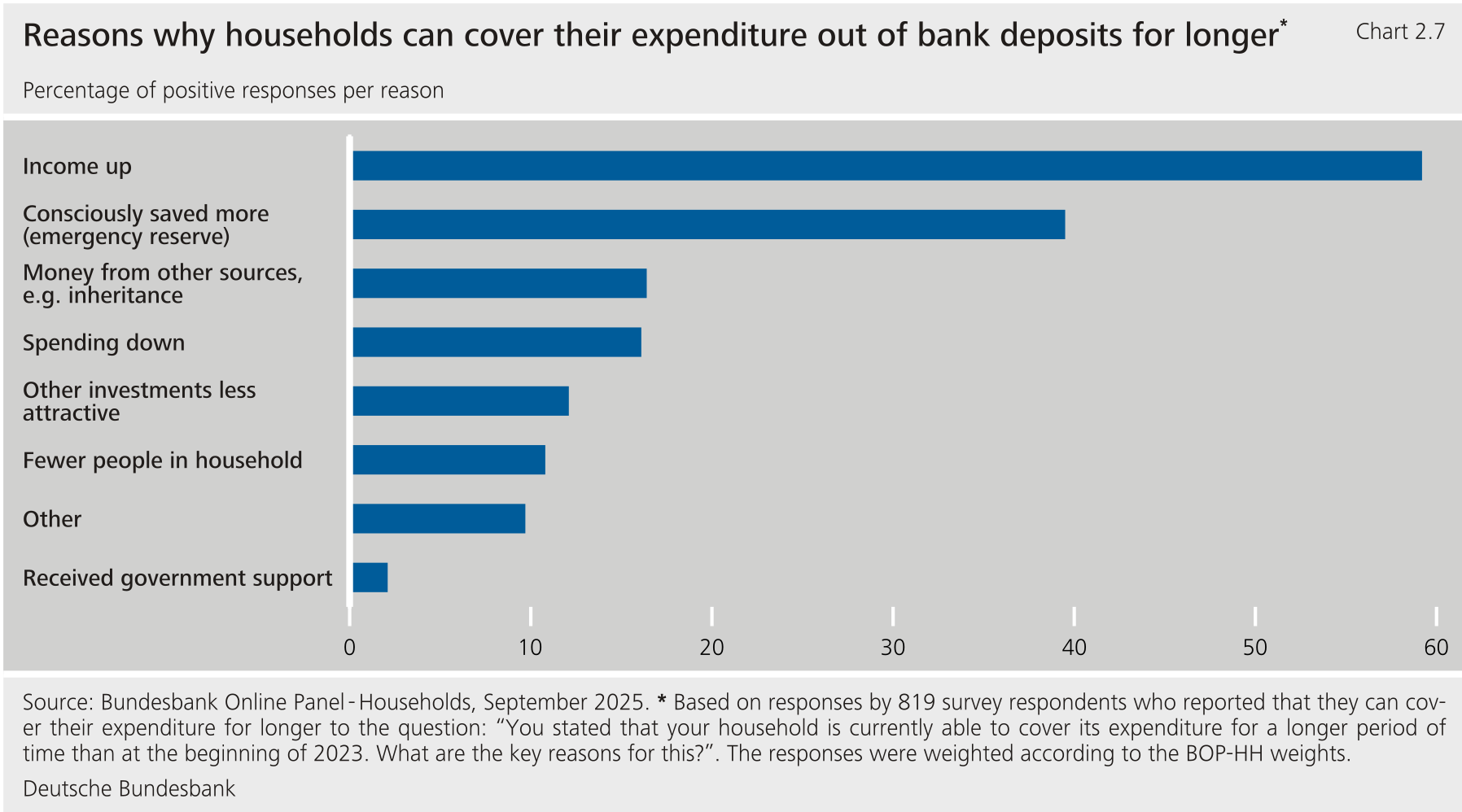
Higher incomes are the main reason why bank deposits are reported to cover monthly household expenditure for longer, compared with the start of 2023, followed by a conscious accumulation of an emergency reserve. The frequent mention of the “income up” factor should be viewed in light of the fact that nominal wages outpaced inflation in the period under review, thereby offsetting previous real wage losses. Moreover, just under 40 % of the households surveyed stated that they consciously put more money aside for emergencies. Putting money aside for emergencies (precautionary savings) is generally one of the primary motivations for savings and typically involves highly liquid investments such as current or instant access accounts. This factor was already identified as one of the three most important motivations for households to save in the Deutsche Bundesbank’s Panel on Household Finances (2025b). The current findings suggest that precautionary savings may have become a more important factor in the accumulation of bank deposits by households in response to geopolitical conflicts and a general increase in economic uncertainty. 4
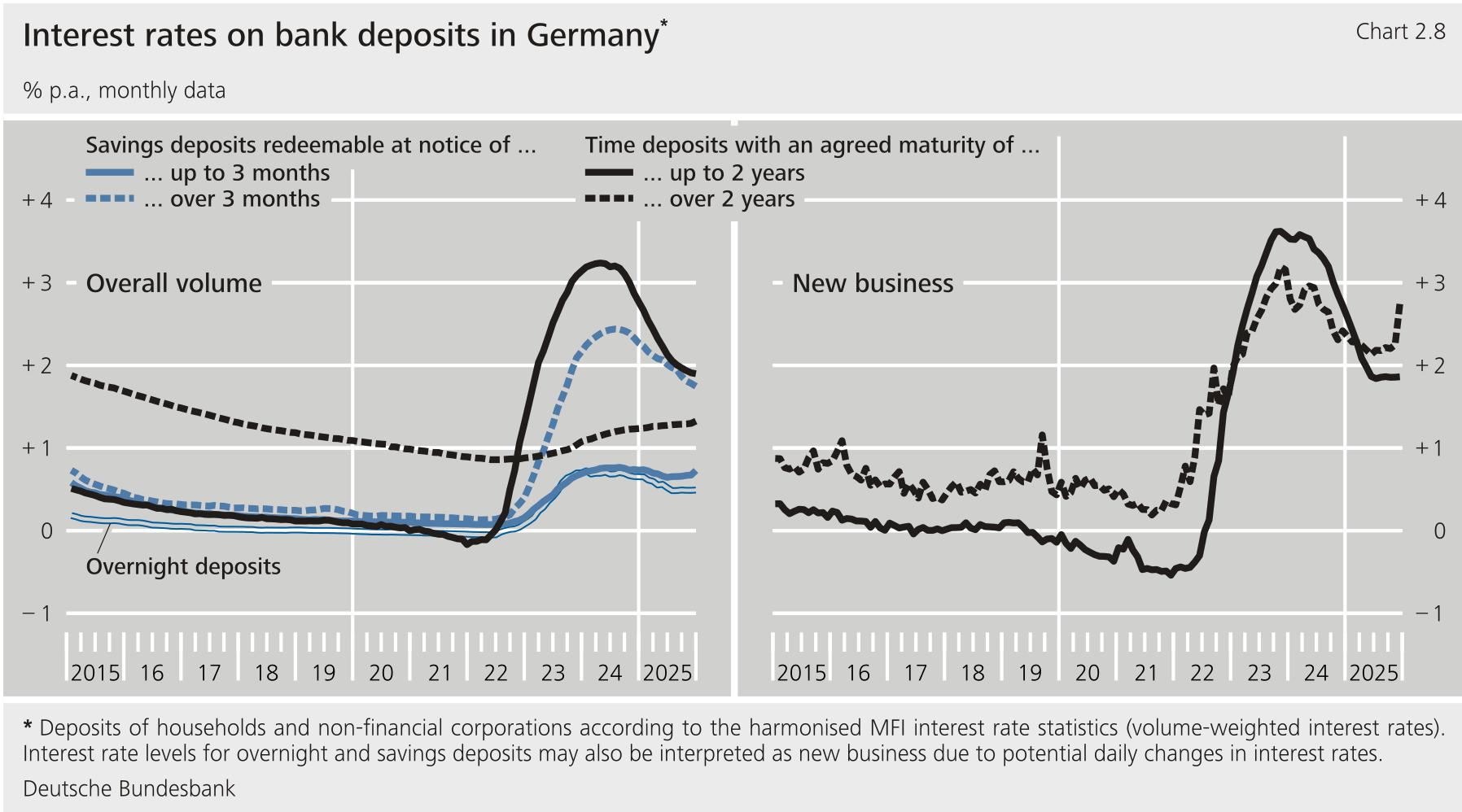
For the first time in five quarters, bank customers again showed stronger interest in short-term time deposits remunerated at close to market rates. One of the main reasons for this was that social security funds, which come under general government, chose this form of investment in order to invest funds from reserves, loans and subsidies in the short term. Another reason was that financial corporations also noticeably increased their short-term time deposits, thus securing a higher return than on overnight deposits (see Chart 2.6).
Growth in German banks’ lending business with domestic customers slowed appreciably in the fourth quarter of 2025. The backdrop to this was distinctly lower inflows to loans to the public sector. This was because banks did not continue to expand their holdings of domestic government bonds, but reduced them slightly overall. Furthermore, there was a slight downturn in lending to the domestic private sector compared with the previous quarter. Loans to the private sector recorded a slightly higher net inflow of funds in the fourth quarter than in the previous quarter, but lending to non-financial corporations remained weak.
Table 2.2: Banks in Germany: changes in lending and deposits1 Quarter-on-quarter change in € billion, seasonally adjusted
2025
Q3
Q4
Deposits of domestic non-MFIs2
Overnight
34.7
52.5
With an agreed maturity of
up to 2 years
− 20.3
15.1
over 2 years
2.9
1.8
Redeemable at notice of
up to 3 months
− 4.0
− 3.4
over 3 months
0.1
− 1.6
Lending
to domestic general government
Loans
6.9
7.0
Securities
6.5
− 0.6
to domestic enterprises and households
Loans3
12.2
15.9
of which: to households4
10.3
10.7
of which: to non-financial enterprises5
4.6
− 1.9
Securities
2.9
− 1.1
1 Banks including money market funds. End-of-quarter data, adjusted for statistical changes and revaluations. 2 Enterprises, households (including non-profit institutions serving households) and general government (excluding central government). 3 Adjusted for loan sales and securitisation. 4 Including non-profit institutions serving households. 5 Non-financial corporations and quasi-corporations.
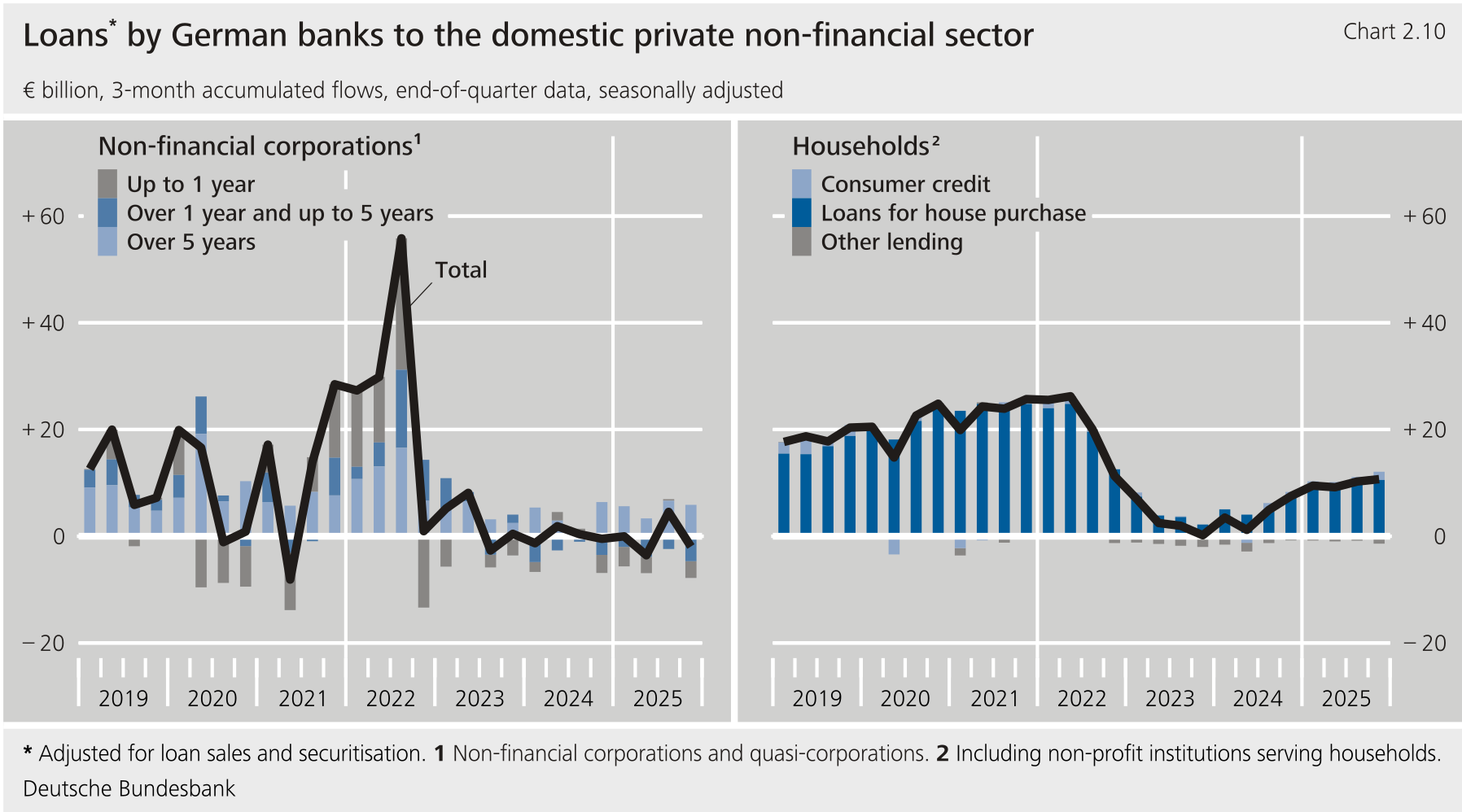
Lending to households continued to account for the largest share of lending business with the domestic private sector. Inflows to loans for house purchase – the key driver in this segment – were roughly as strong in the fourth quarter of 2025 as in the previous quarter. This marked a continuation of the gradual recovery in this loan category that has been observed since summer 2024. The annual rate continued to rise marginally, reaching 2.5 % at the end of the fourth quarter.
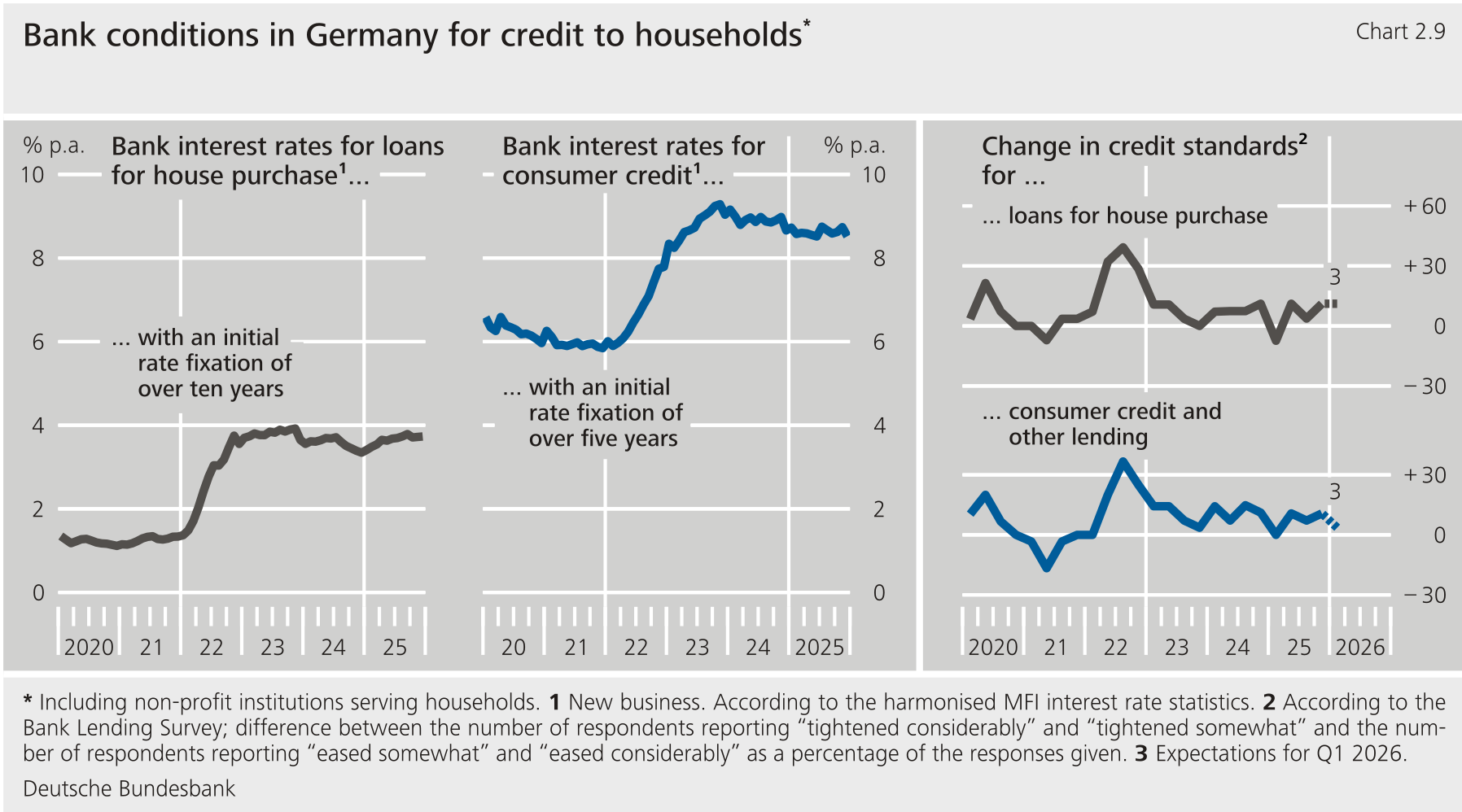
The gradual recovery in demand for loans for house purchase reflects multiple factors. In addition to the already high demand for housing, prices for existing properties were still comparatively low. This continued to sustain demand for loans for house purchase. 1 According to the banks responding to the BLS, demand for loans for house purchase increased in the final quarter of the year because households had a more positive assessment of housing market prospects, including expected house price developments and perceived returns. Another factor was the substantial rise in households’ real incomes. However, unlike in previous quarters, the general interest rate level no longer had a positive impact on demand for loans for house purchase (see Chart 2.7). The banks responding to the BLS expect to see demand for loans for house purchase grow further in the first quarter of 2026.
Banks in Germany participating in the BLS tightened their credit standards for loans for house purchase further in the reporting quarter. This is in contrast with the easing reported for the euro area overall. The rationale given by the German banks responding to the BLS for this more restrictive approach was essentially their reduced risk tolerance and the increased credit risk in business with households. By contrast, banks eased their credit terms and conditions somewhat overall. For instance, banks narrowed their margins in response to competition, irrespective of borrowers’ credit-worthiness.
The marginal recovery observed in consumer credit in previous quarters continued. Sharply higher wages provided more scope for additional consumer spending. Conversely, other lending, which also includes loans to sole proprietors, was reduced yet again. Consistent with this, the banks responding to the BLS stated that loan demand continued to be sustained by households’ propensity to purchase, while downbeat consumer confidence was having a dampening effect. The banks participating in the BLS estimated that demand remained unchanged across both business areas.
As planned, banks responding to the BLS continued to tighten their credit standards for consumer credit and other lending. As with loans to households for house purchase and loans to enterprises, they cited reduced risk tolerance and increased credit risk as the main reasons for doing so. The more restrictive approach to credit standards in business with households based on risk considerations is in line with the declining employment expectations of enterprises in Germany, according to the ifo Institute.
A sustained recovery in lending to non-financial corporations failed to materialise in the fourth quarter. Following a marked increase in the previous quarter, the fourth quarter saw a noticeable net decline in lending to non-financial corporations. Although longer-term lending to non-financial corporations saw another marked increase, growth in this segment was insufficient to offset in full the significant decline in short and medium-term lending (see Chart 2.8). While the growth in long-term lending was mainly attributable to credit cooperatives and savings banks, the fall in shorter-term lending was spread across nearly all bank categories. In addition to the large banks, banks with special, development and other central support tasks, in particular, also recorded fairly large outflows. In this respect, the net decline in this loan category in the fourth quarter is also likely to be related to the repayment of government assistance loans granted to energy suppliers in 2022.
Banks’ weak corporate lending business is a reflection of the persistently difficult environment for enterprises in Germany. Although there have been signs of a slight economic improvement recently, uncertainty among enterprises persists with regard to international trade policy and the geopolitical situation. This is weighing on enterprises’ growth prospects; according to the ifo business climate index, their sentiment deteriorated again at the end of the year. Consequently, many enterprises have been reluctant to invest and as such, their demand for loans has remained relatively low.
In the assessment of the banks participating in the BLS, demand for loans to enterprises has been heterogeneous. According to BLS information for the second half of 2025, the banks surveyed reported growth primarily in the residential real estate sector, while demand contracted in construction (excluding real estate). Demand in the commercial real estate sector increased again for the first time since mid-2022. The banks recorded broadly unchanged demand in retail, services and manufacturing. Banks expect loan demand to increase in most key sectors of the economy over the next six months.
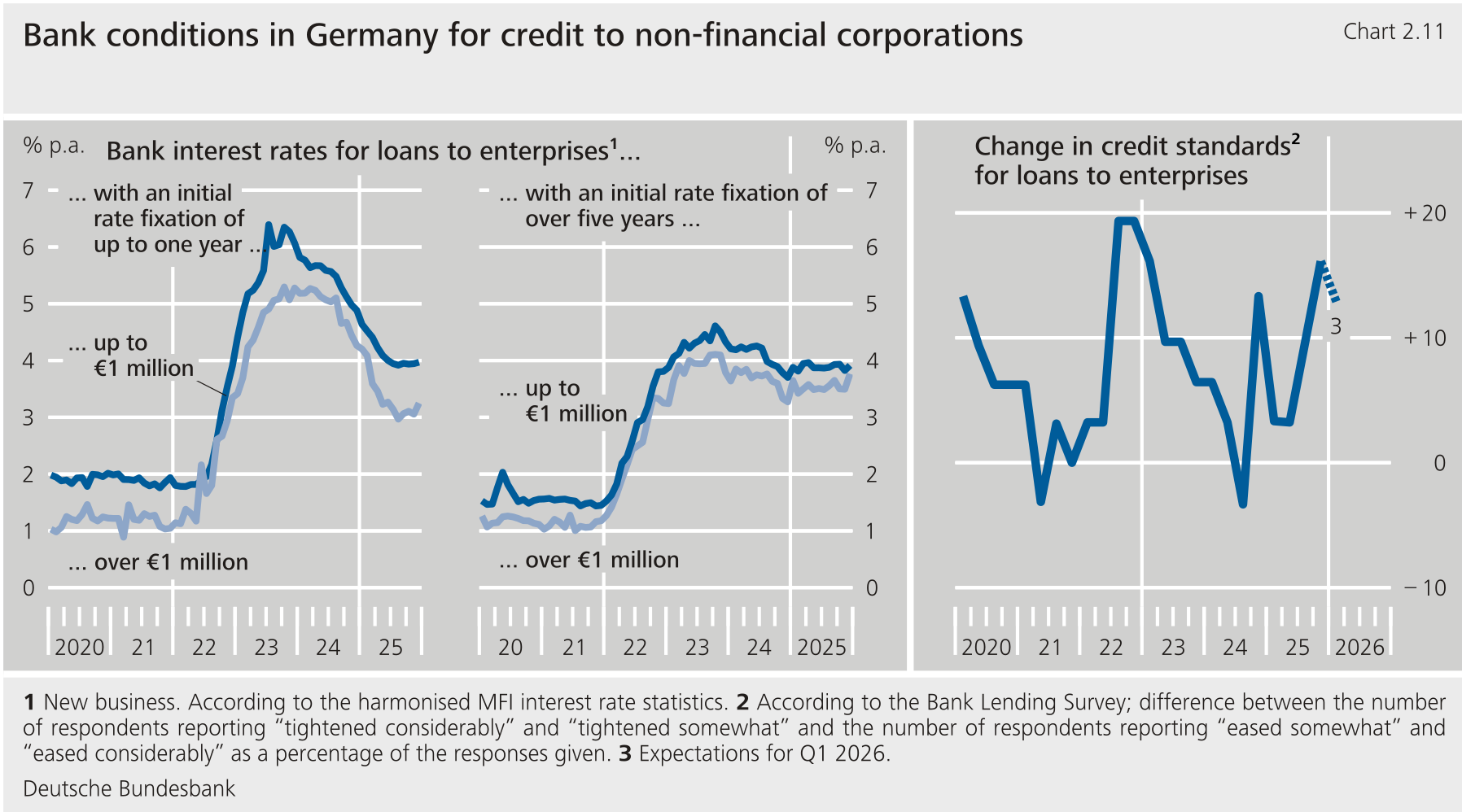
Banks participating in the BLS tightened their credit standards for loans to enterprises further in the fourth quarter of 2025. The bank managers surveyed attributed this to increased credit risk and a decline in their willingness to tolerate risk. The most recent tightening of credit standards again concerned large enterprises in particular. According to BLS information for the entire second half of 2025, the tightening was strongest for the real estate sector, manufacturing and construction (excluding real estate). However, credit standards were also tightened across all the other sectors surveyed. Simultaneously, the loan rejection rate for loans to enterprises went up again, albeit to a lesser extent than in the previous quarter. The banks responding to the BLS also tightened their credit terms and conditions further. They reported that they had raised lending rates overall and extended their margins irrespective of risk. The banks also reported that the NPL ratio including other indicators of credit quality had the effect of tightening their credit standards for loans to enterprises in the fourth quarter of 2025.
The banks surveyed in the BLS stated that, on the whole, their funding conditions had barely changed in the fourth quarter of 2025. They reported only a marginal improvement in funding via debt securities. Their assessment of access to customer deposits was slightly worse, meanwhile. Banks in Germany expect funding conditions to remain essentially the same over the next three months.
Banks responded to new regulatory and supervisory actions by continuing to strengthen their capital position in 2025. This was mainly through retained earnings. In addition, the banks indicated that regulatory and supervisory actions had had a restrictive effect on credit standards across all loan categories. The banks are planning to further strengthen their capital position over the next 12 months. In addition, they expect their risk-weighted assets to increase against the backdrop of regulatory and supervisory actions. This is likely to reflect, in particular, the new rules on the calculation of risk-weighted assets under the Basel III reform package. With regard to credit standards, banks expect regulatory and supervisory actions to continue to have a restrictive impact over the next 12 months due to, amongst other things, the provisions of Directive (EU) 2023/2225 on credit agreements for consumers applicable from 20 November 2026.
In the past year, the majority of banks surveyed in the BLS reported that they were exposed to the impact of changes in trade policies and related uncertainty as a result of their loans to enterprises, albeit only to a small extent. The banks stated that this was mainly reflected in a deterioration in the NPL ratio and other indicators of credit quality, as well as reduced risk tolerance. Overall, trade barriers and related uncertainty had a restrictive effect on credit standards for loans to enterprises. The banks stated that this had a minor dampening effect on demand for loans. Overall, banks expect that in 2026 they will be somewhat less affected still by the impact of trade barriers and related uncertainty than they have been in the past 12 months.