1 German GDP up considerably in the fourth quarter of 2025
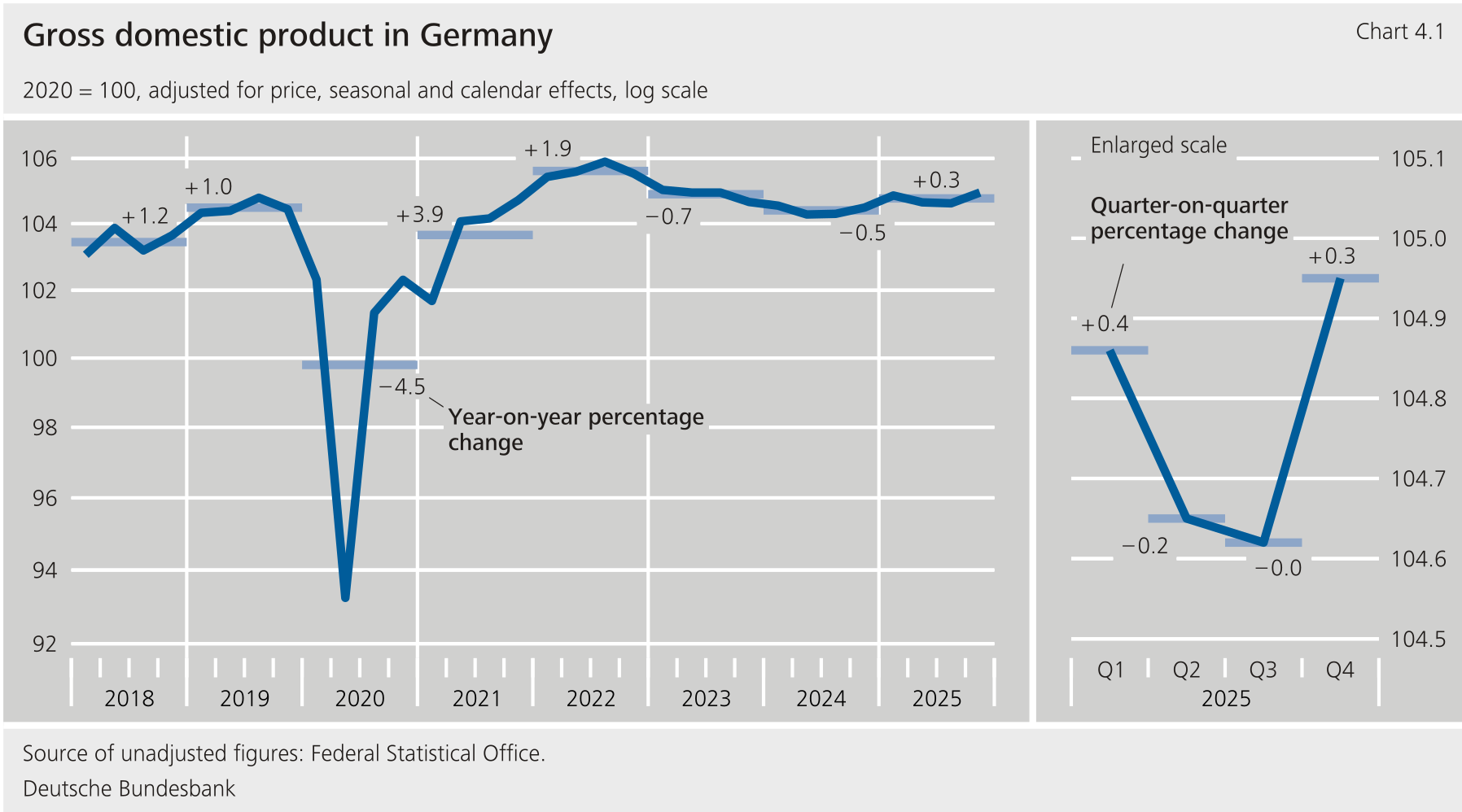
The German economy closed the year 2025 with significant gains. According to the Federal Statistical Office’s flash estimate, real GDP grew by 0.3 % on the quarter after seasonal adjustment. 1 Economic activity thus resumed the upward movement that had begun at the end of 2024. It was interrupted in the summer half-year of 2025 mainly by the negative impact of US trade policy. Growth towards the end of 2025 was primarily driven by private and government consumption. 2 Households probably took advantage of the greater scope for expenditure afforded by strong wage growth. This also gave a boost to consumer-related service providers. The high US tariffs and the strong euro compared with the US dollar are likely to have continued to dampen exports somewhat. Against the backdrop of increasing domestic demand, however, industry was able to regain its footing somewhat. Industrial production increased and sales rose slightly. Despite the continued underutilisation of capacity in industry, investment in machinery and equipment is also likely to have increased. Demand for construction work, which has been pointing upwards for some time now, is probably also being reflected in rising construction investment. Construction output was also supported by favourable weather conditions in December for the time of year.
2 Construction, consumer-related service providers and also industry expanded
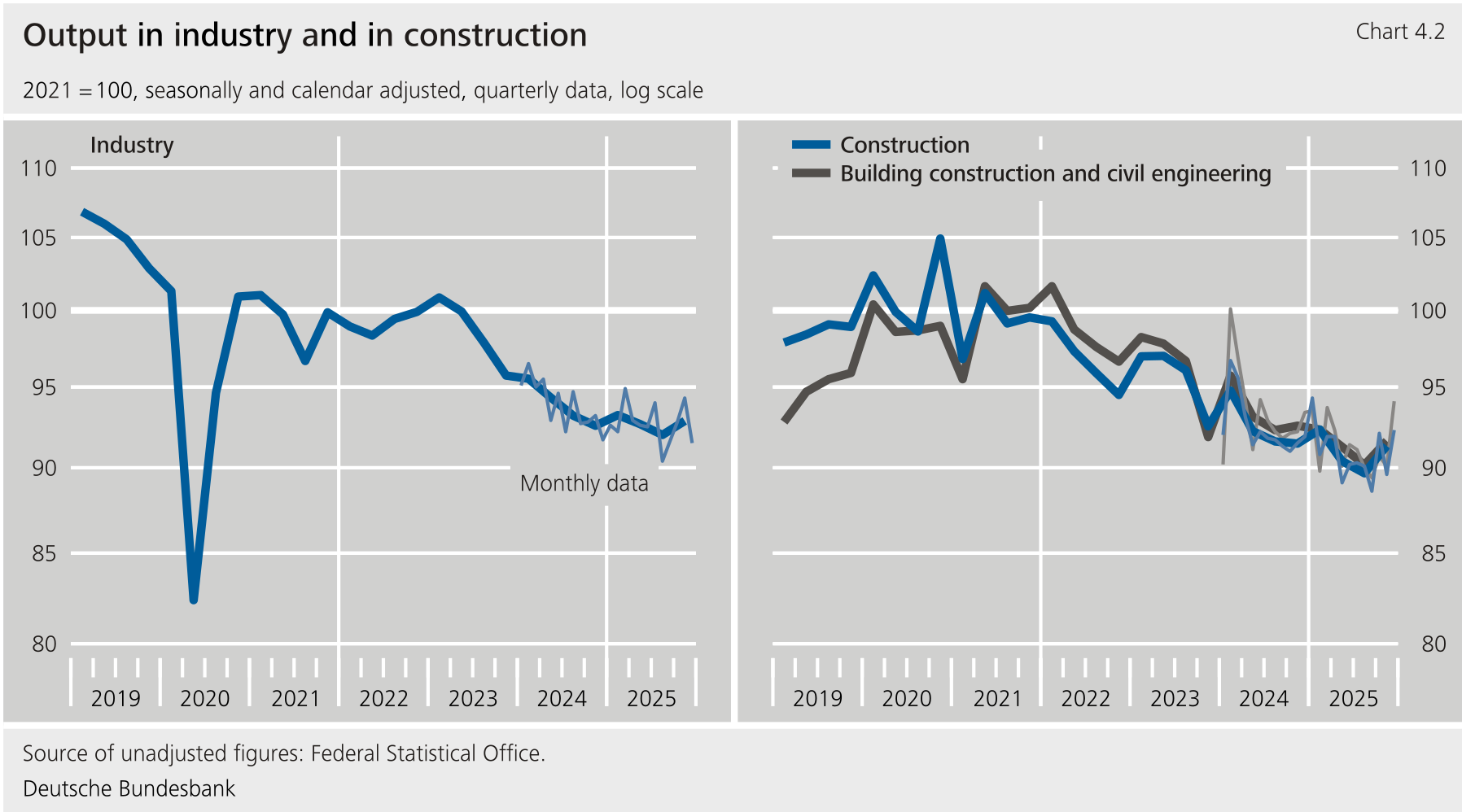
Industry regained its footing somewhat in the fourth quarter. Although seasonally adjusted industrial output was down on the month in December 2025, mainly attributable to a sharp drop in the manufacture of motor vehicles, average Q4 industrial output was up on the previous quarter, however. Price-adjusted industrial sales also rose in the fourth quarter, albeit at a slower pace than production. Developments were mixed across sectors. While production and sales of electrical equipment, computers, electronic and optical products and other transport equipment were up, for example, they were down for the mechanical engineering and chemical industries. Industry benefited mainly from rising domestic demand. Price-adjusted goods exports rose only moderately. Whilst exports to euro area countries had a supporting impact, exports to non-euro area countries continued their slide in price-adjusted terms. They continued to suffer from the high US tariffs and the strong euro compared with the US dollar. However, following the sharp declines in the summer half-year, exports to the United States fell only slightly in terms of value.
label.digression
An indicator analysis of industrial weakness in Germany compared with the euro area
Economic performance from industry in Germany has been sluggish for several years. Measured in terms of gross value added, in price-adjusted terms, it was around 4 % lower in 2024 than in 2017. 1 By contrast, in the euro area as a whole (including Germany but excluding Ireland, which registers strong one-off developments) it was 2.5 % higher than in 2017. Labour shortages, high energy costs and declining competitiveness in a changing international environment are often cited as possible causes for the particular weakness of Germany’s industrial sector. These factors were assumed to be less significant in other euro area countries. This analysis therefore compares developments in the industrial sectors of Germany and of the euro area, using the different economic conditions to better disentangle the significance of the individual factors influencing Germany’s industrial weakness.
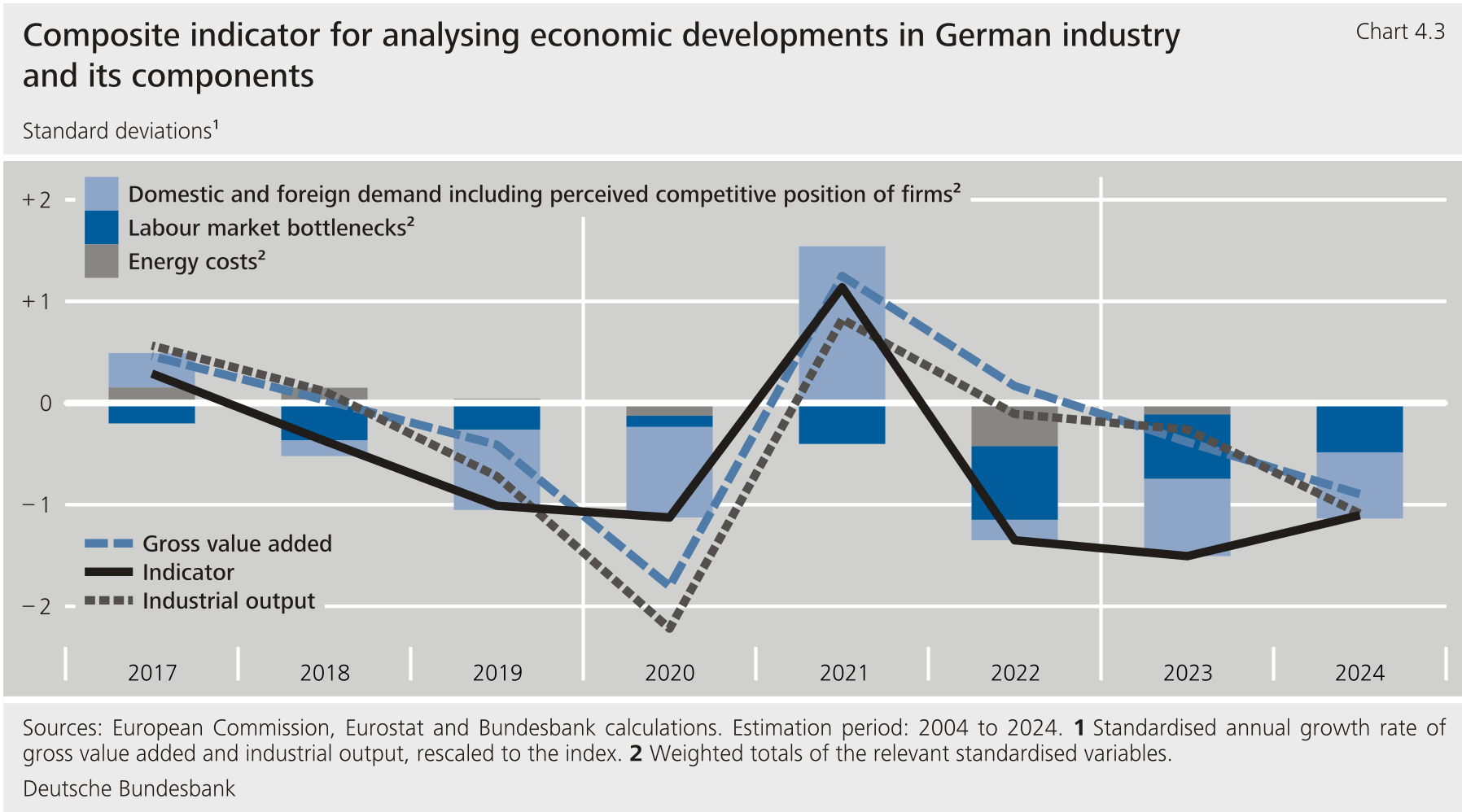
To explain the weakness of the industrial sector in Germany, a composite indicator is constructed from nine possible influencing factors for the period from 2004 to 2024. This approach is based on a similar methodological approach developed by the OECD. 2 These factors take into account both traditional growth drivers and current challenges facing German industry. 3 The composite indicator uses survey-based indicators of demand shortages, financing bottlenecks, competitive position, and labour and skilled labour shortages provided by the European Commission. Data on electricity and gas prices, the goods export ratio, profit margins and the old-age dependency ratio are also factored in. 4 The European Commission’s survey-based indicators provide regionally and temporally consistent information on significant obstacles for firms.
The composite indicator turns out to be closely linked to industrial production and industrial gross value added. Over the analysis period, the correlation between the indicator and the standardised annual rates of change in industrial production and gross value added comes to around 90 %. This suggests that the indicator tracks economic developments in industry closely, implying that its underlying indicators are relevant to developments in the industrial sector. 5 A robustness check confirms that the results remain broadly unchanged when using alternative specifications. 6
The composite indicator for Germany suggests that the pre-pandemic industrial downturn was mainly driven by demand and competition factors. While rising demand, a sound competitive position and low energy costs were still key factors in 2017, weaker tendencies began to emerge from 2018 onwards. These were initially visible in declining exports and profit margins, followed by weaker demand and a deteriorating competitive position. Labour market bottlenecks caused by a shortage of skilled workers and demographic changes were also starting to materialise. 7
The pandemic and its consequences were also mainly reflected in lower demand and export slumps. In 2021, the indicator shows a short-term recovery, which can be explained by a temporary rise in demand and a stronger competitive position according to the surveys. 8
From 2022 onwards, weak demand was accompanied by a sharp rise in energy costs and larger labour market bottlenecks. The sharp rise in energy prices in the wake of Russia’s war of aggression against Ukraine, as well as greater demographic challenges and a shortage of skilled workers, weighed on German industry from 2022 onwards. 9 In addition, the surveys revealed a deterioration in competitiveness, which further exacerbated the decline in industrial activity. While energy-related cost pressures eased from 2023 onwards, dwindling demand and exports contributed to a significant drop in industrial output in 2024.
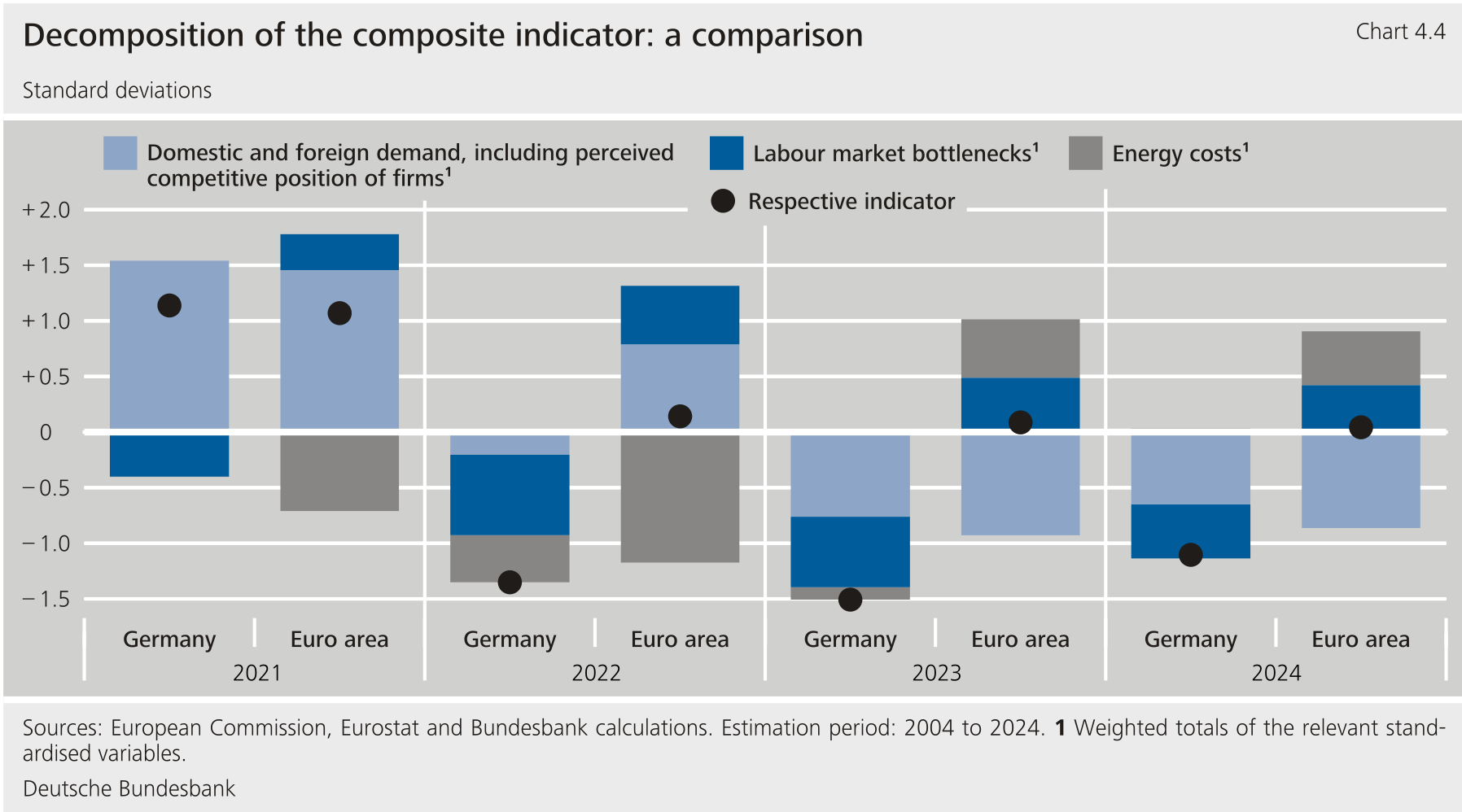
A comparison with developments in the euro area as a whole shows that labour market bottlenecks, in particular, have played a significantly smaller role as dampening factors than in Germany in recent years. 10 Some of the differences can be explained by more favourable demographic developments in other euro area countries. Besides the labour market bottlenecks, burdens caused by high energy costs were also smaller in the euro area as a whole in 2023 and 2024, although they were more significant in 2022. Differences in government measures to regulate energy costs are likely to have played a role here. By contrast, the weakness in exports also depressed activity in the euro area manufacturing sector.
Investment in machinery and equipment may have expanded. An indication of this was that capital goods producers (excluding motor vehicles) posted strong growth in price-adjusted domestic sales in the fourth quarter. According to the nominal data available up to November, imports of capital goods (excluding motor vehicles) were lacklustre. Both imports and domestic sales point to increased investment in computers, electronic and optical products. According to data from the German Association of the Automotive Industry (VDA), commercial vehicle registrations also rose sharply, suggesting growing investment in vehicle fleets. Modernisation is likely to have been the driving motivation in both cases. Given that, according to the ifo Institute, capacity utilisation in industry is still depressed, there remains scant incentive to invest in expansion. All other things being equal, this is likely to have dampened firms’ investment in machinery and equipment.
Construction contributed positively to growth. Construction output increased considerably. Civil engineering output was up for the fifth consecutive quarter. Production in building construction and finishing trades also increased after previously having declined. Surveys conducted by the ifo Institute on hindrances to construction activity point to the rather favourable weather conditions, especially in December, as a potential contributing factor. Although the share of firms with a shortage of orders declined again slightly in the fourth quarter in building construction, it was still very high at 45.6 %. In civil engineering, the orders situation remained significantly better. In line with output, construction investment is also likely to have risen in the fourth quarter.
Private consumption and the related services sectors increased, supported by steep wage growth. Price and seasonally adjusted retail sales increased somewhat on the quarter. They even rose significantly in the accommodation and food services sector according to data available up to November. A sharp rise in car purchases probably supported household consumption. According to data from the VDA, there was a major uptick in private motor vehicle registrations in the fourth quarter. Together with the significant increase in commercial vehicle registrations, this also points to dynamic motor vehicle trade. Price-adjusted wholesale sales also increased somewhat. By contrast, other service providers do not appear to have fared as well. According to data available up to November, production in the services sector (excluding trade) declined compared with the third quarter.
3 No trend reversal in the labour market
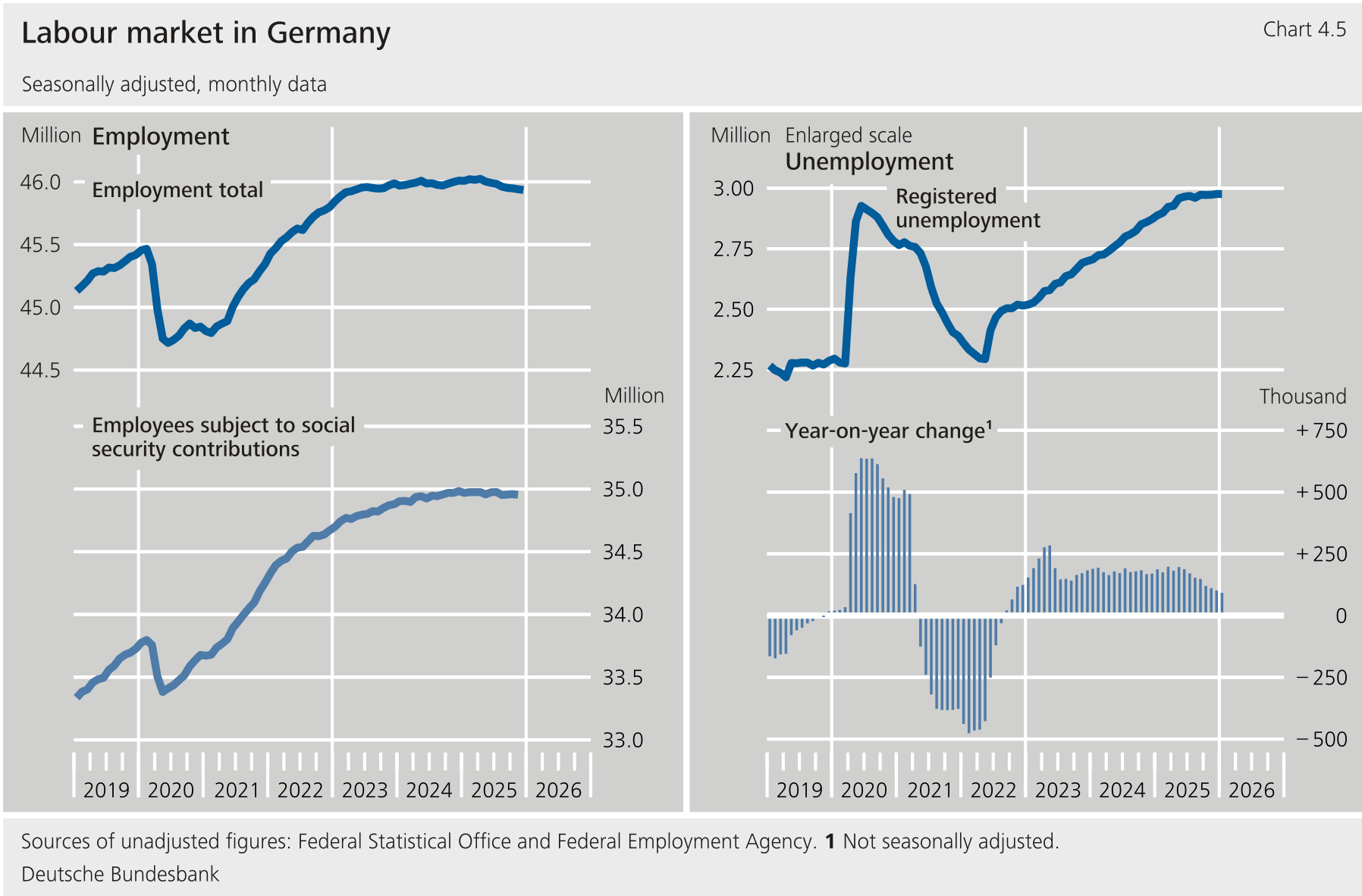
The labour market remained stuck sideways in the final quarter of 2025, too. Employment declined slightly in the fourth quarter. Overall, however, employment levels remain high, though the situation remains very diverse across economic sectors. The unemployment rate remained unchanged. Leading indicators give no promise of any short-term improvement in the subdued labour market growth.
The number of people in employment fell slightly in the fourth quarter of the year just ended. On an average of October to December, 45.94 million persons were in employment after seasonal adjustment. This was a decline of 25,000, or 0.1 %, on the third quarter. According to the Federal Employment Agency’s initial projections, which, however, only extend to November, the reduced number of people working exclusively in low-paid part-time jobs is likely to have contributed to this decline. Self-employment also fell. By contrast, the number of employees subject to social security contributions stayed almost constant. Short-time work for economic reasons remained at a moderately elevated level and continues to be concentrated in the manufacturing sector.
The comparatively stable number of employees subject to social security contributions obscures considerable shifts between economic sectors. The trends of recent quarters have continued. The pace of job shedding in the manufacturing sector matched that of the previous four quarters. Even though temporary agency work dropped off a cliff over the past three years, it is currently still falling markedly. It is often used in the manufacturing sector. Employment figures in construction remained virtually unchanged. Infrastructure renewal projects do not yet appear to be leading to increased hiring in the construction sector. There was a relatively strong hiring surge in the – albeit relatively small – energy supply field. In the services sector, trade, in particular, continued to shed jobs. The same goes for the information and communication sector. However, most services sectors predominantly saw net hiring. Once again, the largest contribution was made by the health and long-term care sector, where large-scale recruitment took place. Employment also developed positively in logistics, accommodation and food services, financial services, public administration including defence and other personal service activities.
The structural change which is buffeting Germany’s industrial sector in particular is simultaneously leading to staffing cuts and a shortage of skilled workers, with considerable shifts occurring not only between sectors, but also between occupations. Evolving professional and qualification-related requirements mean that, even in manufacturing, firms are not merely reducing staffing levels. At the same time, there is an urgent need for new skills to match changing requirements. For example, the share of people working in traditional medium-skilled production occupations has been declining for a number of years now. By contrast, demand for employees with higher professional qualifications and skillsets or in new occupational fields is tending to increase. 3 In addition, demand for IT professionals is rising particularly sharply. The most important skills adjustment mechanisms are generational change (retirements and job starters), immigration of skilled workers and re-skilling. Now and in the years to come, retirement numbers are and will be particularly high due to demographic change. This allows many industrial firms to reduce staff through normal fluctuation and avoid lay-offs for operational reasons. 4 This is likely to be one of the reasons why unemployment has risen only moderately over the past three years, despite considerable structural challenges and protracted economic weakness, and at the same time there is a considerable shortage of skilled workers.
Registered unemployment has remained virtually unchanged, as it had been since the second quarter of 2025. Averaged over the fourth quarter, roughly 7,000 persons more were registered as unemployed, after seasonal adjustment, than in the third quarter. The unemployment rate held steady at 6.3 %. In January 2026, registered unemployment remained at the previous month’s level of 2.98 million persons. Total underemployment, which, as defined by the Federal Employment Agency, also includes persons attending language and integration courses as well as those participating in labour market policy measures, declined somewhat, as already occurred in the third quarter. This is mainly due to a smaller number of sponsored participants; the gap between unemployment and total underemployment therefore narrowed somewhat.
Leading indicators show next to no promise of a short-term improvement in the labour market. Although the ifo employment barometer, which reflects recruitment plans in trade and industry for the next three months, improved perceptibly in January, December had seen it reach its lowest level since the COVID-19 pandemic. Plans to reduce staff still predominate. This is true of manufacturing and trade, while services and construction are indicating a neutral employment outlook. The IAB employment barometer, which additionally includes publicly financed services sectors such as healthcare, education and administration, is slightly above the neutral threshold. Following a very long decline running up to the end of 2025, the number of vacancies reported to the Federal Employment Agency increased somewhat in seasonally adjusted terms, with the Federal Employment Agency attributing this to a small number of reporting firms with large orders. 5 This small upswing did not continue in January, either. The Federal Employment Agency is still receiving exceptionally few new job offers subject to social security contributions. Overall, employment subject to social security contributions is likely to remain stable for the time being. The picture looks similar for unemployment over the next three months. The IAB unemployment barometer fell somewhat below the neutral threshold in January. This is consistent with unemployment rising slightly or remaining virtually unchanged.
4 Wages up significantly in the fourth quarter
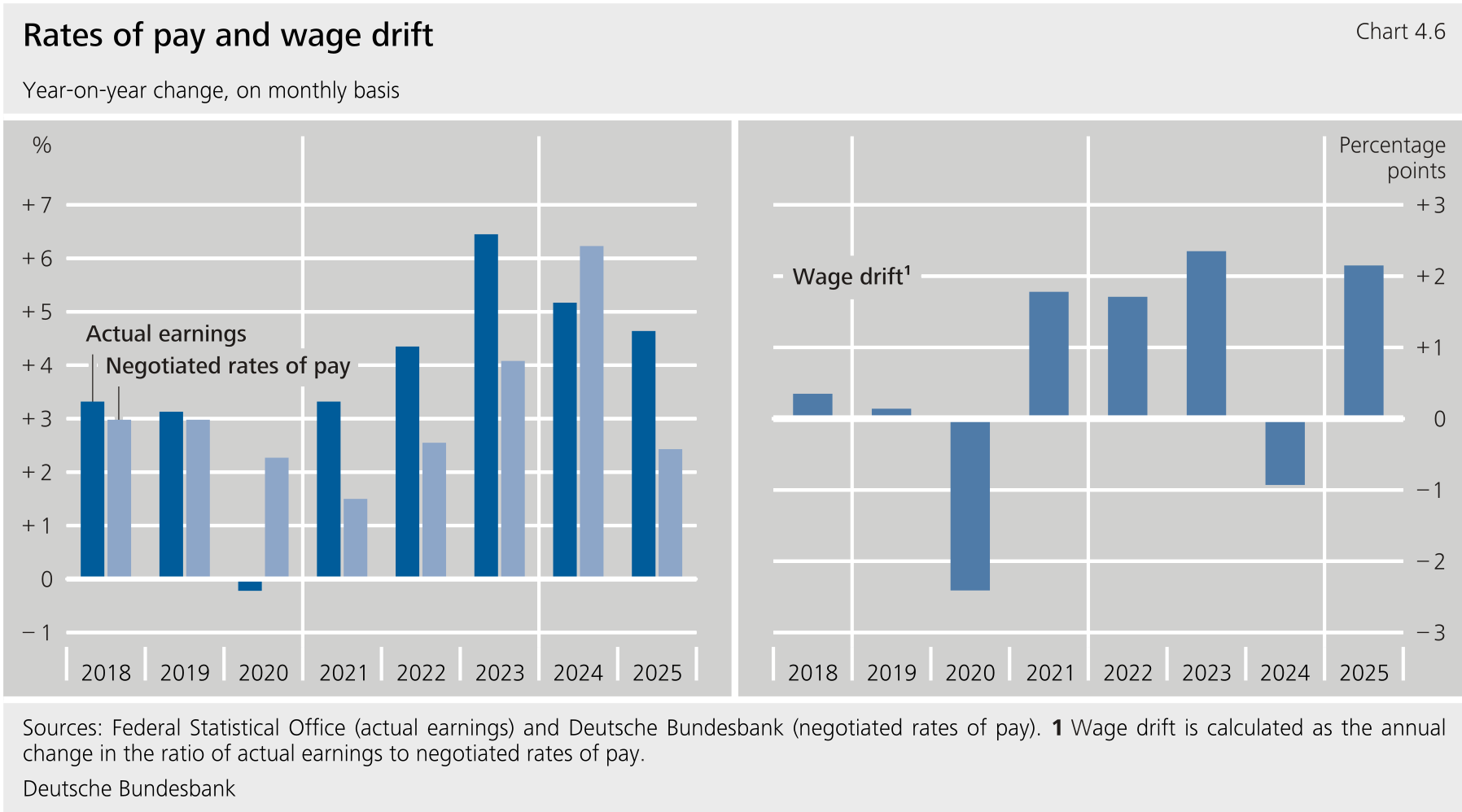
Negotiated wages saw a strong increase in the fourth quarter. Including ancillary agreements, they rose by 3.4 % on the year in the fourth quarter, after having stagnated in the third quarter. Sharply dampening one-off effects caused by high inflation compensation bonuses and back-payments in the previous year were the reasons why the increase in the third quarter was weak. 6 In the fourth quarter, such one-off effects had a significantly weaker impact on overall negotiated wages. 7 A different picture therefore emerges if these one-off effects and other one-off payments are factored out of negotiated wages and only basic pay rates are considered. In the fourth quarter, these pay rates continued to rise steeply, at 4.0 % on the year, albeit less sharply than in the third quarter (5.0 %). This is due to the fact that older wage agreements with higher incremental increases are gradually expiring and becoming less relevant.
The 2026 wage round is larger than in the previous year and affects around 11 million employees. This year, negotiations between the social partners are taking place in the chemical industry, retail and wholesale trade, and the metal and electrical engineering industries, for example. In the public sector of the federal states (excluding Hesse), a wage agreement was reached in February which was significantly lower than the previous wage agreement in December 2023. Given a comparatively long contractual term, the new collective wage agreement envisages moderate wage increases, which are likely to lead to slight real wage growth. In the chemical industry, which is currently in the middle of negotiations, the German Mining, Chemical and Energy Industries Union (IGBCE) has expressly taken specific wage demands off the table. However, it is pushing towards higher incomes to further strengthen employees’ purchasing power. At the same time, protecting employment is an important concern for the trade union. Trade unions’ recent wage demands for various sectors currently range between 5 % and 7 %, which is slightly lower than in the previous year. As the macroeconomic environment is likely to improve only gradually, new wage agreements are likely to be moderate.
Actual earnings are likely to have risen sharply in the fourth quarter. This is indicated by the Federal Statistical Office’s earnings survey, according to which nominal wages rose more strongly than negotiated wages over the October to December period. 8
Wages rose less sharply in 2025 as a whole than in previous years. According to provisional Federal Statistical Office data, actual earnings rose by 4.6 % on the year, compared with 5.2 % in 2024. Negotiated wages rose by 2.4 %, following 6.2 % in the previous year. Wage drift was thus significantly positive in 2025. One reason is that, in 2024, the frequent and high inflation compensation bonuses were paid out predominantly at enterprises bound by collective agreements. As a result, the discontinuation of these bonuses dampened negotiated wages in 2025 significantly more strongly than non-negotiated wages and wages outside of collective agreements, which are included only in actual earnings.
The general statutory minimum wage was raised sharply, by 8.4 %, on 1 January 2026. It rose from €12.82 to €13.90 per hour. This increase will have a direct and especially strong impact in the lower wage brackets in the labour-intensive low-wage sectors. However, through spillover effects on remuneration somewhat above the minimum wage, it will also contribute indirectly to a higher aggregate wage increase. This will amplify the increase in actual wages this year. 9
5 Inflation rate around 2 % at turn of year
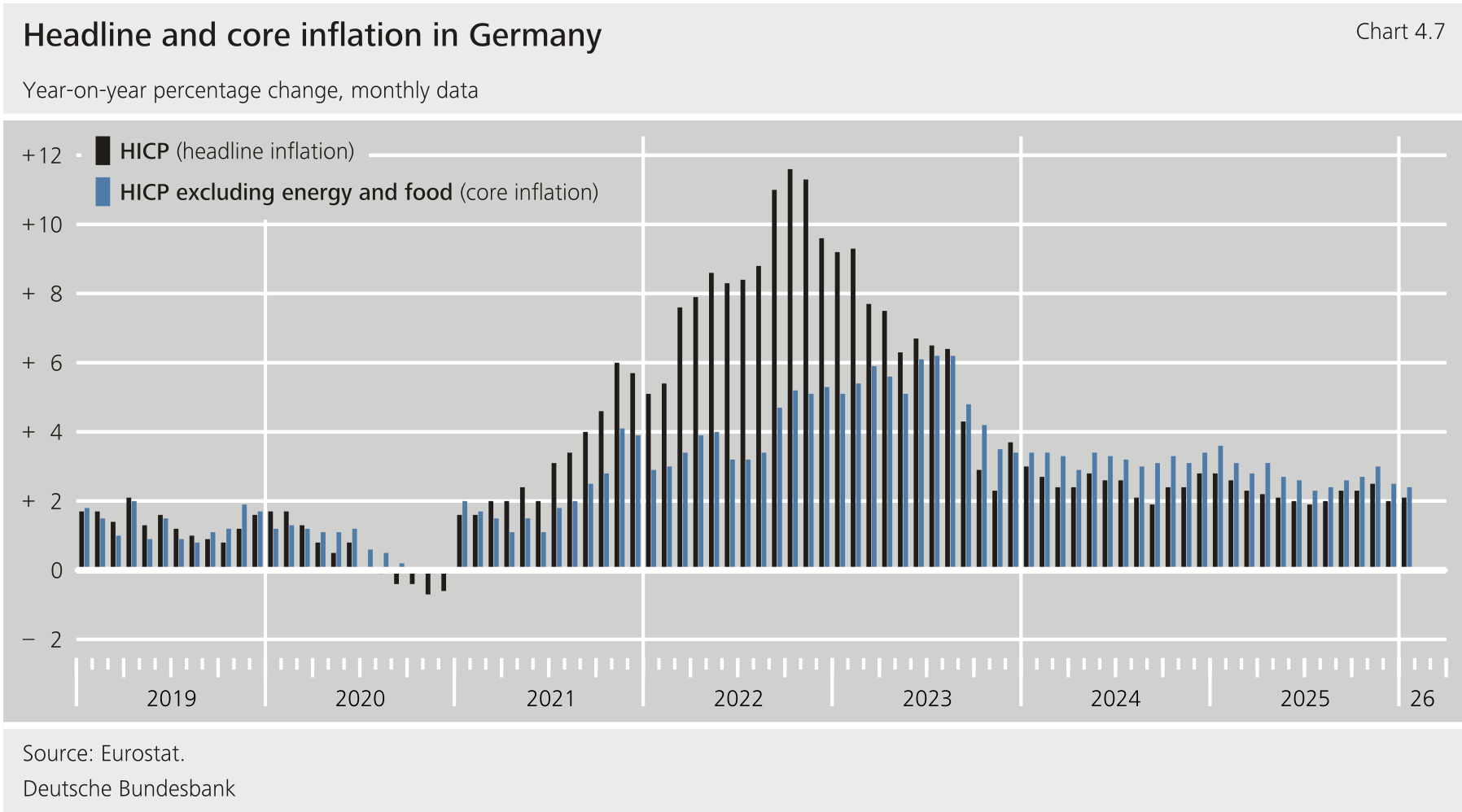
Consumer prices (HICP) rose somewhat more sharply in the fourth quarter than in the previous two quarters. On average across the months of October to December 2025, consumer prices increased by a seasonally adjusted 0.6 %, compared with 0.5 % in the two preceding quarters. Services prices, which are already dynamic, surged further. Travel services prices, in particular, rose significantly. However, prices for other services also continued to rise markedly. This was reflected in the persistently strong wage increases. By contrast, non-energy industrial goods inflation came to a near-standstill. This may reflect the lagged effect of the appreciation of the euro in the first half of 2025. Food price dynamics also declined significantly owing to lower commodity prices. The decline in the prices of dairy products outweighed the sharp rise in meat prices. Energy prices broadly stagnated in the fourth quarter of 2025, despite falling crude oil prices compared with the previous quarter. The annual headline inflation rate rose from 2.1 % in the third quarter to 2.3 % in the fourth quarter of 2025, supported by base effects from the previous year. Core inflation excluding energy and food rose significantly, from 2.4 % to 2.7 %. 10
On an annual average in 2025, the inflation rate fell to 2.3 %, from 2.5 % in 2024. Services price inflation came down a little, yet remained markedly elevated. Unit labour costs have been rising somewhat less sharply, which may be one factor among several. Non-energy industrial product inflation also continued to decelerate, to which a stronger euro contributed in part. Energy prices fell again due to lower commodity prices, albeit somewhat less sharply than in the previous year. Food price inflation was roughly in line with the previous year’s figure and thus the historical average, taking into account the past period of high inflation. The more restrictive monetary policy of previous years continued to have a dampening effect on the inflation rate in 2025.
Consumer prices rose considerably as the year began. According to provisional estimates, they were up by 0.3 % in January after seasonal adjustment compared with December. Energy prices rose, mainly owing to higher fuel prices. The increase in the carbon price under the national emissions trading scheme from €55 per tonne to a corridor of €55 to €65 at the turn of the year was a contributing factor. However, this alone cannot explain the significant rise in fuel prices. In addition, stricter requirements for the reducing the greenhouse gas ratio (GHG ratio) are also likely to have played a role. 11 These effects outweighed the dampening impact of government measures, such as the reduction in transmission grid fees or the abolition of the natural gas storage levy. Food prices also went back up in January after having barely changed in previous months. In the case of services, administered services prices once again rose significantly, partly because the price of the “Deutschland-Ticket” was raised from €58 to €63. Even though the VAT on food was reduced at the beginning of the new year, restaurant prices were still pointing upwards. Prices for industrial products rose again in January, following a significant decline in the previous two months. Annual headline inflation rose slightly from 2.0 % in December to 2.1 % in January. 12 By contrast, according to official European estimates, the core rate fell slightly from 2.5 % in December to 2.4 % in January.
Over the next few months, the inflation rate is likely to hover around the 2 % mark. The core rate is likely to initially remain elevated because services prices will continue to rise dynamically, especially administered prices for health and elderly care. By contrast, non-energy industrial goods prices are expected to continue to rise by only very little. Food prices are expected to rise moderately over the next few months. Despite the recent rise, energy prices are likely to continue to dampen headline inflation for the time being, partly owing to base effects from the previous year. The various technical changes to the HICP that entered into force at the beginning of the year (see the supplementary information entitled “Recent technical adjustments to the Harmonised Index of Consumer Prices”) have, amongst other things, significantly changed the structure of the HICP basket of goods and necessitated adjustments to the price analysis. However, they have had little impact on the inflation outlook.
label.digression
Recent technical adjustments to the Harmonised Index of Consumer Prices
Several technical adjustments to the Harmonised Index of Consumer Prices (HICP) came into effect at the beginning of 2026. As of the January 2026 reporting month, the basket of goods on which the HICP is based was restructured; it now additionally includes games of chance. In addition, the regular update took place of the weights of goods and services in the HICP basket of goods and the country weights for the HICP in the euro area, and the member country Bulgaria was added. 1 There were also further adjustments. Amongst other things, the reference year of the index was updated from 2015 to 2025, 2 and Eurostat harmonised rounding practices for published HICP data. 3
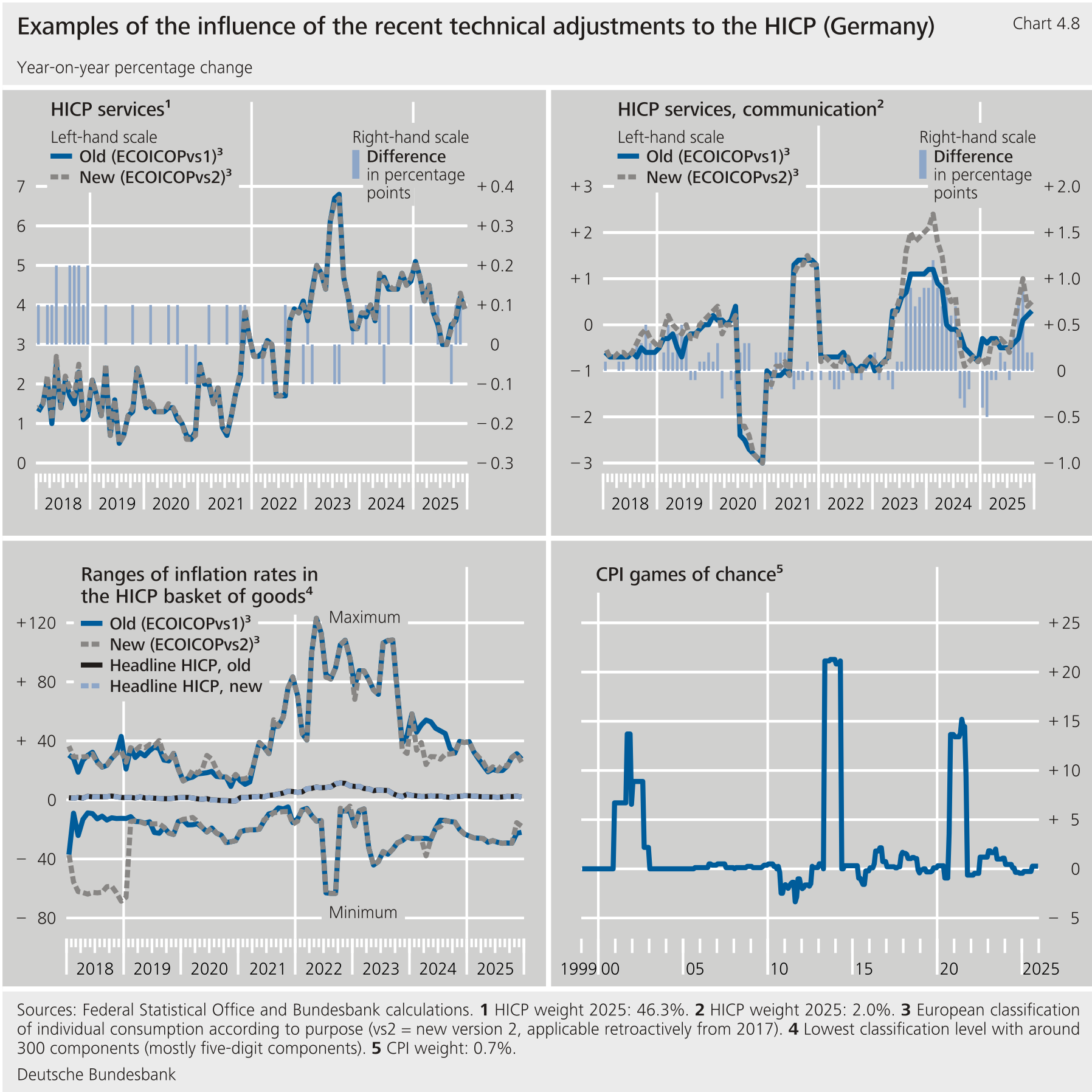
The HICP basket of goods has been heavily restructured and now follows the ECOICOPvs2 classification. ECOICOPvs2 stands for the European classification of individual consumption according to purpose (version 2). 4 This follows the UNCOICOP 2018 classification. 5 The update of the classification system is the largest methodological change the HICP has undergone since it was introduced back in 1997. 6 It applies retroactively going back to 2017 and involves renaming, splitting and aggregating individual groups of goods and services in the HICP basket of goods. 7 Such shifts have significantly changed the composition of the time series at the lower classification levels of the HICP. This meant, for example, that the range between the highest and the lowest inflation rate at the very granular level of around 300 components of the HICP basket of goods in 2024 was lower than before according to the new classification. Headline HICP, meanwhile, remained unchanged.
As a result of the reclassification, HICP special aggregates and core rates were revised going back to 2017. 8 The five-digit groups described above not only form part of the new ECOICOPvs2 hierarchy, they have also been the basis for the HICP special aggregates “energy”, “food”, “non-energy industrial goods” and “services” since 2017. 9 These play a prominent role in the monetary policy context and when defining core rates. As a result of the reclassification, (parts of) some five-digit components now belong to other special aggregates. 10 In total, around 20 five-digit categories in the ECOICOPvs2 system were shifted – some only partially – between the large special aggregates. 11 As a result, there were revisions not only to the five-digit categories, but also to higher-level aggregates, with the extent of the revisions decreasing with the degree of aggregation. 12 The annual rates of the top special aggregates, energy, food, services and non-energy industrial goods, were therefore generally revised by up to 0.2 percentage points only in individual months in the period from 2018 to 2025. 13 Much the same applies to core inflation excluding energy and food. By construction, the HICP headline rate and the energy components remained unchanged by the reclassification.
Since the January 2026 reporting month, the HICP has included games of chance. Games of chance account for a significant share of consumer spending in Germany, but also in other European countries. As a result, they have been included in the HICP in a harmonised manner since January 2026, based on gross gaming revenue and payout rates in all euro area countries. 14 The German national CPI has included games of chance in the form of traditional lotteries for some time now, with a basket share of just under 1 % at present. Prices for games of chance as captured in the national CPI have changed by an average of around 2 % on the year since 1999. The inflation rate has fluctuated quite strongly, and in some cases sharply, between − 3 % and 21 %. The inclusion of games of chance could therefore increase the volatility of the HICP, at least in Germany, and the sudden price changes for games of chance could be reflected in the HICP headline rate.
At the beginning of the year, the regular update of HICP weights for all countries, including the new euro area member country Bulgaria, and components took place. HICP weights are adjusted annually to match consumption patterns and extrapolated with the relative price dynamics of the components of the basket of goods. 15 The share of services in the basket of goods increased from 45.9 % to 46.7 % in the euro area, for example. This was probably partly because services had previously become relatively more expensive. In addition, the weight of services rose as games of chance were included in the HICP basket for the first time. By contrast, the weight of goods fell slightly. Energy now accounts for 9.0 % of the basket of goods, food for 18.9 % and non-energy industrial goods for 25.3 %.
The technical adjustments to the HICP do not result in any particular need to revise the December 2025 inflation forecast for Germany. 16 The December 2025 Eurosystem inflation forecast did not yet take into account the technical adjustments to the HICP at the beginning of 2026. According to what we know so far, these adjustments are likely to change the structure of the HICP’s basket of goods and thus necessitate corrections to the price analysis. However, the impact on the special aggregates and therefore on the forecast of the headline HICP should be small. With the publication of the Eurosystem’s new inflation forecast in March 2026, actual and projected HICP data will be based on the same data status again.
label.digression
House prices in Germany in 2025
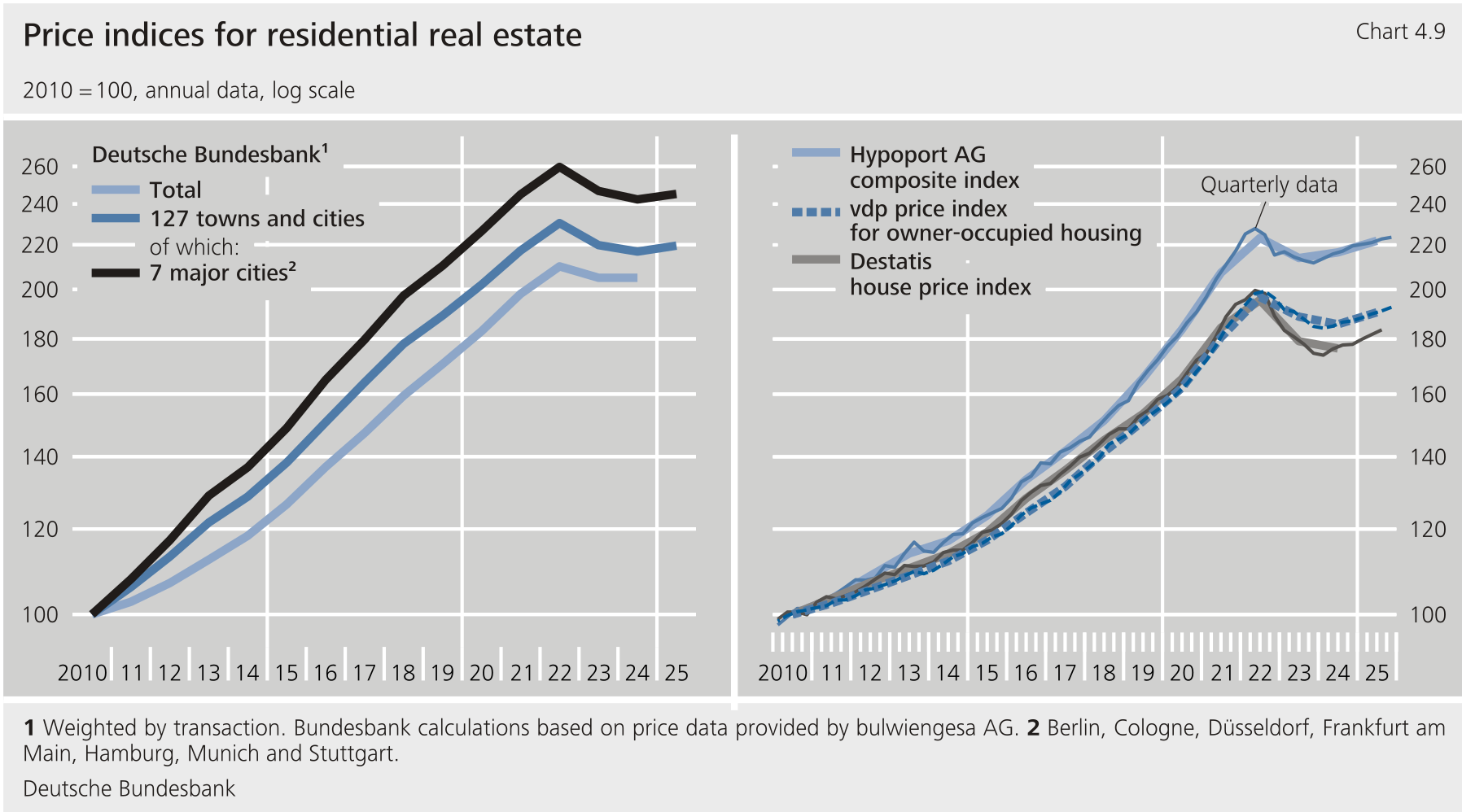
House prices in Germany went up moderately in 2025. Demand for housing increased amid growth in disposable income and a relatively stable labour market. Somewhat improved financing conditions also played a part. At the same time, the expansion in supply slowed further. House prices moved onto a path that was broadly in line with fundamentals last year. 1
Prices were on an upward trajectory according to virtually all price indicators. According to the Association of German Pfandbrief Banks (Verband deutscher Pfandbriefbanken, vdp), prices for owner-occupied housing went up by 2.6 % in 2025. On average over the first three quarters of 2025, the Federal Statistical Office’s price index rose by 3.3 % compared with the same period of the preceding year. Hypoport AG’s EPX price index for residential real estate grew by 2.5 % in 2025.
House prices also saw an annual average increase in towns and cities. Calculations based on bulwiengesa AG data show that house prices in 127 towns and cities went up by 1.3 % last year. Prices in those towns and cities had fallen by 1.4 % one year earlier. In the seven major cities, prices increased by 1.2 %. According to the vdp price index for owner-occupied housing, there was a rise of 3.3 % in the seven major cities.
The increase in rents for new lettings slowed further. According to vdp data, rents for new lettings in Germany rose by 3.7 %. Calculations based on data provided by bulwiengesa AG show that rents for new lettings in towns and cities went up by 2.9 %. In the seven major cities, rents increased by 2.6 %. As a result, the increase in rents for new lettings continued to converge with the rises in house prices.
Demand for housing remained strong in 2025. This reflects the fairly stable labour market despite the weak economy, higher purchasing power due to lower inflation rates, and strong wage growth. On balance, households’ real income position was somewhat better than in the previous year. Interest rates on mortgages came down slightly last year, following their dramatic rise. Together with nominal income growth, the somewhat improved financing costs more or less offset price increases. The affordability of credit-financed residential property therefore remained virtually unchanged. While net immigration weakened, the long-term trend towards more single-person households continued.
According to the Bundesbank’s transaction indicator, activity in the German housing market continued to recover from the weak spell in previous years. The strong growth in transactions suggests that more and more house purchases that had been put off in preceding years were finally made last year. 2 Overall, transaction activity in the housing market was only slightly below the level seen at the start of the last upswing in the housing market.
Growth in the supply of housing probably reached its lowest level to date last year. The number of completed dwellings is likely to have fallen significantly short of the 250,000 units in 2024, when the expansion in supply slackened. One indicator of this is the decline in building permits lasting into 2024; these typically lead to completions only after some delay. Building permits did recover somewhat last year. Overall, they were around 10 % higher than in 2024. However, this does not yet signal a significant improvement in the housing supply. One important reason for the small growth in supply is the high cost of materials and labour in the construction sector, which climbed higher in 2025. This made investment in additional housing unprofitable in some instances. Additionally, building land remained scarce.
House prices in Germany developed broadly in line with fundamentals in 2025. According to the results of the regionally differentiated panel estimation model, house prices in German towns and cities in 2025 were roughly at the level that is appropriate given socio-demographic and economic fundamentals. 3 For Germany as a whole, house prices developed in line with their long-term relationship with interest rates and income. Both the ratio of purchase price to annual rent for dwellings in towns and cities and the aggregate price-income ratio fell further in 2025. Both metrics exceeded their long-term mean by less than 15 %.
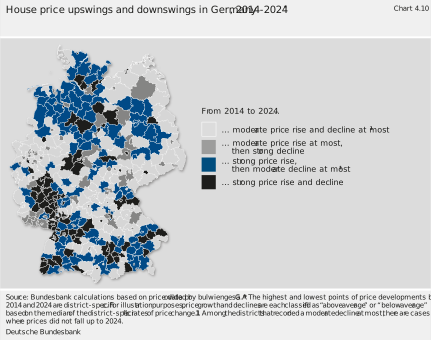
There were strong differences in how recent price exaggerations dissipated depending on the region. Bundesbank analyses based on district-specific data show that real estate prices fell particularly sharply in some areas after peaking around 2022. This was the case in places where the price upswing beforehand had been extremely strong. Looking back, it can also be seen that, in regions where properties' land value had undergone a particular increase or where the expansion of housing supply was extremely rigid, prices fell more sharply from around 2022 than elsewhere. These factors appear to have supported the subsequent price declines. In towns and cities, the return of prices to the path justified by fundamentals was mainly helped by significant price drops. In rural areas, meanwhile, housing supply had expanded much more strongly prior to 2022. This mitigated price swings in either direction. In addition, rents for new lettings went up fairly strongly from around 2022 onwards. This is another reason why, despite smaller price declines from 2022 – and even uninterrupted increases in some cases – rural areas are considered to have no further significant potential for setbacks.
6 Economic output likely to grow only moderately in the first quarter of 2026
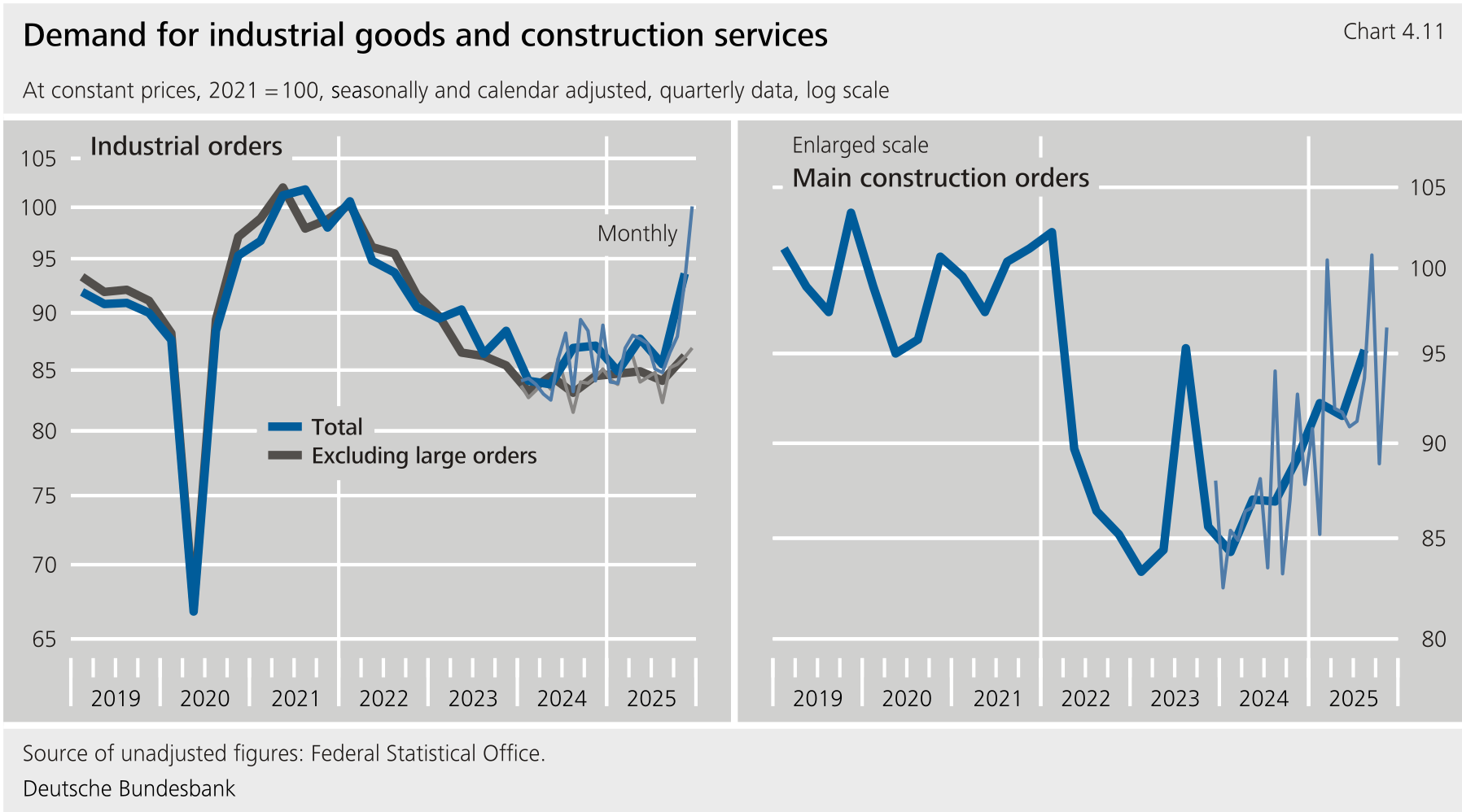
The economy is likely to continue to grow in the first quarter, albeit with weak momentum. According to the ifo Institute, the majority of firms still had pessimistic business expectations in January and assessed their business situation as unfavourable. Weak capacity utilisation in industry is continuing to dampen investment. Owing to its poor competitive position, German industry is additionally deriving only limited benefit from global economic growth. Demand for German industrial products has recently risen sharply, to be sure. However, a large part of the particularly steep rise in domestic new orders is likely to be attributable to large orders in connection with additional government spending on defence, which do not have a direct impact on production. In construction, public sector entities also placed significantly more new orders as a general trend. As new orders in housing construction, too, have recently risen steeply, the recovery in demand in construction is broadening. However, weather conditions have so far tended to be unfavourable compared with the end of the previous quarter, and this could dampen construction output. In addition, initial available indicators suggest that private consumption may not be able to maintain its elevated level. From the second quarter onwards, however, the German economy is likely to grow more dynamically, driven mainly by fiscal stimulus.
Industry and exports are set to grow in the current quarter. The near-term prospects for industry have recently shown some signs that warrant caution. One is that, according to the ifo Institute, production plans in January fell short of the previous quarter. In addition, capacity utilisation declined again somewhat compared with October, following a one-year-long increase. Also, according to VDA data, motor vehicle production in January was down on the month and on the quarter. However, according to the ifo Institute, the business situation in the manufacturing sector improved in January, which suggests that industry will continue to recover. A potential reason is that industrial firms’ demand situation is visibly brightening. Seasonally adjusted new orders in German industry rose very strongly in December 2025. As in October and November, domestic orders, in particular, contributed to this sharp increase. The volume of large orders increased for the third time in succession. In the fourth quarter as a whole, too, new orders surged compared with the previous quarter. And even excluding large orders, growth was still significant. Orders for military equipment are likely to have been a factor in the extremely strong rise in domestic orders in the fourth quarter. New orders in other transport equipment, which also includes military vehicles, rose strongly. In addition, manufacturers of weapons and ammunition saw a sharp rise in domestic orders. It is likely to take some time for these orders to translate to markedly higher production. However, they support the expectation that fiscal policy will provide significant growth stimulus as this year progresses further. New orders from abroad increased as well, both including and excluding large orders. Following the setbacks in the context of tariff increases, demand from abroad is now showing signs of upward tendencies. This is consistent with the fact that, according to the ifo Institute, export expectations rose in January. Exports are therefore set to increase.
By contrast, private consumption could ease. This is indicated by the ifo Institute’s surveys for consumer-related services. Although the business situation in the retail sector improved in January compared with the previous month, it was below the previous quarter’s average. In accommodation and food services, the business situation was even down on both the month and the quarter. Households have also recently held back on purchasing passenger cars. According to data provided by the VDA, private vehicle registrations fell sharply in January. Admittedly, the GfK consumer climate index was recently up from the previous month’s poor figure. Income expectations, in particular, but also consumers’ propensity to purchase and economic expectations, increased. Nevertheless, consumer sentiment for February likewise fell short of the average of the previous quarter.
This article is based on data available up to 18 February 2026, 11:00.